
Knitting Patterns: Complete Guide to Stitches, Techniques, and Projects
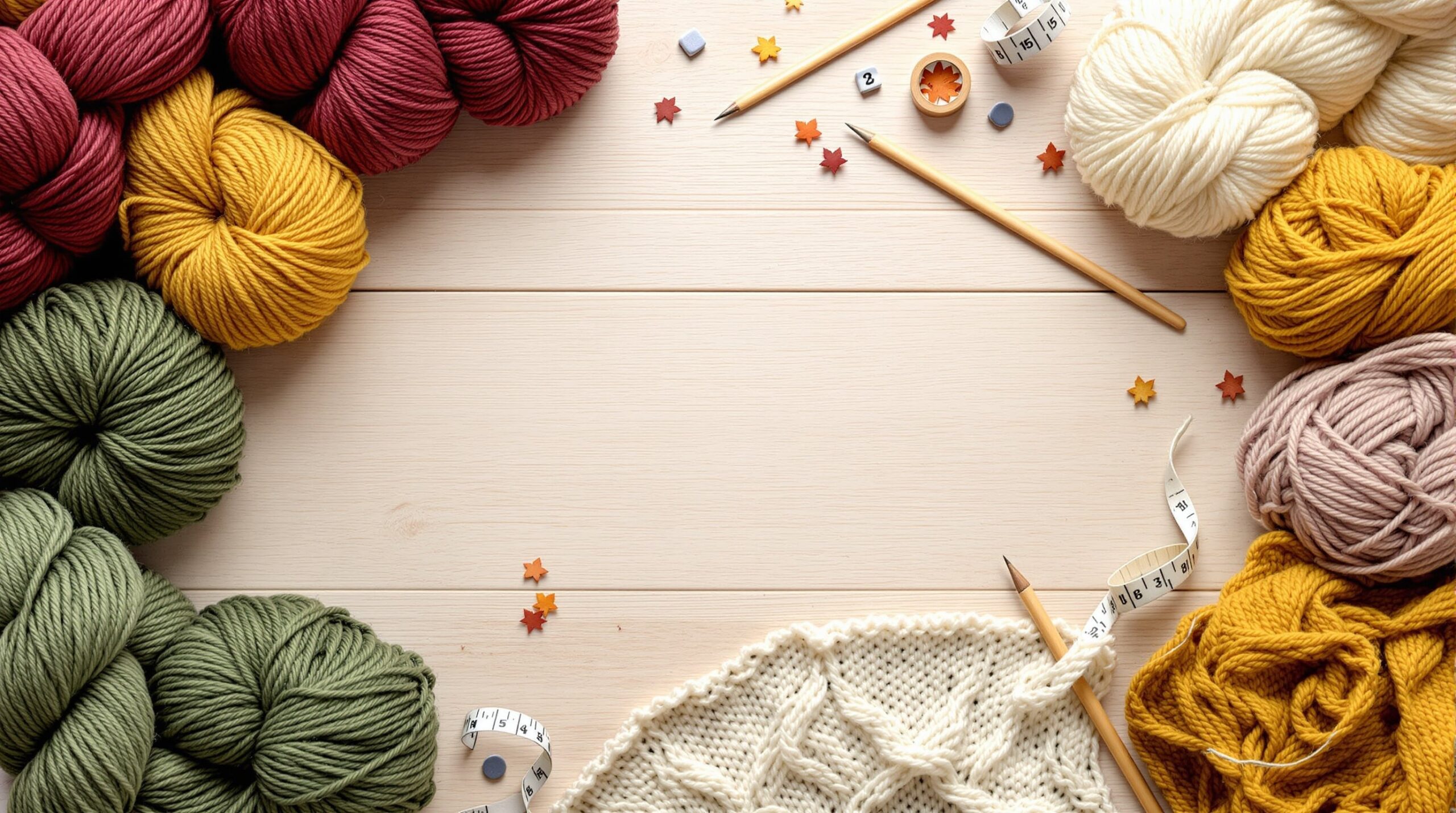
There’s something deeply satisfying about the rhythm of knitting needles clicking together while a piece of fabric grows row by row in your hands. I started knitting over twenty years ago with a lopsided garter stitch scarf, and I’ve been hooked ever since. Whether you’re picking up needles for the very first time or you’ve been knitting for decades, there’s always a new stitch to learn, a fresh pattern to try, and another project calling your name from the yarn basket.
Knitting is one of those crafts that rewards you at every level. As a beginner, you can make a beautiful scarf in a weekend. With a bit more practice, you’ll be turning out hats, mittens, and blankets. And once you’ve built confidence with the basics, the world of cables, lace, colorwork, and sweater construction opens up in ways that never stop being exciting. I still get a thrill every time I finish a pair of socks or block a lace shawl for the first time.
This guide is everything I wish someone had handed me when I first learned to knit. I’ve packed it with practical advice on stitches, techniques, tools, and project ideas — organized so you can jump to whatever’s most useful for where you are right now. Think of it as your knitting home base, a place to come back to whenever you need direction or a spark of inspiration.
What You’ll Find in This Guide
- Beginner-friendly patterns and stitches to get you started with confidence
- Common project types — scarves, hats, blankets, sweaters, socks, and more
- Essential tools and materials including needles, yarn weights, and accessories
- Techniques and stitch patterns from garter stitch to cables, lace, and colorwork
- Tips for avoiding common mistakes that trip up new (and experienced) knitters
- Seasonal and gift project ideas for holidays, home decor, and special occasions
- Featured project suggestions with specific details to get you casting on
- Answers to frequently asked questions from real knitters
Getting Started: Knitting Patterns for Beginners
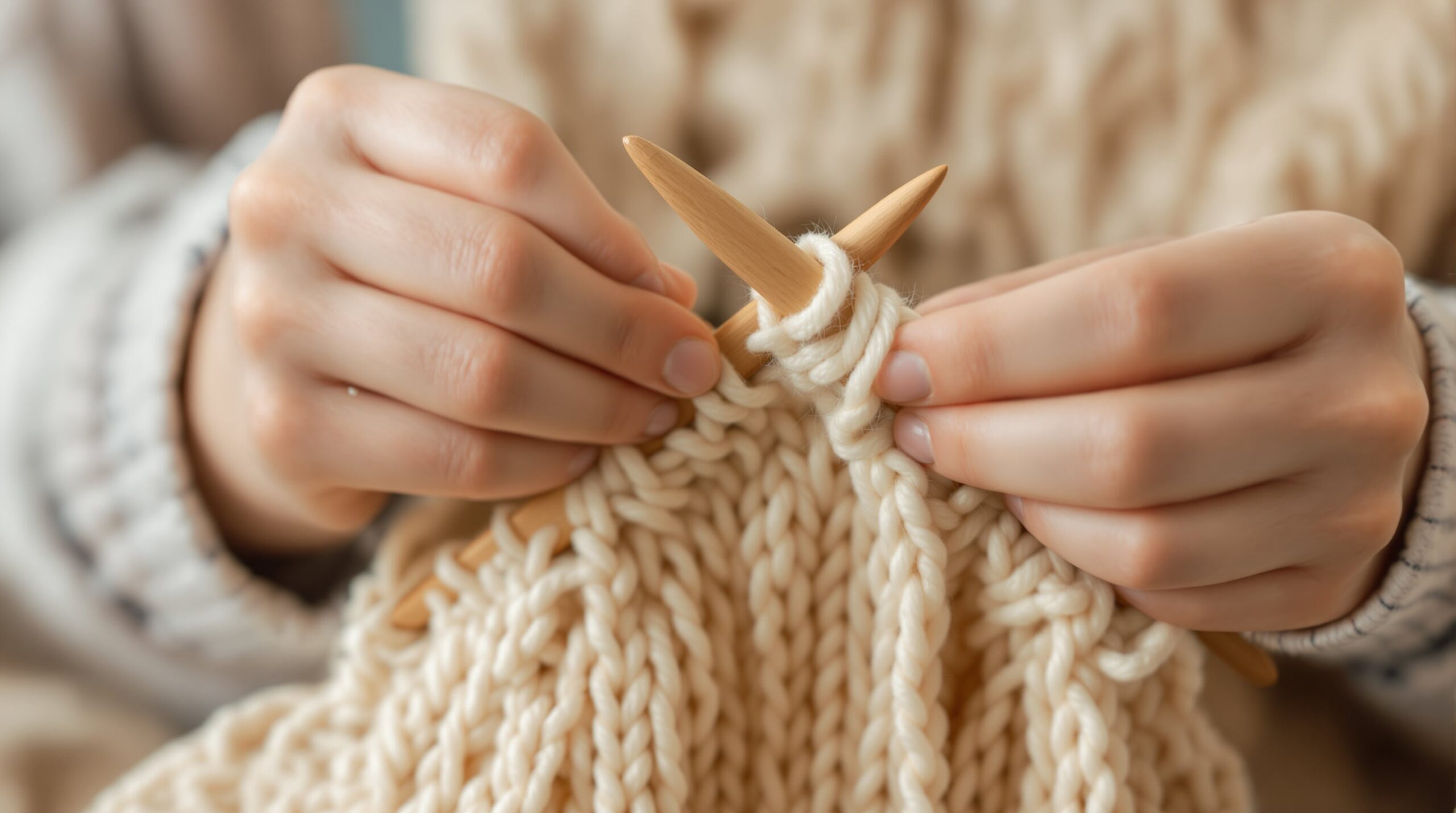
If you’ve never held a pair of knitting needles before, take a deep breath — this is going to be fun. The best knitting patterns for beginners focus on just two stitches: the knit stitch and the purl stitch. Every single knitting pattern in existence is built from combinations of these two basic moves. Master them, and you have the foundation for everything else.
I always tell new knitters to start with a dishcloth or a simple scarf. These are flat, rectangular projects that let you practice your tension and get comfortable with the feel of yarn moving through your fingers. Knitting patterns for scarves using garter stitch (knitting every row) are the simplest place to begin. You don’t need to worry about shaping, counting complicated stitch repeats, or switching between knit and purl. Just cast on, knit, and keep going.
Once your garter stitch feels even and consistent, try stockinette stitch — that’s alternating one row of knit stitches with one row of purl stitches. This creates the classic smooth “V” fabric you see in most store-bought knits. From there, knitting patterns easy for beginners open up quickly: ribbed hat bands, seed stitch washcloths, and simple striped projects that introduce color changes without any complicated techniques.
A few beginner tips that saved me a lot of frustration early on:
- Use light-colored, smooth yarn so you can see your stitches clearly
- Choose medium-weight yarn (worsted or aran weight) and size US 7–9 needles
- Count your stitches at the end of every row until it becomes second nature
- Don’t knit too tightly — most beginners squeeze the yarn, which makes stitches hard to work
- Practice casting on and binding off separately before starting your first real project
Common Knitting Project Types
One of the best things about knitting is the sheer range of projects you can make. Here’s a rundown of the most popular categories and what makes each one worth trying.
Scarves and Cowls
Knitting patterns for scarves remain the most popular starting point, and for good reason. A scarf is forgiving, portable, and satisfying to finish. Once you’re comfortable with basic scarves, cowls (tube-shaped neck warmers knit in the round) are a natural next step. Knitting patterns for hooded scarves combine warmth with style — they’re one of my favorite gifts to make.
Hats and Headbands
Hats are the gateway to knitting in the round. Using circular needles or double-pointed needles, you can knit a basic beanie in an evening. Knitting patterns for beanies and knitting patterns for headbands are great confidence builders because they’re small, quick, and immediately wearable. They also introduce you to decreasing (shaping the crown of a hat) without a huge time commitment.
Blankets and Throws
There’s nothing like wrapping up in a blanket you made yourself. Knitting patterns for blankets range from simple garter stitch squares sewn together to elaborate cable and colorwork designs. Knitting patterns for easy blankets often use chunky or super chunky yarn on large needles, so the fabric grows fast. If you want a quicker finish, knitting patterns using bulky yarn are your best friend.
Sweaters and Cardigans
Making your first sweater is a milestone. Knitting patterns for sweaters range from simple top-down raglans to intricate cabled pullovers. Knitting patterns for cardigans — including knitting patterns for chunky cardigans and knitting patterns for long cardigans — are incredibly popular because they’re versatile to wear and forgiving on fit. Many modern knitting patterns use top-down construction, which lets you try the sweater on as you go.
Socks and Mittens
Sock knitting is almost a craft within a craft — once you start, you may never stop. Knitting patterns for socks teach you about working with fine yarn, turning heels, and picking up stitches. Knitting patterns for mittens and knitting patterns for gloves are equally rewarding small projects, perfect for using up special hand-dyed yarn that’s too precious for larger projects.
Toys, Home Decor, and Gifts
Knitting patterns for teddy bears and knitting patterns for dolls make heartfelt gifts for children. Knitting patterns for animals — cats, rabbits, dogs — are charming to display or give away. On the practical side, knitting patterns for dishcloths and knitting patterns for tea cosies are quick projects that also make wonderful housewarming gifts.
Essential Knitting Stitches and Techniques
Understanding knitting stitches and patterns is what transforms you from someone who can follow instructions into a knitter who understands why the fabric behaves the way it does. Here are the core techniques worth learning, roughly in order of complexity.
Foundation Stitches
Garter stitch — Knit every row. Creates a squishy, reversible fabric with horizontal ridges. Knitting patterns using garter stitch are ideal for beginners and produce fabric that lies flat without curling. Stockinette stitch — Knit one row, purl one row. The smooth side shows the classic “V” pattern. Most garments use stockinette as their base fabric. Seed stitch — Alternate knit and purl across each row, offsetting them on the next row. Creates a beautiful textured fabric that’s great for borders and standalone projects.
Intermediate Techniques
Ribbing — Alternating columns of knit and purl (like K2, P2) creates stretchy fabric used for hat brims, cuffs, and necklines. Cable knitting — Crossing groups of stitches over each other creates those gorgeous rope-like patterns. Knitting patterns with cables look complex but use a simple cable needle to hold stitches temporarily. Once you try one cable panel, you’ll want to cable everything. Knitting in the round — Using circular needles or double-pointed needles to knit tubes for hats, socks, and seamless sweaters. Knitting patterns in the round eliminate most seaming.
Advanced Techniques
Lace knitting — Yarn overs and decreases create open, decorative fabric. Knitting patterns for lace produce stunning shawls, scarves, and garment details. Knitting patterns for lace weight yarn demand patience but reward you with heirloom-quality pieces. Colorwork — Knitting with multiple colors in a single row. Stranded colorwork (Fair Isle), intarsia, and mosaic techniques each produce different effects. Knitting patterns for colorwork let you create pictorial designs, geometric motifs, and richly patterned garments. Top-down construction — Starting at the neckline and working down. Knitting patterns top down are popular for sweaters because you can try on the garment as you go and adjust length easily.
Tools and Supplies Every Knitter Needs
You don’t need much to start knitting, but having the right tools makes a real difference in your experience. Here’s what I recommend based on where you are in your knitting practice. If you’re building a broader crafting toolkit, check out my guides on essential craft supplies and essential craft tools for more recommendations.
Needles
Straight needles — The classic pair of long, single-pointed needles. Good for flat projects like scarves and dishcloths. Knitting patterns with straight needles are the most beginner-friendly format. Circular needles — Two short needle tips connected by a flexible cable. Essential for knitting in the round and comfortable for large flat projects too. Double-pointed needles (DPNs) — Sets of four or five short needles used for small circumference knitting like socks, mittens, and hat crowns. Interchangeable needle sets — A worthwhile investment once you’re committed. They let you swap needle tips onto different cable lengths, covering nearly every project situation.
Yarn
Yarn weight matters more than brand. Here’s a quick reference:
- Lace/Fingering — Fine yarn for socks, shawls, and delicate garments. Knitting patterns using sock yarn typically call for this weight.
- DK/Worsted — Medium weight, the most versatile. Works for almost everything from hats to sweaters.
- Aran — Slightly heavier than worsted. Knitting patterns aran weight produce warm, structured fabric ideal for cables.
- Chunky/Super Chunky — Thick yarn that knits up fast. Knitting patterns for chunky wool and knitting patterns for super chunky yarn are perfect for quick blankets and cozy cardigans.
- Cotton — Great for warm-weather projects, dishcloths, and summer tops. Knitting patterns in cotton produce crisp, breathable fabric.
Accessories
A few small tools make a big difference: stitch markers for keeping track of pattern repeats, a tapestry needle for weaving in ends, a row counter, scissors, and a knitting pattern holder to keep your instructions visible while you work. A good project bag keeps everything organized — if you’re anything like me, you’ll end up with several for different works in progress. For more ideas on keeping your craft space tidy, my craft organization tips can help.
Tips, Techniques, and Best Practices
After years of knitting, these are the habits and techniques that have made the biggest difference in my finished projects.
Always Swatch
I know, I know — nobody wants to hear this. But knitting a gauge swatch before starting a garment will save you from heartbreak. A sweater knit at the wrong gauge can end up several sizes too big or too small. Swatch, wash and block the swatch, then measure. It takes thirty minutes and prevents days of wasted effort.
Learn to Read Your Knitting
This is a game-changer. Once you can look at your fabric and identify knit stitches, purl stitches, yarn overs, and decreases, you can catch mistakes immediately instead of discovering them ten rows later. Spend time studying your work — notice how a knit stitch makes a V, how a purl stitch creates a bump, and how a dropped stitch looks different from the surrounding fabric.
Block Everything
Blocking — wetting or steaming your finished knitting and pinning it to shape — transforms lumpy, uneven fabric into something polished and professional. Lace especially needs blocking to open up the stitch patterns. Even a simple stockinette hat looks better after a quick soak and lay-flat dry.
Keep Notes
Write down modifications you make to patterns — needle size changes, extra length added, yarn substitutions. Future you will be grateful. I keep a small notebook in my project bag, and it’s one of the most useful tools I own.
Common Knitting Mistakes and How to Fix Them
Every knitter makes mistakes. The difference between a frustrated knitter and a confident one is knowing how to fix them.
- Dropped stitches — Use a crochet hook to pick them back up through each row’s ladder. Practice this on a swatch before you need it in a project.
- Uneven tension — Usually improves with practice. Try to hold the yarn consistently and avoid pulling it too tight after each stitch. Continental style knitting (holding yarn in the left hand) can help some people achieve more even tension.
- Twisted stitches — Happen when you wrap yarn the wrong direction or place stitches back on the needle incorrectly. Learn to identify the leading leg of each stitch.
- Accidental increases — Usually caused by picking up the bar between stitches or bringing the yarn to the front at the wrong time. Count stitches regularly.
- Tight cast-on or bind-off — Use a needle one or two sizes larger for casting on and binding off. This prevents puckered edges.
- Curling stockinette — This is normal, not a mistake. Blocking helps, and adding borders of garter stitch, seed stitch, or ribbing eliminates the curl entirely.
Seasonal and Gift Knitting Projects
Knitting and the seasons go hand in hand. Some of my favorite projects are tied to specific times of year — and knitting handmade gifts adds something store-bought presents simply can’t match.
Fall and Winter
This is peak knitting season. Knitting patterns for Christmas stockings, knitting patterns for Christmas decorations, and free knitting patterns for xmas decorations keep my needles busy from September onward. Warm accessories — hats, mittens, neck warmers, and leg warmers — make perfect gifts. Knitting patterns for chunky cardigans and cable-knit throws are ideal for cozy evenings. If you enjoy holiday crafting across multiple disciplines, you’ll find more seasonal inspiration in my holiday craft ideas guide.
Spring and Summer
Warmer months are perfect for lightweight projects. Knitting patterns for summer tops, knitting patterns for tank tops, and knitting patterns for vest tops in cotton or linen yarn are breezy and wearable. Knitting patterns for cotton yarn produce crisp market bags and spa cloths. Lace-weight shawls work beautifully as light layers for cool summer evenings.
Holiday and Special Occasion Gifts
Handknit gifts show real thoughtfulness. Knitting patterns for gifts include quick projects like dishcloths, headbands, and coffee cup cozies as well as bigger commitments like sweaters and blankets. Knitting patterns for Easter produce adorable baskets and egg cozies. Knitting patterns for Halloween can include spooky dishcloths and costume accessories. For more gift-worthy craft ideas, check out the guides on sewing projects and embroidery patterns — handmade gifts in any fiber art are always appreciated.
Featured Knitting Project Ideas
Here are specific projects I recommend for different skill levels. Each one teaches useful techniques while producing something you’ll actually want to use or give away.
Beginner: Garter Stitch Dishcloth Set
Cast on 40 stitches with worsted-weight cotton yarn and size US 7 needles. Knit every row until you have a square. Bind off. Make three or four in coordinating colors, tie them with ribbon, and you’ve got a thoughtful housewarming gift. This project teaches casting on, the knit stitch, binding off, and weaving in ends — every fundamental skill in one small package.
Beginner-Intermediate: Ribbed Beanie
Using worsted-weight yarn and size US 8 circular needles (16-inch), cast on 80 stitches and join for knitting in the round. Work in K2, P2 ribbing for about 7 inches, then decrease for the crown. This hat introduces circular knitting, ribbing, and basic shaping. You’ll finish it in a couple of evenings and have a warm, stretchy hat that fits almost everyone.
Intermediate: Cable Scarf
A six-stitch cable panel flanked by reverse stockinette creates a classic, timeless scarf. Use aran-weight yarn and size US 9 needles. The cable crossing happens every sixth row, giving you plenty of plain knitting between the action. This project builds cable confidence and produces a scarf that looks far more complicated than it actually is.
Intermediate: One-Skein Mittens
Knitting patterns for one-skein projects are great for using up single skeins of special yarn. A pair of basic mittens uses about 200 yards of worsted-weight yarn on double-pointed needles. You’ll learn thumb gusset construction, Kitchener stitch for a seamless tip, and the satisfaction of knitting patterns for mittens that actually keep your hands warm.
Advanced: Top-Down Raglan Sweater
A top-down raglan is the most accessible sweater construction for a first garment. Starting at the neckline, you increase at four points to create the yoke, then separate sleeves and body. Knitting patterns top down let you try the sweater on as you work, adjusting length and fit. Use a smooth DK or worsted-weight yarn so you can clearly see your stitches and count your increases.
Advanced: Colorwork Hat
Stranded colorwork (Fair Isle) produces stunning patterned knitting. Start with a hat — it’s small enough to be manageable while you learn to carry two colors across a row. Knitting patterns for colorwork using just two colors per row are the easiest entry point. Choose high-contrast colors so the pattern pops, and don’t worry about your floats being perfect on the first try. Colorwork gets smoother with every project.
How Knitting Connects to Other Crafts
One of the things I love about knitting is how naturally it connects to other fiber and handwork disciplines. If you enjoy the meditative rhythm of knitting, you’ll likely love crochet tutorials — many knitters pick up crochet for edgings, borders, and projects that work up differently. The combination of knitting and crochet skills makes you incredibly versatile.
Macramé patterns share knitting’s love of working with yarn and cord to create textured fabric and home decor. Embroidery patterns offer a way to add decorative details to knitted garments — duplicate stitch on knitting is essentially embroidery on a knit grid. And if you enjoy making wearable items, sewing projects complement knitting perfectly, from adding fabric linings to knit bags to constructing garments that combine knit and woven fabrics.
For knitters who love working with beads, beading projects can be integrated directly into knitting with beaded knitting techniques — knitting patterns with beads add sparkle to shawls and accessories. And no matter what crafts you practice, having a well-organized workspace makes everything more enjoyable. My craft organization tips guide covers yarn storage, needle organization, and pattern management.
Frequently Asked Questions About Knitting
What’s the easiest knitting project for a complete beginner?
A garter stitch dishcloth or scarf. You only need to know one stitch (the knit stitch), and the project is flat and rectangular — no shaping required. Use medium-weight cotton yarn and size US 8 needles. You’ll have a finished, usable project in just a few hours.
What’s the difference between knitting and crocheting?
Knitting uses two needles and creates fabric by interlocking loops in rows. Crochet uses one hook and builds fabric one stitch at a time. Knitted fabric tends to be thinner and more drapey, while crocheted fabric is thicker and sturdier. Many crafters enjoy both — they produce different textures and are suited to different types of projects.
How much yarn do I need for a scarf?
For a standard adult scarf about 6 inches wide and 60 inches long in worsted-weight yarn, plan on roughly 300–400 yards. A chunky yarn scarf uses less yardage (about 150–200 yards) because the stitches are larger. Check your pattern for specific requirements, and always buy an extra skein if you’re unsure — you can always use leftovers for other projects.
What are the best knitting needles for beginners?
Bamboo or wooden needles in size US 7–9 are ideal for beginners. They have a slight grip that prevents stitches from sliding off, unlike slippery metal needles. Start with straight needles for flat projects, then add a set of circular needles when you’re ready to knit hats or work on larger projects.
Can I knit a sweater as a beginner?
Yes, but I’d recommend completing a few smaller projects first — a scarf, a hat, and a pair of mittens or a dishcloth. These build the skills you need for sweater construction: knitting in the round, basic shaping, and maintaining even tension over many stitches. An experienced-beginner-friendly top-down raglan sweater is a realistic first garment after a few months of practice.
Where can I find free knitting patterns online?
Ravelry is the largest database of knitting patterns, with thousands of free options. Yarn company websites also publish free patterns to showcase their products. Knitting patterns online free are widely available for every project type and skill level. Many independent designers offer at least one or two free patterns on their personal websites or through pattern platforms.
How do I fix a dropped stitch without unraveling my whole project?
Grab a crochet hook in a size close to your knitting needles. Insert it through the dropped stitch from front to back, catch the horizontal ladder bar above it, and pull it through. Repeat for each row the stitch has dropped. Work carefully to make sure you’re pulling the bars through in the right order. This is one of the most useful skills in knitting, and it’s worth practicing on a swatch before you need it in a real project.
What’s the best way to store yarn?
Keep yarn in a cool, dry place away from direct sunlight. Clear plastic bins or cotton bags work well for storage — avoid airtight containers where moisture can get trapped. Cedar blocks or lavender sachets help deter moths, which are the biggest threat to natural fiber yarn. Organize by weight or color for easy project planning. For more storage ideas, see my craft organization tips.
Final Thoughts: Why Knitting Is Worth Every Stitch
Knitting gives you something few other hobbies can match: a productive, meditative practice that results in beautiful, useful objects you can wear, gift, and treasure. Whether you’re working through your first scarf or designing your own colorwork sweater, every row is a small accomplishment that adds up to something real.
I’ve been knitting for over two decades, and I still learn something new with almost every project. That’s part of what keeps it exciting. There’s always a technique to refine, a stitch pattern to explore, or a yarn fiber to experiment with. If you’re just getting started, be patient with yourself. Those first few inches of knitting might look a little wobbly, but I promise — your hands will find their rhythm, your tension will even out, and before you know it, you’ll be casting on your next project before you’ve even bound off the current one.
Grab your needles, pick a pattern that excites you, and start stitching. I’ll be here with more project ideas, technique guides, and inspiration whenever you need it. Happy knitting!



Leave a Reply