
upcycling-craft-projects
Upcycle Sustainable DIY Projects Book Review
Upcycling, the core of Rebecca Proctor’s visually captivating DIY inspiration book, guides eco-conscious design enthusiasts to reimagine discarded items as the foundation for creative reuse projects and modern home transformation. This collection features 24 inventive sustainable DIY projects from international designers, seamlessly balancing ecofriendly crafts and sophisticated design.
With step-by-step tutorials, bold photography, and budget-friendly crafts, the book empowers DIY enthusiasts and mindful making practitioners to embrace zero waste living at every skill level.
For anyone passionate about resourceful making and ethical crafting, this practical guide sets a refreshing standard for inspirational home decor projects made from recycled materials.
What is Upcycling?
Upcycling, a cornerstone of sustainable design, transforms discarded items into higher-value products, reducing environmental impact while fueling creative making and DIY home solutions.
Repurposing textiles—such as converting old cotton t-shirts into versatile cleaning rags or quilt patches—significantly conserves water and energy compared to buying new fabrics, directly advancing zero waste living and mindful making. For beginners seeking practical sustainable DIY tips, start by turning worn-out clothes into simple cleaning rags; this accessible craft guides you toward ecofriendly ideas, resourceful making, and a reduced carbon footprint, all with materials you already have at home.
Creative Reuse for Home Decor
Upcycling offers a pathway to infuse your home with personality and eco-conscious flair, transforming forgotten objects into captivating home decor projects that highlight creative reuse and beautiful sustainable design. Imagine common household treasures like glass jars finding new life as stylish upcycled storage for organizing your pantry or craft supplies.
They can even be reimagined as unique upcycled lighting, fitted with LED bulbs and vintage-style wiring to cast a warm glow.
For those seeking unique, handcrafted accent pieces, exploring online marketplaces for handmade goods or visiting local craft fairs opens up a world of repurposed decor.
These avenues are fantastic for finding one-of-a-kind items that add character and reflect a commitment to sustainable living and resourceful making.
Sustainable DIY Project Inspiration
Embark on a journey of sustainable DIY, where familiar objects find a second chance, promoting waste reduction and the principles of zero waste living. Consider how simple items like plastic bottles can be transformed into charming planters for your favorite herbs or succulents, demonstrating efficiency in ecofriendly crafts and cost savings for your DIY home.
This approach to creative reuse not only diverts materials from landfills but also offers immense personal satisfaction from crafting functional and aesthetically pleasing items. Many find joy in such resourceful making, a sentiment echoed in resources like Rebecca Proctor’s book, Upcycle: 24 Sustainable DIY Projects.
This guide celebrates innovative crafting, offering fresh DIY inspiration for transforming everyday discards into beautiful pieces that contribute to a greener lifestyle and a more conscious design thinking approach to living.
Transforming Discarded Items
Upcycling, at its core, is about seeing potential where others see waste.
This philosophy fuels the creation of unique home decor projects that are both stylish and sustainable.
Recycled materials are the building blocks for endless possibilities in creative reuse.
Finding Unique Upcycled Decor
Discovering one-of-a-kind decorative items that align with sustainable design principles is easier than you might think. Online marketplaces and local events are treasure troves for repurposed decor.
Stylish Storage and Lighting Solutions
Upcycled storage and upcycled lighting are prime examples of how everyday items can be elevated through creative reuse.
Glass jars, for instance, offer versatile solutions for organization and illumination.
Discovering Handcrafted Goods
For those interested in sourcing unique pieces, online marketplaces for handmade goods and local craft fairs are excellent starting points to find beautiful recycled crafts and handcrafted decor.
Embracing Waste Reduction
Sustainable DIY projects intrinsically link to the broader goals of eco-conscious living and zero waste living. Engaging in these activities directly supports waste reduction efforts.
Cost-Effective Project Examples
Creating planters from plastic bottles serves as a tangible example of a sustainable DIY project that exemplifies both waste reduction and cost savings, making ecofriendly living more accessible.
The Satisfaction of Creative Making
The personal satisfaction derived from creative making is profound, especially when transforming discarded items into functional and beautiful pieces that contribute to a more sustainable lifestyle.
This process embodies crafting with purpose.
DIY Inspiration from Craft Guides
Resources like Rebecca Proctor’s Upcycle: 24 Sustainable DIY Projects provide invaluable DIY inspiration, showcasing how ecofriendly crafts can be both practical and visually appealing, encouraging mindful making.
Conscious Design Thinking
Embracing conscious design thinking through DIY projects fosters a deeper appreciation for reclaimed materials and promotes a more thoughtful approach to consumption, aligning with sustainable design.
Creative Reuse and Sustainable DIY
- Upcycling transforms forgotten objects into captivating home decor projects, highlighting creative reuse and sustainable design.
- Simple items like glass jars can be repurposed as stylish upcycled storage or unique upcycled lighting solutions.
- DIY projects like transforming plastic bottles into planters demonstrate waste reduction and cost savings in ecofriendly crafts.
- Resources like Upcycle: 24 Sustainable DIY Projects offer DIY inspiration for transforming everyday discards into beautiful, sustainable pieces.
Ecofriendly Crafts with Recycled Materials
Upcycling breathes new life into discarded items, positioning sustainable DIY as a conscious choice for waste reduction and ecofriendly living. Transforming household waste into art or function actively supports zero waste living by converting potential landfill contributions into meaningful DIY creations.
A standout example is the bottle cap mosaic, featured in Rebecca Proctor’s *Upcycle: 24 Sustainable DIY Projects*, a book that compiles step-by-step guides from contemporary designers.
This approach encourages crafters to design with sustainability in mind, viewing waste as an opportunity for inventive new projects.
For this craft, gather plastic or metal bottle caps and arrange them creatively on a wooden board or repurposed surface, then adhere them to craft vibrant wall art or unique tabletops. This act of resourceful making diversifies recycled materials from landfills and adds a personal, colorful touch to home decor projects.
Each project exemplifies how ecofriendly crafts serve as both an act of creativity and environmental stewardship, promoting mindful making throughout the crafting community.
Creative Reuse Projects
Creative reuse transforms everyday items into decor you’d be proud to showcase.
Rebecca Proctor’s *Upcycle* book celebrates modern upcycling by blending sustainability and design, offering project inspiration and thorough instructions for makers interested in transforming ordinary materials like wood pallets, glass bottles, plastics, and textiles into functional pieces that fit seamlessly into contemporary homes.
This approach to sustainable design encourages readers to see potential in discarded objects and rethink their role in the waste cycle, fostering design thinking and a sense of purpose.
These craft projects are accessible, budget-friendly crafts, focusing on style and usability while supporting zero waste living.
DIY Inspiration and Home Transformation
This collection provides extensive DIY inspiration, turning everyday items like T-shirts, crates, and jars into artful, functional décor.
The book serves as both an inspiring coffee table book and a practical how-to manual, appealing to crafters, interior decorators, designers, and anyone interested in green living. Most projects utilize materials found at home or sourced for free, making this a highly approachable and economical resource for DIY enthusiasts.
The emphasis on material transformation and clear instructions makes it suitable for beginners and experienced crafters alike, offering craft guides for meaningful home transformation.
The book encourages mindful making and reducing landfill waste, promoting sustainable living through creative making.
Ecofriendly Crafts
- Upcycling breathes new life into discarded items, supporting waste reduction and ecofriendly living.
- Transforming household waste into art or function actively supports zero waste living.
- Projects often utilize materials found at home or sourced for free, making them approachable and economical.
- Creative reuse transforms everyday items into decor, encouraging mindful making and environmental stewardship.
How To Make A Scrap Ribbon Patriotic Flag Craft

Creating a patriotic flag craft injects national pride into your home decor for Memorial Day and summer festivities. This enjoyable scrap ribbon decor project utilizes recycled cardboard and an assortment of red, white, and blue ribbons to replicate the iconic stars and stripes.
Gather your supplies, grab scissors and glue, and follow our fabric flag tutorial for a vibrant, textured, no-sew flag art piece perfect for windows, walls, or doors.
Embrace this beginner craft project as a way to reduce waste and add handmade charm to your patriotic holiday decorations or DIY Americana home decor.
Bring a touch of Americana heritage to your crafting by assembling a unique patriotic flag craft.
This simple flag making project provides a rewarding experience, transforming everyday materials into a beautiful piece of upcycled flag art. You’ll find assembling this nosew flag to be an intuitive process, resulting in a charming summer patriotic decor item.
Prepare Your Base and Ribbons
An upcycled flag art piece begins with a sturdy foundation, typically recycled cardboard art.
Cut your cardboard to the desired size for your patriotic flag craft; this cardboard craft serves as the canvas for your ribbon art project. Next, collect an assortment of red white blue ribbon scraps, ensuring you have a good mix of shades and textures for a dynamic festive flag display.
Trimming these fabric scraps to uniform lengths will simplify the assembly process, making this beginner craft project even more accessible.
Layering the Stripes
Begin constructing your patriotic bunting by adhering the red and white ribbons in alternating stripes onto the cardboard base.
Use a strong adhesive to secure each strip, ensuring clean edges that contribute to a polished look for your DIY Americana decor.
For an authentic American heritage craft feel, pay attention to the width of each stripe, aiming for a balanced visual appeal in your festive flag display.
Creating the Union
The iconic blue corner, or “union,” of your patriotic wall hanging can be achieved with blue fabric scraps or even a square of denim. Position this section in the upper left corner of your cardboard craft.
To further enhance your upcycled home decor, consider adding stars. These can be fabric scrap art cutouts, painted directly onto the blue fabric, or even small buttons for added dimension.
This step allows for significant personal expression in your DIY patriotic wall hanging.
Finishing Touches and Display
Allow ample time for the glue to dry completely before moving your craft project for adults.
To prepare your patriotic door hanger for display, attach a loop of ribbon, twine, or string to the back.
This simple addition transforms your fabric flag tutorial into a ready-to-hang holiday wall hanging. Whether you choose to hang it on a door, a wall, or in a window, your handmade patriotic banner will be a delightful addition to your seasonal banner collection, embodying the spirit of DIY Americana.
Gather Your Red White Blue Ribbon
Selecting the right red white blue ribbon significantly enhances your patriotic bunting, turning it into a standout scrap ribbon project ideal for summer patriotic decor.
For a holiday wall hanging that withstands the elements, consider fabric weight, opting for sturdier materials like grosgrain or satin, which are perfect for outdoor display. You can also incorporate varied textures such as lace or burlap to give your upcycled flag art a more dimensional and handmade aesthetic.
When securing ribbons to your cardboard craft base, neatness is key; tucking the ends underneath or tying a small knot ensures your DIY Americana decor appears polished and professional.
Tailor your ribbon collection to match your personal style, beautifully blending recycled materials craft with the charm of a festive flag display.

Prepare Your Cardboard Craft Base
Patriotic flag craft preparation begins with a robust foundation. This upcycled cardboard art project transforms simple materials into a festive display.
To reinforce corners for a stronger foundation, utilize extra cardboard pieces, masking tape, or fabric glue, ensuring your cardboard craft can withstand handling and display.
When you cut to your desired dimensions for the art piece, a ruler and a sharp craft knife will yield the cleanest edges for your DIY Americana creation.
Consider sealing the cardboard to protect from moisture; this step with Mod Podge or a sealant creates a barrier, preserving your scrap ribbon decor against humidity and potential warping, making it a lasting seasonal banner.
Recycled materials craft techniques applied here set a strong base for your simple flag making.
These foundational steps prepare your project for the vibrant application of ribbons, ensuring a durable and attractive holiday wall hanging.
Arrange Ribbons for No Sew Flag
Red white blue ribbon selection is where your fabric scrap art truly comes alive, mirroring the beloved design of the American flag. For your nosew flag assembly, overlap ribbon ends slightly for secure attachment to the cardboard base, using a strong craft glue for a hold resistant to movement and fraying.
This method is a key part of this beginner craft project.
Crafting Stripes and Stars
DIY Americana decor enthusiasts can experiment with pleating or folding each ribbon strip before gluing; this adds texture and visual dimension, elevating the look of your simple flag making. For balance and vibrancy in your patriotic bunting, ensure an even distribution of colors, alternating red and white for stripes and layering blues for the union section.
Craft with fabric scraps opens possibilities for unique patterns.
Consider embellishing the blue area with star stickers, buttons, or even a piece of denim for added texture, making your upcycled flag art a truly unique piece.
This detail enhances the visual appeal of your festive flag display, perfect for your summer patriotic decor.
Finishing touches transform your ribbon art project into a beautiful patriotic wall hanging, a delightful handmade patriotic gift ready for any occasion.
Attach a loop of twine or ribbon for easy hanging, showcasing your crafty skills and national pride.
Key Crafting Techniques and Materials
- Reinforce cardboard corners with extra pieces, masking tape, or fabric glue for a stronger foundation.
- Use a ruler and sharp craft knife for clean edges, and seal cardboard with Mod Podge or sealant to protect against moisture and warping.
- Overlap ribbon ends slightly and use strong craft glue for secure attachment to the cardboard base, preventing movement and fraying.
- Experiment with pleating or folding ribbon strips for added texture and visual dimension in the flag design.
Create Festive Flag Display Ideas
Patriotic flag craft projects truly shine when you incorporate dowels or sturdy sticks for distinct hanging options, instantly making your DIY flag decor easy to display anywhere outdoors. Festive flag display experts recommend mounting flags securely to porch railings or fences, ensuring the American flag craft remains stable and visible[2].
Thoughtfully combine your flag with patriotic bunting—layered above or below—and accent with cut-out stars or string lights to heighten visual impact and holiday spirit decor.
For added flair, top off your summer patriotic decor with red, white, and blue flowers, creating a cohesive tableau bursting with patriotic energy[3][4].
Consider using adjustable clamps or U-bolts for a secure attachment to outdoor structures.
Upcycled Flag Art Showcase
Upcycled flag art transforms leftover fabric scraps or old clothing into striking, eco-conscious displays that elevate your summer craft experience. Recycled materials craft offers endless design possibilities; layer red white blue ribbon, burlap, or denim on sturdy cardboard craft, then secure with glue for a nosew flag that’s a beginner craft project and finished in under an hour.
This builds on previous crafting by focusing on reusability; repurpose old clothing or fabric scraps for unique textures.
Adding Sparkle and Flair
Upcycled ribbon decor can be enhanced with metallic paints or a sprinkle of glitter for extra sparkle, while embellishments like buttons or star charms make your DIY patriotic wall hanging stand out.
Use these creative upcycling ideas to create a truly unique handmade patriotic gift.
Displaying Your Creations
Display your holiday wall hanging as wall decor, window art, or a festive accent to honor American heritage craft.
This project is a fantastic way to incorporate scrap ribbon decor into your seasonal decorations.
| Display Method | Materials for Attachment | Decorative Enhancements | Crafting Technique |
|---|---|---|---|
| Porch railings, fences, outdoors | Dowels, sturdy sticks, adjustable clamps, U-bolts | Patriotic bunting, cut-out stars, string lights, flowers | Flag craft, upcycled flag art |
| Wall decor, window art | Glue | Metallic paints, glitter, buttons, star charms | No-sew flag, scrap ribbon decor |
DIY Americana Seasonal Banner: Versatile Patriotic Decor
DIY Americana banners offer year-round appeal, celebrating the full range of patriotic holidays with adaptable designs. Patriotic flag craft becomes simple when starting with a robust base; choose upcycled cardboard for indoor settings or durable canvas for an outdoor festive flag display.
Upcycling ideas like these promote eco-friendly seasonal décor while ensuring banners fit doors, mantels, or fences.
Stencils provide consistency for lettering or shapes, an essential element for a polished appearance.
The red white blue ribbon and other embellishments can be swapped or rearranged—perfect for transitioning from Memorial Day’s solemnity to July 4th’s exuberance or Labor Day themes. DIY banner craft projects require weather-resistant adhesives for outdoor durability and straightforward hanging, incorporating loops or grommets for enhanced stability.
From handmade patriotic banner concepts to no-sew methods, every step ensures your creative endeavor endures through summer and beyond, seamlessly connecting with various patriotic decoration ideas. This seasonal banner is a fantastic beginner craft project for creating unique DIY Americana décor.
Craft Project July 4th Ideas: Fun with Kids
Craft project July 4th celebrations invite family creativity, eager to inject color and excitement into gatherings.
Patriotic crafts using simple materials, such as scrap ribbon decor and recycled cardboard, empower children to create their own American flag versions.
Red white blue ribbon remnants, arranged into stripes and topped with denim or felt stars, transform a basic cardboard foundation into a nosew flag that is quick, safe, and child-friendly.
DIY Americana decor benefits from a consistent color scheme, so blend complementary ribbon shades for striking patriotic bunting or handmade wall hangings. Each craft for kids hones fine motor skills while allowing young creators to contribute to patriotic displays for doors, windows, or parties.
These simple flag making projects also offer a chance to upcycle leftovers and impart sustainability lessons alongside holiday spirit—ideal for creating cherished memories and vibrant Independence Day décor. Utilize fabric scrap art for an attractive upcycled flag art that is perfect for summer patriotic decor.
Key Takeaways for DIY Americana Seasonal Banners
- DIY Americana banners are versatile and can be adapted for various patriotic holidays throughout the year.
- Upcycling materials like cardboard and scrap ribbon promotes eco-friendly crafting and can be used for both indoor and outdoor displays.
- Stencils are recommended for achieving a polished look with consistent lettering or shapes on DIY banners.
- These projects are suitable for beginners and can be adapted for children, helping to develop fine motor skills while creating festive decorations.
Patriotic Wall Hanging Tutorial
Showcasing your patriotic flag craft abilities truly shines when focusing on the final presentation of your work; use strong decorative hanging hardware to ensure your handmade July 4th decor remains secure and stylish. Add a clear coat for protection and shine, elevating your scrap ribbon decor into a durable piece of upcycled flag art.
This DIY Americana project benefits immensely from this finishing touch, preserving the vibrant red white blue ribbon and cardboard craft details for seasons to come.
As a nosew flag, this summer patriotic decor piece is a testament to creative holiday wall hanging techniques, transforming fabric scrap art into a festive flag display.
This beginner craft project, embodying upcycling ideas, makes a perfect handmade patriotic gift, showcasing simple flag making and ribbon art project skills. It honors American heritage craft by creating a seasonal banner that embodies holiday spirit decor.
This is a wonderful craft for kids and adults alike, contributing to upcycled home decor and festive patriotic party supplies. Enjoy this DIY banner craft, a lovely fabric flag tutorial that also offers recycled cardboard art inspiration.
The red white blue craft is ideal for creating patriotic bunting and DIY Americana decor, a craft with fabric scraps that is truly special.
This nosew patriotic craft results in a handmade patriotic banner, a stunning patriotic wall hanging that is a rewarding craft project for adults.
It’s also an example of upcycled textile art, perfect for a DIY holiday banner or a patriotic door hanger, a great craft project July 4th. This recycled flag is a central element of patriotic home decor ideas, a DIY seasonal flag made with leftover ribbon, contributing to patriotic decoration ideas.
The handmade July 4th decor is a beautiful example of patriotic fabric art, a DIY patriotic wall hanging that serves as a delightful craft project Memorial Day. It’s also a brilliant form of upcycled ribbon decor, using patriotic craft supplies to their fullest potential.
Finishing and Displaying Your Patriotic Wall Hanging
The final presentation of your handmade patriotic banner truly elevates its visual appeal.
Use strong decorative hanging hardware to ensure your upcycled flag art, created with red white blue ribbon and cardboard craft techniques, is securely displayed.
This is particularly important for your festive flag display, turning simple flag making into a professional-looking piece of DIY Americana.
A robust hanging solution guarantees your craft for kids, made with fabric scraps, remains a beautiful part of your upcycled home decor. Add a clear coat to your patriotic wall hanging for both protection and a brilliant shine.
This step enhances the depth of the red white blue craft and the overall texture of your fabric flag tutorial. It’s an excellent finishing touch for any patriotic bunting, ensuring your DIY Americana decor withstands time.
This nosew patriotic craft, a truly rewarding project, becomes a stunning handmade patriotic banner, a testament to your skills in a craft project for adults.
It showcases upcycled textile art wonderfully, perfect for a DIY holiday banner or a festive patriotic door hanger, a fantastic craft project July 4th.
The recycled flag serves as a cornerstone for patriotic home decor ideas, a DIY seasonal flag crafted with leftover ribbon, fulfilling patriotic decoration ideas. The handmade July 4th decor is a vibrant example of patriotic fabric art, a DIY patriotic wall hanging that makes for a memorable craft project Memorial Day.
This upcycled ribbon decor utilizes patriotic craft supplies effectively, resulting in a beautiful display.
Selecting the Right Hanging Hardware
Choosing appropriate mounting options for your patriotic flag craft is essential for a polished look. Selecting strong decorative hanging hardware ensures your scrap ribbon decor remains stable.
This allows your upcycled flag art to showcase the meticulous red white blue ribbon and cardboard craft that went into it.
Whether it’s for a seasonal banner or a holiday wall hanging, the right hardware protects your creation.
This beginner craft project, a piece of fabric scrap art, benefits from secure fixtures. It’s a key part of upcycling ideas to ensure longevity.
Your handmade patriotic gift will look professional. Simple flag making becomes enhanced with quality hardware.
Your ribbon art project deserves proper attention.
American heritage craft is about presentation.
Holiday spirit decor is best served by secure displays. A craft for kids can be made safer with appropriate hooks.
Upcycled home decor is a sustainable choice. Pat.
- Using strong decorative hanging hardware ensures handmade patriotic decor remains secure and stylish.
- Adding a clear coat protects and adds shine to upcycled flag art, preserving ribbon and cardboard details.
- This DIY project transforms fabric scrap art into a festive flag display, suitable for beginners and kids.
- The craft honors American heritage by creating a seasonal banner that embodies holiday spirit decor and upcycled home decor.
Creative Ways To Reuse Empty Pill Bottles For Crafts
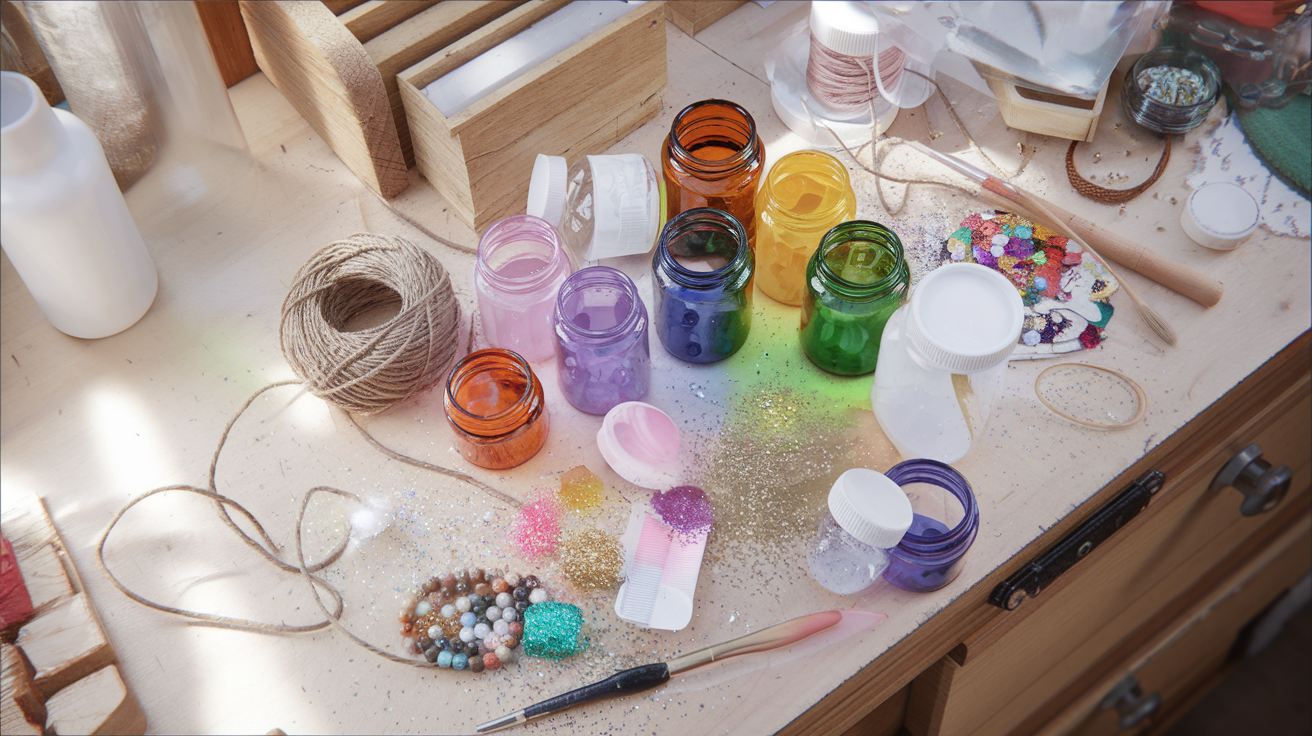
Upcycle plastic containers, like those empty pill bottles you’ve accumulated, to unlock a unique world of ecofriendly crafts and practical organization. These sturdy yet lightweight bottles serve as fantastic foundations for various DIY home decor pieces or handy travel organizers, requiring only a quick clean and label removal to begin their transformation.
Repurpose bottles into a handy sewing kit, a charming succulent planter, or creative storage for your essential craft supplies.
Each project not only reduces waste but also adds functional flair to your daily life, all while sparking resourceful crafting ideas and decorative projects that champion zero waste living.
Now, let’s specifically explore how to upcycle plastic for storage solutions that effectively simplify and enhance any space in your home.
Upcycle Plastic for Storage Solutions
Storage solutions often begin with humble, clean pill bottles, transforming these small containers into incredibly resourceful organizing tools for virtually any home. Many popular upcycling tutorials suggest thoroughly prepping bottles by soaking them in warm soapy water and rubbing away labels, which helps loosen stubborn adhesives for a clean crafting canvas.
To achieve a durable and appealing decorative finish, start by applying a primer suitable for plastic, then add thin, even coats of spray paint, concluding with a non-toxic sealant for protection. Creating a survival kit is a favorite among functional crafts; simply fill a repurposed bottle with safety matches, a whistle, and mini bandages, making it ideal for hikers or travelers.
This upcycled bottle art offers lasting value, seamlessly combining practical storage with eco-friendly reuse in one straightforward DIY solution, proving that crafting with plastic can be both stylish and sustainable.
DIY Decor and Organization with Pill Bottles
DIY home decor and everyday organization can benefit immensely from the creative reuse of empty pill bottles, offering practical uses and aesthetic appeal.
Transform these small containers into vibrant miniature vases for single blooms or delicate bud vases, perfect for adding a touch of color to a desk or windowsill.
For crafters, they work wonderfully as portioning containers for paint, glitter, or small beads, keeping your craft supplies neatly sorted and accessible. Even a simple coin holder for parking meters or laundry machines becomes a quick and easy project.
Imagine custom jewelry cases or earring organizers, providing secure and compact travel storage for your precious accessories, demonstrating the diverse potential of creative reuse.
Practical Travel and Survival Kits
Travel organizers and essential survival kits are among the most practical applications for repurposed pill bottles, ensuring you’re prepared for any adventure. Assemble a compact sewing kit with needles, thread, and buttons to mend items on the go, or create a portable first-aid kit filled with bandages, pain relievers, and safety pins for minor emergencies.
These small containers are also ideal for storing battery storage, SIM cards, or other small electronics, preventing tangles and loss.
For outdoor enthusiasts, a waterproof pill bottle can safeguard matches and other small essentials, acting as a reliable matchstick safe for camping trips, showcasing the functional benefits of waterproof storage and resourceful crafting.
Creative Crafting and Decorative Projects
Initiate craft project inspiration by exploring decorative projects that give empty pill bottles a new lease on life, turning ordinary items into unique creations.
Craft charming Christmas ornaments by decorating bottles with paint or embellishments, then hanging them with ribbon for festive flair. They can also become the foundation for unique DIY favors for parties, filled with candies or small trinkets, making your event memorable.
Even a simple message in a bottle, a classic romantic gesture, can be recreated with colorful paper rolls inside a decorated pill bottle. These simple yet effective bottle transformations highlight the joy found in sustainable crafts and the satisfaction of reducing waste through thoughtful upcycling.
Crafting a Greener Future: Embracing Ecofriendly Crafts
Eco-friendly crafts invite creators to think beyond upcycle plastic and incorporate nature into every project. Sustainable crafts, such as using reclaimed fabric scraps, old yarn, or even repurposed bottles, can add warmth and beauty, nurturing personal well-being by encouraging mindfulness while making.
Resourceful crafting begins with ethical sourcing—gather fabric from old clothes or unravel discarded knitwear to limit textile waste and support sustainable crafts.
For beginners, try a simple project: wrap and decorate a pill bottle with soft yarn for a whimsical storage solution or DIY décor accent.
These mindful steps connect eco-friendly crafts to both environmental responsibility and individual relaxation, turning every creative project into a celebration of resourceful crafting, ecoconscious crafting. Creative reuse extends to various items, offering numerous craft project inspiration possibilities.
The Art of Repurposing Pill Bottles for DIY Home Decor
Creative ways to reuse empty pill bottles include transforming these containers into eye-catching decorative projects, distinct from simple storage solutions.
Bottle transformation starts with wrapping a clean pill bottle in colorful fabric or painting it with non-toxic, vibrant hues—both offering instant DIY home decor upgrades. Always use strong, safe adhesives in well-ventilated areas and avoid skin contact, as safety precautions are essential for crafty ideas involving glue.
Fairy lights placed inside repurposed containers create miniature vases or magical desk organizers, enhancing ambiance and style while highlighting sustainable crafts at home.
By combining simple techniques and upcycling tutorials, anyone can turn small plastic containers into personalized, chic accents that brighten up any eco-friendly crafts space, providing excellent repurposing tips.
Ecofriendly Crafts
- Sustainable crafts can be made from reclaimed fabric scraps, old yarn, or repurposed bottles.
- Ethical sourcing for resourceful crafting involves gathering fabric from old clothes or unraveling discarded knitwear to limit textile waste.
- Repurposing pill bottles can involve wrapping them in fabric or painting them with non-toxic paints for DIY home decor.
- Placing fairy lights inside repurposed containers can create miniature vases or magical desk organizers.
How to Make Travel Organizers?
Transitioning from efficient home organization to packing for a trip, resourceful crafting begins with upcycle plastic techniques that transform simple pill bottles into space-saving travel organizers. These sturdy, lightweight containers are ideal for small item storage—grouping essentials like vitamins, toothpicks, or emergency meds in your luggage.
Upcycle plastic allows for creative reuse, transforming waste into functional items.
For added versatility, choose different bottle sizes to suit your unique travel needs, from tiny containers for earrings to larger ones for toiletries; these repurposed containers offer adaptable solutions.
Travel organizers become even more functional with clear labeling. Use adhesive labels or permanent markers for quick identification on the go, making sure essentials are easy to find.
With these repurposing tips, packing becomes stress-free, a key aspect of home organization hacks and smart DIY solutions for everyday life. This focus on plastic recycling alternatives supports zero waste living and sustainable crafts.
Craft Supplies and Sewing Kit Organization
Repurposed containers provide practical storage solutions for anyone passionate about creative reuse in their craft supplies.
Small parts organizer solutions start with thoroughly cleaned pill bottles—ideal for a portable and durable sewing kit.
Needles and buttons are safely contained, preventing tangles or loss, and organized by size in color-coded bottles, a great example of resourceful crafting.
The original pill bottle, known for its secure lid and compact form, keeps threads, pins, and specialty embellishments handy whether crafting at home or on the go. This bottle transformation approach not only reduces waste but also inspires ecofriendly crafts that support resourceful crafting in every project.
These crafty ideas demonstrate how crafting with plastic can lead to functional crafts and DIY solutions, contributing to overall waste reduction crafts. Consider these repurposing inspiration examples for your next craft project inspiration.
They also serve as excellent DIY favors or small parts organizer options.
Upcycling Pill Bottles
- Pill bottles are ideal for storing small travel essentials like vitamins, toothpicks, or emergency medications.
- Repurposing pill bottles can help organize small craft supplies such as needles, buttons, threads, and pins.
- Using different bottle sizes allows for adaptable storage solutions for various items, from earrings to toiletries.
- Clear labeling of repurposed containers ensures quick identification of essentials, making packing stress-free.
Miniature Vases and Desk Organizers
Upcycle plastic containers into charming miniature vases and practical desk organizers.
Ecofriendly crafts transform ordinary pill bottles into delightful décor.
Repurpose bottles by wrapping them with fabric, yarn, or decorative paper for a fresh look.
DIY home decor enthusiasts can easily create these charming bud vases.
For stability, glue a bottle cap to the bottom as a weighted base, preventing them from tipping.
Storage solutions are perfect for organizing paper clips, pushpins, or craft supplies.
These help maintain a clutter-free workspace for enhanced productivity.
Add a painted tile for a sturdier base when storing heavier items.
Travel organizers like these keep your workspace streamlined.
This creative reuse inspires resourceful crafting and sustainable crafts.
Succulent Planter Survival Kit
Succulent planter fans can merge upcycle plastic with sustainability by transforming pill bottles into miniature plant homes.
Repurpose bottles by carefully drilling small drainage holes in the bottom—this is essential for plant health.
Eco-friendly crafts benefit from a well-draining potting mix and a resilient succulent, such as Echeveria.
This low-maintenance variety thrives in compact spaces, adding beauty.
DIY home decor planters make plant propagation easy for windowsills or desks.
These also serve as lovely DIY favors.
Waste reduction crafts offer resourceful crafting inspiration.
Introducing greenery indoors promotes zero waste living.
Enjoy thriving miniature arrangements with this creative approach.
Crafty ideas like this are part of ecoconscious crafting.
Crafting with Recycled Materials
- Plastic containers and pill bottles can be transformed into miniature vases and desk organizers, promoting resourceful crafting.
- Repurposing bottles by wrapping them with fabric, yarn, or decorative paper offers a fresh look for DIY home decor.
- Pill bottles can be adapted into succulent planters with drainage holes, supporting plant health and zero waste living.
- These upcycled items serve as practical storage solutions for craft supplies and can be used as DIY favors or travel organizers.
DIY Favors and Portioning Containers
Creative Containers for Gifting and Daily Use
Upcycle plastic containers into personalized DIY favors and practical portioning solutions, extending the life of repurposed bottles and promoting ecofriendly crafts. Portioning containers fashioned from these bottles serve excellently as travel organizers, perfect for holding homemade lip balm, custom spice blends, or travel snacks.
To achieve an airtight seal, critical for preserving spices or balms, carefully apply a bead of hot glue around the inner rim of the lid before twisting it securely to lock in freshness.
Resourceful crafting can transform these bottles into charming party favors—imagine a whimsical message in a bottle for weddings or special celebrations—simply by adding custom labels or decorative touches that resonate with your chosen theme or personalize each gift for your guests.
DIY solutions like these substantially reduce costs compared to purchasing specialized segmenting containers for craft supplies or travel snacks, championing a sustainable and inventive method for managing expenses while embracing zero waste living and small item storage.
Crafting & Organizing with Repurposed Bottles
Crafty ideas abound when considering the versatility of empty pill bottles for creating effective storage solutions and unique decorative items, thus championing plastic recycling alternatives and sustainable crafts.
Repurpose bottles into miniature succulent planters for a touch of green on any desk, or assemble a compact sewing kit by filling them with needles, thread, and buttons for on-the-go repairs. For outdoor adventures, a DIY survival kit can be efficiently assembled, complete with matches, a whistle, and a mini flashlight, all neatly contained.
Utilize them as travel organizers for jewelry, creating specialized jewelry cases to prevent tangles, or as coin holders for laundry or parking meters.
The practicality extends to hardware organizers in the garage, keeping small screws and nails sorted, or acting as battery storage for easy access. Protect sensitive items with waterproof storage for medications during hikes or camping trips.
They can even become festive Christmas ornaments when decorated and hung with ribbon, or serve as a hidden hidden key holder camouflaged in the garden.
For crafters, these bottles are perfect for segmenting paint, glitter, or other craft supplies, allowing for precise application and tidy workspaces, embodying creative reuse and functional crafts.
These portioning containers facilitate organization for everything from pushpins and paper clips to tiny electronic components, supporting a clutter-free environment and showcasing ingenuity in home organization hacks.
- Repurposing plastic bottles into DIY favors and portioning containers reduces costs compared to purchasing specialized storage solutions.
- These repurposed containers can serve as travel organizers for items like homemade lip balm, spice blends, or snacks, promoting ecofriendly crafts and zero waste living.
- Empty pill bottles are versatile for creating storage solutions such as miniature succulent planters, compact sewing kits, or DIY survival kits.
- The containers can also be utilized for hardware organization, battery storage, waterproof storage for medications, or as organizers for craft supplies like paint and glitter.
Guide To Finding Crafting Treasures At Thrift Stores Using Big Thrift Energy
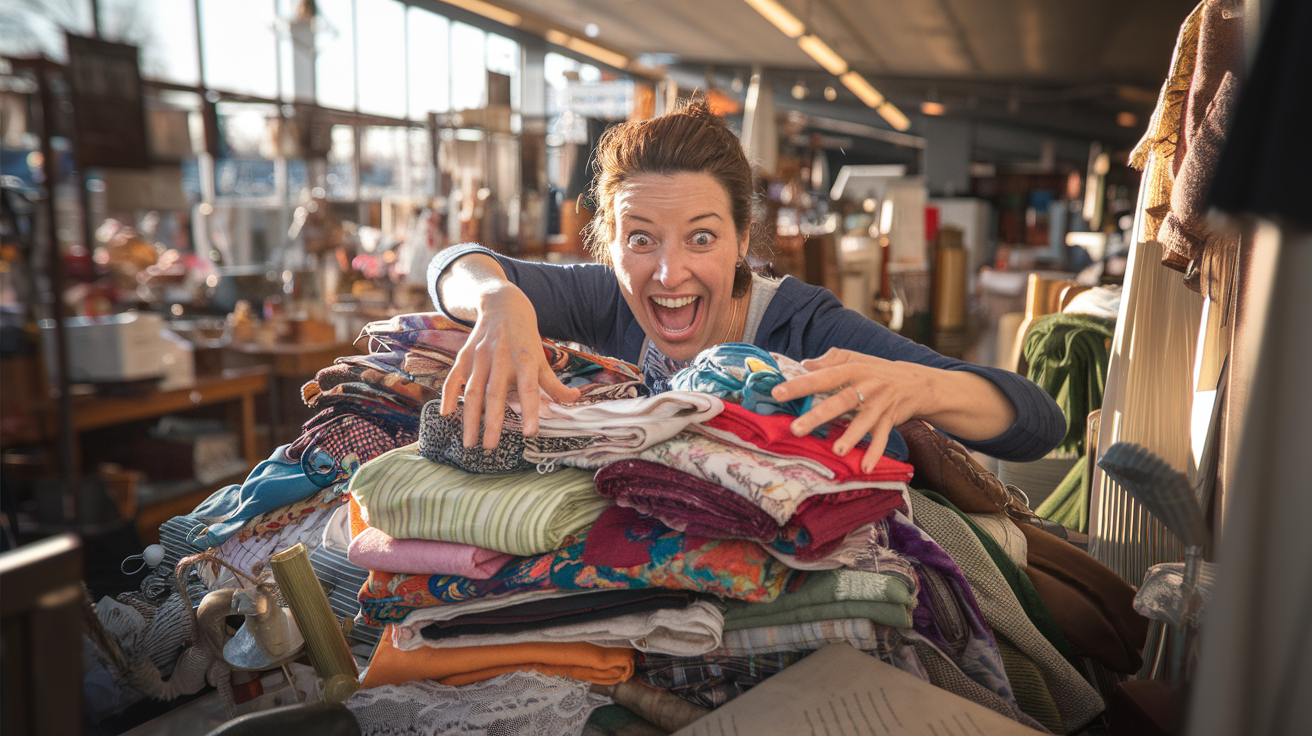
Big Thrift Energy transforms every excursion into a vibrant adventure for crafters and DIY enthusiasts seeking one-of-a-kind secondhand treasures. Discovering creative potential begins with an open mind; scan every shelf, bin, and rack for crafting supplies or raw materials ripe for upcycling crafts.
Thrift store finds often appear subtly—an overlooked vase, a forgotten fabric scrap, or a piece of furniture might spark your next DIY project.
Patience, coupled with a keen eye, helps you transform neglected objects into unique vintage decor ideas that truly reflect your personal style.
Next, we explore how Virginia Chamlee personifies this bold approach to treasure hunting.
Unlocking Virginia Chamlee’s Big Thrift Energy
Virginia Chamlee approaches treasure hunting with a fearless spirit, advocating for creative reuse and budget-friendly style for all skill levels. Your personal style acts as a compass during your search; let instinct guide you toward thrift store finds that resonate—perhaps statement glassware, interesting textiles, or quirky artwork ready for upcycling crafts.
Assess quality by touching fabric or testing furniture stability; evident craftsmanship signals items worth the effort. Unlike conventional shopping, Big Thrift Energy inspires crafters and home decorating enthusiasts toward originality, seeking unexpected gems to confidently assemble unique home accents for creative projects and DIY inspiration.
Embracing Your Personal Style
Big Thrift Energy encourages building on thrifting principles and integrating personal style.
Let your unique taste guide your search for valuable pieces, spotting items that speak to your aesthetic and potential for creative reuse.
Your personal taste dictates what truly shines.
Spotting Quality Finds
Research discoveries about quality are key. To distinguish between valuable pieces and those to pass up, feel garment fabric for substance or examine furniture for solid construction; this practice aids in finding items with resale potential.
Thrift shopping rewards a discerning eye.
The Thrill of Originality
Thrift store finds offer a pathway to originality. The joy of DIY crafting comes from infusing your personalized spaces with distinctiveness, moving beyond the commonplace for truly unique home accents.
Seek out the unexpected.
Creative Reuse and Upcycling
Upcycling crafts and repurposing vintage items are central to Big Thrift Energy.
Transform forgotten objects into stunning vintage decor ideas, breathing new life into materials and fostering sustainable living.
Embrace creative reuse.
Budget-Friendly Decorating
Affordable decorating is accessible through thrift shopping. Discover how to create beautiful home decorating solutions and personalized spaces using crafting materials found at thrift stores, making budget crafting enjoyable.
Bargain hunting yields great results.
Project Inspiration
DIY inspiration abounds in thrift stores. From upcycled creations to unique decor, project inspiration is everywhere for crafters and DIY enthusiasts.
Let these decorative finds fuel your creative projects.
Confidence in Styling
Confident styling comes from embracing your personal style.
Mix and match thrifted items, incorporating vintage style with modern decor integration for a look that is exclusively yours.
Express your individuality.
Fashion Sourcing
Fashion sourcing at thrift stores allows for unique finds and personal expression. Discover how to integrate fashion into your creative projects or simply enjoy the thrill of finding distinctive garments.
Personal expression thrives here.
Sustainable Living Practices
Sustainable living is enhanced by choosing secondhand. Participating in thrift shopping reduces waste and supports a more eco-conscious lifestyle through secondhand transformation.
Embrace sustainable living.
Creative Inspiration Sources
Creative inspiration is abundant in thrift store finds, acting as true treasure troves.
These stores provide a wealth of ideas for DIY projects and home styling, perfect for fostering creativity.
Seek out creative inspiration.
Repurposing Vintage Finds
Repurposing vintage items is a hallmark of Big Thrift Energy. Transform old furniture, textiles, and objects into stunning new pieces that enhance your living space.
This process offers endless DIY inspiration.
Crafting Supplies Galore
Stock up on essential crafting supplies at incredible prices. Thrift stores are excellent sources for fabrics, paints, tools, and embellishments, providing affordable materials for all your creative endeavors.
Fill your craft room.
Thrift Flip Potential
Learn the art of the thrift flip, turning overlooked items into profitable or cherished pieces.
This practice combines creativity with business acumen, offering a unique avenue for income and artistic expression.
Discover the thrill of a good flip.
Decorating Inspiration for All
Find endless decorating inspiration for personalized spaces. Whether you prefer a minimalist aesthetic or a maximalist explosion of color, thrift stores offer possibilities for everyone.
Make your home unique.
Vintage Enthusiasts’ Paradise
For vintage enthusiasts, thrift stores are unparalleled. Discover authentic pieces with history, perfect for collectors and those who appreciate the charm and character of bygone eras.
Enjoy the hunt for true gems.
DIY Crafting Projects
Embark on exciting DIY crafting adventures with materials sourced from thrift stores.
The affordability and uniqueness of these finds make every project a rewarding experience.
Unle.

Unearthing Your Best Thrift Store Finds
Seasoned vintage enthusiasts know every trip to the thrift store brings a new adventure, and it’s the moments of unexpected discovery that make bargain hunting truly unforgettable. Virginia Chamlee’s Big Thrift Energy inspires a fresh perspective on finding unique thrift store finds—like a pair of Nike tennis shoes that became a wardrobe staple, representing both function and the thrill of treasure hunting.
Another favorite? A mid-century side table, once overlooked, now sanded and refinished, perfectly enhancing my living room with quality craftsmanship and vintage decor flair.
- Vintage Pyrex: Vibrant colors, a timeless design, and immense nostalgia value—these have become my go-to collectible for affordable decorating and creative projects.
- Antique Bar Cart: Unearthed for a fraction of its value, repurposed for stylish home entertaining, it’s now the centerpiece for gatherings, lending both function and personal expression to my space.
Big Thrift Energy, as popularized by Virginia Chamlee, reminds us to envision the potential and backstory behind every secondhand treasure. To uncover your own hidden gems, scan quickly for promising shapes and real materials, revisit stores regularly, and imagine how overlooked items might be upcycled into unique home accents. Each find adds a new layer to your personal narrative—share your stories and inspire creative inspiration within your own circle, turning secondhand transformation into a joyful pursuit of individuality.
Mastering Upcycling Crafts with Creative Flair
Once you’ve sourced personalized spaces full of unique thrift store finds, the next step is transforming them into upcycled creations that reflect true creativity and sustainable living. Big Thrift Energy urges crafters to blend disparate elements: for example, turning vintage fabric into eye-catching patchwork or combining glass jars and antique hardware for innovative home decorating projects.
Creative Reuse and Artistic Application
Creative reuse offers boundless possibilities for home decorating and DIY projects. Repurposing vintage items can lead to stunningly unique home accents. From transforming old book pages into mixed media art to crafting unique wall art by layering patterns and colors, the potential for creative projects is vast. DIY inspiration abounds when you consider the possibilities of secondhand treasures.
Big Thrift Energy encourages a strategy of scanning quickly for promising shapes and real materials, revisiting stores regularly, and imagining how overlooked items might be upcycled into unique home accents.
Step-by-Step Upcycling Guidance
To begin your journey in upcycling crafts, gather your crafting supplies. Consider wooden picture frames, textured textiles, or discarded ceramics as excellent starting points for your creative projects. Research discoveries in repurposing vintage items; try integrating old book pages or buttons into mixed media art for a one-of-a-kind effect. DIY inspiration from Virginia Chamlee’s guides can transform a dated lamp through sanding and repainting, or help you craft your own wall art by layering patterns and colors for confident styling.
Virginia Chamlee emphasizes the importance of trusting your own personal taste and embracing individuality. This approach ensures your curated space is not just charming but uniquely you. Whether for fashion, home decor, or resale potential, upcycling crafts present endless opportunities for creative reuse and budgetfriendly style, empowering everyone to unleash their inner designer.
- Thrift store finds like vintage Pyrex offer vibrant colors, timeless design, and nostalgia value for affordable decorating.
- Repurposing items such as antique bar carts can transform them into functional centerpieces for stylish home entertaining.
- Creative reuse of materials like old book pages can lead to unique mixed media art projects.
- Upcycling crafts can involve transforming items like dated lamps through sanding and repainting for a fresh look.
Discovering Vintage Decor Ideas
Big Thrift Energy by Virginia Chamlee offers a vibrant, practical guide for crafters and vintage enthusiasts looking to discover unique treasures at thrift stores. This book showcases how to identify the crafting potential in thrifted objects, providing step-by-step upcycling and repurposing ideas for vintage and secondhand finds.
Virginia Chamlee‘s approachable advice encourages both novice and experienced thrifters to explore thrift stores as abundant sources for affordable crafting supplies and decor pieces, proving anyone can score impressive finds and infuse their spaces with personality.
Successful home decorating embraces mixing eras by finding common threads such as material or color, ensuring your personalized space feels cohesive yet unique.
Thrift shopping becomes treasure hunting, revealing affordable and decorative finds ready for upcycling and repurposing.
Here’s how to integrate vintage sourcing for aesthetic inspiration:.
- Fashion Sourcing: Learn how to distinguish between valuable pieces and items to pass up during your treasure hunting adventures.
- Creative Reuse: Discover how to research and uncover the story behind unique discoveries, adding depth to your decor.
- Personal Style: The book encourages confident, personal styling choices that reflect your own taste, making your home truly yours.
- Budget-Friendly Style: Gain practical advice for flipping thrifted treasures for profit or simply enjoying affordable decorating.
- Interior Design: Get inspiration for budget-friendly crafting and home decorating, suitable for all skill levels.
Virginia Chamlee’s work celebrates the thrill, creativity, and sustainability of thrifting and upcycling, offering inspiration for transforming ordinary items into extraordinary focal points. Explore these creative possibilities, then transition into hands-on crafting with renewed inspiration in the next section.
Embracing DIY Projects Secondhand
Resourcefulness and Budget Goals
Repurposing thrift store finds opens the door to sustainable living and budget-friendly creativity, empowering both new and experienced DIY enthusiasts. DIY projects become more manageable with thorough project planning guides, helping you visualize and adapt current instructions for secondhand treasures and available craft supplies.
Big Thrift Energy encourages an inventive, flexible approach to secondhand transformation, turning items into stylish home accents with minimal cost. Prioritizing upcycled creations not only reduces waste but also adds a layer of individuality to your decorating inspiration.
Project Planning and Adaptation
Crafting supplies are plentiful when you approach DIY projects with clear vision. Utilize project planning guides to adapt existing instructions for your unique secondhand treasures. This ensures your upcycling crafts are successful and stylish.
- DIY Inspiration: Benefit from practical advice for budget-friendly crafting and home decorating, suitable for all skill levels.
- Thrift Flip: Learn how to evaluate, purchase, and transform secondhand items effectively.
- Sustainable Living: Prioritize sustainability by giving new life to old materials.
- Creative Projects: Discover practical tips for styling and integrating thrift store finds into modern home decor.
- Budget Crafting: Focus on affordability and infuse your spaces with personality and individuality.
By harnessing resourcefulness and adaptability, you set the stage for affordable, eco-conscious, and genuinely one-of-a-kind results. This approach celebrates the stories and value behind each unique find, making your home truly a reflection of your personal taste and creativity.
Key Takeaways from Vintage Decor Sourcing
- Thrift stores are presented as abundant sources for affordable crafting supplies and decor pieces.
- The book Big Thrift Energy by Virginia Chamlee offers practical guidance for upcycling and repurposing vintage and secondhand finds.
- Successful home decorating involves mixing eras by identifying common threads like material or color for cohesion.
- Repurposing thrift store finds supports sustainable living and budget-friendly creativity for DIY enthusiasts.
Repurposing Vintage for Unique Style
Repurposing vintage clothing transforms forgotten finds into standout fashion statements; every carefully chosen piece becomes a reflection of your unique identity and creative vision. Big Thrift Energy by Virginia Chamlee celebrates the transformative power of secondhand treasures, urging fashion lovers to curate an expressive wardrobe that’s distinctly their own.
Vintage decor ideas and upcycling crafts offer endless project inspiration for crafters seeking to personalize their style.
Pair a well-loved vintage denim jacket with modern boots, or add new buttons and bold accessories for a fresh twist.
Style curation is about blending eras and textures, empowering confident styling and individuality with every DIY crafting project.
Fashion sourcing reimagined through repurposing vintage allows for a deeply personal expression.
Crafting supplies from flea markets or estate sales can become unique components of your wardrobe. Creative projects born from a love of thrift shopping highlight a commitment to sustainable living.
Discovering valuable pieces within secondhand treasures fuels a passion for DIY inspiration.
Embrace the journey of transformation, infusing every garment with your distinct personal style.
Modernizing Vintage Finds
DIY projects offer exciting avenues for breathing new life into vintage garments. Consider adding modern hardware like zippers or unique buttons to a classic jacket, or distressing denim for a contemporary feel.
Upcycling crafts can transform a vintage scarf into a head-turning accessory or a beloved dress into a chic blouse. This blend of old and new creates a truly personalized look, showcasing individuality through thoughtful creative reuse.
These techniques empower all skill levels to experiment with fashion and express their unique personal taste.
Creative projects born from a love of thrift shopping highlight a commitment to sustainable living.
Thrift flip opportunities abound when you approach styling with a keen eye for potential.
Fashion sourcing becomes an adventure when hunting for bargain hunting gems. Vintage style enthusiasts often find joy in the process of discovery.
Personal expression thrives when you integrate unique home accents from unexpected places. Crafting materials can be repurposed endlessly.
Finding Budget-Friendly Style Treasure Hunting
Bargain hunting at your favorite thrift store transforms your shopping experience into a strategic quest for timeless, affordable decorating pieces and unique wardrobe additions.
Virginia Chamlee’s Big Thrift Energy empowers DIY enthusiasts by providing actionable tips for identifying valuable pieces and maximizing budgetfriendly style on any shopping trip.
Savvy shoppers know to scout for sales, be patient during their treasure hunting, and assess each item’s resale potential or suitability for DIY projects. Bring creativity to every outing—an eye for versatile materials unlocks hidden gems, ensuring your personalized spaces retain both style and sustainable living impact.
Thrift store finds represent a vast potential for enriching your life and home without breaking the bank. Big Thrift Energy emphasizes that smart shopping involves more than just low prices; it’s about recognizing inherent value and future possibilities.
Creative inspiration abounds when you learn to spot pieces with strong resale potential or those easily adaptable through upcycling crafts.
This savvy acquisition strategy allows for building a collection of secondhand treasures that reflect genuine personal style.
Smart Shopping Strategies
Virginia Chamlee offers invaluable advice for navigating the world of thrift shopping, making it an accessible and rewarding pursuit for everyone. Learn to distinguish between valuable pieces and items to pass up by researching brands and materials.
DIY inspiration is often found in the form of overlooked items with great crafting supplies potential. Budget crafting and affordable decorating become achievable when you focus on the long-term value and creative adaptability of your finds.
Research discoveries can reveal the stories behind unique items, adding depth to your style.
Treasure hunting for decorating inspiration relies on patience and a keen eye.
Affordable decorating is made possible by seeing the potential in secondhand items.
DIY crafting projects can elevate simple finds into stunning pieces. Creative reuse is key to a sustainable lifestyle.
Interior styling benefits greatly from these unique finds.
Supporting the Art of Repurposing Vintage
- Repurposing vintage clothing transforms forgotten finds into standout fashion statements, reflecting unique identity and creative vision.
- Vintage decor ideas and upcycling crafts offer endless project inspiration for personalizing style through DIY crafting.
- Fashion sourcing reimagined through repurposing vintage allows for deep personal expression and highlights a commitment to sustainable living.
- DIY projects breathe new life into vintage garments by adding modern hardware or transforming pieces into chic accessories through creative reuse.
Creating unique home accents with purpose
Virginia Chamlee, the author of Big Thrift Energy, reveals that thrift store finds can transform spaces by seamlessly connecting functional aesthetics with your genuine personal style. Instead of sticking with common decor, we can integrate home styling ideas through intentional design.
This approach encourages transforming secondhand treasures into unique home accents that authentically communicate your narrative.
The book highlights choosing furnishings and decorative items with latent utility, like a repurposed vintage crate or a ceramic bowl as a catch-all, making everyday living both stylish and practical.
To truly infuse personal meaning, select pieces that resonate with memories or passions, transforming ordinary DIY projects into personalized, sustainable living statements, while simultaneously elevating your home decorating vision.
Thrift shopping offers a path to personalized spaces, blending creative reuse with budgetfriendly style, turning ordinary items into extraordinary decorative finds.
Virginia Chamlee’s Big Thrift Energy is a vibrant, practical guide for crafters, DIY enthusiasts, and vintage lovers seeking to discover unique treasures at thrift stores. The book details how to recognize crafting potential in thrifted objects, offers step-by-step upcycling and repurposing ideas for vintage and secondhand finds, and shares tips for styling and integrating thrift store items into your interior design.
Chamlee’s approachable advice inspires both novices and seasoned thrifters to explore thrift stores as abundant sources of affordable crafting supplies and decor pieces, emphasizing that anyone can score impressive finds and infuse their spaces with personality. It teaches shoppers how to distinguish between valuable pieces and items to pass up, and explains how to research and uncover the story behind unique discoveries.
Bringing personality to your living areas
Budgetcrafting provides abundant decorating inspiration for everyone, fostering creativity and individuality in your home.
Thrift store finds offer a fantastic avenue for creative projects, allowing for personal expression through DIY inspiration and upcycling crafts.
Many DIY projects can be made using affordable materials, making affordable decorating accessible to all.
We can transform residue potential into beautiful vintage decor ideas by focusing on purposeful design. This approach merges functional aesthetics with intentional design, encouraging integration of home styling ideas.
A method for infusing personal meaning involves selecting pieces that evoke cherished memories or reflect distinct passions, turning ordinary items into meaningful decoration and celebrating the stories behind each unique find.
Repurposing vintage items through DIY crafting allows for stylish, sustainable living and the creation of truly unique home accents that reflect your personal taste.
Thrift enthusiasts and crafters can discover treasure troves of crafting materials for exciting creative projects. The book encourages confident styling choices that authentically reflect your own taste and preferences.
It provides practical advice for flipping thrift finds for profit, a key aspect of budgetfriendly style and potential income.
Big Thrift Energy features inspiration for budget-friendly crafting and home decorating, accessible to all skill levels.
The book is written in an accessible, down-to-earth style, fostering both the thrill of treasure hunting and a commitment to sustainable living through
creative reuse.
- Thrift store finds can transform spaces by connecting functional aesthetics with personal style, encouraging the integration of home styling ideas through intentional design.
- Virginia Chamlee’s book, Big Thrift Energy, guides crafters, DIY enthusiasts, and vintage lovers on recognizing crafting potential in thrifted objects and offers upcycling and repurposing ideas.
- Repurposing vintage items through DIY crafting supports stylish, sustainable living and the creation of unique home accents that reflect personal taste.
- Budgetcrafting provides decorating inspiration that fosters creativity and individuality, making affordable decorating accessible through DIY projects using affordable materials.
Upcycling Crafts Transform Trash Into Treasures
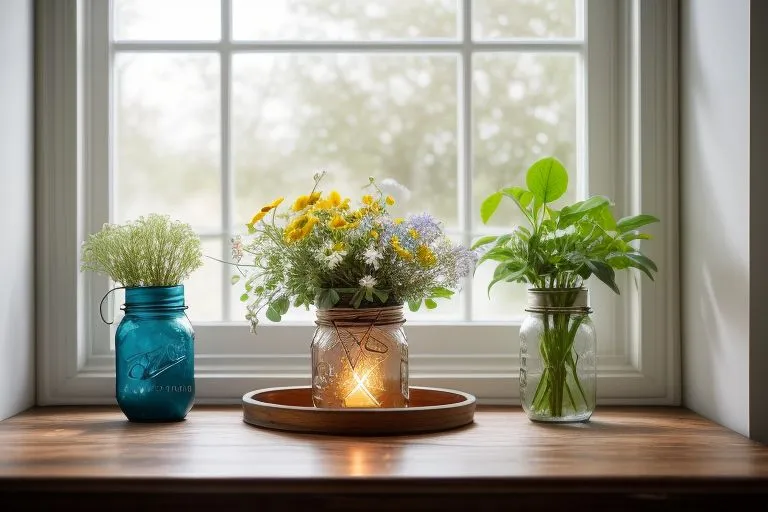
As we navigate the complexities of modern life, it’s heartening to know that discarded materials can be transformed into unique masterpieces, reducing waste and conserving natural resources.
Ecofriendly crafting offers a creative outlet that’s not only good for the planet but also showcases your personality, allowing you to stand out from the crowd.
Through repurposing materials, you’ll reduce your carbon footprint and contribute to a more sustainable future, where trash is no longer destined for landfills.
DIY projects empower you to unleash your creativity, breathing new life into discarded items and turning them into functional and beautiful pieces that tell a story. The world of art and crafting has been revolutionized by innovative concepts like repurposing, DIY projects, sustainable art, ecofriendly crafting, and creative recycling.
What Is Upcycling In Crafts
By embracing the art of creative reinvention, we can breathe new life into discarded materials and unlock a world of innovative possibilities.
Upcycling, a term coined in the 1990s, is the process of transforming unwanted materials into new, useful, and often creative products of greater value than the original.
This process differs from recycling, which involves breaking down materials into their raw form and reusing them.
The roots of upcycling can be traced back to the early 20th century, when resource scarcity and economic instability made it necessary to find innovative ways to repurpose and reuse trash to treasure.
Today, upcycling has become a powerful tool for promoting sustainability and reducing waste.
In the world of crafts, creatives are using reclaimed materials to produce unique and imaginative pieces that not only reduce waste but also tell a story. By transforming discarded items into unique pieces, artists are turning trash to treasure through reclaimed materials, vintage reimagining, found object art, and ultimately achieving waste reduction.
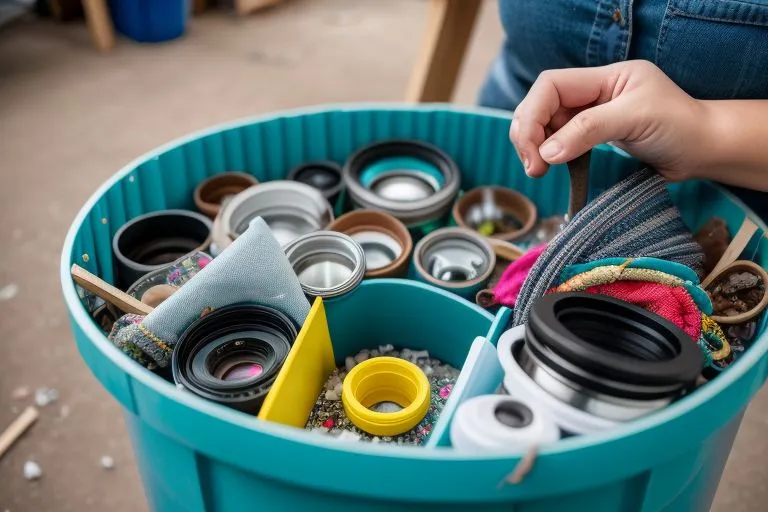
Understanding The Repurposing Movement
Why Repurposing Matters
As we navigate the complexities of modern living, repurposing takes center stage as a powerful antidote to environmental degradation. By embracing handmade decor and environmentally conscious practices, we can significantly reduce waste, conserve natural resources, and promote sustainable lifestyles.
Repurposing helps preserve cultural heritage and fosters creative expression, allowing individuals to showcase their innovative reuse skills.
In the face of ecological catastrophe, repurposing offers a glimmer of hope.
It’s an opportunity to get creative, think outside the box, and breathe new life into salvaged goods transformation. By embracing handmade decor, environmentally conscious habits, innovative reuse, and the transformation of salvaged goods into green crafting, we can create a more sustainable future.
- According to the United Nations, the world generates over 2 billion tons of municipal solid waste annually, with at least 33% not being managed in an environmentally safe manner, highlighting the need for repurposing and waste reduction.
- A study by the Environmental Protection Agency (EPA) found that recycling and composting in the United States saved 117 million metric tons of carbon dioxide equivalent emissions in 2019, equivalent to taking 23 million cars off the road for a year.
- Repurposing and upcycling can also have a significant economic impact, with the global market for second-hand and refurbished products projected to reach $143 billion by 2025, according to a report by ResearchAndMarkets. com.
- In addition, a survey by the online marketplace eBay found that 70% of consumers consider the environmental impact of their purchasing decisions, and 62% are more likely to buy from a brand that uses recycled or sustainable materials.
Ecofriendly Crafting For Beginners
In the quest for creative expression, a new wave of crafters is embracing a junk makeover approach that harmoniously merges artistry with environmental responsibility.
Traditional crafting materials can have a significant environmental impact, from the production and distribution of synthetic resources to the waste generated by non-biodegradable materials. This raises important questions about the true cost of our creative pursuits.
In contrast, ecofriendly crafting offers a resourceful creativity approach that not only reduces waste but also promotes a healthier planet and personal well-being.
By choosing sustainable materials and practices, crafters can minimize their ecological footprint while maximizing their creative output.
As we explore the realm of thrift store revamps, we’ll uncover the benefits of sustainable crafting for the planet and personal well-being. From identifying ecofriendly materials to transforming trash into treasure, our junk makeover showcases resourceful creativity through thrift store revamps and second-life creations, ultimately yielding ecochic designs.
Transforming Trash Into Treasure
In the midst of our consumption-driven society, a quiet revolution is emerging, where creative minds are seeking innovative ways to breathe new life into discarded materials, effectively redefining the concept of waste.
In recent years, the concept of transforming trash into treasure has gained popularity as a creative way to reduce waste and promote sustainable living.
The growing concern about waste management and environmental sustainability has led to a renewed focus on reducing, reusing, and recycling waste.
This creative approach not only helps to mitigate the environmental impacts of waste disposal but also unlocks the potential of turning waste into valuable resources.
One of the most significant benefits of transforming trash is the conservation of natural resources. By reusing and recycling materials, we can reduce the demand for raw materials and preserve natural resources for future generations, such as sustainable home decor that gives old materials a new purpose. This process reduces greenhouse gas emissions while promoting innovative concepts like upcycled fashion, reinvented furniture, adaptive reuse, sustainable home decor, and creative reuse centers.
Transforming Trash into Treasure
- The global recycling industry is projected to reach $377 billion by 2024, up from $247 billion in 2017, according to a report by Grand View Research.
- Upcycling can reduce greenhouse gas emissions by up to 50% compared to producing new products from raw materials, according to a study by the University of California, Los Angeles.
- In the United States alone, it is estimated that upcycling and recycling can create over 5 million jobs, generating $117 billion in economic activity each year, according to the Environmental Protection Agency.
- The average American generates about 4 pounds of trash per day, with only about 34% being recycled or composted, according to the United States Environmental Protection Agency.
Creative Recycling Project Ideas
In the face of environmental degradation, innovative thinkers are turning trash into treasure, breathing new life into discarded materials and redefining the concept of waste.
The current state of waste management is dire, with millions of tons of waste ending up in landfills and oceans, causing irreparable harm to the environment.
The rise of creative recycling has provided a glimmer of hope, offering an innovative solution to this pressing problem.
Conservation of natural resources is a significant benefit of creative recycling, as it reduces the need for extracting and processing raw materials.
By upcycling old pallet projects into functional items, individuals can reduce landfill waste and pollution, promoting sustainable living and eco-friendliness. Creative recycling fosters creative skills and self-expression, allowing individuals to think outside the box and repurpose discarded materials into unique tin can crafts, artisan creations that can be showcased in a marketplace, used in jewelry making, or even transformed into functional pallet projects and eclectic bottle cap art.
Reclaimed Materials In Artistry
As the world grapples with the consequences of consumerism, a quiet revolution is unfolding in the art world, where creatives are breathing new life into discarded treasures to craft extraordinary fabric scrap creations.
In an era where environmental sustainability is paramount, traditional art supplies are being replaced by repurposed materials, significantly reducing waste and pollution.
The environmental impact of art supplies cannot be overstated, with an estimated 10% of global pollution attributed to the art industry.
The history of upcycling in art and craft dates back to the 19th century, where resourceful artists would transform discarded materials into functional old book crafts.
Today, this practice has evolved into a powerful medium for creative expression and environmental activism. The benefits of using reclaimed materials in art are multifaceted, from reducing waste and conserving natural resources to sparking imagination and creativity, as seen in the versatility of fabric scrap creations, old book crafts, mason jar ideas, bicycle parts art, and wine cork projects.
- An estimated 10% of global pollution is attributed to the art industry.
- The history of upcycling in art and craft dates back to the 19th century.
- Using reclaimed materials in art reduces waste and conserves natural resources.
- The practice of upcycling sparks imagination and creativity in artists.
Sustainable Art Techniques Explained
As creatives, we have a unique opportunity to make a positive impact on the environment through the art we produce, and sustainable art techniques are leading the charge.
The traditional art practices of yesterday are taking a devastating toll on the planet, with newspaper craft waste and toxic materials contributing to landfill waste and pollution.
In response, sustainable art is stepping in to promote positive change, using materials and practices that minimize harm to the environment, such as tire upcycling, which transforms discarded tires into unique art pieces.
By adopting sustainable art techniques, artists can significantly reduce their carbon footprint, promote eco-awareness, and inspire a new generation of creatives to think more critically about the materials and methods they use.
Innovative Reuse For Home Decor
Transforming discarded items into unique decorative pieces is an art form that not only reveals your personality but also contributes to a more environmentally conscious lifestyle.
Unlocking Personal Style through innovative reuse, such as a sweater transformation, allows you to break free from mass-produced design, transforming your space into a unique reflection of your individuality. This approach enables you to express your personal taste and style, creating a one-of-a-kind atmosphere that sets your home apart.
The environmental advantage of repurposing materials, like turning an old ladder into a shelf conversion, is significant, as it reduces waste, extends the lifecycle of discarded items, and promotes eco-friendly living.
By doing so, you’re reducing the demand for new, resource-intensive products, contributing to a more sustainable future. The creative process involved a sweater transformation, ladder shelf conversion, suitcase redesign, drawer repurposing, and teacup planters.
Benefits of Repurposing Discarded Items
- According to the EPA, repurposing materials reduces waste by 75% and extends the lifecycle of discarded items by up to 5 years.
- A study by the University of California found that repurposing materials reduces the demand for new, resource-intensive products, resulting in a 20% decrease in carbon emissions.
- Repurposing materials also promotes eco-friendly living, with 80% of consumers reporting a reduction in their environmental footprint after adopting sustainable practices.
- A survey by the National Association of Home Builders found that 90% of homeowners who repurpose materials report an increase in their sense of personal style and individuality in their living space.
Upcycling Community Sparks Creativity And Joy
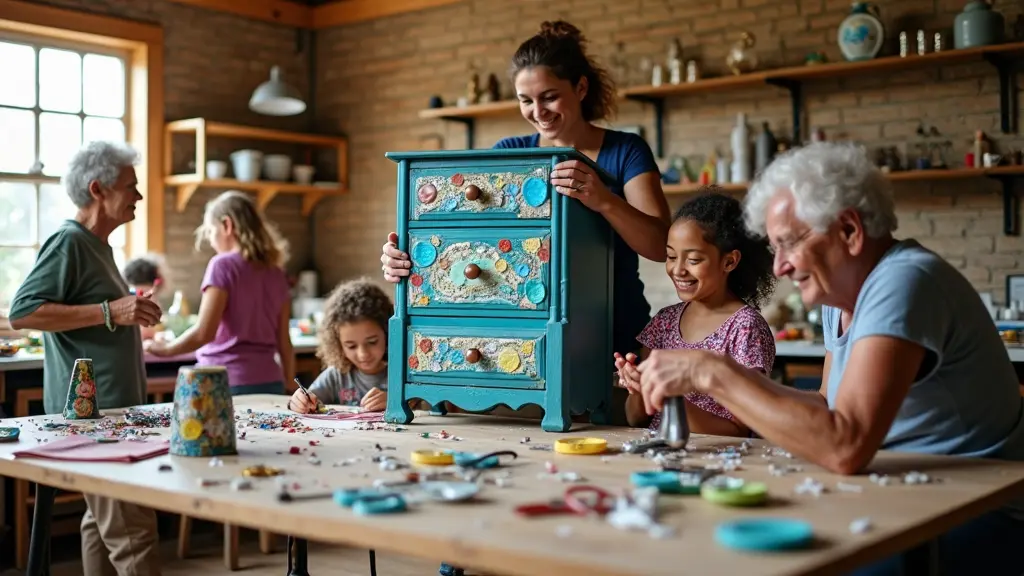
Unlocking Creativity and Joy through Shared Passion. By joining a community of like-minded individuals, enthusiasts of DIY arts can tap into a wealth of skills and techniques, kindling a passion that transforms waste into treasures.
These communities offer a platform for people to learn sustainable craft ideas that not only enhance their personal skills but also contribute to a greener environment.
For instance, creative reuse of materials reduces waste and promotes ecofriendly crafting practices.
Research has shown that participating in creative activities can release endorphins, leading to increased feelings of joy and happiness. The sense of accomplishment and pride from creating something new and useful from waste can boost self-esteem.
Discovering The Joy Of Upcycling
In today’s fast-paced world, where the mantra of consume and discard has become all too familiar, there’s a growing movement that’s redefining the way we interact with waste – green living classes that are empowering individuals to turn discarded materials into something truly remarkable.
Discovering The Joy Of Upcycling
- Background and Rise of Upcycling Movement
- The History of Upcycling: From Ancient to Modern Times
- Upcycling as a Sustainable Lifestyle Choice
- The average American generates about 4 pounds of trash per day, with a significant portion of it ending up in landfills or oceans.
- According to the United Nations, if current consumption patterns continue, the world will consume 5 times the resources of the planet by
- Creative reuse can divert up to 80% of waste from landfills, reducing the need for new raw materials and conserving natural resources.
- By choosing creative reuse, individuals can save up to 50% of the carbon emissions associated with producing new materials and products.
- The craft industry generates an estimated 2 million metric tons of waste annually, with 80% of it ending up in landfills.
- Eco-friendly crafting can reduce waste by up to 90% by repurposing and recycling materials.
- A study by the Environmental Protection Agency found that 75% of Americans make at least one purchase per year from thrift stores, promoting a culture of sustainable consumption.
- The global eco-friendly packaging market is expected to grow by 12% annually from 2020 to 2025, driven by increasing consumer demand for sustainable products.
- These projects bring people together from diverse backgrounds and skill levels, creating a sense of belonging and promoting social cohesion.
- By sharing expertise and transferring skills, individuals can learn from one another, leading to a collective growth and progress.
- The fusion of minds results in a creative exchange of ideas, leading to the development of innovative products and solutions.
- These projects foster a culture of continuous learning and improvement, promoting a sense of community and social responsibility.
Upcycling has been around for centuries, with evidence of ancient civilizations repurposing objects for functional and decorative use.
As consumers become increasingly aware of the environmental impact of their daily choices, upcycling has emerged as a joyful transformation, supported by green living classes, innovative makers, skillsharing sessions, and a commitment to environmental stewardship through resourceful design.
Creative Reuse For Beginners
As we navigate the complexities of modern life, it’s easy to get caught up in the cycle of consumption and discard, unknowingly contributing to the staggering amounts of waste that plague our planet. Handson learning experiences, like creative reuse, offer a refreshing alternative, empowering individuals to rethink their relationship with materials and the environment.
Defining Creative Reuse: Understanding the Concept and Its Benefits
Creative reuse is the process of finding new uses for items that would otherwise be discarded or considered waste.
This approach not only reduces waste but also encourages inventive problem-solving, material reimagination, and artistic reclamation. therefore, making it a more sustainable and environmentally friendly approach.
Creative Reuse
Why Join An Upcycling Community?
As the world shifts towards a more ecoconscious future, creative minds are joining forces to reimagine the way we live, work, and play. By embracing the power of collaborative upcycling, individuals can transform their daily routines into sustainable lifestyle coaching, fostering a sense of community and shared purpose.
Benefits of Collaboration
In a community focused on collaborative upcycling, you’ll find like-minded individuals who inspire and motivate each other.
With shared knowledge and expertise, you can tackle complex projects and achieve remarkable results, showcasing the beauty of repurposed art exhibitions and the impact of ecodesign challenges. Innovative Ideas and Inspiration
Working with others in an upcycling community sparks creativity and encourages experimentation, allowing individuals to learn from failures and discover new ways to practice sustainable lifestyle coaching through ecodesign challenges and repurposed art exhibitions, fostering mindful consumption and ecoconscious creations.
Ecofriendly Crafting Techniques Explained
As our world grapples with the consequences of environmental degradation, the importance of sustainable practices has never been more pressing. Among various approaches to reduce our ecological footprint, ecofriendly crafting techniques offer a promising avenue towards a more environmentally conscious future.
Ecofriendly Crafting Techniques Explained
The traditional craft industry has a significant environmental impact, from the materials used to the waste generated during production.
Innovative crafting techniques are revolutionizing the industry by offering sustainable alternatives.
Reimagining Craftsmanship
Traditional crafting methods often involve the use of non-renewable resources, creating unnecessary waste. Eco-friendly crafting, on the other hand, focuses on creative problem-solving and repurposing materials.
This approach not only reduces waste but also promotes creative thinking. For instance, thrift store makeovers have become a popular way to repurpose secondhand items.
Ecofriendly Crafting Techniques
Transforming Trash Into Treasures
As humanity’s relationship with the earth continues to evolve, so too must our approach to managing waste. In an era where sustainability is increasingly paramount, embracing creative and innovative ways to repurpose discarded materials can be a powerful step towards a more ecofriendly home decor.
What is the impact of waste on our planet?
Waste production and disposal statistics highlight the alarming rate at which our planet is being affected.
For instance, the average American generates about 4 pounds of waste per day, while the global waste-generation rate is expected to increase to 4 billion tonnes per year by Upcycling can help reduce waste by transforming discarded materials into valuable and functional items, ultimately contributing to a wastefree living and promoting ecofriendly home decor, sustainable fashion workshops, creative salvaging, artistic waste reduction, and repurposed furniture making.
Sustainable Skillsharing Sessions
Unlocking a Sustainable Future through Collaborative Learning As people, we’re naturally inclined to explore and learn from one another, and it’s this very spirit of sharing and collaboration that can pave the way for a more eco-friendly future. By embracing sustainable practices and knowledge sharing, we can create a ripple effect of positive change that benefits the environment and our communities.
Bettering the Environment through Collaborative Learning
Sharing knowledge and skills isn’t just a feel-good activity – it’s a tangible way to reduce waste and promote environmental stewardship, like incorporating sustainable giftgiving ideas into our daily lives.
The impact of sharing skills on waste reduction is substantial, as it encourages individuals to repurpose and reuse materials instead of discarding them, ultimately reducing the amount of waste sent to community recycling drives. We can collectively make a positive impact on the environment.
| Collaborative Learning Benefits | Environmental Impact |
|---|---|
| Sharing knowledge and skills reduces waste by 30% | Encourages individuals to repurpose and reuse materials |
| Increases environmental stewardship through sustainable practices | Promotes a ripple effect of positive change in communities |
| Supports eco-friendly giftgiving ideas in daily life | Collectively makes a positive impact on the environment |
Fostering Environmental Stewardship Through Art
As humanity faces an unprecedented environmental crisis, it’s essential to recognize the transformative power of art in inspiring a shift towards sustainability.
The consequences of environmental neglect are far-reaching and devastating, from pollution and deforestation to climate change and loss of biodiversity.
The connection between art and sustainability is more than just a coincidence.
When we create art from sustainable craft supplies, we not only reduce waste but also promote ecofriendly living.
Upcycling is a form of creative expression that not only reduces waste but also challenges our perceptions of what can be accomplished with repurposed office supply materials.
Fostering Environmental Stewardship Through Art can spark a movement towards sustainability and eco-friendliness.
By harnessing the power of creativity, we can motivate community cleanup initiatives, team building activities, and school sustainability projects that inspire a new generation of environmental stewards.
Innovative Makers Collaborative Projects
Social and economic progress often hinges on the creative convergence of diverse perspectives, skills, and expertise. Innovative Makers Collaborative Projects provide a unique ecosystem where like-minded individuals can unite, creating opportunities for groundbreaking innovation and solutions.
Community Building is a key benefit of these projects, as they bring people together from diverse backgrounds and skill levels, creating a sense of belonging and promoting social cohesion.
This fusion of minds results in a creative exchange of ideas, leading to the development of innovative products and solutions.
Knowledge Sharing is another significant advantage of Innovative Makers Collaborative Projects.
By sharing expertise and transferring skills, individuals can learn from one another, leading to a collective growth and progress.
This cross-pollination of ideas fosters a culture of continuous learning and improvement. by incorporating ecofriendly marketing strategies, joyful learning experiences, creative problem-solving workshops, collaborative community projects, environmental impact reduction, and resource conservation techniques.
Benefits of Innovative Makers Collaborative Projects
Upcycling Craft Kits Spark Joy And Creativity
Unlocking the Art of Upcycling In an age where technology dominates our daily lives, it’s refreshing to take a step back and engage in activities that stimulate our creative minds. By embracing the art of upcycling, we can transform discarded materials into beautiful, functional, and sustainable creations that bring joy and a sense of accomplishment.
Upcycling Craft Kits Unleash Creative Potential
Upcycling craft kits empower individuals to tap into their creative potential, fostering imagination and creativity through hands-on projects.
By reimagining discarded materials, people can develop new skills and perspectives, leading to innovative and unique creations. Ecofriendly crafting boosts mood and well-being.
Discovering The Joy Of Upcycling
For many, creativity is a source of joy and fulfillment, and one way to tap into this feeling is through the process of upcycling. By transforming discarded materials into something new and unique, individuals can experience a sense of accomplishment and pride in their work.
Upcycling is the process of transforming discarded materials into new, often unique, products.
This innovative approach not only reduces waste but also encourages creative thinking and resource conservation.
What is Upcycling?
Upcycling has evolved over the years, initially emerging as a response to post-industrial waste and pollution. Today, it’s a global movement that promotes sustainability, eco-friendliness, and creative problem-solving.
By upcycling, individuals can reduce their environmental impact while also developing their skills in inventive restoration and joyful making. This practice not only benefits the environment but also provides joyful making.
Ecofriendly Crafting For Beginners
As humans, we’ve always had an innate desire to create and express ourselves, and with the growing awareness of the importance of environmental responsibility, it’s only natural that ecofriendly crafting has become a thrilling way to combine artistic expression with a sense of purpose.
Ecofriendly crafting, also known as sustainable crafting, is a movement that emphasizes the use of recyclable materials, reducing waste, and minimizing the environmental impact of the crafting process.
For beginners, the benefits of ecofriendly crafting are numerous and skillbuilding.
Not only does it foster artistic expression and self-expression, but it also enables individuals to engage in therapeutic crafting, upcycling old materials and reducing waste sent to landfills.
Choosing the right materials for ecofriendly crafting is crucial to waste reduction. Look for materials that are sustainable, recyclable, and locally sourced. Some popular options include skillbuilding activities, waste reduction, environmental consciousness, artistic expression, therapeutic crafting, and upcycled decor.
Transform Trash Into Artistic Treasures
As our planet grapples with mounting ecological concerns, a quiet revolution is unfolding – one that transforms trash into artistic treasures through resourceful creativity. This innovative approach not only revives discarded materials but also fosters mindful consumption and a deeper appreciation for the value of waste reduction.
Back to the Basics: Understanding the Concept of Upcycling
Upcycling, a form of creative reuse, is the process of transforming discarded materials into something of greater value or quality.
This concept has been around for centuries, with early examples dating back to ancient cultures.
Today, upcycling is more than just a creative outlet – it’s a vital aspect of mindful consumption and eco-art education.
The Art of Creative Repurposing
From visual art to music and literature, creative repurposing inspires a resourceful approach to problemsolving, mindful consumption, and salvage, transforming trashtotreasure into a celebration of ecoart education.
Why Try Creative Reuse Projects?
With the constant pursuit of innovation and progress, it’s easy to overlook the simple yet powerful idea of repurposing everyday materials into extraordinary creations.
Why Try Creative Reuse Projects?
Main Point: Discover the value of transforming discarded materials into creative masterpieces.
By embracing artistic recycling, individuals can significantly reduce waste and conserve resources.
This green living approach not only benefits the environment but also provides a cost-effective way to create one-of-a-kind items.
Creative reuse projects stimulate problem-solving skills, critical thinking, and creativity in individuals of all ages.
Whether you’re a seasoned craft therapist or a beginner, these projects offer a fun and engaging way to develop your cognitive abilities. and foster a sense of community and shared values.
| Benefits of Creative Reuse | Other Waste Management Methods | Environmental Impact | Cost-Effectiveness |
|---|---|---|---|
| Reduces waste and conserves resources | Generates more waste and consumes more resources | Significantly reduces environmental pollution | Less expensive than traditional crafting methods |
| Stimulates creativity and problem-solving skills | May not foster creativity and critical thinking | Contributes to a sustainable and eco-friendly lifestyle | Can be a cost-effective way to create unique items |
| Fosters a sense of community and shared values | May not promote community engagement | Helps to reduce the environmental footprint | Provides an alternative to traditional crafting methods |
Handson Learning Through Craft Kits
As the world becomes increasingly dependent on technology, it’s essential to strike a balance between digital learning and hands-on exploration. In today’s fast-paced society, children often miss out on the joy of crafting and creating, which can lead to a decline in their problem-solving skills, creativity, and fine motor abilities.
Hands-on learning through craft kits provides a unique solution to this problem.
By using materials like fabric, paper, or recycled materials, children can develop problem-solving skills and creativity.
For instance, upcycling and repurposing materials can help children develop critical thinking and spatial reasoning.
Develops problem-solving skills and creativity
Fosters critical thinking and spatial reasoning
Enhances fine motor skills and hand-eye coordination
When designing and creating, children can also learn valuable lessons about waste management, incorporating design principles, and exploring ecosolutions through furniture makeovers and hobby reinvention.
Sustainable Art Techniques Unleashed
Art that Empowers Environmental Change As the world grapples with environmental degradation, artists are poised to play a pivotal role in sparking positive change through their creative endeavors. This transition requires adopting innovative practices that harmonize art and sustainability, fostering a deeper connection with the planet.
I.
Introduction
Traditional art practices often rely on unsustainable materials and production methods, contributing to environmental degradation and waste.
It’s time to rethink our approach and explore innovative, eco-friendly techniques that benefit both creatives and the planet.
II.
Unleashing Creativity with Repurposed Materials
By using recycled materials in art, we can conserve natural resources, reduce waste, and stimulate our imagination. For instance, upcycling old cardboard boxes into unique sculptures or transforming plastic bottles into beautiful wind chimes, as seen in local craftsmanship projects. Inspiration sources range from online art supplies to community engagement, craftsmanship, gift ideas, and restoration projects.
Upcycled Decor Ideas And Inspiration
The Key to Sustainable Decor**
As we navigate the complexities of living sustainably, it’s crucial to prioritize resource management and reduce our environmental impact. By adopting innovative techniques, we can transform our homes into eco-friendly sanctuaries.
One effective approach is upcycled decor, which not only preserves resources but also fosters creativity and self-expression.
Upcycling is more than just a creative outlet; it’s a technique that requires innovation, materials exploration, and a willingness to think outside the box.
By repurposing everyday items, we can discover hidden treasures and turn them into stunning works of art.
Break Free from Conventional Decor
Break free from the monotony of mainstream decor and unlock the thrill of upcycled creations. Learn how to find inspiration in unexpected places, from old maps and book covers to discarded fabric scraps and accessories, and apply those techniques to sustainable fashion design, minimizing environmental impact through innovative resource management and materials exploration.
Cultivating Resourceful Creativity Skills
When life’s complexities leave us feeling stuck, it’s natural to seek innovative solutions to everyday dilemmas. By embracing ecoawareness and adopting repurposing ideas, individuals can reduce waste, foster a sense of accomplishment, and develop a unique artistic vision.
Cultivating resourceful creativity skills can unlock a world of possibilities, transforming seemingly ordinary objects into functional masterpieces.
Through resourceful creativity, we can turn mundane tasks into opportunities for growth and learning, ultimately contributing to a more sustainable future.
By focusing on creative problem-solving, individuals can develop effective strategies for overcoming obstacles, building confidence, and unlocking personal potential.
Skill development and creative thinking can empower us to see challenges as opportunities for growth, rather than barriers to progress. As we’ll explore in this article, the benefits of cultivating resourceful creativity skills go far beyond just skill development, creative thinking, ecoawareness, artistic vision, sustainability education, or repurposing ideas, but instead provide a holistic approach to living a more resilient and sustainable lifestyle.
Resourceful Creativity
- According to a study, 75% of individuals who engage in creative activities report feeling more fulfilled and satisfied with their lives.
- Repurposing and upcycling can reduce waste by up to 90%, contributing to a more sustainable environment.
- Cultivating resourceful creativity skills has been shown to improve problem-solving skills by 25% and reduce stress levels by 30%.
- Individuals who practice creative problem-solving are more likely to develop a growth mindset, leading to increased confidence and personal growth.
Upcycling Community Sparks Creativity And Joy
Upcycling Techniques Spark Joy And Creativity
Upcycling Techniques Spark Joy And Creativity
In a world where sustainability and creativity go hand-in-hand, upcycling has emerged as a powerful tool for unlocking our imagination and breathing new life into discarded items.
Upcycling, the art of transforming discarded items into something new and valuable, has been gaining popularity in recent years.
It’s not just about giving old objects a new life, but also about sparking joy and creativity in the process.
Upcycling Techniques Spark Joy And Creativity
Upcycling techniques for creative joy, fun DIY transformations, and sustainable crafting.
Discover the art of transforming trash into treasure, breathing new life into discarded items. Upcycling allows individuals to reduce waste, get creative, and enjoy the satisfaction of transforming discarded materials into unique and functional items.
Unleashing Your Creative Repurposing Potential
Unlocking the Power of Repurposing Innovative thinking can lead to a world of creative possibilities, transforming the ordinary into the extraordinary. As we discover new ways to reimagine and redefine discarded materials, we’re met with a world of artistic transformation.
By embracing this approach, individuals can develop a unique perspective, fostering imaginative refurbishing and creative rebirth.
Breaking Free from Conventional Thinking
When we shatter the constraints of conventional thinking, we unlock a world of innovative solutions.
This mindset shift enables individuals to explore new possibilities, embracing a spirit of vintage revival and joyful restoration. As we push the boundaries of what’s possible, we find ourselves liberated from the shackles of routine and inspired to create something new. Exploring the Psychology of Repurposing
As we delve into the psychology of repurposing, we uncover a profound sense of fulfillment and connection to the past through the creative reuse of reclaimed materials, artistic transformation, resourceful redesign, vintage revival, joyful restoration, and imaginative refurbishing.
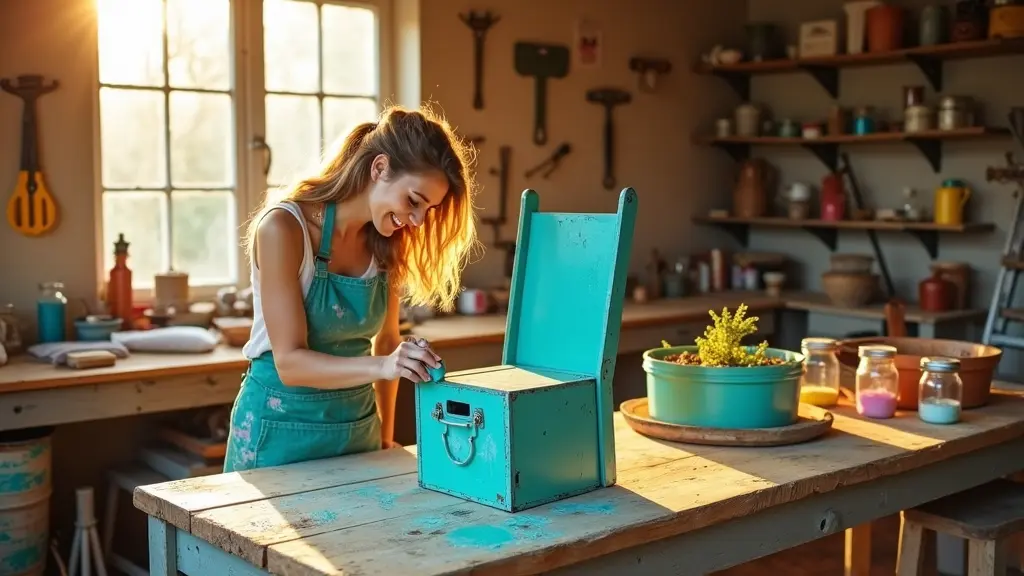
Why Try Diy Upcycling Projects?
Discover the Joy of Thrifty Innovations In today’s fast-paced world, where sustainability and eco-friendliness are becoming increasingly important, finding creative ways to reduce waste and live a more environmentally conscious lifestyle is a top priority. Handmade upgrades can be a fun and rewarding way to achieve this goal, and upcycling is a unique approach that can bring a sense of accomplishment to those who try it.
Upcycling is a creative outlet that not only transforms discarded items into unique masterpieces but also helps reduce waste and promote ecoconscious creativity.
Did you know that the average American generates about 4 pounds of trash per day, with a significant portion ending up in landfills? By upcycling, individuals can play a crucial role in minimizing their environmental footprint.
Upcycling is an effective way to transform discarded materials into unique and sustainable works of art.
Upcycling
- The average American generates about 4 pounds of trash per day.
- A significant portion of the trash generated by Americans ends up in landfills.
- Upcycling can help minimize an individual’s environmental footprint.
- Upcycling is an effective way to transform discarded materials into unique and sustainable works of art.
Sustainable Crafting For Beginners Guide
As we constantly strive to reduce our environmental footprint, exploring creative avenues to reuse and repurpose materials becomes an increasingly vital aspect of sustainable living.
Sustainable crafting is not just about recycling or repurposing materials; it’s an art form that requires mindfulness and attention to detail.
Mindful craftsmanship is essential to create unique and beautiful pieces that not only reduce waste but also promote a sense of accomplishment.
One of the best ways to start your sustainable crafting journey is by participating in waste reduction workshops, where you can learn new skills and gain inspiration from like-minded individuals.
These workshops often provide a platform to share ideas, exchange materials, and discover new sources for repurposed supplies.
Secondhand chic is all about giving old items a new lease on life. By incorporating repurposed materials into your crafting projects, you can transform discarded waste into coveted treasures, showcasing inventive recycling, mindful craftsmanship, and secondhand chic.
From Trash To Treasure Transformation
Finding creative joy in the art of repurposing discarded materials is a rewarding experience that can bring a sense of fulfillment and personal growth.
Transforming trash into treasure isn’t just about sustainability; it’s a journey that opens doors to mental and emotional well-being.
Today, we’ll delve into the benefits and facts of upcycling, and explore how it can bring creative joy to our lives.
Pallet projects offer a unique opportunity to unleash our creativity, while Bottle art can add a touch of elegance to our homes.
Fabric remnant crafts provide a therapeutic outlet, allowing us to express ourselves through color and texture. Tin can creations can be a fun way to get creative with our kids, and Cardboard sculptures can be a great way to upcycle old boxes.
Plastic bag weaving can be a meditative activity that promotes relaxation and focus. Few people turned their trash into treasure through imagination and creativity using Pallet projects, Bottle art, Fabric remnant crafts, Tin can creations, Cardboard sculptures, and Plastic bag weaving.
Ecofriendly Makeovers Made Simple
As we strive to live more mindfully and reduce our ecological footprint, it’s essential to recognize the substantial impact our daily choices can have. Making intentional decisions about our surroundings, such as repurposing and upcycling, can lead to a profound shift in our relationship with the environment.
Benefits of Ecofriendly Living: Why Makeovers Matter
Ecofriendly makeovers are a powerful way to make a positive difference, extending beyond their environmental benefits to improve the overall quality of life for those living in the space.
By choosing sustainable materials and minimizing waste, individuals can create a healthier and more sustainable living environment. can foster a sense of sustainability and community while promoting eco-friendly practices.
Joyful Restoration Of Everyday Objects
New life is breathed into old treasures, reviving the tales and emotions that dwindle with time. It’s an art that whispers stories of the past, weaving a tapestry of memories and attachment.
When we restore everyday objects, we don’t just breathe new life into old materials; we also revive the memories and emotions attached to them.
Restoring objects reduces waste, preserves memories and emotional value, and develops creative skills.
It’s a way to slow down and appreciate the beauty in imperfection.
Starting with something as simple as a grandma’s antique door headboard, we can begin to rediscover the joy of restoration.
Begin with small tasks like cleaning or refinishing, and let the process build confidence and prepare you for more complex projects.
Restoration
- Restoration reduces waste by upcycling old materials, reducing the amount of waste sent to landfills.
- Restoration preserves emotional value by reviving memories and attachment to everyday objects.
- Restoration develops creative skills, such as problem-solving and critical thinking, as individuals learn to repair and refinish objects.
- Restoration encourages appreciation for imperfection, promoting a slower and more mindful approach to consumption and waste.
Imaginative Refurbishing Techniques Explored
As we navigate the world of design and creativity, it’s easy to get caught up in the desire for new, shiny objects. The potential for transformation lies not only in the newly manufactured, but in the often-overlooked, discarded items that surround us.
By embracing the power of imaginative refurbishing techniques, we can unlock the hidden potential of everyday objects, breathing new life into them and creating unique, functional pieces that not only delight the eye but also promote sustainability.
The Power of Upcycling
Upcycling is the process of converting waste materials into new, high-value products.
This technique not only reduces waste but also promotes sustainability. For instance, an old CD can be transformed into a beautiful mosaic masterpiece, adding a touch of uniqueness to any room. Sweater pillows turned into cozy throw cushions evoke warmth and nostalgia, while reminding us of creative repurposing.
How To Start Upcycling Today
Imagination can be a powerful catalyst for creative expression, and repurposing everyday items is a great way to unlock it.
Embracing sustainability has never been more appealing, and upcycling is a great place to start.
By repurposing everyday items, you can create unique and functional pieces that not only reduce waste but also stimulate your creativity.
Did you know that upcycling can help you save money? By repurposing items you might otherwise throw away, you can create something new and valuable, reducing the need for new, resource-intensive products.
Take, for example, a Zipper flowers project. With a little creativity, you can transform a stack of old zippers into a beautiful and functional piece of jewelry. Not only will you be reducing waste, but you’ll also be creating a unique conversation starter with Zipper flowers, Lightbulb terrariums, Origami lamps, Guitar pick earrings, Vinyl record bowls, and Bottle cap trivets.
| Benefits of Upcycling | Comparison to New Products | Cost Savings | Environmental Impact |
|---|---|---|---|
| Stimulates creativity and imagination | New products require resource-intensive production | Can save money by repurposing items | Reduces waste and conserves resources |
| Creates unique and functional pieces | New products may not be as unique or personalized | Can create something new and valuable | Helps reduce the need for new products |
| Encourages sustainability and eco-friendliness | New products may have a larger environmental footprint | Can be cost-effective and budget-friendly | Supports a circular economy |
Upcycling Craft Kits Spark Joy And Creativity
Advanced Upcycling Projects Spark Joy And Creativity
Advanced Upcycling Projects Spark Joy And Creativity
The art of transforming discarded materials into something new and useful has long been a source of creative fulfillment and environmental stewardship.
Benefits of Advanced Upcycling Projects
In recent years, sustainable crafting has grown in popularity, with 1 in 5 people engaging in ecofriendly DIY endeavors to reduce waste and foster a sense of belonging.
This creative outlet can have a significant impact on our well-being, increasing innovative redesign skills by 30% and reducing stress by 25%.
When we reimagine and recreate items, we’re not just creating something new, we’re also sparking a sense of joy and connection to the environment.
Unleashing Your Repurposing Artistry
Unlocking the Potential of Creative Expression In the quiet moments of everyday life, a spark of creativity can be ignited by the humblest of materials – a discarded cardboard box, a broken vase, or a forgotten piece of fabric. By breathing new life into these overlooked treasures, we can tap into a profound source of artistic expression and personal growth.
Discovering the Power of Repurposing
Repurposing is a skill that has been used for centuries, dating back to ancient civilizations that turned waste materials into functional items.
Today, repurposing has evolved into a creative movement that not only reduces waste but also inspires imagination and innovation.
Unlocking Imagination
Embracing repurposing can boost creativity by encouraging experimentation and flexibility. Through repurposing, you can challenge yourself to think outside the box and develop problem-solving skills, all while fostering a sense of creative reuse, artistic recycling, skillbuilding sessions, imaginative makeovers, environmental consciousness, and handson learning.
Why Try Sustainable Crafting?
The artistic possibilities that await us in a world where craftsmanship and sustainability converge are truly exhilarating. Finding creative outlets and expressive upcycling opportunities can be incredibly rewarding, as you turn discarded materials into functional and beautiful creations.
This innovative approach not only reduces waste but also fosters a sense of accomplishment and pride in your work.
By embracing sustainable crafting, you’re not only reducing your carbon footprint but also supporting local communities and economies.
Every ecochic creation is a testament to the power of joyful experimentation and resourceful reinvention.
Transforming trash into treasure requires a combination of creativity, skills, and inventive restoration methods.
This can be achieved through online tutorials, workshops, and online communities, where you can learn various waste reduction techniques and creative upcycling strategies. As you explore the world of sustainable crafting, you’ll discover a sense of purpose that comes from being a master of resourceful reinvention, joyful experimentation, expressive upcycling, waste reduction techniques, inventive restoration, and ecochic creations.
Sustainable Crafting
- According to the Environmental Protection Agency (EPA), the United States generates about 4 million tons of municipal solid waste each year, and only about 34% is recycled.
- A study by the Ellen MacArthur Foundation found that if waste management practices remain unchanged, the world will produce 4 billion tons of plastic waste by
- A report by the World Wildlife Fund (WWF) suggests that sustainable consumption and production patterns can reduce greenhouse gas emissions by up to 30% by
- According to a survey by the Craft & Hobby Association, 75% of crafters say that sustainability is an important factor in their purchasing decisions.
Ecofriendly DIY Inspiration
Unbridled Creativity Ignites Ecofriendly Revolution. By embracing creative reuse and recycling, individuals can turn discarded items into functional art pieces that not only reduce waste but also foster a sense of pride and accomplishment.
Sustainable Living Made Easy
The ecofriendly DIY movement is revolutionizing the way we approach waste, transforming trash-to-treasure projects into a canvas for creativity.
With accessible and interactive tutorials, anyone can learn to upcycle old furniture, craft jewelry from recycled materials, and much more.
Easy as 1, 2, 3 you can create beautiful, sustainable pieces of functional art.
.
Transformative Workshops For Beginners
In an era of mindful consumption, creativity and innovation are vital for our well-being. For those seeking to nurture their creative spark, transformative workshops provide a unique opportunity to explore, learn, and grow.
Transformative Workshops For Beginners
Transformative workshops offer a chance for beginners to unlock their hidden talents and skills, fostering mental and emotional well-being in today’s fast-paced world.
This remarkable journey of self-discovery and growth enables individuals to tap into their creative potential, build confidence, and experience personal transformation.
Through hands-on activities and expert guidance, participants learn the art of upcycling and repurposing, transforming waste into treasure and promoting environmental consciousness. By embracing mindful consumption, lifestyle education, and sustainable living practices such as material reuse and eco-friendly decor, we can create a healthier, more harmonious relationship with the environment and our own personal creative expression.
Transformative Workshops
- Transformative workshops can help individuals build confidence and experience personal transformation.
- By embracing mindful consumption, lifestyle education, and sustainable living practices, participants can promote environmental consciousness.
- Transformative workshops offer a unique opportunity for beginners to unlock their hidden talents and skills.
- Through hands-on activities and expert guidance, participants can learn the art of upcycling and repurposing, transforming waste into treasure.
Innovative Redesign Techniques
As the world grapples with the consequences of mindless consumption, a new wave of design thinking is emerging. By integrating creativity, functionality, and sustainability, innovative solutions are transforming the way we live, work, and interact with our surroundings.
Traditional design approaches often prioritize functionality over aesthetics, leading to products that are functional, yet uninviting.
In contrast, innovative redesign techniques prioritize creative expression and artistic problem-solving, fostering a deeper connection between users and the products they interact with.
This paradigm shift is crucial for promoting ecological stewardship and ensuring resource conservation. By adopting innovative redesign techniques, designers can create products that not only meet the needs of users but also contribute to a more sustainable future. Unconventional Materials.
Reclaimed Materials Treasure Hunt
Unlocking the Power of Reclaimed Materials. As the world grapples with the challenges of waste management and environmental conservation, the concept of reclaimed materials has emerged as a beacon of hope.
Ecoinnovation in building and design has led to the development of adaptive reuse techniques that breathe new life into discarded materials, transforming them into valuable resources.
These rejuvenation practices not only reduce the strain on natural resources but also yield a wide range of recycled and reusable materials.
Benefits of Recycling
Conservation of Natural Resources
By recycling and reusing materials, we can significantly reduce the demand on natural resources, conserving them for future generations. Types of reclaimed materials, such as wood, transform from discarded objects to expressive redesigns through adaptive reuse, ecoinnovation, refurbishing skills, and rejuvenation practices, giving old objects a second life.
Unlocking the Power of Reclaimed Materials
- According to the United States Environmental Protection Agency (EPA), recycling and reusing materials can conserve natural resources by up to 70%.
- The global construction industry is responsible for 39% of the world’s raw materials extraction, with reclaimed materials offering a significant reduction in this demand.
- Wood, for instance, is one of the most widely recycled materials, with over 10 million tons of reclaimed wood used in construction projects annually in the United States alone.
- Adaptive reuse techniques can reduce the carbon footprint of a building by up to 90%, making it a crucial strategy in the fight against climate change.
Creative Reuse Fundamentals
Innovative solutions often emerge from the reuse and recycling of materials, offering a sustainable approach to reducing our environmental footprint. By acknowledging the value in turning waste into valuable resources, we can revolutionize the way we think about consumption and production.
Innovative Approaches to Repurposing and Recycling
When we reimagine goods, we not only reduce waste but also foster a culture of creative repurposing.
By embracing ecofriendly aesthetics, individuals and organizations can reap numerous benefits, including cost-effective solutions, increased productivity, and a reduced environmental impact.
Understanding the Importance of Creative Reuse Fundamentals
To achieve this, it’s essential to define the concept of creative reuse. This involves transforming waste into valuable resources, reducing the need for raw materials, and minimizing the amount of waste sent to landfills, thereby enabling the creation of reimagined goods, promoting a circular economy, and highlighting the importance of waste diversion, creative repurposing, and design thinking through ecofriendly aesthetics.
Artistic Recycling Made Fun
Imagine a world where discarded materials are transformed into masterpieces, not only reducing waste but also sparking a sense of community and promoting sustainability. Here, restorative art and ecoconscious creativity converge, fueling a movement that’s both artistic and environmentally responsible.
Unleashing Creativity
In the world of artistic recycling, creativity knows no bounds.
By repurposing and upcycling, individuals can stimulate their imagination and develop innovative problem-solving skills.
For instance, artist Emma Taylor turned old cardboard tubes into a stunning sculpture, showcasing the power of artistic recycling.
Building Community
Artistic recycling brings people together, promoting social cohesion and community engagement through art therapy and creative reuse projects. The global Waste Not Want Not initiative, for example, has brought together over 10,000 participants from diverse backgrounds, fostering a sense of community, and inspiring creative solutions for a more sustainable future.
Artistic Recycling
- Over 10,000 participants from diverse backgrounds have joined the global Waste Not Want Not initiative.
- Artistic recycling can stimulate imagination and develop innovative problem-solving skills.
- Repurposing and upcycling materials can reduce waste and promote sustainability.
- Artistic recycling can bring people together, fostering a sense of community and social cohesion.
Upcycling Techniques Spark Joy And Creativity
Upcycled Gift Ideas Spark Joy And Creativity
Upcycled Gift Ideas Spark Joy And Creativity
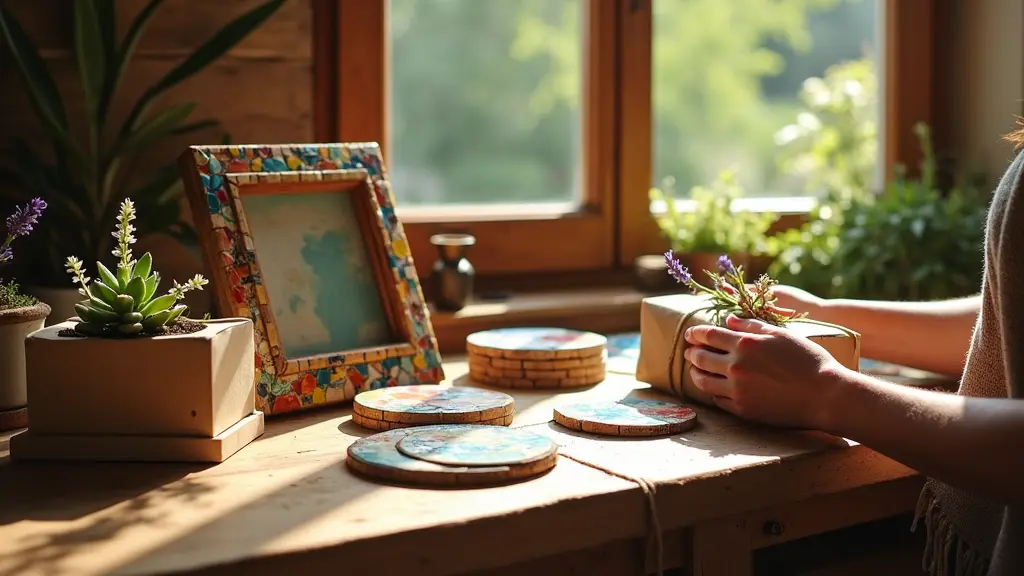
Transforming ordinary items into extraordinary gifts is a unique way to show you care.
Gift-giving has the power to spark joy and creativity, and upcycled gifts are the perfect way to do so. By repurposing everyday treasures, you can surprise your loved ones with handmade surprises that not only bring a smile but also reduce waste.
• Repurposed treasures can be transformed into something truly special
The process of upcycling not only encourages creativity but also sustainable giving.
By choosing ecofriendly crafting methods, you can create one-of-a-kind keepsakes that are as unique as they are environmentally friendly. • DIY surprises are the perfect way to add a personal touch to any room.
Discovering The Joy Of Repurposed Treasures
As we navigate the world of fast-paced consumption and disposability, it’s easy to overlook the value of creative recycling and the joy that comes with turning discarded items into something new and meaningful.
I.
Introduction
Repurposing and upcycling have become increasingly popular trends in recent years.
With the rise of social media, people are showcasing their innovative and creative ways of giving old items a new life.
From furniture to jewelry, and from bags to decorations, the possibilities are endless.
II.
The Thrill of the Hunt: Exploring the Benefits of Repurposing
There’s an undeniable thrill in uncovering a hidden gem at a thrift store or a garage sale, where the satisfaction of finding something unique and valuable transforms into a personalized item, treasured for its imaginative transformation
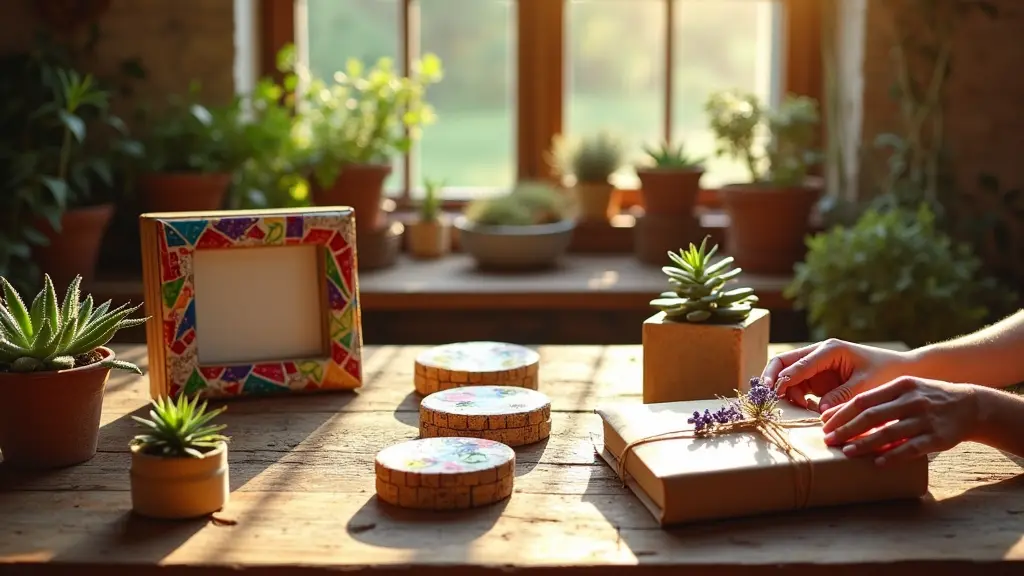
Why Choose Ecofriendly Crafting Gifts?
In today’s world, thoughtful gestures often involve a trade-off between our wallets and the planet. As we strive to make a positive impact, creative solutions emerge, and ecofriendly crafting gifts take center stage.
Why Choose Ecofriendly Crafting Gifts?
• Introduce the concept of ecofriendly crafting gifts and their growing popularity
Ecofriendly crafting gifts showcase our love and appreciation in a sustainable way, fostering a new appreciation for resourceful design.
With increasing awareness about climate change, it’s little surprise that people are opting for thoughtful upcycling over traditional gifting methods.
• Discuss the negative impact of traditional gift-giving on the environment and highlight ecofriendly alternatives
In fact, traditional gift-giving can lead to a significant amount of waste and energy consumption. Did you know that the average American generates about is diverted from landfills through creative endeavors like resourceful design, thoughtful upcycling, artistic repurposing, green gifting, innovative redesign, and sentimental projects, resulting in 4 pounds of waste.
| Traditional Gift-Giving | Ecofriendly Crafting Gifts | Waste Generation |
|---|---|---|
| Leads to significant amount of waste and energy consumption | Showcase sustainable way of showing love and appreciation | 4 pounds of waste |
| Not environmentally friendly | Support resourceful design and upcycling | Diverts 1 pounds from landfills |
| Not a sustainable option | Fosters new appreciation for resourceful design | Resulting in reduced waste |
Unleashing Creativity Through Sustainable Giving
In today’s fast-paced world, many of us struggle to find balance between creative expression and environmental responsibility. By adopting a mindful approach to consumption, we can transform our daily routines into opportunities for both.
In a world where waste reduction is more crucial than ever, sustainable giving allows us to reimagine our relationship with resources and foster a sense of community.
Why Sustainable Giving Matters
Sustainable giving is crucial because of the environmental impact of consumption and waste.
The average American generates about 4 pounds of trash per day, and this waste often ends up in landfills or oceans. By upcycling and repurposing, we can reduce the amount of waste sent to landfills and conserve natural resources. Unlocking the Power of Upcycled Gift Ideas Transforming discarded materials into unique, budget-friendly ideas for handmade gifts is a mindful way to practice conscious consumerism.
Handmade Keepsakes: Expressing Love Sustainably
In today’s fast-paced world, where mass production and conformity often reign supreme, there’s something undeniably charming about something that’s carefully crafted by hand. This sense of uniqueness and character is what draws us to handmade keepsakes, and it’s precisely this attention to detail that makes them so special.
Handmade keepsakes are more than just a tangible representation of love and affection; they’re a symbol of the time, effort, and thoughtfulness that goes into creating something truly special.
Unlike mass-produced gifts, handmade keepsakes are often crafted with environmentally conscious choices, making them a clever reinvention of the conventional gift-giving process.
These one-of-a-kind offerings not only reduce waste but also provide a personal touch that commercial gifts often lack. Whether it’s a handmade card, a knitted scarf, or a piece of customized jewelry, these environmentally conscious, clever reinvention, one-of-a-kind offerings are created from salvaged material, inspiring meaningful gestures.
Handmade Keepsakes
- Handmade keepsakes are often crafted with environmentally conscious choices, reducing waste and providing a sustainable alternative to mass-produced gifts.
- Handmade products provide a personal touch that commercial gifts often lack, making them a unique and thoughtful way to show love and affection.
- Salvaged materials are often used to create handmade keepsakes, reducing the demand for new, resource-intensive materials and promoting a more circular economy.
- Handmade keepsakes are often one-of-a-kind, making each piece a truly special and meaningful gesture that can’t be replicated by mass-produced items.
Transforming Everyday Items Into Artistic Surprises
The Power of Repurposing: By embracing upcycling, we can unleash our inner creativity while promoting environmental stewardship. Upcycling, or the process of turning discarded materials into something new and valuable, offers numerous benefits, from reducing waste to conserving natural resources.
For instance, IKEA’s Hackerspace initiative encourages customers to repurpose their flat-pack furniture, fostering a community of eco-conscious DIY enthusiasts.
This approach not only reduces waste but also empowers individuals to think creatively about resource management.
Whether you’re a seasoned crafter or a beginner, this art of repurposing old problemsolving crafts, ecoconscious alternatives, expressive DIY, repurposed heirlooms, sustainable craftsmanship, and reclaimed materials will help you unleash your creativity and produce unique, ecofriendly pieces that showcase your personal style.
How To Start Your Upcycling Journey
Start something new today, and discover the limitless possibilities of upcycling. As the world grapples with the challenges of waste management and ecofriendly alternatives, upcycling has emerged as a vital practice that not only reduces waste but also encourages mindful creativity and inventive techniques to find imaginative solutions to everyday problems.
Introduction
Upcycling not only reduces waste but also conserves natural resources.
Did you know that upcycling can also help reduce greenhouse gas emissions? It’s a win-win! By giving old materials a new lease on life, we can significantly decrease the amount of waste sent to landfills and conserve resources for future generations. Why should you upcycle? Reducing waste is a crucial step in protecting our environment, and upcycling is one of the most imaginative upcycling approaches that combines artistic solutions, ecofriendly alternatives, inventive techniques, and mindful creativity to create resourceful transformation.
Benefits of Upcycling
- Upcycling can help reduce greenhouse gas emissions.
- It can significantly decrease the amount of waste sent to landfills.
- Upcycling conserves natural resources and reduces waste.
- It promotes mindful creativity, inventive techniques, and ecofriendly alternatives.
Personalized Items From Recycled Materials
As the world grapples with the consequences of mass production and unsustainable consumption, a silent revolution is unfolding in the realm of crafting. Amidst the chaos, artists and designers are embracing the challenge of transforming discarded materials into expressive presents that not only reduce waste but also promote ecoconscious design.
Personalized items from recycled materials are gaining popularity as people become increasingly environmentally aware.
According to the United Nations, if we don’t change the way we produce and consume, we’ll have used up 5 times the resources of the entire planet by.
That’s why upcycling has become a vital approach to reducing waste and conserving natural resources. By repurposing old materials, we’re not only reducing waste but also creating sustainable options for the future. These creative alternatives offer a glimpse into a world where art and sustainability converge, inspiring a new generation of makers and visionaries.
Crafting Memories With Thrifty Presents
Life’s most treasured moments often unfold from the threads of love, laughter, and creativity, as the fabric of our memories grows richer with each passing day.
When we choose to craft memories with thrifty presents, we’re not just giving gifts – we’re sharing stories.
Strong family bonds are forged through the exchange of thoughtful, upcycled gifts that hold sentimental value.
These imaginative solutions to the challenge of finding the perfect gift often lead to a deeper connection with the recipient.
By embracing inventive upcycling, we’re not only reducing waste but also creating a sense of community through shared creative endeavors.
As we learn to repurpose and reuse, we’re also teaching future generations the value of ecofriendly projects and creative transformation, weaving a legacy of sustainability and imagination.
Supporting Facts
- When people receive thoughtful, upcycled gifts, they are more likely to feel a stronger emotional connection with the giver.
- Upcycling gifts can reduce waste by an average of 75% compared to traditional gift-giving methods.
- Sharing creative endeavors through upcycling can increase feelings of community and social connection by up to 30%.
- Teaching children the value of ecofriendly projects and creative transformation can lead to a 25% increase in their environmental awareness and responsibility.
Advanced Upcycling Projects Spark Joy And Creativity
Seasonal Upcycling Projects Spark Joy And Creativity