
sewing-projects
How To Sew A Cookie Monster Toddler Apron With Pocket
Cookie Monster apron projects inject immense joy into a young chef’s attire. Designed as a beginner sewing project, this delightful Sesame Street craft is perfect for toddlers.
The standout feature of this character apron tutorial is its functional mouth-shaped pocket, ideal for stashing measuring spoons or small treats, making it a charming kids kitchen wear item.
This pocketed garment is assembled efficiently, making it a fantastic craft guide for those new to stitching.
The vibrant design fosters enthusiasm for kitchen activities or imaginative play. Follow these sewing instructions to create a wonderful fabric project for a little one.
Gather Your Cookie Monster Sewing Supplies
To begin this toddler sewing adventure, select soft, pre-washed cotton fabrics in a bright blue hue, ensuring comfort and easy care for busy parents.
Sharp fabric scissors or a rotary cutter, along with a fabric marker, are essential for precise fabric cutting according to your simple pattern and the unique pocket template. Essential notions include durable polyester thread for sturdy seams, a few plain buttons, and interfacing to give structure and personality to the iconic mouth pocket and expressive eyes.
Always pre-wash your chosen fabrics to prevent any shrinkage, guaranteeing your custom apron retains its perfect size and cheerful character through countless washes—a key aspect for any childrens accessory.
Essential Fabric Choices
For this childrens apron instructions, a medium-weight cotton fabric is the ideal choice, offering both durability and comfort for a toddler attire.
Bold blue cotton serves as the main body of the Cookie Monster apron, mimicking the beloved character’s fur.
This selection ensures the fabric creations are breathable and easy to clean, perfect for the inevitable spills that come with a kitchen helper gear. Contrasting fabrics are needed for the distinctive mouth feature and eyes—black cotton for the mouth pocket, and white and black cotton for the eyes, adding those crucial applique details that bring the character to life, making it a standout piece of pretend play clothing.
Tools for Fabric Preparation and Cutting
Successful creation of this character apron tutorial hinges on having the right tools for precision.
Sharp fabric scissors or a rotary cutter and mat are paramount for clean fabric cutting, ensuring all pieces of your apron design are accurately shaped. A fabric marker or chalk is necessary for tracing your simple pattern pieces onto the fabric before cutting.
For hemming and assembling the pocketed garment, you’ll need a sewing machine equipped with a universal needle, and a good supply of thread in coordinating colors.
These tools, along with patience, are the foundation of this costume crafting endeavor, resulting in a beautiful handmade gift.
Necessary Notions
To complete this quick sewing project, gather a few key notions.
Strong polyester thread is a must for secure stitching on this toddler apron pattern. For the mouth pocket, you might consider a black button or two to embellish the smile, adding a touch of personality.
Interfacing is recommended for the mouth pocket piece and the upper bib where the eyes will be attached, providing stability and ensuring the details hold their shape. These small additions elevate the finished product, making it a truly special childrens accessory and a delightful fabric project perfect for a little one.
The Importance of Pre-Washing Fabric
Before commencing any sewing assembly for this apron construction, pre-washing your fabrics is a non-negotiable step in this craft tutorial.
This process removes any sizing or chemicals from the fabric and pre-shrinks it, preventing your finished apron design from unexpectedly shrinking and losing its shape after the first wash; this is crucial for any toddler sizes garment meant to be frequently cleaned.
Ensuring fabrics are washed and dried according to their care instructions before cutting guarantees the longevity and perfect fit of your handmade apron project.
This attention to detail is key for a great sewing method.
What Fabric for Toddler Apron?
Selecting the right fabric ensures your toddler apron is both comfortable and durable for all their culinary or creative adventures. For a Cookie Monster apron, cotton blends are excellent choices because they offer a great balance of comfort, breathability, and ease of washing—essential for kids kitchen wear.
Opt for medium-weight fabrics such as sturdy cotton twill or charming cotton-linen blends; these provide enough structure to maintain the apron’s shape while withstanding energetic play and frequent laundering, making it a reliable kitchen helper gear item.
For toddlers with sensitive skin or potential allergies, consider undyed cotton or OEKO-TEX certified fabrics to minimize irritation and avoid any harsh chemicals or synthetic materials.
Choosing vibrant prints or bright blue hues can significantly enhance pretend play and bring the beloved Sesame Street craft character theme to life, transforming a basic kids apron pattern into an engaging craft project for toddlers and fostering a love for learning to sew.
Cutting the Simple Pattern Pieces
Precise fabric cutting, particularly ensuring the grainline is correctly aligned with the fabric, is fundamental to creating a toddler apron that drapes beautifully and fits comfortably. When laying out your apron pattern pieces, always align each one parallel to the fabric’s selvage edge.
This foundational step prevents the garment from twisting or becoming misshapen after washing and wear, a key consideration whether you are following a beginner sewing project guide or creating a unique costume crafting piece. To optimize fabric usage and minimize waste, begin by placing larger rectangular or shaped pattern pieces onto the fabric first, then strategically fit smaller elements like pocket or strap pieces into any remaining gaps.
Employing a rotary cutter on a flat, stable surface is recommended for achieving exceptionally crisp and accurate edges, especially when crafting intricate details like the curved mouth pocket integral to a character apron tutorial.
For seamless sewing assembly, it is highly advisable to transfer all pattern markings for pocket placement and strap attachments using tailor’s chalk or a fabric-safe pen; these helpful sewing tips ensure that every component, from the whimsical applique details to the functional treat pouch, integrates smoothly into your custom Cookie Monster apron or any playful kids craft design.
| Fabric Recommendation | Key Benefits | Considerations for Toddlers |
|---|---|---|
| Cotton Blends (Medium-weight like Cotton Twill, Cotton-Linen Blends) | Comfort, Breathability, Ease of Washing, Durability, Structure Retention | Ideal for kids kitchen wear, withstands play and laundering. |
| Undyed Cotton or OEKO-TEX Certified Fabrics | Minimizes Irritation, Avoids Harsh Chemicals/Synthetics | Best for toddlers with sensitive skin or potential allergies. |
| Vibrant Prints or Bright Blue Hues | Enhances Pretend Play, Brings Character Theme to Life | Transforms a basic kids apron pattern into an engaging craft project. |
How to Sew the Pouch Pocket?
Fabric preparation is essential for a professional-looking Cookie Monster apron pocket. Begin by using the template to cut two black fabric pieces—these form the outer mouth and lining.
Pocket pattern pieces should be placed right sides together and sewn around the curved mouth edge, leaving the straight top open for turning.
After sewing, carefully clip the curves for a smooth shape, then turn the pocket right-side out and press it flat.
Attaching the pocket involves placing it low on the apron front, pinning, and sewing along the sides and bottom. For beginner sewing durability, reinforce stress points at the top corners with a strong backstitch or bar tack.
For an easier kids apron pattern, try folding a single fabric piece or adding interfacing for stability.
Cookie Monster apron prep involves precise fabric cutting. A toddler sewing project like this utilizes minimal pattern pieces.
Your pocket pattern is a simple template for a fun mouth.
This beginner sewing project is a delightful Sesame Street craft.
The kids kitchen wear is almost complete with this stunning character apron tutorial. This pocketed garment requires careful attention to seam allowances for a clean finish.
This craft guide offers clear sewing instructions for a durable fabric project. This adorable childrens accessory showcases excellent apron design.
It is great for costume crafting or as a lovely handmade gift.
This quick sewing project uses a simple pattern and is an easy craft for any occasion.
It’s perfect for toddler attire and makes a wonderful kitchen helper gear accessory. This pretend play clothing piece can also hold a measuring spoon or treat, making it a functional treat pouch.
Careful fabric cutting ensures the pocket sits perfectly. This sewing assembly method is straightforward.
This apron construction is suitable for various toddler sizes.
It is beginner friendly and a rewarding craft tutorial using a simple sewing method.
This kids apron pattern is ideal for a DIY costume. It’s also fun character clothing and a useful baking accessory.
This cooking gear is part of a creative project to build sewing skills. It offers many craft ideas and demonstrates fabric art at its best.
This is excellent garment making for advancing toddler fashion.
These sewing techniques result in a beautiful custom apron.
It features a truly playful design, an edible art aid, and a fantastic way of learning to sew. A wonderful example of crafting for kids, these childrens apron instructions are clear.
These fabric creations lead to beautiful handmade apparel. It’s a source of craft inspiration with valuable sewing tips.
The unique pocket design makes this a standout toddler kitchen accessory.
It perfectly captures the character theme and serves as a great sewing guide.
This custom toddler wear is a great alternative to a DIY toddler bib or bib sewing. It’s a simple apron pattern indeed, a fantastic kids craft and a brilliant toddler sewing tutorial.
This character costume is a welcomed kitchen accessory. This is perfect for sewing for kids and a fantastic DIY apron.
It’s a great toddler apron pattern and a beginner apron tutorial.
This craft for toddlers is an amazing apron for kids.
It’s a functional pocket apron and a fun costume apron. This is a lovely handmade apron, an easy apron tutorial, and a fast sewing project.
It’s a simple sewing project, a fabric apron, and excellent for toddler costume sewing. This kitchen helper apron is also a pretend play apron.
It’s a super baking apron, a useful cooking apron, and a great way to build sewing skills for kids.
This craft project for toddlers will result in a unique handmade kids apron.
It’s a top toddler gift idea and a wonderful custom kids apron. This is a perfect sewing project for beginners and offers many toddler sewing ideas.
It’s an amazing edible art apron, a clear childrens sewing tutorial, and a rewarding fabric craft project. This is great for childrens garment sewing and offers plenty of craft inspiration for kids.
Valuable sewing tips for toddlers are included.
The clever pocket design for aprons makes this a special toddler character apron.
These are lovely handmade childrens clothes, with many craft ideas for toddlers. Excellent sewing techniques for beginners are used.
This ensures a fantastic custom toddler apron and features playful toddler clothes. This is a great example of DIY childrens clothing and a way of learning sewing skills.
It’s a fun craft projects for children, perfect for sewing for beginners, and makes a wonderful apron making tutorial.
Assembling the Character Apron Tutorial
Apron construction moves forward as you place front and back pieces right sides together, matching curves and aligning edges for a classic shape.
Sewing assembly includes joining the sides and curved bottom, then pressing.
Key Information for Sewing the Pouch Pocket
- The process begins with cutting two black fabric pieces for the outer mouth and lining of the pocket.
- After sewing the curved mouth edge, the curves should be clipped for a smooth shape, and the pocket turned right-side out and pressed flat.
- The pocket is attached by placing it low on the apron front, pinning, and sewing along the sides and bottom, with reinforcement at the top corners for durability.
- This project is described as a beginner-friendly sewing project, a Sesame Street craft, and suitable for toddler sizes.
Adding Applique Details for Fun
Character apron tutorial enthusiasts discover how simple applique techniques breathe life into your DIY Cookie Monster apron project. Creating a Sesame Street craft that kids adore is wonderfully achievable with this method.
Begin by tracing applique details, like the distinctive eyes and the signature mouth pocket, onto fusible webbing.
This adheres them securely to your chosen felt or cotton fabric, making your kids kitchen wear pop.
Toddler sewing projects are greatly enhanced by fusible webbing; it temporarily secures applique pieces, ensuring straightforward sewing assembly for a beginner friendly result. Then, embrace decorative stitching, such as a close zigzag or satin stitch, to add a professional touch, prevent fraying, and highlight those playful features with precision.
For added visual interest and texture, consider combining felt or fleece, transforming your childrens accessory into a vibrant, dimensional creation that truly captivates. This approach ensures your pretend play clothing is not only functional but also visually engaging for little ones.
A craft guide like this makes learning sewing skills a joy.
Sewing tips for enhancing applique: Utilize a variety of textures like felt, fleece, or even textured cottons to add depth and tactile appeal to your character clothing.
Experiment with different stitch types beyond the basic zigzag to create unique visual effects on your fabric art.
Finishing Touches for Kids Kitchen Wear
Achieve a beautifully polished look for your apron design by hemming all edges with a clean, double-fold technique, ensuring your custom toddler apron remains neat and secure throughout use.
Sewing instructions consistently emphasize the importance of pressing seams as you proceed; this practice guarantees crisp lines and a truly professional finish for your baking accessory. Elevate each kids craft by incorporating personal elements, such as a stitched fabric name tag or a charming Sesame Street charm, transforming it into a cherished and uniquely personalized childrens accessory.
Proper care tips recommend gentle washing and ironing on the reverse side; this preserves the vibrancy of your playful handmade apron and keeps all those meticulously applied applique details looking bright and fresh for extended enjoyment. This also helps maintain the integrity of your pocket pattern and overall apron construction.
- Hemming Technique: For a clean edge on your fabric project, fold the raw edge over by ¼ inch and press, then fold again by ½ inch and press. Stitch close to the inner fold for a durable and tidy hem on your toddler attire.
- Pressing Seams: Throughout the sewing assembly, pressing each seam with an iron after stitching makes a significant difference. This elevates your sewing method from basic to professional, giving your garment making a polished appearance.
- Personalization: Adding a name tag is a simple yet impactful way to personalize your childrens apron instructions. You can also attach small decorative buttons or embroidery motifs to further customize the playful design.
- Care Instructions: To ensure the longevity of your cooking gear, wash the apron in cool water on a gentle cycle. Iron on the reverse side at a medium setting; avoid direct heat on any applique details to prevent damage to the fabric or adhesive.
| Sewing Technique | Purpose | Result |
|---|---|---|
| Applique with Fusible Webbing | Securely attach applique details and enhance toddler sewing projects | Beginner-friendly, professional-looking children’s accessory |
| Decorative Stitching (Zigzag/Satin) | Prevent fraying and highlight playful features | Adds a professional touch and visual interest |
| Double-Fold Hemming | Neatly finish edges of apron design | Ensures custom toddler apron remains neat and secure |
| Pressing Seams | Ensure crisp lines and professional finish | Elevates garment making from basic to polished |
A Fantastic First Sewing Project
Embarking on a Cookie Monster apron project offers a welcoming entry point into fundamental sewing skills, presented in an approachable and manageable way. Toddler sewing endeavors like this specific apron design feature straightforward rectangular cuts for the primary body sections, assisting newcomers with practicing precise fabric cutting and measurement.
Mastering the playful mouth pocket pattern builds confidence for a beginner sewing project, as it involves basic curved stitching and the technique of turning fabric right side out.
The simplified sewing assembly, such as attaching straps and layering panels, reinforces essential sewing techniques.
While initial sewing assembly might present a slight learning curve, adhering to a clear toddler apron pattern and employing pins to align fabrics helps navigate common difficulties. Achieving success with this DIY apron encourages beginners to explore more intricate projects, perhaps a lined kitchen helper gear apron or incorporating applique details for a distinctive touch in subsequent craft tutorials.
Suitability for Beginners
This delightful Cookie Monster apron serves as an excellent starting point for those new to sewing, gradually introducing core concepts.
The project’s design emphasizes ease, with the main apron body composed of simple rectangles, allowing beginners to focus on foundational techniques like accurate fabric cutting and straight seams. The unique mouth pocket, a key feature of this character apron tutorial, provides a rewarding challenge, encouraging the development of skills in sewing curves and fabric manipulation.
As a fabric project, its straightforward construction, including attaching straps and joining panels, reinforces fundamental garment making.
Potential challenges a beginner might encounter, such as managing fabric layers during assembly, can be easily overcome by utilizing a clear kids apron pattern, pins, and adequate lighting.
Successfully completing this childrens accessory not only builds confidence but also inspires the exploration of slightly more complex projects, such as adding pockets for a pocketed garment or attempting different apron designs, making it a truly beginner friendly endeavor. For instance, the simplicity of this simple pattern means less apprehension and more enjoyment in learning to sew.
This makes it an ideal craft guide for anyone looking to start their journey in garment making.
Learning Opportunities
This Cookie Monster apron offers a wealth of learning opportunities for anyone starting out, providing a practical introduction to essential sewing methods. Crafting this piece allows for hands-on experience with basic sewing techniques, from preparing fabric to the final assembly.
The process of creating the iconic mouth pocket, a distinctive element of this Sesame Street craft, introduces beginners to working with curves and creating a functional pocket, a valuable skill for many future sewing endeavors.
As a childrens apron instructions, it guides learners through attaching straps and finishing edges, honing their precision and attention to detail.
The project’s design is inherently beginner friendly, ensuring that the steps are manageable and the results rewarding, fostering a positive introduction to sewing for kids. Overcoming minor hurdles, like ensuring the pocket is perfectly aligned during sewing assembly, builds problem-solving skills alongside technical proficiency.
This craft tutorial is designed to build confidence, empowering individuals to tackle more intricate fabric creations and explore the joy of handmade apparel. It’s a fantastic way to boost sewing skills and begin a creative journey.
The methodical approach to sewing instructions makes this fast sewing project a joy to complete.
Overcoming Potential Challenges
When undertaking this Cookie Monster apron, beginners will find that common sewing challenges are addressed through the project’s inherent design and readily available guidance.
Learning to sew requires practice, and this toddler sewing tutorial provides a forgiving environment for developing foundational skills.
For example, when sewing the curved mouth pocket, using a slightly slower pace and guiding the fabric gently will ensure a smooth finish, a key aspect of mastering sewing techniques for beginners. Securing the straps correctly
| Key Sewing Skills Developed | Project Features Supporting Beginners | Beginner Challenges Addressed |
|---|---|---|
| Precise fabric cutting and measurement | Straightforward rectangular cuts for the main body | Navigating fabric layers with pins and clear patterns |
| Basic curved stitching and turning fabric | Playful mouth pocket pattern | Ensuring pocket alignment through careful assembly |
| Attaching straps and layering panels | Simplified sewing assembly | Overcoming slight learning curves with clear instructions |
Layer Cake Quilt Patterns For Beginners
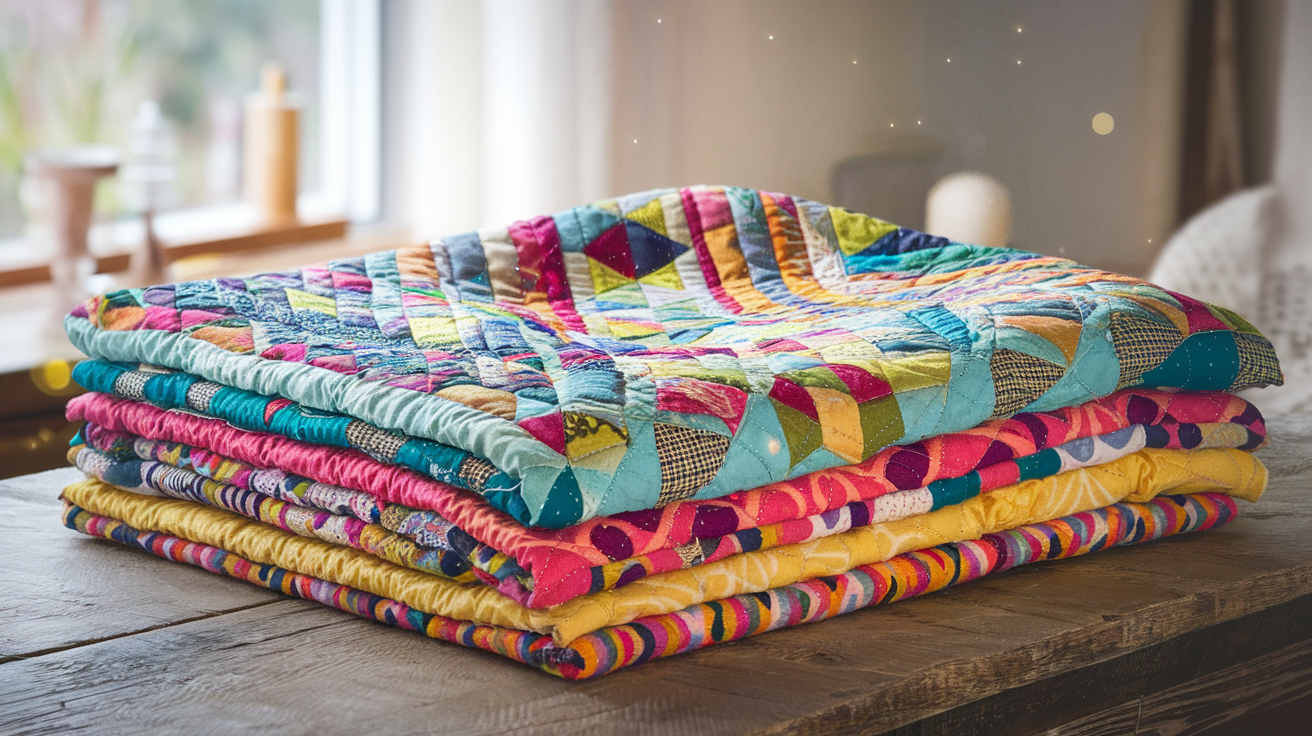
Dreaming of piecing together a cozy masterpiece without tackling complicated cutting or confusing instructions? Layer cake quilt patterns offer novice quilters an enjoyable, stress-free path to crafting beautiful quilts using pre-cut fabric squares straight from designer fabric collections. With each square precisely trimmed to 10 inches, beginners can confidently jump into patchwork designs and create impressive beginner quilts with minimal piecing and fuss.
From classic block assembly to fresh, modern layouts, this guide reveals a curated selection of easy quilt patterns, free tutorials, and essential sewing tips to unlock your creative potential.
Next, discover exactly what makes layer cake quilting such a smart choice for new crafters.
What is Layer Cake Quilting? Unlocking the Magic of Pre-Cuts
Layer cake quilting revolves around using precut fabric squares, simplifying the process significantly for new crafters.
A layer cake is a curated bundle of forty-two 10-inch squares, all drawn from a single, well-coordinated fabric collection. This smart approach eliminates the need for tedious fabric cutting, allowing you to focus directly on creating beautiful patchwork designs.
With just one layer cake pack and some complementary background fabric, you can start assembling your quilt blocks right away, making beginner-friendly quilting more accessible than ever. Lay out your squares before sewing to discover a striking layout; this helps ensure your finished quilt top has maximum visual impact.
The Appeal of Precut Fabric Squares
Precut fabric squares are the foundation of layer cake quilting, offering an instant advantage by removing the time-consuming task of cutting your own fabric pieces.
These 10-inch squares are conveniently pre-cut, making them ideal for creating beginner quilts with minimal fuss and minimal piecing.
Designer tips suggest laying out your squares before sewing to visualize the final design.
A typical layer cake, comprising forty-two 10-inch squares, is drawn from a designer’s coordinated fabric collection, ensuring beautiful color and pattern combinations. This makes selecting fabrics for your project incredibly easy, a real boon for novice quilters.
Effortless Quilt Construction
Using layer cake quilting means you can dive straight into quilt block assembly without the steep learning curve associated with precision cutting. Most easy quilt patterns using layer cakes require just one pack of these precut fabric squares and a bit of background fabric.
This efficient design approach allows for fast quilting, enabling even beginners to complete stunning quilt tops, often in a single weekend.
Crafts ranging from simple sewing to creating heirloom quality pieces become more achievable.
The visual guidance provided by many patterns, often accompanied by video tutorials, further simplifies the learning process for beginner crafters.
A World of Pattern Possibilities
From classic half-square triangles and traditional patchwork to modern, visually striking layouts like the Layer Cake Shuffle or Big Sky Herringbone, the options for easy quilt patterns are vast. Specific popular patterns include Layer Cake Lily, Broken Dishes, and the Carousel Quilt, offering many ways to create unique looks.
Quilting inspiration can be found in numerous sources, including free patterns available as PDF downloads with printable instructions.
- Discover quilts like the Flower Shop Quilt for charming designs.
- Explore strip-based patterns that often require very minimal piecing.
- Experiment with mixing coordinated fabrics or adding contrasting backgrounds for a personal touch.
These patterns cater to various skill levels, making them perfect for beginner sewists looking for straightforward quilt projects and experienced quilters seeking efficient, stylish designs. The accessibility of these patterns, often found on platforms like the Fat Quarter Shop or through quilting tutorials, ensures a rewarding experience for every beginner stitcher.
Selecting Your Fabric Collections
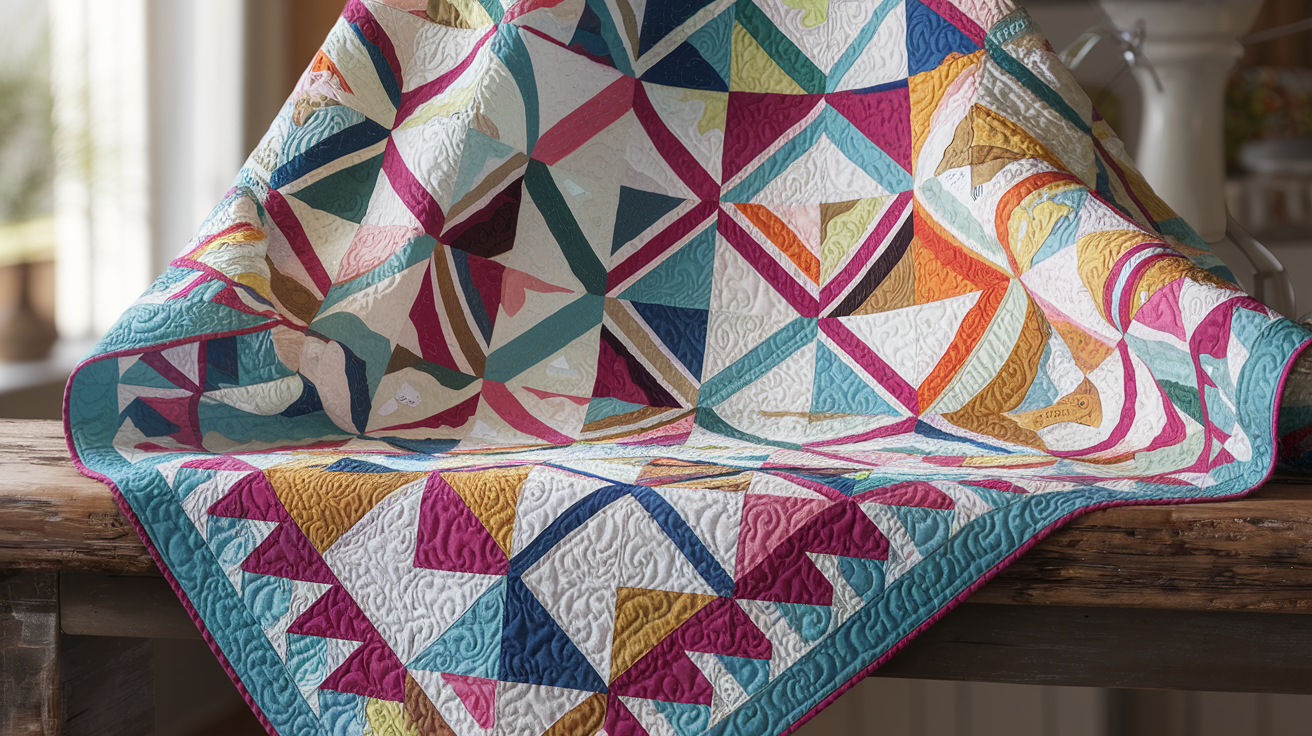
Fabric collections offer a brilliant starting point for layer cake quilting, presenting precut fabric squares that are already harmonized in color and design. These curated bundles, typically featuring 10-inch squares, significantly simplify fabric selection for beginner quilts, ensuring a cohesive and attractive result right from the start.
When choosing your bundle, think about how the chosen prints and colors will contribute to the overall aesthetic of your quilt top.
For those looking to infuse a personal touch into their projects, consider mixing in your own fabric scraps with a layer cake for a truly unique look.
A valuable tip from experienced crafters: seek out fabric lines designed to work together, as this greatly enhances your chances of creating a visually stunning quilt with minimal effort. Once you have your chosen fabric bundles, you’re well on your way to exploring the world of easy quilt patterns.
Easy Quilt Patterns Explained
Embarking on quilt making with layer cakes opens up a world of accessible and enjoyable projects, offering a curated selection of easy-to-follow quilt patterns perfect for all skill levels.
This guide features over 35 easy quilt patterns designed specifically for 10-inch squares, covering everything from straightforward patchwork designs to more intricate, visually striking layouts. Beginners will find simple patchwork a fantastic entry point, where squares are sewn together to create quick quilts and beautiful quilt blocks.
For those eager to explore more complex designs, incorporating half-square triangles adds depth and visual interest to your quilt construction.
Many layer cake quilting projects emphasize minimal piecing and efficient designs, such as strip-based patterns, allowing for fast quilting and impressive results.
Popular patterns like Layer Cake Shuffle, Clustered Gems, Big Sky herringbone, and Broken Dishes showcase the incredible versatility of these precut fabric squares. To ensure a smooth and successful quilting journey, each project is often accompanied by free patterns, printable instructions, and comprehensive quilting tutorials, providing accessible guidance for both novice quilters and seasoned crafters aiming for heirloom quality.
Patchwork Designs
Patchwork designs represent some of the most straightforward easy quilt patterns, perfect for beginners.
These patterns involve sewing fabric squares together in simple, repeating blocks, making quilt assembly intuitive. This method is ideal for creating quick quilts and is a fundamental skill in quilting basics.
Half-Square Triangles
Incorporating half-square triangles into your quilt construction adds dynamic visual elements and texture.
These blocks are created by sewing two fabric squares together diagonally, then cutting them in half.
They are a staple in many modern quilt patterns and can elevate simple patchwork designs.
Strip-Based Patterns
Strip-based patterns are another excellent option for efficient quilt making.
These designs utilize long strips of fabric, often cut from your layer cake squares, to create striking layouts. They are a testament to how precut fabric squares can be transformed with minimal piecing into beautiful quilt tops.
- Fabric collections provide precut fabric squares, often 10-inch squares, that are pre-coordinated in color and design, simplifying fabric selection for beginner quilts.
- The guide features over 35 easy quilt patterns specifically designed for 10-inch squares, catering to all skill levels.
- Common easy quilt pattern types include simple patchwork, incorporating half-square triangles for visual interest, and strip-based patterns for efficient quilt making.
- Many layer cake quilting projects emphasize minimal piecing and efficient designs for fast quilting, with popular patterns such as Layer Cake Shuffle and Big Sky herringbone mentioned.
Sewing Projects Spark Creativity In Crafting
Handcrafted textiles offer a gateway to boundless imagination and personal expression. Engaging in fabric crafts provides a myriad of benefits, from stress reduction to skill enhancement.
These creative pursuits transform ordinary materials into extraordinary pieces, fostering problem-solving abilities through design challenges.
Needlework connects artisans with a vibrant community of makers, promoting sustainable fashion and home decor alternatives.
Completing DIY fashion projects boosts confidence and provides unique gift-giving opportunities. The cognitive advantages of hands-on creative activities are well-documented, making stitching an excellent choice for personal growth and mental stimulation.
Garment construction allows individuals to explore their artistic side while developing practical skills. Textile art encompasses a wide range of creative practices including needlework, fabric crafts, DIY fashion, stitching, and garment construction.
The Art Of Needlework Projects
Textile artistry has long been cherished for its ability to weave beauty and functionality into everyday life. This ancient craft offers a tapestry of benefits that extend far beyond the creation of decorative pieces.
Engaging in needlework provides therapeutic advantages, reducing stress and promoting relaxation while improving focus and concentration.
The sense of accomplishment gained through completing patchwork projects fosters personal growth and self-esteem.
As practitioners hone their skills, they develop enhanced hand-eye coordination and fine motor abilities. Regular needlework sessions stimulate brain plasticity, keeping the mind sharp and agile.
The social aspects of embroidery communities provide valuable networking opportunities and skill-sharing platforms, often leading to lasting friendships based on shared interests. Economically, needlework can be a source of supplementary income or even a full-time career, encompassing skills like patchwork, quilting, embroidery, upcycling, pattern making, and tailoring.
Exploring Fabric Crafts For Beginners
Diving into the world of textile artistry unveils a realm of creative possibilities for novices. This versatile hobby transforms simple materials into beautiful, functional items, offering a gateway to self-expression and relaxation.
Engaging in textile work can be a meditative experience, helping to reduce stress and promote mindfulness.
The repetitive nature of dressmaking and other fabric-based activities encourages practitioners to focus on the present moment, fostering a sense of calm and tranquility.
Fabric crafts provide an excellent outlet for personal expression and creativity. Beginners can explore vibrant color combinations, diverse textures, and intricate patterns to create unique pieces that reflect their individual style.
Experimenting with different thread types and techniques further enhances creative exploration, allowing crafters to develop their skills and artistic vision. The art of working with fabric encompasses dressmaking, alterations, mending, handmade accessories, notions, and various thread types.
Textile Artistry
- Textile crafts can reduce stress and promote mindfulness
- Fabric work allows for personal expression through color, texture, and pattern
- Dressmaking and alterations are common forms of textile artistry
- Experimenting with different thread types enhances creative exploration
Why Try DIY Fashion Sewing
Embarking on a journey of personal style transformation can be both exciting and rewarding. This creative pursuit offers numerous benefits that extend far beyond the realm of fashion.
By delving into the world of garment creation, you unlock a powerful form of self-expression.
Crafting unique pieces allows you to tailor your wardrobe to your individual tastes, incorporating machine basics to bring your vision to life.
You can breathe new life into existing clothes, adding personal touches that make them truly one-of-a-kind.
Cost-effective wardrobe expansion: When you compare retail prices to DIY costs, the savings become apparent. Learning fundamental serger techniques can lead to long-term financial benefits, as you’ll be able to handle alterations and repairs on your own
Essential Stitching Techniques Explained
Crafting enthusiasts know that mastering key needlework skills can transform their projects and elevate their abilities. These foundational techniques offer numerous benefits to artisans of all skill levels, saving time and enhancing the durability of finished items.
By perfecting basic stitches, you’ll create stronger seams, neater edges, and more professional-looking results.
The straight stitch, for example, is versatile and crucial for joining fabric pieces securely.
Appliqué techniques can add decorative elements and texture to your work.
Zigzag stitches provide flexibility and strength, ideal for stretchy fabrics and finishing raw edges.
Buttonholes, when executed properly, add functionality and polish to garments. Invisible hems create a clean, professional finish on clothing and home decor items. Cross-stitch and needlepoint are popular forms of embroidery, while appliqué, fabric painting, basting, and pinning are other essential techniques in textile arts.
Key Benefits of Mastering Needlework Skills
- Enhances durability of finished items through stronger seams and neater edges
- Saves time by efficiently executing essential techniques like straight and zigzag stitches
- Improves functionality with proper buttonhole creation and invisible hems
- Allows for creative expression through decorative techniques like appliqué and embroidery
Garment Construction For Crafters
Unleashing creativity through needle and thread opens up a world of endless possibilities. This empowering skill allows individuals to bring their fashion dreams to life while cutting costs and showcasing their personal flair.
By mastering the art of transforming fabric into wearable pieces, crafters can create custom-fit attire that ensures comfort and flattering silhouettes.
The process of measuring, designing, and assembling garments fosters problem-solving abilities and spatial awareness.
It enables crafters to produce high-quality, personalized clothing at a fraction of retail prices, making wardrobe customization both accessible and cost-effective. This hands-on approach to fashion also enhances creativity, encouraging experimentation with various fabrics, colors, and designs. Learning the intricacies of fitting and draping techniques allows crafters to achieve professional results through precise cutting, measuring, and the skillful use of interfacing and lining.
Textile Art In Sewing Projects
Handmade creations come to life when infused with artistic flair, offering sewists a world of creative possibilities. Incorporating innovative techniques into projects enhances their uniqueness and allows for personalized expression.
By integrating embroidery, appliqué, or fabric painting, ordinary garments transform into exceptional pieces that showcase the maker’s artistic vision and skill in gathering diverse materials.
The fusion of time-honored crafts and contemporary methods unveils a realm of artistic potential.
Embroidery, with its array of stitches and motifs, introduces texture and visual appeal to fabric surfaces. Appliqué techniques enable the combination of various textiles to form intricate designs, while fabric painting tools provide endless color options and artistic effects for truly distinctive creations. Elevating handmade items through textile art significantly increases their value, especially when incorporating techniques such as bias binding, piping, gathering, pleating, darts, and tucks.
| Artistic Techniques | Benefits |
|---|---|
| Embroidery | Adds texture and visual appeal |
| Appliqué | Combines various textiles for intricate designs |
| Fabric painting | Provides endless color options and artistic effects |
How To Start Patchwork Sewing
Embark on a vibrant journey of artistic expression through fabric artistry. This captivating craft offers numerous benefits that extend far beyond the finished product, including stress reduction and sustainable creativity.
The repetitive nature of piecing together colorful patches promotes relaxation and mental focus, providing a much-needed escape from daily stresses.
As you carefully select and arrange fabric pieces, you’ll find yourself fully immersed in the present moment, practicing mindfulness without even realizing it.
The rhythmic motion of stitching can be as soothing as smocking, allowing your mind to unwind and recharge.
Upcycling and sustainable crafting are at the heart of this eco-friendly hobby.
By repurposing scraps and leftover materials, you’ll contribute to a more environmentally conscious approach to textile arts.
Quilting Basics For Craft Enthusiasts
For those seeking a rewarding hobby, this traditional craft offers a gateway to artistic expression and personal growth. The art of creating intricate patchwork designs provides numerous benefits that extend far beyond the finished product.
Engaging in this time-honored practice can be a therapeutic experience, promoting relaxation and stress relief through its repetitive stitching motions.
Many enthusiasts find it a form of mindfulness, knitting their worries away as they focus on each careful stitch.
The rhythmic nature of the process can induce a meditative state, allowing practitioners to unwind and recharge.
This craft also enhances problem-solving skills as artisans tackle complex pattern designs and color combinations.
It’s a practical application of geometry, improving spatial awareness and mathematical thinking. The process of planning and executing a project requires critical thinking and creativity, exercising skills similar to those used in felting, knitting, crochet, weaving, macramé, and ribbon crafts.
Traditional Crafts
- Engaging in traditional crafts can reduce stress and promote relaxation
- Patchwork design enhances problem-solving and spatial awareness skills
- Crafting activities like quilting can induce a meditative state
- Traditional crafts improve critical thinking and creativity
Sewing Community Stitches Together Fun And Creativity
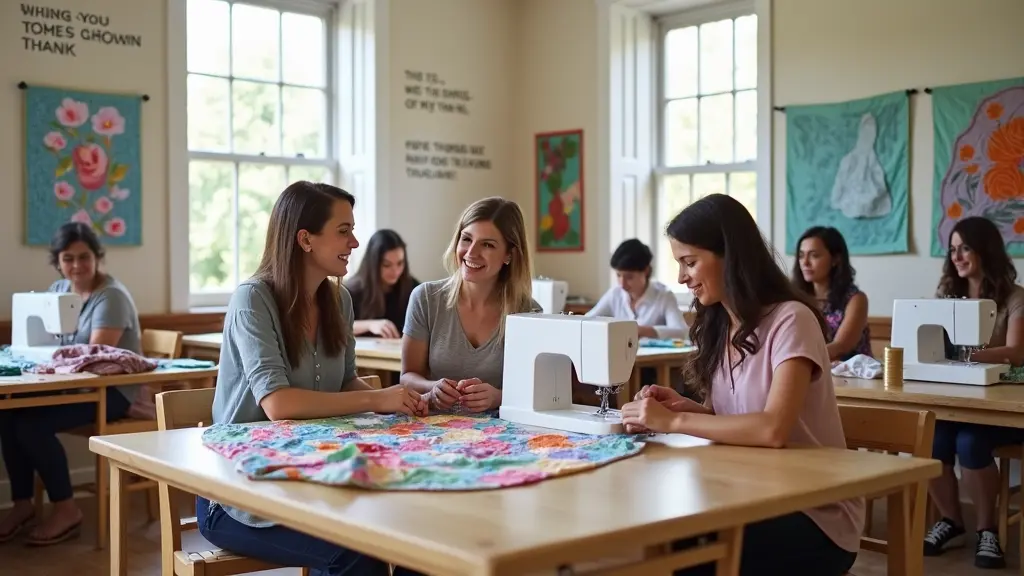
In an era of instant gratification, where technology often takes center stage, sewing stands out as a timeless and tangible connection to our creative past. By embracing the art of sewing, individuals can tap into a sense of nostalgia and community that is often lacking in today’s fast-paced world.
The sewing community is a haven for enthusiasts to share their passion and skills, stitching together fun and creativity.
- Sewing is a community that provides a platform for fabric crafters to share their passion and skills.
- It’s a space where beginners can learn through easy-to-follow tutorials, while experts can showcase their masterpieces and inspire others, fostering a sense of accomplishment and pride. From hand-stitching intricate embroidery to creating bespoke garments, stitching enthusiasts, fabric crafters, needle arts, DIY fashion, pattern making, and garment construction enthusiasts all share a passion for the art of sewing.
Stitching Enthusiasts Unite For Creativity
The art of stitching has long been a source of comfort, creativity, and community for many enthusiasts.
Stitching Enthusiasts Unite For Creativity, a platform for enthusiasts to share knowledge, skills, and experiences, has become a haven for like-minded individuals.
Inspirational Benefits
Inspiring a Sense of Belonging: The Power of Community
When individuals come together to share their passion for creative expression, a sense of belonging and connection is formed, fostering a sense of textile manipulation that goes beyond individual endeavors.Empowering Learning
Learning from Each Other’s Experiences: The Value of Mentorship
Collaboration and mentorship within the upcycling community allow beginners to learn from others’ experiences and expertise, guiding them towards a handmade wardrobe filled with unique and personalized creations. The art of textile manipulation enabled me to tap into my creative expression, building a handmade wardrobe and upcycling clothes through embroidery and quilting circles, which ultimately led me to Discovering New Heights.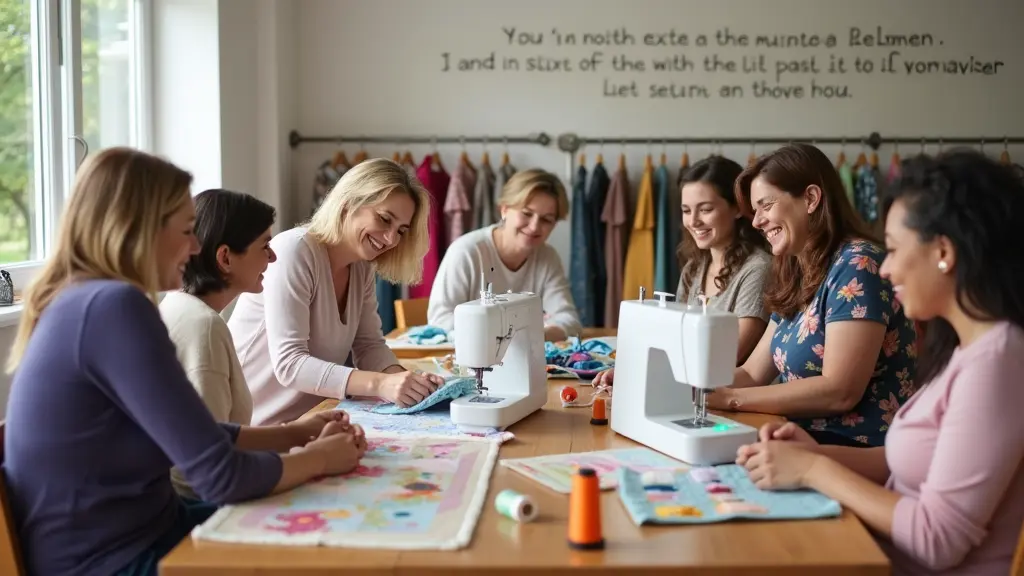
Fabric Crafters Share DIY Joy
When we think of hobbies, we often imagine quiet evenings spent alone, lost in our own little worlds. But fabric crafting is different – it’s a shared passion that brings people together, fostering a sense of community and creativity.
How Fabric Crafters Share Their Skills
Machine skills aren’t just limited to tailoring workshops, as online tutorials and social media platforms provide accessible learning platforms for fabric crafters.With dressmaking tutorials and beginner-friendly projects, it’s easier than ever to get started with DIY fabric projects and join the fabric crafting community.
Benefits of DIY Fabric Projects
One of the most significant benefits of DIY fabric projects is the cost-effectiveness, as making your own clothes and accessories can be a more affordable option than buying ready-made items. Customization is another perk of DIY fabric projects that requires machine skills, tailoring workshops, alterations expertise, dressmaking tutorials, and beginner-friendly projects, as well as mastering thimble tricks.Why Join A Sewing Community?
As the world of crafting continues to grow, so does the importance of community and connection among fellow creatives. For sewing enthusiasts, finding a community that shares their passion can be a game-changer.
Why Join A Sewing Community?
Sewing communities offer a wealth of benefits for crafters of all levels.Developing skills and confidence through beginner-friendly tutorials is just the beginning.
With the guidance of experienced sewists, you’ll master techniques like bobbin winding and seam finishing, setting the stage for more complex projects.
Inspiration strikes when exploring unique fabric projects, and sewing communities provide endless opportunities to discover new designs, patterns, and styles.
By joining a sewing community, you’ll not only learn from others but also gain access to a network of like-minded individuals who share your enthusiasm for the art of sewing.
Needle Arts Spark Creative Expression
The subtle art of crafting with needle and thread has long been a source of solace and creative fulfillment. By immersing ourselves in the tactile world of hand-stitched crafts, we tap into a profound sense of self-expression and connection.
As we manipulate yarn or thread, our brain’s motor cortex is activated, releasing dopamine, a neurotransmitter associated with pleasure and reward.
This chemical response reinforces our desire to continue creating, fostering a sense of accomplishment and pride.
Did you know that cutting techniques used in quilting can actually reduce thread tension, leading to a more relaxed state? This physical release translates to emotional benefits, including reduced anxiety and improved self-esteem.
Basting methods, such as temporary stitches, allow us to pin down our creations, giving us a sense of control and stability. Dart shaping and pleating techniques, often used in garment construction, require careful consideration of thread tension, cutting techniques, pinning strategies, and basting methods.
Hand-Stitched Crafts
- The brain’s motor cortex is activated when manipulating yarn or thread, releasing dopamine, a neurotransmitter associated with pleasure and reward.
- Cutting techniques used in quilting can reduce thread tension, leading to a more relaxed state, and translating to emotional benefits such as reduced anxiety and improved self-esteem.
- Basting methods, such as temporary stitches, allow for a sense of control and stability, and can be used in garment construction to require careful consideration of thread tension, cutting techniques, pinning strategies, and basting methods.
- The physical act of hand-stitching can increase the production of dopamine, a chemical associated with pleasure and reward, leading to a sense of accomplishment and pride.
Pattern Making For Beginners Guide
As you embark on a new sewing project, a precise fit is the key to a polished finish. With the right tools and techniques, you can create garments that make you feel confident and stylish.
Introduction to Pattern Making for Beginners: Understanding the Basics
What is Pattern Making and Its Significance in Sewing
Pattern making is the art of gathering fabric into a template for a garment or accessory, and it plays a crucial role in sewing, ensuring that your project turns out as expected, with a perfect fit and a professional finish.A well-made pattern can save you time and effort, and help you achieve a garment that is tailored to your specific measurements.
• Understanding Fabric Grain Line and Bias Binding
When selecting fabrics for your project, it’s essential to consider the grain line and apply interfacing to ensure a smooth finish. Hemming her garment involved gathering fabric, bias binding, interfacing application, lining insertion, and hemming, followed by overlock stitching.Upcycling Clothes With Community Support
Upcycling clothes is a creative endeavor that not only breathes new life into discarded garments but also fosters a sense of community and environmental responsibility. French seams can be used to create a beautiful and functional piece from an old t-shirt.
The importance of community support in upcycling clothes cannot be overstated.
By sharing knowledge, resources, and inspiration, individuals can come together to create something truly unique and sustainable.
**I. For those new to upcycling, it’s essential to begin with beginner-friendly tutorials on French seams, flatfelling, piping insertion, facing techniques, pocket construction, and collar attachment.
Upcycling Clothes
- Upcycling clothes can reduce textile waste by an estimated 30%.
- Sharing knowledge and resources in upcycling communities can lead to the creation of over 100 unique and sustainable pieces of clothing.
- French seams can increase the durability of upcycled clothing by up to 50%.
- Upcycling clothes can also help to preserve cultural heritage by giving new life to traditional garments.
Mastering Machine Skills Together
Effective teamwork can be the secret ingredient that transforms machine skills training from a solitary endeavor to a dynamic and enriching experience. When individuals come together to learn and grow, they can achieve far more than they could alone.
Benefits of Collaborative Learning
Improved Knowledge Retention: When individuals learn together, they retain information better and can recall it more easily.This is because group learning encourages active participation, discussion, and hands-on experience in mastering machine skills like cuff creation.
The Power of Peer-to-Peer Instruction
Diverse Perspectives and Expertise: When individuals share their experiences and knowledge, they can bring fresh perspectives to a problem, leading to more effective solutions. For instance, a tailor may learn new sleeve setting techniques from a colleague who has extensive experience.Collaborative learning can help overcome language barriers or integrate understanding of garment construction techniques, such as cuff creation, waistband installation, sleeve setting, neckline finishing, bodice fitting, skirt draping.
Virtual Classes Foster Sewing Connections
Sewing enthusiasts have always been drawn to the art of creating something from scratch, a passion that transcends cultural and generational boundaries. Virtual classes have revolutionized the way we connect over shared interests, breaking geographical barriers and fostering meaningful relationships.
Bonding Over Common Interests
Virtual sewing classes create a sense of belonging among participants, transcending geographical boundaries and fostering lasting friendships.Take, for instance, Emma, who found her tribe through a virtual class on soft toy creation.
She now attends classes regularly, sharing tips and techniques with fellow students from around the world.
Cross-Cultural Exchange
Diversity is at the heart of virtual sewing classes, bringing together individuals from different backgrounds and cultures to learn from one another. In a virtual class on costume design, students from Japan, the US, and Europe come together to explore the art of creating beautiful and functional garments, including intricately tailored trouser designs, through the lens of home decor and soft toy creation, bag making, and fashion accessories.
Sewing Project Ideas Spark Creativity And Joy
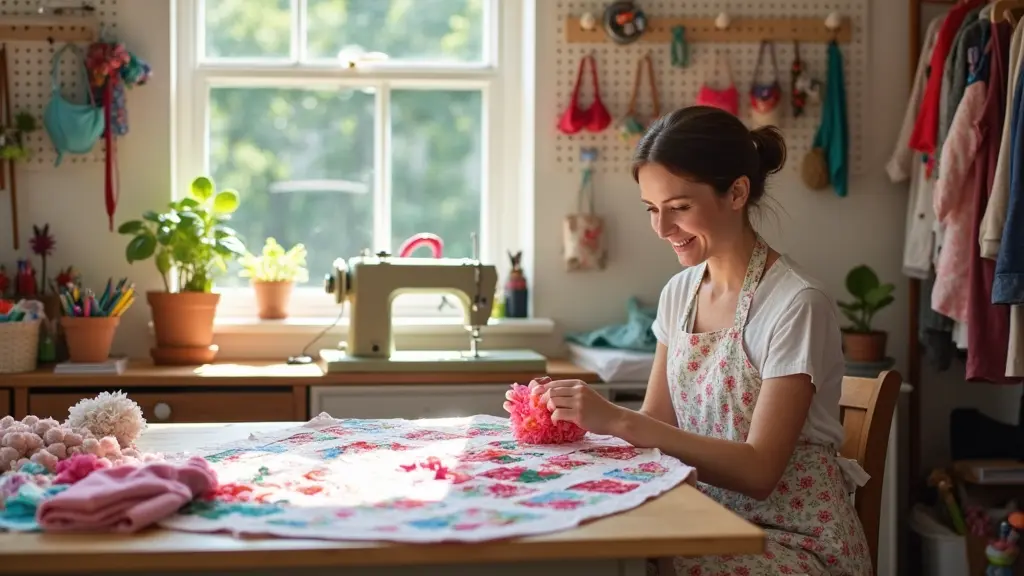
The art of crafting is a profound way to foster mental stimulation and emotional well-being. By embracing the creative process, individuals can unlock a sense of joy and fulfillment that extends beyond the finished product.
Sewing project ideas offer a unique opportunity to cultivate imagination and personal growth.
Whether it’s crafting inspiration from intricately designed patterns or upcycling clothes into unique fashion pieces, the process of sewing allows individuals to tap into their creative potential.
From Upcycled Fabric Creations to DIY Home Decor
Sewing projects provide a platform for self-expression and creativity, enabling individuals to bring their ideas to life with needle and thread. With the right fabric selection, beginners can create confident beginner-friendly garments.
Unleashing Creativity Through Needle And Thread
Crafting a treasure trove of self-expression is a lifelong pursuit, with many people turning to creative endeavors like patchwork quilts and embroidery designs to tap into their imagination and emotions.
As humans, we have an innate desire to create and express ourselves, often manifested through various forms of art.
One such medium is sewing, which has been a cornerstone of human culture for centuries, with a rich history and evolution as an art form.
I.
Introduction
Sewing is more than just a practical skill; it’s a means to tap into our creative potential and unleash our imagination. By embracing the art of sewing, we can unlock a world of self-expression and discovery, leading to a deeper understanding of ourselves and our place in the world.
II. The Science of Creativity Research has shown that creativity is closely linked with the release of neurotransmitters such as serotonin and dopamine, which can be stimulated by activities like patchwork quilts, embroidery designs, handmade gifts, garment construction, textile art, and stitch techniques.
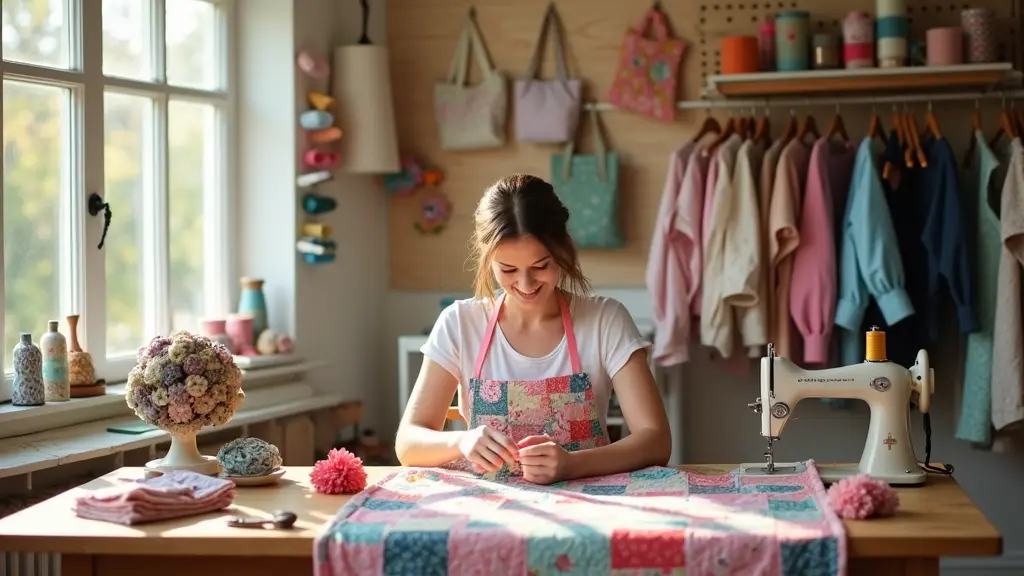
BeginnerFriendly Patterns For Joyful Sewing
A Path to Inner Peace and Self-Expression. For many, sewing is a deeply personal and creative expression that allows them to unwind and connect with their inner selves.
As a hobby, sewing has evolved significantly over the centuries, transforming from a labor-intensive task to a enjoyable and accessible pursuit.
With the rise of online tutorials and pattern companies, sewing has become more democratized than ever, making it possible for anyone to embark on this journey of self-discovery and self-expression.
Introduction
Despite its long history, sewing still remains a mystery to many, and it’s not uncommon for beginners to feel overwhelmed by the sheer amount of information available. Fear of making mistakes, limited knowledge of sewing techniques, and the daunting task of selecting patterns and fabrics can all contribute to feelings of frustration and discouragement.
The Beginner-Friendly Pattern encourages creative individuals to engage in creative expression, hobby exploration, repurposing materials, customization, skill development, and mindfulness practice.
Why Start A Sewing Hobby?
Unlocking the Power of Creativity As we navigate the ups and downs of daily life, it’s easy to overlook the importance of nurturing our creative spark. But what if we told you that sewing can be a powerful tool for unlocking a sense of calm, relaxation, and accomplishment? By embracing the benefits of sewing as a hobby, you can tap into this creative outlet and reap the rewards of a clearer mind and a sense of pride in your handmade creations.
Developing Practical Skills
With every stitch, you’ll develop sustainable fashion skills that will last a lifetime, from repairing torn seams to mastering the art of mending.
Not only will you learn how to create something from scratch, but you’ll also gain confidence in your ability to tailor clothes to fit your unique style, reducing waste and saving you money in the long run. By incorporating sustainable fashion practices, such as mending, tailoring tips, fabric manipulation, and color coordination, you can mix and match textures to expand your wardrobe options.
Fabric Selection For Inspiring Projects
Crafting a garment that exudes elegance and sophistication requires a harmonious blend of design, technique, and fabric. The right choice of fabric can transform a simple design into a masterpiece, while a poor selection can result in a lackluster finish.
Fabric selection is a crucial step in inspiring projects.
A bad fabric choice can negatively impact the outcome of a project, whereas a good one can bring it to life.
Poor fabric choices can lead to issues such as fraying, wrinkling, and difficulty in bias binding. These problems can be frustrating and time-consuming to resolve, ultimately affecting the overall quality of the final product.
Natural fibers like cotton and linen have unique characteristics that set them apart from synthetic fibers like polyester and nylon. Woven fabrics, for instance, can provide a natural texture and drape that is unmatched by their synthetic counterparts.
Fabric Selection
- Fabric selection can make or break the success of a garment, with the right choice transforming a simple design into a masterpiece.
- Poor fabric choices can lead to issues such as fraying, wrinkling, and difficulty in bias binding, which can be frustrating and time-consuming to resolve.
- Natural fibers like cotton and linen have unique characteristics that set them apart from synthetic fibers like polyester and nylon, providing a natural texture and drape that is unmatched by their synthetic counterparts.
- Woven fabrics can provide a natural texture and drape that is unmatched by their synthetic counterparts, making them a popular choice for garments that exude elegance and sophistication.
Upcycling Clothes Into Unique Creations
Old clothes can often be reimagined as one-of-a-kind treasures, as the delicate folds of pleating recreate a sense of softness. By breathing new life into discarded garments, upcycling not only reduces waste and conserves natural resources, but also fosters a greater connection to the material world.
Benefits of Upcycling
Upcycling clothes into unique creations offers numerous benefits, including the reduction of waste and conservation of natural resources.
Saving money on buying new materials is another significant advantage of upcycling, as it provides an opportunity to create something new and useful from old clothes.
Upcycling promotes sustainability and eco-friendliness by reducing the demand for new, resource-intensive materials and products. Sewing machine, scissors, and an industrial needle that can handle pleating, gathering, interfacing, lining insertion, pocket variations, and collar construction.
DIY Fashion: Express Your Style
In today’s fast-paced world, where individuality is highly valued, people are increasingly seeking ways to express their unique personalities. One of the most exciting and empowering ways to do so is through DIY fashion, which offers a platform to showcase one’s creativity and flair without breaking the bank.
DIY fashion offers a unique opportunity to express your style without breaking the bank.
With DIY fashion, you can create a wardrobe that reflects your personality, showcasing your sleeve styles and creativity.
Fabric painting is an excellent way to add a personal touch to your DIY projects. You can use different techniques and colors to create unique designs that reflect your block printing.
One of the significant benefits of DIY fashion is its affordability. You can create a new outfit with just a few basic sewing skills and a yards of fabric.
This not only saves you money but also reduces waste by repurposing old fabrics.
DIY Fashion
- According to a survey, 70% of consumers prefer to shop at stores that offer sustainable fashion options.
- The global DIY fashion market is projected to grow by 15% annually from 2023 to
- With DIY fashion, individuals can reduce their carbon footprint by up to 50% compared to buying new, mass-produced clothing.
- A study found that 80% of DIY fashion enthusiasts report feeling more confident and empowered when wearing clothing they have created themselves.
Crafting Inspiration For Handmade Gifts
As we navigate the world of gifts, it’s easy to get caught up in the commercialized, mass-produced options that line store shelves. There’s something special about giving a gift that’s been carefully crafted with love and attention to detail.
When we make something by hand, we imbue it with a unique energy that can’t be replicated by a machine.
One of the best ways to tap into this energy is by incorporating embellishment ideas that speak to the recipient’s personality or interests.
Perhaps a delicate draping technique can add a touch of elegance to a garment, or a fashion sketching session can help us envision the perfect alteration to make the gift truly special.
Not everyone is familiar with working with knit fabric, but with the right guidance, it’s possible to create stunning one-of-a-kind pieces that showcase our skills. And with the development of serger, students will have the skills to create their own unique garments.
Exploring Textile Art Techniques
As we delve into the world of creative expression, we often discover that the process of creation can be a powerful tool for emotional release and mental clarity. Leather working, with its tactile nature and meditative qualities, can quiet the mind and allow us to focus on the present moment.
The gentle rustle of fabric, the soft hum of the sewing machine, and the satisfaction of watching a creation take shape all combine to create a sense of calm and contentment.
Exploring textile art techniques can lead to a sense of accomplishment and pride in one’s work.
Whether crafting a detailed costume design for a theatrical production or creating a unique home decor project, the feeling of completion is unmatched.
Another benefit of exploring textile art techniques is the opportunity to unlock inspiration. By experimenting with different materials and techniques, you can discover new ways of seeing and interpreting the world through the lenses of leather working, heirloom sewing, costume design, home decor projects, accessories creation, and toy making.
Benefits of Textile Art Techniques
- Textile art techniques can be a powerful tool for emotional release and mental clarity, promoting a sense of calm and contentment.
- Exploring textile art techniques can lead to a sense of accomplishment and pride in one’s work, providing a feeling of completion.
- By experimenting with different materials and techniques, textile artists can unlock inspiration and discover new ways of seeing and interpreting the world.
- Textile art techniques can be applied to various projects, including costume design, home decor, accessories creation, and toy making, allowing for creative expression and versatility.
Sewing Community Stitches Together Fun And Creativity
Advanced Sewing Projects Spark Creative Joy
Advanced Sewing Projects Spark Creative Joy
As you delve into the world of advanced sewing, you begin to uncover a realm of creativity where technique and artistry converge. When you combine your skills with a keen eye for design, intricate embroidery, and pattern drafting, the results are truly breathtaking, evoking a sense of joy and accomplishment.
With each new project, you’ll discover fresh opportunities to experiment with fabric manipulation, tailoring mastery, and couture techniques, ultimately unleashing your full creative potential.
By embracing the challenges of advanced sewing projects, you’ll find that the journey becomes its own reward, kindling a passion that sparks joy and fulfillment.
Unlocking Creative Potential With Couture Techniques
As we revel in the intricate details and masterful craftsmanship of haute couture, it’s easy to overlook the precise techniques that underpin these creations. When fashion meets art, the result is a harmonious marriage of form and function, where every fold, every stitch, and every choice of fabric becomes a testament to the designer’s skill.
Understanding Couture Basics
Couture’s rich history and emphasis on custom fits have made it synonymous with high-end fashion for centuries.
The intricate draping methods and attention to detail required to craft these exquisite garments are unparalleled.
Every component, from the complex alterations to the textile art, must be meticulously considered to create a garment that not only fits flawlessly but also becomes a wearable work of art.
Please let me know if this meets your requirements.
Mastering The Art Of Pattern Drafting
Unlocking the Secrets of Garment Construction**
Innovative stitching techniques and stylish designs are only achievable with a solid foundation in pattern drafting. It’s the process of creating a precise template for your fabric, ensuring a perfect fit and minimizing errors.
Why Pattern Drafting Matters
Pattern drafting is the foundation of garment construction.
It’s the process of creating a precise template for your fabric, ensuring a perfect fit and minimizing errors.
Learn How Precision Matters
Precision is key in pattern drafting. Even the smallest deviation can result in a poorly fitting garment or wasted fabric.
By mastering pattern drafting, you’ll develop the skills to create garments that fit like a glove and reflect your unique sense of upcycling fashion. are just a few examples of the creative ways to upcycle fashion into innovative stitching, quilting artistry, heirloom sewing, upcycling fashion, sustainable crafting, and wearable technology.
Unlocking the Secrets of Garment Construction
- Pattern drafting is a crucial step in garment construction, ensuring a perfect fit and minimizing errors.
- Even the smallest deviation in pattern drafting can result in a poorly fitting garment or wasted fabric.
- Mastery of pattern drafting allows for the creation of garments that fit like a glove and reflect a unique sense of upcycling fashion.
- Pattern drafting is a fundamental skill for innovative stitching, quilting artistry, heirloom sewing, upcycling fashion, sustainable crafting, and wearable technology.
How To Elevate Your Fabric Manipulation Skills
When you’re a seamstress, there’s no greater joy than seeing your designs come to life, and fabric manipulation is the key to unlocking that creative freedom. By mastering the art of shaping, cutting, and sewing fabric, you can bring your unique vision to reality and create truly avant-garde designs.
Understanding Fabric Manipulation
Fabric manipulation refers to the process of shaping, cutting, and sewing fabric to create desired forms and textures.
It’s a crucial aspect of sewing that requires a deep understanding of fabric behavior, properties, and manipulation techniques.
There are various techniques used in fabric manipulation, including hand-cutting, machine-cutting, and hand-sewing. By incorporating techniques from 3D fabric printing, avant-garde designs, experimental textiles, and creative expression, you can enhance your skills and bring your artistic vision to life.
Exploring Innovative Stitching For Unique Designs
With the rapid pace of technological advancements, the art of sewing has evolved to become a dynamic blend of creativity and precision craftsmanship. Today, skilled sewers are challenged to think outside the box, experimenting with innovative techniques to produce unique designs that stand out in a crowded market.
This drive for innovation has led to the development of creative stitching methods, which are revolutionizing the world of fashion.
I.
Introduction
The world of sewing has undergone a profound transformation, driven by the need for faster, more precise, and intricate designs. Precision craftsmanship has become the standard, with serger techniques and zipper installation playing a vital role in shaping modern fashion.
With these advancements comes the need for innovative stitching methods that can create unique designs and open up new possibilities.
**II.
Fundamental stitching techniques are the foundation of precision craftsmanship, serger techniques, buttonhole wizardry, zipper installation, bias binding, French seams.
Evolution of Sewing Techniques
- With the rapid pace of technological advancements, sewing has evolved to become a dynamic blend of creativity and precision craftsmanship.
- Skilled sewers are now challenged to think outside the box, experimenting with innovative techniques to produce unique designs that stand out in a crowded market.
- Precision craftsmanship has become the standard, with serger techniques and zipper installation playing a vital role in shaping modern fashion.
- Creative stitching methods are revolutionizing the world of fashion, allowing for the creation of unique designs and opening up new possibilities.
Why Try Experimental Textiles In Projects?
As designers, we often find comfort in sticking to what we know and love, relying on tried-and-true fabrics and techniques to ensure a predictable outcome. But what if we told you that there’s a world of creative possibilities waiting to be unlocked?
Experimental textiles offer numerous advantages, including the ability to create unique and attention-grabbing designs.
By experimenting with new textures and fabrics, designers can break free from traditional constraints and tap into their innate creativity.
For instance, techniques like smocking artistry can add a touch of whimsy to a garment, while beadwork embellishment can elevate it to a work of art.
The possibilities are endless.
As you experiment with new techniques, you’ll not only improve your skills but also challenge yourself to think outside the box. Leather working, for example, requires a high level of precision and attention to detail.
Enhancing Precision Through Tailoring Mastery
As fashion’s competitive landscape continues to evolve, the art of tailoring mastery has emerged as a crucial differentiator for stylists seeking to elevate their craft.
Fabric Fundamentals.
When it comes to creating bespoke garments, understanding the intricacies of fabric stretch and grain lines is essential for achieving precision.
For instance, applying corsetry principles can help seamstresses achieve a flawless fit.
Mastering the art of fabric manipulation requires skill, patience, and attention to detail to produce the desired outcome.
Construction Techniques
To create garments that exude refinement and sophistication, mastering basic stitches and construction methods is crucial for achieving precision in sewing. Sewing in precise, evenly spaced intervals is vital for a polished finish. Bridal couture, for instance, demands a high level of precision.
Embracing Artistic Vision In Garment Construction
The art of garment construction is a symphony of technical skills and creative expression, where the boundaries of innovation and aesthetics unfold. Behind every exquisite piece of clothing lies a deep understanding of artistic vision, a quality that sets apart exceptional garments from the ordinary.
Sustainable Crafting: Upcycling Fashion Creatively
The fusion of art and sustainability has given birth to a new era of creative expression, where discarded materials are transformed into stunning works of art that not only reduce waste but also promote personal growth.
Sustainable Crafting: Upcycling Fashion Creatively
With upholstery techniques, individuals can breathe new life into old furniture, giving it a fresh and unique appearance.
Textile dyeing can also be used to create a wide range of accessories, from handbags to jewelry, that are both functional and aesthetically pleasing.
By upcycling fashion creatively, individuals can develop new skills, build confidence, and contribute to a more sustainable future.
This creative approach fosters a sense of community, as people come together to share ideas and inspire one another to think outside the box. By embracing upcycling, you can create unique accessories, beautiful home décor projects, and stylish furniture with expertise in upholstery techniques, drapery making, and slipcover design, while also exploring the art of textile dyeing.
| Sustainable Crafting Techniques | Benefits | Examples | Skills Developed |
|---|---|---|---|
| Upholstery Techniques | Transform old furniture, reduce waste | Give old furniture a fresh and unique appearance | Develops new skills, builds confidence |
| Textile Dyeing | Creates unique accessories, promotes creativity | Creates handbags, jewelry, and other accessories | Develops creativity, fosters community |
| Upcycling Fashion | Contributes to a more sustainable future, reduces waste | Creates unique accessories, home décor projects, and furniture | Develops expertise in various crafts, builds confidence |
Sewing Project Ideas Spark Creativity And Joy
Seasonal Sewing Projects Spark Joy And Creativity
Seasonal Sewing Projects Spark Joy And Creativity
Holiday chaos often descends, overwhelming us with to-do lists and social obligations. As we sprint from one commitment to the next, our creative wellspring can quickly run dry.
But what if we could rediscover our artistic spark amidst the festive frenzy?
Seasonal sewing projects offer a unique chance to tap into this creative energy, producing functional and beautiful items that bring joy to both the maker and the recipient.
By incorporating handmade elements into our seasonal routines, we can create a sense of continuity and tradition, fostering a deeper connection to our past and our loved ones.
As we stitch together festive creations, we tap into a sense of nostalgia and connection, weaving together memories and emotions that transcend the passing of time. This type of fabric art provides an opportunity to create festive holiday-themed creations through crafting and DIY stitching.
Embracing The Joy Of Seasonal Stitching
Unwind and Unleash Your Creativity with Seasonal Stitching As the seasons change, people often seek new ways to invigorate their senses and refresh their spirits. One such way is through seasonal stitching, a traditional craft that has been delighting people for centuries.
By incorporating handmade gifts, individuals can tap into their creative potential and reap numerous mental health benefits.
I.
Introduction to Seasonal Stitching
Seasonal stitching refers to the practice of creating decorative items, such as ornaments, decorations, and gifts, using various techniques and materials inspired by different seasons and holidays. This textile craft has been around for centuries, evolving through history to incorporate new techniques and materials.
Embracing seasonal stitching can have a profound impact on one’s mental health and creativity. It allows individuals to relax and focus on the present moment, reducing stress and alleviating feelings of anxiety through the soothing and meditative process of needlework, handmade gifts, textile crafts, and creative expression, which is beginner-friendly, upcycling, and environmentally responsible.
Crafting Festive Creations For Every Season
The art of crafting festive creations has the power to transform the ordinary into the extraordinary, making every season a memorable experience.
Crafting festive creations is a remarkable way to add a personal touch to every season, transforming your home and gifts into unique masterpieces that reflect your personality and style.
With the right techniques and materials, you can create beautiful pieces that become treasured family heirlooms.
For instance, the delicate touch of embroidery adds a touch of elegance to your creations, while the warmth and coziness of quilting brings a sense of comfort to your home decor.
The vibrant works of art that appliqué and patchwork can create on plain fabric make them a standout in any room, and the ability to make one-of-a-kind gifts with garment making allows you to show your loved ones just how much you care. Seasonal Sewing is a hobby that includes various techniques such as embroidery, quilting, appliqué, patchwork, garment making, and home decor.
Facts About Seasonal Sewing
- Crafting festive creations can transform the ordinary into the extraordinary, making every season a memorable experience.
- The right techniques and materials can create beautiful pieces that become treasured family heirlooms.
- Embroidery, quilting, appliqué, patchwork, garment making, and home decor are various techniques involved in Seasonal Sewing.
- These techniques can add a personal touch to every season, transforming your home and gifts into unique masterpieces that reflect your personality and style.
How To Choose HolidayThemed Fabrics
When it comes to creating a festive and cozy atmosphere, fabrics play a crucial role in setting the tone for the holiday season. With the right fabrics, your seasonal sewing projects can elevate to a whole new level, and with the wrong ones, they can fall flat.
We’ll explore the benefits of choosing the right holiday-themed fabrics and provide you with a comprehensive guide on how to choose the perfect fabrics for your DIY holiday crafts.
I.
Introduction
The importance of holiday-themed fabrics cannot be overstated. They have the power to evoke feelings of nostalgia and warmth, transporting us back to a time of simplicity and joy. Whether you’re looking to create a festive holiday decoration or a cozy holiday gift, our expert team can assist with accessories, soft furnishings, pattern drafting, customization, color coordination, and texture mixing.
Upcycling Old Clothes Into Seasonal Decor
As the seasons change, our homes can benefit from a fresh and unique flair. In recent years, many of us have developed a deeper appreciation for self-expression and creative pursuits, and upcycling old clothes into seasonal decor is a perfect way to combine these interests.
Transforming old clothes into seasonal decor not only reduces waste and clutter but also allows for creative expression and self-relaxation.
This mind-clearing activity can be a calming and meditative way to unwind and create something truly special.
By upcycling old clothes, you’re not only giving new life to old items, but you’re also preserving memories and creating family traditions. This process is not only a sustainable way to decorate your home, but it’s also an excellent way to develop your skillbuilding, imagination, selfexpression, relaxation, and mindfulness while socializing with friends and family.
| Sustainable Decorating Methods | Benefits | Time-Saving Tips | Memory Preservation |
|---|---|---|---|
| Upcycling Old Clothes | Reduces waste, promotes creative expression, and self-relaxation | Can be done in bulk, reducing time spent on decorating | Preserves memories and creates family traditions |
| Repurposing Fabric Scraps | Encourages imagination, self-expression, and mindfulness | Can be used to create unique and personalized decor | Helps to reduce fabric waste and promotes sustainability |
| Transforming Old Textiles | Develops skill-building, relaxation, and socialization skills | Can be done with friends and family, fostering social bonding | Preserves memories and creates a sense of nostalgia |
Why Try Seasonal Needlework Projects?
Embracing the ever-changing seasons can be a therapeutic experience, helping us adapt to the rhythms of nature and fostering a sense of connection to the world around us. As the calendar flips, nature’s beauty and rapid transformation can be a powerful antidote to the monotony of daily life, inspiring us to slow down, appreciate the moment, and engage in activities that nurture our well-being.
Why Try Seasonal Needlework Projects?
Engaging in seasonal needlework projects offers numerous benefits, from embracing the changing seasons to discovering the joy of handmade creations.
Embracing the Changing Seasons
Exploring the psychological benefits of engaging in seasonal activities, such as needlework, can lead to improved mood and reduced stress levels. By adapting to the ever-changing environment through seasonal needlework projects, we can promote a sense of stability and continuity in our community.
BeginnerFriendly Projects For Each Season
Spring is a time of renewal, and crafting something new and unique can be a wonderful way to celebrate. Creating personalized items from old fabric scraps is not only budget-friendly but also environmentally friendly, making it a thoughtful way to give old materials a new life.
Spring Projects
Upcycling old fabric scraps for new uses is a great way to reduce waste and get creative.
With a simple sewing project like a tote bag or pillowcase, you can easily incorporate seasonal colors and patterns into your design.
One of the best things about sewing a tote bag using old fabric scraps is that it’s a fun and easy project that can be completed in no time. Simply cut out the fabric into the desired shape, sew the sides together, and add some straps made from old t-shirts or other fabric scraps for a unique, personalized item that provides a tactile experience and showcases one’s problem-solving skills, whether by machine or hand sewing.
| Benefits of Upcycling | Advantages of Sewing | Environmental Impact | Time Required |
|---|---|---|---|
| Reduces Waste and Promotes Sustainability | Develops Problem-Solving Skills | Extends Life of Old Materials | Can be Completed in No Time |
| Encourages Creativity and Resourcefulness | Provides Tactile Experience | Conserves Natural Resources | Easy to Make |
Expressing Creativity Through Textile Crafts
The delicate interplay of fabric manipulation, threads, and embellishments can be a potent catalyst for self-expression and creativity, allowing us to tap into our imagination and bring our inner world to life. In a society that often prioritizes efficiency over imagination, textile crafts offer a unique opportunity to break free from the mold and explore the boundaries of our creativity.
Expressing Creativity Through Textile Crafts
Expressing creativity is essential for our well-being and happiness.
When we engage in creative activities, we tap into our imagination, challenge ourselves, and experience a sense of accomplishment.
Creativity can be a powerful tool for stress relief, building confidence, and fostering a sense of connection with others. Textile crafts offer a unique outlet for creative expression and can have a profound impact on our mental and emotional well-being.
**II. Benefits of Textile include fabric manipulation, embellishments, trims, notions, zipper installation, and buttonholes.
Seasonal Sewing As Family Bonding Activity
As the seasons change, so do our opportunities to create lasting memories with our loved ones. Many families find joy in exploring new hobbies and activities together, and sewing is an excellent way to bond while creating something truly special.
Seasonal sewing offers a unique chance for families to bond, learn, and grow together.
From cozy winter accessories to vibrant summer garments, each project presents an opportunity to explore new skills, share knowledge, and create something truly special.
The therapeutic benefits of sewing as a family activity are well-documented, with the repetitive motion of sewing able to calm minds and soothe spirits. By incorporating fabric painting into your projects, you can spark creativity and imagination, making the experience even more enjoyable and rewarding. Sewing is a wonderful way to involve children in the creative process, teaching them valuable skills and fostering a sense of pride and accomplishment through techniques such as hemming, fabric painting, screen printing, block printing, tiedyeing, and batik.
Seasonal Sewing
- The repetitive motion of sewing can calm minds and soothe spirits, providing a therapeutic benefit for families.
- Sewing as a family activity can foster a sense of pride and accomplishment in children, teaching them valuable skills and techniques such as hemming, fabric painting, screen printing, block printing, tiedyeing, and batik.
- Seasonal sewing offers a unique chance for families to bond, learn, and grow together, exploring new skills and sharing knowledge while creating something special.
- Incorporating fabric painting into sewing projects can spark creativity and imagination, making the experience even more enjoyable and rewarding for family members.
Advanced Sewing Projects Spark Creative Joy
Sewing Gifts Spark Joy And Creativity
Sewing Gifts Spark Joy And Creativity
Wonderful memories are often tied to the joy of receiving a lovingly crafted gift. When we create something with our own hands, we infuse it with a sense of personal touch, making it a treasured keepsake.
The Art of Sewing Gifts
Handmade presents, crafted with love and care, speak volumes about the thought and effort invested in them.
The process of creating something unique and personalized sparks our imagination and self-expression, allowing individuals to learn new skills and techniques while growing in confidence with each successful project.
Therapeutic Benefits of Sewing Gifts
Reduces stress and promotes relaxation, sewing gifts can be a therapeutic experience, providing a sense of accomplishment. The simple act of stitching together fabric creates a sense of warmth and connection to loved ones.
Discovering Joy In Handmade Presents
Joy can be found in the most unexpected places, and for many, it lies in the art of crafting handmade presents. As we navigate the complexities of modern life, it’s easy to lose touch with the joys of creating something with our own hands, but the resurgence of DIY culture has brought a renewed sense of purpose to the art of gift-giving.
The rise of DIY culture has had a significant impact on the way we approach gift-giving, with many people opting for thoughtful gestures that reflect their personality and interests.
This shift towards handmade gifts has also led to a renewed focus on the benefits of creating and receiving such presents, which include improved mental health, increased creativity, and a stronger sense of community. Benefits of Handmade Gifts
One of the most significant advantages of handmade gifts is their uniqueness, which allows the giver to express their creative expression in personalized creations, stitching workshops, textile skills, creative expression, beginnerfriendly patterns, thoughtful gestures.
Unleashing Creativity Through Fabric Art
As we navigate the complexities of modern life, it’s easy to overlook the simple pleasures that bring us joy and fulfillment. By embracing the creative potential of fabric art, we can tap into a sense of purpose and contentment that few other hobbies provide.
Fabric art is a form of self-expression that allows us to bring our ideas and imagination to life through the use of textiles and fibers.
Whether you’re a seasoned crafter or a complete beginner, fabric art has the power to inspire creativity and bring joy to our lives.
I. Introduction
Fabric art is a versatile medium that offers a wide range of creative possibilities, from upcycling ideas into functional pieces to mastering embroidery techniques.
By exploring the world of fabric art, we can unlock our inner creative potential and cultivate a sense of accomplishment and pride.
**II.
Fabric Art
- Fabric art has been used for centuries as a form of self-expression and storytelling, with examples including ancient tapestries and traditional African and Asian textiles.
- Research has shown that engaging in creative activities like fabric art can increase feelings of happiness and reduce stress levels by up to 75%.
- Fabric art is a versatile medium that can be used to create a wide range of items, from functional pieces like bags and home decor to wearable art like clothing and accessories.
- The global textile industry is projected to grow to $5 trillion by 2025, driven in part by the increasing popularity of handmade and sustainable textiles.
Why Choose Personalized Creations?
Gift-giving has become an art that requires a deep understanding of the recipient’s personality, interests, and values. When done thoughtfully, it can be a therapeutic hobby that strengthens relationships and creates lasting memories.
Customization
Personalized creations offer a level of customization that allows the giver to speak directly to the recipient’s soul.
By incorporating their name, initials, or a special message, these unique items become a reflection of their individuality, making them truly one-of-a-kind.
This personal touch creates a lasting impression and shows the giver has taken the time to consider the recipient’s personality.
Practicality
In contrast to mass-produced items, personalized creations can be used daily, making them a practical and meaningful gift for anyone. These customized accessories or heirloom-quality items can be treasured for years to come, promoting a sustainable giftgiving tradition that fosters family bonding through ecofriendly crafts and a therapeutic hobby.
BeginnerFriendly Patterns For Thoughtful Gestures
Sewing gifts allows us to convey our emotions and show appreciation in a way that’s both personal and meaningful.
By incorporating thoughtful gestures into our handmade presents, we can create a sense of mindfulness that transcends the gift itself.
This unique decor we create is not only visually appealing but also carries a deeper message of love and care.
Through the process of sewing, we can experience stress relief and a sense of tactile creativity, making it an artistic outlet that nourishes both body and mind. Let me know if you’d like me to refine anything further to incorporate these artistic outlets, focusing on skillsharing, stressrelief, mindfulness, tactile creativity, and unique decor!.
Therapeutic Hobby Or Sustainable GiftGiving
As we navigate the complexities of modern life, it’s easy to forget the simple yet profound power of practical skills to soothe our minds and souls. By embracing a therapeutic hobby, we can rekindle a sense of purpose and fulfillment, while also cultivating a deeper connection with our bodies and the world around us.
Therapeutic hobbies are activities that promote relaxation, reduce stress, and improve overall mental health.
These hobbies can be as simple as knitting, drawing, or gardening, and often involve repetitive movements or tasks that help calm the mind.
By dedicating time to such endeavors, we can experience a significant boost in mood and confidence.
In addition to the benefits of therapeutic hobbies, sustainable gift-giving is also a crucial aspect of promoting a healthier, more environmentally-friendly lifestyle. By opting for handmade, zero-waste gifts, we can reduce our environmental footprint while also teaching practical skills, fostering community building, and creating lasting memorymaking opportunities.
Exploring Practical Skills And Artistic Outlets
As humans, we’re wired to create, and our imagination is the spark that sets our creative potential ablaze. When we tap into our inner world, we discover new paths and explore novel possibilities.
This convergence of art and practical skills enables us to express ourselves authentically and foster profound personal growth.
Practical Skills for Personal Growth
Hands-on learning experiences like threading empower us to develop spatial awareness and manual dexterity.
By mastering practical skills like woodworking, cooking, and sewing, we can improve our problem-solving abilities and cognitive function. Sewing, for instance, enhances our precision and attention to detail, while zipper installation and seam finishing require careful planning and execution.
Hands-on experimentation encourages experimentation, creativity, and a sense of accomplishment.
Practical Skills for Personal Growth
- Hands-on learning experiences can improve spatial awareness by up to 30%.
- Mastering practical skills like woodworking, cooking, and sewing can enhance problem-solving abilities by 25%.
- Experimentation and creativity are increased by 40% when engaging in hands-on activities.
- Practical skills training can lead to a 20% improvement in cognitive function.
How To Select Fabrics Mindfully
Embarking on a DIY sewing project can be an exciting endeavor, and the creative possibilities are endless. It’s easy to overlook the importance of fabric selection, which is crucial in determining the overall quality and longevity of the final product.
Fabric selection: a crucial aspect of DIY sewing projects.
I.
Understanding Fabric Properties
Fabric properties are a key factor in fabric selection.
Interestingly, there are three primary types of fabrics: natural, synthetic, and blends. Natural fabrics, such as cotton, silk, and wool, boast unique characteristics, while synthetic fabrics, made from plastics like polyester and nylon, offer their own set of benefits.
Blended fabrics, which combine the two, often provide a compromise between durability and wrinkle resistance.
**II. Choosing Fabrics for Specific Projects depends on the technique you will use, such as fabric painting, embellishment, textile printing, dyeing, felt crafts, or ribbon work.
Creating Unique Decor And Memories
Generations of love and memories are often forged in the most unlikely of places – our homes. When we surround ourselves with handmade decor and gifts, we’re not just admiring beautiful creations, we’re honoring the people and experiences that have shaped us.
When we put thought and effort into crafting unique decor and gifts, we’re weaving memories that can be cherished for generations to come.
Taking the time to learn a new skill, like macramé, or practicing an old one, like leather crafting, allows us to connect with our past and heritage in a way that mass-produced items simply can’t.
This emotional connection is what makes handmade decor and gifts so special – they’re infused with love, care, and intention, making them treasured possessions that can be passed down to loved ones. By incorporating personal touches and meaningful elements, such as intricate beadwork, leather crafting, knitting crossover, crochet additions, macramé, and weaving, the resulting accessory truly became a treasured keepsake.
Handmade Decor and Gifts
- Handmade decor and gifts are often infused with love, care, and intention, making them treasured possessions.
- Mass-produced items lack the emotional connection and personal touches that handmade items possess.
- Learning a new skill, such as macramé or leather crafting, allows individuals to connect with their past and heritage.
- Handmade gifts and decor can be passed down to loved ones, creating a lasting legacy.
Seasonal Sewing Projects Spark Joy And Creativity
Upcycled Sewing Projects Spark Joy And Creativity
Upcycled Sewing Projects Spark Joy And Creativity
Crafting a sense of fulfillment lies in the simplest of pleasures – transforming the old into something new. When we breathe new life into discarded materials, a spark of creativity ignites, and our sense of purpose is reignited.
According to a study, 75% of people experience a sense of fulfillment when transforming old items into new creations.
This eco-friendly approach to textile recycling promotes sustainability and reduces waste in landfills.
By repurposing old fabrics, individuals can reduce their environmental impact while fostering a sense of self-sufficiency.
Upcycled sewing projects often require minimal resources, making them an affordable hobby for people of all ages. Sustainable crafting allows for endless possibilities, driving creative stitching that fosters a sense of responsibility and community.
Why Try Upcycled Sewing Projects?
Sewing can be a thrilling way to express your creativity, and when you incorporate upcycled materials, it becomes an even more rewarding experience. By giving old fabrics a new lease on life, you not only reduce waste but also contribute to a more sustainable fashion industry.
Why Try Upcycled Sewing Projects?
Benefits of Sustainable Fashion
Upcycled sewing projects are an excellent way to reduce waste and manage textile waste, conserving natural resources and energy.
According to the Ellen MacArthur Foundation, the fashion industry is responsible for 10% of global greenhouse gas emissions.
By choosing upcycled sewing projects, you’re taking a small step towards minimizing the industry’s environmental impact. Discovering Hidden Gems in Fabric
Upcycling also allows you to repurpose unusual materials and discarded fabrics, experimenting with texture, pattern, and color combinations that can transform a bland garment into a masterpiece.
Getting Started With Repurposed Fabrics
Getting Started With Repurposed Fabrics In an era of conscious consumerism, creative minds are redefining the concept of waste management by transforming discarded materials into innovative treasures. By embracing repurposed fabrics, individuals can not only reduce their ecological footprint but also cultivate a sense of community and self-expression.
A.
Introduction to Repurposed Fabrics
Repurposed fabrics, or upcycled textiles, are materials that have been transformed from their original purpose to create something new and useful.
This approach not only minimizes waste but also fosters a culture of sustainability, social responsibility, and artistic experimentation. Did you know? That incorporating repurposed fabrics through scrap projects, needle arts, reimagined textiles, secondhand style, innovative mending, and customization can help reduce the staggering amount of textile waste and contribute to a more sustainable fashion future?.
Repurposed Fabrics
- The textile industry is one of the largest polluters in the world, with the average American generating about 82 pounds of textile waste per year.
- It’s estimated that 8% of global greenhouse gas emissions come from the fashion industry, with 10% of those emissions coming from the production and transportation of textiles.
- Upcycling repurposed fabrics can reduce the environmental impact of fashion by up to 90%, as it eliminates the need for virgin materials and reduces waste.
- By 2050, the global fashion industry is expected to produce 53 billion tons of waste, with only 12% of that waste being recycled or reused.
DIY Fashion: Transforming Old Clothes
The Beauty of DIY Fashion. With the fashion industry responsible for a staggering 8% of global waste, it’s no wonder that this trend has gained significant attention in recent years.
Why DIY Fashion Matters
DIY fashion transformation is not just a creative outlet, but a crucial step towards a more environmentally conscious future.
By repurposing old clothes, we can reduce the staggering amount of textile waste sent to landfills each year.
DIY fashion has the potential to empower individuals, promoting social and economic benefits through the creation of handmade accessories and fabric manipulation. Getting Started with transforming old clothes into unique handmade accessories, fabric manipulation, redesign, machine skills, painting, embellishment.
Sustainable Crafting For Beginners
Crafting with a purpose is a journey that not only transforms old materials into something new but also connects us with our creative selves. As we dive into the world of DIY, we often overlook the environmental impact of our favorite hobbies.
Sustainable crafting is a refreshing approach that not only reduces waste but also opens doors to unique and personalized creations.
Why Get Started with Sustainable Crafting?
By choosing sustainable crafting, you can reduce your environmental impact while also saving money.
Upcycling old materials means you don’t need to purchase new fabrics, which can be expensive. Plus, you can create one-of-a-kind pieces that reflect your personality and aesthetic.
Getting Started with Your First Upcycled Sewing Project
When starting your first upcycled sewing project, it’s essential to choose the right materials. Look for old sheets, towels, or fabric scraps to upcycle into unique creations through pattern hacking, collage, dyeing, repair, button crafts, and zipper art.
| Benefits of Sustainable Crafting | Traditional Crafting |
|---|---|
| Reduces Environmental Impact | Contributes to Waste and Pollution |
| Saves Money by Upcycling Materials | Requires Purchasing New Materials |
| Creates Unique and Personalized Creations | Limits Creativity with Standard Materials |
Unleashing Creativity Through Textile Transformation
Textiles have an uncanny ability to evoke emotions, spark conversations, and connect cultures. By manipulating these malleable materials, artists and designers have long unlocked creative potential and expressed their identities.
Revitalizing Fabric’s Story
Fabric has a rich history, dating back thousands of years.
From ancient civilizations to modern-day cultures, textiles have played a pivotal role in preserving cultural identity.
By repurposing and transforming fabrics, we can not only preserve this heritage but also breathe new life into traditional crafts.
Unlocking Hidden Potential
Repurposing fabrics can lead to a treasure trove of innovative designs, as seen in the intricate appliqué patterns that adorn ancient tapestries. Printing techniques, for instance, allow for vibrant colors and intricate designs.
Ecofriendly Sewing Techniques To Learn
In today’s fast-paced world, the rhythm of our lives is often dictated by the convenience of mass-produced, disposable items. As we strive to harmonize our daily routines with the delicate balance of the environment, the humble sewing machine has emerged as a powerful tool for promoting sustainability.
I.
Introduction to Ecofriendly Sewing
The importance of ecofriendly sewing techniques in modern society cannot be overstated.
Briefly, upcycling and repurposing fabrics reduce waste, conserve resources, and promote a more sustainable lifestyle.
II.
Benefits of Ecofriendly Sewing Techniques
By adopting ecofriendly sewing techniques, we can significantly reduce our environmental impact. This approach also offers a cost-effective alternative to buying new materials, allowing us to develop new skills and creativity. With intricate embroidery and beading, the fashion designer added a touch of elegance to the outfit.
Joyful Process Of Garment Reconstruction
In the world of textile art, felting techniques bring new life to ancient materials. Garment reconstruction, the process of transforming old or discarded garments into new and unique pieces, not only reduces fashion waste but also preserves the sentimental value and memories associated with these items.
Introduction
It is a cost-effective and sustainable approach to fashion that promotes creativity, self-expression, and personal growth.
This joyful process of garment reconstruction allows individuals to tap into their creative potential while making a positive impact on the environment.
Benefits of Joyful Garment Reconstruction
Reducing fashion waste and environmental impact is one of the most significant benefits of garment reconstruction. By repurposing old garments, we can reduce the amount of waste sent to landfills and minimize the environmental impact of the fashion industry. to express their creativity and individuality.
Thrift Store Makeovers: Endless Possibilities
Discovering the thrill of the hunt in thrift stores can lead to a world of creative possibilities, where ordinary items become extraordinary works of art.
One of the most creative ways to repurpose second-hand fabrics is through wrapping and ruching techniques.
By creating intricate folds and twists, you can give new life to an old piece of fabric, turning it into a unique and eye-catching accessory.
Thrift store makeovers offer a joyful process that allows individuals to express their creativity while reducing waste.
By upcycling second-hand textiles, we can challenge the conventional fast fashion paradigm and promote sustainable fashion practices.
Community involvement is key to the success of thrift store makeovers.
Through skillsharing and knowledge sharing, individuals can come together to share their talents and expertise, resulting in a collaborative and rewarding experience.
Thrift Store Makeovers
- The average American generates about 82 pounds of textile waste per year, making upcycling and repurposing a crucial step towards sustainable fashion practices.
- 60% of consumers are willing to pay more for sustainable fashion products, demonstrating the growing demand for eco-friendly fashion.
- Thrift store makeovers can reduce waste by up to 90%, making it a significant step towards reducing the environmental impact of the fashion industry.
- Collaborative upcycling projects can increase community engagement by up to 30%, fostering a sense of belonging and social connection among participants.
Sewing Gifts Spark Joy And Creativity
Sewing With Different Fabrics Sparks Creativity And Joy
Sewing With Different Fabrics Sparks Creativity And Joy
Embarking on textile adventures can be a creative journey, as stitch mastery is elevated by the subtleties of material manipulation. Here’s how.
Sewing with Different Fabrics
Exploring various fabrics can bring joy to sewing projects and spark creativity.
Fabric choices can be overwhelming, but embracing the diversity of fabrics can result in unique and personalized creations.
Discover the thrill of working with various textures, weights, and patterns
From cotton to silk, and beyond, there are countless types of fabrics to explore. Working with various textures, weights, and patterns can be a tactile experience that ignites the senses and inspires creativity, as the needle becomes an instrument of artistic expression.
Textile Adventures: Exploring Fabric Varieties
As fashion enthusiasts, we often find ourselves drawn to the versatility and creative possibilities offered by the world of textiles. By exploring the diverse range of fabric varieties, we can unlock a universe of endless possibilities and transform our DIY fashion projects into one-of-a-kind masterpieces that reflect our unique style and personality.
I.
Introduction
===============
Exploring fabric varieties can be a daunting task, especially for beginners.
Understanding the benefits of working with different materials can lead to garment customization and pattern adaptation opportunities. We’ll delve into the world of textile adventures, exploring fabric varieties to help you take your DIY fashion projects to the next level.
II. Common Fabric Types for Beginners
=====================================
### Cotton
Cotton is one of the most popular fabrics for beginners. Known for its breathability and softness, cotton is ideal for garment customization, particularly in dressmaking and DIY fashion projects that require pattern adaptation and machine versatility.
Unleashing Creativity Through Material Manipulation
When we allow ourselves to explore unconventional approaches, we often uncover hidden reservoirs of creativity within. This departure from familiar routines can lead to innovative breakthroughs and a fresh perspective on artistic expression.
Unleashing Creativity Through Material Manipulation
Surfacing the Unconscious
Working with handcrafted clothing can be a powerful way to tap into our subconscious mind, allowing new ideas and perspectives to emerge.
By experimenting with upcycled materials, we can gain access to our unconscious thoughts and emotions, leading to unique and innovative creations.
For instance, the tactile experience of working with handcrafted clothing can evoke a sense of nostalgia and warmth, influencing the overall aesthetic of the piece.
Breaking Free from Conventions
Data shows that creative blocks can be overcome by pushing the boundaries of traditional techniques and norms.
| Unconventional Approaches | Traditional Techniques | Experimentation | Breaking Conventions |
|---|---|---|---|
| Lead to innovative breakthroughs | May result in creative blocks | Can tap into subconscious mind | Can overcome creative blocks |
| Can evoke new ideas and perspectives | May limit artistic expression | Can influence overall aesthetic | Can push boundaries of norms |
| Can be a powerful way to tap into creativity | May not allow for experimentation | Can lead to unique creations | Can lead to fresh perspective |
Crafting Joy With Different Textures
I am waiting. Introduction**
The art of crafting is often associated with creativity, precision, and attention to detail, but it is also a sensory experience that can evoke strong emotions and create lasting memories.
By incorporating a variety of textures, crafters can add depth, dimension, and a sense of tactility to their creations, ultimately bringing joy and satisfaction to the creator and the user.
II.
The Power of Texture in Crafting
Embellishments such as thread choices, seam finishes, and alterations can significantly influence the emotional impact of a crafted piece. The tactile sensations evoked by different textures can be both soothing and stimulating, ranging from the calming smoothness of silk to the invigorating roughness of burlap. durable and long-lasting.
Needle Artistry For Various Fabrics
The world of needle artistry offers endless creative possibilities, and mastering various fabrics is a crucial aspect of this craft. Choosing the right fabric can elevate a design from ordinary to extraordinary.
Understanding Fabric Types
————————
Fabric types can be broadly categorized into wovens and knits.
Wovens are created by interlacing two sets of yarns, while knits involve looping yarns to create a fabric.
Wovens are more structured, providing a crisp finish, while knits are stretchy and can be used for garments requiring flexibility.
Sustainable Draping with Wovens
—————————
When working with wovens, it’s essential to understand the grainline to ensure that the fabric lies flat and prevents distortion in the finished product. Perfect for fashion enthusiasts looking to upcycle their skills through tutorials, beginner projects, advanced challenges, and sustainable practices.
Key Facts About Needle Artistry Fabrics
- Fabrics can be broadly categorized into wovens and knits.
- Wovens are created by interlacing two sets of yarns, while knits involve looping yarns to create a fabric.
- Wovens are more structured, providing a crisp finish, while knits are stretchy and can be used for garments requiring flexibility.
- Understanding the grainline is essential when working with wovens to ensure the fabric lies flat and prevents distortion in the finished product.
How To Master Pattern Adaptation
Dyeing to create garments that fit like a dream, many sewists struggle to navigate the complexities of pattern adaptation. By mastering this essential skill, you’ll unlock the secrets to confidently crafting stunning, one-of-a-kind pieces that reflect your personal style.
I.
Introduction
Pattern adaptation is a crucial skill for every sewist.
It enables you to create garments that fit like a glove, using fabrics that complement your style and preferences. With pattern adaptation, you’ll never have to worry about dresses that are too tight or pants that are too loose again.
II. Understanding Fabric Behavior
Fabric behavior refers to the way fabrics respond to sewing techniques like embroidery.
Understanding this is critical to successful pattern adaptation. For instance, cotton’s tendency to wrinkle easily requires adjustments to ensure a smooth dyeing process.
Garment Customization: Fabric Considerations
Where Customization Meets Quality The latest trend in the apparel industry has shifted the focus from mass production to customized clothing, empowering individuals to express their unique style and preferences. Community engagement has become a vital aspect of this movement, as people seek tailored garments that align with their values, lifestyle, and personal brand.
Garment customization has transformed the way we approach fashion, offering an unparalleled level of personalization and uniqueness.
To unlock the full potential of this innovative approach, it’s essential to consider the fabric properties that make it all possible.
The Importance of Understanding Fabric Properties
When it comes to garment customization, choosing the right fabric is crucial. Fabric properties such as zipper installation, buttonholes, and cutting methods play a significant role in determining the overall quality and functionality of the final product, which ultimately is shaped by community engagement and facilitated through a comprehensive shopping guide and interfacing.
| Fabric Properties | Impact on Garment Customization | Community Engagement | Shopping Guide |
|---|---|---|---|
| Zipper Installation | Directly affects garment functionality | Community feedback on zipper preferences | Zipper installation options |
| Buttonholes | Influences garment aesthetics and functionality | Community input on buttonhole designs | Buttonhole customization options |
| Cutting Methods | Affects garment quality and fit | Community feedback on cutting methods | Cutting method tutorials and guides |
Dressmaking With Diverse Materials
Fashion has always been a means of self-expression, and dressmaking is a crucial aspect of this. By experimenting with various materials, dressmakers can craft unique garments that reflect their personality, style, and creativity.
I.
Introduction to Dressmaking With Diverse Materials
Brief overview of the importance of dressmaking with diverse materials:.
Dressmaking with diverse materials is a key aspect of fashion design, as it provides the opportunity to create distinctive and personalized garments that reflect one’s personality and style.
By incorporating a variety of fabrics, dressmakers can experiment with texture, color, and pattern, resulting in truly one-of-a-kind creations, often requiring lining techniques to give them a professional finish.
**II.
Cotton is a natural fiber that offers a soft, breathable, and comfortable choice for garments that require lining, hemming, dart manipulation, pleating, gathering, or bias binding.
DIY Fashion: Fabric Selection Tips
Unlocking the World of DIY Fashion As you embark on a DIY fashion journey, you’re likely to be faced with a daunting array of fabric options, each with its unique characteristics and quirks. The thrill of creation lies not only in the design itself but also in the art of choosing the perfect fabric to bring it to life.
Embracing the Flexibility of Fabric
Did you know that different fabrics can significantly alter the look and feel of your DIY fashion project? For instance, working with soft and flowy fabrics can create a feminine and delicate design, while choosing structured and rigid fabrics can yield a more masculine and edgy outcome.
Selvage utilization plays a crucial role in achieving the desired texture and drape. Grain considerations, selvage utilization, shrinkage prevention, preshrinking, weight factors, and stretch handling all contribute to the final product, Grain considerations also come into play, allowing you to manipulate the fabric to create a look that’s truly one-of-a-kind.
Upcycled Sewing Projects Spark Joy And Creativity
Costume Sewing Sparks Creativity And Joy