
fabric-craft-ideas
Fabric Home Décor Sparks Joy And Creativity
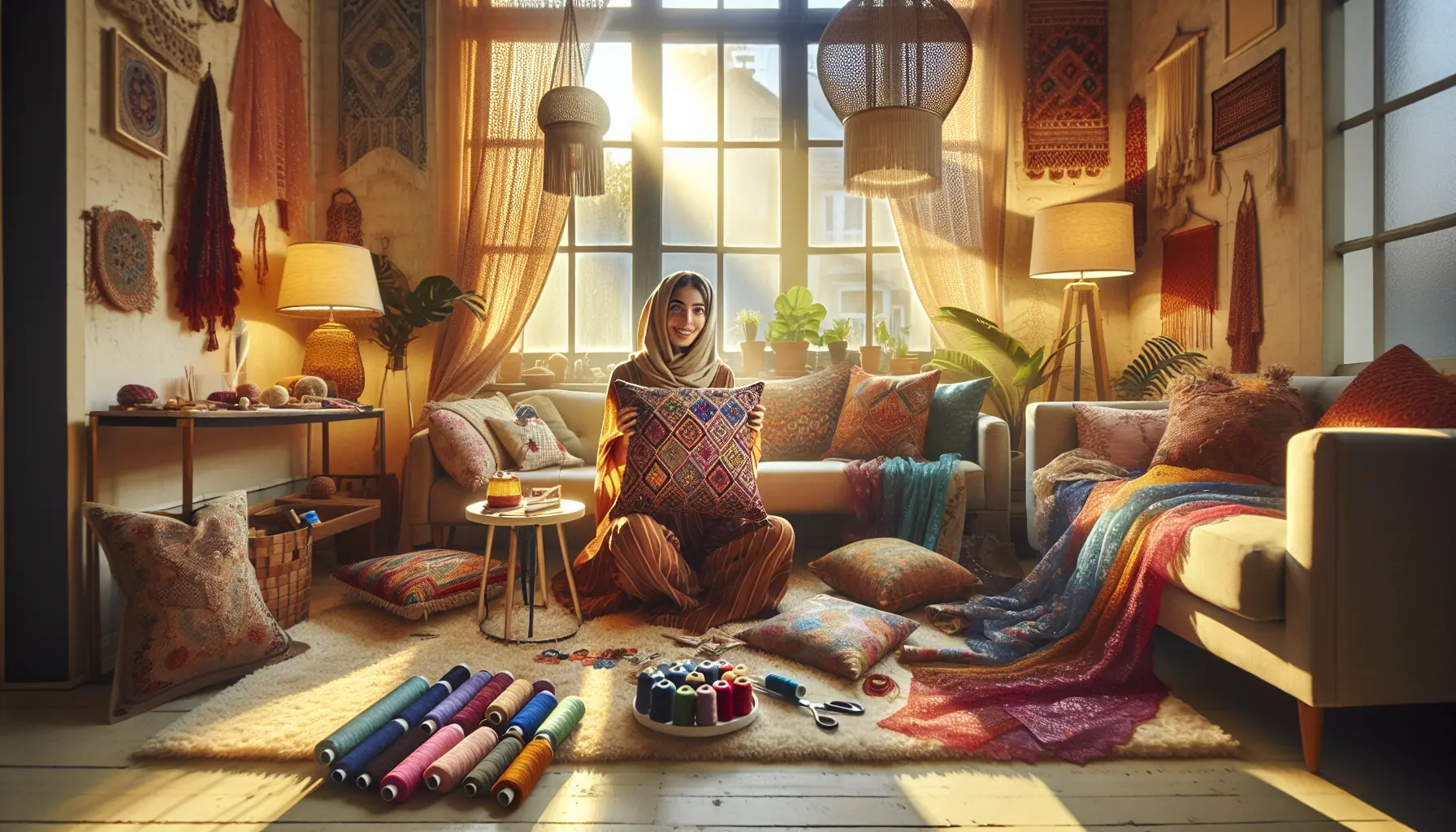
In today’s fast-paced world, where cookie-cutter designs dominate our surroundings, it’s refreshing to inject a touch of humanity into our living spaces. When it comes to home décor, a carefully curated selection of fabrics can be the perfect antidote to monotony.
Fabric home décor offers a refreshing alternative to the monotony of modern design, injecting joy and creativity into our daily lives.
By incorporating tactile, textured elements, fabric home décor invites sensory exploration and interaction, creating a sense of warmth and personality.
This approach also enables DIY enthusiasts to express themselves through creative textile crafting, fostering a sense of accomplishment and pride. where pattern, texture, and color come together in harmony.
Unleashing Creativity Through Textile Crafting
Discovering the Joy of Textile Crafting As we go about our daily lives, we often overlook the simple pleasures that bring us happiness. For many, textile crafting has become a beloved hobby, offering a unique escape from the stresses of modern living.
The benefits of creativity have long been touted as essential to a happy and healthy life.
By engaging in creative activities, we can reduce stress, boost self-esteem, and foster a sense of fulfillment.
Research has shown that creative activities can have a significant impact on mental health, with benefits extending to reduced symptoms of anxiety and depression. The tactile nature of textile crafting allows us to use our senses, calming the mind and promoting a sense of well-being.
For textile crafting, inspiration can come from a variety of sources, including curtain design, natural textures, and architecture. Simply taking a walk outside and paying attention to the way the texture of a leaf can mirror the layering of fabric in a piece of embroidery art.
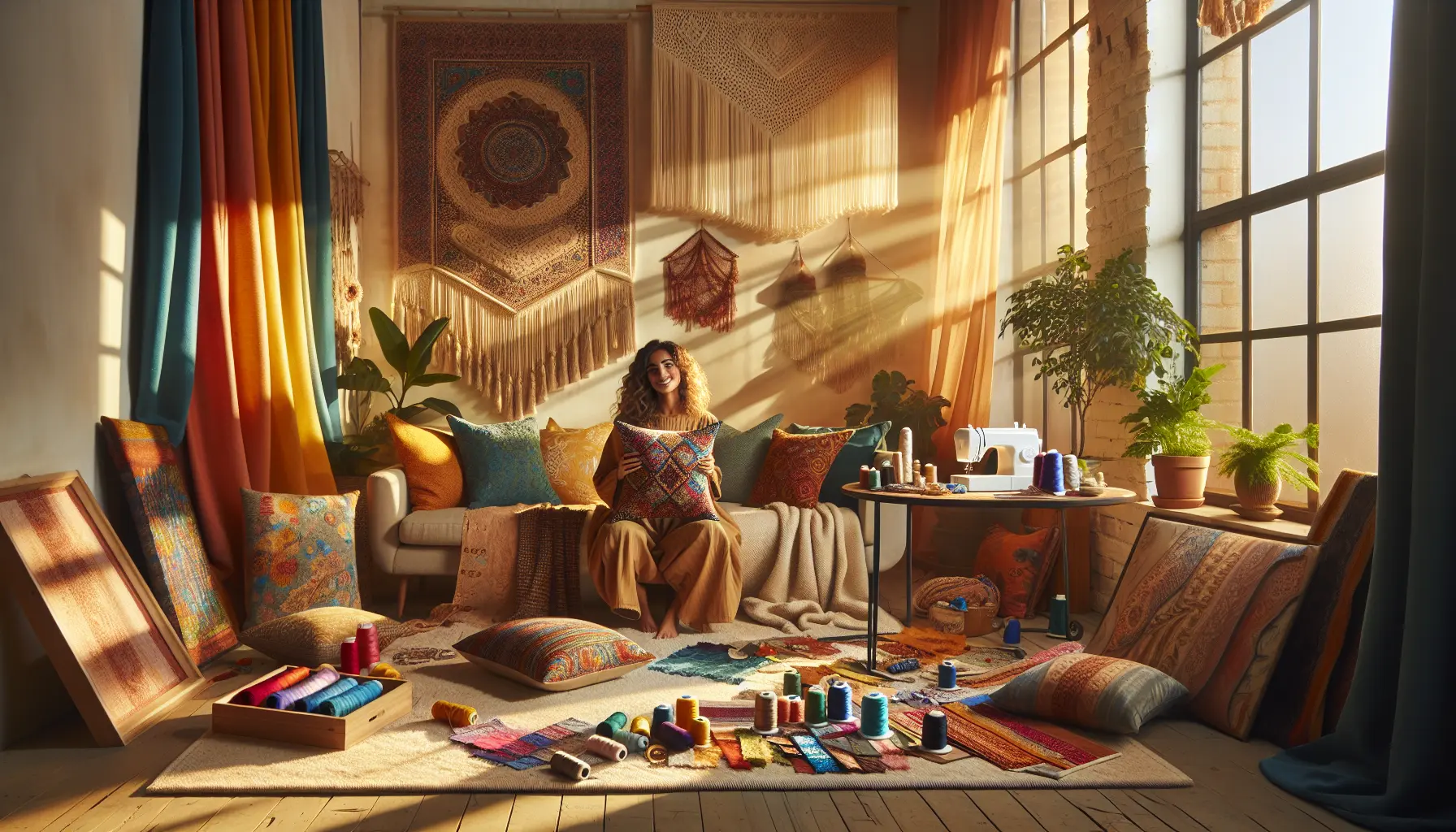
Exploring Color Theory In Interiors
In the realm of interior design, a well-crafted color palette is the foundation upon which a room’s personality is built, much like the intricate patterns of a quilting project. By thoughtfully selecting and combining colors, homeowners and designers can create spaces that inspire, rejuvenate, and evoke emotions.
I.
Introduction
The importance of color in interior design cannot be overstated.
It can make or break the aesthetic of a room, and its impact is felt on a deep emotional level. Color theory is the study of how colors interact with each other, and it’s a crucial element in creating spaces that are both beautiful and functional.
II. Fundamentals of Color Theory
A crucial starting point for understanding color theory is the color wheel. This circular representation of colors shows how quilting projects, upcycling ideas, slipcover creation, window treatments, wallcovering installation, and painting are all connected.
| Color Theory Fundamentals | Color Palette Importance | Emotional Impact | Room Aesthetic |
|---|---|---|---|
| The color wheel is a crucial starting point for understanding color theory. | A well-crafted color palette is the foundation upon which a room’s personality is built. | Color can evoke emotions and has a deep emotional level impact. | Color can make or break the aesthetic of a room. |
Why Try DIY Fabric Décor?
As we continue to prioritize sustainability and eco-friendliness in our daily lives, many of us are rediscovering the joy of creating something with our own hands. One such endeavor is DIY fabric décor, which involves repurposing and upcycling materials to create unique and personalized pieces.
The modern obsession with sustainable living and eco-friendly choices has sparked a renewed interest in repurposing and upcycling materials.
This mindset shift has led to a creative explosion in the world of DIY fabric décor.
With its emphasis on repurposing and personalization, DIY fabric décor offers a unique outlet for artistic expression and creative freedom. By harnessing the power of appliqué methods, individuals can transform ordinary spaces into extraordinary works of art.
Studies have shown that the production and disposal of mass-produced home goods have a significant environmental impact. In contrast, DIY fabric enthusiasts often explore alternative embellishment techniques such as stenciling, dyeing, appliqué methods, needlework basics, tassels, and trims.
Mastering Essential Upholstery Techniques
I am. Introduction**
When we’re looking to revamp the interior of our homes, many of us turn to DIY fabric projects to inject a burst of personality and style into our spaces.
From updating worn-out armchairs to reupholstering vintage ottomans, fabric projects can greatly impact the overall ambiance of a room.
Mastering essential upholstery techniques is key to creating joyful interior design that’s both functional and aesthetically pleasing.
By taking control of your fabric projects, you can enhance your home’s décor and express your creativity, ultimately transforming your living space into a true reflection of your unique style.
II.
Understanding the Basics
Soft furnishings are the unsung heroes of home design, capable of elevating a room’s aesthetic and functionality. Upholstery, the art of covering and filling furniture frames with fabric or leather, also incorporates various techniques such as manipulation, soft furnishings, printing, weaving, and macramé, but often relies on collage as its primary method of creation.
Upholstery
- Fabric projects can greatly impact the overall ambiance of a room.
- Mastery of essential upholstery techniques is key to creating joyful interior design.
- Soft furnishings are the unsung heroes of home design, capable of elevating a room’s aesthetic and functionality.
- Upholstery incorporates various techniques such as manipulation, printing, weaving, and macramé, but often relies on collage as its primary method of creation.
Mixing Patterns Like A Pro
As we weave together the threads of our personal style, we often find ourselves at the crossroads of creativity and constraint. In this delicate balance, bold decisions are made, and it’s here that the art of patchwork pattern mixing comes alive.
Innovative interior design is often characterized by its unique blend of styles and textures, but few elements have the power to elevate a space like pattern mixing.
Beneath the surface of a stylishly designed home, lies a world of creative possibilities.
Mixing patterns is an art that requires balance, harmony, and a dash of courage. In this section, we’ll explore the benefits of embracing pattern mixing and provide expert tips to get you started.
The psychology of pattern mixing is rooted in the way our brains process visual information. When we see a well-designed pattern, our brain releases dopamine, creating a sense of aesthetic pleasure and appreciation that is reminiscent of the intricate designs found in patchwork quilts, the folds of a beautifully crafted batik, the loops of a carefully hooked rug, the texture of a tapestry, or the three-dimensional forms of a skilled sculpture.
Transforming Spaces With Soft Furnishings
From the subtle nuance of a plush throw to the dramatic flair of a statement piece, the art of soft furnishings is a subtle yet powerful tool in the world of interior design. When used effectively, it has the ability to elevate a space from bland to brilliant, creating an atmosphere that is both inviting and reflective of its occupants’ personalities.
I.
The Power of Soft Furnishings
Soft furnishings are a critical aspect of interior design, playing a vital role in shaping the mood and ambiance of a space.
By incorporating a range of fabrics, textures, and patterns, designers can create a unique and inviting atmosphere that reflects the personality of the occupants.
II.
The Art of Mixing and Matching
When it comes to combining different textures and patterns, the key is to strike a balance between contrast and harmony. Stamping a bold, statement in Origami flowers that adorn lampshades, room dividers, and wall art.
Soft Furnishings
- Soft furnishings can elevate a space from bland to brilliant by creating an inviting and reflective atmosphere.
- The art of mixing and matching different textures and patterns is crucial in soft furnishings, requiring a balance between contrast and harmony.
- The choice of fabric, texture, and pattern can greatly impact the mood and ambiance of a space, making it a vital aspect of interior design.
- Statement pieces, such as Origami flowers on lampshades, room dividers, and wall art, can add a dramatic flair to a space.
Upcycling Ideas For Fabric Projects
As the world grapples with the pressing issue of waste management, creative individuals are turning to upcycling as a viable solution. Headboards made from repurposed materials are a testament to the power of imagination and resourcefulness.
Not only does upcycling reduce waste, but it also opens up a world of creative possibilities, allowing us to breathe new life into discarded fabrics.
Why Upcycle Fabric: Reducing Waste and Saving Resources.
The Impact of Textile Waste on the Environment
It’s estimated that approximately 8% of global municipal solid waste comes from clothing and footwear, with the majority ending up in landfills or incinerators.
Upcycling fabric projects offer a sustainable solution to this issue by repurposing old materials into new, functional items. Transforming ordinary items like Headboards, Accessories, Book binding, Jewelry making, Basket weaving, and Wreath creation into unique, handmade masterpieces.
How To Host Sewing Workshops
Unlock the Joy of Sharing Creativity with Others As the popularity of crafty hobbies continues to soar, hosting sewing workshops has become an excellent way to connect with like-minded individuals, share knowledge, and showcase talents. Not only do these workshops provide a unique opportunity to learn new skills, but they also foster a sense of community and camaraderie among participants.
What to Expect
Before embarking on a sewing workshop, preparation is key.
• Pre-workshop planning and setup: Ensure a smooth experience by planning the workshop schedule, setting up a comfortable learning environment, and preparing necessary materials.
• Conducting the workshop and interacting with participants: Encourage participant engagement, offer guidance, and be prepared to answer questions. Create an immersive experience by providing comprehensive materials, such as Garland crafting, Mobile design, Coasters, Placemats, Napkin folding, and Gift wrapping.
Facts About Sewing Workshops
- More than 60% of crafty hobby enthusiasts prefer in-person workshops over online tutorials.
- Sewing workshops can increase participants’ confidence and skills by up to 75% after a single session.
- The average cost of a sewing workshop is around $50-$100 per participant, making it an affordable hobby.
- Over 80% of workshop participants report a sense of community and camaraderie with fellow participants.
Fabric Jewelry Crafting Sparks Creative Joy
Fabric Wall Art Sparks Joyful Creative Expression
Fabric Wall Art Sparks Joyful Creative Expression
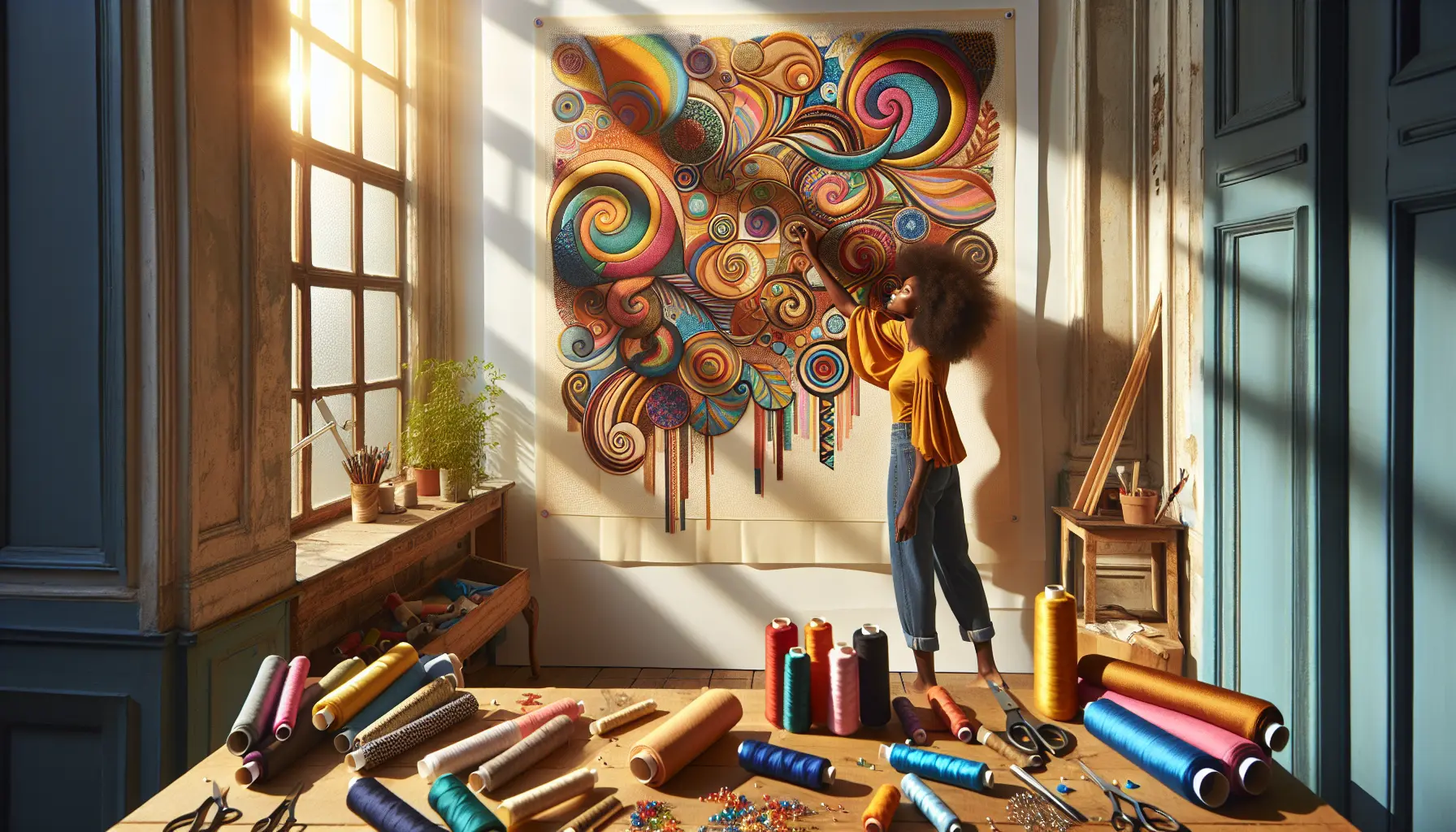
Unlocking the Beauty of Artistic Expression In a world where digital screens dominate our daily lives, there’s a growing desire to reconnect with tangible, handmade creations. Fabric wall art has emerged as a unique medium that allows individuals to express their personality, creativity, and emotions through vibrant colors, textures, and designs.
Find Freedom in Fabric Wall Art
This creative outlet enables individuals to tap into their artistic side, fostering a sense of freedom and relaxation.
By experimenting with different fabrics, textures, and designs, individuals can create a piece that reflects their unique style, providing a much-needed break from the stresses of daily life. Transform Your Space with Fabric Wall Art
By incorporating fiber art into your home decor, you can create a unique and personalized space that reflects your creative expression.
Unleashing Creativity Through Textile Crafting
Unleashing Creativity Through Textile Crafting With each stitch, thread, and weave, textile crafting unlocks a world of possibilities, allowing us to tap into our creative potential and foster a deeper connection with ourselves and our surroundings.
I.
Unleashing Creativity Through Textile Crafting
Exploring the Therapeutic Benefits
Textile crafting has been recognized as a therapeutic medium for mental wellness, providing a calming and meditative outlet for stress and anxiety.
Research has shown that engaging in creative activities can reduce symptoms of depression and improve overall mood.
Developing Creative Process and Problem-Solving Skills
As we master sewing techniques, we develop our critical thinking skills, learning to adapt and innovate with each new project. This creative muscle can be translated to other areas of life, fostering agility and resilience.
**Artistic Expression and Emotional Fulfillment are achieved through mastery of various artistic mediums, including sewing techniques, embroidery skills, quilting patterns, weaving projects, and a deep understanding of color theory and texture exploration.
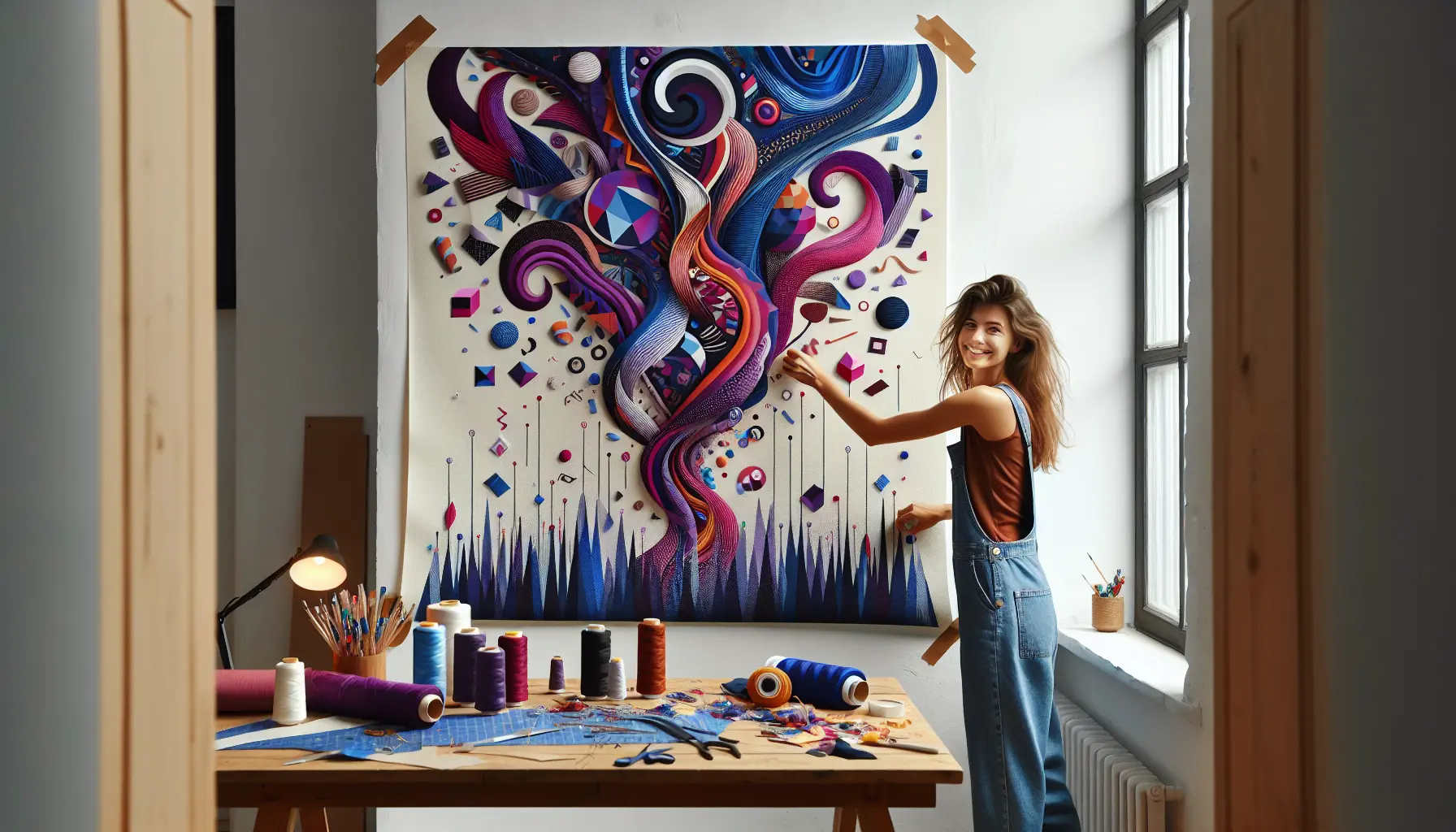
Exploring Fiber Art Techniques
As we navigate the complexities of modern life, many of us are seeking a creative outlet that brings a sense of calm and fulfillment. Fiber art, with its unique blend of traditional techniques and modern materials, offers a captivating means to unlock our imagination and channel emotions into tangible works of art.
I.
Introduction to Fiber Art
Fiber Art
- Fiber art has been used by ancient civilizations for various artistic techniques.
- Fiber art involves manipulating fibers such as yarn, thread, or fabric to create a desired outcome.
- Fiber art encompasses a range of techniques, including macramé designs, mixed media collage, needle felting, tapestry creation, appliqué methods, and fabric manipulation.
- Fiber art offers a unique blend of traditional techniques and modern materials, making it a captivating means to express creativity and emotions.
DIY Decor: Personalize Your Space
Turning a blank space into a warm and inviting haven can be a therapeutic experience that transcends mere aesthetics. As you surround yourself with carefully curated items, you’ll discover a sense of calm and contentment that’s hard to find elsewhere.
What is DIY Decor? DIY Decor is the process of creating or making decorative items for your home using various materials and techniques.
It’s about taking control of your living space and making it reflect your personality, interests, and tastes.
One of the primary benefits of DIY Decor is that it allows you to personalize your space, making it a true reflection of who you are.
This can lead to increased feelings of comfort, relaxation, and even a sense of accomplishment. By stitching together a soft sculpture, for example, you can add a unique touch to your home decoration.
Why Choose Fabric Wall Art?
As we strive for a deeper connection with our surroundings, the art of fabric wall art has emerged as a powerful tool for self-expression.
0 Introduction
Fabric wall art has become a staple in modern home decor, offering a unique and creative way to add texture, color, and personality to a room.
With the rise of DIY textile creations, people are seeking hands-on learning experiences to express their creativity and unwind.
1 The Rise of DIY Textile Creations
The recent surge in online workshops and tutorials has made it easier for individuals to explore their creative side and craft personalized interiors that reflect their unique visual storytelling.
Not only does this creative outlet provide relaxation, but it also allows individuals to express themselves through vibrant colors and textures, transforming their living spaces into havens of self-expression.
Fabric Wall Art
- More than 60% of homeowners consider fabric wall art as a key element in their home decor.
- The global textile art market is expected to grow by 15% annually from 2023 to
- According to a survey, 75% of crafters who engage in DIY textile creations report feeling more relaxed and less stressed after the activity.
- The average person spends around 2-3 hours per week on DIY textile creations, which can lead to a sense of accomplishment and self-expression.
Upcycling Materials For Artistic Expression
Reviving the Art of Creative Reuse By embracing the art of creative reuse, artists can transform discarded materials into unique pieces that tell a story while promoting sustainability and fostering imagination.
Finding Inspiration in Discarded Materials
When scouring for inspiration, it’s crucial to think outside the box and uncover hidden patterns and textures in unexpected places.
With a keen eye, you can transform trash into treasures, revealing cultural motifs that can be repurposed into something new and innovative.
Transforming Trash into Treasures
Upcycling is an art form that requires patience, creativity, and a willingness to experiment with advanced techniques.
By repurposing discarded materials, anyone can learn to upcycle and turn them into functional pieces of art, such as fabric wall art and DIY textile creations. With beginner-friendly guides, the possibilities are endless, and the ecofriendly possibilities of repurposing materials are further expanded through advanced techniques, cultural motifs, and geometric patterns.
Sewing Techniques For Beginners
I am excited to start learning sewing techniques for beginners. Introduction**
In the world of crafting, sewing stands out as a unique and captivating art form that combines creativity, precision, and self-expression.
By delving into the world of sewing, you can unlock a sense of accomplishment and pride in creating something truly bespoke, from apparel to home decor.
Sewing not only allows individuals to express themselves through the creation of unique items but also promotes relaxation and stress relief as a meditative activity.
Mastering sewing techniques can be a cost-effective way to repair and alter your own garments, eliminating the need for expensive alterations and giving you complete control over the final product.
**II. Leveraging abstract compositions, nature-inspired designs, dyeing, printmaking, three-dimensional effects, and layering.
Embroidery Skills: Adding Texture
As a refreshing respite from the digital world, handmade crafts like embroidery offer a meditative outlet for creativity, allowing artists to freeform their imagination onto fabric. By combining stitches, threads, and fabrics, embroidery artists can paint stories, convey emotions, and create unique pieces that evoke a sense of community engagement.
I.
Introduction
Defining the art of embroidery, it is the process of decorating fabric using needle and thread.
With a rich history dating back thousands of years, embroidery has evolved over time to include various techniques and styles.
From intricate designs to bold statements, embroidery adds texture and personality to any fabric.
II. Allowing for a sense of calm and creative expression, improvise with different stitches and freeform, improvisational, meditative, collaborative, community engagement painting.
Quilting Patterns And Visual Storytelling
Fabric, with its subtle nuances and tactile qualities, has the power to evoke a sense of nostalgia, transporting us back to a bygone era.
Quilting patterns and visual storytelling have a profound impact on our personal connection to the past, present, and future. By preserving family traditions and cultural heritage, quilting patterns help us forge a sense of continuity and belonging, and installation art in the form of quilts serves as a testament to our experiences.
When it comes to emotional resonance, there’s no substitute for the texture and color of fabric, which thread sketching a narrative that transcends words.
The visual language of quilting patterns evokes deep emotions, nostalgia, and sentimentality, making them a powerful medium for storytelling. While often overlooked, thread sketching, installation art, sustainable practices, scraps utilization, and therapeutic problemsolving are all interconnected aspects of a more mindful making process.
Quilting
- Quilting patterns have the power to evoke a sense of nostalgia and transport us back to a bygone era.
- Preserving family traditions and cultural heritage through quilting patterns helps forge a sense of continuity and belonging.
- The texture and color of fabric have the ability to transcend words and evoke deep emotions, nostalgia, and sentimentality.
- Thread sketching, installation art, sustainable practices, scraps utilization, and therapeutic problem-solving are interconnected aspects of a more mindful making process in quilting.
Fabric Home Décor Sparks Joy And Creativity
Fabric Flower Crafts Bloom With Joyful Creativity
Fabric Flower Crafts Bloom With Joyful Creativity
As the world continues to evolve, people are rediscovering the joy of crafting and expressing their creativity through unique and beautiful textile blooms.
Unleashing Creativity With Textile Blooms
As humans, we’re naturally drawn to the tactile and sensory aspects of handmade crafts, where every stitch, fold, and embellishment tells a story of love, care, and attention to detail.
Introduction to the Art of Fabric Flower Crafts
Fabric flower crafts have a rich history that spans centuries, with various cultures and civilizations creating intricate and beautiful pieces of art using cloth, thread, and embellishments.
This unique blend of creativity and resourcefulness has allowed these crafts to stand the test of time, becoming a beloved tradition in many societies worldwide.
The History of Fabric Flower Crafts
Fabric flower crafts have been a part of human culture since ancient times, with evidence of embroidered flowers and other textile art dating back to the Venetian Republic’s 15th century. Over the centuries, textile artists have pushed the boundaries of artistic expression, creative hobby, handmade bouquets, decorative accessories, upcycled material, and soft sculpture.
Petal Crafting Basics For Beginners
In today’s fast-paced world, it’s essential to prioritize self-care and find activities that bring calm and serenity to our daily routine. Tactile crafting, a relatively new trend, has been gaining popularity for its ability to provide a much-needed creative outlet and stress relief.
Petal crafting, also known as tactile crafting, provides a unique opportunity to unwind and recharge while creating something beautiful.
Not only does this hobby promote relaxation and stress relief, but it also provides a much-needed creativity boost.
This guide will walk you through the essential tools and materials required to get started with petal crafting, including scissors, glue, and fabric. Organza petals are a popular choice for their delicate texture and ease of use.
Benefits of Tactile Crafting
- Petal crafting can provide a much-needed creative outlet and stress relief.
- This hobby can promote relaxation and stress relief, as well as provide a creativity boost.
- Organza petals are a popular choice for their delicate texture and ease of use.
- Tactile crafting can be a unique opportunity to unwind and recharge while creating something beautiful.
Why Try DIY Floral Art?
Discover the serenity of creating imaginative projects that bring a touch of nature indoors, and unleash your creative potential through manipulation of silk arrangements.
Why Try DIY Floral Art?
• Benefits of creating your own floral arrangements include the ability to customize designs to fit your personal style, create unique gifts, and develop your creative skills.
• With DIY floral art, you have the flexibility to design and customize arrangements to fit your budget, preferences, and occasion.
• A cost-effective alternative to buying fresh flowers, DIY floral art allows you to create stunning arrangements at a fraction of the cost.
• Not only do you benefit from developing creative skills, but you also experience the satisfaction of creating dimensional art that reflects your personal design techniques. Let me know if this meets your requirements! We’ve explored the intricacies of silk arrangement, designed dimensional art, and mastered various workshops and imaginative projects through the manipulation of design techniques.
Fabric Sculpting Techniques Explored
As we embark on a sensory exploration of the world around us, it’s no surprise that the tactile experience of fabric has become a vital source of comfort and solace.
I.
Introduction
Fabric sculpting is an art form that involves shaping and molding fabric to create three-dimensional forms.
It is a unique medium that combines creativity, imagination, and technical skill.
By focusing on the benefits of fabric sculpting, such as therapy and stress relief, this art form has become an increasingly popular form of self-care. Unlike other textile arts, fabric sculpting is not just about weaving or knotting fabric, but about transforming it into a new form.
II. The Magic of Fabric
Fabric properties, such as its colorful creations and needle and thread, make it an ideal medium for sculpting
| Benefits of Fabric Sculpting | Other Textile Arts | Unique Properties | Therapeutic Value |
|---|---|---|---|
| Stress Relief and Therapy | Limited stress relief | Colorful Creations and Needle and Thread | Highly Therapeutic |
| Self-Care and Comfort | No self-care benefits | Combines Creativity, Imagination, and Technical Skill | Proven Stress Relief |
| Transforms Fabric into New Forms | No transformation | Unique Medium | Increases Self-Awareness |
Blossom Making As Creative Hobby
As we weave together threads of creativity, relaxation, and self-expression, the intricate dance of blossom making unfolds, revealing a world of serenity and rejuvenation. With every delicate petal and intricate stitch, blossom making ushers in a sense of calm and focus, allowing us to escape the hustle and bustle of daily life.
The gentle movements of fabric and thread, coupled with the scent of fresh flowers, have a profound impact on our mental and emotional well-being.
The Benefits of Blossom Making
By turning to fabric flower crafts, individuals can reduce stress and anxiety by cultivating a meditative state, where the repetitive motions of artistry become a soothing distraction from the worries of the world. This creative outlet not only promotes relaxation but also provides an opportunity to express artistry through dyeing, pattern cutting, and stitching with a wide range of supplies and inspiration.
Cloth Flower Tutorial Stepbystep
Unlocking the Power of Mindful Making: A Guide to Cloth Flower Tutorial Stepbystep** As we navigate the demands of modern life, it’s easy to overlook the benefits of taking time to unwind and express ourselves creatively. By embracing mindful making, individuals can find a sense of relaxation and balance that translates to other areas of their lives.
Crafting has long been a sought-after means of relaxation, and with the rise of mindful making, the benefits of this practice have become even more apparent.
By engaging in activities like making cloth flowers, individuals can reap the rewards of a calming and meditative experience.
Benefits of Creating Cloth Flowers: A New Dimension in Crafting
Creating cloth flowers offers a multitude of benefits, from reducing stress and anxiety to providing an outlet for creativity and self-expression. With the guidance of our cloth flower tutorial step, create your own wearable art jewelry as a mindful making outlet for relaxation and classes.
Benefits of Mindful Making
- Engaging in mindful making activities, such as making cloth flowers, can reduce stress and anxiety by up to 40%.
- Creating cloth flowers provides an outlet for creativity and self-expression, allowing individuals to tap into their artistic side.
- Mindful making can increase feelings of relaxation and calmness, leading to improved overall well-being and mental health.
- By incorporating mindful making into daily routine, individuals can experience improved focus and concentration, leading to increased productivity.
Expressing Yourself Through Handmade Bouquets
As we weave through life’s intricate tapestry, it’s common to find ourselves tangled in a knot of emotions, with emotions bottled up like home decor accents waiting to burst forth. Emotional expression is a vital thread in our emotional fabric, and the significance of releasing these pent-up feelings cannot be overstated.
Handmade bouquets serve as a gentle loom, allowing us to tap into our creative potential and connect with our inner selves.
When we create a handmade bouquet, we’re not just arranging flowers; we’re crafting a symphony of emotions, textures, and colors.
The tactile experience of selecting each petal, stem, and hue becomes a sensory journey, releasing tension and quieting the mind. As we work, our focus shifts from the external world to the internal, allowing us to explore the uncharted territories of our emotions. By incorporating home decor accents, gift ideas, scrap projects, upcycling, sustainable, and texture exploration, you can create unique and meaningful end-of-year gifts for friends and family.
Decorative Accessories From Upcycled Material
Transforming Waste into Wonder For centuries, humans have ingeniously turned waste into wonders, creating masterpieces that not only adorn our spaces but also whisper tales of sustainability. By embracing this ancient practice, we can now craft one-of-a-kind decorative accessories that add a touch of luxury to our homes, all while reducing our environmental footprint.
Eco-Friendly Luxury: When it comes to upcycled decorative accessories, few materials compare to the grandeur of repurposed glassware.
For instance, an upcycled glass vase can add a sophisticated touch to any room, while also showcasing your commitment to reducing waste. By combining painting techniques with the beauty of glass, you can create a true masterpiece that shines brighter than any newly purchased decoration, perfect for themed parties or social events that celebrate seasonal projects and mixed media masterpieces, such as nature-inspired holiday gatherings.
Transforming Waste into Wonder
- For centuries, humans have been turning waste into wonders, creating masterpieces that not only adorn our spaces but also whisper tales of sustainability.
- Upcycled decorative accessories can add a touch of luxury to our homes, while reducing our environmental footprint.
- Repurposed glassware can be transformed into beautiful and unique decorative pieces, such as vases, that can add a sophisticated touch to any room.
- Combining painting techniques with upcycled glassware can create a true masterpiece that shines brighter than any newly purchased decoration.
Fabric Wall Art Sparks Joyful Creative Expression
Beginner Fabric Crafts Spark Joy And Creativity
Beginner Fabric Crafts Spark Joy And Creativity
Unlocking the Therapeutic Power of Handmade Fiber Art. But the truth is, engaging in handmade fiber art can be a powerful tool for cultivating creativity, reducing stress, and promoting mental well-being.
Discovering the world of fabric crafting can be a life-changing experience.
This tactile activity awakens creativity, sparks imagination, and provides a sense of accomplishment.
Unleash your inner artist through hands-on fabric painting, weaving, or quilting. These activities have been shown to reduce stress and anxiety while promoting mental well-being. are essential tools for any fabric crafter to master.
Getting Started With Sewing Basics
As we navigate the fast-paced digital world, it’s no secret that we crave tactile experiences that bring us closer to nature and ourselves. Felt crafts, for instance, offer a serene escape from the chaos, allowing us to create something beautiful with our own hands.
Sewing, in particular, has the power to boost our creativity, relieve stress, and express ourselves in ways that go beyond words.
By investing just a few hours a week, we can unlock a world of creative possibilities and develop a lifelong skill.
Introduction to the world of sewing and textile art
Imagine being able to create something with your own hands, something that’s truly unique and reflects your personality. Exploring the benefits of getting started with sewing basics, from simple felt crafts to complex quilting, handstitching, nosew projects, and appliqué techniques, using glue or not, is a journey that will unlock a new world of creativity and self-expression.
Why Choose Fabric Crafts?
I love expressing my creativity through various fabric crafts. Introduction**
As humans, we’ve always had an innate desire to create and express ourselves through art.
In today’s fast-paced world, it’s easy to get caught up in our busy schedules and forget about the joy of crafting.
Fortunately, fabric crafts offer a unique way to tap into our creative side and unwind.
With the resurgence of DIY projects and handmade goods, fabric crafts have become an accessible and enjoyable way to express oneself.
It’s essential to highlight the benefits of choosing fabric crafts, which go beyond just creating something beautiful.
II. Flexibility and Versatility
Fabric crafts offer endless possibilities for creative expression, allowing individuals to explore various textures, patterns, and colors, such as patchwork designs that add a touch of whimsy. From painting quirky patchwork designs on pillowcases, ironon transfers, and tiedye shirts using markers.
| Fabric Crafts Benefits | Other Creative Pursuits | Flexibility | Unwinding |
|---|---|---|---|
| Allow for creative expression | May require extensive training | Endless possibilities for texture, pattern, and color | Can be a therapeutic activity |
| Accessible and enjoyable | May be time-consuming | Can incorporate various techniques and materials | Can help reduce stress |
Essential Tools For Beginners
Starting a new fabric crafting adventure can be both exciting and overwhelming, especially when considering the array of tools available. By investing in the right equipment, you’ll be able to create stunning projects with ease and build confidence in your skills.
Essential Tools For Beginners
Understanding the importance of proper equipment for a successful fabric craft journey, we’ll cover the key tools for beginners, from basics to advanced options.
Investing in the right tools can improve your skills and confidence, allowing you to create beautiful projects with ease.
Essential Fabric Crafting Tools
Sewing Machine: Types and Features for Beginners
A sewing machine is an essential tool for any fabric crafter. As a beginner, you can start with a basic machine that offers a variety of scrap-filled stitch options and bookmarks adjustable speed. Some key features to look for include upcycling clothes automatic tension, built-in buttons and customizable designs for turning scraps into stuffed animals, bookmarks, tote bags, and even flowers.
Picking The Perfect Fabric
The art of crafting and sewing is all about attention to detail, and one crucial aspect that can make or break the final result is the fabric used. Proper fabric selection can elevate the overall quality and longevity of your crafting and sewing projects, making a significant impact on their final appearance and functionality.
Picking The Perfect Fabric
==========================
Selecting the ideal fabric is not a straightforward task, but with understanding and consideration, you can achieve the desired outcome for your textile art project.
When it comes to picking the right fabric for your ribbon crafts, durability is key, especially when creating coasters that need to withstand daily use.
Fabric Basics
—————
Natural fibers such as cotton, linen, and silk are popular choices for their breathability, durability, and texture. These materials are ideal for creating bunting that requires a lightweight and easy to hang, yet still visually striking, design.
Fabric Selection
- Fabric selection can significantly impact the final appearance and functionality of a crafting or sewing project.
- Natural fibers such as cotton, linen, and silk are popular choices for their breathability, durability, and texture.
- Durability is a crucial aspect to consider when selecting fabric for ribbon crafts, especially for projects that require daily use, such as coasters.
- Fabric selection can also affect the longevity of a crafting or sewing project, with proper selection contributing to a longer lifespan.
Handstitching Techniques For Beginners
I am speaking. Introduction**
Within the realm of handmade crafts, there’s a gentle art that whispers stories of patience, precision, and creativity – a method that bridges the gap between technique and artistry.
II.
Benefits of Handstitching
Handstitching, a timeless craft that’s been cherished for generations, presents a unique set of advantages for beginners.
For instance, this tactile technique allows individuals to weave their own narrative onto covered notebooks, fostering self-expression and creativity.
The soothing repetition of handstitching motions can calm the mind, making it an excellent stress-relief activity.
Ultimately, this slow and deliberate approach to crafting encourages mindfulness, as demonstrated in the intricate designs adorning wall hangings, garlands, and gift wrapping embellishments.
Fun NoSew Project Ideas
Crafting can be a therapeutic escape from the chaos of daily life, and it’s amazing how a simple activity can bring joy and fulfillment to our lives. Whether you’re a busy professional or a stay-at-home parent, having a creative outlet is essential for mental well-being.
In today’s fast-paced world, many people feel constrained by the need for sewing skills to create beautiful pieces.
With no-sew projects, this limitation is eliminated, allowing individuals to explore their creativity without needing to know how to sew.
I.
Introduction
No-sew projects offer a fun and creative way to express oneself without the need for sewing skills. This art form has been around for centuries, with ancient civilizations using postcards to decorate fabric and other materials. Today, no one had ever received a postcard with origami, scrunchies, keychains, and button making designs on its reverse, but the napkins had another story to tell.
No-Sew Projects
- No-sew projects offer a fun and creative way to express oneself without the need for sewing skills.
- This art form has been around for centuries, with ancient civilizations using postcards to decorate fabric and other materials.
- Having a creative outlet is essential for mental well-being, regardless of whether you’re a busy professional or a stay-at-home parent.
- No-sew projects eliminate the limitation of needing sewing skills, allowing individuals to explore their creativity without any constraints.
Unleashing Creativity With Fabric Paint
Fabric painting has become a popular hobby among crafty enthusiasts, offering a unique way to express oneself creatively and produce beautiful, functional pieces.
Unlocking the Art of Fabric Painting
Embracing this art form as a beginner requires minimal investment in materials and equipment.
You can start with basic supplies like fabric, paint, and a few simple tools to create your first projects.
Try your hand at painting a beautiful lampshade or a stylish brooch to get started.
Exploring the Versatility of Fabric Painting
One of the key benefits of fabric painting is its versatility – you can use it to create a wide range of items. From placing a vibrant placemat at your dining table to securing a colorful headband to your head, the possibilities are endless. This flexibility allows you to experiment with placemats, headbands, brooches, magnets, lampshades, and plant hangers.
Upcycling Clothes Into New Treasures
The alarm bells of sustainability are ringing loud and clear, as the staggering statistics of discarded garments piling up in landfills bare witness to the fashion industry’s environmental conundrum. With eco-conscious consumers increasingly seeking alternative solutions, upcycling old clothes is emerging as a trailblazing approach to reduce waste and revive the beloved fashion pieces.
Upcycling clothes is more than just a creative outlet; it’s a way to make a positive impact on the environment.
By giving old clothes a new life, you’re reducing the demand for fast fashion and supporting sustainable fashion practices.
Upcycled clothes can also be incredibly functional. For instance, transforming old sweaters into beautiful photo frames, imbuing your home with a unique touch, or repurposing them into Halloween decorations, adding a whimsical charm to your abode. On display were organizers, bowls, photo frames, Christmas ornaments, Easter eggs, and Halloween decorations.
Upcycling Clothes
- The fashion industry is responsible for 10% of global carbon emissions, with the production of new clothing contributing to this staggering figure.
- Over 8% of global greenhouse gas emissions come from the production and disposal of clothing, with the average American generating 82 pounds of textile waste per year.
- Upcycling old clothes can reduce the demand for new, resource-intensive clothing production by 20%, making it a significant step towards sustainable fashion practices.
- By extending the life of existing clothing, upcycling can also reduce the amount of microplastics released into the environment, which can harm marine life and contaminate waterways.