
embroidery-patterns
Easy Cross Stitch Pencil Bookmark Pattern For Back To School
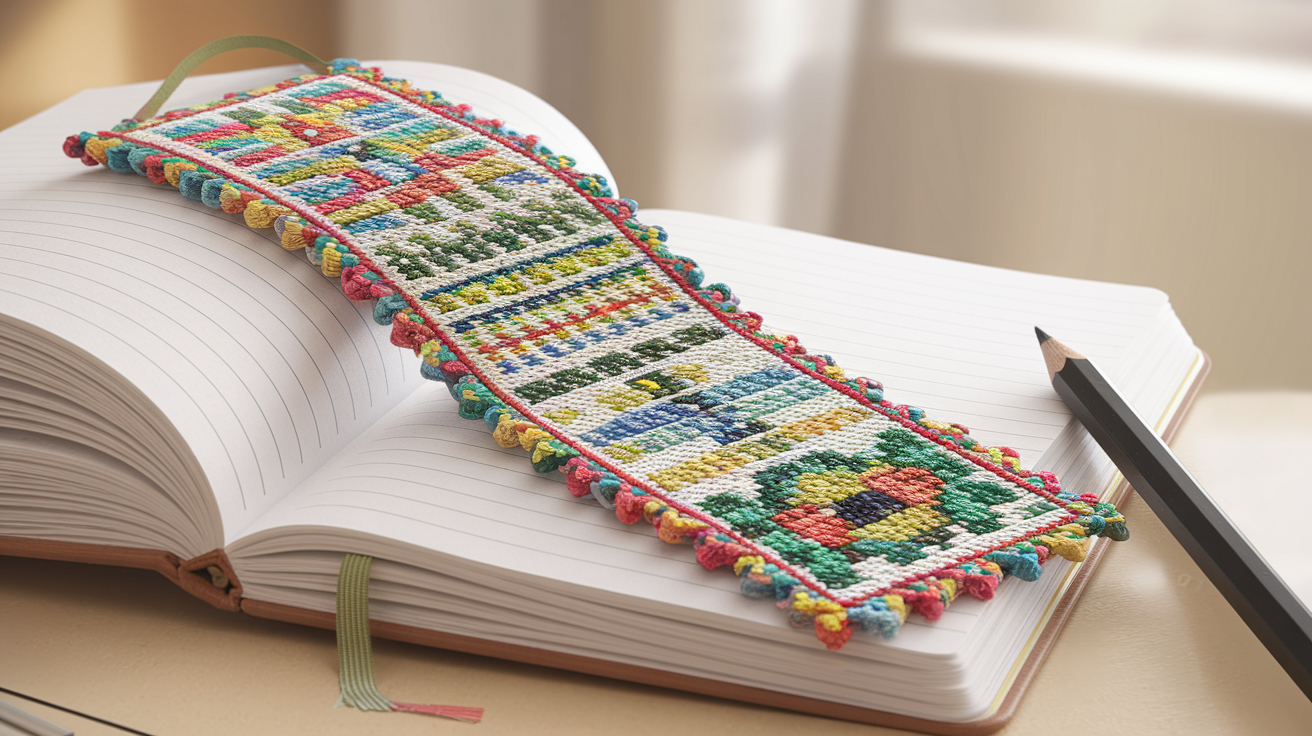
Cross stitch bookmark enthusiasts will adore this charming, pencil cross stitch pattern, offering a delightful handmade touch to any set of school supplies or planner accessory at the start of the academic year. This beginner cross stitch project allows crafters to master six vivid embroidery floss colors—black, brown, yellow, orange, gray, and pink—to create a realistic pencil bookmark that’s perfect for textbooks or journals.
With an intuitive chart and simple, forgiving increases, this pattern is an accessible project for stitching beginners, while a secure felt backing ensures a durable, neat finish and professional look.
An ideal teacher gift or thoughtful present for students, this engaging back to school craft is a fun, creative stitching endeavor, easily completed over a weekend, marking a truly rewarding project.
Cross stitch bookmark basics for beginners
Embarking on your first cross stitch bookmark journey begins with understanding the foundational elements of this beloved needlework.
Aida cloth serves as the perfect canvas for a beginner cross stitch project, providing pre-defined holes that guide each stitch placement for a smooth stitches finish and consistent stitch coverage. Needle threading with blunt tapestry needles helps reduce hand fatigue, allowing beginners to work with confidence, while sharp scissors ensure clean trim edges when cutting fabric and floss.
A sturdy cotton backing or felt backing enhances the bookmark’s durability and helps in preventing fraying along sewing margins, making the finished product suitable for daily use. To commence stitching, utilize the “waste knot” or “loop start” method, and secure each thread by weaving it under nearby stitches for a truly neat finish.
Incorporating simple patterns like stripes or polka dots allows for easy creative expression and can be easily customized for each bookmark, encouraging accessible project ideas and crafting for beginners.
Getting Started with Your Pencil Bookmark
This delightful DIY bookmark tutorial offers a straightforward path to creating a personalized piece of stationery.
Begin the pencil cross stitch pattern with the tip in black, increasing stitches gradually across seven rows to form the point.
Transition to a lighter brown for the wood grain area, increasing to twenty-three stitches over five rows for a smooth gradient. Next, work the pencil’s vibrant body using yellow and orange, either alternating colors for a striped effect or using solid yellow for a classic look, showcasing customizable design options.
Add three rows of gray or dark brown to represent the ferrule, the metal band holding the eraser. Stitch one row of pink for the eraser, then taper the subsequent rows to shape the end, or extend this section if a longer pencilshaped design is preferred, adding a unique colored pencil effect.
This methodical approach ensures a visually appealing and well-crafted item, perfect for any reader or student.
Finishing Your Cross Stitch Bookmark
To complete this charming handmade gift, press the finished cross stitch piece gently, leaving a half-inch margin for sewing.
This margin is essential for creating clean sewing edges and ensuring a tidy final appearance.
Back the stitched section with felt or a contrasting cotton fabric, carefully sewing around the edges. This step not only prevents fraying but also provides a professional look and enhances the bookmark’s durability, making it a pleasure to use.
The resulting student accessory is a testament to simple, enjoyable crafting, perfect for showcasing your crafting skills and a wonderful addition to any collection of school supplies.
Tips for a Perfect Pencil Bookmark
For achieving smooth stitches and protecting your hands, using an embroidery hoop or frame is highly recommended for this beginner craft. Ensure good stitch coverage by carefully working each cross stitch.
To achieve a truly professional look, it’s advisable to cover the back of your stitches before the final assembly, creating a neat underside to your work.
Making sure the backing material sits flush with the stitched design ensures clean edges and contributes to the overall durability of your creation, making it a lasting personalized bookmark.
This rewarding project is also ideal for weekend crafting or even as a lastminute gift.
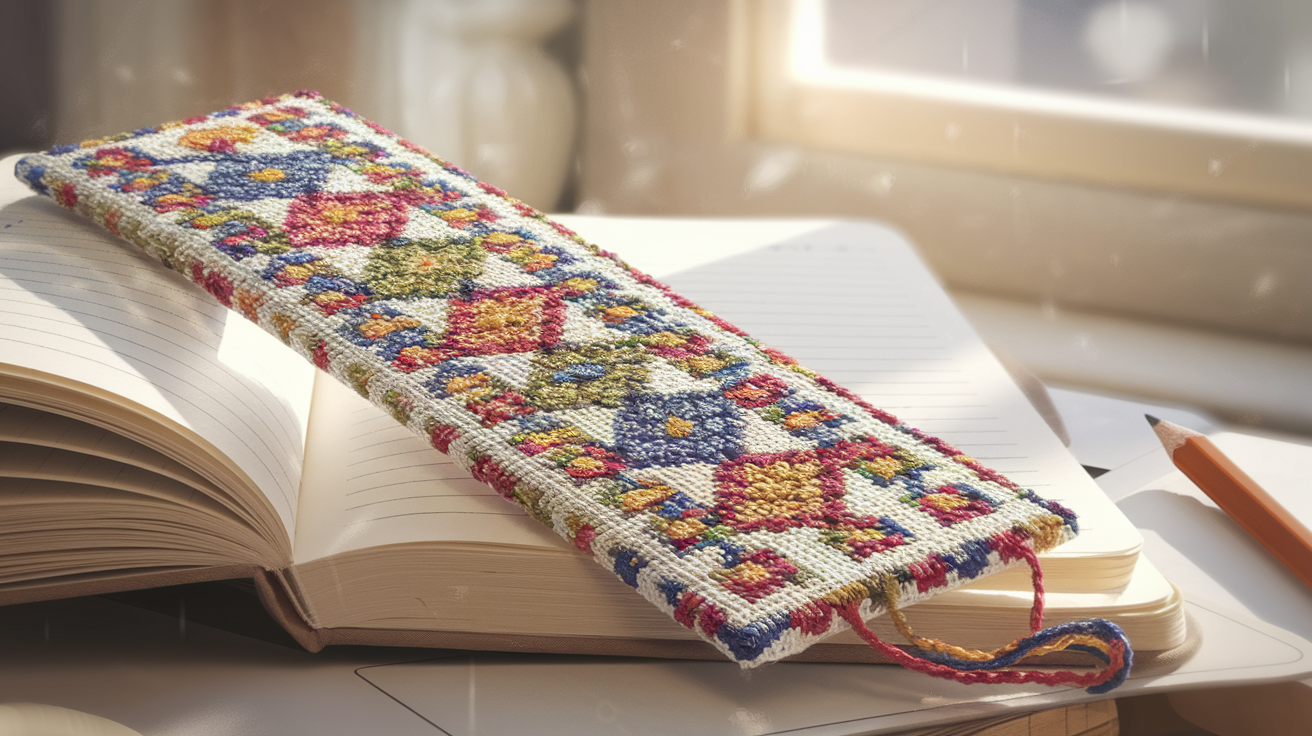
Pencil Cross Stitch Pattern Explained
Pencil cross stitch pattern interpretation begins with a detailed look at its accompanying chart, focusing on how specific markings guide your stitching. The heart of any cross stitch bookmark pattern lies in its symbols; each unique icon corresponds directly to the embroidery floss colors listed in the legend, ensuring the accurate rendering of a pencilshaped design with its distinct colored pencil effect.
For beginner cross stitch crafters, using a pencil to lightly mark the pattern’s center on the chart aids in correct alignment on your Aida cloth, with soft pencil lines preventing any unwanted residue. [5] If your chosen pattern isn’t pre-printed, transferring it involves tracing the grid carefully with a water-soluble pen or carbon paper, keeping the fabric taut for clear guidance.
Relying on the color key for every stitch is paramount; deviating from it can result in incorrect hues or misplaced stitches, impacting the final finished product.
Maintaining consistent stitch direction and precise stitch counting contributes to a neat finish, a clean stitch count, and an overall sense of accomplishment with your DIY bookmark.
Decoding the Chart
Cross stitch basics involve understanding the grid and its symbols, making the process an accessible project. Each square on the chart represents one stitch, and the symbols within them dictate the specific color to use.
For instance, a tiny circle might indicate black for the pencil’s tip, while a small square might represent yellow for the body. [1] This visual language allows for relaxed stitching, turning intricate designs into an enjoyable experience. The chart itself acts as an intuitive chart, guiding you through the color changes seamlessly.
Pattern Transfer Techniques
Simple patterns like the pencil design often require transferring the chart to fabric if it’s an older pattern or a custom design.
You can achieve this by lightly tracing the grid onto your fabric using a fabric pen or a heat-erasable pen.
Ensure the fabric is taut in an embroidery hoop to prevent distortion.
This method is a popular beginner technique for crafting a customizable design.
Avoiding Common Pitfalls
Crafting for beginners often involves navigating the occasional mistake. A frequent error is not referencing the color key often enough, leading to mismatched stitch colors.
Another common issue is inconsistent tension, resulting in stitches that are either too loose or too tight, affecting the durability of the finished product. Paying close attention to the stitch count in each section prevents the design from becoming distorted.
Back to School Craft Ideas
Back to school craft projects offer a wonderful opportunity for creative expression, and a cross stitch bookmark stands out as a particularly relevant and practical item.
This accessible project serves as an excellent teacher appreciation gesture or a personal student accessory, making the transition back to school more personal and engaging through creative stitching.
Beyond bookmarks, explore other craft ideas like decorating pencil cases, creating journal embellishments, or crafting personalized keychains; these can be adapted as a beginner craft or expanded upon with more complex techniques for experienced needleworkers.
These creative projects are more than just hobbies—they are an educational craft that helps develop fine motor skills, patience, and problem-solving abilities by following stitching instructions and managing various craft materials. Personalize a DIY bookmark by adding initials or choosing a unique color palette that reflects school colors or personal preferences.
Such handmade creations transform ordinary school supplies into treasured items, adding a delightful touch to the back-to-school season.
Bookmark as a Back to School Essential
The cross stitch bookmark functions perfectly as a reading accessory or a planner accessory, enhancing the back-to-school experience for students. Its practical nature makes it an ideal bookworm gift, ensuring books and notebooks are marked in style.
This student accessory is a testament to thoughtful personalization, making it a standout among generic school supplies.
Alternative Craft Projects
For those interested in a backtoschool project beyond bookmarks, consider creating a felt backing for small embroidered motifs that can be attached to backpacks, or designing custom journal embellishment patches.
These DIY gifts are enjoyable, especially as a kids craft or an adults craft, offering a chance to learn new crafting skills.
They also serve as a unique stationery craft, adding a handmade touch to everyday items.
Educational Value and Skill Development
Engaging in crafting for beginners, through projects like this pencil cross stitch pattern, provides significant educational craft benefits. It teaches essential needle threading, precise stitch placement, and color coordination, all fundamental aspects of embroidery and needlework.
These skills foster patience and attention to detail, contributing to a well-rounded development for any age group, making it a truly rewarding project.
Personalization Ideas
To make a personalized bookmark truly special, consider adding a name or a short inspirational message using contrasting thread. For a teacher appreciation gift, you might stitch a small apple motif.
The ability to customize the pencilshaped design with different shades for the body or an extended eraser detail allows for a unique handmade gift, perfect for any occasion, including a lastminute gift or as a delightful thoughtful present.
- Each unique icon on a cross stitch chart corresponds directly to specific embroidery floss colors listed in the legend, ensuring accurate rendering of the design.
- Using a pencil to lightly mark the pattern’s center on the chart aids in correct alignment on Aida cloth, with soft pencil lines preventing unwanted residue.
- Following the color key for every stitch is crucial to avoid incorrect hues or misplaced stitches, which can impact the final finished product.
- Cross stitch projects like a pencil design teach essential skills such as needle threading, precise stitch placement, and color coordination, fostering patience and attention to detail.
Teacher Gift Stitching Tips
Cross stitch bookmark designs provide a heartfelt way to express gratitude, linking the joy of earlier craft ideas with thoughtful teacher appreciation. Embroidery floss colors in classic yellow, black, and pink create a recognizable, school-inspired pencil cross stitch pattern, while small flourishes—like incorporating classic school colors or a favorite subject’s motif—personalize the finished product.
For added durability and a neat finish, apply felt backing or cotton backing to your DIY bookmark, sewing around the edges to ensure the handmade gift withstands daily use.
Always use durable, washable materials like colorfast embroidery floss and Aida cloth so your thoughtful present remains vibrant all year.
Enhance presentation by pairing each teacher gift with a handwritten note, transforming a simple beginner cross stitch project into a truly meaningful gesture before moving on to student gift customizable designs. This accessible project is perfect for crafting for beginners and offers simple patterns for creative stitching.
Student Gift Customizable Design
Custom bookmarks tailored to each student celebrate individuality while reinforcing school spirit, offering a unique student accessory. Personalized bookmark options include stitching initials, names, or favorite colors into the pencilshaped design, allowing you to match each student gift to their unique interests—sports, arts, or specific subject icons are simple patterns to add beside or within the main pencil motif.
School mascots or classic embroidery floss colors that represent team pride can be woven into the border or ferrule, using basic cross stitch techniques for seamless integration.
Choose durable, washable materials and consider a cotton backing for longevity, ensuring your backtoschool project is both a creative expression and a functional reading accessory for every student recipient.
This rewarding project is perfect for weekend crafting and makes an excellent lastminute gift.
- Cross stitch bookmarks can be personalized with school colors, favorite subjects, or student initials and names.
- Durable and washable materials like colorfast embroidery floss and Aida cloth are recommended for longevity.
- Felt or cotton backing can be applied for added durability and a neat finish on DIY bookmarks.
- These projects are described as accessible and perfect for beginners, offering simple patterns for creative stitching.
What are Embroidery Floss Colors?
Embroidery floss colors are organized through a detailed numbering and skein system, facilitating the selection of perfect shades for your cross stitch bookmark creations. DMC’s skein system provides six easily divisible strands, each assigned a number from 01–996 and 3011–3895, corresponding to precise hues for dependable color matching across all your stitching instructions.
This expansive collection encompasses numerous color families, including vibrant reds, calming blues, earthy greens, and rich browns, empowering crafters to choose hues that either complement or contrast beautifully.
This is particularly advantageous for pencil cross stitch patterns, where strategic use of black, pink, yellow, and brown can bring realistic detail to a bookworm gift.
For a beginner cross stitch enthusiast, typical pencilshaped design projects often utilize two to three strands of embroidery floss colors for optimal stitch coverage on Aida cloth. Specialty floss types, such as variegated threads for subtle color shifts and metallic threads for added shimmer, further enhance DIY bookmark projects and elevate handmade stationery craft items.
Simple Stitching Instructions for Success
Stitching instructions for creating a beginner-friendly cross stitch bookmark rely on developing consistent technique and paying close attention to detail, especially as you learn beyond basic embroidery floss colors.
Begin every back to school craft endeavor by mastering the fundamental cross stitch “X,” but also explore other simple patterns like backstitch or French knots to introduce varied textures and add depth to your creative projects. Maintaining an even tension throughout your stitches is key to achieving a neat finish; avoid pulling the thread too tightly, as this can cause fabric puckering in your personalized journal embellishment.
To manage thread effectively, work with shorter lengths of embroidery floss colors, approximately 18–24 inches, which promotes smoother stitches and simplifies needle threading.
Success in crafting for beginners is a direct result of consistent practice and cultivated patience; each stitch undoubtedly refines your skills, transforming every DIY bookmark into a cherished student accessory or a thoughtful teacher appreciation present.
- Embroidery floss colors are organized by a numbering system (01–996 and 3011–3895) and skein system, with DMC providing six divisible strands per skein for precise color matching.
- Specific colors like black, pink, yellow, and brown are beneficial for realistic detail in pencil cross stitch patterns, especially for bookworm gifts.
- Beginner cross stitch projects, like pencil-shaped designs, typically use two to three strands of embroidery floss for optimal stitch coverage on Aida cloth.
- Specialty floss types, including variegated and metallic threads, can enhance DIY bookmark projects and elevate handmade stationery craft items.
How to Finish Your DIY Bookmark
Cross stitch bookmark projects benefit greatly from expert finishing. After completing your stitching instructions, begin by carefully pressing and then trimming the edges, leaving a small margin that helps in sewing edges and preventing fraying.
Secure the ends of your work by weaving in any loose embroidery floss colors.
A felt backing or cotton backing can be added, creating a neat finish and significant durability for this student accessory.
For added stiffness, consider placing fusible interfacing or thin cardstock between the layers, making your personalized bookmark a sturdy reading accessory or textbook marker. Creative stitching around the perimeter provides both aesthetic appeal and reinforces the entire structure, contributing to its durability.
To embellish, you might attach a handmade tassel using leftover floss, thread a ribbon through a reinforced top edge of the bookmark, or add small beads or charms as journal embellishment. Final iron pressing ensures the creation of smooth stitches, transforming your DIY bookmark into a stylish and practical handmade gift, perfect for any back to school craft or as a teacher appreciation gesture.
This accessible project is great for crafting for beginners and can be a wonderful part of an educational craft.
Adding Embellishments and Ensuring Durability
Elevating your DIY bookmark involves thoughtful additions.
Securing the ends of your stitching is paramount for longevity. Techniques for weaving in loose floss ensure a clean, professional look, preventing any unraveling and contributing to the overall durability of your creative projects.
Options for backing, such as felt backing or cotton backing, not only provide stiffness but also protect the reverse side of your needlework, giving your personalized bookmark a polished appearance. You can also insert cardstock or fusible interfacing between the fabric and backing for extra rigidity, perfect for a planner accessory or journal embellishment.
Suggesting ways to add tassels, ribbons, or other embellishments can significantly enhance the aesthetic appeal.
A tassel made from contrasting embroidery floss colors tied securely to the top edge adds a playful touch, while a ribbon threaded through a reinforced hole can serve as a handy marker.
Beads or small charms can also be incorporated for a unique touch. Providing tips for making the bookmark durable for frequent use means focusing on secure stitching, neat finishing, and robust backing, ensuring it withstands daily wear and tear as a cherished reading accessory.
This makes it a truly thoughtful present.
- Adding a felt or cotton backing enhances the durability and neatness of a DIY bookmark.
- Fusible interfacing or cardstock can be inserted between layers to increase the stiffness of a personalized bookmark.
- Creative stitching around the perimeter not only adds aesthetic appeal but also reinforces the entire structure of the bookmark.
- Embellishments such as handmade tassels, ribbons, or beads can be attached to further enhance the DIY bookmark’s appearance.
How To Use Printable Cross Stitch Sheets For Clothing Embellishment
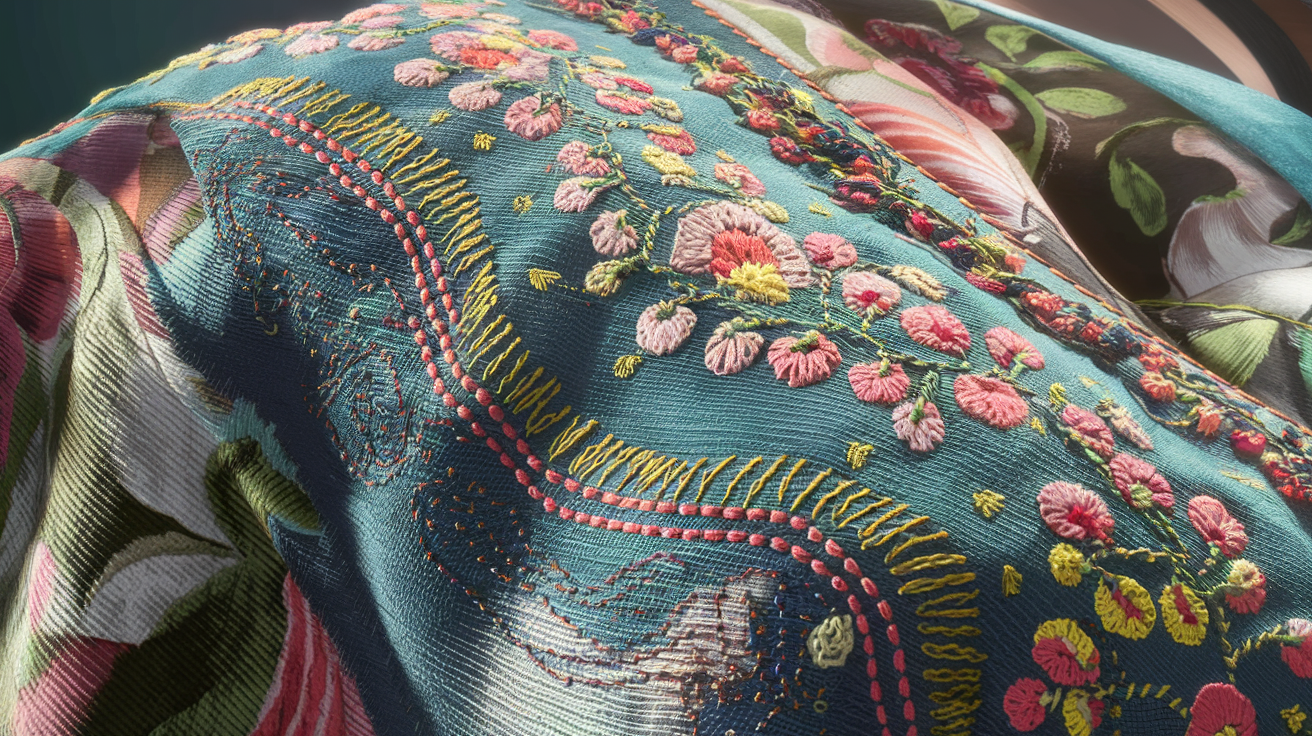
Printable cross stitch sheets offer a contemporary and approachable method for adding bespoke embroidery to any clothing item, transforming it into unique wearable art. This textile embellishment technique allows crafters to print custom embroidery designs directly onto special stitchable sheets, which can then be applied to garments like shirts, denim jackets, tote bags, and more, imbuing them with a personalized, hand-stitched aesthetic.
Embroidery on clothing has never been easier.
Start by printing your selected cross stitch patterns onto either a water-soluble stabilizer or a waste canvas sheet, then carefully trim the sheet while maintaining a small border around the design for simplified placement.
Secure the printed sheet onto your garment, ensuring it lies flat and is correctly aligned, particularly on fabrics with stretch. Thread your needle with vibrant DMC embroidery floss and proceed to stitch through both the sheet and the underlying fabric, meticulously following the printed guide.
Once your decorative stitches are complete, either immerse the garment in warm water to dissolve the soluble sheet or gently pull away the threads of the waste canvas. This DIY fashion approach breathes new life into plain or older garments, making each piece distinctive, and introducing a method that is accessible to both novices and experienced crafters.
It seamlessly sets the stage for selecting your perfect patterns.
Choosing Your Perfect Cross Stitch Patterns
Selecting the right cross stitch patterns when embarking on embroidery on clothing significantly enhances your project, especially when considering your skill level and the garment’s material.
For those new to needlecrafts, initiating with patterns featuring lower stitch counts, such as larger and more prominent designs, proves beneficial as they demand less intricate counting and simplify the pattern transfer process.
Printable cross stitch sheets are exceptionally well-suited for simpler motifs that effectively highlight the richness of your chosen thread colors. Curate a compatible DMC embroidery floss palette, or venture into using metallic and variegated threads to achieve truly creative embellishments.
Numerous online platforms provide a wealth of free resources for printable craft supplies and downloadable patterns, many of which are perfectly formatted for direct application with stitch guides for fabric. By selecting appropriate cross stitch patterns, the task of customizing garments with distinctive, decorative stitches becomes both an enjoyable and inspiring endeavor.
This approach allows for effortless fashion customization and adds unique flair to your personalized apparel.
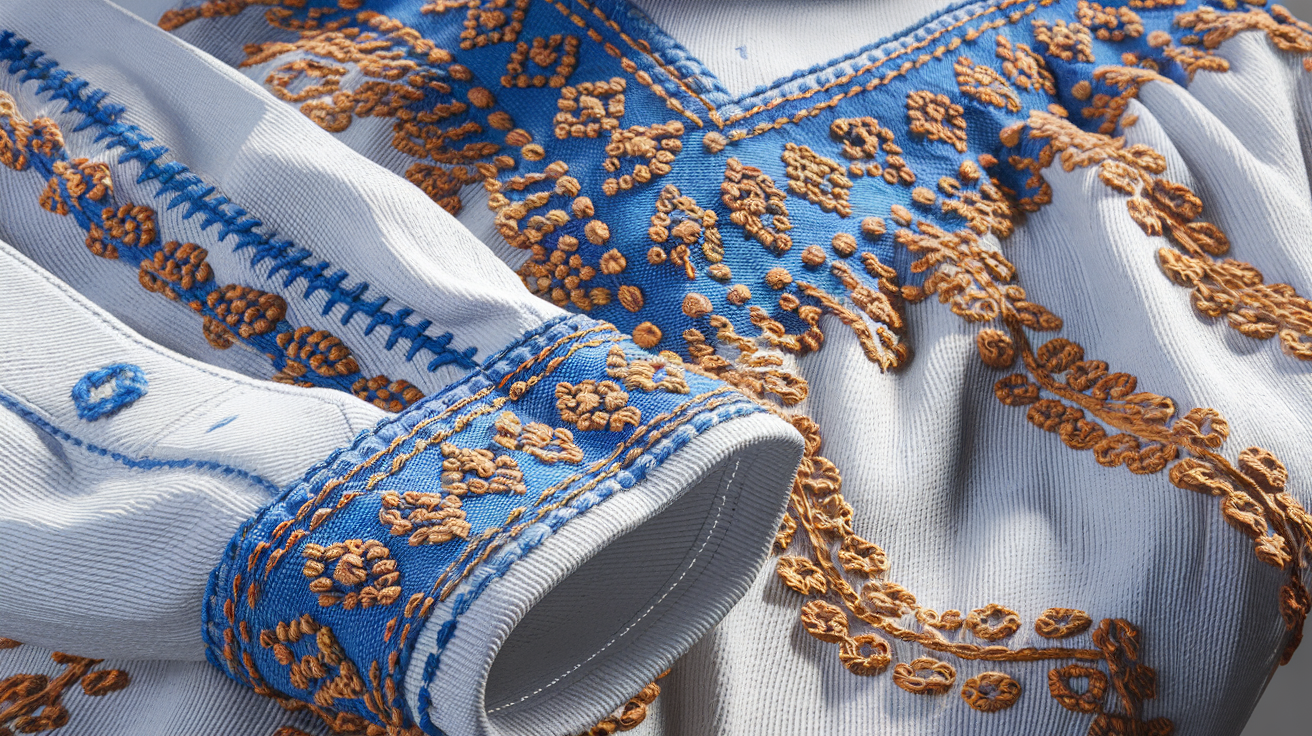
Printing Your Stitchable Sheets for Fabric
Printable cross stitch sheets provide an accessible method for textile embellishment, uniquely bridging digital design with needlecraft. Fabric printing quality relies on printer settings; select Best or High for optimal ink saturation, ensuring your cross stitch patterns are clear for precise stitch guides for fabric.
When preparing stitchable sheets like watersoluble stabilizer or waste canvas, confirm compatibility with your fabric type for successful DIY fashion.
Experiment with different paper weights for the best handling and crisp results, preserving your crafting supplies and ensuring your printable craft supplies perform well on any fabric art projects.
Custom embroidery on garments is simplified with these printable sheets, reducing traditional pattern transfer complexities.
These stitchable sheets adhere to most fabrics, from shirts and denim to linen and canvas, making them versatile for various apparel customization techniques. For the best outcomes, especially on textured or stretchy materials, choose patterns with clean lines and simpler motifs.
Hundreds of free cross stitch patterns are available online to personalize your projects, transforming plain or older clothes into unique pieces. The dissolvable nature of many printable sheets means no residue remains after rinsing, offering a clean, professional finish.
Embellishing clothes with embroidery helps reduce textile waste by refreshing worn or plain garments, promoting a more sustainable approach to personalization.
Adhering Sheets for Accurate Pattern Transfer
Achieving accurate pattern transfer hinges on proper adhesion, preventing shifts during your embroidery on clothing.
Secure stitchable sheets using clear tape or a light fabric spray adhesive; always test adhesives on a fabric scrap first to avoid residue or color transfer.
This step is key for successful custom textile printing and ensures your needlecraft results are clean.
Embroidery techniques demand a smooth surface; stretch your garment carefully before applying the sheet. This preparation ensures wrinkle-free application, vital for consistent pattern placement on your personalized apparel.
For stretch fabrics, avoid stretching the material while stitching to prevent puckering, maintaining the integrity of your custom clothing. A sharp embroidery needle and strong, colorfast thread, such as DMC embroidery floss, ensure durability through wash and wear.
Mixing thread colors can create shading for eye-catching designs, enhancing your wearable art.
Always test the removal of the printable sheet on a fabric scrap to check for colorfastness and sheet residue before beginning your main project.
When stitching is finished, remove the sheet—soluble sheets dissolve in warm water, while waste canvas threads can be removed individually.
Allow the garment to dry fully, then iron if needed to set the stitches. Use this technique to patch worn areas or cover stains creatively, offering a stylish way to upgrade any wardrobe.
This method is accessible for beginners and seasoned crafters alike, perfect for creating fabric patches or adding decorative stitches. Explore craft inspiration for sewing embellishment techniques to create unique clothing accessories or personalized gifts.
- Printable cross stitch sheets offer a method for textile embellishment by bridging digital design with needlecraft.
- These stitchable sheets adhere to various fabrics, including shirts, denim, linen, and canvas, making them versatile for apparel customization.
- Soluble sheets dissolve in warm water, leaving no residue, while waste canvas threads can be removed individually for a clean finish.
- Using printable sheets for custom embroidery simplifies traditional pattern transfer complexities and promotes sustainable practices by refreshing garments.
Mastering Your Embroidery on Clothing
Embroidery on clothing transforms everyday items into unique wearable art, building on established textile embellishment principles. Printable cross stitch sheets offer a modern, beginner-friendly method for applying intricate designs to garments.
These sheets allow crafters to print any cross stitch pattern, simplify pattern transfer onto various materials like shirts, jackets, and jeans, and then stitch directly onto the fabric for a distinct, hand-stitched appearance.
Selecting the right needle for your specific garment material ensures precise stitch entry and helps prevent frustrating fabric snags, contributing to a polished finish.
The key to smooth lines and professional results lies in maintaining even, gentle tension with your DMC embroidery floss, a core aspect of effective needlecraft.
Finishing your embroidery cleanly on the inside of the garment enhances its longevity and professional look. For a neat finish, trim excess threads close to the stitch line.
On delicate fabrics, consider adding a light fusible interfacing to the inside for added support. A practical tip for achieving the best results is to pre-wash garments before embroidering; this accounts for any potential shrinkage, guaranteeing your design remains crisp and perfectly positioned throughout the life of the garment.
Craft inspiration for apparel upgrades and creative crafting is abundant with this technique.
Design Transfer and Stitching Basics
Stitchable sheets simplify the process of applying your chosen cross stitch patterns.
Print your desired designs onto these specialized sheets, trim them to size with a margin around the design for easier placement, and then adhere or pin them onto the garment where you wish the embroidery to appear.
Stitch through both the sheet and fabric, using the printed pattern as your clear guide for accurate placement and design execution. Experiment with embroidery floss colors for striking or subtle effects that match your garment and personal style.
For stretchy fabrics, like those found in T-shirts, avoid stretching the material excessively while stitching to prevent unwanted puckering, ensuring smooth execution of your decorative stitches.
Post-Stitching Care and Refinement
After completing your stitch artistry, the correct removal of the stabilizer is essential for a flawless final appearance. Water-soluble stabilizer is typically the easiest for beginners; simply rinse your finished embroidery under lukewarm water until the entire sheet dissolves, leaving behind crisp, residue-free stitches.
Should you use waste canvas, gently snip and extract each grid thread with sharp embroidery scissors or tweezers, exercising care to avoid disturbing your carefully placed stitches.
This intricate pattern transfer step is crucial for embellishing garments with neat contours and preventing stray fibers from marring the interior of your work, contributing to a polished outcome for your DIY fashion projects.
Expert tip: Always test the removal method for your chosen stabilizer on a small fabric scrap before committing to your main project.
This proactive step helps ensure the fabric’s colorfastness and that no unwanted residue remains after rinsing, guaranteeing pristine results for every textile art project.
Removing Stabilizer after Stitching
Achieving a polished finish on your embroidered garments relies heavily on the correct removal of stabilizing materials.
Understanding the various types of stabilizer and their specific removal methods is key to preserving your stitch artistry and ensuring a clean, professional outcome for your personalized apparel.
Water-soluble stabilizers are generally the most user-friendly, dissolving easily in water without leaving any residue behind. Simply rinse your finished embroidery under cool or lukewarm water until the stabilizer completely disappears, leaving your stitches crisp and clear.
This method is a favorite for its simplicity and effectiveness in fabric customization.
For tear-away stabilizer, a more hands-on approach is required. Carefully snip away the excess stabilizer around your design using sharp embroidery scissors.
Taking your time to avoid snagging or cutting the stitches is paramount.
A useful tip for this process is to utilize fine-tipped tweezers for the precise removal of any small stabilizer pieces, ensuring no part of the stabilizer remains to detract from your wearable art.
Expert tip: Use tweezers for the precise removal of small stabilizer pieces, particularly around intricate stitch details.
This attention to detail prevents snagging stitches and ensures a clean edge for your embroidery, contributing to the overall quality of your custom clothing.
By carefully managing stabilizer removal, you create clean, durable results for every DIY apparel project, enhancing your craft inspiration and overall garment personalization.
| Embroidery Technique | Key Benefit | Recommended Material |
|---|---|---|
| Printable cross stitch sheets | Simplifies pattern transfer and provides a hand-stitched look | Embroidery floss |
| Stabilizer removal (water-soluble) | Ensures crisp, residue-free stitches for a polished finish | Water-soluble stabilizer |
| Stabilizer removal (tear-away) | Requires careful snipping for clean edges and stitch preservation | Tear-away stabilizer, fine-tipped tweezers |
| Pre-washing garments | Prevents shrinkage and ensures design integrity | Various garment materials (shirts, jackets, jeans) |
Caring for Your Embellished Garments
Maintaining your creations preserves their beauty, and following specific care instructions for threads and fabrics is essential for lasting appeal. Hand washing is often recommended for heavily embellished items, utilizing cool or lukewarm water with a mild detergent to protect the delicate needlework and fabric.
Avoid harsh detergents and high heat when drying; instead, air dry flat to preserve the garment’s shape and the integrity of the stitches.
Always iron embroidered items on the reverse side, using a pressing cloth to prevent direct heat from damaging the threads.
This mindful approach ensures your textile embellishment remains vibrant, extending the life of your DIY fashion pieces and keeping your custom clothing looking its best.
Creative Embroidery Techniques for Apparel
Expand upon basic stitching with advanced methods to create striking visual effects and tactile richness on your apparel. Explore techniques like satin stitch, French knots, and couching for added dimension and depth in your designs.
Learning to combine different stitches within a single design can result in a richer, more complex look, elevating your wearable art. Consider using metallic or variegated threads for unique accents that catch the light and add a special flair to your personalized apparel.
These methods, alongside using materials like waste canvas or watersoluble stabilizer, allow crafters to achieve intricate motifs on virtually any fabric, transforming ordinary clothing into unique expressions of stitch artistry and personal style.
Key Takeaways for Textile Embellishment
- Hand washing with cool or lukewarm water and mild detergent is recommended for heavily embellished items to protect delicate needlework.
- Air drying flat is advised to maintain the garment’s shape and the integrity of the stitches, avoiding harsh detergents and high heat.
- Ironing embroidered items on the reverse side with a pressing cloth prevents direct heat damage to threads.
- Advanced techniques like satin stitch, French knots, and couching can add dimension and depth to apparel designs.
Transforming Apparel with Textile Embellishment
Personalizing Style with Textile Embellishment
Unleashing creative energy through textile embellishment allows every maker to transform ordinary garments into personalized apparel that truly reflects individual taste. Mastering techniques with embroidery on clothing gives you the freedom to choose design placement and scale for undeniable impact—consider sketching custom embroidery concepts directly on your garment to visualize before you begin.
By employing printable cross stitch sheets and experimenting with strategic pattern transfer, your DIY fashion project becomes wearable art.
Try bold placement across pockets or subtle motifs near cuffs, ensuring that every stitch aligns with your vision for personalized style and stand-out, creative embellishments.
Printable cross stitch sheets offer a modern, beginner-friendly way to embellish clothing with custom embroidery.
These water-soluble or waste canvas sheets let crafters print any cross stitch pattern, attach it to shirts, jackets, jeans, tote bags, and more, and stitch directly onto the garment for a creative, hand-stitched look. Print chosen cross stitch patterns onto special printable sheets designed for use with fabric.
Trim the printed sheet to size, leaving a margin around the design for easier placement. Adhere or pin the sheet onto the garment where you want the design.
Stitch through both the sheet and fabric, following the printed pattern as a guide.
Select embroidery floss colors that suit your garment and design for striking or subtle effects.
For stretch fabrics (like T-shirts), avoid stretching the material while stitching to prevent puckering.
When embroidery is finished, remove the sheet—soluble sheets dissolve in warm water, while waste canvas threads can be removed individually. Allow the garment to dry fully, then iron if needed to set the stitches.
Utilize this technique to patch worn areas or cover stains creatively. Refresh plain or older clothes, making each piece unique, and the method is accessible for beginners and seasoned crafters alike.
Printable cross stitch sheets eliminate the need for complex pattern marking, speeding up DIY embroidery projects.
Cross stitch patterns downloaded online offer a wealth of inspiration for your next project, empowering you to truly personalize your style.
These printable sheets adhere to most fabrics, working seamlessly with shirts, denim, linen, canvas, and even knitwear.
Choosing patterns with clean lines and simple motifs yields the best results, especially on textured or stretchy garments.
The dissolvable nature of many printable sheets means no residue is left behind after rinsing, creating a clean, professional finish. Embellishing clothes with embroidery helps reduce textile waste by refreshing worn or plain garments, contributing to a more sustainable wardrobe.
A sharp embroidery needle and strong, colorfast thread like DMC embroidery floss ensure durability through wash and wear.
Mix thread colors to achieve shading and eye-catching designs, elevating your apparel upgrades. Always test the removal of the printable sheet on a fabric scrap to check for colorfastness and sheet residue before starting your main project.
Personalized embroidery with printable sheets provides an eco-friendly, stylish way to upgrade any wardrobe, showcasing your unique craft inspiration and stitch artistry.
Personalized embroidery with printable sheets provides an eco-friendly, stylish way to upgrade any wardrobe.
Experimenting with textile crafts leads to incredibly unique wearables, transforming everyday items into wearable art.
Consider using waste canvas for a different tactile experience, offering a stable foundation for intricate designs on various fabrics.
This method of fashion customization allows for the creation of distinctive fabric patches or detailed embellishments that add personality to any garment. Explore different embroidery techniques to achieve varied textures and visual effects, turning simple sewing into a form of fabric art projects.
The application of watersoluble stabilizer provides a temporary guide for stitches, disappearing cleanly when rinsed, which is perfect for delicate fabrics or complex designs.
This allows for precise pattern transfer and meticulous stitching, resulting in highly detailed custom
- Printable cross stitch sheets are a beginner-friendly method for embellishing clothing with custom embroidery, allowing crafters to print and stitch directly onto garments.
- These sheets, often water-soluble or waste canvas, adhere to various fabrics like shirts, jackets, jeans, and tote bags, enabling a hand-stitched look.
- Embellishing clothes with embroidery using these techniques helps reduce textile waste by refreshing worn or plain garments, contributing to a more sustainable wardrobe.
- Using sharp needles and colorfast threads like DMC embroidery floss ensures the durability of the personalized embroidery through washing and wear.
Layered Embroidery On Watercolor Fabric Project
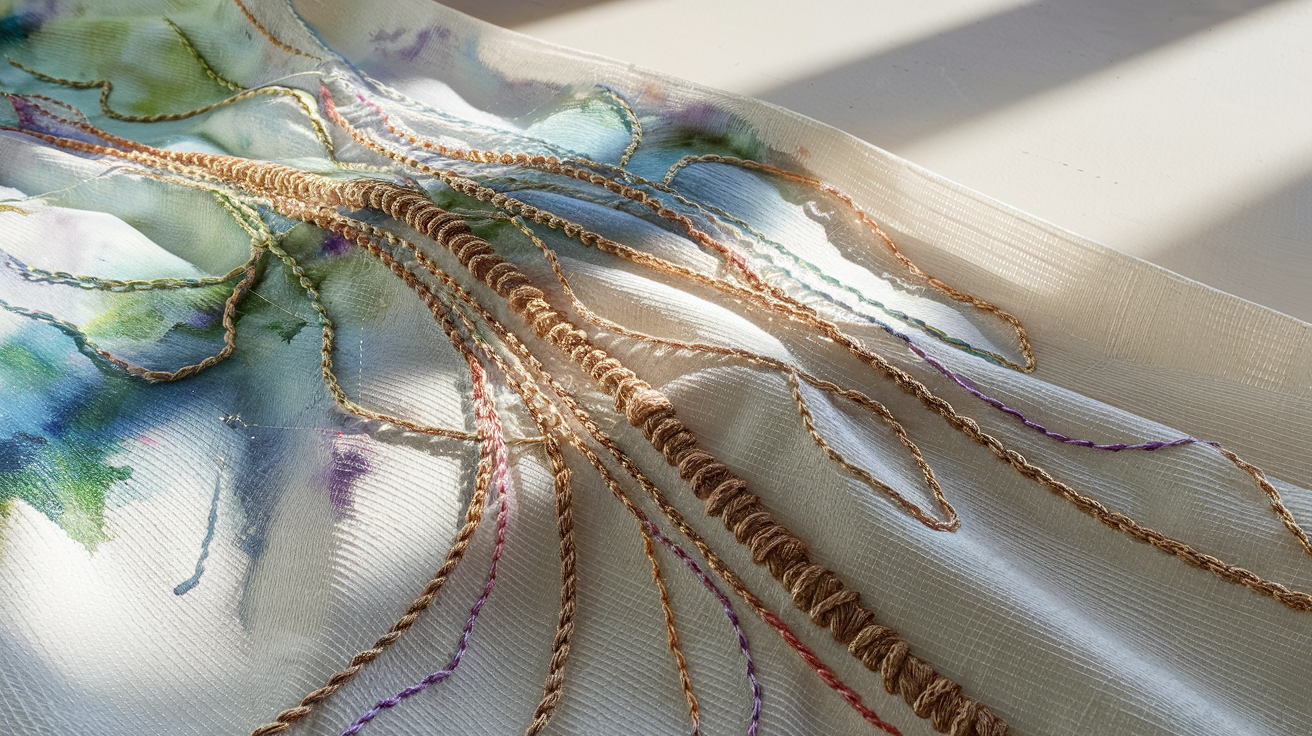
Mixed media creativity blooms where watercolor painting meets delicate stitching, inviting artists and DIY crafts lovers into a world of unique texture and color. By blending watercolor washes with tactile, hand embroidery techniques, even simple cotton muslin or linen fabric can become a stunning fiber art masterpiece bursting with artistic depth and visual dimension.
This dynamic art form transforms backgrounds into dreamy landscapes with every French knot or satin stitch, while embroidery floss anchors painterly effects in tangible narrative.
Embrace the spontaneous chaos of color and the tactile precision of embroidery—your next fabric art adventure starts here, setting the stage for Preparing Your Watercolor Fabric Base.
Preparing Your Watercolor Fabric Base
Textile art begins with selecting the right canvas for your vision.
Cotton muslin or linen fabric offers an ideal surface for creating vibrant watercolor backgrounds, forming the foundation of your next project. Pre-wash fabric to remove any fabric sizing, which improves watercolor absorption.
Then, iron fabric to ensure a smooth working surface before you begin painting. Choose pigment-rich watercolors, ideally artist-grade watercolors formulated for fabric art, and experiment with washes to craft painterly effects using harmonious colors.
Allow the painted fabric to dry fully; this step is essential for preventing color bleeding during your needlework.
When planning your embroidery patterns, a waterproof pen or water-soluble marker aids in accurate transfer.
Using a lightbox or even a sunny window ensures precise fabric transfer for your design. This thoughtful preparation supports truly professional and inspiring mixed media results, enhancing the artistic depth and visual dimension of your work.
Harmonizing Thread Colors for Impact
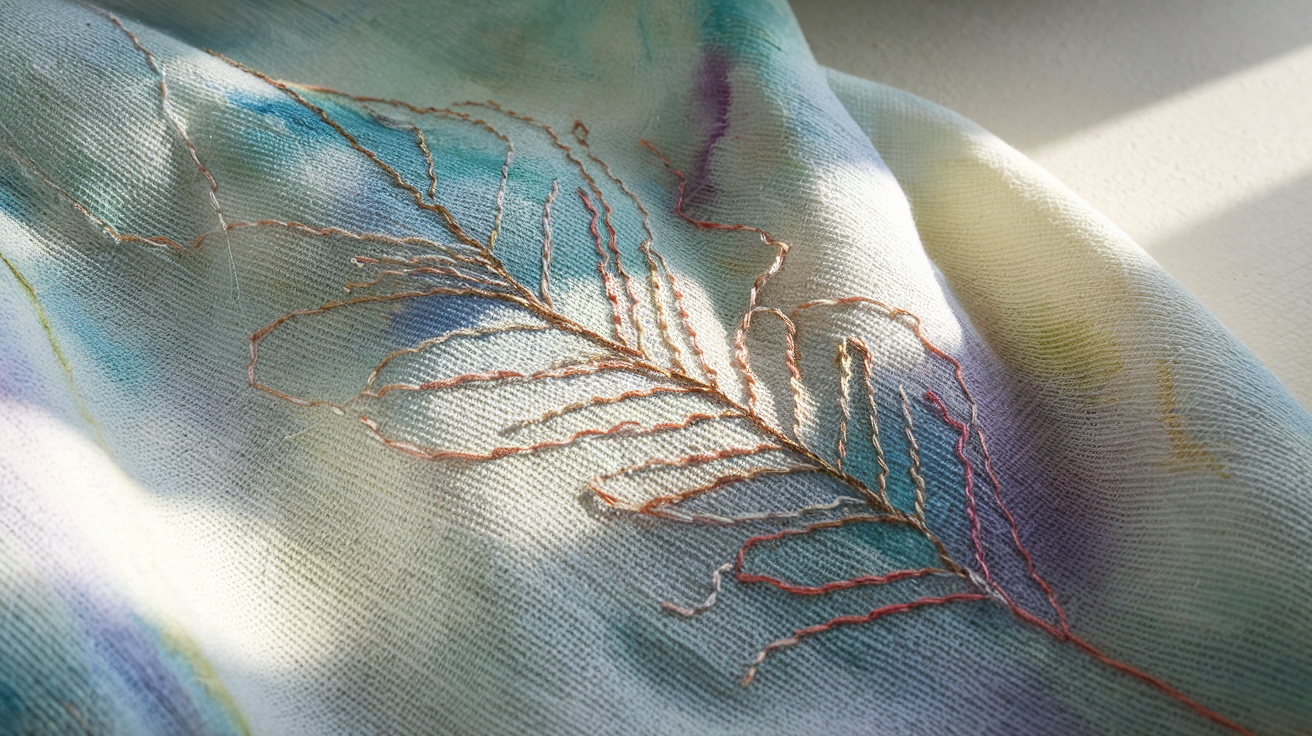
Watercolor fabric backgrounds invite textile artists to thoughtfully select embroidery floss, ensuring each color choice enhances the underlying painterly effects of the mixed media surface. Textile art, like watercolor painting, relies on thoughtful color application.
Hand stitching layered over washes adds a unique dimension to mixed media creations on fabric art mediums.
Needlework, specifically thread painting, can mimic the nuances of watercolor painting.
Art quilting and DIY crafts often feature such blended techniques. For this process, cotton muslin or linen fabric is ideal, with watercolor washes applied to create soft, ethereal backgrounds.
The goal is to achieve delicate stitching that complements the painterly effects, creating a true tactile art piece.
- Thread weights play a significant role—blending single- and multi-stranded floss increases texture and dimension in layered embroidery while allowing stitched areas to stand out or recede according to your fabric art vision. Consider these variations for your embroidery patterns.
- Color theory principles, such as choosing harmonious analogous threads or dynamic complementary color pairs, intensify impact and narrative, particularly when embroidery floss is placed purposefully against vibrant watercolor washes. Harmonious colors are key to a cohesive design.
- Test combinations on painted fabric swatches, using a lightbox to preview how hues interact and visualizing adjustments before stitching ensures optimal balance and creative precision for your needlework project. This is part of the creative process.
Crafting inspiration comes from observing how complementary colors interact when applied to fabric mediums.
Transitioning from impactful color harmonies, the next stage focuses on refining delicate stitching methods to bring even greater detail and artistic depth to your embroidery projects.
Textile design often benefits from this layering. Artistic expression is amplified through careful stitch selection. Home decor items can be elevated with these techniques. Fabric embellishment is a broad category encompassing these methods.
Mastering Delicate Stitch Styles
Embroidery techniques such as French knots, satin stitch, and backstitch allow needlework artists to layer intricate texture over subtle watercolor painting, transforming hand stitching into captivating tactile art. Embroidery patterns become more pronounced with these stitches. Embroidery floss in various colors adds further dimension. Stitch styles are the building blocks of detailed needlework. Mastering French knots, satin stitch, and backstitch is essential for creating nuanced textile art. These are fundamental embroidery techniques for adding artistic depth and visual dimension to any piece. When working with watercolor painting on fabric, these stitches bring a tangible quality to the ephemeral washes, enhancing the narrative of the artwork. The tactile precision of each stitch contributes to the overall richness, contrasting with the spontaneous chaos of watercolor application.
- French knots add dimension and interest by creating raised dots—a perfect way to mimic seeds or decorative elements in textile art and bring focal points to life. These provide significant texture.
- Satin stitch achieves smooth, richly colored coverage for filling shapes and contrasting beautifully with the painterly effects of watercolor washes, adding great visual dimension.
- Backstitch is essential for outlining motifs or adding linear definition, guiding the viewer’s eye through your watercolor fabric art and enhancing the narrative.
- Practice stitches on scrap fabric first to refine consistency and thread tension, ensuring your final embroidery patterns achieve both structural strength and graceful, artistic flow. This ensures tactile precision.
Fiber art thrives on the interplay between the painted surface and the stitched detail. When preparing your materials, consider using a waterproof pen or a water-soluble marker with a lightbox to transfer your design accurately onto the fabric. An embroidery hoop is indispensable for maintaining tautness, which is key for achieving clean stitch results and ensuring colorfastness after heatsetting. Remember to prewash fabric and iron fabric to create a smooth working surface before beginning your painting and stitching journey, ensuring the best outcome for your embroidery projects and fabric embellishment.
Each of these stitch styles—practiced and integrated—expands the expressive vocabulary of your layered embroidery on watercolor fabric, transforming painterly surfaces into dynamic, dimensional fiber art. The thoughtful application of thread weights and various stitch styles can create truly intricate effects, making your mixed media embroidery a standout piece of fabric art. Ultimately, this approach elevates everyday materials into unique expressions of artistic depth, perfect for a variety of applications from DIY crafts to sophisticated textile design.
- Blending single- and multi-stranded embroidery floss can increase texture and dimension in layered embroidery.
- Utilizing color theory principles, such as harmonious analogous threads or complementary color pairs, can intensify the impact of embroidery floss placed against watercolor washes.
- Practicing stitches like French knots, satin stitch, and backstitch is essential for creating nuanced textile art and adding artistic depth and visual dimension.
- Using a lightbox to test thread color combinations on painted fabric swatches allows for previewing hue interactions and making adjustments before stitching.
Creating Painterly Effects with Embroidery
Watercolor fabric art demonstrates artistic expression by merging luminous washes with hand embroidery techniques that cleverly mimic brushstrokes. Creating these celebrated painterly effects involves first prepping cotton muslin or linen fabric.
Next, apply layered watercolor washes, allowing them to dry completely to prevent unwanted color bleeding before proceeding with stitches.
Transferring embroidery patterns using a waterproof pen or watersoluble marker ensures crisp outlines atop the soft, painted backgrounds.
Select embroidery floss in harmonious or complementary tones, then experiment with satin stitch, backstitch, or French knots to build subtle gradients and tactile texture. Layering these methods yields vibrant, expressive textile art that beautifully bridges painting and needlework.
Pursue these approaches before moving into techniques for achieving artistic depth.
Layering for Artistic Depth
Layered embroidery on watercolor fabric transforms plain surfaces into dimensional, tactile masterpieces by combining mixed media techniques with thoughtful composition. After creating dreamy watercolor washes on cotton muslin or linen fabric, transfer your chosen motif with a watersoluble marker.
Utilize an embroidery hoop to maintain a smooth working area.
As needlework progresses, strategically stack satin stitch, thread painting, and even metallic threads to heighten visual dimension and create intricate effects.
Incorporate additional materials—like beads or fabric scraps—to enrich the texture and narrative of the work. This approach to textile painting ensures every embroidery project possesses significant depth, guiding the viewer’s eye and amplifying artistic impact for striking results in fiber art.
Key Techniques for Painterly Embroidery
- Watercolor fabric art combines luminous washes with hand embroidery techniques that mimic brushstrokes.
- Cotton muslin or linen fabric are suitable bases for watercolor washes, which should be allowed to dry completely to prevent color bleeding.
- Waterproof pens or watersoluble markers are used to transfer embroidery patterns onto the painted fabric.
- Embroidery floss in harmonious or complementary tones is used with stitches like satin stitch, backstitch, or French knots to build gradients and texture.
Choosing Embroidery Patterns Wisely
Textile art offers rich avenues for creativity, enabling you to find suitable patterns, adapt existing designs, or create unique motifs that perfectly harmonize with your painted backgrounds. Mixed media artists find success with embroidery patterns featuring clear lines, accentuating both the soft watercolor washes and the delicate stitching effects.
Fabric art often begins with sketching directly onto the painted surface using a waterproof pen or watersoluble marker, ensuring the motif remains visible throughout your process.
It’s beneficial to adapt embroidery patterns, balancing their complexity with the background’s harmony, preventing stitches from overwhelming softer painted areas.
For further inspiration, consider motifs inspired by nature, abstract linework, or experiment with thread painting for a distinctly personalized touch. Transferring your selected design using a lightbox prepares your piece for the next exciting stage: weaving in mixed media needlework possibilities.
What are Mixed Media Techniques
Mixed media in textile art opens up new creative possibilities by artfully combining watercolor painting with hand stitching, forging vibrant layers of color, texture, and narrative within each creation.
Needlework projects gain significant richness when materials like cotton muslin or linen fabric are united with pigment-rich watercolor washes and a variety of stitch styles, such as the classic French knots or the smooth satin stitch. Textile art flourishes when exploring methods like painting both before and after stitching, which allows for intricate effects and unique, painterly finishes.
Proper use of an embroidery hoop stabilizes your fabric, supporting consistent, controlled stitches.
Essential for successful mixed media outcomes is deliberate layering—balancing thread weights and color contrasts for cohesive visual results, embracing experimentation throughout your creative process to achieve harmonious artistic expression and complex visual dimension.
Layered Embroidery on Watercolor Fabric
Fiber art transforms plain fabric into painterly, tactile art through the unique mixed media technique of layered embroidery on watercolor fabric, blending soft watercolor washes with delicate hand stitching.
This approach is ideal for DIY crafts and artists seeking to merge painting and needlework for striking visual results, adding dimension, texture, and artistic depth to your textile works.
Embroidery floss selection impacts contrast and depth; consider texture and color theory when choosing your threads.
Artist-grade watercolors produce stronger, longer-lasting hues on textile. It is important to choose watercolor-safe fabric like cotton muslin or linen fabric.
Pre-wash fabric to remove sizing for best watercolor absorption.
After painting, iron fabric for a smooth working surface.
Waterproof embroidery transfer pens prevent design smudging. An embroidery hoop is essential for smooth stitching.
Layering techniques yield better dimension.
Embroidery Techniques and Material Insights
Embroidery patterns can be adapted to balance complexity and harmony, preventing stitches from overpowering soft backgrounds. Experiment with thread painting for a personalized touch.
Transferring your chosen design using a lightbox sets the stage for seamless integration into your embroidery projects.
Needlework supplies are varied; embroidery floss selection impacts contrast and depth.
Art quilting often benefits from these blended approaches. Textile painting opens up new avenues for fabric embellishment.
Backstitch and other stitch varieties affect the finished appearance. Pigment-rich watercolors and artist-grade watercolors create vibrant effects.
Color bleeding can be managed with proper drying times.
Heatsetting and handwashing ensure colorfastness.
Fabric sizing impacts watercolor absorption and requires pre-washing. A smooth working surface and an ironed fabric are key for neat work.
Harmonious colors and complementary colors guide your palette. Thread weights allow for intricate effects.
Embracing the creative process sparks crafting inspiration for home decor and unique textile design.
| Key Materials for Mixed Media Textile Art | Recommended Techniques |
|---|---|
| Artist-grade watercolors, Cotton muslin or Linen fabric, Embroidery floss | Layered embroidery, Thread painting, Combining watercolor washes with hand stitching |
| Waterproof pen or Watersoluble marker, Embroidery hoop | Adapting embroidery patterns, Balancing complexity with background harmony |
| Lightbox for design transfer | Experimenting with stitch styles (e. g. , French knots, satin stitch) |
Safeguarding Your Textile Artistry
Preserving Your Creations: Finishing Methods
Cotton muslin and linen fabric require thoughtful finishing techniques offering durability for your fabric art. Begin by prewashing fabric, then apply watercolor washes using pigment-rich, artist-grade watercolors for vibrant backgrounds.
After drying, transfer your embroidery patterns with a waterproof pen or watersoluble marker.
Utilize an embroidery hoop for smooth, even stitches, ensuring your delicate stitching and thread painting maintain crisp definition and artistic depth.
Essential Care for Your Masterpieces
For maintenance, handwashing your textile art in cool water, then laying it flat to dry, preserves the softness of watercolor painting and the tactile effects of intricate embroidery.
Avoid machine dryers and high heat; instead, use a pressing cloth and iron on the reverse as needed. This care ensures your fiber art retains its vibrancy and visual dimension.
Displaying Your Textile Art
Display options such as conservation framing with UV-filtering glass and acid-free backings, or storing flat in acid-free tissue, protect your needlework from light, dust, and humidity.
This ensures your art quilting, mixed media, or hand stitching pieces retain their brilliance. Consider framing to showcase your painterly effects and the unique texture of your work.
Supporting Information for Textile Art Care
- Prewashing fabric, such as cotton muslin and linen, is a crucial initial step for durability in fabric art.
- Watercolor washes using artist-grade watercolors are recommended for vibrant backgrounds on textile art.
- Handwashing in cool water and laying flat to dry are advised for preserving the quality of textile art.
- Conservation framing with UV-filtering glass and acid-free backings helps protect needlework from environmental damage.
Fancy Pumpkin Cross Stitch Patterns For Fall
Pumpkin cross stitch patterns offer a fresh perspective on seasonal decor, allowing crafters to move beyond the conventional orange hues and embrace creativity. These unique designs blend artistic elements like plaid textures, intricate motifs, and distinctive color palettes, transforming ordinary autumn stitching into memorable art that appeals to both beginner stitcher and experienced crafters alike, providing new techniques and inspiration for seasonal projects.
Autumn needlework enthusiasts will discover that plaid pumpkin designs, floral cross stitch, and geometric embroidery add a contemporary edge to classic fall home accents.
From bold metallics to soft pastels, these unique color palettes ensure each cross stitch project truly stands out, making for stunning seasonal decor.
Whimsical details, such as squirrel embroidery, acorn motifs, and charming bird cross stitch, infuse festive holiday stitching with undeniable autumn charm. Most patterns provide easy instructions and floss recommendations, ensuring both the beginner stitcher and advanced crafters enjoy flawless results as they personalize each DIY fall decor piece for lasting impact, creating beautiful fall home accents.
Pumpkin cross stitch is a delightful way to infuse your home with seasonal charm, and selecting the right pattern is the first step to creating your perfect piece of autumn needlework.
Consider your skill level when browsing through various designs, as some patterns are ideal for a beginner stitcher wanting quick stitch projects with simple designs, while others offer intricate motifs for those ready to explore advanced techniques and new techniques. You can find patterns featuring plaid pumpkin designs, perfect for adding rustic fall accents to your home, or opt for mini pumpkin patterns that are wonderfully suited for keyring crafts, necklace designs, or even small wood disk crafts.
Exploring Design Options
Seasonal themes abound in pumpkin cross stitch.
You can choose from classic plaid pumpkin designs for understated fall accents, or explore geometric embroidery and floral cross stitch for a more modern aesthetic.
Halloween themes are also popular, with haunted house designs, ghost cross stitch, and black crow motifs offering a spooky yet stylish way to decorate. The range of unique color palettes available allows for significant color customization, enabling you to tailor your holiday stitching to your specific tastes, whether for Halloween embroidery or general autumn charm.
Pumpkin cross stitch patterns offer creative options for autumn and Halloween home decor.
Seasonal decor extends to personal accessories, with mini pumpkin patterns being perfect for keyring crafts and necklace designs, making for personalized gifts. For larger projects, consider patterns suitable for wall art or table settings that capture the essence of autumn charm.
When looking for craft inspiration, explore online inspiration for modern patterns and teaching tools.
Easy instructions, coupled with reliable floss recommendations and stitch counts, are essential for a smooth stitching experience, ensuring your cross stitch projects are a joy from start to finish, providing opportunities to learn layering stitches or blending floss.
Consider Your Stitching Goals
Cross stitch projects can be tailored to various skill levels.
For a beginner stitcher, simple designs with larger stitch counts and straightforward color palettes offer a rewarding introduction to autumn needlework. Conversely, advanced techniques might involve mixed media projects, layering stitches, or blending floss to create depth and texture, bringing intricate motifs to life.
Whether you’re aiming for quick stitch projects or elaborate pieces for wall art, the right pattern selection enhances the joy of DIY fall decor and holiday stitching.
Detailed charts, recommended floss colors, and step-by-step instructions help ensure project success.
DIY fall decor is made accessible with a variety of patterns.
From whimsical details like vine stitching and squirrel embroidery to classic acorn motifs and bird cross stitch, there’s a design to suit every preference.
These designs are perfect for creating home accents, enhancing table settings, or crafting festive accessories.
Many patterns also support color customization, allowing you to experiment with unique color palettes or simply adjust shades to your liking, ensuring your fall accents are perfectly represented. This attention to detail ensures that your finished piece becomes a cherished part of your seasonal decor, reflecting your personal style and craft inspiration.
Pumpkin cross stitch selections begin with assessing your personal style and skill level, guiding you toward patterns that will be both enjoyable and rewarding to complete.
Consider whether you are a beginner stitcher looking for simple designs and quick stitch projects, or an experienced crafter aiming for intricate motifs and advanced techniques. The choice of theme also plays a role; you might be drawn to classic plaid pumpkin designs for cozy fall accents, or perhaps Halloween themes featuring haunted house designs or ghost cross stitch for a more festive touch.
Selecting the Right Pattern
Seasonal themes are a major draw for many stitchers.
You can find patterns showcasing pumpkin motifs alongside floral cross stitch, geometric embroidery, or even charming woodland creatures like squirrel embroidery and acorn motifs.
These elements add a layer of visual interest and autumn charm to your work. When choosing a pattern, always review the floss recommendations and stitch counts provided; these details are key to achieving the vibrant unique color palettes and detailed finishing seen in many modern patterns.
This careful selection process ensures your cross stitch projects align with your vision for seasonal decor.
Projects can be completed as keyrings, wall art, table decor, and festive accessories.
For those interested in smaller, quicker projects, mini pumpkin patterns are ideal for keyring crafts, necklace designs, or embellishing other items, offering personalized gifts or charming fall accents.
If you’re looking to expand your repertoire, consider patterns that offer opportunities to learn new techniques, such as layering stitches or blending floss, which can add significant depth and detail to your work.
Online inspiration is abundant, with many resources offering teaching tools and modern patterns that can spark fresh craft inspiration for your next autumn needlework endeavor, making each of your cross stitch projects a unique creation.
When you evaluate your preferred display for the finished piece, whether it’s wall art, festive accessories, or decorative table settings, you can better choose among the diverse range of pumpkin cross stitch options available.
Many patterns provide easy instructions, making the creative process smoother for every skill level, from beginner stitcher to those exploring advanced techniques. This thoughtful selection ensures your autumn stitching contributes.
Discover Plaid Pumpkin Designs
Pumpkin cross stitch patterns offer a delightful departure from tradition, introducing plaid pumpkin designs that infuse autumn needlework with fresh style. These eye-catching creations elevate fall home accents by blending classic charm with contemporary flair.
Plaid pumpkins in needlework provide a striking visual texture, differentiating themselves from solid orange designs through their unique color palettes and engaging patterns.
This approach to seasonal embroidery adapts beautifully to various settings, enhancing decorative projects for table settings, keyrings, or festive accessories.
The appeal of plaid pumpkin designs extends from subtle gingham to bold tartan, making them suitable for both the beginner stitcher and experienced crafters exploring DIY fall decor. The inherent autumn charm of these personalized pieces ensures that plaid pumpkin designs become enduring additions to any collection of cross stitch projects.
Craft inspiration abounds with these patterns, offering easy instructions and floss recommendations for delightful results.
Mastering Intricate Motifs
Creative motifs significantly enhance pumpkin cross stitch projects, imbuing each design with personality and vivid fall accents. Detailed autumn needlework frequently showcases intricate motifs such as winding vines, scattered acorn motifs, or charming mini pumpkin patterns, which provide both visual appeal and stitching variety.
Advanced techniques like layering stitches, blending floss, and expertly adding backstitch or French knots allow crafters to bring complex details to life, making even simpler beginner cross stitch patterns appear sophisticated.
Holiday stitching particularly benefits from these methods, enabling adaptations for various seasonal themes, including spirited Halloween embroidery with spooky touches or whimsical details featuring squirrels and birds.
DIY fall decor truly comes alive as stitchers experiment with unique color palettes and creative embellishments, ensuring each finished piece tells a rich autumn story. Discover modern patterns with vine stitching and squirrel embroidery for that special touch.
Key Aspects of Plaid Pumpkin Cross Stitch Designs
- Plaid pumpkin designs offer a fresh style to autumn needlework, blending classic charm with contemporary flair.
- These designs provide striking visual texture through unique color palettes and engaging patterns, differentiating them from solid orange designs.
- Plaid pumpkin patterns are suitable for both beginner stitchers and experienced crafters, adaptable to various decorative projects and DIY fall decor.
- Intricate motifs like winding vines and acorn patterns can be incorporated into pumpkin cross stitch projects, enhanced by advanced techniques such as layering stitches and blending floss.
Elevate with Unique Color Palettes
Pumpkin cross stitch patterns achieve remarkable visual intrigue when paired with unique color palettes crafted for autumn needlework. Seasonal embroidery benefits from exploring options beyond classic orange, such as pastel pinks, blues, and metallic golds found in trending Halloween embroidery schemes.
Plaid pumpkin designs come alive with moody jewel tones or gentle creams, creating harmonious autumn charm for your fall home accents.
Nature-inspired color combinations, like moss greens and golden browns, enhance advanced techniques and let creative motifs pop.
For modern patterns, try analogous or complementary shades for flawless holiday stitching transitions. These cohesive palettes transform cross stitch projects and infuse DIY fall decor with surprising flair.
What are Easy Pumpkin Patterns?
Beginner stitcher enthusiasts discover autumn needlework joy in simple designs featuring pumpkin cross stitch motifs for seasonal embroidery.
Quick stitch projects and easy instructions ensure that modern patterns showcase minimal colors, large stitches, and inviting sections for clear progress. Plaid pumpkin embroidery often uses limited blocks, making festive accessories like wall art or personalized gifts simple to finish.
Floss recommendations, accurate stitch counts, and straightforward charts help every cross stitch club member or craft workshop participant succeed.
Keyring crafts and mini pumpkin patterns offer instant gratification and creative fall accents, letting you explore autumn charm and teach techniques without overwhelm.
- Unique color palettes beyond traditional orange, such as pastel pinks, blues, and metallic golds, enhance the visual intrigue of pumpkin cross stitch patterns for autumn needlework.
- Plaid pumpkin designs can be brought to life with moody jewel tones or gentle creams, creating harmonious autumn charm for fall home accents.
- Easy pumpkin patterns for beginner stitchers often feature minimal colors, large stitches, and inviting sections for clear progress, making them ideal for quick stitch projects.
- Floss recommendations, accurate stitch counts, and straightforward charts are crucial for ensuring success in seasonal embroidery projects, particularly for beginner stitchers and craft workshop participants.
How to Stitch Fancy Pumpkins?
Pumpkin cross stitch projects offer a delightful avenue for crafting unique seasonal decor, infusing your fall accents with a touch of whimsy. Explore various plaid pumpkin designs or choose from numerous mini pumpkin patterns to begin your stitching journey.
A good starting point involves gathering quality supplies, including an embroidery hoop, suitable fabric, and a diverse range of floss colors to bring your pumpkin motifs to life.
For any beginner stitcher, carefully following the pattern chart, paying close attention to stitch counts and color customization, is key to achieving excellent results, whether employing leaf stitching or simple designs.
Advance your skills with advanced techniques by working from the fabric’s center, utilizing layering stitches for depth, backstitch for crisp outlines, and French knots for creating intricate motifs like delicate vines or charming acorn motifs. Completing your autumn needlework can involve mounting the piece on wood disk crafts for charming festive accessories or framing it as striking wall art, truly enhancing your DIY fall decor.
This approach to holiday stitching adds beautiful autumn charm to any space.
Best Floss for Fall Decor
Selecting the right floss is paramount for elevating pumpkin cross stitch and other seasonal embroidery projects, allowing for the creation of unique color palettes and rich textures. For reliable, vibrant hues perfect for autumn needlework, DMC or Anchor threads are excellent choices, offering a wide spectrum from deep oranges and earthy browns to soft, creamy neutrals that capture the essence of seasonal themes.
When tackling plaid pumpkin designs or intricate stitching, consider blending floss and using variegated threads to achieve natural shading and depth, adding to the project’s realism.
Specialty floss, including metallic threads, can introduce a delightful sparkle, ideal for adding whimsical details or crafting particularly eye-catching Halloween embroidery pieces.
Don’t hesitate to experiment with floss colors for personalized fall home accents, coordinating your creations like keyring crafts or decorative table settings with your unique aesthetic, providing ample craft inspiration for your next holiday stitching endeavor.
- Pumpkin cross stitch projects are a great way to create unique seasonal decor and fall accents.
- Beginner stitchers should focus on following pattern charts carefully, paying attention to stitch counts and color customization.
- Advanced techniques for pumpkin cross stitch include using layering stitches, backstitch for outlines, and French knots for intricate motifs.
- DMC or Anchor threads are recommended for pumpkin cross stitch projects due to their reliable, vibrant hues and wide spectrum of colors suitable for autumn themes.
Personalize Your Fall Accents
Pumpkin cross stitch projects offer a delightful way to infuse your living space with seasonal charm. Autumn needlework transcends the ordinary, transforming your home into a warm, inviting sanctuary.
Discover how Halloween embroidery can become a centerpiece of your seasonal decor, moving beyond predictable orange.
Embrace plaid pumpkin designs and intricate motifs that allow you to express your unique style through cross stitch projects.
Explore unique color palettes that capture the essence of fall, from warm spice tones to cool misty mornings, making your DIY fall decor truly stand out. These creations provide abundant craft inspiration for every skill level.
Crafting Unique Fall Features
Mini pumpkin patterns are perfect for creating charming keyring crafts or unique necklace designs, offering personalized touches.
For those seeking quick stitch projects, smaller designs can add whimsical details and autumn charm. Consider incorporating elements like vine stitching, squirrel embroidery, or acorn motifs alongside delightful bird cross stitch designs to fully embrace seasonal themes.
These patterns are adaptable for Halloween themes, too, allowing for spooky additions like haunted house designs, playful ghost cross stitch, or striking black crow motifs.
Creating these pieces brings genuine seasonal charm into every corner, encouraging you to showcase your own creative inspiration.
Versatile Stitching and Decor Ideas
Beyond traditional fabrics, explore using linen stitching or finishing your work on contemporary wood disk crafts for unique home accents.
Many patterns provide easy instructions, including helpful floss recommendations, precise stitch counts, and guidance for simple designs, making them accessible for a beginner stitcher. For those with more experience, focus on color customization or experiment with mixed media projects to explore new techniques.
Try layering stitches, blending floss, or detailing stitches to add depth and texture to your creations. These handcrafted items are wonderful for elevating table settings, creating eye-catching wall art, or crafting beautiful festive accessories.
Consider joining a cross stitch club or attending craft workshops to share your passion and learn from others; these projects also serve as excellent teaching tools.
Whether you prefer modern patterns or seek online inspiration, your stitchwork will surely add a personal touch.
| Crafting Focus | Project Ideas | Techniques & Inspiration |
|---|---|---|
| Seasonal Charm | Pumpkin cross stitch, Halloween embroidery, Plaid pumpkin designs | Unique color palettes, Craft inspiration for all skill levels |
| Personalized Touches | Mini pumpkin patterns for keyrings or necklaces, Squirrel embroidery, Acorn motifs | Vine stitching, Bird cross stitch, Adaptable for Halloween themes |
| Decor Versatility | Home accents on linen or wood disks, Table settings, Wall art, Festive accessories | Layering stitches, Blending floss, Detailing stitches, Mixed media projects |
DMC Orange Punch Needle Pattern Project For Beginners Makes Vibrant Wall Art
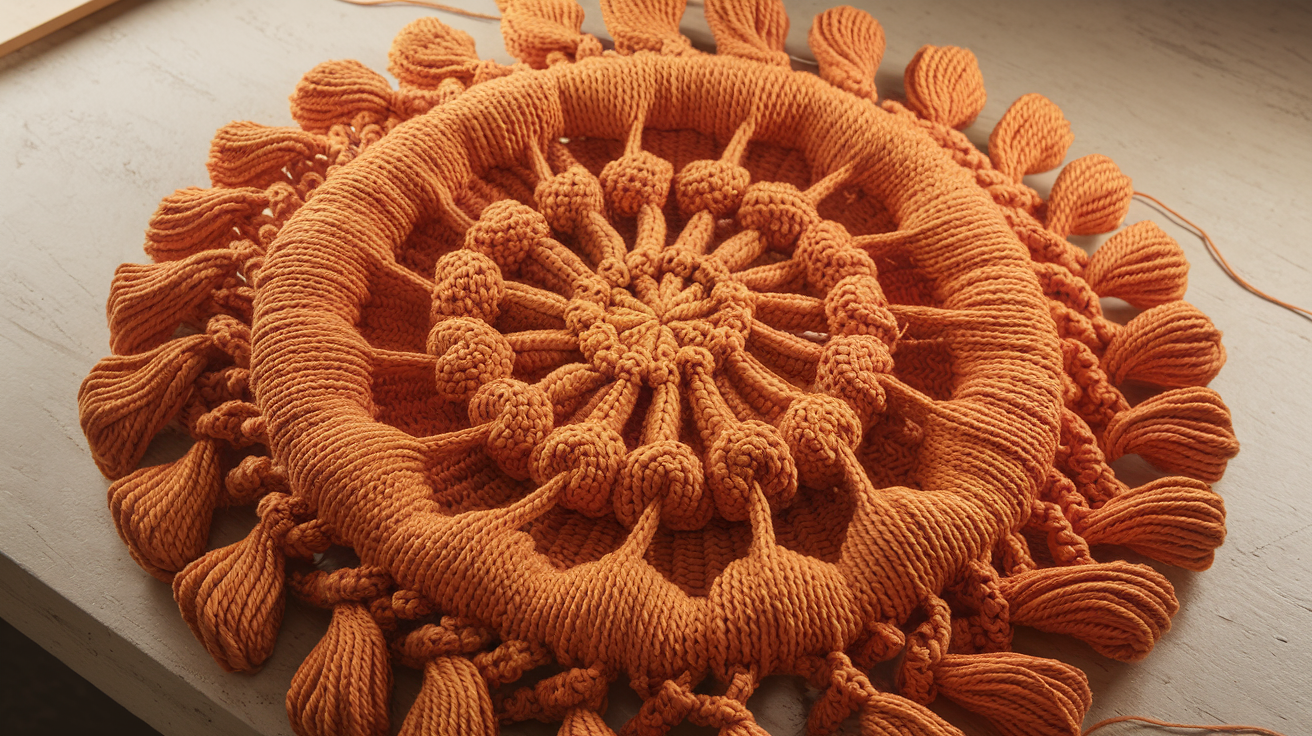
DMC orange punch needle pattern project for beginners transforms simple supplies into standout textured wall art perfect for DIY home decor. Punch needle embroidery introduces crafters to a modern dimensional design with a cheery citrus motif, utilizing just a needle tool, embroidery hoop, and chunky yarn.
Beginner-friendly craft instructions guide you through creating bold color segments that visually “pop,” all with a free pattern from DMC and minimal craft materials.
It’s an accessible, quick project ideal for crafting for beginners, gifting, or brightening any gallery wall.
For creative adaptation, switch to grapefruit or lemon hues and style your space your way.
Your Punch Needle Embroidery Journey
Punch needle embroidery brings relaxation and visual satisfaction as you work yarn through fabric to form tactile, dimensional design elements. Beginner craft supplies in hand, you’ll find the motions of punch needle—guided by a simple needle tool—calming and meditative, with repetitive stitching easing daily stress.
Textured wall art emerges as loops and cotton yarn build a vibrant orange design. Each completed segment feels rewarding, inspiring creative expression and new crafting skills with every punch.
Embark on a journey where DIY home decor meets joyful hands-on creativity, perfect for sharing inspiration and connecting with craft community.
Embark on your punch needle embroidery adventure with this delightful beginner craft project, focusing on a striking orange design.
This craft tutorial is a gateway to creating beautiful textured wall art, offering a modern approach to DIY home decor.
Utilize the free pattern from DMC to explore the joys of yarn crafting. With just a few essential craft supplies, including a needle tool and embroidery hoop, you’ll learn the satisfying loop embroidery technique.
This dimensional design is a modern craft, making it a wonderfully quick project and a rewarding creative hobby. The resulting fabric art showcases impressive crafting skills.
Carefully consider your yarn selection; chunky yarn or cotton yarn like DMC Natura XL or Nova Vita yarn will create the best texture.
Follow efficient pattern transfer methods for a clean finish.
This beginnerfriendly project offers clear craft instructions, a comprehensive stepbystep guide, and an introduction to creating a unique wall hanging or decorative accent. It’s also a fantastic gift idea, with easy craft adaptation for various color variations, fitting perfectly into a gallery wall or as cheerful summer decor.
The initial craft assembly involves simple steps like needle threading and outlining the pattern outline. Master the punching technique by controlling loop height and expertly segment filling, then focus on edge securing and piece backing.
Join the supportive craft community for sharing projects, gaining craft inspiration, and finding troubleshooting tips.
Create stunning handmade art and unique textile art, exploring new craft techniques through needle punching.
Select excellent craft materials to elevate your home styling and express your unique creative expression. This is a perfect starting point for crafting for beginners, offering endless crafting ideas.
What is a Citrus Motif Project?
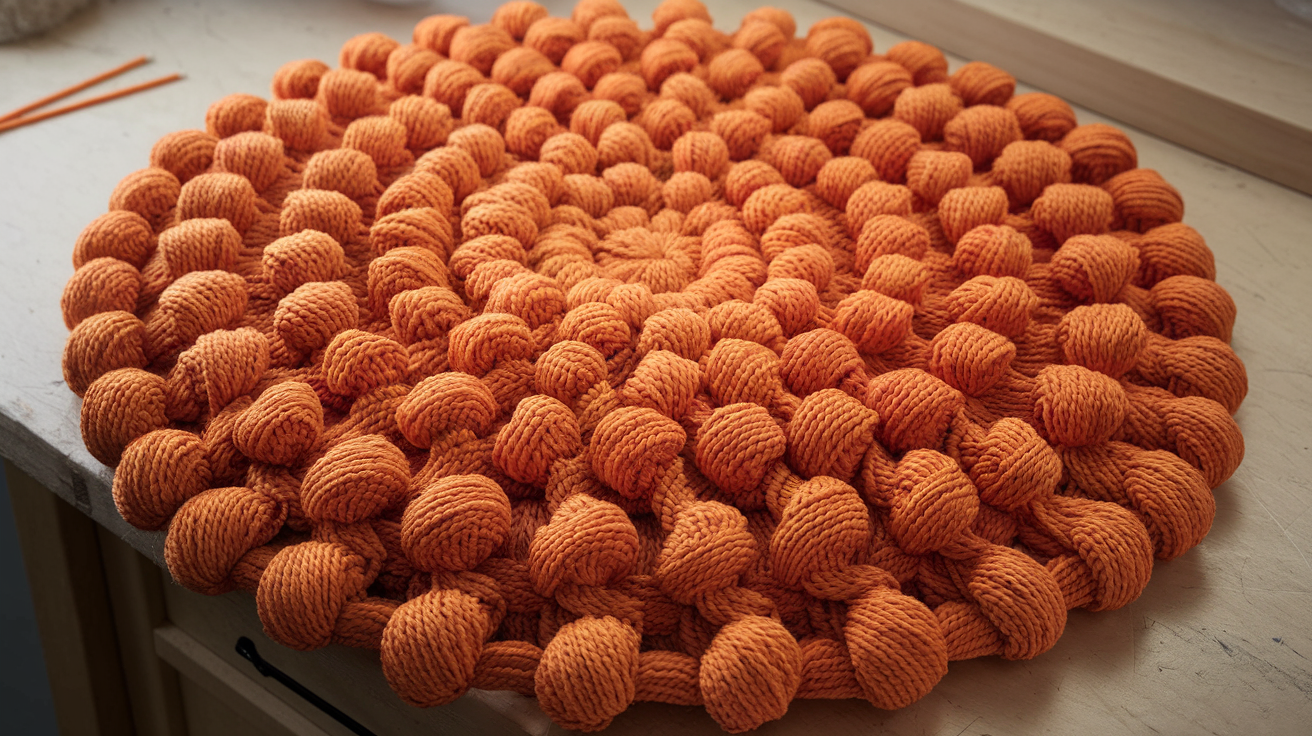
Citrus motif projects breathe life into crafting, showcasing the bright forms and cheerful colors of fruits like oranges, lemons, and grapefruits within contemporary designs. Punch needle embroidery and various forms of textile art frequently adopt these motifs, injecting a fresh, zesty character into DIY home decor, wall hangings, and decorative accents.
The adaptability of citrus imagery is a significant advantage, making them superb gift ideas and fitting them effortlessly into diverse crafting endeavors, from pieces intended for a gallery wall to small, charming patches.
Recommended color variations feature vivid oranges, deep reds, and blacks for detail; sunny yellows complemented by hints of green; and lime greens that subtly blend into pinks or reds, evoking the appeal of grapefruit.
These palettes imbue even beginnerfriendly projects with summery vibrancy and depth, paving the way for textured wall art and straightforward craft adaptation.
Exploring Citrus Imagery in Crafts
The allure of citrus imagery extends across numerous crafting disciplines, offering a delightful starting point for creative expression. For those new to crafting, this theme provides accessible entry into various techniques, allowing for personal touches and unique creations.
Crafting for beginners can find immense satisfaction in transforming simple materials into charming decorative items. Focusing on an orange design, for instance, allows for exploration of techniques that build visual interest and tactile appeal.
The journey of creating a citrus motif is a rewarding one, fostering new crafting skills and encouraging experimentation with different materials and methods.
Color Palettes for Citrus Projects
Crafting with citrus motifs offers a vibrant playground for color exploration.
Selecting the right palette can instantly evoke the mood and essence of each fruit.
For a classic orange, bold shades of orange, accented with touches of yellow and a hint of brown or black for the stem and leaves, work wonderfully. Lemons can be represented with bright, sunny yellows, perhaps with a subtle green for zest.
Limes offer a spectrum of greens, from a bright, almost fluorescent hue to deeper, richer tones. For grapefruit, consider blending pinks and reds with subtle yellow undertones.
These color choices are instrumental in achieving the desired look, whether for a striking wall hanging or a small, tasteful decorative accent.
Getting Started with Beginner Craft
Embarking on a beginner craft journey often commences with straightforward actions, easily accomplished with fundamental craft supplies and a well-chosen pattern outline.
Securing your fabric tautly within an embroidery hoop ensures smooth needle punching, while a threader efficiently guides yarn through your needle tool.
For effective punch needle embroidery, maintaining a consistent loop height is paramount; practicing segment filling on scrap fabric is advisable before committing to your chosen orange design. Common obstacles include overly loose fabric, yarn tangles, and inconsistent texture; these issues can be mitigated through steady technique and utilizing troubleshooting tips available through the craft community.
Commencing with a free pattern, such as the DMC Orange Punch Needle project or simple coasters, cultivates confidence and proficiency, preparing crafting for beginners for more ambitious, inspiring wall art projects and enhancing their DIY home decor collection.
Essential Supplies for Your First Project
Setting out on your crafting adventure, having the correct craft materials is key. For a beginner-friendly experience with punch needle, a few essential items form the foundation of your toolkit.
This includes a suitable needle tool, an embroidery hoop to keep fabric taut, and your chosen yarn.
A good selection for projects like a striking orange design involves chunky yarn or cotton yarn; consider options like DMC Natura XL or Nova Vita yarn for a luxurious feel and excellent texture.
Don’t forget a threader to simplify the process of needle threading and a pair of sharp scissors for clean cuts. Having these basic craft supplies readily available ensures a smoother and more enjoyable crafting session.
Navigating Common Beginner Pitfalls
For those new to needle punching, a few common issues might arise, but they are easily managed with awareness and practice.
A frequent pitfall involves fabric tension; ensure your fabric is stretched tightly within the embroidery hoop to prevent uneven loops and facilitate a smooth punching technique. Another concern can be incorrect needle threading, which might cause yarn to snag or break.
Making sure the yarn flows freely through the needle tool is important.
When it comes to segment filling, maintaining a consistent depth for your loops is key to creating a uniform texture.
Practice on scrap fabric first to get a feel for the tool and yarn interaction. Proper edge securing and piece backing are also important for a polished look on items like a wall hanging.
For the DMC Orange Punch Needle project, the simplicity of the craft tutorial makes it an ideal starting point for learning punch needle embroidery. This quick project offers a rewarding entry into textile art, letting you create a vibrant piece of DIY home decor with minimal fuss.
Achievable First Projects
To build confidence and hone your burgeoning crafting skills, starting with a manageable project is highly recommended.
The DMC Orange Punch Needle project serves as an excellent example of a beginnerfriendly endeavor, providing a clear stepbystep guide to achieve a beautiful result.
Focusing on an orange design within this context allows for learning fundamental techniques without feeling overwhelmed. Other simple options include creating small decorative coasters or embellishing existing fabric items.
Successfully completing these smaller projects can provide a significant confidence boost, encouraging further exploration into more complex designs and advanced craft techniques. These initial successes pave the way for creating larger pieces, such as a framed wall hanging or contributing to a colourful gallery wall, fulfilling your desire for creative expression.
- Citrus motifs are frequently incorporated into punch needle embroidery and textile art for DIY home decor, wall hangings, and decorative accents.
- Recommended color palettes for citrus projects include vivid oranges with blacks, sunny yellows with green, and lime greens blending into pinks or reds.
- Beginner-friendly projects can be started with essential craft supplies like a needle tool, embroidery hoop, yarn, threader, and scissors.
- The DMC Orange Punch Needle project is highlighted as a simple and rewarding starting point for learning punch needle embroidery and creating DIY home decor.
Creating Textured Wall Art
Punch needle embroidery projects leverage fiber selection for both tactile appeal and visual impact in textured wall art. Cotton yarn such as DMC Natura XL or Nova Vita introduces crisp, structured loops, delivering defined detail ideal for a modern citrus motif.
In contrast, wool yarn imparts plushness, providing soft relief and cozy dimension, while acrylic blends contribute durability and color vibrancy.
Loop height adjustments with a punch needle tool let you create layers—punching denser, varied heights for a sculpted, dimensional design.
Outline shapes with chunky yarn and fill segments for contrast.
After the artwork is complete, showcase it in an embroidery hoop for a playful accent, mount onto a canvas for a gallery wall, or add fabric backing and custom framing for a clean finish and lasting display.
DIY Home Decor with Orange
Orange design accents instantly enliven interiors, transcending the limits of crafts to paint your home with energy and warmth. Home styling with vibrant orange textiles—cushions, throws, or rugs—creates a modern, cheerful ambiance, while adding a decorative accent such as a punch needle wall hanging infuses handmade appeal.
Reflect the changing seasons by adopting burnt orange tones for an autumnal vibe or zesty hues for summer decor.
Color variations in your DIY home decor can be balanced by pairing orange elements with neutral foundations—think beige sofas, light walls, and wood finishes. For a sophisticated edge, layer in brass or gold accents, and keep orange in strategic doses, like artwork or vases, ensuring vibrancy without overwhelming the space.
Punch Needle Wall Art and Orange Decor
- Cotton yarn, like DMC Natura XL or Nova Vita, is suitable for creating crisp, structured loops in punch needle art, ideal for modern citrus motifs.
- Wool yarn provides plushness and soft relief for dimensional designs, while acrylic blends offer durability and vibrant color.
- Punch needle projects can be displayed in embroidery hoops, mounted on canvas, or framed for a polished finish.
- Orange design accents, such as punch needle wall hangings, can add energy and warmth to home interiors, with burnt orange tones suitable for autumn and zesty hues for summer.
Is the Pattern Free?
Yarn crafting enthusiasts frequently seek out the vibrant DMC Orange Punch Needle Pattern, readily available as a free pattern, making it particularly appealing for anyone eager to explore punch needle embroidery for the first time. This beginnerfriendly design allows new creatives to enjoy modern craft without an upfront financial commitment.
While DMC’s downloadable patterns are provided at no cost, copyright restrictions always apply; redistribution or resale is prohibited.
Always consult the licensing terms accompanying any craft tutorial and remember to provide attribution to the original designer when sharing your completed projects[1][5].
For additional free punch needle patterns, explore reliable sources like official craft brand websites, popular craft community blogs, or join creative hobby groups that gather free, high-quality patterns suitable for textile art projects.
Essential Yarn Crafting Supplies
Embarking on loop embroidery projects, such as the DMC Orange Punch Needle, highlights the necessity of gathering fundamental craft supplies for an enjoyable, organized creative hobby experience. Beyond the core needle tool, you will require an embroidery hoop to maintain fabric tension, sharp scissors for a clean finish, and a threader to facilitate yarn passage through the tool.
Proper yarn selection is important. Opt for chunky yarn or cotton yarn, like DMC Natura XL or Nova Vita yarn, to achieve a bold texture and construct the dimensional design of your citrus motif.
For efficient pattern transfer and organized storage, keep printed outlines and craft instructions in a dedicated binder or folder, ensuring each step of your punch needle embroidery wall hanging is easily accessible and neatly managed for future crafting ideas.
Crafting skills are developed with the right materials.
A suitable fabric, such as monk’s cloth, is necessary for the punch needle project.
The pattern outline needs to be transferred onto this fabric with precision.
Proper needle threading is key; use a threader for ease and speed.
This beginner craft focuses on fundamental punching technique, creating loops of consistent loop height.
Filling segments with loops develops the piece’s unique texture.
Securing edges prevents unraveling, ensuring a polished look.
Adding a piece backing gives the handmade art durability.
The craft community often shares their projects, offering mutual inspiration.
Troubleshooting tips are commonly discussed in these forums.
Craft inspiration abounds, encouraging further exploration of craft techniques.
Needle punching is a gateway to various craft materials.
This DIY home decor project enhances home styling beautifully.
Creative expression is at the heart of this crafting for beginners activity.
Discover endless crafting ideas for your next project.
Key Takeaways from the Article Section
- The DMC Orange Punch Needle Pattern is available as a free pattern, making it accessible for beginners to explore punch needle embroidery without initial cost.
- Essential supplies for loop embroidery include a needle tool, embroidery hoop, scissors, threader, and appropriate yarn such as chunky or cotton yarn.
- Proper technique involves transferring the pattern outline to fabric like monk’s cloth, threading the needle, and creating consistent loops for texture and dimensional design.
- Copyright restrictions apply to free patterns, prohibiting redistribution or resale, and users are encouraged to provide attribution when sharing completed projects.
Mastering the Needle Tool
This section focuses on advanced techniques for punch needle control and precision. When engaged in punch needle embroidery, achieving a clean finish requires meticulous adjustments to your needle tool.
The depth of your punches fundamentally impacts stitch definition, transforming a beginner craft into textured wall art.
### Precision Punching Techniques
To achieve crisp punch needle stitches, meticulously adjust needle height; deeper punches create longer loops for plush, dimensional design, while shallower settings deliver a flatter, more compact citrus motif.
When focusing on punch needle control, yarn tension is essential—ensure consistent feed so loops form evenly, preventing snagging or gaps in your modern craft. If skipping stitches occurs, verify your embroidery hoop holds the fabric taut, confirm your yarn selection flows effortlessly through the threader and needle, and always complete full needle insertion with every punch.
For uneven loops, maintain a steady punching rhythm and subtly vary needle depth as needed.
* Troubleshooting Tips: If skipping stitches occurs, verify your embroidery hoop holds the fabric taut, confirm your yarn selection flows effortlessly through the threader and needle, and always complete full needle insertion with every punch.
*
* Styling Loops: For uneven loops, maintain a steady punching rhythm and subtly vary needle depth as needed.
*
* Tension Control: Yarn tension is essential—ensure consistent feed so loops form evenly, preventing snagging or gaps in your modern craft.
The objective is a clean finish, and a beginner-friendly grip—firm yet relaxed—empowers you to troubleshoot stitch inconsistencies quickly, helping your orange design stay bold and professional.
Mastering these punch needle techniques elevates your wall hanging from a quick project to a showcase of creative hobby mastery.
These advanced punch needle techniques elevate your wall hanging from a quick project to a showcase of creative hobby mastery. The craft tutorial for this loop embroidery project, featuring an orange design, is beginner-friendly and results in a dimensional design.
### Troubleshooting Common Needle Tool Issues
If skipping stitches occurs, verify your embroidery hoop holds the fabric taut for your fabric art during this craft assembly.
Confirm your yarn selection, perhaps chunky yarn like DMC Natura XL or Nova Vita, flows effortlessly through the threader and needle tool.
Always complete full needle insertion with every punch to avoid gaps. For uneven loops, maintain a steady punching rhythm and subtly vary needle depth as needed.
This loop embroidery technique, when mastered, produces textured wall art.
* Needle Insertion: Always complete full needle insertion with every punch to avoid gaps in your punch needle embroidery.
*
* Fabric Tension: Verify your embroidery hoop holds the fabric taut for your fabric art during this craft assembly.
*
* Yarn Flow: Confirm your yarn selection, perhaps chunky yarn like DMC Natura XL or Nova Vita, flows effortlessly through the threader and needle tool.
A beginner-friendly grip—firm yet relaxed—empowers you to troubleshoot stitch inconsistencies quickly, helping your orange design stay bold and professional. This supports your crafting skills for a clean finish.
Elevate your craft: These advanced punch needle techniques elevate your wall hanging from a quick project to a showcase of creative hobby mastery.
The DMC Orange Punch Needle Pattern project overview highlights this as a beginner-friendly craft.
It utilizes minimal supplies and step-by-step instructions for textured, dimensional results.
The free pattern from DMC is designed for newcomers and experienced crafters seeking a quick and colorful make for their DIY home decor.
The modern lines of the orange motif stand out as wall art or a small decorative accent.
This punch needle embroidery project, focusing on the citrus motif, is an excellent beginner craft.
It results in textured wall art and is a perfect quick project for anyone interested in yarn crafting. The step-by-step guide is ideal for learning needle punching techniques.
The craft instructions ensure a clean finish and a professional look for your hoop art.
This modern craft allows for creative expression, fostering crafting for beginners.
The orange design, utilizing chunky yarn, creates a beautiful dimensional design.
The supplies needed include a punch needle tool, embroidery hoop, printed pattern, chunky or cotton yarn such as DMC Natura XL or.
- Adjusting needle height impacts stitch definition, with deeper punches creating longer loops for dimensional designs and shallower settings producing flatter stitches.
- Consistent yarn tension is crucial for even loop formation, preventing snags or gaps in the punch needle embroidery.
- Ensuring the embroidery hoop holds fabric taut and completing full needle insertion with every punch are key to avoiding skipped stitches.
- A firm yet relaxed grip allows for quick troubleshooting of stitch inconsistencies, contributing to a clean and professional finish.
Colorful Modern Embroidery Inspiration By Salt Stitches Transforms
Modern embroidery enthusiasts are discovering a vibrant world of contemporary needlework, thanks to the innovative approach of Salt Stitches. This Manchester artist, Emily Botelho, masterfully blends field photography of British beaches and rugged coastlines with rich hand embroidery.
Her abstract textile art reimagines traditional techniques, creating pieces with remarkable textural and visual depth.
Salt Stitches’ distinctive use of vibrant color palettes and natural materials like seashells and artisanal beads results in truly standout creations, offering boundless inspiration for anyone passionate about mixed media fiber art.
Exploring Salt Stitches Abstract Textile Art
Salt Stitches’ abstract textile art offers a unique journey into coastal textures, reinterpreted through the nuanced language of thread and mixed media fiber art.
Emily Botelho, a Manchester artist, draws deeply from nature-inspired stitching, finding inspiration in lichen textures, rock patterns, and seaweed motifs found along UK landscapes and North American landscapes. She employs experimental threads and contrasting hues to capture organic forms and natural phenomena, transforming cotton base and linen fabric into captivating surfaces.
This approach to hand embroidery breathes new life into contemporary needlework, allowing for creative compositions that resonate with viewers on a profound level.
The Art of Transformation
The transformation of base cloths is a hallmark of Emily Botelho’s abstract embroidery. She begins by capturing field photography of British beaches and rugged coastlines, using these images as a foundation for her artistic vision.
These photographic prints are then applied to fabric, serving as a guide for stitching and color choices, allowing for an interplay between the original image and the overlaid embroidery.
This process, often described as surface transformation, is where the magic truly happens, creating dimensional elements that add significant visual interest and tactile elements to each piece.
The exploration of thread thickness, the combination of matte threads and lustrous threads, and the daring use of surprising color pairings, often deviating from traditional palettes, all contribute to the unique character of Salt Stitches’ work. Her freeform stitching and dimensional embroidery techniques allow for a playful interaction with the medium, encouraging viewers to engage with the art on multiple sensory levels.
Embracing Nature’s Palettes
Salt Stitches’ creative process is deeply rooted in observation of the natural world, translating the subtle beauty of lichen textures, rock patterns, and moss inspiration into tangible art.
This nature-inspired stitching involves a careful selection of materials, including artisanal beads, semiprecious stones, and natural materials like seashells, which are integrated to enhance the unique textures and add depth to the compositions. The vibrant color palettes are thoughtfully curated, often featuring unexpected color combinations that mimic the surprising beauty found in nature, such as in tide pool art.
These sketchlike inspirations from landscape photography lead to creative compositions that are both visually striking and deeply evocative.
The artist’s willingness to explore challenging color choices, moving beyond conventional approaches, consistently yields standout results, making her abstract textile art a source of wonder and admiration for her ever-growing Instagram community and international collectors alike.
Connecting and Creating
Salt Stitches has cultivated a strong social media engagement, fostering a global community drawn to Emily Botelho‘s unique artistic vision.
Her influence extends beyond inspiration, with popular embroidery kits and sold-out workshops that empower others to explore their own creative spontaneity and practice selfcare art. The brand’s evolution is evident in its reach, connecting with international collectors and participants from both the UK and North American landscapes.
This community development is integral to the Salt Stitches ethos, creating a space for shared learning and appreciation of contemporary needlework. The artist’s brand evolution continues, marked by limited edition auctions and a growing appreciation for her distinct blend of photography and embroidery.
What is Hand Embroidery?
Hand embroidery transforms plain fabric into expressive, tactile art using a needle and thread—a process that allows for endless experimentation in both traditional and modern embroidery. Stitches like the backstitch, satin stitch, and French knot introduce texture and depth, making each design uniquely dimensional; these foundational techniques form the backbone of creative compositions for beginners and advanced crafters alike.
Material exploration is essential.
Try working with a cotton base, linen fabric, or even photographic prints as base cloths, then incorporate experimental threads and natural materials for standout results, following inspiration from Salt Stitches.
Emily Botelho, at Salt Stitches, emphasizes this surface transformation. As a beginner tip for sourcing unique threads, look beyond standard floss at craft fairs and thrift shops to achieve vibrant color palettes and create truly original pieces with surprising color pairings.
The thread thickness, from matte threads to lustrous threads, can also influence the final texture. From Manchester artist Emily Botelho’s abstract textile art, we learn that contrasting hues can bring surprising color pairings to traditional palettes for standout results.
Discover Contemporary Needlework Techniques
Contemporary needlework continually evolves through innovative methods that turn simple stitches into three-dimensional, visually dynamic fiber art.
Sculptural embroidery introduces dimension by layering fabrics and adding tactile elements like artisanal beads, semiprecious stones, and seashells, creating unique textures and depth.
This approach is exemplified by the abstract textile art of Emily Botelho of Salt Stitches, known for bold, vibrant color palettes inspired by British beaches and rugged coastlines.
Artists, like the Manchester artist and Canadian artist Emily Botelho, bridge styles by blending photography and embroidery. They utilize photographic printing as the foundation for hand-stitched, layered embellishments and dimensional elements, creating unexpected color combinations and compelling visual interest.
For those inspired by mixed media fiber art, combining organic forms and experimental threads transforms conventional embroidery into standout, contemporary masterpieces. This approach to nature-inspired stitching can draw from lichen textures, rock patterns, or seaweed motifs; these sketch-like inspirations guide the freeform stitching.
Emily Botelho’s work showcases dimensional embroidery, using field photography and contrasting hues to capture natural phenomena, such as moss inspiration or tide pool art, creating depth and visual interest on cotton base or linen fabric.
This selfcare art emphasizes creative spontaneity, and her social media engagement on Instagram, where Salt Stitches has a large community of international collectors, highlights the brand evolution and community development fueled by creative compositions and a focus on UK landscapes and North American landscapes.
Salt Stitches also offers embroidery kits and has held soldout workshops and limited edition auctions, reflecting a deep connection to landscape photography.
- Hand embroidery transforms fabric into art using a needle and thread, with stitches like backstitch and French knots adding texture and depth.
- Contemporary needlework, exemplified by Emily Botelho of Salt Stitches, incorporates tactile elements like artisanal beads and semiprecious stones for sculptural effects.
- Artists like Emily Botelho blend photography with embroidery, using photographic prints as a base for layered embellishments and dimensional elements.
- Inspiration for contemporary embroidery can be drawn from nature, such as lichen textures, rock patterns, or seaweed motifs, guiding freeform stitching.
Absolutely! Here is the refined content:
Embracing Coastal Textures in Fiber Art
Emily Botelho’s approach to abstract textile art, widely known as Salt Stitches, artfully translates natural coastal elements into deeply engaging fiber creations. Observing the textures of British beaches and stark, rugged coastlines serves as a primary source of inspiration, often beginning with photographic printing of natural phenomena onto cotton base or linen fabric for experimental freeform stitching.
To effectively achieve granular, sand-like textures, consider using boucle or slub yarns, scattered artisanal beads, or tightly executed colonial knots, while wavy running stitches or mulberry bark can mimic the fluid movement of water, bringing a sense of realness to your work.
Blending varied thread thicknesses, including both matte threads and lustrous silk, alongside incorporated seashells or semiprecious stones, greatly expands the dimensionality and authenticity of each mixed media fiber art piece, truly echoing the unpredictable, rich textures discovered along the shore.
How to Use Vibrant Color Palettes
Vibrant color palettes are pivotal in contemporary needlework, guiding the viewer’s eye and enhancing creative compositions, a notable characteristic of Salt Stitches’ distinctive style.
Drawing from unexpected color combinations, such as pairing deep ocean blues with mossy greens or striking lichen yellows, artists can venture beyond traditional palettes to achieve truly standout results and imbue their work with profound emotional depth. Embracing the psychological impact of distinct hues becomes a powerful tool; a sudden flash of warm orange might effectively convey sunlight glinting on waves, while serene teals or deeply saturated pinks can introduce essential visual interest and establish clear focal points.
Utilize the principles of the color wheel to harmonize bold shades and deliberately integrate at least one challenging color per piece, much like Emily Botelho does, to invigorate your abstract textile art with imaginative, nature-inspired stitching and dynamic transitions between hues.
- Emily Botelho’s abstract textile art, known as Salt Stitches, is inspired by the textures of British beaches and coastlines.
- Techniques for achieving coastal textures include using boucle or slub yarns, artisanal beads, colonial knots, wavy running stitches, and mulberry bark.
- Incorporating mixed media elements like seashells and semiprecious stones enhances the dimensionality of fiber art pieces.
- Vibrant color palettes in needlework guide the viewer’s eye and can be achieved through unexpected color combinations, such as deep ocean blues with mossy greens.
Creative Compositions with Natural Materials
Integrating Organic Matter into Textile Art
Salt Stitches, the renowned textile art initiative by artist Emily Botelho, expertly integrates natural materials into stunning pieces of abstract textile art, creating rich coastal textures that imbue the surface with unexpected depth and vibrancy. Creative compositions frequently commence by carefully arranging dried leaves, delicate seaweed, or polished seashells onto a sturdy cotton base.
These elements are then secured using intricate hand embroidery techniques such as couching or appliqué, sometimes supplemented with subtle archival adhesives, ensuring their long-term preservation and integrity throughout the creative process.
These carefully selected natural materials are meticulously pressed and dried, effectively guarding them against deterioration while preserving the tactile memory of distant British beaches.
A vital aspect of this practice is sustainable sourcing: artists are encouraged to gather materials ethically, repurpose local finds judiciously, and prioritize botanicals procured from environmentally conscious suppliers, all to honor the natural world and achieve truly nature-inspired stitching for subsequent artistic endeavors.
Sustainable Sourcing for Coastal Textures
Embracing sustainable sourcing for your textile art means consciously gathering materials ethically from environments like British beaches and rugged coastlines. Repurposing local finds fosters a deeper connection to place.
Prioritizing botanicals from eco-friendly suppliers helps honor the environment. This mindful approach achieves truly nature-inspired art that resonates with authenticity and respect for the planet.
Consider the memory of British beaches when selecting your components.
This approach to sustainable sourcing ensures the integrity of your natural materials.
The result is art that reflects a profound connection to place, enhancing the coastal textures and overall narrative of your work. It’s about creating beauty responsibly.
Natureinspired Stitching: A Closer Look
Translating Natural Forms into Stitches
Abstract textile art from the Salt Stitches collection masterfully demonstrates how textile artisans can translate the rhythmic flow of seaweed motifs and the intricate patterns of lichen textures into innovative hand embroidery stitches.
This style of contemporary needlework utilizes directional stitching, carefully layered threads, and vibrant color palettes to effectively convey both the intricate detail and dynamic movement found within nature, allowing organic forms to emerge organically from the fabric surface. Observational exercises, such as creating texture rubbings of weathered rocks or meticulously photographing moss inspiration, translate naturally into unique and expressive stitch patterns that capture the essence of the natural world.
By embracing creative compositions and thoughtfully experimenting with surprising color pairings, artists unlock potent new forms of expression while simultaneously deepening their intrinsic connection to the evocative beauty of North American and UK landscapes and their inherent coastal inspirations.
Mimicking Patterns Found in Nature
Mimicking patterns found in nature through stitches involves close observation of lichen textures and rock patterns.
This artistic pursuit translates the essence of seaweed motifs into tangible fibre art.
Employing hand embroidery, artists can replicate the delicate veins of a leaf or the rough surface of a stone. Field photography serves as a valuable tool, capturing fleeting moments of natural beauty for later interpretation.
Creating sketchlike inspirations from these observations guides the stitching process. Utilizing a cotton base or linen fabric provides a robust canvas for this detailed work.
The surface transformation achieved through varied thread thickness adds a crucial tactile dimension.
Matte threads alongside lustrous threads create dynamic visual interest.
- The textile art initiative Salt Stitches by Emily Botelho integrates natural materials like dried leaves, seaweed, and seashells into abstract textile art.
- Techniques such as couching and appliqué are used with hand embroidery to secure natural materials onto a cotton base.
- Sustainable sourcing is encouraged, emphasizing ethical gathering, repurposing local finds, and prioritizing botanicals from environmentally conscious suppliers.
- Artists translate natural forms, such as seaweed motifs and lichen textures, into hand embroidery stitches, using observational exercises and field photography for inspiration.
Bridging Traditional and Modern Embroidery
Reimagining Heritage Through Contemporary Artistry
The essence of modern embroidery lies in its ability to breathe new life into heritage techniques. Ancient stitches now form the backbone for cutting-edge contemporary needlework projects, demonstrating how heritage can be reinterpreted.
Salt Stitches, the brainchild of Emily Botelho, expertly illustrates the fusion of historical motifs with contemporary aesthetics.
This approach connects directly to the exploration of contemporary needlework, showcasing a project that successfully blends eras.
Botelho’s work often begins with field photography of lichen, rocks, and seaweed, translating their textures and hues into sketch-like inspirations for her art.
A Case Study in Fusion
Emily Botelho’s Salt Stitches project offers a compelling case study of how heritage techniques can be reinterpreted.
She examines the fusion of historical motifs with contemporary aesthetics, connecting to the exploration of contemporary needlework. Her process embraces nature-inspired stitching, often drawing from British beaches and rugged coastlines, to inform her designs.
The art effectively connects to the exploration of contemporary needlework, presenting a case study of a project that successfully blends eras.
She utilizes photographic printing as a foundational layer, over which hand embroidery and embellishments are applied.
These include artisanal beads and semi-precious stones, providing captivating texture and depth.
The Creative Process of Salt Stitches
Salt Stitches, led by artist Emily Botelho, is internationally recognized for its modern abstract embroidery.
This art features vivid, unexpected color palettes and creative compositions. Drawing inspiration primarily from natural coastal textures, her work redefines traditional embroidery through innovative techniques and a contemporary artistic lens.
Botelho combines photography from British beaches and rugged coastlines with embroidery, printing images onto fabric.
She then layers these with bold hand-stitched embellishments.
The practice integrates beads, semi-precious stones, and natural materials like seashells into the panels to create unique textures and depth. Vibrant threads and experimental, often contrasting colors reinterpret organic forms and natural phenomena.
Botelho embraces freedom from conventional stitch rules, allowing organic shapes and layered dimensionality as focal points.
Practical Inspiration for Embroiderers
To achieve standout results, consider using photographic prints as base cloths to guide your stitching and color choices.
Incorporate dimensional elements like beads, shells, or stones for visual and tactile interest.
Challenge yourself with at least one clashing or surprising color in each piece, moving beyond traditional palettes.
Let natural phenomena—rocks, moss, tide pools—inspire new motifs and textures in your work. Experiment with thread thickness and the interplay between matte and lustrous materials.
Consider the benefits of self-care art and creative spontaneity in your practice.
Emily Botelho, a Manchester artist who has relocated to Canada, roots her art in both UK and North American coastal landscapes.
Salt Stitches boasts over 70,000 Instagram followers, fostering a dedicated international community of collectors and students.
Her offerings include embroidery kits, sold-out workshops, and limited-edition auctions.
Landscape photography serves as the starting point for each composition, contributing to the brand evolution and community development through social media engagement.
- Salt Stitches, by Emily Botelho, reinterprets heritage embroidery techniques by blending historical motifs with contemporary aesthetics.
- Botelho’s creative process involves using field photography of natural coastal textures (lichen, rocks, seaweed) as inspiration for her embroidery designs.
- The Salt Stitches project incorporates photographic printing as a base layer, enhanced with hand embroidery, artisanal beads, semi-precious stones, and natural materials like seashells.
- Emily Botelho’s Salt Stitches has a significant international following of over 70,000 Instagram followers, indicating a strong community and market for her modern abstract embroidery.
Pop Culture Cross Stitch Patterns Knotty Bytes Etsy Designer Spotlight
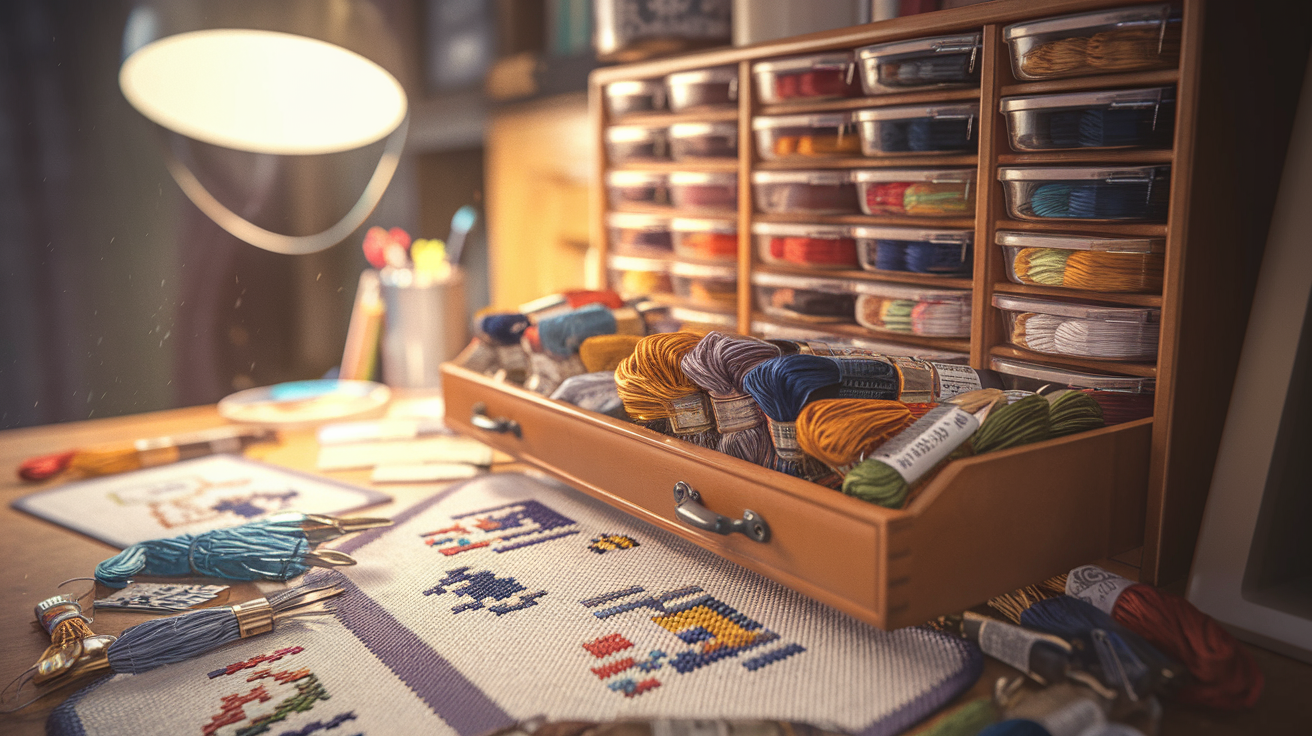
Pop culture cross stitch patterns have ignited a creative movement among fans seeking hands-on ways to celebrate their favorite shows, films, and comics. Knotty Bytes Etsy offers stylized character lineups that capture beloved icons from television cross stitch, film cross stitch, and comic book stitch genres with playful charm.
Fandom crafts enthusiasts will find customizable stitch designs and mixandmatch characters, while collectors enjoy epic alphabet patterns from cult classics and major franchise stitch favorites.
Each digital PDF pattern is delivered as an instant download, making these contemporary needlecraft motifs accessible to every modern stitcher eager for nostalgic DIY crafts and unique handmade gift ideas.
This Indiana craft shop provides accessible stitching art and fun handmade designs for fans.
Discover Knotty Bytes Fandom-Inspired Cross Stitch
Fandom-inspired cross stitch designs transform passion for fictional worlds into creative fiber art projects that connect fans on a personal level.
DIY pop culture crafts at Knotty Bytes spotlight iconic stylized character lineups from franchises like Star Wars stitch patterns and Marvel stitch patterns, offering both cult classic patterns and major franchise stitch options. Finished cross stitch projects become collectible textile art, while customizable stitch designs allow crafters to mixandmatch characters for personalized creations.
Beginners are encouraged to select themed cross stitch kits with fewer colors, making their first cross stitch community experience enjoyable and stress-free.
This inspirational needlework celebrates the joy of contemporary craft projects among enthusiasts.
Celebrating Fandom Through Stitching
Knotty Bytes is an Etsy shop specializing in pop culture cross stitch patterns, offering a diverse range of designs inspired by major fandoms in TV, film, comics, and gaming. This spotlight introduces modern crafters to Knotty Bytes’ highly recognizable lineup-style motifs, celebrating characters from iconic franchises and cult favorites.
A Universe of Stitchable Characters
The shop boasts a wide array of fandom-inspired cross stitch patterns featuring television cross stitch, film cross stitch, and comic book stitch genres. Designs feature lineups of stylized characters, often labeled with show or movie titles, catering to both cult classic patterns and major franchise stitch favorites.
You’ll find options like Star Wars stitch patterns, Marvel stitch patterns, Game of Thrones stitch patterns, Xena cross stitch, Lost cross stitch, SheRa patterns, and Ghostbusters stitch patterns.
From Cult Classics to Blockbusters
Patterns cover a spectrum from cult classics like Xena, Lost, and She-Ra to major franchises including Star Wars, Game of Thrones, Marvel Cinematic Universe, and Ghostbusters.
Larger, complex options are available; for example, a massive “space superhero” Star Wars alphabet pattern uses over 80 colors and nearly 200×270 stitches. Some patterns allow customization, letting crafters mix and match characters for unique, personalized cross stitch gifts.
Instant Access and Easy Creativity
Patterns are delivered as downloadable cross stitch digital PDF patterns for instant access and easyprint designs. The shop regularly updates with new fan releases and trending fandom stitches, providing stitching project inspiration.
Most patterns are user-friendly, including character key patterns, color suggestion guides, and clear stitch instructions, making them suitable for beginner cross stitch enthusiasts and advanced stitchers alike.
Join the Cross Stitch Community
The supportive online cross stitch community showcases finished cross stitch projects and provides inspiration on platforms like Instagram craft showcases.
Knotty Bytes is an ideal resource for modern stitchers seeking quirky cross stitch, contemporary needlecraft, and nostalgic DIY crafts. These downloadable cross stitch designs offer accessible stitching art and fun handmade designs, perfect for handmade gift ideas or collectible textile art.
The Designer’s Vision
The designer’s focus is on creating fun, accessible art that resonates with fans of modern media crafts and geek culture crafts. These fabric art patterns and fiber art designs are perfect for hobbyist stitching and creative craft projects, offering a unique craft option from this Indiana craft shop.
Fandom enthusiast gifts and stitching project inspiration abound for everyone.
What Makes Knotty Bytes Unique?
Fandom-inspired cross stitch artists seeking more than mass-produced craft supplies discover Knotty Bytes as a destination for specialized, curated cross stitch patterns. Pop culture cross stitch enthusiasts are drawn to this Etsy shop because it exclusively features stylized character lineups adapted from beloved franchises—ranging from Star Wars stitch patterns and Marvel to cult classics like Lost cross stitch or SheRa.
Customizable stitch designs allow hobbyists to mix-and-match their favorite characters, a key difference from generic craft retailers.
For a reason why a crafter might choose a specialized vendor, fans value how such unique suppliers translate complex nostalgia into accessible stitching art, turning every project into a personal, fandom-specific collectible or handmade gift idea.
This approach makes for truly unique craft options.
Explore Stylized Character Lineups
Stylized character lineups serve as the signature visual language at Knotty Bytes, instantly resonating with pop culture enthusiasts and the cross stitch community alike.
Modern media crafts come alive as iconic figures from television cross stitch, film cross stitch, and video game cross stitch are expertly distilled into distinctive, stitch-friendly motifs. The consistent artistic style across collections ensures your finished cross stitch projects look cohesive and impactful when displayed as themed cross stitch kits.
These patterns are a fantastic way to celebrate your favorite characters.
The artistry involved in adapting these figures for cross-stitch is truly impressive.
To elevate your display, frame multiple pieces together or showcase favorites individually—transforming any space with collectible textile art filled with color, nostalgia, and crafty inspiration from your favorite universes.
Knotty Bytes focuses on creating fun, accessible art that resonates with fans of contemporary media.
Key Features of Knotty Bytes
- Knotty Bytes specializes in curated cross stitch patterns adapted from popular franchises like Star Wars, Marvel, Lost, and SheRa.
- The Etsy shop offers customizable stitch designs, allowing hobbyists to mix and match their favorite characters.
- Knotty Bytes translates complex nostalgia into accessible stitching art, creating unique craft options and personal collectibles.
- The shop’s signature stylized character lineups are designed to be stitch-friendly motifs from television, film, and video games.
Can I Stitch My Favorite TV Shows?
Television cross stitch allows fans to translate cherished series into tangible, DIY textile art that truly reflects their individual passions. The ever-increasing availability of sought-after pop culture cross stitch patterns, exemplified by shops like Knotty Bytes on Etsy, means motifs for everything from epic Game of Thrones stitch banners to stylized Lost cross stitch character lineups and quirky cult classic patterns are readily accessible.
Stitching beloved characters strengthens the emotional connection crafters have with their favorite shows, transforming handmade needlework into treasured keepsakes and wonderful personalized cross stitch gifts.
To discover patterns for less mainstream series, try searching Etsy with phrases like “fandominspired cross stitch” followed by the show’s title, or explore Instagram craft showcases where independent designers often feature new releases and unique customizable stitch designs.
Favorite Film Cross Stitch Designs
Film cross stitch patterns invite cinephiles to actively relive cinematic adventures stitch by stitch, capturing the profound, universal appeal of movies, from grand sagas to niche cult favorites.
Popular genres for enthusiasts include iconic Star Wars stitch patterns for science fiction fans and vibrant Marvel stitch patterns for superhero aficionados. Likewise, fantasy and cult classic patterns provide opportunities for creative expression through stylized character lineups.
Recreating memorable scenes or beloved quotes brings immense joy and a strong sense of personal accomplishment, ultimately transforming simple fabric into meaningful collectible textile art.
Choosing Your Cinematic Project
When selecting a film for a significant cross-stitch project, first consider your personal emotional connection to the story. Think also about the visual impact of specific scenes or characters and the availability of suitable instant PDF patterns.
For instance, Knotty Bytes specializes in designs from major franchises like Ghostbusters stitch patterns and also offers niche options.
The Joy of Bringing Films to Life
Film cross stitch allows for a deeply personal engagement with cinema.
The joy of recreating iconic movie moments is a unique satisfaction.
Accessible stitching art makes beloved films tangible.
Contemporary needlecraft meets cinematic passion.Nostalgic DIY crafts connect with film history.
Fan enthusiast gifts are made personal..
Accessible stitching art transforms beloved cinematic worlds into tangible creations. Contemporary needlecraft blends with a passion for film, offering a fresh way to engage with stories.
These nostalgic DIY crafts provide a unique connection to film history, making each piece a personal treasure.
Offering fan enthusiast gifts with this personal touch is truly special.
Cross Stitching TV Shows and Films
- Cross stitch allows fans to create tangible DIY textile art that reflects their passions, with readily available pop culture patterns for shows like Game of Thrones and Lost.
- Popular genres for film cross stitch include Star Wars and Marvel, with patterns available for iconic franchises like Ghostbusters.
- Searching platforms like Etsy with phrases like fandom-inspired cross stitch and exploring Instagram craft showcases can help find patterns for less mainstream series and unique customizable designs.
- Stitching beloved characters and recreating memorable scenes or quotes brings joy and a sense of accomplishment, transforming fabric into meaningful collectible textile art and personalized gifts.
Discover Comic Book Cross Stitch Kits and Patterns
Vibrant comic book storytelling continues to inspire fandom-inspired cross stitch enthusiasts eager to transform epic panels into tangible art. Knotty Bytes, your go-to Etsy shop for pop culture cross stitch patterns, offers a diverse array of designs for comic book stitch projects.
These patterns often showcase stylized character lineups from major franchises and cult classics, readily available as downloadable PDFs for instant crafting.
Expect designers to translate intricate superhero poses, dynamic costumes, and expressive faces into accurate, stitchable art, utilizing multiple colors and clever shading.
For display, frame your unique fandom crafts with bold matting or comic-themed borders, creating striking wall art that perfectly bridges graphic culture and contemporary needlework.
Popular Video Game Cross Stitch Patterns
Exploring immersive worlds is second nature when jumpstarting your next video game cross stitch project, inspired by beloved interactive universes. Just as comics offer storytelling richness, modern pop culture patterns capture the pixel-perfect spirit of gaming, from Star Wars stitch patterns to indie icons, translating vivid colors and iconic characters into accessible fiber art designs.
These digital PDF patterns often provide varied difficulty levels; beginners may start with smaller, low-color-count patterns, while those seeking a challenge can tackle detailed, multi-character scene recreations. Always check for clear stitch instructions and skill labels in each downloadable PDF.
Completing these projects isn’t just about nostalgia; it’s about creating collectible textile art that celebrates your favorite games and enhances your finished cross stitch projects collection at home.
- Knotty Bytes is an Etsy shop specializing in pop culture cross stitch patterns, including comic book and video game themes.
- Comic book cross stitch patterns often feature stylized character lineups and translate intricate details like poses, costumes, and faces into stitchable art.
- Video game cross stitch patterns can range in difficulty, from beginner-friendly designs to complex scene recreations, and are available as downloadable PDFs.
- These cross stitch projects allow enthusiasts to create tangible art inspired by graphic novels and video games, which can be displayed as wall art or added to collections.
Exploring Beloved Niche Entertainment Through Stitching
The Enduring Legacy of Cult Classic Patterns
Fandom-inspired cross stitch designs connect us to the enduring legacy of niche entertainment, allowing stitchers to bring beloved, lesser-known themes to life. Confirming the availability of cult classic patterns for these cherished series is often a delight for enthusiasts.
The satisfaction of stitching less common but deeply loved themes provides a unique creative outlet.
For discovering new cult classic patterns, a tip for finding these gems involves tracking designers who frequently update their selections with trending fandom stitches.
Knotty Bytes, an acclaimed Etsy shop, consistently updates its lineup to include cult classic patterns inspired by hits like Xena cross stitch, Lost cross stitch, and SheRa patterns, ensuring your favorite, but perhaps less mainstream, themes are never out of reach in the realm of contemporary needlecraft. The deep joy of stitching these unique crosses is the personal connection to underappreciated, nostalgic DIY crafts—every finished piece becomes a conversation starter and a collectible textile art.
Discovering and Stitching Cult Favorites
Television cross stitch and film cross stitch patterns from Knotty Bytes celebrate characters from iconic franchises and cult favorites with highly recognizable lineup-style motifs.
The shop offers a wide array of fandom-inspired cross stitch patterns, spanning TV shows, movies, comic books, and video games, catering to diverse interests within the cross stitch community. Comic book stitch and video game cross stitch are represented, alongside major franchise stitch options.
For example, Star Wars stitch patterns, Marvel stitch patterns, and Game of Thrones stitch patterns are available, alongside niche favorites like Xena cross stitch, Lost cross stitch, and SheRa patterns, as well as Ghostbusters stitch patterns.
These cult classic patterns anchor contemporary needlework by bringing beloved niche entertainment to life.
Some patterns even offer customizable stitch designs, allowing for mix-and-match characters to create personalized pieces for fan enthusiast gifts. The shop’s large, complex options, such as an epic alphabet pattern, utilize a vast color palette, appealing to advanced stitchers.
These patterns are delivered as downloadable cross stitch and instant PDF patterns, providing easy access and easyprint designs for immediate crafting. Regular updates bring new fan releases and trending fandom stitches, keeping inspiration fresh for beginner cross stitch enthusiasts and seasoned crafters alike.
These accessible stitching art pieces are perfect for creating quirky cross stitch and contemporary needlecraft projects.
The results are often showcased on Instagram craft showcases as finished cross stitch projects, offering inspirational needlework and handmade gift ideas for collectors of collectible textile art from Indiana craft shop enthusiasts.
These unique craft options come with userfriendly stitch guides, including character key patterns and color suggestion guides, all accompanied by clear stitch instructions for creating modern media crafts. They are ideal for creating stitching project inspiration, DIY textile art, fabric art patterns, fiber art designs, and contemporary craft projects that celebrate geek culture crafts and hobbyist stitching, resulting in creative craft projects and personalized cross stitch gifts.
- The Etsy shop Knotty Bytes specializes in fandom-inspired cross stitch patterns, featuring cult classics like Xena, Lost, and SheRa.
- The shop offers a diverse range of patterns beyond niche favorites, including major franchises such as Star Wars, Marvel, and Game of Thrones, as well as comic books and video games.
- Patterns are available as instant PDF downloads, often including customizable options like mix-and-match characters, and come with user-friendly stitch guides and clear instructions.
- These cross stitch projects are ideal for creating handmade gifts and collectible textile art, often showcased on Instagram craft platforms.
How To Manage Large Cross Stitch Fabric For Big Projects
Managing large cross stitch fabric for extensive projects requires careful planning and key techniques to keep the process organized, your fabric undamaged, and your stitching enjoyable. Handling large cross stitch projects presents unique challenges: measuring and cutting fabric precisely, ensuring adequate margins, preventing fraying, and controlling excess material.
Practical workspace organization and preventative care protect your progress and facilitate a smoother experience, from setup to finishing.
For crafting supplies, remember that these are important tools.
Next, explore step-by-step fabric preparation for sizable canvases to ensure lasting quality and comfort during your cross stitch journey.
Fabric Preparation for Sizable Canvases
Fabric preparation directly impacts the quality of your cross stitch project, especially for sizable canvases that demand precision.
Begin by pre-washing your cross stitch fabric to accommodate shrinkage and preserve fabric cleanliness before embarking on sectional stitching. Pre-marking registration marks with a water-soluble pen ensures pattern scaling accuracy and reliable alignment throughout your stitching workflow.
Establish a clear, ergonomic crafting space to facilitate creative process and hobby efficiency; a stable mounting surface or embroidery frames will help maintain consistent stitch tension.
For enhanced textile security, finish fabric edges with whip stitching or serging, supporting both fabric fraying prevention and material preservation.
This attention to detail helps with textile handling, ensuring stitch clarity and tactile comfort.
Securing fabric properly contributes significantly to the overall stitch quality during these lengthy endeavors.
Edge Finishing for Textile Durability
To prevent unravelling throughout the lengthy stitching process, ensure fabric edges are finished. Using techniques like whip stitching, serging, or even fabric glue and tape will provide essential fabric fraying prevention.
This step is particularly important for linen care and evenweave handling, safeguarding your sizable canvases.
Proper finishing also aids in maintaining material preservation, keeping your project pristine.
Workspace Organization for Crafting Workflow
Maintaining a clean and organized workspace is key for hobby efficiency. Adequate lighting conditions and stable surfaces contribute to ergonomic crafting, reducing discomfort during prolonged sessions.
This also aids in keeping your fabric clean and free from accidental damage. A well-organized space supports a better crafting workflow, making your creative process more enjoyable.
Frame and Hoop Management for Tension Control
Choosing the right frame or hoop is essential for managing large projects.
For substantial pieces, scroll frames, large Q-snap frames, or sturdy hoops help keep tension even and free up workspace.
Proper hoop management ensures consistent stitch tension, which is important for stitch clarity and preventing puckering. Scroll frame use and Q-snap alternatives can all improve textile handling for ambitious undertakings.
Managing Excess Fabric and Maintaining Cleanliness
Organizing excess fabric by gently rolling, folding, or securing it with devices like a grime guard, clips, or even a pillowcase is important. This keeps your workspace tidy and your stitches clean from dirt and oils, helping with fabric cleanliness.
Keeping fabric clean involves frequently washing your hands and using these accessories.
Proper excess fabric control prevents accidental stitching through multiple layers, contributing to material preservation.
Think about fabric storage solutions like project bags for your needlework accessories.
Pattern Sectioning and Stitch Counting
Breaking up large patterns into smaller sections or quadrants makes them less overwhelming and helps track progress more easily.
This sectional approach assists with stitch counting and ensures pattern accuracy, especially with design complexity and intricate details. It’s a smart technique for tackling elaborate designs.
The Parking Method for Thread Management
The parking method is a useful technique for managing multiple thread colors when stitching dense or detailed designs.
This crafting technique can simplify the process of working on intricate details, contributing to better stitch control and less frustration for the hobbyist guidance.
Regular Inspection and Stitch Care
Regularly check your stitching area for wrinkling, tension issues, or accidentally catching excess fabric on the back. Periodically inspect stitching for puckering or tension problems, especially after moving frames or rolling fabric.
Reposition your hoop or frame carefully and avoid placing it over completed stitches to prevent crushing them; plump squished stitches with a gentle wash when finished. This meticulous approach ensures stitch quality and proper textile finishing for your largescale embroidery.
How to Cut Cross Stitch Fabric Accurately
Embarking on any sizable canvases begins with meticulous planning, and for cross stitch fabric, precise cutting is paramount. To preserve warp and weft integrity, measure precisely before cutting your chosen material.
For crisp edges that enhance textile finishing and prevent accidental distortion, employ a sharp rotary cutter used in conjunction with a self-healing mat, a staple for any crafting workflow.
When considering your design, cut slightly larger than needed; this provides essential flexibility for framing adjustments or potential sectional stitching on elaborate designs.
Should fabric fraying prevention be a concern, reinforce the fabric edges with fabric glue or a specialized fray-stopping product to ensure textile security for ambitious undertakings.
Managing Stitching Margins Effectively
For substantial pieces, allocate generous margin allowances—typically 2-3 inches—for framing and finishing purposes, ensuring ample material for handling and error correction.
Clearly marking these lines on the fabric with a water-soluble pen or a light pencil aids in straightforward adjustments as your creative process unfolds. Experiment with different margin sizes based on your preferred finishing method, whether you opt for a Qsnap frame, a scroll frame, or another hoop management system, to ensure adequate material.
This careful consideration supports overall large project management and simplifies the journey through meticulous stitching.
- Precise measurement before cutting cross stitch fabric is crucial for preserving warp and weft integrity.
- Using a sharp rotary cutter with a self-healing mat ensures crisp edges and prevents distortion.
- Cutting fabric slightly larger than needed offers flexibility for framing and potential sectional stitching.
- Allocating generous margin allowances (2-3 inches) is recommended for framing, finishing, and error correction on substantial pieces.
Securing Fabric for Large Projects
Properly mounting your cross stitch fabric is fundamental for a successful experience when undertaking lengthy endeavors or large project management. Utilizing specific tools helps maintain consistent stitch tension across sizable canvases, allowing for a more enjoyable creative process.
Ensuring your fabric is secure and flat prevents design complexity issues and allows for precise stitch counting.
Essential Tools for Tension Control
When managing cross stitch fabric for an ambitious undertaking, selecting the right support system is paramount.
Scroll frames offer extensive support, allowing for easy rolling and adjustment of the fabric.
Large Q-snaps provide firm, even tension across a larger area than traditional hoops, preventing puckering on substantial pieces. Sturdy hoops, particularly larger sizes, remain a reliable option for maintaining stitch clarity and fabric support throughout the stitching process.
Managing Excess Fabric and Workspace Tidy
For optimal results with any textile arts project, controlling excess fabric is key to maintaining a clean and organized workspace.
Fabric preparation for extensive projects involves more than just securing it; effective management of excess material prevents it from becoming a nuisance.
Utilizing a grime guard or even a simple fabric cover can shield the unstitched portions of your cross stitch fabric from hand oils and environmental dirt, contributing to overall fabric cleanliness. Gently rolling or folding this excess fabric and securing it out of the way ensures your workspace tidiness, allowing you to focus on the intricate details of your design without distraction.
This practice aids in excess fabric control and contributes to overall needlework organization.
Preventing Fraying and Maintaining Fabric Integrity
Fabric fraying prevention is a critical step in material preservation when working with sizable canvases or delicate weaves like linen care or evenweave handling.
Finishing the edges of your cross stitch fabric, whether through serging, whip stitching, or using a fray-stopping adhesive, safeguards against unraveling during the extended stitching process.
This meticulous attention to the fabric edges ensures the integrity of your material, especially for lengthy endeavors where constant handling occurs. Securely finished edges contribute to better textile handling and prevent issues that could compromise the final outcome of your elaborate designs.
Optimizing Your Crafting Environment
Creating an ergonomic crafting space enhances the overall hobbyist guidance for any project, especially larger ones.
Good lighting conditions are essential for precise stitch counting and reducing eye strain during long sessions. A stable surfaces for your frame or hoop prevents accidental shifts and supports a consistent stitch tension.
Regularly checking your stitching area for any signs of wrinkling or tension issues, particularly after repositioning your hoop management or adjusting your scroll frame use, ensures high-quality stitch clarity.
This mindful approach to your crafting workflow supports efficient hobby progress and better stitch quality, making even ambitious undertakings more manageable.
- Utilizing tools like scroll frames and large Q-snaps helps maintain consistent stitch tension across sizable cross stitch canvases.
- Managing excess fabric with a grime guard or fabric cover protects unstitched portions from oils and dirt, contributing to fabric cleanliness.
- Finishing fabric edges through methods like serging or whip stitching safeguards against unraveling during extended stitching processes.
- Good lighting conditions and stable surfaces are essential for precise stitch counting and preventing accidental shifts in your crafting environment.
Back To School Cross Stitch Patterns For Teacher Gifts And Backpacks
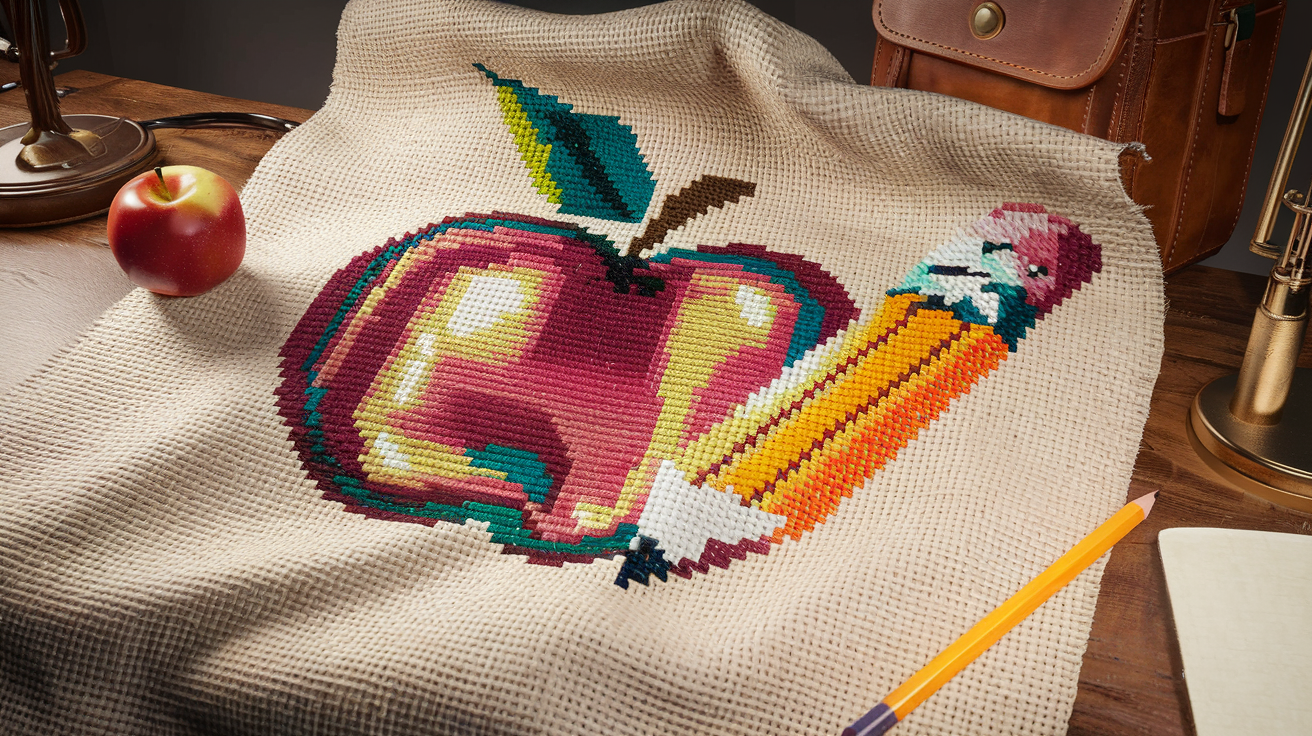
Back to school crafts spark renewed excitement as creative stitchers bring classrooms to life with unique cross stitch designs. School-themed cross stitch patterns—like apples, crayons, or iconic schoolhouses—transform ordinary accessories into custom teacher gifts and standout backpack embellishments.
With printable cross stitch charts and patterns that range from beginner-friendly to advanced, you can personalize pencil cases, student backpack tags, or classroom accessories.
Customization options, such as a teacher’s name or the school year, make each handmade gift a cherished keepsake—perfect for celebrating the start of a new academic year and sharing school spirit.
Choosing School Cross Stitch Motifs
Academic crafts inspire creative minds to choose motifs that celebrate both learning and school memories.
Stitching motifs such as book cross stitch, chalkboard cross stitch, and crayon cross stitch designs evoke classroom nostalgia and school pride. For younger students, vibrant educational motifs like alphabet blocks and friendly apples foster a fun approach to back-to-school crafts.
Older students may prefer more sophisticated student stitch patterns—think graduation caps or student awards—while teacher gift cross stitch ideas can include custom bookmarks or framed school art. Selecting age-appropriate or subject-specific patterns ensures each gift resonates, blending personalized needlework with heartfelt appreciation for the academic year.
Exploring Iconic School Imagery
School cross stitch designs often feature iconic school imagery that evokes nostalgia and enthusiasm for learning.
Consider the classic apple cross stitch, a timeless symbol of appreciation for educators, perfect for personalized teacher gifts.
Another popular choice is the book cross stitch, representing knowledge and the joy of reading, ideal for book cover stitching or custom bookmarks.
These educational motifs, alongside the cheerful crayon cross stitch and the rustic chalkboard cross stitch, provide a wonderful starting point for any academic year crafting project. Lettering designs are also excellent for adding names or encouraging phrases to classroom accessories and personalized school stationery.
Handmade teacher gifts carry a special warmth, transforming simple fabric into meaningful tokens of gratitude.
The act of stitching these personalized teacher gifts allows for a unique expression of appreciation, making each item a cherished keepsake for the academic year.
Personalizing Teacher Gifts and Backpacks
Personalized teacher gifts truly stand out, making the start of the academic year memorable for educators. You can adapt school cross stitch patterns to include a teacher’s name or a special message, creating unique classroom accessories or teacher ornaments.
For students, custom backpack designs can feature their initials stitched onto a backpack cross stitch.
Pencil case embroidery or lunch tote embellishments using these scholastic stitching motifs add a touch of personality to everyday school supplies.
These personalized school gear items become distinctive accessories that reflect individual style.
- Teacher appreciation designs are readily available as downloadable stitch patterns.
- Beginner stitching projects often utilize simple, iconic school imagery like an apple or a book.
- DIY school crafts can easily incorporate free cross stitch designs for quick personalization of pencil bags and student backpack tags.
- Customizable stitch patterns allow for a wide range of creative expression in needlework art.
Versatile Back To School Crafts
Back to school crafts offer countless opportunities for creative expression, from small pencil case embroidery to larger framed school art pieces. Educational giveaways or student awards can be enhanced with simple stitchery inspiration, creating unique classroom stationery ideas. When embarking on these academic year crafts, remember that adaptability is key. Whether you’re creating student stitch patterns for backpack embellishments or teacher ornaments, many downloadable stitch patterns can be scaled or recolored to fit your specific project needs. This flexibility makes for truly bespoke stitching.
Heartfelt handmade gifts, like custom bookmarks or lunch tote embellishments, serve as wonderful ways to celebrate the academic year. These items, created with care, highlight the thoughtfulness behind teacher appreciation designs and everyday school spirit crafts.
Advanced cross stitch patterns can transform larger items like book covers or fabric panels for school event decor. Creating themed sets—for instance, an apple bookmark paired with a crayon pencil case insert—offers coordinated and impressive personalized school supplies. For those seeking unique craft embellishments, explore stitchery inspiration that combines multiple motifs for a sampler effect. The beauty of these school cross stitch patterns lies in their ability to enhance fabric personalization, turning ordinary items into extraordinary expressions of school year celebrations and creative teacher presents.
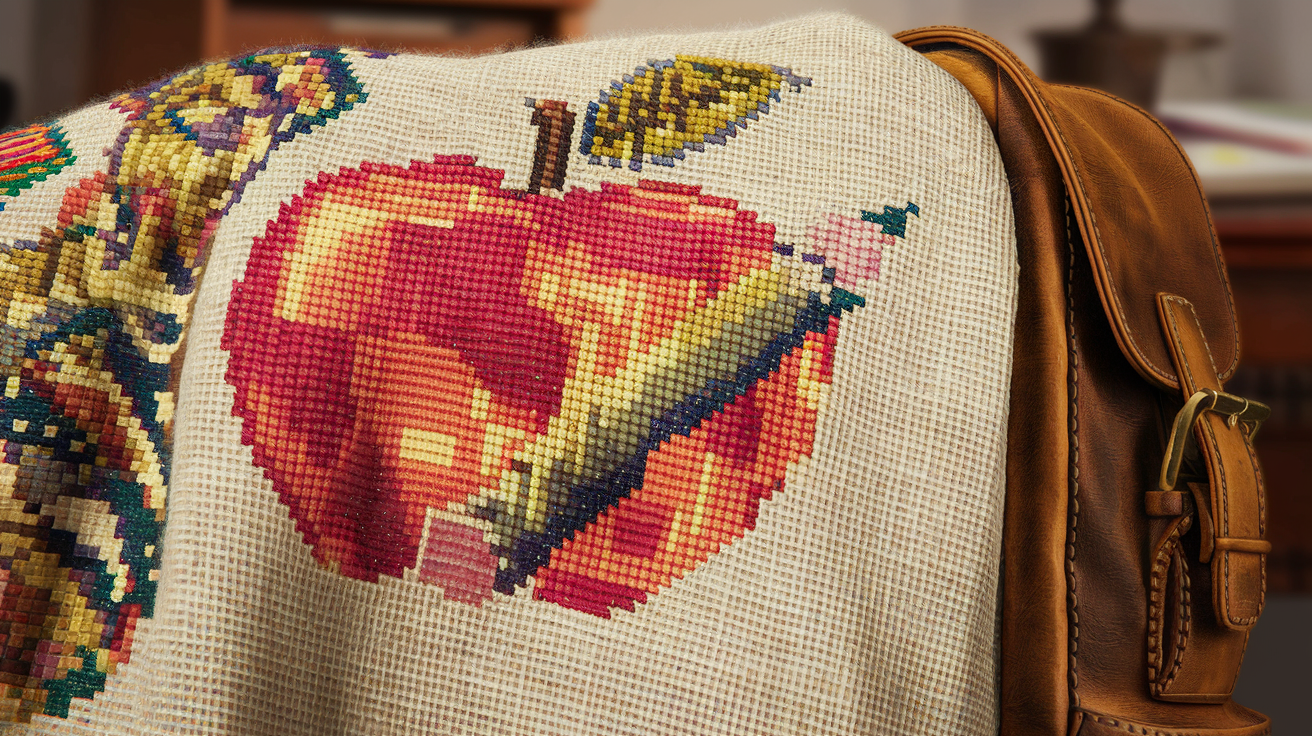
Creating Personalized Teacher Gifts
Back-to-school traditions in many communities highlight the special role teachers play, making personalized teacher gifts a cherished gesture that strengthens the student-teacher bond. Personalized teacher gifts hold deep sentimentality—handmade cross stitch creations featuring a teacher’s name, academic year, or special message go far beyond generic store-bought items.
The time invested in crafting heartfelt handmade gifts is especially meaningful, as many educators treasure these mementos for years to come[2].
Selecting high-quality fabrics like Aida cloth or linen, using durable embroidery floss, and ensuring even stitch tension and neat backstitching help elevate the finish.
Adding thoughtful embellishments—beads, ribbons, or custom backpack cross stitch tags—transforms academic crafts into polished keepsakes suitable for bookmarks, framed school art, or stylish classroom accessories[1][2][4].
Handmade teacher gifts, like cross stitch creations, embody a unique charm that store-bought items cannot replicate. The personal touch invested in each stitch transforms a simple design into a treasured keepsake.
School cross stitch patterns offer a wonderful avenue for expressing gratitude.
Academic year crafts, such as pencil case embroidery or lunch tote embellishments, allow for a spectrum of creativity.
Consider focusing on lettering designs for a personalized touch, making each piece a unique offering. These customizable stitch patterns are perfect for creating teacher ornaments or framed school art that celebrates the academic year.
Offering free cross stitch designs can also be a great starting point for creating beginner stitching projects.
Stitching Iconic School Imagery
Timeless motifs like apple cross stitch, book cross stitch, and crayon cross stitch have evolved with educational traditions, making them core components of school cross stitch patterns for modern back to school crafts.
Iconic school imagery draws on centuries-old symbols—quills, open books, schoolhouses—now reimagined for personalized needlework and creative teacher presents. For accurate detail, study printable cross stitch charts and focus on clean outlines, precise color changes, and carefully executed stitches to bring elements like student backpack tags or custom bookmarks to life.
By combining stitchery inspiration from both classic and contemporary sources, these scholastic stitching motifs connect the heritage of academic crafts with today’s passion for unique craft embellishments and DIY school crafts[4].
Chalkboard cross stitch designs often feature classic educational mottos or simple, impactful school symbols. These designs are perfect for adding a touch of nostalgia to classroom accessories or as part of larger teacher appreciation designs.
School cross stitch offers a versatile canvas for celebrating scholastic achievements.
Teacher gift cross stitch designs can beautifully integrate these elements; consider combining an apple cross stitch with embroidered lettering for a truly bespoke gift.
Advanced cross stitch patterns might incorporate these symbols into more complex scenes, such as a miniature schoolhouse.
For those new to needlework, beginner stitching projects focusing on single motifs like a book or a pencil are highly accessible.
Exploring downloadable stitch patterns provides a wealth of options for school spirit crafts and personalized school stationery.
| Gift Type | Personalization Aspect | Crafting Material/Technique | End Product Use |
|---|---|---|---|
| Personalized Teacher Gifts | Teacher’s name, academic year, special message | Handmade cross stitch, Aida cloth, embroidery floss, beads, ribbons | Bookmarks, framed school art, classroom accessories |
| Academic Year Crafts | Lettering designs, specific academic year | Pencil case embroidery, lunch tote embellishments, cross stitch | Teacher ornaments, framed school art |
| Iconic School Imagery Crafts | Classic school symbols (apple, book, crayon, quill) | Cross stitch, printable charts, needlework | Student backpack tags, custom bookmarks |
Customizing Backpack Cross Stitch Designs
Backpack cross stitch creations offer a wonderful way to personalize school accessories, infusing character into everyday items from the start of the semester. School cross stitch patterns allow crafters to easily incorporate elements like apples, classic “Back to School” lettering, or iconic school imagery such as books and crayons for a lively, scholastic feel.
For lasting appeal, select sturdy cotton threads and reinforce stitched sections with stabilizer or heat-set fabric glue to endure frequent use and washing.
Strategic placement is key—focus on prominent panels or pocket flaps for maximum visibility, or attach stitched patches and student backpack tags, created separately, for both clear display and fabric protection.
This thoughtful method ensures your custom backpack designs are visually striking and hold up throughout the academic year.
Personalized needlework on backpacks can range from simple appliques to full panel designs. Consider stitching a book cross stitch or a collection of crayon cross stitch motifs as a vibrant accent.
Pencil case embroidery using small, quick-stitch designs can add personality to pouches. For a more substantial statement, explore advanced cross stitch patterns featuring schoolhouses or detailed lettering.
Downloadable stitch patterns make it easy to find designs that fit any skill level, from beginner stitching projects to more intricate creations.
These unique craft embellishments truly transform ordinary backpacks into expressions of personal style and school spirit.
What are Academic Crafts?
Academic crafts encompass a wide spectrum of creative endeavors that connect with the educational process, extending beyond mere decorative school cross stitch motifs.
These creations foster problem-solving, refine fine motor skills, and encourage creative expression, ranging from classroom accessories and handmade visual aids to personalized items such as custom bookmarks or framed school art. Crafting educational motifs or engaging in DIY school crafts can aid memory retention and involve students more deeply in interactive learning.
By combining various project ideas, like adding pencil case embroidery to personalize school supplies or creating student awards through crafting, academic crafts cultivate dynamic, hands-on learning environments that promote cognitive development and foster a lasting enthusiasm for both crafting and education.
Academic crafts offer a bridge between learning and creativity, supporting cognitive growth.
They enhance fine motor skills and encourage imaginative thinking.These crafts serve as effective educational tools themselves.
Teacher gift cross stitch projects and school spirit crafts are excellent examples of academic crafts.
The creation of teacher ornaments or personalized school stationery using cross stitch provides a handmade, heartfelt touch to the academic year. Classroom stationery ideas can include stitched journal covers or personalized name tags.
Furthermore, educational giveaways and student awards can be crafted to celebrate achievements. These creative stitching projects, whether simple apple cross stitch designs or complex lettering designs, contribute to a more engaging and personalized learning experience for everyone involved, making the academic year celebration memorable.
Academic Crafts and Backpack Customization
- Cross stitch designs can be used to personalize school accessories like backpacks, incorporating elements such as apples, Back to School lettering, books, and crayons.
- Academic crafts, including cross stitch, help foster problem-solving skills, refine fine motor skills, and encourage creative expression in educational contexts.
- Crafting personalized school supplies like custom bookmarks, pencil case embroidery, or teacher gift cross stitch projects enhances the learning experience and school spirit.
- Strategic placement of stitched designs on backpacks, such as prominent panels or pocket flaps, or using stitched patches and student backpack tags, ensures visibility and durability.
Needlework for Classroom Accessories
School cross stitch patterns open up creative avenues for crafting practical and visually engaging classroom items. For instance, classroom accessories like book covers and backpack embellishments gain appeal with customizable stitch patterns featuring iconic school imagery, such as apples, crayons, or chalkboards.
Durable fabrics like Aida or linen provide longevity, while reinforced techniques ensure they withstand daily academic use.
Needlework art is particularly well-suited for crafting personalized teacher gifts or unique backpack cross stitch tags, helping students identify their belongings and adding a functional, handmade touch that fosters organization and individuality within the learning environment.
Teacher gift cross stitch designs offer a way to create personalized items that show appreciation.
Academic crafts, such as these accessories, can be made more engaging with the inclusion of iconic school imagery. These items are perfect for teacher appreciation designs.
Personalized needlework adds a special touch to everyday items. Heartfelt handmade gifts are always appreciated, and these projects offer stitchery inspiration for creating something unique.
Stitching Bookmarks and Pencil Cases
Custom bookmarks and stitched pencil cases serve as ideal classroom accessories, merging utility with creative self-expression.
Pencil case embroidery provides a vast array of academic crafts, utilizing either beginner stitching projects or more intricate motifs on robust canvas or Aida fabric for consistent use.
For bookmarks, lightweight 14-count Aida fabric supports clear, readable designs and simple customization with names or subject-specific motifs.
Personalized school supplies, like embroidered pencil cases, can feature student initials, preferred school cross stitch patterns, or colors that complement classroom themes. These smaller projects offer a swift, meaningful method to enhance both learning tools and daily routines for students and educators alike.
Book cover stitching and lunch tote embellishments are excellent ways to personalize school items.
Consider custom bookmarks that feature lettering designs or simple representations of subjects. Pencil case embroidery can incorporate student initials or fun, small patterns.
For durability, opt for 14-count or 16-count Aida fabric.
These smaller projects are perfect for beginner stitching projects and can be completed relatively quickly, making them great for group activities or as quick teacher appreciation designs.
Student backpack tags can be made using similar techniques, ensuring that each student’s gear is easily identifiable.
These tags can feature school-themed needlework projects or simple monograms. Personalized teacher gifts can also extend to small ornaments showcasing iconic school imagery, like an apple cross stitch or a book cross stitch motif.
Such items serve as lovely teacher ornaments, celebrating the academic year with unique charm. These are wonderful project ideas for anyone looking to create special, handmade items for the school environment.
- Cross stitch patterns can be used to create practical classroom accessories like book covers and backpack embellishments.
- Durable fabrics such as Aida or linen are recommended for longevity in academic use.
- Personalized needlework, including custom bookmarks and embroidered pencil cases, enhances school supplies and teacher gifts.
- Smaller stitching projects like bookmarks and pencil cases are suitable for beginner stitching projects and can be completed quickly.
Designing Student Backpack Tags
Easy-to-spot student backpack tags transform standard backpacks into truly personalized school accessories, ensuring quick, confident identification each day. Backpack cross stitch designs are ideal for creating these tags, blending the need for visibility with vibrant, student-friendly flair.
Essential personalization means including the student’s name, class, or even a contact number in large, block lettering for optimal readability.
Incorporate school cross stitch patterns such as apples, books, or crayons—icons that evoke school spirit and add charm to daily routines.
Durable materials and secure attachments, such as flexible plastic or sturdy pouches, ensure each tag withstands a busy academic year while looking uniquely appealing to students. School cross stitch patterns capture the spirit of the back-to-school season, offering designs that are versatile for both teacher gifts and student accessories like pencil cases and backpacks.
These patterns integrate iconic motifs—such as schoolhouses, books, apples, and crayons—and can be adapted for a variety of handmade projects to add a personalized, heartfelt touch to the start of the academic year. Motifs include schoolhouses, pencils, apples, crayons, chalkboards, and classic “Back to School” lettering.
Patterns vary in size, suitable for small accessories or larger framed gifts.
Many patterns are free, with ready-to-print charts and keys for easy stitching.
Customization ideas: add teacher’s name, grade, or year for a more personal gift. Ideal for embellishing pencil bags, book covers, lunch totes, and backpack tags.
Useful for crafting bookmarks, ornaments, or framed keepsakes for teachers. Patterns can be adapted in color and scale to coordinate with classroom or backpack color schemes.
Simple motifs are beginner-friendly, while detailed charts suit experienced stitchers.
Downloadable PDFs with a wide selection of charted options for teacher appreciation.
Versatile to stitch singly or combine into collages and samplers. School-themed cross stitch patterns are ideal for handmade teacher gifts and unique back-to-school projects.
Popular motifs include apples, books, alphabet blocks, and crayons for a classic school aesthetic. Patterns can be easily customized for teacher names or student initials.
Free downloadable charts make these patterns accessible for all skill levels.
Embroidered accents personalize pencil cases, backpacks, and classroom accessories.
Quick-stitch designs are perfect for last-minute gifting or beginner projects. Adapt motif size to fit tags, bookmarks, pouches, or framed art.
Create themed sets—like apple bookmark plus crayon pencil case insert—for coordinated gifts. Handmade cross stitch teacher gifts are treasured for their thoughtfulness and uniqueness.
Integrating school-themed motifs into everyday items helps students and teachers celebrate the start of the new academic year.
Personalizing Your Backpack Creations
Personalized teacher gifts, crafted with care, offer a wonderful way to express gratitude.
For instance, a pencil case embroidery project featuring a cheerful apple or a stack of books can brighten a teacher’s day.
Classroom accessories, when personalized, create a more engaging learning environment for all. Consider book cover stitching to protect beloved textbooks or to add a unique flair to reading materials.
Lunch tote embellishments can make mealtime more exciting for students, perhaps with quirky patterns or their favorite colors. Creating custom bookmarks is another simple yet thoughtful way to connect with the academic theme.
For special occasions, teacher ornaments or framed school art provide lasting keepsakes.
The entire academic year can be celebrated with various academic year crafts, from start to finish.
Focusing on stitching motifs that represent iconic school imagery, like an apple cross stitch or a book cross stitch, ties the projects together beautifully. Even something as simple as a crayon cross stitch or a chalkboard cross stitch can bring a smile.
Utilizing various lettering designs, perhaps from printable cross stitch charts or even free cross stitch designs, beginners can easily start their beginner stitching projects, while more complex, advanced cross stitch patterns appeal to seasoned crafters. The beauty of customizable stitch patterns lies in their adaptability for personalized needlework.
These heartfelt handmade gifts serve as unique craft embellishments, providing endless
| Crafting Focus | Key Elements | Purpose |
|---|---|---|
| Student Backpack Tags | Personalization (name, class), Visibility, School Motifs (apples, books) | Quick, confident identification, personalized school accessories |
| Teacher Gifts | Pencil case embroidery, book cover stitching, classroom accessories | Express gratitude, create engaging learning environments |
| General Academic Crafts | Lunch tote embellishments, custom bookmarks, teacher ornaments | Make mealtime exciting, thoughtful connections, lasting keepsakes |
| Stitching Techniques | Beginner-friendly to advanced patterns, customizable stitch patterns | Accessibility for all skill levels, personalized needlework |
Colorful Cross Stitch Bookmark Patterns For Beginners
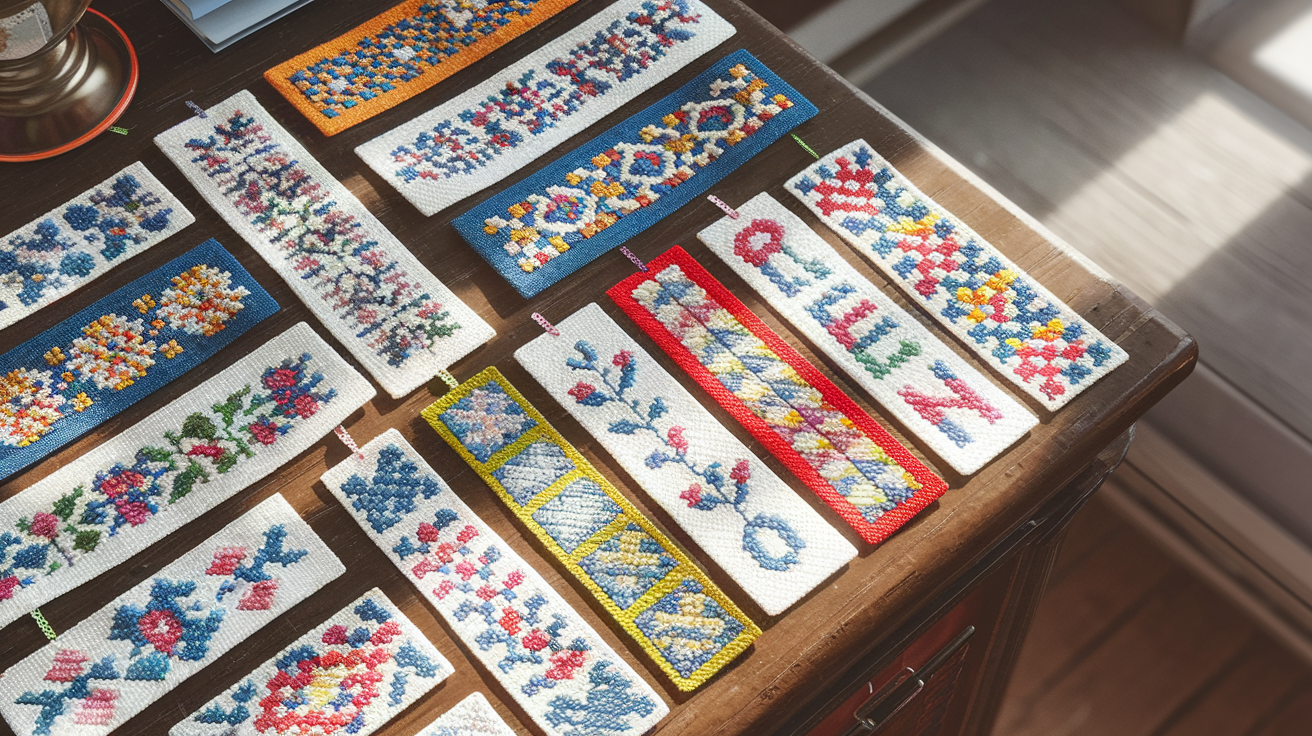
Easy cross stitch bookmarks transform reading accessories into vibrant, personalized treasures—ideal for anyone new to needlework or seeking beginner crafts. Colorful cross stitch bookmark patterns for beginners offer quick and rewarding projects, featuring simple stitches, bold shades, and nature motifs that add creative flair to any book collection.
DIY cross stitch bookmarks are perfect for custom bookmarks or handmade gifts, requiring only basic craft supplies and minimal time commitment.
Beginner patterns use Aida fabric strips and DMC thread for easy handling, enabling even first-time stitchers to enjoy success with floral designs, geometric patterns, or unique, colorful thread colors.
Jump effortlessly into the next step with insights on choosing your cross stitch threads.
Choosing Your Cross Stitch Threads
Embroidery floss selection sets the stage for vibrant, eye-catching bookmark patterns and smooth, satisfying stitchery experiences. Cross stitch threads such as DMC thread or Anchor floss ensure colorful threads that are durable, easy to use, and deliver crisp results for every beginner pattern.
Thread colors in bright, contrasting, or complementary colors let you showcase your creative expression with bold shades or pastel threads, inspired by nature motifs or favorite books.
Types of Embroidery Floss
Cross stitch requires specific threads for clarity and color vibrancy. For beginner crafts, standard six-strand cotton embroidery floss, commonly found in brands like DMC thread or Anchor floss, is ideal for bookmark patterns.
This embroidery floss offers a wide palette of colors, making it easy to find perfect thread colors for your designs.
Beginner patterns often specify the needed embroidery floss, ensuring you have enough to complete your project.
Specialty threads, like variegated or metallic ones, add unique touches to your textile art, but it’s best to save these for future projects beyond introductory projects designed for crafting for beginners.
Selecting Colors for Your Designs
Embroidery floss color choice significantly impacts the visual appeal of your handmade bookmarks.
For vibrant colors, consider bold shades that stand out, or opt for pastel threads for a softer look. Nature motifs often lend themselves to earthy tones and bright floral designs, while geometric patterns can be striking with strong color contrasts.
When selecting thread colors, think about the recipient if these are DIY gifts or personalized gifts.
Having a good assortment of embroidery floss is key for creative expression and making truly unique gifts.
Remember to organize your craft supplies using bobbins to prevent tangling.
Tip: Organize your craft packs with bobbins to prevent tangling and ensure a neat finishing for your stitchery.
Beginner patterns typically detail the required embroidery floss.
Utilizing bobbins helps manage your craft packs, preventing tangling and contributing to neat, stress-free stitching. The right selection of embroidery floss ensures your bookmark patterns are visually appealing and your needlework is a pleasure to create.
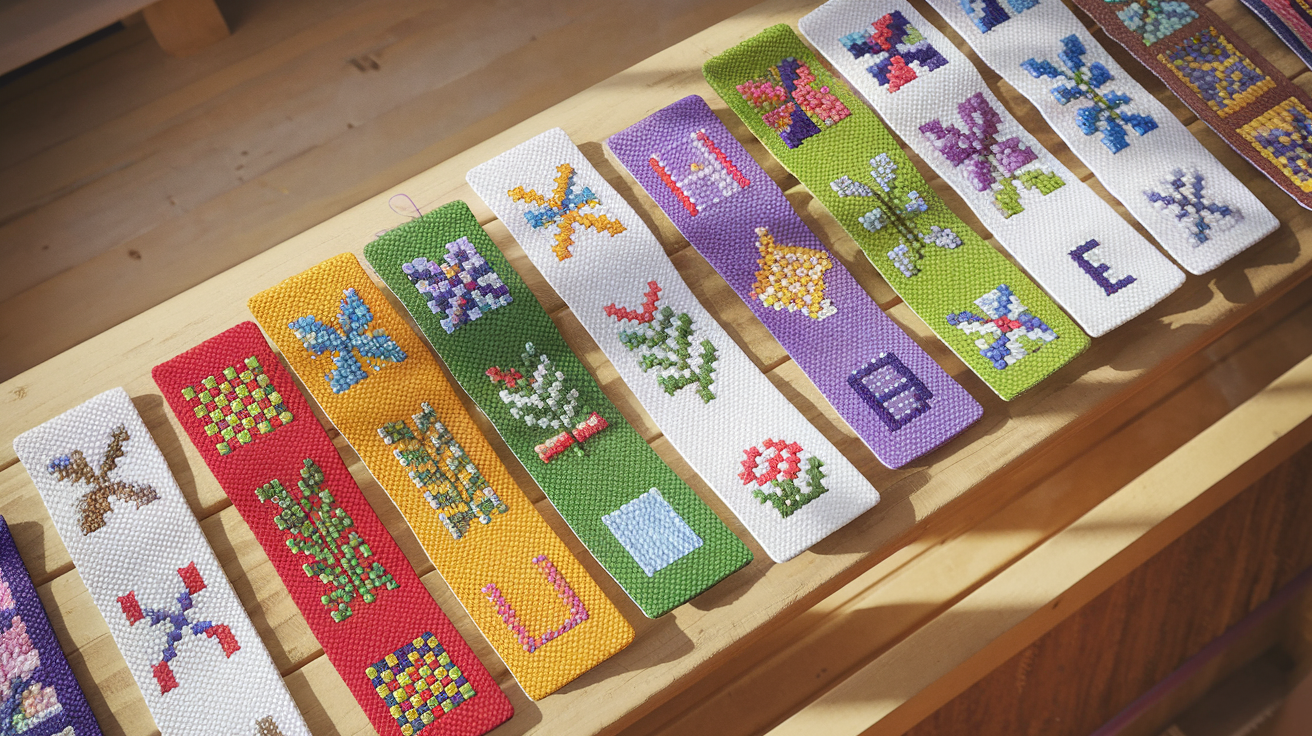
Understanding Aida Fabric for Bookmarks
Aida fabric offers the perfect structure and clarity for beginner crafts, especially when focusing on cross stitch bookmark patterns. This makes it an excellent medium for crafting for beginners and those seeking simple, colorful, DIY gifts.
Fabric strips of Aida, particularly 14-count varieties, feature larger holes that simplify stitch placement.
Each stitch is then easier to see, ensuring even, tidy results.
This is ideal for introductory projects or crafting rapid, handmade bookmarks for fellow book lovers.
Bookmark patterns specifically designed for Aida fabric aid beginners in confidently counting stitches and avoiding common mistakes. Pre-cut Aida bands or cotton strips facilitate a swift start to your creative pursuits.
The visible grid inherent to this material keeps needlework hassle-free, supports wonderfully vibrant designs, and leads to durable, practical projects with a professional appearance.
Simple Stitches for Quick Projects
Simple stitches are fundamental to rapid cross stitch bookmark patterns, ensuring these creative hobbies remain accessible for crafters of all skill levels. The full cross stitch—recognized as the iconic “X”—forms the core of most beginner designs.
This allows makers to easily fill easy designs and create stunning vibrant colors with minimal effort, completing quick projects efficiently.
Bookmark patterns frequently incorporate subtle backstitch outlining to add crisp definition or textual elements, keeping the process speedy and immensely satisfying.
DMC thread or Anchor floss in bold shades or gentle pastel threads further animate handmade bookmarks.
Minimizing color changes also keeps each of these delightful quick projects streamlined, perfect for creating many custom bookmarks. With these stitching techniques, the resulting textile art is always neat and gift-ready.
Key Takeaways for Crafting Bookmarks
- Aida fabric, particularly 14-count, is ideal for beginners due to its larger holes which simplify stitch placement and ensure clear visibility for even results.
- Bookmark patterns designed for Aida fabric help beginners confidently count stitches and avoid errors, with pre-cut bands facilitating a quick start.
- The full cross stitch is the primary stitch for rapid bookmark patterns, allowing for easy creation of vibrant designs with minimal effort.
- Backstitch outlining can be used for definition in bookmark patterns, and using DMC or Anchor floss in bold or pastel shades enhances handmade bookmarks.
Colorful Floral Designs to Stitch
Floral designs truly shine when stitched onto bookmarks, captivating readers with their vibrant colors and enduring charm. These accessible projects, featuring eye-catching roses, cheerful sunflowers, and playful daisies, are frequently found in beginner patterns, making them perfect for crafters at any skill level.
Using DMC thread or Anchor floss in bold shades or pastel threads ensures every stitch stands out, while simple color blocking techniques both simplify and enrich the overall aesthetic.
Aida fabric strips offer a wonderfully sturdy base for detailed nature motifs and other floral elements, like delicate butterflies.
These quick projects not only yield unique gifts but also introduce newcomers to the joy of creative expression and the creation of practical, handmade bookmarks.
Creating Custom Bookmarks with PDF Patterns
PDF patterns significantly simplify the creation of personalized cross stitch bookmarks, providing hobbyists with all they need for successful crafting. These digital patterns include detailed charts, color keys, and symbols, which are particularly beneficial for beginner crafts eager to follow clear, step-by-step instructions.
Stitching on 14-count Aida fabric or evenweave strips allows stitchers to achieve crisp, defined designs. Practical finishing advice, such as applying felt backing using glue or fused methods, guarantees long-lasting results for these custom bookmarks.
The availability of bookmark patterns in PDF format also encourages unique personalization, allowing for the addition of initials or short messages.
This transforms each stitchery project into a truly one-of-a-kind reading accessory and a thoughtful, personalized gift.
Cross Stitch Bookmarks
- Floral designs, such as roses, sunflowers, and daisies, are popular and often found in beginner cross stitch patterns.
- DMC thread or Anchor floss in bold or pastel shades are recommended for vibrant and standout stitches.
- Aida fabric strips provide a sturdy base for detailed nature motifs and floral elements.
- PDF patterns offer detailed charts, color keys, and symbols, making them beneficial for beginner crafts.
Adding a Felt Backing Layer
Cross stitch transforms the look and feel of handmade bookmarks by neatly hiding thread ends, adding softness, and boosting durability for everyday reading accessories. Crafting for beginners will find this step straightforward.
Choosing Your Felt
Begin by trimming your dense felt backing or sticky-backed felt so it’s slightly smaller than the stitched Aida fabric area, which ensures your edges remain crisp and prevents overhang.
This attention to your craft supplies ensures a professional look.
Attaching the Felt
To attach felt, use fabric glue for a quick, flexible bond, or opt for embroidery floss and whipstitch by hand if you prefer a decorative finish. For those with a sewing machine, a zigzag stitch along the edges offers secure, fray-resistant results—each of these backing methods suits beginner crafts and creative hobbies.
Color Coordination
Choose a felt color that enhances your bookmark patterns or matches the dominant shades in your custom, vibrant designs for a seamless and personal touch. This element of creative expression can elevate your textile art.
Felt backing offers great fray prevention and a professional finish for your needlework.
Quick projects like these can be a gateway into extensive stitching techniques with DMC thread or Anchor floss, offering a satisfying sense of accomplishment for book lovers.
Finishing Your Handmade Bookmarks Neatly
Pinking shears or a tight zigzag stitch along raw Aida fabric edges are essential for effective fray prevention when creating neat handmade bookmarks.
This is a key part of neat finishing.
Ironing Before Finishing
Carefully iron the completed cross stitch piece on the wrong side before adding the fused backing or glued backing, which helps flatten even simple stitches and gives a polished, professional finishing touch to your DIY gifts.
This step is part of proper stitchery for beginner patterns.
Securing the Backing
Smoothly apply your chosen backing method—whether stitched, glued, or fused—to avoid bumps and uneven lines, then use sharp scissors for crisp trimming.
This attention to detail ensures your cross stitch bookmarks stand out among beginner patterns as both beautiful and practical projects, ready to be gifted or added to a unique, colorful reading accessories collection.
Neat finishing makes your textile art a joy to behold.
Floral designs, nature motifs, or geometric patterns can all benefit from these finishing touches, making your custom bookmarks a testament to your needlework skills.
Craft packs often include all you need for these practical projects.
Handmade Bookmarks
- Adding a felt backing layer neatly hides thread ends, adds softness, and boosts durability for handmade bookmarks, making them suitable for everyday reading accessories.
- Felt backing offers great fray prevention and a professional finish for needlework, enhancing the overall appearance of textile art.
- Ironing the cross stitch piece before applying backing flattens stitches and provides a polished, professional finishing touch for DIY gifts.
- Securing the backing smoothly and trimming with sharp scissors ensures cross stitch bookmarks are both beautiful and practical, standing out among beginner patterns.
Why Make DIY Gifts for Book Lovers
DIY gifts offer a unique charm that resonates deeply with book lovers, blending personal touch with their passion for reading. Crafting something by hand creates a tangible connection; explore handmade bookmarks as personalized gifts for readers.
Personalized gifts showcase thoughtfulness, far beyond what store-bought items can convey.
Building a custom bookmark allows for the incorporation of specific colors, motifs, or even floral designs that hold special meaning for the recipient.
With each selection of embroidery floss or the choice of Aida fabric, these handmade items become more than just practical reading accessories; they transform into cherished keepsakes. For avid readers, these gestures not only complement their love for literature but also celebrate the joy of giving something truly original.
The Appeal of Handmade Bookmarks
Discovering bookmark patterns, especially those featuring colorful cross stitch, provides a delightful avenue for creative expression. These projects are perfect for crafting for beginners, offering a rewarding experience with beginner crafts.
Many patterns utilize simple stitches and vibrant hues from DMC thread or Anchor floss, making them accessible and visually appealing.
The use of evenweave fabric or Aida fabric ensures a sturdy base for these textile art pieces.
Whether you choose nature motifs, geometric patterns, or classic floral designs, these creations are sure to delight. They are also considered quick projects, ideal for those seeking creative hobbies.
Crafting Your Custom Bookmarks
When creating these DIY gifts, consider the variety of stitching techniques and backing methods. Securing a felt backing or employing a fused backing helps with fray prevention and provides a neat finish to your work.
Pinking shears or a zigzag stitch can also aid in achieving a neat finishing.
Available PDF patterns and digital patterns offer convenience, often serving as introductory projects for those new to needlework.
Practicing with easy designs and beginner patterns builds confidence. Adding personalization with initials or short messages through alphabet charts enhances their status as truly unique gifts.
The array of thread colors, from bold shades to subtle pastel threads, allows for endless customization. Many craft packs and free charts are available, providing all the necessary craft supplies to start.
Enhancing Your Crafting Experience
To elevate the look of your finished bookmarks, a gentle press before the final assembly is recommended.
This simple step ensures a polished appearance, making the handmade bookmarks look professionally made.
Various backing methods, including glued backing or fusing, create a smooth surface and conceal the intricate stitchery from the reverse side. These practical projects are perfect for developing skills in beginner patterns and understanding different stitching techniques.
With numerous video tutorials and step-by-step guides readily accessible, learning new craft ideas has never been easier, making these personalized gifts a joy to create and share with fellow book lovers.
DIY Gifts for Book Lovers
- DIY gifts offer a unique charm and personal touch that resonates deeply with book lovers, creating a tangible connection beyond store-bought items.
- Handmade bookmarks can be personalized with specific colors, motifs, or floral designs, transforming them into cherished keepsakes rather than just practical reading accessories.
- Crafting bookmarks is accessible for beginners, utilizing simple stitches and vibrant thread colors on fabrics like Aida or evenweave, making them rewarding quick projects.
- Techniques such as felt or fused backing, pinking shears, or zigzag stitches help prevent fraying and provide a neat finish, enhancing the professional appearance of the handmade items.