

Back To School Craft Ideas For Kids That Delight
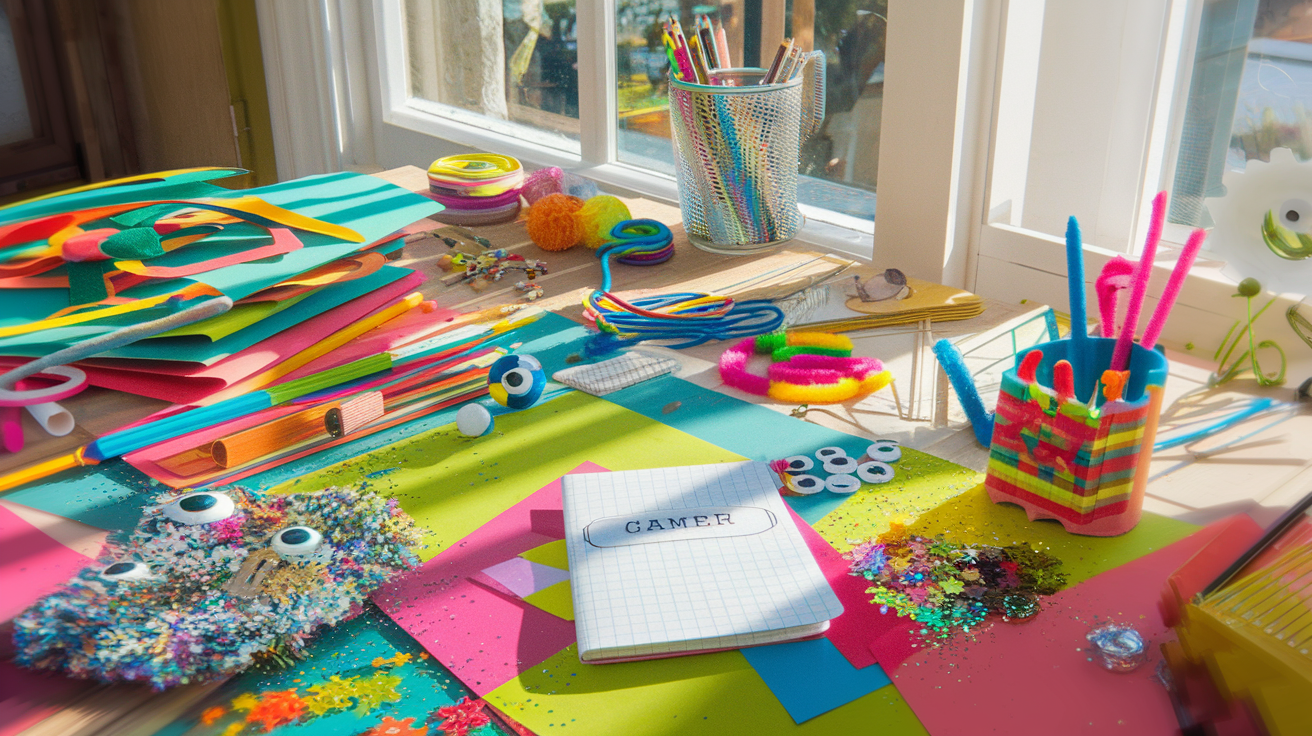
Fresh starts inspire childrens creativity—and nothing jumpstarts school readiness like hands-on, colorful back to school crafts that turn class supplies into keepsakes. These DIY projects, from personalized school supplies and playful pencil holder DIY to unique backpack tags, do more than fill a supply list; they spark confidence and creative expression.
As you move from customizing apple stamping notebooks to assembling popsicle stick crafts or number caterpillar banners, every creation helps ease jitters, build fine motor skills, and transform ordinary materials into unique school gear—making every child’s return to learning truly delightful.
Personalized school supplies for creativity
Personalized school supplies instantly turn ordinary notebooks and folders into special treasures, giving students the chance to showcase their unique style and nurture creative learning tools.
By adding names with stickers or trying simple gluing techniques for custom embellishments, children make study materials that reflect their personality and spark excitement for lessons.
Embroidery threads, monogrammed initials, or even recycled materials let kids practice fine motor skills and foster a sense of pride. Such DIY projects help boost motivation and transform routine study habit aids into meaningful, functional art, ensuring every school day starts with a burst of creativity.
Personalized school supplies offer a fantastic avenue for individual artistic expression, allowing kids to tailor items to their unique tastes.
-
Consider unique embellishments like buttons, glitter, or fabric scraps for custom notebooks and decorative pencil holders. These easy crafts boost enthusiasm for learning.
-
Monogramming initials or adding custom artwork to cardstock tags or backpack tags make items easily identifiable and special. This personal touch fosters excitement and can enhance name recognition activities.
-
These personalized items can significantly boost a child’s enthusiasm for learning, transforming mundane school accessories into cherished possessions. Such DIY projects are great for parent engagement.
Handmade bookmarks, felt puppets, and charming apple stamping creations are just some of the wonderful back to school crafts available. These learning activities help develop fine motor skills and promote creative expression, making school readiness more engaging. With simple tools like scissors and glue, kids can create amazing DIY pencil cases or counts crafts. These easy crafts also offer opportunities for alphabet practice and number recognition activities, supporting educational crafting. Whether you use recycled materials or colorful paper, these hands-on projects for kids provide unique school gear that sparks joy and reinforces learning. Such learning activities are perfect for elementary art sessions, fostering confidence and teamwork. These easy crafts are adaptable for various ages, making them ideal for family crafting sessions. The finished products, like custom notebooks or handmade bookmarks, often become treasured keepsakes, reminding children of their creative accomplishments. These learning activities are wonderful for fostering a positive attitude towards school and developing essential skills for writing and cutting.
DIY Projects for Kids
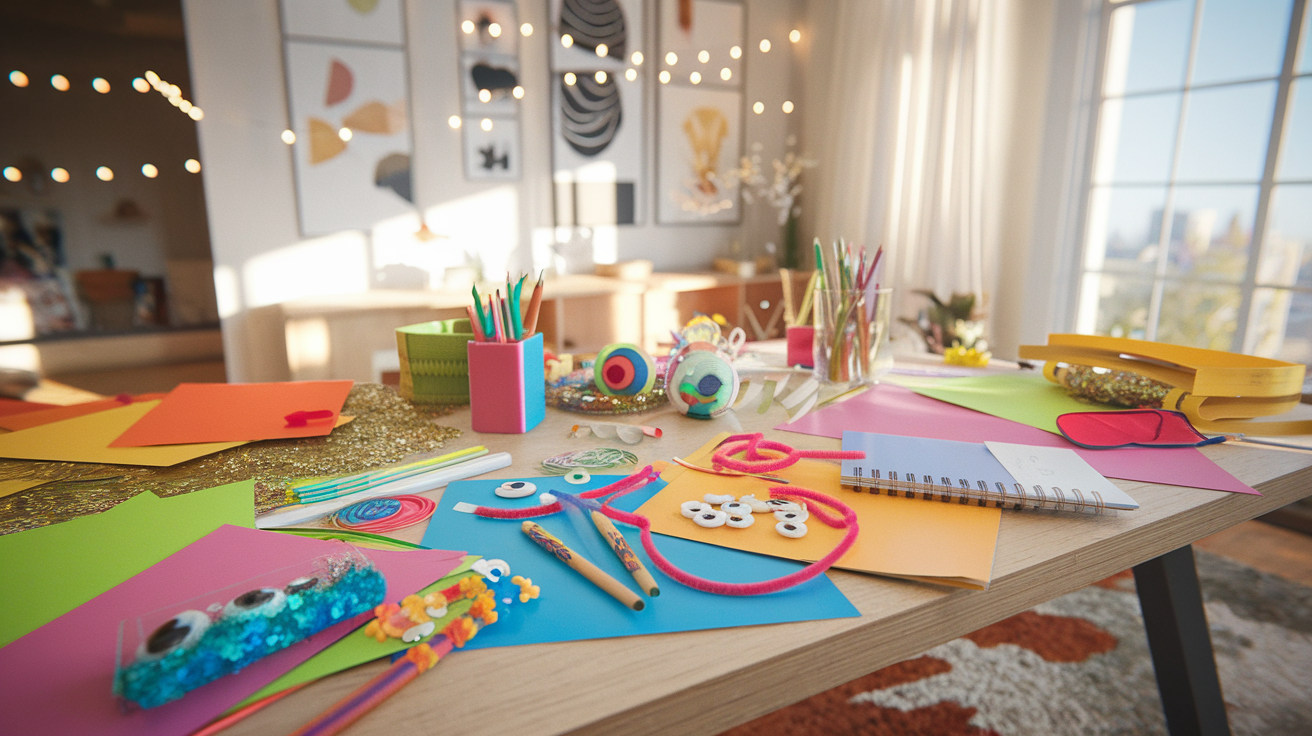
Back-to-school crafts spark creative expression and foster hands-on engagement, making them perfect for preparing children for the academic year. Exploring easy crafts with common household items, like popsicle stick crafts, offers age-appropriate ideas that assist in developing fine motor skills and promoting school readiness.
Consider a simple approach like crafting a personalized school supply with a popsicle stick frame:
Glue two popsicle sticks in a V-shape for the base.
Cut butterfly wings from felt or cardstock and decorate them with markers or paint stamping.
Attach the wings to the popsicle sticks with glue, adding pipe cleaner antennae for a whimsical touch.
This enjoyable activity enhances childrens creativity while producing one-of-a-kind handmade classroom decor.
Pencil Holder DIY Fun
Pencil holder DIY transforms everyday objects into personalized school accessories, cultivating organizational habits and encouraging creative learning tools.
These custom notebooks and holders help children establish responsibility by giving their writing instruments a special place.
Experiment with recycled materials for a trio of distinct approaches to crafting decorative pencil holders:
Wrap and glue colorful paper onto empty cans for a vibrant and easy craft.
Paint or embellish toilet paper rolls, perhaps creating multi-section holders for diverse supplies.
Cover cut plastic bottles with fabric scraps for truly unique school gear.
Add a finishing touch using stencils, googly eyes, or even small felt butterflies, ensuring each holder is a unique expression of childrens creativity and a functional piece of handmade classroom decor.
Benefits of DIY School Crafts
- DIY crafts like popsicle stick frames foster fine motor skills and promote school readiness.
- Creating personalized school supplies and pencil holders cultivates organizational habits and encourages creative learning.
- These activities enhance children’s creativity and result in unique, handmade classroom decor.
- Utilizing recycled materials for pencil holders offers a sustainable and engaging approach to crafting.
Backpack tags easy crafts
Creating personalized school gear for children often starts with crafting unique backpack tags, a delightful back to school crafts endeavor that aids in quick and easy identification of bags. This simple yet effective method involves gathering materials such as durable cardstock tags, waterproof contact paper or laminating sheets, a reliable hole punch, and either sturdy string or a keyring.
Kids can freely express their creative expression by decorating these tags with markers, stickers, or by cutting them into fun shapes, simultaneously practicing name recognition activities and developing fine motor skills.
Applying lamination or waterproof covering ensures the tags withstand the elements throughout the academic journey, making them a practical addition for students.
Attaching the finished tag with string or a keyring not only adds a stylish flair but also reinforces important aspects of school readiness and personal responsibility, making these easy crafts a win-win.
Transitioning from personalizing school accessories to engaging learning activities provides a wonderful avenue for blending hands-on enjoyment with academic concepts, particularly those related to nature and healthy eating.
Apple stamping learning activities
Employing apple stamping as an artistic endeavor within the classroom transforms ordinary fruit into a versatile tool for both engaging kids art and sparking scientific conversations. After carefully halving an apple, young learners dip the exposed surface into washable paint and then press it onto paper, generating vibrant prints.
This process actively encourages the development of creative learning tools, focusing on pattern recognition and reinforcing healthful eating habits.
Educators or parents can effectively link this activity to broader lessons about apple cultivation, plant life cycles, or the benefits of nutritious food, thereby connecting practical learning activities with tangible knowledge.
Tip: Experimenting with different types of apples or cutting them into varied section shapes can produce fascinating and unique print patterns, ensuring each stamping session remains a source of creative discovery and valuable educational crafting.
By using apples for these DIY projects, children explore art while learning about nature’s offerings.
| Crafting Focus | Learning Integration | Key Skills Developed | Materials Used |
|---|---|---|---|
| Personalized Backpack Tags | Name Recognition, Responsibility | Fine Motor Skills, Creative Expression | Cardstock, Contact Paper/Laminating Sheets, Hole Punch, String/Keyring |
| Apple Stamping | Nature, Healthy Eating, Plant Cycles | Pattern Recognition, Creative Learning | Apples, Washable Paint, Paper |
Recycled Materials for School
Back to school crafts offer inventive ways for students to upgrade ordinary recyclables into must-have school essentials. Transforming items like plastic bottles, cardboard tubes, old magazines, and fabric scraps into personalized school supplies not only sparks creativity but also highlights the importance of upcycling for a healthier environment.
For example, an empty tin can becomes a decorative pencil holder DIY by wrapping it with colorful paper and adding unique artwork or stickers.
These hands-on projects for kids foster environmental stewardship, add function to the classroom, and empower learners by showing that small, sustainable choices make a difference.
Popsicle stick crafts, for instance, can be repurposed into unique classroom decorations or functional items.
Consider making felt puppets by attaching felt shapes to popsicle sticks, encouraging storytelling and name recognition activities. DIY projects like creating custom notebooks or decorative pencil holders from recycled containers are popular among students.
Cardstock tags, transformed with paint stamping or simple drawings, add a personal touch to backpacks. These upcycled school items, such as DIY pencil cases made from PET bottles, promote resourcefulness.
Handmade bookmarks, crafted from felt or construction paper, are perfect for encouraging a love of reading.
Learning activities involving these common recycled items, like apple stamping, contribute to a positive attitude toward learning.
Elementary art encourages children to explore new ideas, develop fine motor skills, and understand that there is no single correct way to create. Parent engagement in such educational crafting fosters a supportive environment.
Creative learning tools provide a tangible link between everyday objects and artistic creation.
Creative Expression Through Art
Kids art serves as a powerful platform for building self-confidence and emotional growth through varied artistic experiences in the classroom. Activities such as drawing, painting, and collage help children explore new ideas, develop fine motor skills, and learn there’s no right or wrong in creativity.
Creating backpack tags or experimenting with “expressive watercolor & salt art”—simply sprinkling salt onto wet watercolors to watch magical textures appear—encourages self-expression with minimal materials.
These beginner craft ideas make art accessible, inviting every child to discover their personal style while supporting confidence and individuality on their learning journey.
Creative expression through various art forms allows children to explore their inner world and process emotions constructively.
These learning activities foster self-discovery, offering a safe outlet for feelings and building resilience. Childrens creativity flourishes when given opportunities for easy crafts, such as making simple art projects like felt butterflies or number caterpillars for counting crafts.
Handmade classroom decor, like custom notebooks or personalized stationery, can reflect individual personalities. Engaging school activities that incorporate these elements can prepare students for school routines and encourage positive social interaction.
Craft inspiration for kids often stems from simple materials, leading to delightful results like decorative pencil holders or alphabet practice with painted letters.
Educational crafting plays a significant role in developing essential skills, boosting confidence, and fostering a sense of accomplishment.
Recycled School Crafts
- Transforming recyclables like plastic bottles, cardboard tubes, and fabric scraps into school essentials sparks creativity and highlights the importance of upcycling for a healthier environment.
- DIY projects using recycled materials, such as tin cans for pencil holders or PET bottles for pencil cases, foster environmental stewardship and resourcefulness.
- Activities like creating felt puppets on popsicle sticks or making custom notebooks from recycled containers encourage storytelling, name recognition, and personalization.
- These hands-on projects contribute to developing fine motor skills, boosting confidence, and fostering a positive attitude toward learning and environmental responsibility in children.
Fine Motor Skills Development
Back to school crafts lay groundwork for success, refining fine motor skills and boosting kids’ abilities in writing, cutting, and even tying shoelaces. Crafting personalized school supplies or assembling pencil holder DIY projects consistently strengthens small muscles, reinforcing hand-eye coordination during creative sessions; these learning activities are foundational for school readiness.
Refining Hand-Eye Coordination
Activities that refine hand-eye coordination are particularly important for children’s development.
Connecting previous craft and art-focused topics to this skill highlights how playful engagement supports essential growth.
Consider the classic game Pick Up Sticks as a specific example of a game or toy that targets these skills effectively; children carefully remove sticks from a pile without disturbing other pieces, requiring keen observation and controlled finger movements.
Therapists often recommend such games for targeting finger isolation and grip, key foundations for school readiness in the classroom; embracing playful challenges alongside art and crafting aids lasting motor development and preparing children for academic and daily tasks.
Apple stamping, a simple yet effective technique, uses halved apples dipped in paint to create fun prints, symbolizing the start of school; this activity is a form of kids art promoting tactile engagement. Similarly, popsicle stick crafts, like designing butterfly shapes with popsicle sticks, felt, and pipe cleaners, are excellent for classroom decorations and developing dexterity.
Creating number caterpillars by arranging and numbering colored circles encourages counting and number sense, linking mathematical concepts with educational crafting. These DIY projects, from personalized school supplies like backpack tags made from cardstock tags decorated with markers and paint stamping, to DIY pencil cases from PET bottles or fabric, foster creative expression and a positive attitude toward school.
Handmade bookmarks, such as cloud-shaped or animal bookmarks from felt or construction paper, inspire reading and serve as useful reading aids.
Name recognition activities, personalizing backpacks or wall hangings with alphabet letters, practice letter formation, an essential part of elementary art.
Felt puppets, made using felt and buttons, foster imagination and pattern-following skills, making them wonderful for puppet making and storytelling.
Custom notebooks and decorative pencil holders allow children to express their unique style; these upcycled school items can be transformed using stickers, drawings, or fabric scraps. The process of creating handmade bookmarks or assembling counting crafts provides hands-on learning opportunities, encouraging patience and precision.
Activities like transforming empty cans or toilet paper rolls into colorful pencil holders using paint and paper are considered easy crafts that build confidence. Repurposing recycled materials for DIY projects like reusable pencil cases supports environmental awareness alongside skill development.
Parent engagement is amplified when these crafts are completed together, fostering teamwork and communication.
Teacher crafts can also be adapted, providing engaging classroom decor or study habit aids.
These engaging school activities, whether simple art projects or beginner craft ideas, are designed to unlock childrens creativity. Exploring seasonal craft ideas or themed school projects can extend learning, turning craft sessions into dynamic educational experiences.
Offering craft inspiration for kids through these handson projects for kids equips them with unique school gear and promotes study habit aids.
- Crafting activities like assembling pencil holder DIY projects and creating personalized school supplies consistently strengthen small muscles and reinforce hand-eye coordination.
- Games like Pick Up Sticks are recommended by therapists for targeting finger isolation and grip, which are key foundations for school readiness.
- Activities such as apple stamping and popsicle stick crafts promote tactile engagement and develop dexterity, contributing to fine motor skill development.
- DIY projects using recycled materials, like transforming cans or toilet paper rolls into pencil holders, support environmental awareness alongside skill development.
Textured Baby Blanket Knitting Patterns Single Color
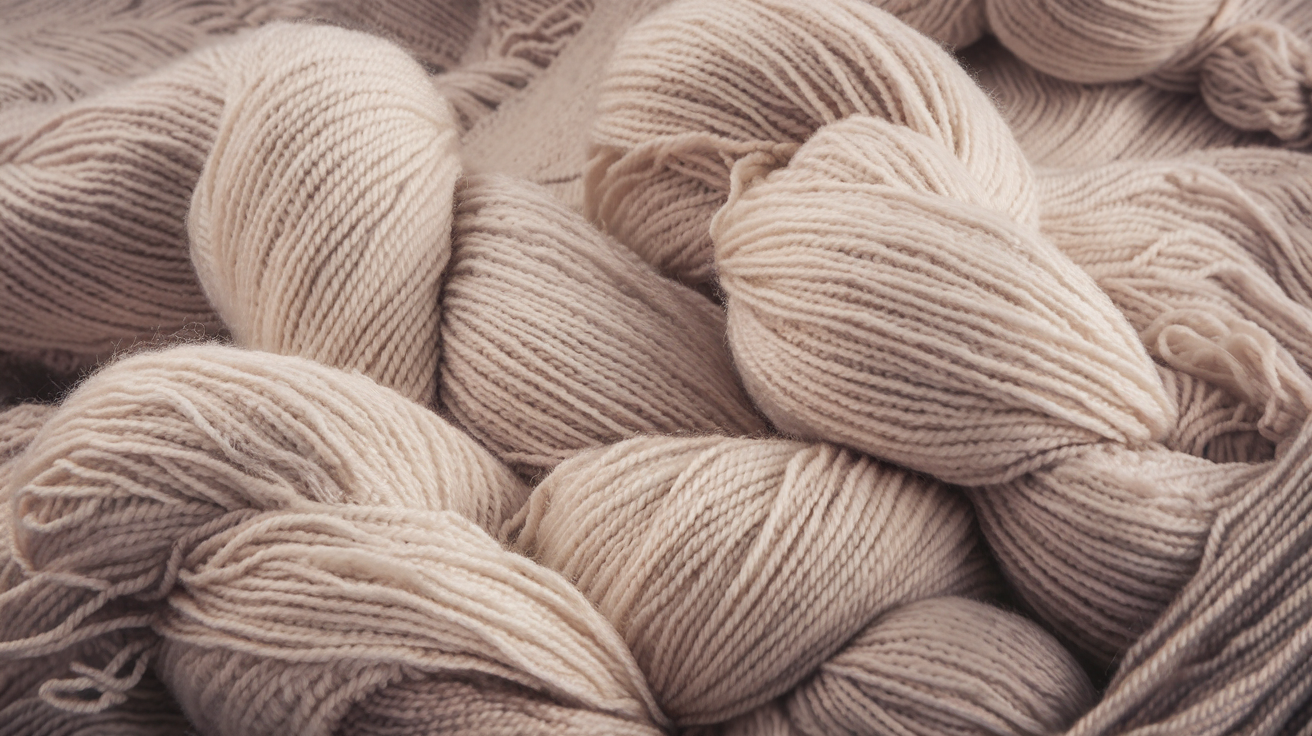
Textured baby blanket knitting patterns provide a modern approach, transforming single color yarn into wonderfully tactile fabric. Knitting with raised stitch designs allows your craftsmanship’s intricate details to stand out, casting subtle shadows and creating depth across the surface for a visually captivating effect.
Beginner knitting projects can easily incorporate garter stitch accessories and seed stitch swaddles, while knitters with more experience might gravitate towards basketweave baby throws or cable knit blankets.
Every monochromatic baby wrap offers an opportunity for personalization—experiment with yarn weight variations to achieve your ideal single shade coziness.
When crafting classic baby blankets or modern baby quilts, these handmade baby essentials remain consistently timeless and imbued with affection.
Next, discover why knit stitch depth is essential for achieving striking texture in your baby blanket.
Discover Knit Stitch Depth
Knit stitch depth and the way fabric drapes begin with maintaining consistent tension, which stands as a requirement for flawless, professional-looking outcomes. Textured baby blankets truly come alive when the correct stitch size is selected—larger stitches enhance the visual relief, while tighter stitches provide subtle refinement.
Basketweave patterns are a favored choice for knitters exploring intermediate stitch techniques, introducing sensational depth to a single color blanket. The raised effect of cables or relief pattern creations visually and physically elevates your project, catching light from every angle.
With each subsequent row, you’ll observe how texture shapes both the project’s style and its inherent softness, making your baby blanket knitting project a treasured item within any DIY nursery decor.
How to Create Single Shade Coziness
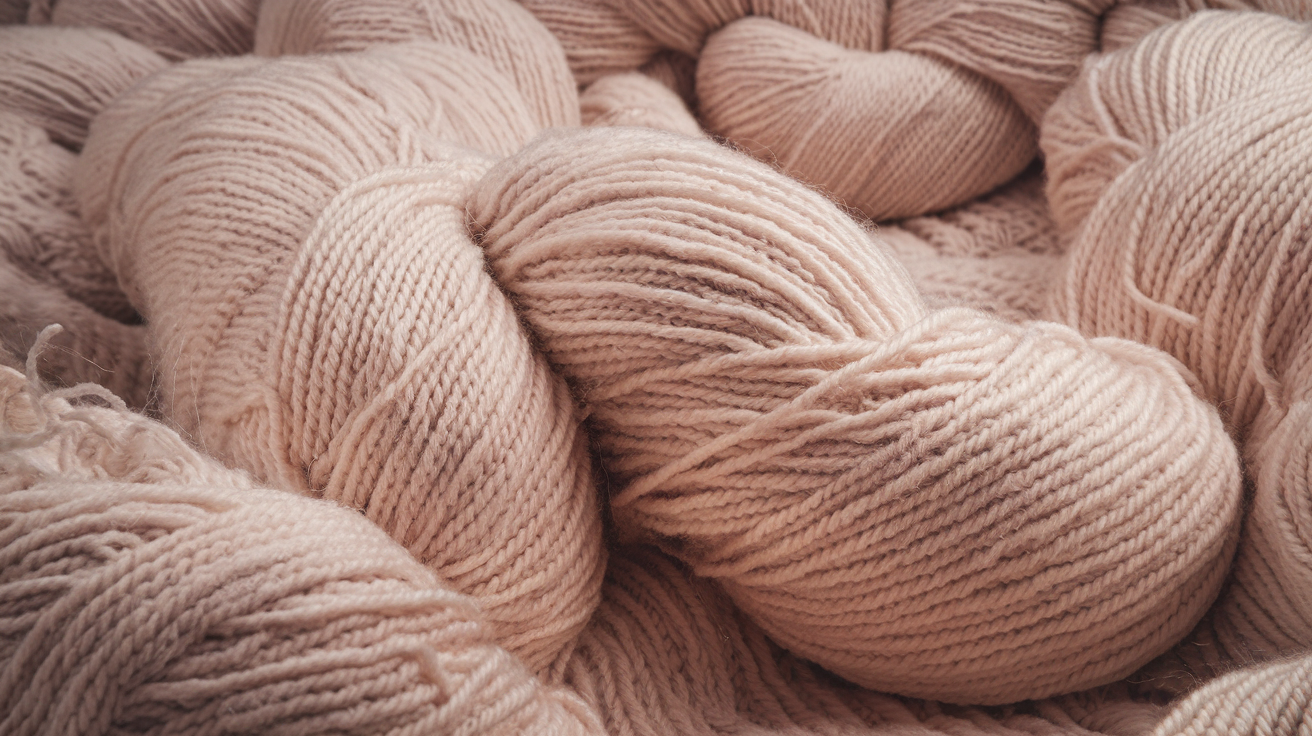
Textured baby blanket knitting in a single shade transforms a basic item into a modern heirloom, using light and shadow to give depth. Single shade coziness emerges by choosing textured stitches—like garter, seed stitch swaddles, or subtle cables—that layer warmth visually and tactilely, echoing the appeal of monochromatic baby wraps.
Merino wool softness and wool blends offer slight heathering and clear stitch definition, ideal for displaying nuanced texture.
Intermediate stitch techniques benefit from a simple tip: maintain even, gentle tension throughout to ensure an ultra-luxurious, flawless finish, even with one color.
Raised stitch designs can build advanced knitting skills and pattern reading confidence.
What are Raised Stitch Designs
Raised stitch designs add sculptural interest by lifting sections of your blanket, transforming flat fabric into tactile baby garments. Aran sweater traditions inspire these patterns—classic cables and relief pattern creations—which are especially dramatic when paired with yarn weight variations.
DK or bulky yarn makes raised stitches, such as the cable stitch (C4F or C4B), particularly prominent, offering both beginner knitting projects and bold cable knit blankets. Knitting cables across rows of stockinette forms raised ropes, while repeated panels and defined borders deliver signature texture to modern baby quilts and classic baby blankets alike.
Textured Knitting
- Textured knitting in a single shade creates depth through light and shadow, making a simple item a modern heirloom.
- Textured stitches like garter, seed stitch, or subtle cables visually and tactilely layer warmth, similar to monochromatic wraps.
- Merino wool and wool blends are ideal for displaying nuanced texture due to their slight heathering and clear stitch definition.
- Raised stitch designs, inspired by Aran sweater traditions, add sculptural interest and tactile appeal to baby garments.
Best Basketweave Baby Throws
Few textured stitches offer as much sensory comfort for newborns as the classic basketweave, making it a standout choice among basketweave baby throws and classic baby blankets for tactile baby garments. With a beautiful raised stitch designs effect, a single shade coziness blanket highlights the interplay of light and shadow across each block, adding knit stitch depth that enhances visual and tactile interest for monochromatic baby wraps.
To balance durability and softness, select yarns that offer both; merino wool softness is exceptionally soft, while cotton breathability is ideal for warm climates.
For busy households, acrylic durability ensures ease of care for your DIY nursery decor.
Avoid scratchy yarns to ensure sensitive skin is never irritated by your handmade baby essentials.
Yarn Fiber Content for Durability and Softness
- Merino Wool: Exceptional softness and gentle touch—the premium option for baby essentials and baby shower presents.
- Cotton Blends: Soft, breathable, and hypoallergenic, ideal for single shade coziness in warm climates.
- Acrylic/Acrylic Blends: Machine-washable, colorfast, and excellent for busy households seeking acrylic durability in DIY nursery decor.
Tip for Resizing This Pattern
Tuning your throw or modern baby quilts is simple. Always adjust stitch counts in pattern multiples (such as six or eight stitches) across the width—preserving the relief pattern creations and balanced edges of your knit project.
Simple Seed Stitch Swaddles
Cradling a newborn in a seed stitch swaddle promises gentle breathability, subtle single shade coziness, and a non-constricting comfort perfect for tactile baby garments and genderneutral baby gifts. The signature textured stitches of the seed stitch pattern create a fabric that lies flat, resists curling, and maintains a plush bumpy feel—making it an excellent beginner knitting project for those new to knit. For swaddles in every season, yarn weight variations make adapting easy, from airy monochromatic baby wraps to dense textures.
Alternative Yarn Weights
- Lightweight (Fingering/Sport): Ideal for airy, warm-weather swaddles or monochromatic baby wraps.
- Medium Weight (DK/Worsted): Versatile for year-round comfort and classic baby blankets.
- Heavyweight (Bulky/Chunky): Best for extra warmth and single shade coziness in colder climates.
Practical Tip for Edge Finishing
To keep edges tidy and prevent rolling, finish with a few rows of garter stitch accessories or seed stitch, framing your relief pattern creations with a polished touch. This also helps manage any potential curling in your knit projects.
- The basketweave stitch offers significant sensory comfort for newborns due to its textured nature, making it a popular choice for baby blankets and tactile garments.
- Yarn selection is crucial for balancing durability and softness; merino wool provides exceptional softness, while cotton offers breathability, and acrylic ensures durability and ease of care.
- The seed stitch is a beginner-friendly knitting project because it lies flat, resists curling, and maintains a plush, bumpy texture, suitable for swaddles and gender-neutral gifts.
- Adjusting yarn weight is an effective method for adapting seed stitch swaddles for different seasons, ranging from lightweight for warm weather to heavyweight for colder climates.
Choosing Garter Stitch Accessories
Garter stitch accessories showcase remarkable elasticity, making them perfect for items like cozy scarves and monochromatic baby wraps, where comfort and a great fit are key. The reversible nature of garter stitch ensures both sides of your accessory look equally polished, ideal for items such as scarves that are viewed from all angles.
Merino wool softness, cotton breathability, and acrylic durability yarns beautifully accentuate the garter texture while providing warmth and resilience.
For scarf projects, selecting yarns in a single shade allows the raised stitch designs to truly stand out, a strategy that enhances the knit stitch depth and the appeal of a single shade coziness.
To seamlessly integrate color changes, a helpful tip involves weaving in new yarn ends as you knit; this practice maintains a neat appearance, ensuring a refined finish for your garter stitch accessories.
Easy Beginner Knitting Projects
Beginner knitting projects frequently begin with mastering the garter stitch, enabling crafters to build foundational skills before venturing into more complex patterns like basketweave baby throws or other intricate stitches. Patterns for baby blanket knitting in a single shade highlight a comforting texture and rich knit stitch depth, offering new knitters a deeply satisfying introduction to relief pattern creations.
Starting with simpler items, such as coasters or dishcloths, helps reinforce essential techniques, while progressing to easy textured baby blanket patterns, including seed stitch swaddles, provides gradual skill development. A good finishing tip involves always using a yarn needle to carefully weave in any loose ends on the wrong side of your work—this process creates neat edges, adding polish to DIY nursery decor or treasured baby shower presents.
Knitters who have mastered these basics can then confidently explore intermediate stitch techniques and beyond.
Garter Stitch and Beginner Knitting
- Garter stitch’s elasticity makes it ideal for accessories like scarves and baby wraps where comfort and fit are important.
- The reversible nature of garter stitch means both sides of an accessory look polished, which is beneficial for items like scarves.
- Mastering garter stitch is a common starting point for beginner knitters, building foundational skills before moving to more complex patterns.
- Beginner projects like coasters and dishcloths help reinforce essential knitting techniques, preparing crafters for more advanced projects.
What are Relief Pattern Creations
Relief pattern creations transform baby blanket knitting into a richly tactile and visually dynamic experience by manipulating knit and purl stitches to form raised or recessed areas within the fabric. The tactile baby garments created by these techniques play a critical role in adding both knit stitch depth and dimension, making even monochromatic baby wraps engaging to the touch and eye.
Knitting a simple relief pattern—like alternating panels of ribbing and stockinette—creates a subtle 3D effect that works beautifully for borders, all-over designs, or as a central feature for DIY nursery decor.
Relief pattern creations are not only attractive; they are also practical, as the added structure makes blankets cozy and durable for everyday use, offering single shade coziness.
Exploring Relief Pattern Creations
Relief pattern creations, often seen in cables knitting or delicate seed stitch swaddles, enhance the beauty of single color blanket designs.
These textured stitches play a vital role in developing advanced knitting skills, offering a sophisticated look for genderneutral baby gifts. The interplay of light and shadow across raised stitches adds dimension without the complexity of colorwork.
For example, a simple basketweave baby throws pattern, worked by alternating blocks of knit and purl stitches, provides a wonderfully tactile surface perfect for snuggling. This technique is also excellent for garter stitch accessories, providing a subtle yet engaging texture that elevates a project from simple to stunning.
Many of these designs are suitable for beginner knitting projects, with gradual introductions to intermediate stitch techniques.
Choosing the right yarn, such as merino wool softness or cotton breathability, further enhances the final product, ensuring comfort and durability for these cherished handmade baby essentials.
- Example: An easy beginner’s motif is a mock cable worked by alternating knit and purl stitches in short sections—ideal for beginner knitting projects or accent trims on classic baby blankets. These raised stitch designs add a wonderful dimension to any knit.
Stitch manipulation in relief patterns highlights the appeal of single shade coziness, turning simple yarn into a unique, handmade baby essential. These relief pattern creations are perfect for baby shower presents, offering a timeless and cherished item. Consider incorporating various yarn weight variations to achieve different levels of density and warmth, making items like modern baby quilts or simple knit baby booties. The beauty of these patterns lies in their ability to showcase the yarn’s natural texture and drape, providing a delightful sensory experience for both the knitter and the recipient, whether it’s a soft merino wool softness scarf or a durable acrylic durability toy.
- Relief pattern creations enhance the tactile and visual experience of baby blankets by using knit and purl stitches to create raised or recessed areas.
- These textured stitches, seen in techniques like cables and seed stitch, add dimension and depth, making monochromatic designs more engaging.
- Relief patterns are practical, contributing to the coziness and durability of handmade baby items, and can be suitable for both beginner and intermediate knitters.
- By manipulating stitches, relief patterns showcase the natural texture and drape of yarns like merino wool or cotton, creating cherished handmade baby essentials.
How To Crochet The Jethro Cardigan Modern Sweater Pattern
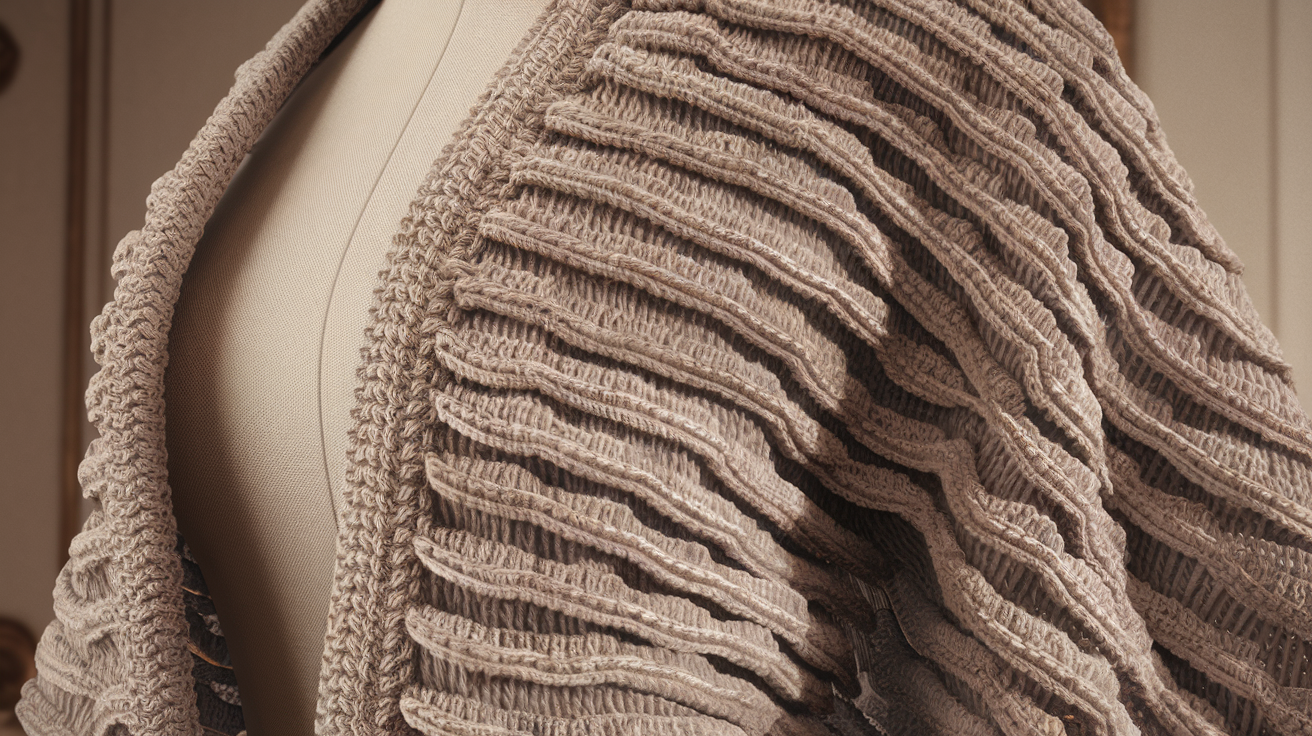
The Jethro Cardigan pattern, a creation by the renowned Tanis Lavallee design, revolutionizes the concept of a modular sweater with its innovative approach. This crochet knit hybrid seamlessly blends classic granny square construction with refined knitting finishing, appealing to those who delight in contemporary crochet.
An intermediate crocheter will find joy in this project, as it integrates crochet body panels with expertly knitted sleeves, resulting in a truly textured sweater.
The focus on DK weight yarn selection and achieving a personalized fit empowers you to experiment with unique color placement and size precision.
As a key element of a stylish wardrobe upgrade, mastering the open front silhouette and clean lines offers immense potential for creating a truly stylish look. The crucial step of yarn selection, considering fiber content is paramount for achieving the desired drape and warmth in this hybrid garment.
Crafting Your Jethro Cardigan: Essential Yarn Guidance
Choosing the appropriate DK weight yarn is fundamental to realizing the full potential and ensuring the lasting comfort of your Jethro Cardigan.
The yarn fiber content significantly influences the drape and warmth of the finished piece, making natural fibers such as wool or alpaca excellent choices for an advanced crochet knit hybrid project. For this specific crochet sweater pattern, Tanis Fiber Arts PureWash DK is often recommended due to its superb balance of durability and a luxuriously soft feel.
Given the emphasis on modular construction, your gauge swatch is a critical component; a DK yarn sweater relies on this precision for an impeccably stylish fit.
Those who are intermediate crocheters and exploring this particular technique will also discover that using blends and employing careful color management significantly enhances versatility, allowing your distinctive unique color placement and personal style to truly shine through in your modern handmade sweater.
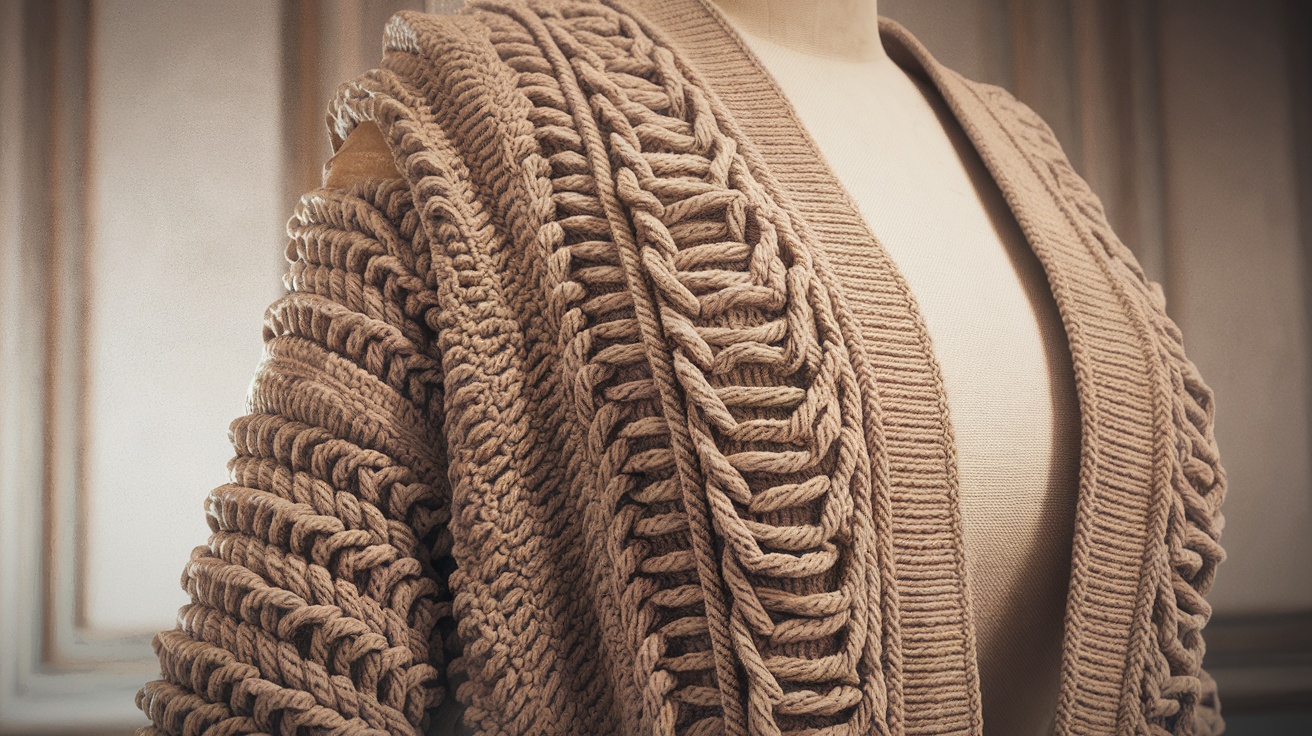
Understanding the Granny Square Construction
Building upon foundational crochet stitches, this Jethro Cardigan pattern, a Tanis Lavallee design, commences with the creation of a slipknot and a chain four to establish the center ring, followed by strategic clusters of double crochet stitches to build up your granny square construction—with each cluster forming a “shell” around the central loop. For optimal size precision and seamless blocks fitting elegantly, the Tanis Lavallee design suggests DK weight yarn and a 75mm (F) hook.
- Consistent tension, achieved by a relaxed grip and steady yarn feed, guarantees each square aligns perfectly for the modern crochet sweater aesthetic.
- Visualize how squares will join for the final design; plan the layout and joining of your blocks before garment assembly for a personalized fit and silhouette customization, seeing how your crochet body panels develop into the stylish open front of the cardigan, a key element of this granny square cardigan pattern.
- After crocheting, steam blocking each square refines the finished dimensions, setting the foundation for a clean, contemporary fit and significantly easing the seaming process.
This approach to granny square knitting transitions you smoothly towards the sophisticated knit and crochet combine that defines this hybrid garment.
Mastering the Crochet Knit Hybrid
This crochet knit hybrid approach seamlessly integrates knit and crochet techniques, elevating the Jethro Cardigan pattern with a unique combination of texture and structure by blending crochet body panels with knitted sleeves and knitted ribbing, a hallmark of the Tanis Lavallee knit crochet expertise.
- Stitch compatibility is foundational: careful attention to needle sizes (5mm for ribbing, 4mm for sleeves) and DK weight yarn ensures a smooth visual transition, preventing puckering where different techniques meet, a vital aspect for a structured garment.
- When picking up stitches for knitted sections, practice tension control across both methods for a unified look, ensuring consistent tension for a cohesive fabric and a professional, wearable silhouette, a key component of the customizable knit crochet.
- The hybrid technique allows for advanced techniques like join-as-you-go seams and blocking for sweaters at each stage, guaranteeing customizable fit and a refined result unique to this modern knit crochet.
With this harmony of knit and crochet combine, you achieve a contemporary, personalized wardrobe upgrade that transitions effortlessly from casual layering to a standout statement piece, showcasing your personal style with a stylish look.
Key Construction and Hybridization Details
- The Jethro Cardigan pattern, a Tanis Lavallee design, utilizes DK weight yarn and a 75mm (F) hook for precise granny square construction.
- For the hybrid sections, stitch compatibility is achieved with 5mm needles for ribbing and 4mm needles for sleeves, both using DK weight yarn.
- Techniques like steam blocking and join-as-you-go seams are recommended for a personalized fit and refined result in this knit and crochet combine.
- The design blends crochet body panels with knitted sleeves and knitted ribbing to create a unique combination of texture and structure.
Assembling Your Modular Sweater
To begin the Jethro Cardigan pattern assembly, approach connecting your completed modules with precision. Modular sweater construction, a hallmark of the Tanis Lavallee design, necessitates planning your assembly order to prevent any distortion.
The crochet knit hybrid technique means careful attention to how each piece integrates.
Employing join-as-you-go seams or traditional methods like the mattress stitch is recommended for DK weight yarn, ensuring the garment boasts clean lines.
Consider your yarn choice; the Tanis Fiber Arts offerings, especially multicolored options, can influence the best joining technique for durability and an invisible finish. Attaching knitted ribbing and the knitted sleeves similarly requires focused effort for a seamless fusion of crochet and knitting.
This careful garment assembly creates the foundation for achieving a truly personalized fit.
Joining Techniques
Crochet joining techniques are essential for pieceing together the panels of your modular sweater. Whether you opt for join-as-you-go seams or more traditional methods after completing your granny square construction, precision is paramount for a structured garment.
The Jethro Cardigan pattern, designed for an intermediate crocheter, often guides crafters toward methods that maintain the integrity of the stitch work.
For instance, when working with DK weight yarn, the whip stitch or mattress stitch can provide a strong yet flexible connection, contributing to the textured sweater.
The integration of knitted elements like the sleeves and ribbing requires a complementary approach to ensure the hybrid technique results in a cohesive, polished hybrid garment. Careful attention to these details during assembly ensures both size precision and aesthetic appeal for your modern knit crochet creation.
Attaching Knit Elements
The Jethro Cardigan pattern often includes elements that require knitting finishing.
Attaching the knitted ribbing, for example, is a key step in completing your crochet sweater pattern. This knit ribbing techniques section ensures your modular knit crochet piece has a polished and professional edge.
Similarly, the knitted sleeves are integrated using specialized knitting finishing methods, contributing to the overall knit and crochet combine.
The success of your crochet hybrid sweater hinges on the seamless integration of these distinct techniques, creating a truly unique and stylish look.
Techniques for a Personalized Fit
Achieving a personalized fit in the Jethro Cardigan pattern involves intentionally shaping your crochet body panels and making adjustments as you progress.
True silhouette customization begins with minor stitch variations at panel edges or along sleeve caps, empowering crafters with control over the garment’s drape and overall fit. Regular try-on adjustments allow you to identify and rectify any potential sizing issues before committing to final seaming.
The Tanis Lavallee design emphasizes this iterative process for a perfect outcome. Careful application of blocking techniques—whether steam or wet—after each major stage refines measurements and shapes the pieces with precision, contributing to a high-quality finish.
Incorporating appropriate ease ensures flexibility for comfort and a modern style; gauge preferences must be carefully managed and adapted to your personal style as you join modules.
Selecting tailored fit options transforms your hybrid garment into a truly stylish handmade cardigan.
Shaping and Sizing
Silhouette customization for your modern handmade sweater can be achieved through deliberate shaping of the crochet body panels.
The Jethro Cardigan pattern provides guidance on how to incorporate subtle increases or decreases, allowing for a truly bespoke silhouette. As you work, take time for try-on adjustments; this is a simple yet effective way to ensure size precision and avoid fitting issues.
Regularly checking the fit of your granny square cardigan pattern sections helps you make necessary modifications early on. The Tanis Lavallee knit crochet approach often highlights the importance of this hands-on adjustment process for a garment that feels custom-made.
Whether you are working with DK weight yarn or another fiber, these adjustments are key to realizing your vision for this customizable knit crochet project.
Blocking and Ease
The Jethro Cardigan pattern, a prime example of a modern knit crochet piece, relies heavily on proper blocking for sweaters to achieve a perfect fit.
Steam blocking or wet blocking after completing major sections of your modular sweater is paramount for measurements and shape.
The Tanis Lavallee design encourages this step for precision, ensuring your textured knit crochet piece drapes beautifully. Consider the role of ease—the amount of roominess built into the garment—as it significantly impacts comfort and the overall stylish look of your crochet hybrid sweater.
The Jethro Cardigan is designed with an open front, offering flexibility in styling and layering. By thoughtfully incorporating ease and employing effective blocking techniques, you enable sweater fit customization, allowing the DK yarn sweater to become a reflection of your personal style, making it a genuine wardrobe upgrade.
- The Jethro Cardigan pattern is a crochet knit hybrid design by Tanis Lavallee.
- This pattern utilizes DK weight yarn and suggests techniques like join-as-you-go seams or mattress stitch for assembly.
- Achieving a personalized fit involves shaping crochet body panels, making try-on adjustments, and proper blocking techniques.
- The design emphasizes seamless integration of knit elements like ribbing and sleeves for a polished, hybrid garment.
Advanced Techniques for a Stylish Look
Elevate your design with textured stitches, taking your Jethro Cardigan pattern beyond basic to a truly bespoke piece. Explore colorwork patterns for visual interest within each modular sweater section.
Refine finishing details for a professional appearance, seamlessly integrating the crochet body panels with the knitted sleeves and knitted ribbing for a chic crochet knit hybrid.
These advanced techniques, characteristic of a Tanis Lavallee design, ensure a structured garment with precise size and individual style.
Exploring Textured Stitches
Textured stitches breathe life into your contemporary crochet, offering tactile and visual depth to the Jethro Cardigan pattern. Consider incorporating the basketweave or seed stitch within your granny square construction for dynamic surface interest on each module.
This approach allows for a truly customizable knit crochet piece, showcasing your personal style.
Strategic Color Management
Color management is paramount for a striking, stylish look in this modular sweater.
Experiment with unique color placement across your crochet body panels to create a visually engaging, multicolored yarn effect.
This thoughtful approach to your DK weight yarn ensures a distinctive and modern handmade sweater.
Seamless Hybrid Finishing
Knitting finishing, such as perfectly executed knitted ribbing for cuffs and hems, harmonizes beautifully with the crochet body panels. This signature hybrid technique exemplifies the versatility of a crochet hybrid sweater, blending the best of both worlds.
The result is a sophisticated knit and crochet combine garment with clean lines.
Finishing Your Contemporary Crochet Garment
Attach any edgings or subtle embellishments to your body panels for a tailored touch on your modern knit crochet Jethro Cardigan, enhancing its polished appeal.
Block your finished piece for shape and uniformity, a key step for aligning your granny square cardigan pattern and ensuring seams lay flat.
Securely weave in all yarn ends, particularly reinforcing any knit ribbing techniques, to maintain durability and a professional finish on your DK yarn sweater.
These final touches guarantee crisp, clean lines and a structured garment ready for your wardrobe upgrade.
Essential Blocking for Shape
Blocking for sweaters, whether through wet or steam blocking, is indispensable for achieving perfect uniformity in your granny square construction.
This process ensures that each section of your Jethro Cardigan pattern aligns correctly, leading to a beautifully structured garment with precise sizing. It’s a cornerstone of advanced crochet knit techniques.
Securing Yarn Ends
Yarn end weaving is a simple yet vital step, especially when completing knit ribbing techniques on sleeves and hems.
Meticulously securing all yarn ends reinforces the durability of your hybrid garment, ensuring the longevity of your stylish handmade cardigan.
This detail contributes to the overall professional appearance of your crochet sweater pattern.
Adding Final Embellishments
Consider attaching any optional edgings or subtle embellishments to your crochet body panels.
This stage allows for further personalization of your Tanis Lavallee design, contributing to a unique color placement and a silhouette customization for a truly personalized fit. It’s an approachable design element for any intermediate crocheter.
Key Techniques for a Bespoke Garment
- Textured stitches like basketweave or seed stitch can be incorporated into granny square construction for enhanced tactile and visual depth.
- Strategic color placement across crochet body panels can create a visually engaging, multicolored yarn effect.
- Finishing techniques such as knitted ribbing for cuffs and hems harmonize with crochet body panels to create a seamless hybrid.
- Blocking, whether wet or steam, is essential for achieving perfect uniformity and precise sizing in the Jethro Cardigan pattern.
Caring for Your Jethro Cardigan
Keeping your Jethro Cardigan pristine is simple when following tailored maintenance for its unique crochet knit hybrid creation. For the recommended DK weight yarn, always review specific washing instructions unique for your chosen fiber type; gentle hand washing or delicate machine cycles help preserve the modular sweater integrity.
Modern crochet sweater pieces like this benefit from careful drying; simply lay your Jethro Cardigan pattern flat to dry, avoiding hanging to maintain its shape.
For those with an intermediate crocheter skillset, storing your cardigan folded, not hung, guards its silhouette.
Address any minor snags or loose granny square joining promptly—quick fixes prevent larger issues, protecting your textured, personalized knit and crochet combine.
Washing and Drying Guidance
To ensure longevity for your Jethro Cardigan pattern, a Tanis Lavallee design, always follow the specific washing instructions for your chosen yarn.
This crochet knit hybrid piece, featuring granny square construction, requires a gentle touch. Opting for hand washing with mild detergent is ideal, or use a machine’s delicate cycle.
Wash cold water.
Use mild soap.
Avoid bleach.
When drying, gently squeeze out excess water without wringing, as this can distort the garment’s shape.
Lay flat to dry.
This step is essential for maintaining the structured garment, especially the crochet body panels and knitted sleeves.
Storage and Minor Repairs
Proper storage will help maintain the shape for your Jethro Cardigan, a truly unique color placement masterpiece.
Fold your cardigan neatly and store it on a shelf rather than hanging.
This prevents stretching, particularly in the shoulders and sleeves.
Store folded.
Avoid hangers.
Address any minor repairs, such as loose ends or small holes, promptly to prevent further damage.
This attention to detail ensures your stylish handmade cardigan retains its clean lines and overall integrity.
Weave in ends.
Secure loose stitches.
For a truly professional finish for your modern handmade sweater, consider occasional steam blocking to refresh its shape and texture.
Proper care ensures your Jethro Cardigan, a testament to the knit and crochet combine, remains a cherished wardrobe upgrade for years.
The Jethro Cardigan pattern, a celebrated Tanis Lavallee design, showcases a sophisticated blend of granny square construction and knitted elements, offering an approachable design for the intermediate crocheter.
This modular sweater relies on meticulous construction, merging crochet body panels with knitted sleeves and knitted ribbing to achieve its distinctive silhouette.
Achieving size precision is paramount throughout the garment assembly, with blocking after each stage, including the joinasyougo seams, ensuring the integrity of the hybrid technique.
The recommended DK weight yarn, such as that from Tanis Fiber Arts, allows for vibrant color management, ideal for those who enjoy using multicolored yarn for striking visual appeal. Special techniques like steam blocking and knitting finishing contribute to the garment’s polished appearance and customizability.
This textured sweater, with its open front and potential for personalized fit, allows for silhouette customization, making it a truly unique addition to any wardrobe. Mastering this crochet sweater pattern, which also incorporates knit granny squares, leads to a satisfying creation.
Enjoy the process and the resulting stylish look of your hybrid garment.
This modern knit crochet piece exemplifies the beauty of combining craft disciplines for a fantastic wardrobe upgrade.
Key Information for Jethro Cardigan Care
- The Jethro Cardigan is a crochet knit hybrid design, utilizing a DK weight yarn.
- Gentle hand washing or delicate machine cycles are recommended to preserve the modular sweater’s integrity.
- Proper drying involves laying the cardigan flat to prevent distortion of its shape, especially the crochet body panels and knitted sleeves.
- Storage should be done by folding the cardigan rather than hanging to avoid stretching, particularly in the shoulders and sleeves.
Free Aura Pullover Crochet Pattern Review For Beginners
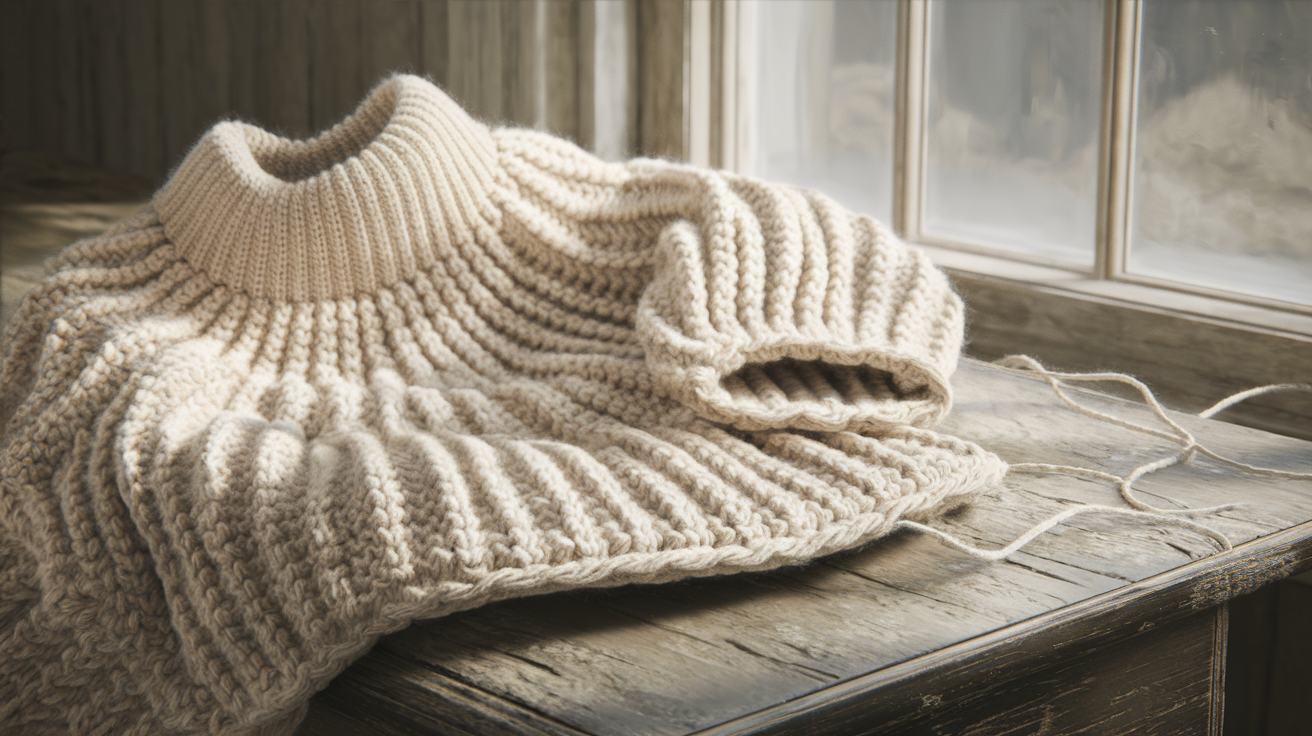
Discovering the Aura Pullover crochet masterpiece opens the door to crafting a piece of stylish crochet apparel that’s equal parts modern crochet fashion and classic comfort. The Velvet Acorn pattern is renowned for its beginner-friendly, detailed guidance, making it a practical design for your first sweater project or a quick addition to your handmade wardrobe.
With its timeless sweater design, seamless construction, and clear US crochet terms in the downloadable PDF pattern, this accessible pattern supports novice success, confidence-building projects, and broad crafter range.
Experience the joy of handcrafted crochet clothing with a relaxed fit and sophisticated drape perfect for sweater layering and everyday wear.
Unpacking the Aura Pullover Pattern
Before you start stitching, deciphering a downloadable PDF pattern like the Aura Pullover crochet design is essential for a smooth experience as you learn crochet garment construction.
Beginner crochet sweater projects often hinge on understanding gauge swatching and US crochet terms—these set the stage for accurate sizing and a polished result, fostering a satisfying results.
Gauge Swatch: Your Fit Foundation
Gauge swatch creation is key; make a 6×6-inch sample in your chosen yarn selection and recommended hook size to verify fit and stitch definition.
This practical design ensures your finished piece aligns with the intended measurements, a confidence-building project for any crafter.
Stitch Counts: Precision for Progress
Stitch counts are fundamental; meticulously track stitches at the end of each row or round to prevent mistakes early, aiding your garment construction learning. This attention to detail is one of the most important crochet tips for beginners, leading to a polished result.
Stitch Markers: Highlighting Key Areas
Stitch markers are invaluable tools; place markers to precisely flag shaping points, such as neckline and armholes, ensuring clean assembly and proper finishing techniques.
This prevents common pitfalls in sweater layering and aids in garmentmaking.
Crochet tips for beginners include referencing pattern abbreviations and proactively marking intricate areas—confidence-building steps for novice crafters tackling their first handmade pullover.
Yarn Selection for Your Sweater
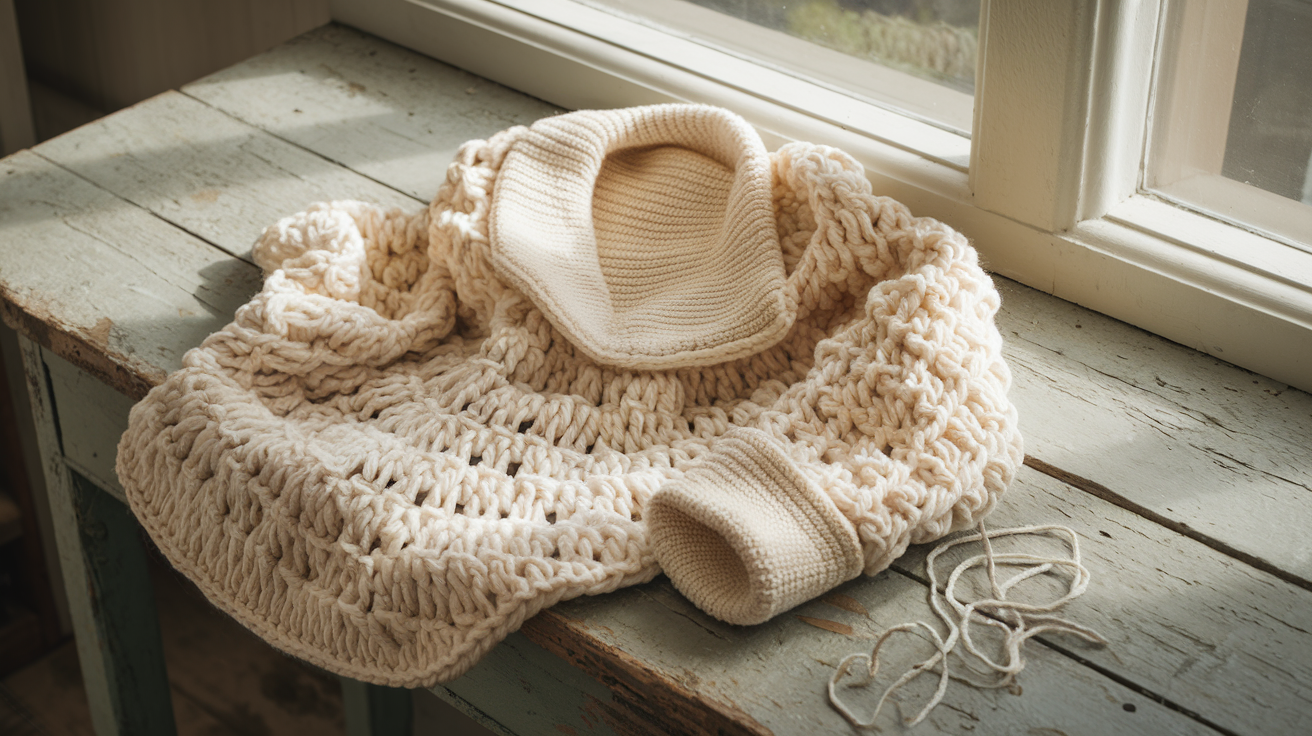
Choosing the right yarn makes all the difference in your Aura Pullover crochet project, directly connecting yarn choice to the previously discussed pattern complexity. For creating a beginner crochet sweater, opt for soft medium-weight fibers that offer good drape and warmth; consider wool blends for a cozy feel or cotton-bamboo mixes for year-round layering.
Softer yarns enhance stitch definition, lending a classic texture with modern appeal to straightforward construction and simple silhouettes, supporting your skill-building in garment construction.
If you’re mindful of your budget, high-quality acrylic blends mimic the feel of premium fibers, providing durability and easy care for your handcrafted crochet clothing.
Always ensure your yarn selection includes checking dye lots; purchase sufficient yarn from a single lot, and alternate skeins as needed to maintain color consistency throughout your sweater project.
Fiber Properties for Drape and Warmth
The texture and weight of your yarn significantly influence the garment’s drape and warmth, key factors for any comfortable pullover. Selecting fibers with excellent drape ensures your creation hangs beautifully, providing a flattering fit for stylish crochet apparel.
For year-round layering pieces, breathable yet warm fibers are ideal, contributing to a cozy experience.
Budget-Friendly Yet Premium Feel
Discovering a budget-friendly yet durable yarn that mimics a premium feel is achievable with many acrylic blends. These options offer excellent value, providing warmth and good drape without the higher cost of natural fibers.
Consistency is Key: Dye Lots and Yarn
Always check yarn dye lots and consistency before you begin your crochet garment construction.
Buying enough yarn from a single lot prevents color variations, and alternating skeins can help ensure a uniform look, leading to satisfying results.
Beginner Crochet Sweater Success
Achieving beginner crochet sweater success hinges on reinforcing foundational skills for garment creation, drawing parallels to mastering general crochet techniques.
For many, developing consistent stitch tension is the primary objective.
Embracing the journey of crochet garment construction, including common beginner stumbling blocks like shaping techniques and assembly projects, becomes manageable with patience and practice. Using mattress stitch for flat pieces delivers a seamless, polished result for your handcrafted crochet clothing.
Before embarking on your first sweater project, creating a gauge swatch is paramount—it’s not just about size, but previewing how your chosen yarn interacts with your hook size. This step is essential for previewing how your chosen yarn interacts with your hook size, ensuring both fit and good drape.
Crochet tips for beginners often emphasize setting aside extra time to master blocking and seaming, contributing to a cozy experience and a satisfying, well-finished pullover that aligns with modern crochet fashion.
Tip: Practice your seaming techniques on scrap fabric before joining sweater panels.
This helps ensure a neat, professional finish and prevents any unwanted bulkiness, leading to a polished result for your first sweater project.
Overcoming Common Stumbling Blocks
Common beginner stumbling blocks in sweater construction often involve shaping techniques and assembly projects.
A practical tip for seaming pieces together neatly is to use a yarn needle and the same yarn, meticulously following the stitch pattern for a seamless construction.
The Importance of Gauge Swatches
A gauge swatch is critical for accurate sizing and drape, offering insight into how stitch patterns will perform. It previews how your chosen yarn interacts with your hook size, ensuring your sweater fits perfectly.
Mastering Seaming and Finishing
Mastering finishing techniques, like blocking and seaming, elevates your handcrafted crochet clothing.
These steps are essential for achieving a professional look and a comfortable, wearable art piece.
- Soft, medium-weight fibers like wool blends or cotton-bamboo mixes are recommended for beginner crochet sweaters due to their good drape and warmth.
- High-quality acrylic blends can offer a premium feel, durability, and easy care at a budget-friendly price point.
- Checking dye lots and purchasing sufficient yarn from a single lot is crucial for color consistency throughout the sweater project.
- Creating a gauge swatch before starting is essential to ensure accurate sizing and to preview how the chosen yarn and hook size interact for optimal fit and drape.
Mastering Crochet Garment Construction
Transforming a simple crochet piece into a polished result occurs through advanced assembly methods that build structure and a professional finish. Crochet garment construction flourishes with seaming techniques, such as the mattress stitch for invisible joins and reinforcing high-stress areas like shoulders and sleeves.
Blocking is essential; shaping your wet or steamed pieces to the precise dimensions ensures the finished Aura Pullover crochet maintains its intended fit and drape.
Positive ease, typically adding 2–4 inches to your measurements, significantly enhances comfort, making your beginner crochet sweater perfect for effortless sweater layering.
Meticulously finishing all yarn ends and securing edges guarantees a professional touch, elevating your handcrafted crochet clothing into wearable art.
Advanced Assembly and Finishing
Delving into crochet garment construction reveals techniques that create structure and a professional finish without duplicating specific stitch instructions.
For instance, the seamless construction of a top-down sweater or bottom-up sweater differs significantly from piecing together separate panels, often resulting in a more refined look. Assembly projects like a raglan sleeve construction require precise seaming, often using techniques that mimic knitwear.
The importance of blocking cannot be overstated for achieving the intended garment shape and a truly polished result. Consider incorporating positive ease for comfort, ensuring your comfortable pullover provides a relaxed fit for year-round layering.
Customization and Personalization
Elevate your crochet garment construction learning by exploring yarn personalization.
Selecting quality fibers, such as soft medium-weight fibers, contributes significantly to the garment’s good drape and warmth.
Seasonal adaptation also plays a role; a lighter yarn can make a timeless sweater design suitable for spring, while a heavier yarn offers cozy warmth for winter.
Embrace color changes and custom edging to reflect your personal style and create truly unique, handcrafted crochet clothing. These elements transform a standard pattern, like the Aura Pullover crochet, into a modern crochet fashion statement.
Simple Crochet Tips for Beginners
Achieving satisfying results and confidence-building projects, like your first sweater project, often begins with mastering a few foundational techniques.
Crochet tips for beginners emphasize checking your gauge swatch; matching the pattern’s specifications, as found in the Aura Pullover crochet, ensures reliable sizing. Careful reading of US crochet terms and pattern symbols supports accurate execution.
For dropped stitches, immediately secure the loop with a stitch marker or contrasting yarn before picking it back up to prevent further unraveling.
Foundational Techniques for Success
These foundational building blocks directly impact the garment outcome, linking your beginner crochet sweater experience to more complex projects.
Basic stitch accuracy, maintaining a consistent stitch count, and understanding your hook size are paramount.
The downloadable PDF pattern for the Aura Pullover crochet provides detailed guidance for each stage, ensuring a straightforward construction process and a simple silhouette ideally suited for those new to garmentmaking. This practical design facilitates novice success.
Troubleshooting and Yarn Management
A simple troubleshooting tip for dropped stitches involves immediate securing of the errant loop.
This prevents the stitch from unraveling further into the fabric, maintaining the integrity of your handcrafted crochet clothing. A quick tip for managing yarn tails during continuous work is to weave them along the wrong side as you proceed.
This straightforward construction method results in a neat and comfortable beginner crochet sweater, contributing to a polished result and a good drape.
A yarn selection of soft medium-weight fibers ensures warmth and a pleasing texture, making your creation a trending crochet staple.
Key Aspects of Crochet Garment Construction
- Seaming techniques like the mattress stitch are crucial for invisible joins and reinforcing high-stress areas in crochet garments.
- Blocking is an essential step to shape wet or steamed crochet pieces to their precise dimensions, ensuring the intended fit and drape.
- Incorporating positive ease, typically 2–4 inches added to measurements, significantly enhances comfort and suitability for layering.
- Checking gauge swatches and accurately reading pattern symbols are foundational techniques for beginners to ensure reliable sizing and execution.
Assessing Pattern Difficulty with Textured Yarns
The Velvet Acorn pattern, while appealing to many, presents particular considerations when textured yarns are used, impacting the crochet skill levels needed. Yarn selection is paramount; velvet’s plush surface can affect stitch definition, potentially masking errors and influencing tension consistency—elements vital for a polished result in any beginner crochet sweater.
Before beginning, a thorough review of the accessible pattern and any available positive reviews offers insight into its demands.
A practical tip for those new to such fibers involves testing stitch patterns with a small swatch of velvet yarn to assess comfort, visibility, and to identify any potential issues before embarking on the main crochet garment construction.
Versatile Sweater Layering Options
Aura Pullover crochet projects offer exceptional versatility for creating stylish, seasonless sweater layering ensembles that boost both functionality and modern crochet fashion.
Diverse garment silhouettes, from an oversized sweater to a relaxed fit, comfortably layer over collared shirts or slim-knit tees, easily adjusting for warmth or visual interest across different climates. The choice of yarn selection directly influences layering; smooth, soft mediumweight fibers promote a sleek appearance under jackets, whereas a more textured yarn highlights the character of handcrafted crochet clothing.
Harmonizing or contrasting colors can forge an eye-catching layered look, ensuring your handmade wardrobe remains fresh, adaptable, and aligned with your personal style or trending crochet staples.
For a truly versatile piece, consider how different yarn textures contribute to its layering potential. A textured fabric, for instance, adds depth when a simple silhouette is layered over it, creating a visually rich combination that speaks to fashion forward aesthetics.
Styling Your Handcrafted Creations
Crafting a stylish knitwear alternative means embracing the adaptability of your creations.
The Aura Pullover crochet pattern is a prime example of a practical design intended for yearround layering.
Pair your finished pullover with a crisp button-down shirt for a smart-casual look, or layer it over a simple long-sleeve tee for a more relaxed feel.
For cooler weather, try layering a vest or a lightweight jacket over your crochet piece to add extra warmth and dimension to your crafted creation, ideal for everyday wear.
Broader crafter range accommodates various styling preferences, allowing for distinct looks with each project. Consider how your chosen colors can complement other items in your wardrobe, creating cohesive and attractive layered outfits.
Select hues that complement your existing palette or experiment with bold contrasts for a more statement-making ensemble.
Seasonal Adaptation and Yarn Personalization
The beauty of a timeless sweater design like the Aura Pullover lies in its capacity for seasonal adaptation. Using quality fibers ensures a cozy experience year-round, whether you’re seeking light warmth in spring or substantial comfort in fall.
Experiment with yarn personalization by selecting different weights or fiber contents to alter the drape and warmth of your pullover.
Downloadable PDF pattern availability ensures easy access to these creative possibilities.
For those seeking crochet tips for beginners, focusing on a good gauge swatch, correct hook size, and accurate stitch count builds a strong foundation for successful garmentmaking.
The payoff is a satisfying result and a beautiful addition to your wardrobe, contributing to confidencebuilding projects and fostering novice success.
- Textured yarns, like velvet, can impact stitch definition and tension consistency, which are vital for a polished result, especially in beginner crochet sweaters.
- The Aura Pullover pattern is adaptable for year-round layering, with smooth fibers promoting a sleek look under jackets and textured yarns highlighting handcrafted crochet clothing.
- Styling options include pairing the pullover with button-down shirts or long-sleeve tees, and layering vests or jackets over it for added warmth and dimension.
- Beginner crochet tips for success include focusing on gauge swatches, correct hook size, and accurate stitch counts for a satisfying garmentmaking experience.
Achieve a Polished Result
The Aura Pullover crochet pattern offers a timeless sweater design that is stylish, comfortable, and accessible for beginners. Perfect for year-round layering, it blends classic texture with modern appeal, making it a trending staple for crocheters of all skill levels.
Synthesizing all previously discussed elements from pattern interpretation to construction, we now focus on the final presentation, linking the importance of finishing techniques to the overall impression of the garment, much like mastering construction.
Elevating Your Crochet Garment
Finishing techniques hold the key to transforming your Aura Pullover crochet project from a simple construction into truly handcrafted crochet clothing that stands out.
By carefully shaping every seam and edge, your attention to detail during crochet garment construction ensures each stitch aligns for a flawless, professional look. Techniques like neat seaming, secure weaving of ends, and thoughtful edging directly impact the sweater’s drape and the overall impression it creates.
To further enhance your pullover’s beauty, practice blocking the garment for smooth panels and crisp shaping—this final step elevates the finish just like expert assembly. As a final tip, confidently showcase your completed beginner crochet sweater by styling it with pride, knowing that your commitment to quality finishing perfectly highlights the timeless style and modern appeal of The Velvet Acorn pattern.
Mastering the Finishing Touches
Yarn selection plays a significant role in the final appearance of your crochet garment construction.
For the Aura Pullover, opt for soft, medium-weight fibers that provide good drape and warmth, ensuring a cozy experience and a satisfying result for your first sweater project.
This pattern features straightforward construction and a simple silhouette, making it ideal for those venturing into garmentmaking.
Throughout The Velvet Acorn pattern, you’ll find detailed guidance on shaping techniques and assembly projects, culminating in a polished result. Don’t hesitate to personalize your creation with color changes or a custom edging, contributing to modern crochet fashion and your unique personal style.
Crafted Creation: Showcase Your Sweater with Confidence
The Aura Pullover crochet is more than just a beginner crochet sweater; it’s a testament to your growing skills.Embrace the process of sweater layering with this versatile piece, perfect for everyday wear. This downloadable PDF pattern provides detailed guidance, ensuring novice success and confidence-building projects for a broad crafter range, including adult and children sizes.
Your commitment to quality fibers and precise finishing techniques will result in a handcrafted crochet clothing item that feels as good as it looks, embodying stylish knitwear alternative fashion forward appeal.
Key Takeaways for a Polished Crochet Garment
- Finishing techniques such as neat seaming, secure weaving of ends, and thoughtful edging are crucial for a professional look and impact the sweater’s drape.
- Blocking the garment is a final step that elevates the finish, ensuring smooth panels and crisp shaping, similar to expert assembly.
- Choosing soft, medium-weight fibers with good drape and warmth is recommended for the Aura Pullover to ensure a cozy and satisfying result.
- The Aura Pullover pattern is designed for beginners, offering straightforward construction and a simple silhouette, making it an ideal first sweater project.
How To Make A Scrappy Pineapple Quilt Block
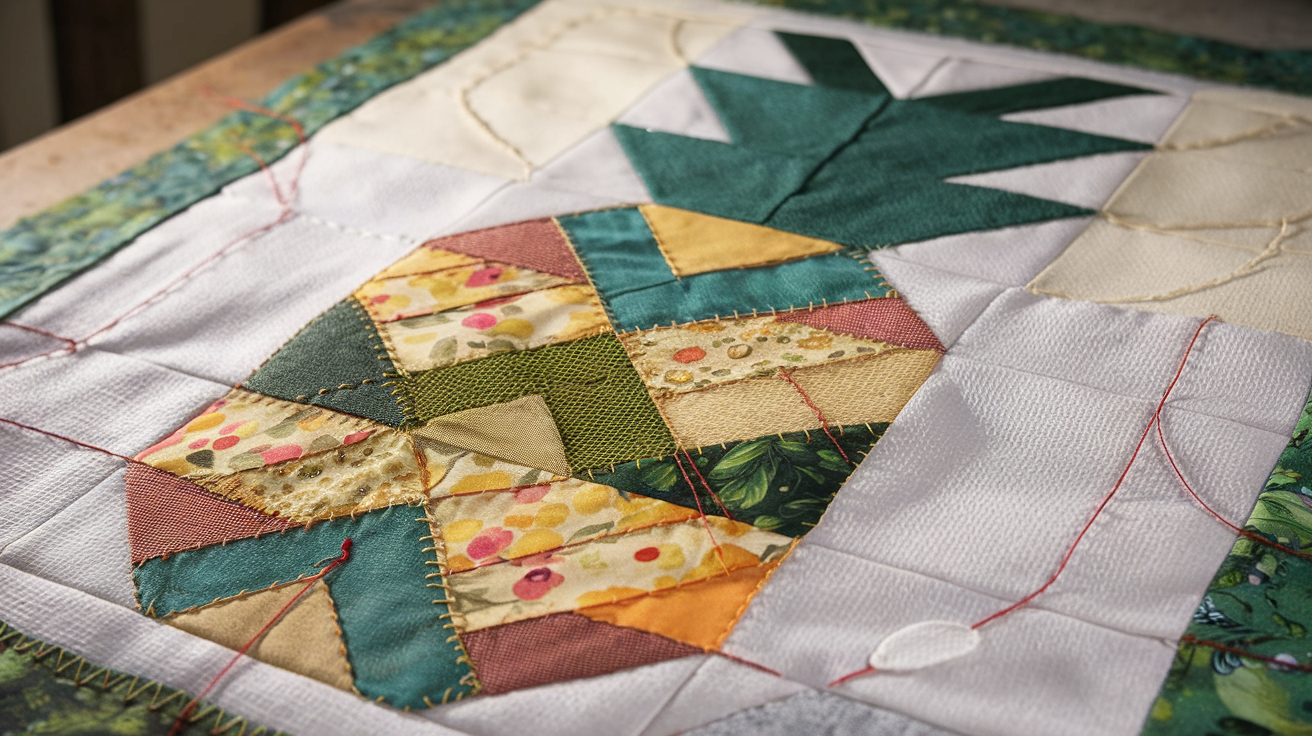
Scrappy pineapple quilt block enthusiasts discover a lively way to transform leftover fabric scraps into dynamic quilt art with each layered block. Strip piecing introduces variety and color balance, as sewing sequential rounds of strips and trimming at a 45-degree angle produces signature “pineapple” radiance.
Rely on well-pressed seams for flat construction and employ diverse strip widths to add unique texture and visual interest.
Maximize scrap usage for environmentally friendly textile art while adding your own creative expression.
Whether you’re a confident beginner or seasoned quilter, this process rewards patience and results in a cohesive quilt pattern personalized by every fabric choice.
Creating a scrappy pineapple block is a rewarding journey into patchwork construction. This quilting tutorial guides you through layering fabric with precision, resulting in striking, multidimensional quilts.
Block assembly relies on accurate cuts and consistent pressing, ensuring each piece fits perfectly.
Starting with the Center
Fabric placement begins with a central square, the heart of your scrappy pineapple block.
This initial piece, cut from your stash, sets the stage for the surrounding fabric strips.
Aim for a square that allows ample room for layering subsequent rounds of fabric, ensuring clean edges for each subsequent addition.
Layering Fabric Strips
Strip piecing involves sewing strips sequentially around the central square.
The quilt pattern dictates adding strips in rounds, building outward to create the pineapple effect. Varying strip widths injects personality and texture, making each block a unique piece of fabric art.
Precision in your quarterinch seams is paramount for a neat finish, supporting a truly unified quilt.
Trimming and Pressing
After each round of strip piecing, carefully trim your block at a 45-degree angle.
This step is fundamental to achieving the characteristic “pineapple” shape and maintaining the correct block size.
Pressing seams flat after every sewing step prevents bulk and ensures your layered blocks lie smoothly.
Consistent squaring up is key for alignment when joining blocks, contributing to a cohesive look.
Achieving Color Balance
Creative color choices are central to the scrappy pineapple block’s appeal. By selecting a diverse range of fabric scraps, you can create stunning color arrangements and ensure good color balance.
Mixing light, medium, and dark values adds depth to your design, enhancing its visual interest. This thoughtful approach results in a more dynamic and engaging final quilt, making your project a standout example of creative patchwork.
Squaring Up the Block
The final step in creating your scrappy pineapple block involves squaring up the unit.
This ensures all your blocks are the same block size, which is essential for seamless quilt assembly.
Using a ruler or a specialized Pineapple Trim Tool aids in achieving perfect 90-degree angles and clean edges.
This attention to detail guarantees your layered construction will fit together beautifully for a truly professional finish.
Choosing Fabric Scraps
Selecting the right fabric scraps is the first exciting step in creating your own scrappy pineapple block. This process offers endless possibilities for personalization, allowing you to craft a truly unique quilt.
Combining contrasting textures for visual interest is key.
Texture and Visual Interest
Contrast is essential when choosing your fabric scraps for a striking visual.
Mix bold cottons, textured linens, or smooth silks for standout visual impact and tactile depth.
These varied materials contribute to the overall visual design of your quilt, making each section more engaging.
Maximizing Scrap Usage
Utilizing leftover fabric scraps from previous sewing projects significantly contributes to fabric waste reduction. This practice makes your quilt an environmentally friendly creation.
Gathering remnants from larger projects ensures you avoid unnecessary waste and maximize your stash.
Building Color Depth
A successful scrappy pineapple block relies on thoughtful color arrangement.
Aim for a mix of light, medium, and dark values to create captivating depth.
This strategic variation in color and hue ensures your layered blocks have a pleasing aesthetic and a cohesive look.
Creative Color Arrangement
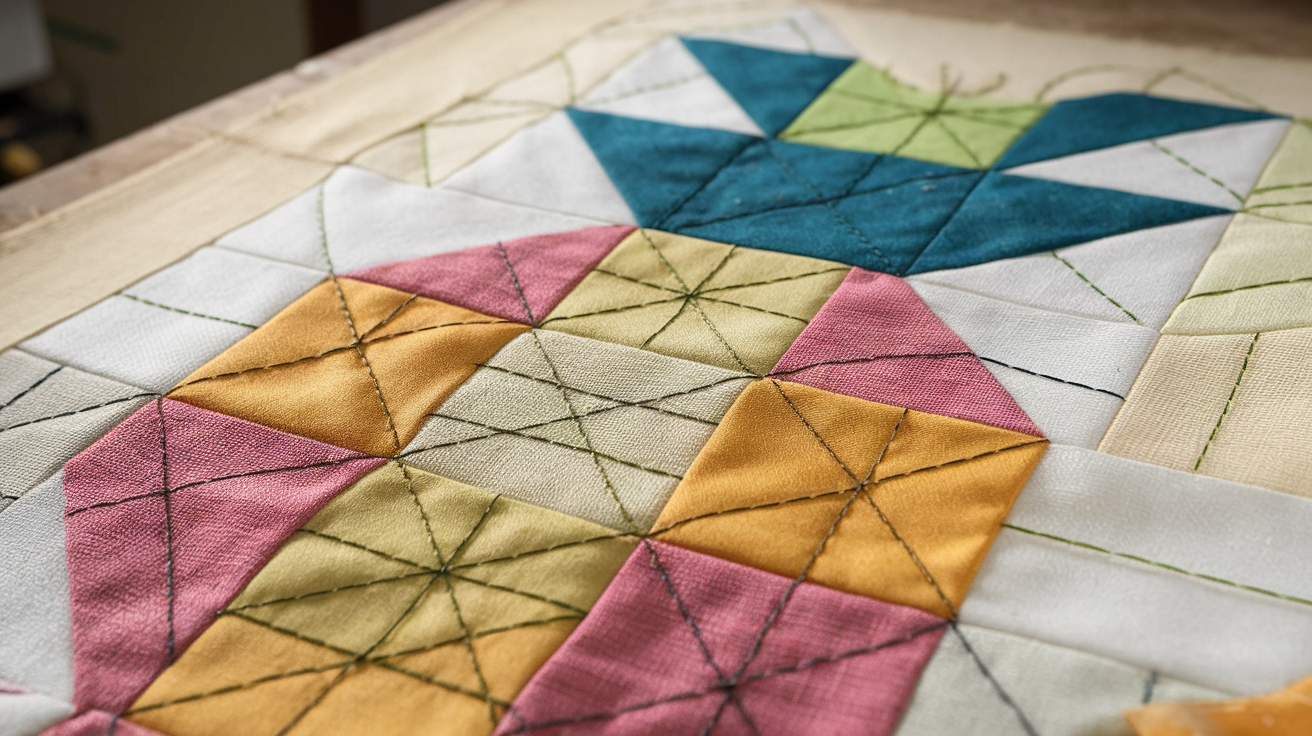
The color arrangement in a scrappy pineapple block transforms fabric scraps into a visually engaging quilt with depth and mood. Gradient effects are achieved by placing similar hues side-by-side, guiding the eye smoothly through sequential rounds and fostering a sense of harmony and cohesion in layered blocks.
Contrasting colors, such as complementary pairs or bold brights against neutrals, create impactful focal points and energize patchwork compositions, amplifying the creative color play in your quilt pattern.
The perceived warmth or coolness in color choice shapes the emotional tone; reds and yellows bring coziness, while blues or greens offer serenity.
Previewing color arrangements using a digital mockup or coloring sheet lets you test combinations and fine-tune your creative layout before sewing, ensuring a unified quilt full of personality. Fabric placement is key to achieving the desired visual design, making each unique quilt a testament to your personal style.
Exploring Color Balance
Achieving perfect color balance within your quilt pattern involves more than just pleasing aesthetics; it’s about how different values and hues interact.
When you vary value and vary hue within your fabric scraps, you introduce depth and cohesion to your finished piece. Consider using techniques that create visual interest and texture through deliberate color arrangement.
This attention to detail ensures your quilt will be a beautiful example of creative patchwork.
Even a confident beginner can create stunning results with patience and careful planning.
Scrap fabric utilization becomes an art form with this approach.
Enhancing Visual Appeal
To enhance visual appeal, embrace the opportunity to vary value and vary hue across your fabric scraps. This strategy introduces depth and cohesion, making your finished quilt pattern exceptionally engaging.
Experiment with strip widths, ranging from 25 inches to 2 inches, to infuse your design with unique visual interest and texture. Previewing potential block layouts using a digital mockup or even colored pencils on paper allows you to confidently adjust your piece placement before the first stitch.
This meticulous preparation ensures a truly unified quilt, reflecting thoughtful color arrangement and maximizing scrap fabric utilization.
Step-by-step Strip Piecing
Precision is the foundation for successful strip piecing in a scrappy pineapple block, starting with accurately cut strips to the same width using rotary cutters or specialty rulers for clean edges.
Consistent quarter-inch seams throughout each round of strip piecing ensure uniform block size and smooth block assembly, aiding even beginner quilters in creating professional-quality layered blocks.
Pressing seams to one side and alternating direction between strips is key to minimizing bulk, resulting in a flatter, tidier quilt pattern. Sequential rounds of sewing and trimming with each fabric strip build multidimensional results while maintaining accuracy.
For added visual interest, vary strip widths when possible, always keeping precise measurement as your guide for mastering this rewarding technique in scrap quilting. This methodical approach is essential for achieving the desired block size and a clean finish, making the process enjoyable for any beginner quilter.
Mastering Accurate Cutting and Sewing
Accurately cut strips are paramount for best results in your strip piecing, with strip cutters or pre-cuts like Honey Buns proving particularly helpful tools.
When you vary value and vary hue in your fabric choices, you introduce depth and cohesion, essential for any successful quilt design.
Consistent squaring up of each block is also important, contributing to the overall flatness and alignment needed for smooth quilt assembly.
Preview layouts meticulously, whether through a digital mockup or a simple coloring sheet, to confirm your color arrangement and ensure a visually pleasing outcome for your unique quilt. This careful preparation enhances visual design and promotes fabric waste reduction.
Trimming and Pressing for Success
When you are focused on strip piecing, precise trimming and pressing are indispensable steps for a high-quality finish.
Accurately cut strips are the first requirement, ensuring your quarter-inch seams are consistent and your resulting block size is uniform. With each new fabric strip added in sequential rounds, a clean press of the seam allowances is necessary to reduce bulk and create a flat surface for the next addition.
This methodical process builds the layered construction characteristic of the scrappy pineapple block, yielding multidimensional results.
The Pineapple Trim Tool or similar specialty rulers can greatly assist in maintaining consistent squaring, a key element for a cohesive look in your patchwork creation.
This technique is a fantastic way to maximize scrap usage and create a truly environmentally friendly quilt.
- Varying hues and values in fabric scraps introduces depth and cohesion to a quilt.
- Consistent quarter-inch seams and accurate cutting are essential for uniform block size and a professional finish.
- Pressing seams to one side and alternating directions minimizes bulk for a flatter quilt.
- Previewing color arrangements digitally or on paper helps fine-tune the creative layout before sewing.
Mastering Sequential Rounds
Consistent results in a scrappy pineapple block depend on careful strip piecing during every sequential rounds. A quilting tutorial expert stresses that before adding each strip, you must align raw edges precisely to uphold the block’s layered construction and maintain clean edges throughout.
Avoid fabric distortion by handling with accuracy and patience.
Leader/ender strips—short fabric scraps sewn before and after your main work—reduce thread tangles and streamline transitions between rounds, minimizing starts and stops during your sewing project.
This simple method keeps the block assembly continuous and orderly, fostering both efficient quilting and less fabric waste reduction for a unified quilt result. This process helps achieve a cohesive look and is a great way to maximize scrap usage and create a unique quilt.
Precision in Fabric Placement
Complete cohesion in your quilt pattern hinges on thoughtful fabric placement at each step.
Fabric placement tips from advanced quilters focus on evaluating color balance, alternating pattern and solid fabrics to enhance depth and visual interest in your block layout. Butted seams are essential—each new strip must nest smoothly into the previous layer, avoiding unsightly gaps and ensuring crisp, clean edges.
Contrast between carefully chosen fabrics amplifies texture and multidimensional results.
Pressing seams diligently after every round not only flattens layers but also aids in maintaining block size accuracy, allowing even a confident beginner to achieve professional outcomes as they transition toward final quilt assembly.
For a truly cohesive look, consider creative color arrangements and how different fabric combinations contribute to the overall visual design. Practicing these quilting techniques will lead to a more beautiful patchwork.
- Accurate alignment of raw edges is crucial for maintaining the block’s layered construction and clean edges during sequential rounds.
- Leader/ender strips are used to reduce thread tangles and streamline transitions between rounds, minimizing starts and stops.
- Evaluating color balance and alternating pattern and solid fabrics enhances depth and visual interest in the block layout.
- Pressing seams after every round aids in maintaining block size accuracy and contributes to a cohesive look.
Moon Learning Activities And Crafts For Kids
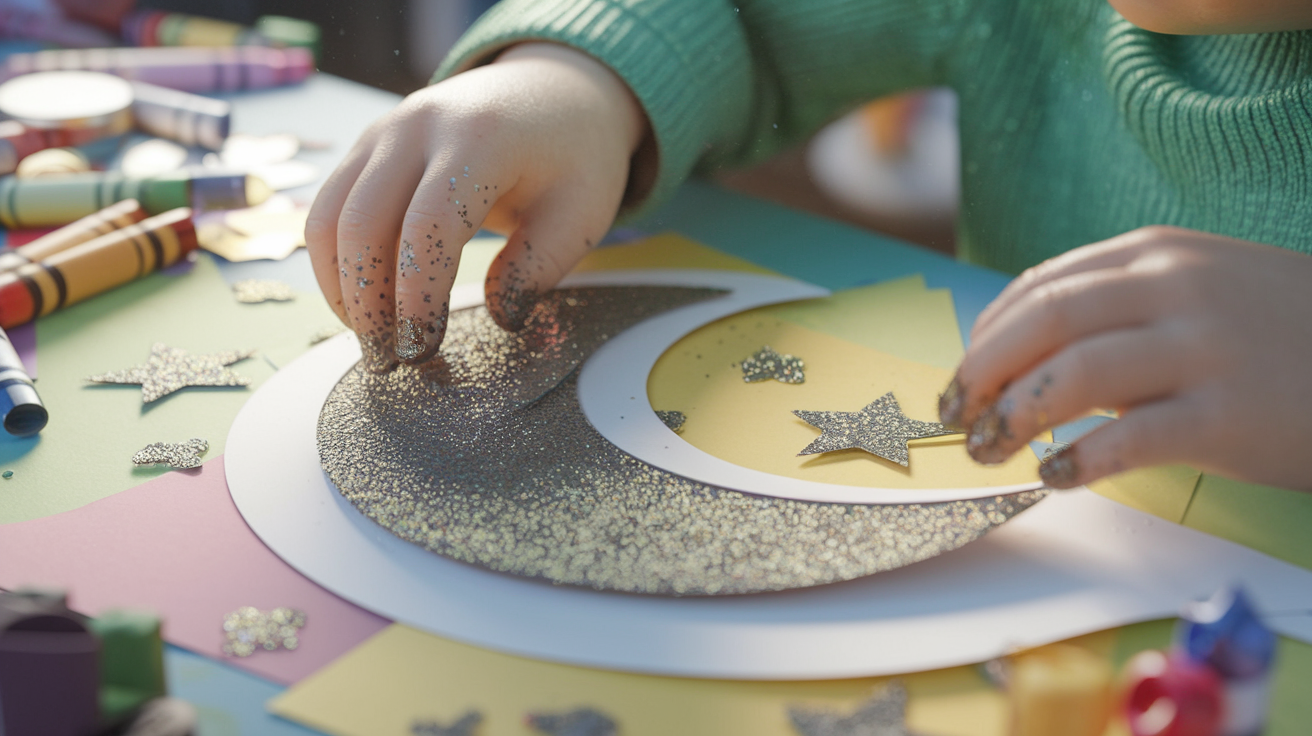
Kids science ignites when children shape, touch, and create their own celestial bodies through educational crafts and hands-on activities at home or in the classroom. Celestial bodies like the moon offer a fascinating subject for exploration, making learning joyful.
Lunar surface textures can be explored with puffy paint, foil, or pom-poms, providing a tactile journey for young minds.
Simple household materials easily blend with moon art, allowing family activities and educators to enjoy creative exploration together.
Encourage children to record discoveries in observation journals, act out lunar cycles with gross motor games, and celebrate lunar traditions, fostering curiosity and reinforcing astronomy for children as you move to exploring moon phases with crafts next.
Exploring Moon Phases with Crafts
Lunar cycles inspire wonder as kids observe the ever-changing appearance of Earth’s satellite in the nighttime sky, from the new moon’s hidden face to the glowing full moon. Moon phases crafts use materials like paper plates, cardboard, yellow paint, black paper, and glitter glue to visually represent crescent moon, quarter moon, and full shapes while mimicking the lunar surface’s moon craters with textured art supplies.
Engage children in learning by repeating the phrase “My Very Excellent Mother Just Served Us Nachos” to memorize the order of phases. Sensory activities with art materials turn lunar phase understanding into interactive fun, seamlessly transitioning inquiry-based learning into play.
Crafting the Moon’s Appearance
Celestial patterns are visually represented through simple yet effective crafts that focus on observable changes.
Children can use paper plates to create moon phase models, painting or gluing different portions to show what we see from Earth.
Utilizing household materials like cardboard and yellow paint helps illustrate the concept of illumination, explaining why we see different portions of the moon glowing.
These educational crafts are perfect for visual learning and reinforcing scientific concepts.
Hands-On Moon Surface Exploration
Texture exploration of the lunar surface becomes a delightful experience with various sensory activities. Using puffy paint or pom-pom printing allows children to mimic the bumpy texture of moon craters, offering a tactile understanding of the moon’s rugged landscape.
This approach to kids science integrates art and science fusion, making abstract ideas tangible. These tactile learning experiences enhance observational skills and encourage curiosity fostering.
Remembering the Moon Phases
Astronomical art can be a fun way to learn the sequence of moon phases.
A simple mnemonic, such as “My Very Excellent Mother Just Served Us Nachos,” helps children recall the order: New moon, Waxing crescent, First quarter, Waxing gibbous, Full moon, Waning gibbous, Last quarter, and Waning crescent.
These visual aids, combined with hands-on STEM crafts and scientific inquiry, provide a well-rounded approach to early learning and space education.
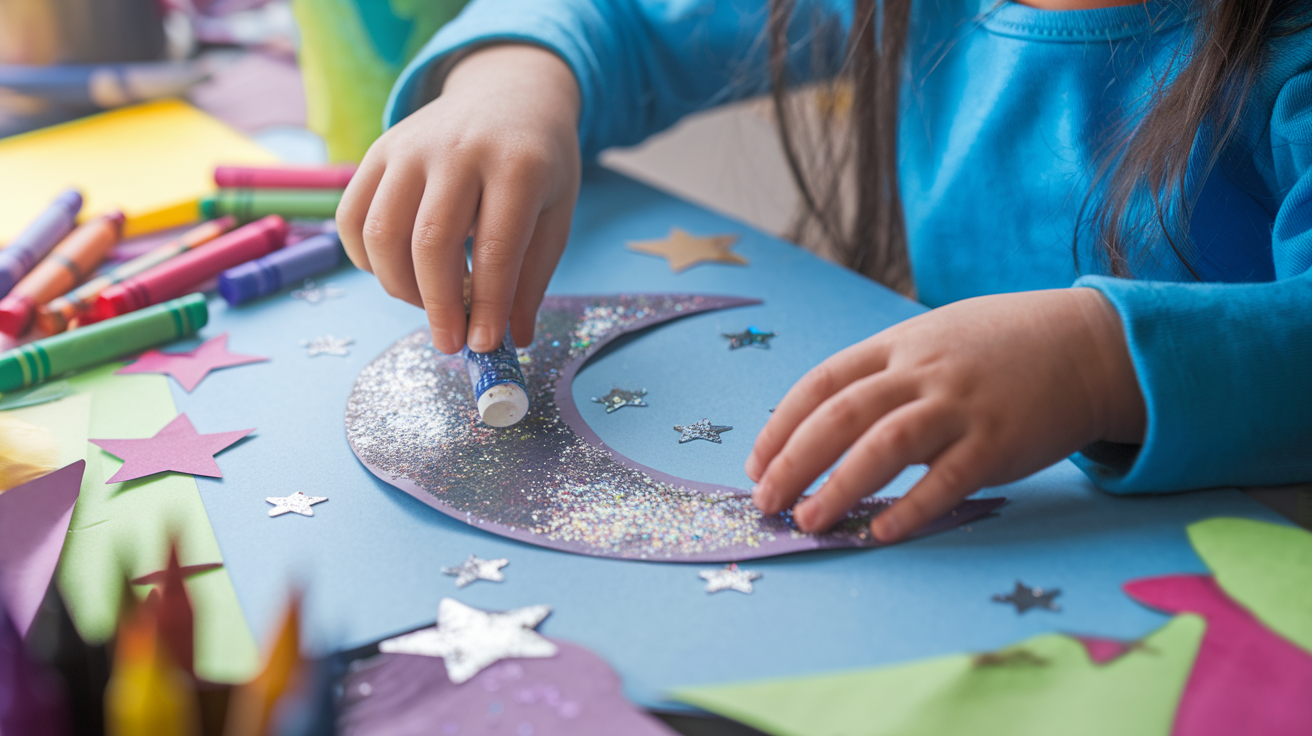
Creative Moon Art Projects for Kids
Moon art projects become truly engaging when young artists utilize tactile materials to replicate the intricate textures of the lunar surface, connecting with artistic expression. Techniques incorporating textured paint, such as puffy paint or foil printing, allow children to recreate prominent moon craters through direct sensory activities, fostering both creativity and development of fine motor skills.
Creative exploration is encouraged as children experiment with different media, making learning through play a dynamic experience.
This approach supports inquiry-based learning by allowing kids to physically engage with the concepts of space and celestial bodies.
Crafting Moon Textures with Clay
Educational crafts involving clay offer a wonderful avenue for children to sculpt their own lunar landscapes. Kids can mold spheres and press in small indentations to represent moon craters, then paint them to emphasize surface details.
This project draws inspiration from recent STEM crafts and promotes scientific inquiry as they consider the moon’s composition. Tactile learning is at its forefront here, allowing young minds to grasp physical concepts through creation.
Collage Moonscapes: A Mix of Materials
Collage moonscapes, using materials like foil, felt, or torn paper, provide an excellent way for children to visually represent the dark maria and bright highlands visible on the moon.
This activity nurtures an appreciation for artistic interpretation and fosters a strong sense of art and science fusion.
It’s a fantastic method for visual learning, allowing kids to build their understanding of celestial patterns through hands-on art.
Creative projects for young minds can include variations on this theme.
Kids science benefits from this blend of art and exploration.
This enhances understanding space and its wonders.
Displaying Lunar Creations
Finished masterpieces can be showcased in various engaging ways, turning these creative projects into lasting memories.
Consider creating a family “Moon Gallery Wall,” hanging stained-glass tissue moons in windows to catch the light, or incorporating clay moons into a homemade space diorama. These display methods reinforce the joy of learning through play and honor each child’s unique imaginative efforts, promoting family engagement.
They also serve as great visual aids for future discussions about space.
Understanding the Lunar Surface Together
Lunar surface exploration serves as a fascinating gateway into the composition of rocks and dust, making complex scientific concepts accessible for kids science discussions at home or in the classroom.
Materials science can be simplified as children experiment with common household materials like flour, clay, or puffy paint to simulate the moon’s surface and its ancient mineral makeup.
Craters, the distinctive bowl-shaped marks on the moon, are formed when asteroids or meteoroids impact its surface. Children can explore this phenomenon by recreating craters on their own DIY models using their favorite “crater creation crafts. ” This allows for tactile learning and a deeper appreciation for the moon’s history.
Observational Tools Enhance Understanding
Fostering curiosity fostering is key when linking scientific principles with artistic endeavors. Encourage children to keep observation journals or use basic binoculars for closer views of real lunar terrain.
This practice connects practical science experiments with engaging family activities, enhancing observational skills.
By linking scientific curiosity with playful learning, children develop both artistic talent and keen observational abilities as they investigate the mysteries of Earth’s closest neighbor through hands-on science and visual learning.
Astronomy for children becomes more vivid with these explorations.
The lunar surface holds many secrets to uncover.
Moon craters tell stories of cosmic impacts.
Representing Surface Features Creatively
When creating DIY moon models, children can get creative in representing different surface details.
Using various textures for different areas can mimic the moon’s varied geography. For instance, fine sand mixed with glue can represent dusty plains, while small pebbles or even crumpled paper can simulate rougher, mountainous regions and impact sites.
This hands-on approach makes texture exploration a central part of the learning process, offering a unique way to engage with scientific and artistic techniques.
This also aids in developing spatial reasoning and creative problem-solving skills, making the learning process more interactive and memorable.
Moon Art Projects
- Utilizing tactile materials like textured paint or clay helps children recreate lunar surface textures and moon craters, fostering artistic expression and fine motor skills.
- Collage techniques with materials such as foil and torn paper allow for visual representation of lunar features like dark maria and bright highlands, promoting art and science fusion.
- Hands-on projects involving DIY moon models, using materials like sand and pebbles to represent different surface features, aid in texture exploration and develop spatial reasoning.
- Connecting artistic endeavors with observational tools like journals and binoculars enhances curiosity and observational skills, making astronomy for children more vivid.
Engaging Sensory Activities for Little Astronauts
Space-themed sensory activities instantly immerse young minds in the world of real astronauts. Kids science projects like a homemade “moon dust” bin—filled with fine sand, cornmeal, or flour dotted with foil “rocks”—invite exploration of the lunar surface through texture exploration and creative play.
Offer soft scoops, small buckets, and toy astronauts to spark storytelling, and layer in crinkly sounds or ambient space hums for full sensory engagement.
Finish with a safe “moonwalk” using oversized shoes and a soft tarp, letting children carefully practice gross motor skills as they imagine bouncing across the moon’s cratered landscape.
Accessible learning through play is key for these educational crafts. This creative exploration involves tactile learning, offering young minds immense satisfaction.
DIY Moon Models for Science Learning
Exploring the lunar surface becomes hands-on with accessible STEM crafts that encourage observation and curiosity fostering.
Kids science projects using paper plates, salt dough, or foil create realistic moon craters and dark maria, making tactile learning both interactive and visually stimulating. To model lunar gravity, compare how balls bounce on different surfaces, explaining scientific principles in simple terms.
Connect this to moon phases and demonstrate with water in a shallow pan how the moon’s pull shapes our tides, enhancing understanding of celestial bodies and their effect on our planet.
This handson science project encourages creative exploration.
You can also create DIY mobiles to illustrate celestial patterns. A classroom project or family activity is easily achievable with household materials.
For early childhood education, focus on visual aids and kinesthetic activities. These easy crafts support inquirybased learning, blending art and science fusion effectively.
Space-Themed Activities
- Sensory activities like a homemade moon dust bin encourage tactile learning and creative play, immersing children in the world of astronauts.
- DIY moon models using household materials help foster observation and curiosity, making learning about lunar surfaces interactive and visually stimulating.
- Demonstrating scientific principles such as lunar gravity through bouncing balls and explaining tidal forces with water enhances understanding of celestial bodies.
- These educational crafts blend art and science, supporting inquiry-based learning through kinesthetic and visual aids for early childhood education.
Space Exploration with STEM Crafts
Embarking on a journey beyond Earth, STEM crafts empower young explorers to engineer rockets, satellites, and detailed models of other celestial bodies. Using household materials and simple art supplies, kids can construct balloon or straw rockets that demonstrate action-reaction principles, mirroring the propulsion systems of real spacecraft.
Crafting satellite models with recycled crafts and everyday items offers a tangible way to grasp concepts like orbit and gravity, reinforcing scientific principles.
Engineering Simple Rockets and Satellites
Kids science initiatives like building straw rockets or designing cardboard satellites provide hands-on experience with fundamental physics.
These educational crafts make abstract concepts accessible, fostering an early interest in science exploration.
Exploring Celestial Models
Beyond rockets, creating planet spheres or constellation projectors allows for a broader exploration of space.
These projects encourage imaginative play and connect to the vastness of the universe, supporting astronomy for children. When children construct and test these creative projects, encourage discussion about how real space missions utilize similar engineering to explore planets and moons, enhancing curiosity fostering and knowledge building for elementary science or a homeschool curriculum.
Connecting to Real Space Missions
Discussing how NASA missions utilize similar engineering principles deepens the learning experience.
These activities promote critical thinking and problem-solving skills, essential for future STEM endeavors.
Homeschooling Moon Activities
Structuring a cohesive homeschool unit around the moon offers a rich blend of art, science, and sensory exploration for young minds.
Moon phases become tangible through crafting models and DIY mobiles, while textured activities can mimic the tangible lunar surface and the impact of moon craters, providing a tactile learning experience.
Delving into Lunar Cycles and Phases
The study of lunar cycles is brought to life through hands-on projects. Children can create their own moon phase models using paper plates, paint, and other common materials.
These activities are excellent for developing fine motor skills and visual aids for learning.
The moon influences Earth through phases like new moon, crescent, quarter, and full moon.
kids can use paint, foil, felt, and other common materials to create 3D models and moon art.
Sensory techniques such as puffy paint or pom pom printing make learning about craters hands-on.
Tracking the moon nightly with journals reinforces observation skills and astronomy concepts.
Sensory and Artistic Moon Exploration
Sensory activities, such as exploring the lunar surface with puffy paint or foil imprints, make learning about moon craters engaging.
Creative moon art projects like stained glass tissue moons allow for artistic expression while reinforcing scientific concepts.
These projects support STEAM integration, encouraging creative exploration.
Observation and Cultural Connections
Encouraging children to keep observation journals to track the moon’s changing appearance nightly reinforces observational skills and the study of Earth’s satellite.
Connecting these activities to cultural celebrations, such as making crescent cards for holidays, expands learning to literature and history, supporting a well-rounded homeschool curriculum.
Resources and Progressive Skill-Building
Utilizing visual aids, fostering scientific inquiry, and employing reflection journals structure each week. For older learners, providing independent research resources ensures accessible learning and progressive skill-building, supporting a flexible homeschool curriculum.
Space Exploration Crafts
- STEM crafts using household materials and art supplies can teach principles like action-reaction through balloon or straw rockets.
- Building models of satellites and celestial bodies with recycled materials helps children understand concepts like orbit and gravity.
- Activities like creating planet spheres or constellation projectors encourage imaginative play and connect children to the vastness of the universe, supporting astronomy for children.
- Moon phase models crafted with paper plates and paint are effective for developing fine motor skills and visual learning about lunar cycles.
Crafting Celestial Wonders: The Art of Moon Craters
Embark on a captivating journey exploring the formation and visual representation of craters through engaging craft projects. These activities offer a unique way to blend scientific understanding with artistic expression, making them ideal for kids science and early learning.
Simulating Impact Craters
To accurately model crater formation, begin by fashioning a simple lunar surface from readily available household materials such as flour, baking soda, or clay.
Next, strategically drop marbles or stones from diverse heights to effectively demonstrate how varying impact speeds and object sizes yield different crater diameters and depths, thereby reflecting the fundamental scientific principles that govern moon craters and their formation as detailed in scientific resources[1][3].
These hands-on simulations reinforce a deeper understanding of how surface details and patterned craters correlate with actual lunar impacts, and they are particularly well-suited for storytelling scenarios involving space adventures or lunar missions, transforming each craft into a vibrant stage for boundless creative exploration and tactile learning.
Connecting Science and Artistry
These crater crafts serve perfectly as visual aids for moon-themed storytelling.
Encouraging inquiry-based learning, these projects foster curiosity and provide a tangible link to scientific principles. By linking impact size to crater appearance, children develop observational skills and critical thinking.
The artistic techniques employed allow for creative interpretation of the lunar surface, promoting creative problem-solving. These activities are excellent for educational crafts, STEM crafts, and family activities, contributing to knowledge building and scientific inquiry.
They are also great for classroom projects and homeschool curriculum, offering accessible learning and interactive fun.
The creation of moon craters themselves encourages texture exploration and a deeper appreciation for celestial patterns, enhancing spatial reasoning and artistic application.
Such projects support STEAM integration, offering hands-on science and art and science fusion for young minds to engage with space exploration and artistic expression through learning through play. This approach to understanding space and the nighttime sky also aids in lunar phase understanding and astronomical art, a perfect blend of science and creativity through tactile experiences and visual learning, which also supports gross motor development and fine motor development through effective material utilization and recycled resources.
The aim is to enhance family engagement and support early childhood development and elementary education with imaginative arts and playful learning, delivering educational fun and fostering scientific understanding, offering a rich realm for artistic exploration and learning reinforcement, including engagement with celestial bodies and planetary surface simulations. The process of crater creation crafts helps in grasping concepts related to Earths satellite study, nocturnal sky tracking, and child-led discovery within educational play and scientific concepts.
This also ties into early childhood education and elementary science, promoting imaginative play and storytelling, ideal for holiday crafts and festive celebrations, making them easy crafts and promoting accessible learning for childrens activities and various creative projects.
These projects are excellent for sensory play and early learning, sparking creative thinking and science exploration, allowing for significant artistic expression.
They also facilitate understanding space and the moon phases such as new moon, crescent moon, quarter moon, full moon, and waning moon,
Moon Craters Crafts
- Crafting moon craters by dropping objects from different heights demonstrates how impact speed and object size affect crater diameter and depth, mirroring scientific principles of lunar impacts.
- These activities effectively blend scientific understanding of celestial bodies with artistic expression, making them ideal for kids science and early learning.
- The projects foster inquiry-based learning, curiosity, and critical thinking by linking impact size to crater appearance and encouraging creative interpretation of the lunar surface.
- These crafts support STEAM integration, offering hands-on science and art fusion for young minds to engage with space exploration and artistic expression through learning through play.
Free Crochet Pattern For Battenberg Blanket
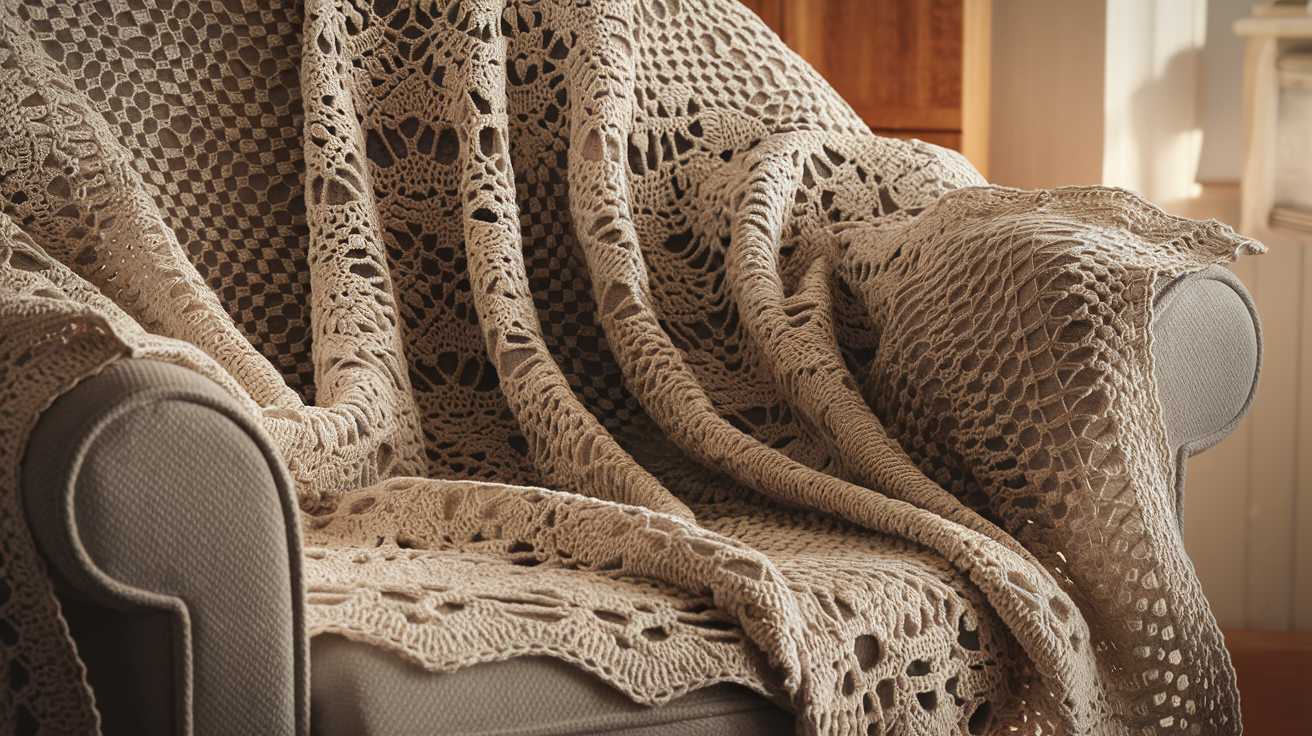
Battenberg Blanket lovers, prepare for a delightful free crochet pattern that expertly blends Battenberg cake inspiration with cozy chequerboard squares. Sandra Paul’s design offers a truly beginnerfriendly crochet experience, utilizing solid granny squares that alternate between a calming neutral base and vibrant colorful yarn.
This unique approach results in a visually appealing and highly customizable colors project.
An innovative joining technique, specifically the hallmark Modular Join, also known as Join As You Go, guarantees a seamless crochet finish with impeccably tidy edges.
These clear crochet pattern instructions, coupled with the use of a 3mm hook and recommended Drops Merino Baby yarn, plus accessible video tutorials, set you up for a profoundly rewarding crochet project and a wonderfully soothing craft activity. Continue reading to explore how Sandra Paul’s vision transforms into a stunning, heirloom quality crochet creation.
Discover Sandra Paul Design
Sandra Paul design truly shines through its thoughtful incorporation of solid granny squares, employing techniques that are welcoming to makers of all skill levels, ensuring expert crafter satisfaction and ease for those new to crochet.
The essence of nostalgic crochet is beautifully reimagined through her renowned “Modular Join” method, a masterclass in modular crochet construction that grants crafters extensive personalization options and achieves a flawless seamless crochet finish. Her distinctive motifs and the blanket’s overall polished appearance resonate perfectly with contemporary desires for a truly soothing craft activity, promising heirloom quality crochet, and proving adaptable to many adaptable crochet skill levels.
Her commitment to providing supportive crochet resources and her discerning eye for color choices are evident across vibrant crochet communities, establishing her as an indispensable guide for anyone aspiring to a unique crochet look, confidence in their crafting, and a truly cozy crochet creation.
Solid granny squares form the foundation of this project, each measuring approximately 5 cm squares, allowing for a wonderfully manageable pace.
This method also provides a great opportunity for leftover yarn usage, especially with sock yarn or mini skeins of colorful yarn.
The core of the design involves creating these small motifs, half in a neutral base color and half in your chosen accent shades, contributing to a beautiful visual appeal crochet. The Battenberg cake inspiration is evident in the delightful chequerboard squares that emerge from this simple yet effective construction.
Modular Join, often referred to as Join As You Go, is the innovative joining technique that sets this pattern apart, facilitating a timesaving crochet experience and contributing to wonderfully tidy edges.
This approach ensures a seamless crochet finish, making the process feel less like piecing together individual components and more like a continuous creation. The crochet pattern instructions are exceptionally clear, complemented by available video tutorials that break down every step, from making the squares to perfecting the joining.
The recommended materials for this delightful project include fingering weight yarn, such as the lovely Drops Merino Baby yarn, for the main color, along with an assortment of accent yarns.
A 3mm hook and a yarn needle are the primary tools needed.
The standard layout involves 1020 squares, arranged in a 34×30 layout, yielding an impressive 180×156 cm blanket, or approximately 70×62 inches.
This adjustable blanket size means you can easily expand or contract the design to suit your needs, whether for a grand bedspread expansion or a smaller throw crochet customization.
For those seeking a truly longterm crochet project, the rhythmic process of creating these squares offers a profoundly soothing craft activity. You can work at your own personal craft pace, making it an ideal companion for moments of relaxation.
The Battenberg Blanket also boasts excellent practicality; with a durable yarn choice and properly secure crochet ends, the finished blanket is suitable for frequent use yarn requirements and meets washability considerations. This ensures your creation can be enjoyed for years to come, potentially becoming an heirloom quality crochet piece.
The simple crochet border adds a final touch of definition, and meticulous weaving ends contributes to the overall durable craftsmanship and neat crochet aesthetic.
This project is also fantastic for gifting, serving as a thoughtful home décor project or a heartfelt present, showcasing gifting potential through its handmade charm.
The crochet versatility means it can be adapted into a sweet baby blanket crochet option, a luxurious throw, or even a bedspread.
For those who prefer learning through different mediums, the downloadable crochet pattern and supplemental stitch tutorials cater to various learning styles. Whether you’re drawn to the visual intrigue of mosaic crochet or the efficiency of a block join crochet technique, this pattern offers a gateway to a fulfilling and creative crochet adventure, culminating in a truly rewarding crochet project and a wonderfully cozy crochet creation.
This instant download pattern is your key to unlocking a beautiful, comfortable, and personal addition to your home or a loved one’s.
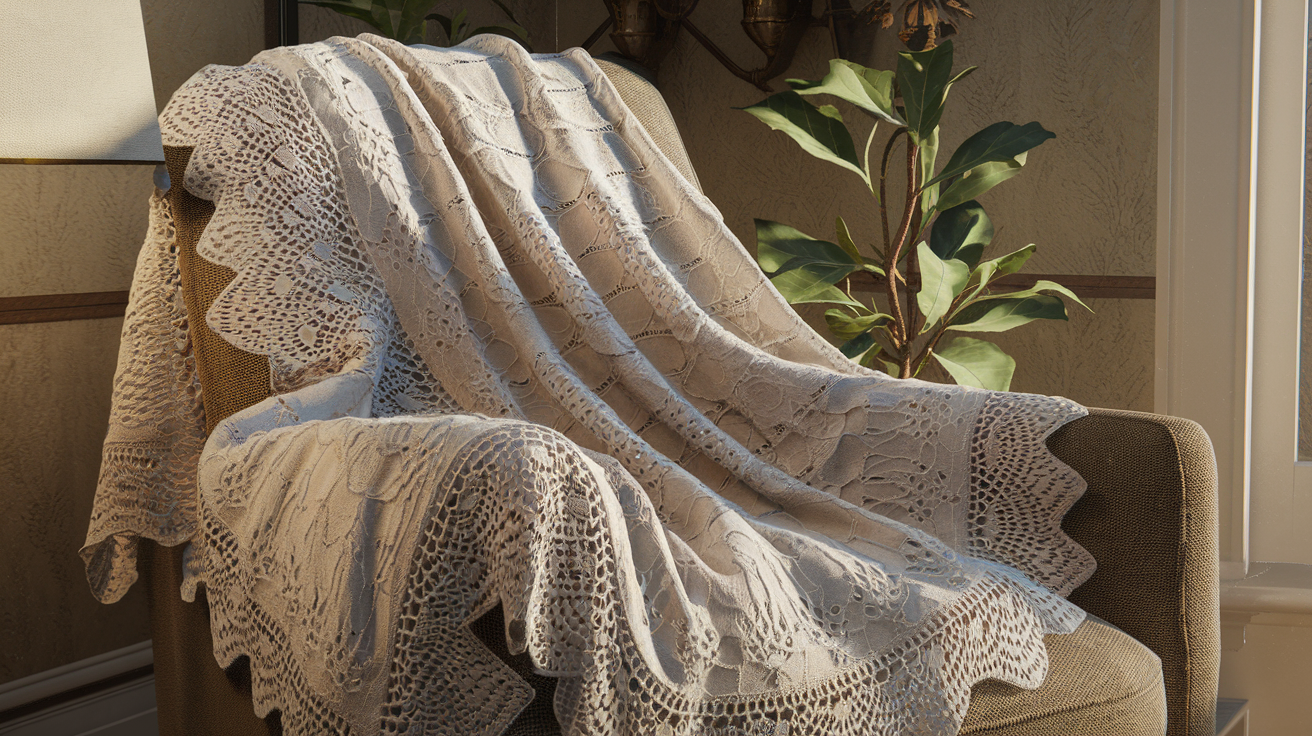
Battenberg cake inspiration
This sweet confection, the Battenberg cake inspiration, truly fuels the unique geometric look of the Battenberg Blanket, with its distinct chequerboard squares directly echoing the iconic, marzipan-wrapped treat. Sandra Paul design beautifully reimagines the classic pink and white cake pattern, skillfully using alternating solid granny squares.
Half of these squares utilize a neutral base shade, perhaps a soft cream, while the other half feature vibrant colorful yarn, perfect for using up your mini skeins or leftover sock yarn for delightful accents.
Imagine color palettes drawn directly from lemon and white, gentle pastel duos, or even adventurous modern mixes, effortlessly adapting this project to complement any home décor.
The Battenberg blanket crochet tutorial expertly addresses potential geometric challenges by emphasizing the precision of its 5 cm squares; using a 3mm hook and maintaining uniform tension is paramount to ensuring tidy, perfect alignment. The innovative joining technique—Sandra Paul’s signature Modular Join, also known as Join As You Go—allows crafters to assemble their blanket as they go, resulting in a genuinely seamless crochet finish, much like the neat marzipan-wrapped cake itself, thus securing that desirable polished appearance sought after by every expert crafter.
Nostalgic crochet journey begins
The art of nostalgic crochet truly invites crafters to rekindle the comforting pace and inherent satisfaction of vintage techniques, making it a truly soothing craft activity. The traditions behind the Battenberg blanket crochet tutorial create a wonderful bridge to the past, as each solid granny square repeats timeless patterns cherished by previous generations over many years.
The expert crafter satisfaction derived from mastering these repetitive stitches elevates this into a mindful, calming ritual, a truly rewarding crochet project for both beginners and seasoned hands alike.
You can find authentic pattern sources readily available in online archives, quaint antique shops, and within treasured family collections, generously unlocking heritage patterns for today’s adventurous modern makers.
The delightful Battenberg cake inspiration connects the loving spirit of heirloom quality crochet with the modern desire for home décor projects that radiate history, charm, and lasting comfort.
This longterm crochet project encourages a personal craft pace, allowing for a deliberate alternate light and color, ensuring a truly unique crochet look.
Beginnerfriendly crochet is at the heart of this pattern, offering clear crochet pattern instructions and helpful video tutorials. The customizable colors and adjustable blanket size mean it appeals to all, adaptable for lefthanded crocheters and righthanded crafters alike, fostering strong crochet communities.
You can create 1020 squares for a 34×30 layout, resulting in an 180×156 cm blanket (or 70×62 inches), with approximately 5 cm squares.
This timesaving crochet method with tidy edges, finished with a simple crochet border, and careful weaving ends, ensures durable craftsmanship and a neat crochet aesthetic.
Choosing a durable yarn choice suitable for frequent use yarn, like Drops Merino Baby yarn, and employing secure crochet ends, keeps washability considerations in mind for heirloom quality crochet and comfort crochet. This project offers immense gifting potential, showcasing true crochet versatility and visual appeal crochet, making it a prime example of leftover yarn usage with a machine washable crochet outcome.
It’s perfect for a bedspread crochet expansion, throw crochet customization, or even a charming baby blanket crochet option, providing a truly creative crochet adventure and a cozy crochet creation. The instant download pattern, available as a downloadable crochet pattern, acts as a comprehensive crafting guide with clear stitch tutorials, distinct from mosaic crochet or block join crochet, yet utilizing an innovative joining technique like the Modular Join or Join As You Go, for a truly seamless crochet finish and a beautiful polished appearance.
- The Battenberg Blanket’s geometric design is inspired by the Battenberg cake, with its distinct chequerboard squares echoing the marzipan-wrapped treat.
- The project emphasizes precision with 5 cm squares, requiring a 3mm hook and uniform tension for neat alignment.
- Sandra Paul’s signature Modular Join (Join As You Go) technique allows for assembly during crocheting, resulting in a seamless finish.
- A large blanket can be created with 1020 squares in a 34×30 layout, measuring approximately 180×156 cm (70×62 inches).
Chequerboard Squares Explained
Battenberg Blanket construction relies on the artistic placement of solid granny squares in a strict chequerboard formation for that nostalgic crochet, Battenberg cake inspiration. Sandra Paul’s design alternates each main color (a neutral base like cream or white) with accent colors—often sourced from colorful yarn leftovers or mini skeins—ensuring no two squares of the same shade are diagonally adjacent.
To achieve an impeccable chequerboard squares visual, lay out your completed squares in advance, mimicking a chessboard; this planning stage prevents accidental clustering of similar shades.
Modular Join or Join As You Go (JAYG) techniques simplify assembly for a seamless crochet finish, but consistent square size is important.
Each should measure about 5 cm squares to create tidy edges and a polished appearance. Common mistakes include uneven color grouping, which disrupts the vivid patchwork crochet effect, and inconsistent tension, leading to puckering or visible gaps.
For best results, alternate light and color methodically, weave in ends as you join, and regularly check alignment—ensuring your blanket showcases that signature neat crochet aesthetic and vibrant checkerboard contrast. This soothing craft activity can be a longterm crochet project, allowing you to work at your personal craft pace.
A durable yarn choice is recommended for frequent use yarn, with secure crochet ends and washability considerations for heirloom quality crochet.
What Yarn for Battenberg?
Colorwork crochet for the Battenberg Blanket thrives on the selection of a fingering weight yarn such as Drops Merino Baby yarn for enduring softness and crisp stitch definition.
Expert crafter satisfaction comes from pairing a gentle yet structured fiber—like merino wool or a cotton blend—with a 3mm hook to ensure your solid granny squares remain both cozy and confidently shaped. For a classic 180×156 cm blanket, plan for 1,500–2,000 meters of main color yarn and supplement with 1,000–1,500 meters of accent yarns, utilizing mini skeins or leftover sock yarn for extra color play.
Adjustable blanket size is straightforward; a baby blanket crochet option may use just 200–400 meters of the main color and 200–500 meters for accents, reflecting the total square count. Controlled drape and moderate stiffness ensure each motif locks seamlessly in the Modular Join, while avoiding splitty or fuzzy fibers guarantees those clean checkerboard lines and the unforeseen joy of long-term, machine washable crochet durability.
This home décor project can also be a gifting potential with customizable colors and adaptable crochet skill levels, supported by supportive crochet resources.
Consider the crochet versatility and visual appeal crochet of your chosen yarns for a truly unique crochet look.
- The Battenberg Blanket’s chequerboard design is achieved by alternating a neutral main color with accent colors, ensuring no two squares of the same shade are diagonally adjacent.
- Each solid granny square should measure approximately 5 cm for tidy edges and a polished appearance.
- For a classic 180×156 cm blanket, approximately 1,500–2,000 meters of main color yarn and 1,000–1,500 meters of accent yarns are recommended.
- A fingering weight yarn, such as Drops Merino Baby yarn, and a 3mm hook are suggested for crisp stitch definition and well-shaped solid granny squares.
Neutral Base or Vibrant
Crochet blanket tutorial enthusiasts often debate the long-term impact of starting their Battenberg blanket with a neutral base versus a lively, color-drenched foundation. Colorwork crochet with a neutral base—such as cream, white, or soft gray—immediately spotlights your accent squares, resulting in a timeless and airy look that also enhances intricate stitchwork.
Nostalgic crochet projects like this benefit from a thoughtful color palette, and the Sandra Paul design is no exception.
For a unique crochet look, consider how your colorful yarn choices will play against a consistent, calming background.
Achieving a Balanced Color Scheme
Offering guidance on how to achieve a balanced color scheme is essential for any modular crochet construction. Alternating light and color squares evenly is key to creating a pleasing visual rhythm.
This often means pairing a consistent light shade, like white or cream for your neutral base, with a carefully curated selection of accent yarns. Accent yarns can range from subtle pastels to vibrant jewel tones, depending on the desired mood.
When using colorful yarn, grouping similar shades together within a section can create a harmonious flow, preventing the design from appearing chaotic.
Blocks of Battenberg cake inspiration are best achieved by alternating these neutral and vibrant squares in a predictable pattern.
Transitioning Between Neutral and Vibrant Elements
Suggesting ways to transition between neutral and vibrant elements effectively can elevate the overall design.
To softly bridge modular crochet construction between neutral and vibrant areas, transition using subtle shifts or muted connecting tones. For instance, if you have a bright red square, a soft pink or coral square placed next to it can create a smoother link to a cream or white square than a direct jump.
This method supports the chequerboard squares motif, allowing for a gradual introduction of color. A Battenberg blanket that utilizes this approach often feels more sophisticated and less jarring, ensuring your unique crochet look is cohesive.
Why Use Solid Granny Squares?
Solid granny square construction is at the heart of how the Battenberg Blanket remains cohesive and enduring amid frequent use.
The Sandra Paul design features these sturdy blocks, allowing for precise color definition and the signature chequerboard squares motif inspired by Battenberg cake.
This approach to patchwork crochet is not only visually striking but also structurally sound, ensuring the blanket’s longevity. For those seeking the satisfaction of a well-crafted piece, expert crafter satisfaction is often found in the precision of solid squares.
Structural Advantages of Solid Squares
Beginnerfriendly crochet crafters appreciate how solid squares provide superior uniformity and structure compared to lacy, openwork alternatives, so seams stay consistently tidy—especially when using the Modular Join or Join As You Go technique.
Unlike open granny motifs, these solid blocks ensure vibrant or neutral colors are cleanly separated, which enhances both polished appearance and ease of assembly. The result is a blanket with tidy edges and a generally more finished look, contributing to its heirloom quality crochet.
The robustness of each solid granny square contributes to the overall durability.
Visual Contributions to the Theme
The visual appeal of a Battenberg Blanket crochet tutorial is significantly enhanced by the use of solid squares.
They create crisp lines and distinct blocks of color, directly referencing the cake inspiration without the intricate details of actual lace.
This clarity allows the chequerboard squares to stand out, forming the characteristic pattern. If you are using accent yarns, solid squares ensure each color gets its moment without interference from surrounding stitches.
This contributes to the visual appeal crochet designers strive for, making each individual square a vibrant or grounding element in the larger composition.
The Modular Join, also known as Join As You Go, is an innovative joining technique that significantly reduces finishing time. This seam-free method creates a seamless crochet finish, contributing to a truly polished appearance.
- Starting a Battenberg blanket with a neutral base, such as cream or gray, highlights accent squares and creates a timeless, airy look.
- Alternating light and color squares evenly, with a consistent neutral shade, is key to achieving a balanced color scheme in modular crochet.
- Solid granny squares are crucial for the Battenberg Blanket’s cohesion and durability, providing precise color definition and structural soundness.
- Techniques like the Modular Join or Join As You Go offer a seam-free method, reducing finishing time and contributing to a polished appearance.
Is this beginner-friendly crochet?
Battenberg Blanket projects stand out as accessible introductions to patchwork crochet for new crafters. Solid granny squares form the foundation, utilizing basic stitches like chain, slip stitch, single crochet, half double, and double crochet—essential skills in colorwork crochet patterns. [1][3] While assembling 1,020 squares can feel ambitious, first-timers can ease in by starting with a smaller throw or baby blanket.
Managing color changes and using the Modular Join (JAYG) technique may present a challenge; practicing traditional whip stitching or joining just four squares at a time helps build confidence.
Before starting, practicing tension control and solid square repetition ensures a tidy, seamless crochet finish for a polished result.
This Battenberg Blanket, designed by Sandra Paul, offers a nostalgic crochet experience, drawing inspiration from a Battenberg cake, featuring charming chequerboard squares. Created one solid granny square at a time, this project is accessible for beginners and richly satisfying for experienced crafters, offering customizable colors and an adjustable blanket size, all joined using Sandra’s innovative Modular Join (Join As You Go) technique for a seamless crochet finish and polished appearance.
Battenberg Blanket projects are designed by Sandra Paul, offering a nostalgic crochet experience inspired by a Battenberg cake with charming chequerboard squares.
This blanket is constructed one solid granny square at a time, making it accessible for beginners and richly satisfying for experienced crafters. The project allows for highly customizable colors, size, and overall look, and joins squares using Sandra’s innovative Modular Join (Join As You Go) technique for a seamless crochet finish and polished appearance.
A free pattern is available, including written instructions and video tutorials for both the squares and joining methods.
Construction involves small, solid granny squares—half in a main color, like white or cream, half in assorted accent yarns for pops of color.
You can easily adjust the blanket’s dimensions and aesthetic by selecting yarn colors and altering the number of squares. Materials noted include 4ply/fingering weight yarn, such as Drops Merino Baby yarn in Off White for the main color, various mini skeins or leftover sock yarn for colored squares, a 3mm hook, and a yarn needle.
A classic layout features 1,020 squares, arranged in a 34×30 layout for an approximate 180×156 cm blanket or 70×62 inches, with each of the 5 cm squares contributing to the overall design. Sandra Paul’s Modular Join technique supports timesaving crochet by allowing you to join squares as you go, keeping tidy edges.
A simple crochet border frames the blanket, and careful weaving ends ensures durable craftsmanship and a neat crochet aesthetic.
The small, modular approach makes this project ideal as a soothing craft activity, a longterm crochet project that can be assembled at a personal craft pace.
Essential tips include how to alternate light and color evenly, making a durable yarn choice for frequent use yarn, and how to secure crochet ends to ensure good washability considerations and potential heirloom quality crochet.
Expert Crafter Satisfaction and Customization
This Battenberg Blanket project offers expert crafter satisfaction through its intricate yet manageable structure. The primary draw for many is the extensive personalization options, allowing for a truly unique crochet look.
The customizable colors enable crafters to match existing
Key Details of the Battenberg Blanket Crochet Project
- The project is constructed using 1,020 solid granny squares, each measuring approximately 5 cm, arranged in a 34×30 layout to create a blanket of roughly 180×156 cm (70×62 inches).
- Beginners can start with a smaller throw or baby blanket size, and the project utilizes basic crochet stitches like chain, slip stitch, single crochet, half double crochet, and double crochet.
- The blanket is designed by Sandra Paul and is inspired by a Battenberg cake, featuring a chequerboard square pattern with customizable colors using accent yarns and a main color.
- Key techniques involved include managing color changes, using the Modular Join (Join As You Go) method for a seamless finish, practicing tension control, and securing crochet ends for durability and washability.
Guide To Finding Crafting Treasures At Thrift Stores Using Big Thrift Energy
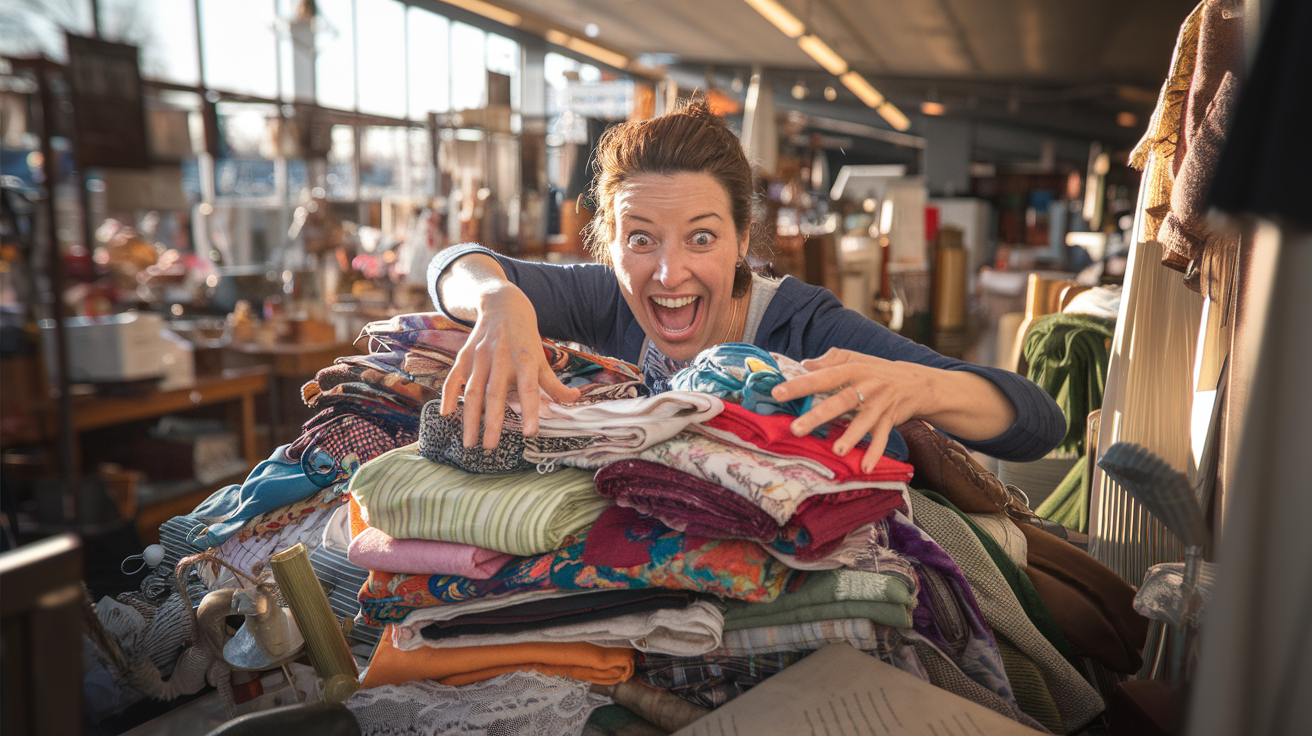
Big Thrift Energy transforms every excursion into a vibrant adventure for crafters and DIY enthusiasts seeking one-of-a-kind secondhand treasures. Discovering creative potential begins with an open mind; scan every shelf, bin, and rack for crafting supplies or raw materials ripe for upcycling crafts.
Thrift store finds often appear subtly—an overlooked vase, a forgotten fabric scrap, or a piece of furniture might spark your next DIY project.
Patience, coupled with a keen eye, helps you transform neglected objects into unique vintage decor ideas that truly reflect your personal style.
Next, we explore how Virginia Chamlee personifies this bold approach to treasure hunting.
Unlocking Virginia Chamlee’s Big Thrift Energy
Virginia Chamlee approaches treasure hunting with a fearless spirit, advocating for creative reuse and budget-friendly style for all skill levels. Your personal style acts as a compass during your search; let instinct guide you toward thrift store finds that resonate—perhaps statement glassware, interesting textiles, or quirky artwork ready for upcycling crafts.
Assess quality by touching fabric or testing furniture stability; evident craftsmanship signals items worth the effort. Unlike conventional shopping, Big Thrift Energy inspires crafters and home decorating enthusiasts toward originality, seeking unexpected gems to confidently assemble unique home accents for creative projects and DIY inspiration.
Embracing Your Personal Style
Big Thrift Energy encourages building on thrifting principles and integrating personal style.
Let your unique taste guide your search for valuable pieces, spotting items that speak to your aesthetic and potential for creative reuse.
Your personal taste dictates what truly shines.
Spotting Quality Finds
Research discoveries about quality are key. To distinguish between valuable pieces and those to pass up, feel garment fabric for substance or examine furniture for solid construction; this practice aids in finding items with resale potential.
Thrift shopping rewards a discerning eye.
The Thrill of Originality
Thrift store finds offer a pathway to originality. The joy of DIY crafting comes from infusing your personalized spaces with distinctiveness, moving beyond the commonplace for truly unique home accents.
Seek out the unexpected.
Creative Reuse and Upcycling
Upcycling crafts and repurposing vintage items are central to Big Thrift Energy.
Transform forgotten objects into stunning vintage decor ideas, breathing new life into materials and fostering sustainable living.
Embrace creative reuse.
Budget-Friendly Decorating
Affordable decorating is accessible through thrift shopping. Discover how to create beautiful home decorating solutions and personalized spaces using crafting materials found at thrift stores, making budget crafting enjoyable.
Bargain hunting yields great results.
Project Inspiration
DIY inspiration abounds in thrift stores. From upcycled creations to unique decor, project inspiration is everywhere for crafters and DIY enthusiasts.
Let these decorative finds fuel your creative projects.
Confidence in Styling
Confident styling comes from embracing your personal style.
Mix and match thrifted items, incorporating vintage style with modern decor integration for a look that is exclusively yours.
Express your individuality.
Fashion Sourcing
Fashion sourcing at thrift stores allows for unique finds and personal expression. Discover how to integrate fashion into your creative projects or simply enjoy the thrill of finding distinctive garments.
Personal expression thrives here.
Sustainable Living Practices
Sustainable living is enhanced by choosing secondhand. Participating in thrift shopping reduces waste and supports a more eco-conscious lifestyle through secondhand transformation.
Embrace sustainable living.
Creative Inspiration Sources
Creative inspiration is abundant in thrift store finds, acting as true treasure troves.
These stores provide a wealth of ideas for DIY projects and home styling, perfect for fostering creativity.
Seek out creative inspiration.
Repurposing Vintage Finds
Repurposing vintage items is a hallmark of Big Thrift Energy. Transform old furniture, textiles, and objects into stunning new pieces that enhance your living space.
This process offers endless DIY inspiration.
Crafting Supplies Galore
Stock up on essential crafting supplies at incredible prices. Thrift stores are excellent sources for fabrics, paints, tools, and embellishments, providing affordable materials for all your creative endeavors.
Fill your craft room.
Thrift Flip Potential
Learn the art of the thrift flip, turning overlooked items into profitable or cherished pieces.
This practice combines creativity with business acumen, offering a unique avenue for income and artistic expression.
Discover the thrill of a good flip.
Decorating Inspiration for All
Find endless decorating inspiration for personalized spaces. Whether you prefer a minimalist aesthetic or a maximalist explosion of color, thrift stores offer possibilities for everyone.
Make your home unique.
Vintage Enthusiasts’ Paradise
For vintage enthusiasts, thrift stores are unparalleled. Discover authentic pieces with history, perfect for collectors and those who appreciate the charm and character of bygone eras.
Enjoy the hunt for true gems.
DIY Crafting Projects
Embark on exciting DIY crafting adventures with materials sourced from thrift stores.
The affordability and uniqueness of these finds make every project a rewarding experience.
Unle.

Unearthing Your Best Thrift Store Finds
Seasoned vintage enthusiasts know every trip to the thrift store brings a new adventure, and it’s the moments of unexpected discovery that make bargain hunting truly unforgettable. Virginia Chamlee’s Big Thrift Energy inspires a fresh perspective on finding unique thrift store finds—like a pair of Nike tennis shoes that became a wardrobe staple, representing both function and the thrill of treasure hunting.
Another favorite? A mid-century side table, once overlooked, now sanded and refinished, perfectly enhancing my living room with quality craftsmanship and vintage decor flair.
- Vintage Pyrex: Vibrant colors, a timeless design, and immense nostalgia value—these have become my go-to collectible for affordable decorating and creative projects.
- Antique Bar Cart: Unearthed for a fraction of its value, repurposed for stylish home entertaining, it’s now the centerpiece for gatherings, lending both function and personal expression to my space.
Big Thrift Energy, as popularized by Virginia Chamlee, reminds us to envision the potential and backstory behind every secondhand treasure. To uncover your own hidden gems, scan quickly for promising shapes and real materials, revisit stores regularly, and imagine how overlooked items might be upcycled into unique home accents. Each find adds a new layer to your personal narrative—share your stories and inspire creative inspiration within your own circle, turning secondhand transformation into a joyful pursuit of individuality.
Mastering Upcycling Crafts with Creative Flair
Once you’ve sourced personalized spaces full of unique thrift store finds, the next step is transforming them into upcycled creations that reflect true creativity and sustainable living. Big Thrift Energy urges crafters to blend disparate elements: for example, turning vintage fabric into eye-catching patchwork or combining glass jars and antique hardware for innovative home decorating projects.
Creative Reuse and Artistic Application
Creative reuse offers boundless possibilities for home decorating and DIY projects. Repurposing vintage items can lead to stunningly unique home accents. From transforming old book pages into mixed media art to crafting unique wall art by layering patterns and colors, the potential for creative projects is vast. DIY inspiration abounds when you consider the possibilities of secondhand treasures.
Big Thrift Energy encourages a strategy of scanning quickly for promising shapes and real materials, revisiting stores regularly, and imagining how overlooked items might be upcycled into unique home accents.
Step-by-Step Upcycling Guidance
To begin your journey in upcycling crafts, gather your crafting supplies. Consider wooden picture frames, textured textiles, or discarded ceramics as excellent starting points for your creative projects. Research discoveries in repurposing vintage items; try integrating old book pages or buttons into mixed media art for a one-of-a-kind effect. DIY inspiration from Virginia Chamlee’s guides can transform a dated lamp through sanding and repainting, or help you craft your own wall art by layering patterns and colors for confident styling.
Virginia Chamlee emphasizes the importance of trusting your own personal taste and embracing individuality. This approach ensures your curated space is not just charming but uniquely you. Whether for fashion, home decor, or resale potential, upcycling crafts present endless opportunities for creative reuse and budgetfriendly style, empowering everyone to unleash their inner designer.
- Thrift store finds like vintage Pyrex offer vibrant colors, timeless design, and nostalgia value for affordable decorating.
- Repurposing items such as antique bar carts can transform them into functional centerpieces for stylish home entertaining.
- Creative reuse of materials like old book pages can lead to unique mixed media art projects.
- Upcycling crafts can involve transforming items like dated lamps through sanding and repainting for a fresh look.
Discovering Vintage Decor Ideas
Big Thrift Energy by Virginia Chamlee offers a vibrant, practical guide for crafters and vintage enthusiasts looking to discover unique treasures at thrift stores. This book showcases how to identify the crafting potential in thrifted objects, providing step-by-step upcycling and repurposing ideas for vintage and secondhand finds.
Virginia Chamlee‘s approachable advice encourages both novice and experienced thrifters to explore thrift stores as abundant sources for affordable crafting supplies and decor pieces, proving anyone can score impressive finds and infuse their spaces with personality.
Successful home decorating embraces mixing eras by finding common threads such as material or color, ensuring your personalized space feels cohesive yet unique.
Thrift shopping becomes treasure hunting, revealing affordable and decorative finds ready for upcycling and repurposing.
Here’s how to integrate vintage sourcing for aesthetic inspiration:.
- Fashion Sourcing: Learn how to distinguish between valuable pieces and items to pass up during your treasure hunting adventures.
- Creative Reuse: Discover how to research and uncover the story behind unique discoveries, adding depth to your decor.
- Personal Style: The book encourages confident, personal styling choices that reflect your own taste, making your home truly yours.
- Budget-Friendly Style: Gain practical advice for flipping thrifted treasures for profit or simply enjoying affordable decorating.
- Interior Design: Get inspiration for budget-friendly crafting and home decorating, suitable for all skill levels.
Virginia Chamlee’s work celebrates the thrill, creativity, and sustainability of thrifting and upcycling, offering inspiration for transforming ordinary items into extraordinary focal points. Explore these creative possibilities, then transition into hands-on crafting with renewed inspiration in the next section.
Embracing DIY Projects Secondhand
Resourcefulness and Budget Goals
Repurposing thrift store finds opens the door to sustainable living and budget-friendly creativity, empowering both new and experienced DIY enthusiasts. DIY projects become more manageable with thorough project planning guides, helping you visualize and adapt current instructions for secondhand treasures and available craft supplies.
Big Thrift Energy encourages an inventive, flexible approach to secondhand transformation, turning items into stylish home accents with minimal cost. Prioritizing upcycled creations not only reduces waste but also adds a layer of individuality to your decorating inspiration.
Project Planning and Adaptation
Crafting supplies are plentiful when you approach DIY projects with clear vision. Utilize project planning guides to adapt existing instructions for your unique secondhand treasures. This ensures your upcycling crafts are successful and stylish.
- DIY Inspiration: Benefit from practical advice for budget-friendly crafting and home decorating, suitable for all skill levels.
- Thrift Flip: Learn how to evaluate, purchase, and transform secondhand items effectively.
- Sustainable Living: Prioritize sustainability by giving new life to old materials.
- Creative Projects: Discover practical tips for styling and integrating thrift store finds into modern home decor.
- Budget Crafting: Focus on affordability and infuse your spaces with personality and individuality.
By harnessing resourcefulness and adaptability, you set the stage for affordable, eco-conscious, and genuinely one-of-a-kind results. This approach celebrates the stories and value behind each unique find, making your home truly a reflection of your personal taste and creativity.
Key Takeaways from Vintage Decor Sourcing
- Thrift stores are presented as abundant sources for affordable crafting supplies and decor pieces.
- The book Big Thrift Energy by Virginia Chamlee offers practical guidance for upcycling and repurposing vintage and secondhand finds.
- Successful home decorating involves mixing eras by identifying common threads like material or color for cohesion.
- Repurposing thrift store finds supports sustainable living and budget-friendly creativity for DIY enthusiasts.
Repurposing Vintage for Unique Style
Repurposing vintage clothing transforms forgotten finds into standout fashion statements; every carefully chosen piece becomes a reflection of your unique identity and creative vision. Big Thrift Energy by Virginia Chamlee celebrates the transformative power of secondhand treasures, urging fashion lovers to curate an expressive wardrobe that’s distinctly their own.
Vintage decor ideas and upcycling crafts offer endless project inspiration for crafters seeking to personalize their style.
Pair a well-loved vintage denim jacket with modern boots, or add new buttons and bold accessories for a fresh twist.
Style curation is about blending eras and textures, empowering confident styling and individuality with every DIY crafting project.
Fashion sourcing reimagined through repurposing vintage allows for a deeply personal expression.
Crafting supplies from flea markets or estate sales can become unique components of your wardrobe. Creative projects born from a love of thrift shopping highlight a commitment to sustainable living.
Discovering valuable pieces within secondhand treasures fuels a passion for DIY inspiration.
Embrace the journey of transformation, infusing every garment with your distinct personal style.
Modernizing Vintage Finds
DIY projects offer exciting avenues for breathing new life into vintage garments. Consider adding modern hardware like zippers or unique buttons to a classic jacket, or distressing denim for a contemporary feel.
Upcycling crafts can transform a vintage scarf into a head-turning accessory or a beloved dress into a chic blouse. This blend of old and new creates a truly personalized look, showcasing individuality through thoughtful creative reuse.
These techniques empower all skill levels to experiment with fashion and express their unique personal taste.
Creative projects born from a love of thrift shopping highlight a commitment to sustainable living.
Thrift flip opportunities abound when you approach styling with a keen eye for potential.
Fashion sourcing becomes an adventure when hunting for bargain hunting gems. Vintage style enthusiasts often find joy in the process of discovery.
Personal expression thrives when you integrate unique home accents from unexpected places. Crafting materials can be repurposed endlessly.
Finding Budget-Friendly Style Treasure Hunting
Bargain hunting at your favorite thrift store transforms your shopping experience into a strategic quest for timeless, affordable decorating pieces and unique wardrobe additions.
Virginia Chamlee’s Big Thrift Energy empowers DIY enthusiasts by providing actionable tips for identifying valuable pieces and maximizing budgetfriendly style on any shopping trip.
Savvy shoppers know to scout for sales, be patient during their treasure hunting, and assess each item’s resale potential or suitability for DIY projects. Bring creativity to every outing—an eye for versatile materials unlocks hidden gems, ensuring your personalized spaces retain both style and sustainable living impact.
Thrift store finds represent a vast potential for enriching your life and home without breaking the bank. Big Thrift Energy emphasizes that smart shopping involves more than just low prices; it’s about recognizing inherent value and future possibilities.
Creative inspiration abounds when you learn to spot pieces with strong resale potential or those easily adaptable through upcycling crafts.
This savvy acquisition strategy allows for building a collection of secondhand treasures that reflect genuine personal style.
Smart Shopping Strategies
Virginia Chamlee offers invaluable advice for navigating the world of thrift shopping, making it an accessible and rewarding pursuit for everyone. Learn to distinguish between valuable pieces and items to pass up by researching brands and materials.
DIY inspiration is often found in the form of overlooked items with great crafting supplies potential. Budget crafting and affordable decorating become achievable when you focus on the long-term value and creative adaptability of your finds.
Research discoveries can reveal the stories behind unique items, adding depth to your style.
Treasure hunting for decorating inspiration relies on patience and a keen eye.
Affordable decorating is made possible by seeing the potential in secondhand items.
DIY crafting projects can elevate simple finds into stunning pieces. Creative reuse is key to a sustainable lifestyle.
Interior styling benefits greatly from these unique finds.
Supporting the Art of Repurposing Vintage
- Repurposing vintage clothing transforms forgotten finds into standout fashion statements, reflecting unique identity and creative vision.
- Vintage decor ideas and upcycling crafts offer endless project inspiration for personalizing style through DIY crafting.
- Fashion sourcing reimagined through repurposing vintage allows for deep personal expression and highlights a commitment to sustainable living.
- DIY projects breathe new life into vintage garments by adding modern hardware or transforming pieces into chic accessories through creative reuse.
Creating unique home accents with purpose
Virginia Chamlee, the author of Big Thrift Energy, reveals that thrift store finds can transform spaces by seamlessly connecting functional aesthetics with your genuine personal style. Instead of sticking with common decor, we can integrate home styling ideas through intentional design.
This approach encourages transforming secondhand treasures into unique home accents that authentically communicate your narrative.
The book highlights choosing furnishings and decorative items with latent utility, like a repurposed vintage crate or a ceramic bowl as a catch-all, making everyday living both stylish and practical.
To truly infuse personal meaning, select pieces that resonate with memories or passions, transforming ordinary DIY projects into personalized, sustainable living statements, while simultaneously elevating your home decorating vision.
Thrift shopping offers a path to personalized spaces, blending creative reuse with budgetfriendly style, turning ordinary items into extraordinary decorative finds.
Virginia Chamlee’s Big Thrift Energy is a vibrant, practical guide for crafters, DIY enthusiasts, and vintage lovers seeking to discover unique treasures at thrift stores. The book details how to recognize crafting potential in thrifted objects, offers step-by-step upcycling and repurposing ideas for vintage and secondhand finds, and shares tips for styling and integrating thrift store items into your interior design.
Chamlee’s approachable advice inspires both novices and seasoned thrifters to explore thrift stores as abundant sources of affordable crafting supplies and decor pieces, emphasizing that anyone can score impressive finds and infuse their spaces with personality. It teaches shoppers how to distinguish between valuable pieces and items to pass up, and explains how to research and uncover the story behind unique discoveries.
Bringing personality to your living areas
Budgetcrafting provides abundant decorating inspiration for everyone, fostering creativity and individuality in your home.
Thrift store finds offer a fantastic avenue for creative projects, allowing for personal expression through DIY inspiration and upcycling crafts.
Many DIY projects can be made using affordable materials, making affordable decorating accessible to all.
We can transform residue potential into beautiful vintage decor ideas by focusing on purposeful design. This approach merges functional aesthetics with intentional design, encouraging integration of home styling ideas.
A method for infusing personal meaning involves selecting pieces that evoke cherished memories or reflect distinct passions, turning ordinary items into meaningful decoration and celebrating the stories behind each unique find.
Repurposing vintage items through DIY crafting allows for stylish, sustainable living and the creation of truly unique home accents that reflect your personal taste.
Thrift enthusiasts and crafters can discover treasure troves of crafting materials for exciting creative projects. The book encourages confident styling choices that authentically reflect your own taste and preferences.
It provides practical advice for flipping thrift finds for profit, a key aspect of budgetfriendly style and potential income.
Big Thrift Energy features inspiration for budget-friendly crafting and home decorating, accessible to all skill levels.
The book is written in an accessible, down-to-earth style, fostering both the thrill of treasure hunting and a commitment to sustainable living through
creative reuse.
- Thrift store finds can transform spaces by connecting functional aesthetics with personal style, encouraging the integration of home styling ideas through intentional design.
- Virginia Chamlee’s book, Big Thrift Energy, guides crafters, DIY enthusiasts, and vintage lovers on recognizing crafting potential in thrifted objects and offers upcycling and repurposing ideas.
- Repurposing vintage items through DIY crafting supports stylish, sustainable living and the creation of unique home accents that reflect personal taste.
- Budgetcrafting provides decorating inspiration that fosters creativity and individuality, making affordable decorating accessible through DIY projects using affordable materials.
How To Make A Tropical Summer Drinks Shaker Card With Lawn Fawn Products
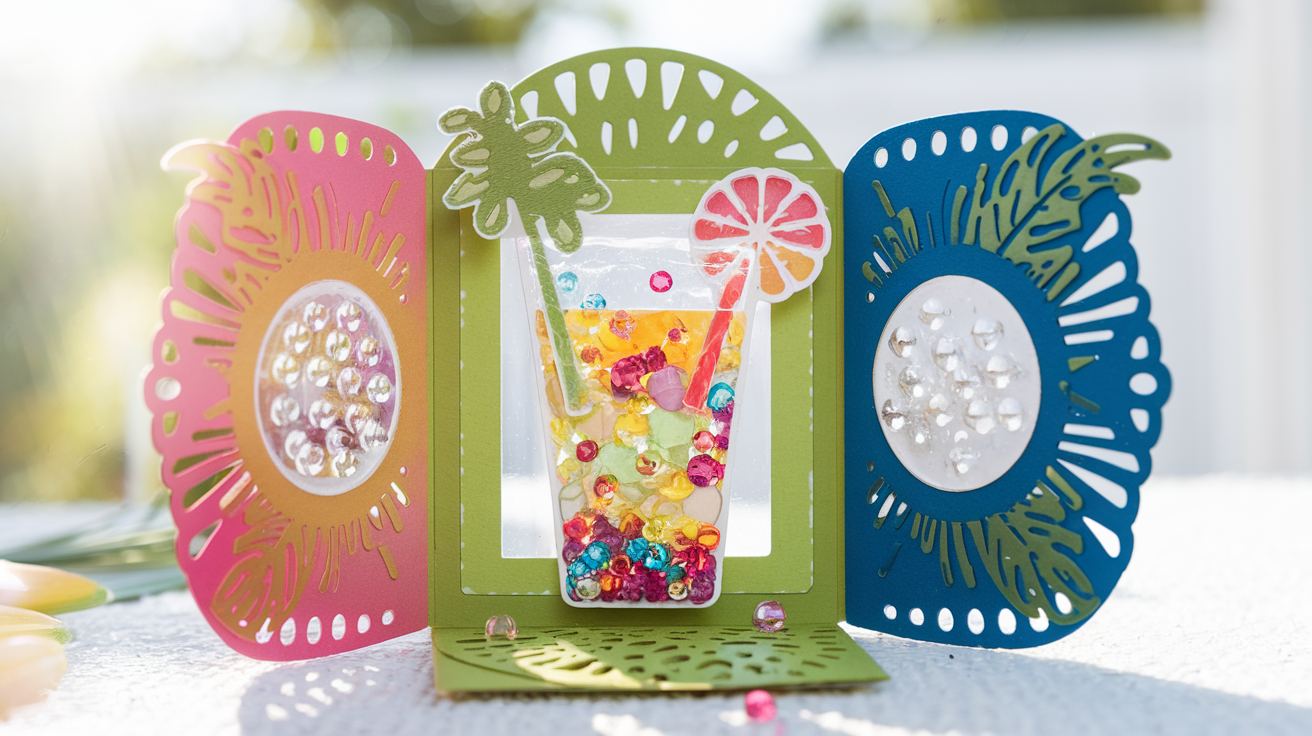
Lawn Fawn Build-a-Drink kits instantly infuse your summer shaker card with playful, fruity beverage themes that capture the essence of tropical celebrations. Copic marker coloring allows every stamped tropical drink, cocktail garnish, and summer accent to pop with vibrant tropical colors, perfect for anyone inspired by fun card assembly and creative summer card ideas.
Sequins for shakers bring interactive cardmaking to life, transforming divided sections behind a four-part frame die into festive vignettes filled with shaker window assembly excitement.
Patterned paper backgrounds or ink blended backgrounds from Lawn Fawn provide the finishing touch, setting off cheerful sentiments and handmade greetings with dimensional effects and colorful creations that are sure to delight.
Summer crafting projects have never been more fun, making DIY greeting cards with clear acetate, foam adhesive, and embellishment placement easy for crafters of all levels.
Enjoy vibrant, detailed instructions and unique greetings as you explore every layer of shaker window fun, connecting your crafty projects with a taste of summer.
Lawn Fawn BuildaDrink stamps
Lawn Fawn Build-a-Drink stamps anchor the card’s beverage illustrations, making it easy to create a full vignette brimming with tropical drinks stamps and cocktail garnishes.
Copic marker coloring brings each drink to life, allowing for vibrant tropical colors and realistic dimensional effects, especially when layering stamped images for visual interest.
Cardmaking die cutting with Lawn Fawn dies enables precise edges and perfect alignment when arranging drinks and summer elements within your card front division, ensuring each section stands out.
Sequins for shakers, seed beads, or microbeads turn every window into a playful, interactive handmade card feature, matching the festive energy of your DIY greeting cards.
Signature drink pairings like a “Tropical Sparkler” or “Lawn Fawn Sunrise Mimosa” complete the tropical theme, blending fruity beverage themes with colorful, fun cards for unique greetings anyone would love to receive.
Crafty Projects
Fresh inspiration awaits as Lawn Fawn Build-a-Drink sets the stage for lively crafty projects perfect for summer cardmaking. Explore a beginner-friendly tropical layered drink card that simply uses one bright, stamped beverage image colored with Copic markers and layered onto decorative paper for a cheerful start.
Reimagine materials with an upcycled beach scene card—tear magazine pages for ocean waves, add real or faux sand, then accent your card using Lawn Fawn dies for sun or palm trees.
Venture into interactive fun by making a summer shaker card—use a four-part frame die, acetate windows, and fill each segment with sequins for shakers alongside stamped drink elements.
Techniques like cardmaking die cutting and playful embellishment placement ensure every project, whether beginner or advanced, stays vibrant, dimensional, and uniquely yours.
Copic marker coloring tips
Mastering Copic marker coloring techniques adds delicious dimension to every stamped tropical beverages project. For a vivid finish, always determine your light source—when coloring a summer shaker card, imagine sunlight from the corner, preserving bright highlights on the drink’s rim and glass side while shading the base and opposite edge.
Achieve those irresistible vibrant tropical colors by blending lighter to darker marker tones in smooth, circular strokes, and use a colorless blender for seamless gradients on juicy drinks. To make cocktail garnishes dazzle, softly overlay a hint of pale gray or blue then accent with a white gel pen, mimicking the metallic gleam found on rims or fancy straws.
Each tip transforms your card into an interactive handmade card that’s strikingly lifelike and full of fun cardmaking possibilities.
Crafting and Coloring Techniques for Summer Cards
- The article suggests using Lawn Fawn Build-a-Drink products for summer cardmaking projects, including a tropical layered drink card.
- Upcycling magazine pages for ocean waves and adding sand are presented as methods for creating an upcycled beach scene card.
- Interactive elements like shaker cards can be made using a four-part frame die, acetate windows, and sequins for shakers.
- Copic marker coloring tips include establishing a light source for highlights and shading, using circular strokes for blending vibrant colors, and employing a white gel pen for dazzling cocktail garnishes.
What is a shaker card?
Bursting with vibrant, interactive energy, a summer shaker card brings dynamic dimension by enclosing playful elements like sequins for shakers or microbeads within clear acetate windows. The core components of this delightful interactive handmade card include a sturdy card base, a decorative four-part frame die for effective card front division, a shaker window layer typically made of clear acetate, and robust foam adhesive for creating necessary space and ensuring a secure seal.
Sequins for shakers provide classic sparkle and an engaging jingle, while microbeads offer a subtle, effervescent look, perfectly simulating bubbly tropical beverages for your summer card ideas.
Creative fillers such as mini die cuts, confetti, or tiny charms also yield distinctive, personalized effects.
For assembly: Begin by performing cardmaking die cutting for your card front and frame pieces. Next, create and expertly color tropical drinks stamps (consider popular sets like Lawn Fawn Build-a-Drink).
Adhere your finished drink images to a suitable base, then carefully attach the acetate card window and foam adhesive to the frame. Now, add your chosen fillings to the shaker elements, seal the window securely, and finish with a beautiful patterned paper background and a cheerful sentiment.
This wonderful interactive handmade card transitions smoothly into exploring the key techniques for assembling the perfect acetate card window, ensuring clear, professional results for all your DIY greeting cards.
Acetate card window assembly
Clarity and precision are paramount in the acetate card window step of overall shaker window assembly for advanced interactive cardmaking projects.
For optimal, distortion-free results, especially when using a four-part frame die, it is best to diligently secure the acetate with strong, double-sided adhesive. Aligning the edges meticulously helps avoid visible lines and significantly reduces potential warping.
Before adhering, it is highly recommended to clean the acetate surface with a soft, lint-free cloth to prevent fingerprints or smudges, and consider storing it with a silica gel pack to minimize fogging issues on your DIY greeting cards. Foam adhesive is instrumental in creating the necessary depth, ensuring no small gaps allow tiny sequins for shakers or microbeads to escape from their designated sections.
Alternative transparent materials for creating delightful windows in your fun cards include lightweight recycled plastic packaging or specialist clear film options designed for crafting.
Mastering this crisp assembly step truly sets the stage for creating vibrant, colorful creations that embody the spirit of your summer card ideas and cocktail card ideas.
The use of Lawn Fawn dies such as the multisection frame die can add further decorative appeal. Consider vibrant floral elements or decorative paper with stenciled leaves to enhance the overall tropical theme, incorporating holographic accents for an extra pop of shine.
Adding carefully placed word banners with cheerful sentiments will complete your festive, fruity beverage themes this season. For beginner cardmaking, focus on clean lines and secure adhesion.
Advanced crafting can incorporate intricate layering techniques and selective ink blended backgrounds for deeper visual impact.
Providing detailed instructions ensures a successful outcome for any of your summer crafting projects.
This approach to card assembly allows for significant card customization. The delightful dimensional effects achieved with proper layering make these festive cards truly stand out.
The beverage illustrations, such as stamped tropical beverages, will pop with color when paired with these careful assembly techniques. Ensure your embellishment placement is deliberate for the most appealing playful designs.
These handmade greetings are perfect for sending sunny wishes during the summer.
- Shaker cards achieve dynamic dimension by enclosing playful elements like sequins or microbeads within clear acetate windows.
- Core components for a shaker card include a card base, a four-part frame die, a clear acetate window, and foam adhesive.
- Proper assembly of the acetate card window involves securing it with strong, double-sided adhesive and cleaning the surface to prevent fingerprints or smudges.
- Foam adhesive is essential for creating depth and preventing small shaker elements from escaping their designated sections.
Free Printable Wedding Coloring Pages For Kids Fun
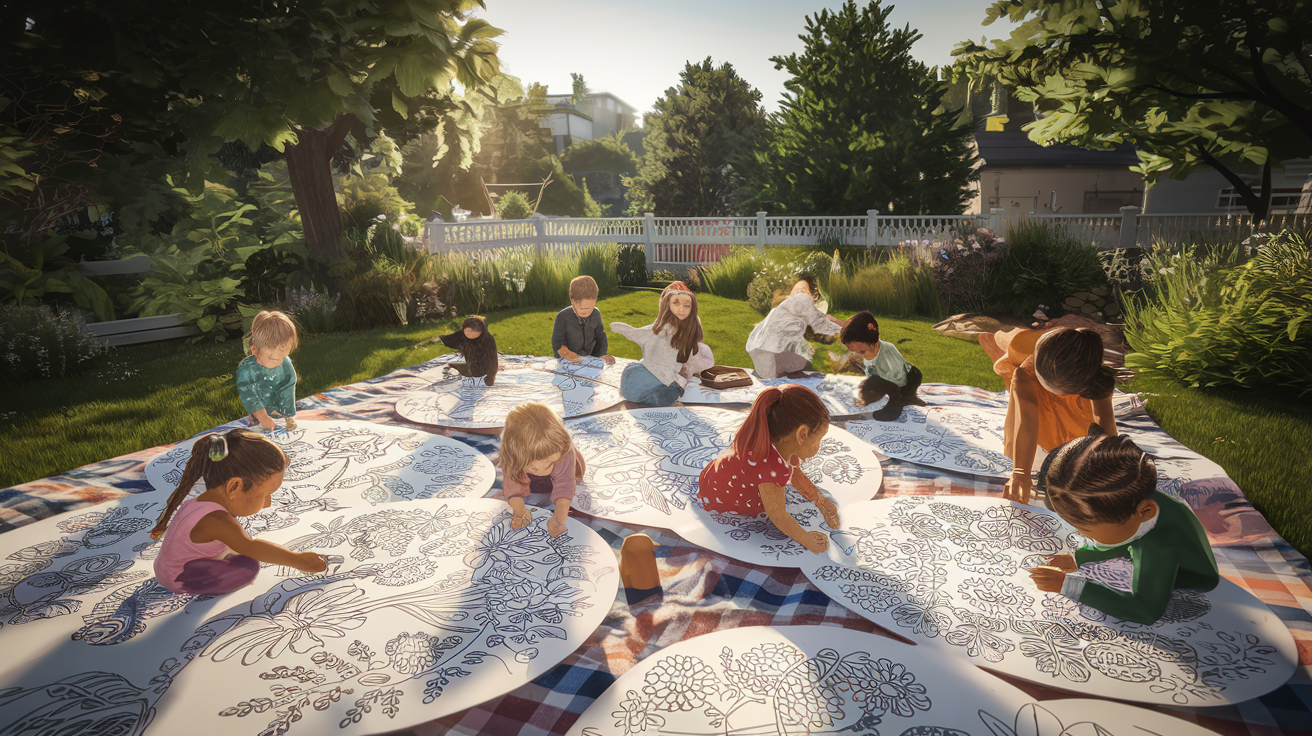
Wedding coloring pages provide a wonderful, screen-free way to bring joy and engagement to your younger guests. Embrace both classic wedding motifs and modern family diversity with these truly inclusive wedding pages.
They are exceptionally easy to use – simply download these printable PDFs on standard letter paper printing or A4 paper use, and prepare to create a delightful wedding coloring station.
From intricate elegant dress designs to cheerful flower girl pages and heartwarming diverse couple coloring, these sheets promise smiles and vibrant creativity throughout your celebration.
Prepare for little artists to immerse themselves in delightful ceremony entertainment, offering parents a moment of parent relaxation.
Why Choose Free Printables?
Providing joyful kids wedding activities does not require a significant investment; these free printables for weddings offer an accessible, budget-friendly wedding approach to keeping your youngest guests happily occupied.
Wedding coloring sheets cater to a wide range of artistic abilities, from simple outlines perfect for toddlers to more detailed illustrations for older children, ensuring universal enjoyment. For the best print quality, use your home printer pages or office printer suitability with a higher print setting on cardstock for durability, making each printable activity book a cherished item.
These versatile sheets cater beautifully to different age groups, representing a smart choice among your various creative wedding options and wedding entertainment for children.
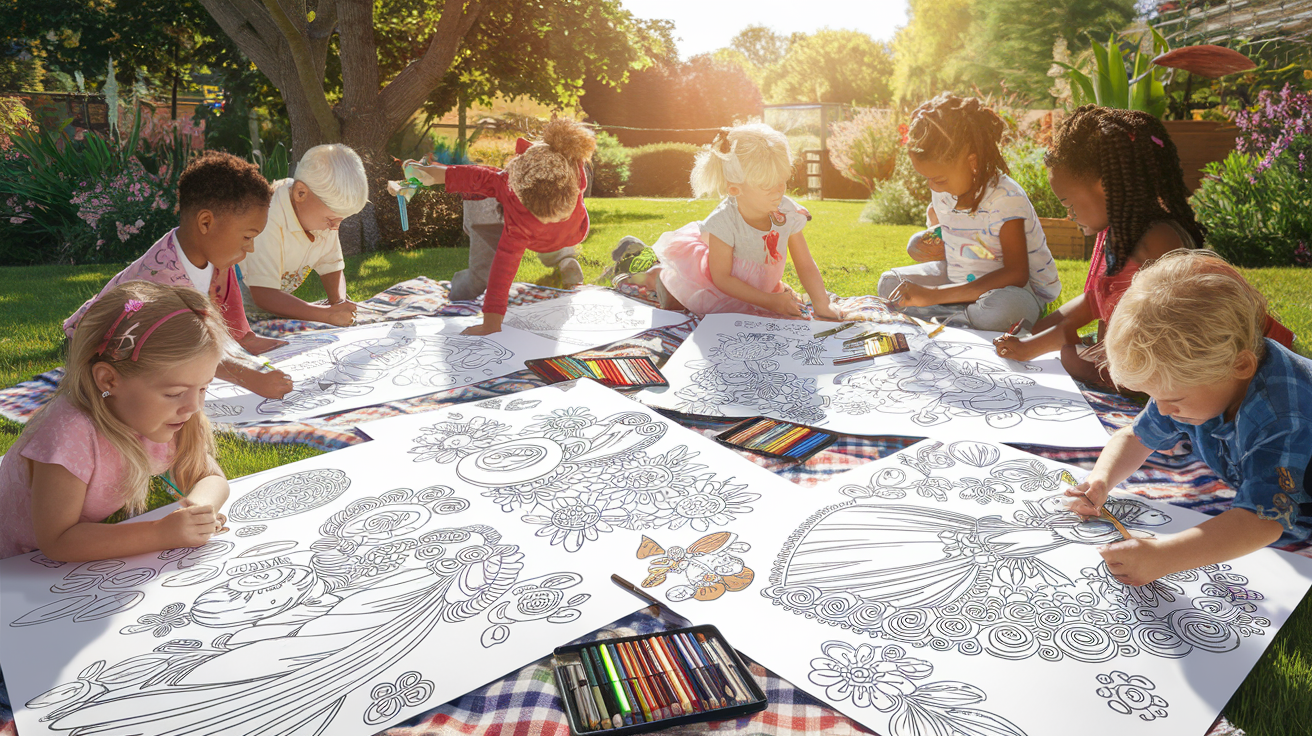
Exploring Inclusive Wedding Pages
Building upon the concept of personalized wedding experiences, a curated collection of free printable wedding coloring pages for kids ensures young guests are entertained during your special day. These inclusive wedding pages feature drawings of diverse couples, classic wedding motifs, and wedding traditions for kids, making them perfect additions to activity stations, favor bags, or kids’ tables.
The printables are easy to download and use simply, creating a fun and calm environment for children at both ceremonies and receptions.
Diverse couple coloring pages and multicultural celebration activities, such as those found in family diversity in printables, help children feel genuinely represented, whether in a bride & bride, groom & groom, or bride & groom pairing.
For seamless content updates, opt for printable PDFs formatted for both letter paper printing and A4 paper use, making home printer pages or office printer suitability effortless. When every young guest sees themselves reflected in these resources, it promotes joyful participation, boosts younger guest engagement, and nurtures a welcoming, thoughtful digital space for all attendees, offering creative expression for children during the event.
Setting Up Wedding Coloring Station
Connecting to the wedding entertainment for children by providing a tangible activity, a wedding coloring station instantly elevates wedding entertainment for children and offers meaningful kid activities.
Essential supplies reach beyond crayons—stock colored pencils, washable markers, stickers, and safety scissors for adding creative flair to kids wedding activities.
Use individual bins and wipeable placemats to keep messes contained while enabling creative expression for children.
These DIY wedding crafts are great for assembling into personalized printable activity books.
To share and celebrate children’s artwork, hang finished pieces along a ribbon with clothespins or designate a gallery wall, turning these into charming wedding reception ideas that add vibrant, personalized decor and delight guests of all ages, contributing to the weddings visual appeal.
Print extra pages for siblings, younger guests, or to have on hand as backup during long speech activities or ceremonies, ensuring quiet wedding time.
Consider laminating finished favorites as keepsakes for kids to take home, offering a budget-friendly wedding solution.
Inclusive Wedding Pages
- Free printable wedding coloring pages for kids are available, featuring diverse couples and wedding traditions.
- These printables can be used at activity stations, in favor bags, or at kids’ tables to entertain young guests.
- Printable PDFs formatted for both letter and A4 paper ensure easy home or office printer use.
- Setting up a wedding coloring station with supplies like colored pencils, markers, and stickers enhances children’s engagement.
Wedding Entertainment For Children
Wedding entertainment for children ensures young guests are engaged and happy throughout your special day. Free printable wedding coloring pages offer a brilliant, budgetfriendly wedding solution needing minimal preparation.
For your younger guest engagement, provide kids wedding activities like coloring or simple crafts, utilizing readily available printable activity books with uncomplicated designs suitable for little hands.
Inclusive wedding printables featuring diverse couples coloring pages encourage creative expression for children and reflect contemporary values.
To create a serene escape from the excitement, establish a quiet wedding time corner with comfortable seating and books—offering overstimulated kids a peaceful retreat.
Tips for Kids Table Activities
Kids wedding activity printables can transform the designated children’s table into a memorable focal point, fostering creativity and reducing wedding restlessness. Wedding coloring station suggestions include setting up free printables for weddings with crayons at each seat and including extra coloring pages as backup ceremony sheets for extended speeches.
For simple, low-supervision engagement, offer fun creative wedding options like “I Spy” cards, wedding bingo, or wedding cake design sheets—an enjoyable method to keep kids occupied between courses. Combining quiet activities with a DIY wedding crafts element guarantees each child discovers something meaningful, allowing parents to relax as the celebration continues.
Creative Wedding Activities
Creative wedding options provide engaging diversions for younger guests, encouraging their participation.
DIY wedding crafts can be a delightful way to keep children occupied.
Consider offering wedding cake design sheets or simple photo booth prop coloring pages that allow for personal touches to the celebration scenes.
These activities are excellent for creating an inclusive wedding experience, ensuring all children feel a part of the day’s joy.
Engagement and Calm
Guest engagement ideas extend to providing activities that foster connection and calm. The introduction of wedding traditions for kids can be made more interactive through coloring pages featuring wedding traditions coloring or floral arrangement coloring.
For reducing wedding restlessness, especially during long speech activities, having a variety of printable PDFs like wedding coloring, or even wedding guest book alternative sheets, proves beneficial. This approach supports parent relaxation and ensures a more harmonious atmosphere for everyone present at your wedding.
Wedding Entertainment for Children
- Free printable wedding coloring pages are a budget-friendly solution requiring minimal preparation.
- Activities like coloring, I Spy cards, or wedding bingo can keep children engaged between courses.
- Providing a quiet corner with books offers a peaceful retreat for overstimulated children.
- DIY wedding crafts, such as cake design sheets or photo booth prop coloring pages, encourage creative expression and participation.
Creative Expression For Children
Wedding coloring pages spark engagement as young guests immerse themselves in creative wedding options that capture the event’s unique atmosphere. By placing free printables for weddings that echo your chosen color palette or celebration scenes at a dedicated wedding coloring station, children channel their energy into positive, hands-on activity.
Kids wedding activities like these not only ease restlessness but also foster collaboration and social bonds at the kids table, while parents enjoy much-needed relaxation.
Incorporating inclusive wedding pages, such as diverse couple coloring designs or flower girl pages, affirms every child’s sense of belonging and turns their creations into meaningful mementos of participation in your special day.
This provides wedding entertainment for children and can be part of your budgetfriendly wedding plans.
Wedding Favor Ideas for Kids
Event planning for kids shines with thoughtful wedding favor ideas that entertain and educate.
Wedding favor printables like printable activity books or DIY wedding crafts encourage continued play long after the ceremony.
Kids wedding activities such as mini puzzles, bubbles, or floral coloring pages can be sourced in bulk to keep your celebration budgetfriendly and inclusive.
Wedding reception ideas benefit from playful packaging—use small bags tied with ribbon in your wedding colors, and tuck in wedding coloring pages or photo booth prop coloring sheets for extra delight. This inviting presentation transforms the favors into memorable tokens each child will cherish.
Thoughtful Tokens for Young Guests
Providing a small token of appreciation that aligns with a child-friendly approach is key to memorable wedding celebrations.
Wedding favor ideas, particularly those that are educational or encourage continued play, leave a lasting positive impression.
Consider bulk purchasing options for cost-effectiveness and inclusivity.
For instance, wedding stationeries crafts like DIY wedding crafts can be pre-packaged.
- Printable activity books offer hours of entertainment.
- Floral coloring pages are a simple yet engaging option.
- Photo booth prop coloring sheets add a fun, interactive element.
A tip for presenting favors appealingly to children involves colorful packaging. Using small bags tied with ribbon in your wedding colors enhances the visual appeal. Tuck in a variety of wedding coloring pages or other creative wedding options to complete the thoughtful gesture.
Enhancing the Kids’ Experience
To further engage younger guests, consider incorporating elements that reflect the wedding’s theme or colors into their favors and activities. This approach fosters a sense of participation for children, making them feel like an integral part of the celebration.
Providing extra coloring pages, perhaps including designs like elegant dress designs or unique wedding cake illustrations, ensures that all children, including younger guest engagement and sibling wedding fun, have ample creative outlets.
This also serves as a great strategy for reducing wedding restlessness during longer portions of the event, like long speech activities. These elements contribute to a calm wedding ceremony and a more relaxed wedding reception engagement for everyone.
Supporting Information for Children’s Wedding Activities
- Wedding coloring pages and activity books provide creative outlets for children, reducing restlessness during events.
- Thoughtful wedding favors like coloring pages and DIY crafts encourage continued engagement and can be cost-effective when purchased in bulk.
- Inclusive wedding pages, such as diverse couple designs, foster a sense of belonging for all young guests.
- Playful packaging and themed activities enhance the children’s experience, making them feel like integral parts of the celebration.