

How To Make A Natural Diy Sitz Bath For Hemorrhoid Relief
Persistent rectal discomfort can derail your day, but a warm sitz soak offers gentle, at-home relief that’s easy to start now for anal comfort.
How To Make A Natural DIY Sitz Bath For Hemorrhoid Relief
Creating a natural DIY sitz bath for hemorrhoid relief is straightforward with warm water therapy in a clean bathtub or toilet-top sitz basin, enough for perineal care for 10–20 minutes, 1–3 times daily.
Essential Supplies for Your DIY Sitz Bath
Before you begin your natural sitz bath therapy, gather these essential supplies for optimal relief:
This post contains affiliate links. If you buy through them, I may earn a commission at no extra cost to you. As an Amazon Associate I earn from qualifying purchases.
| Supply | Purpose | Where to Find |
|---|---|---|
| Toilet-Top Sitz Bath Basin | Convenient, targeted soaking for perineal area | Check prices on Amazon |
| Epsom Salt (Magnesium Sulfate) | Muscle relaxation and soothing relief | Check prices on Amazon |
| Chamomile Tea Bags | Anti-inflammatory calming effects | Check prices on Amazon |
| Witch Hazel Extract | Astringent properties for irritation reduction | Check prices on Amazon |
| Witch Hazel Pads | Post-soak topical relief | Check prices on Amazon |
| Soft Cotton Towels | Gentle drying after soaking | Check prices on Amazon |
| Bath Thermometer | Ensuring safe water temperature | Check prices on Amazon |
Natural remedies like an optional Epsom salt add-in, using 2 cups for a tub or 1/2 cup for a sitz basin, can provide significant irritation reduction and pain relief.
Chamomile tea (steep 3–5 bags, then add) or a tablespoon of witch hazel can offer soothing relief; choose warm water therapy first if you have sensitive skin or are managing postpartum recovery.
After soaking, gentle cleansing followed by patting dry gently is key for proper hygienic practice; consider applying OTC hydrocortisone cream or witch hazel pads for symptom control.
Choosing Your Natural Sitz Bath Ingredients
Now that warmth is working, tailor your soak with simple add-ins for more targeted comfort and natural healing methods.
Warm water is the foundational element of any sitz bath; it promotes circulation improvement, gentle cleansing, and soothing relief—keep it warm, not hot, to avoid scalding and irritation for your perineal comfort.
Epsom salt supports muscle relaxation and offers a sitz bath recipe for pain relief. Many crafters find that using quality Epsom salt makes a noticeable difference:
- For a standard bathtub: Add 2 cups of Epsom salt to the water for a relaxing soak.
- For a toilet-top sitz basin: Add approximately 1/2 cup of Epsom salt to the basin.
Witch hazel is another excellent natural ingredient known for its astringent properties and irritation reduction, helping calm inflamed tissue and ease anal discomfort. You can find witch hazel extract at most health stores or online.
Chamomile tea offers calming effects, which can be achieved by steeping 3–5 chamomile tea bags in hot water before adding them to your sitz bath for a calming effect on sensitive skin.
Important Caution: Always consult with a healthcare professional before using any new additives, particularly if you have sensitive skin, existing fissures, or are in the postpartum period. Some individuals may find certain ingredients irritating; avoid apple cider vinegar due to burning risk.
This approach supports holistic relief and ensures effective hemorrhoid treatment.
What is a Sitz Bath for Hemorrhoids?
Hemorrhoid relief can begin with a simple, targeted soak that eases irritation where it hurts most. Sitz bath therapy uses comfortably warm water to bathe the perineal and anal area, boosting circulation for faster irritation reduction and pain relief.
Circulation improvement helps calm inflamed tissue, easing swelling and itching while supporting gentle cleansing for sensitive skin.
Warm water therapy relaxes the anal sphincter, which can make bowel movements less painful and reduce spasms.
The temperature matters: choose warm, not hot, to avoid scalding avoidance and swelling management setbacks. Using a bath thermometer can help ensure the water temperature is safe. After soaking, finish with a brief clean-water rinse and gentle drying to maintain anal hygiene for consistent symptom control and preserve soothing relief.
Making Your Soothing Perineal Soak
Crafting a truly effective perineal soak involves more than just filling a basin.
Preparation counts—small setup steps make each soak more comfortable, hygienic, and effective. Clean equipment first, then fill a bathtub or toilet-top sitz basin with warm, not hot, water for safe perineal care. A dedicated sitz bath kit can make this process easier.
A safe temperature supports sensitive skin; aim for cozy warmth to prevent irritation while encouraging relaxation for overall anal comfort.
Natural ingredients are optional for this therapeutic soak: add Epsom salt, a mild chamomile infusion, or a touch of witch hazel extract for extra calming effects.
Dedicated basin use is a hygienic practice that limits contamination and supports consistent results for your homebased therapy. After the soak, pat dry to reduce friction, then resume homebased therapy routines as needed for symptom control.
Creating Your Natural Sitz Bath Soak
Preparing a DIY sitz bath is straightforward for hemorrhoid relief.
Clean the tub or basin thoroughly. Rinse well to remove any residue for your gentle cleansing.
Fill with warm water (not hot). Aim for 3–4 inches in a tub, or enough to submerge the area in a toilet-top sitz basin for pain relief.
Optional natural ingredients can enhance the soothing relief:
- Epsom salt: 2 cups for a tub or 1/2 cup for a sitz basin enhances the hydrotherapy.
- Chamomile: steep 3–5 tea bags for calming support or add witch hazel extract to the water, for its astringent properties.
Sit with knees comfortably bent and soak 10–20 minutes until the water cools, promoting circulation improvement.
Gently pat dry; do not rub to avoid further perineal irritation. Optionally apply witch hazel pads or OTC medications afterward for added relief like hydrocortisone cream.
Repeat 1–3 times daily and ideally after bowel movements for consistent hemorrhoid treatment and anal comfort.
Ingredient Options and Cautions for Perineal Care
While the core of a sitz bath is simple warm water therapy, certain additions can offer further benefit.
The core base: warm water is the primary therapy for swelling management and is often sufficient for relief.
Soothing add-ins include Epsom salt, chamomile tea, and witch hazel for their antiinflammatory and calming effects.
Caution with additives: extra ingredients can worsen certain conditions like anal fissures or infections, or disrupt vaginal pH; discuss with a clinician, especially if postpartum or prone to irritation, as some can irritate sensitive skin.
Avoid apple cider vinegar directly on hemorrhoids; it can burn or worsen symptoms, impacting dermatological relief.
Combining these with increased fiber intake using psyllium fiber supplements and hydration can aid in straining prevention and reduce pressure during toilet time for optimal perineal comfort.
Key Takeaways for Sitz Bath Therapy
- Sitz baths utilize warm water to bathe the perineal and anal area, boosting circulation to reduce irritation, pain, swelling, and itching.
- The temperature of the water is crucial; it should be warm, not hot, to avoid scalding and setbacks in swelling management.
- Optional natural ingredients like Epsom salt, chamomile infusion, or witch hazel extract can be added for enhanced calming and anti-inflammatory effects.
- It is recommended to repeat sitz baths 1–3 times daily, ideally after bowel movements, for consistent hemorrhoid treatment and anal comfort.
How to Use Your Sitz Bath Safely
Prepare for a comfortable and effective perineal soak with meticulous attention to hygiene and water temperature for optimal results.
Essential Preparation for Your Sitz Bath
Begin by ensuring all equipment is meticulously clean to minimize the risk of infection; a toilet-top sitz basin requires thorough cleaning before and after each use, and this hygienic practice extends to shared basins, though they should be avoided. Seek medical consultation for any concerns regarding persistent discomfort.
The primary goal is safe and effective perineal care.
Warm water therapy is fundamental; ensure the water is warm, not hot, to prevent scalding avoidance and skin irritation, aiming for a comfortable therapeutic soak.
Session timing is key; soak for 10–20 minutes, 1–3 times daily, postulating optimal symptom control, especially after a bowel movement for enhanced soothing relief. Proper water level is also important; fill just enough to submerge the anal and genital area for targeted circulation improvement and gentle cleansing.
After the soak, gentle drying is paramount; pat the area dry with a soft towel, avoiding rubbing to prevent sensitive skin irritation. Always practice careful safety measures; rise slowly from the bath to prevent dizziness.
Pause and seek medical consultation if pain, redness, or swelling worsens, indicating a need for further assessment or alternative homebased therapy.
Postpartum recovery note: For those undergoing postpartum recovery, begin with plain warm water. Always confirm with your clinician before adding botanicals if you are experiencing tears, stitches, or have an increased infection risk, as some additives may affect vaginal pH or cause irritation.
Best Natural Remedies for Anal Comfort
Enhance your sitz bath experience with natural ingredients that offer additional benefits for anal comfort and hemorrhoid treatment.
Leveraging Natural Ingredients for Soothing Relief
Beyond the fundamental benefits of warm water therapy, integrating specific natural ingredients can significantly boost your anal comfort and provide targeted hemorrhoid treatment.
Epsom salt is a popular addition, with recommended amounts of 2 cups for a standard bathtub or about 1/2 cup for a sitz basin, aiding in swelling management and promoting muscle relaxation during a therapeutic soak. For added calming effects and antiinflammatory support, consider a chamomile infusion; simply steep 3–5 tea bags in hot water and add the strained liquid to your bath for gentle, athome care.
Witch hazel extract, known for its astringent properties, is also beneficial; mix 1 tablespoon into the water, or use witch hazel pads after soaking for effective itching alleviation. When considering topical treatments, after thoroughly patting the area dry, witch hazel pads or a mild hydrocortisone cream can provide further relief, though seeking professional guidance is advised for sensitive skin or specific conditions.
For consistent pain relief, you can create a DIY sitz bath using warm water and optional chamomile or witch hazel, employing either the bathtub method or a sitz basin setup.
Exercise caution, as additives may sometimes irritate existing anal fissures or alter vaginal pH; prioritize plain water if you are unsure and always consult a clinician for effective symptom control.
Complementary Natural Approaches
For persistent issues, consider these additional natural remedies to complement your sitz bath routine, focusing on holistic relief and long-term management of anal discomfort.
Increasing daily fiber intake, such as from psyllium fiber, alongside adequate hydration, is essential for promoting regular bowel movements and aiding prevention of straining during toilet time. This supports overall anal hygiene and reduces pressure contributing to external hemorrhoids.
Gentle cleansing practices are key to maintaining comfort and supporting the healing process for internal hemorrhoids and perineal irritation. Practicing these preventative measures can significantly improve perineal comfort and reduce the frequency of flare-ups.
Always remember to consult a healthcare professional for persistent or severe symptoms, as they can provide expert advice and recommend appropriate OTC medications or prescription treatments if necessary for conditions like rectal discomfort or anal fissures.
Natural healing methods can be effective, but medical consultation ensures that your approach is tailored to your specific needs, especially during postpartum support.
Key Takeaways for Sitz Bath Usage
- Sitz baths should be performed for 10–20 minutes, 1–3 times daily, to achieve optimal symptom control and soothing relief.
- Warm water is crucial, but it should not be hot to prevent scalding and skin irritation.
- Natural ingredients like Epsom salt (1/2 cup for a sitz basin) and chamomile infusion can enhance anal comfort and provide anti-inflammatory support.
- Gentle drying with a soft towel after the soak is important to avoid irritating sensitive skin.
Postpartum Recovery and Gentle Cleansing
Embracing your body’s natural healing journey invites a focus on comfort and consistent care.
Postpartum recovery truly shines with the benefits of a sitz bath, a therapeutic soak designed to enhance circulation and ease discomfort. This simple yet effective practice can significantly reduce swelling and soreness often associated with tears, stitches, or hemorrhoids, offering much-needed soothing relief.
Utilizing warm water therapy, either in a traditional bathtub or a convenient postpartum sitz bath kit, for 10–15 minutes, 1–3 times daily, supports healing.
Following your soak, opt for gentle drying by patting the area softly to preserve sensitive skin, avoiding any friction that could cause further irritation.
Prioritizing gentle cleansing is paramount for maintaining a clean, hygienic practice, which in turn helps to minimize the infection risk. Regularly cleaning your sitz basin before each therapeutic soak ensures a pristine environment for your athome care.
Keeping essential items like fresh pads and soft towels within reach simplifies this process. As we move forward, exploring natural additions can further enhance this crucial perineal care.
This postpartum support phase benefits greatly from focused self-care, especially during toilet time.
For effective management, consider consistent use of warm water therapy, ideally after every bowel movement.
Remembering to maintain good anal hygiene is part of this holistic approach to relief.
Witch Hazel and Chamomile Benefits
Augmenting the comfort of your sitz bath with thoughtful ingredients can provide targeted care for lingering tenderness.
Witch hazel, celebrated for its notable astringent properties, can significantly calm irritated tissue and aid in irritation reduction. This natural ingredient is a popular choice for a natural hemorrhoid relief bath, offering focused comfort where it is most needed.
Chamomile, on the other hand, brings its renowned antiinflammatory and calming effects to the forefront, helping to soften soreness and support stitch healing for improved perineal comfort. Incorporating these natural ingredients into your routine can be done in several ways beyond simply adding them to the water.
Consider preparing a strong chamomile infusion, allowing it to cool, and using it as a refreshing spray or a gentle compress for immediate soothing relief.
Alternatively, applying witch hazel pads post-bath can offer sustained comfort.
These additions work harmoniously with warm water, respecting sensitive skin while enhancing the overall effectiveness of your perineal care. Always consult your clinician if you have specific concerns regarding postpartum physiology or sensitive skin conditions.
For instance, some additives might cause irritation for certain individuals, impacting conditions like anal fissures or infections. Prioritizing hydration and ensuring adequate fiber intake, such as through psyllium fiber, are also key components of effective management.
Avoid straining prevention during bowel movements to further reduce pressure and discomfort.
To maximize relief from your sitz bath, consider applying witch hazel pads or a suitable OTC cream immediately afterward.
This practice aims to provide sustained comfort and aid in the healing process for conditions like external hemorrhoids.
Remembering to seek a medical consultation for persistent or worsening symptoms is always advised for optimal symptom control.
- Sitz baths, utilizing warm water therapy for 10-15 minutes, 1-3 times daily, can significantly reduce swelling and soreness associated with postpartum tears, stitches, or hemorrhoids.
- Gentle drying by patting the area softly after a sitz bath is crucial to preserve sensitive skin and avoid further irritation.
- Witch hazel’s astringent properties can calm irritated tissue and aid in irritation reduction, while chamomile offers anti-inflammatory and calming effects to support healing.
- Maintaining good anal hygiene, including warm water therapy after bowel movements and avoiding straining, is a key component of effective postpartum relief.
When to Seek Medical Consultation
When to Seek Medical Consultation
Hemorrhoids that do not improve with at-home care and natural remedies necessitate professional evaluation. Rectal bleeding, observed before, during, or after a bowel movement, requires prompt assessment to rule out other conditions and guide appropriate hemorrhoid treatment.
Severe pain, rapid swelling, or prolapse can signal complications needing professional care, beyond what a sitz bath can provide.
Persistent symptoms lasting more than a week, despite warm water therapy and over-the-counter options like hydrocortisone cream, should be reviewed by your doctor.
Emergency signs such as heavy bleeding, dizziness, or tarry stools demand immediate urgent care. The bottom line is that sitz baths offer supportive, soothing relief, but they are not a total cure; it is important to listen to your body and seek timely medical consultation.
Persistent Symptoms
Persistent symptoms that do not resolve with diligent athome care, including regular perineal soaks using warm water therapy, suggest the need for a thorough medical evaluation. If your discomfort and symptoms persist for more than several days, even with consistent use of a sitz basin or bathtub method for perineal care, it is advisable to consult a healthcare provider for further guidance on your hemorrhoid treatment.
Worsening or Severe Pain
Worsening pain, significant swelling, or the occurrence of prolapse are indications that your condition may require more than just gentle cleansing and warm water therapy for anal comfort.
These severe symptoms can point to complications that necessitate professional medical attention and possibly different therapeutic interventions.
Rectal Bleeding
Rectal bleeding, whether it appears before, during, or after a bowel movement, warrants immediate medical attention. This symptom requires prompt assessment to rule out other potential causes and to ensure the most effective hemorrhoid treatment plan is implemented for your specific situation.
Emergency Situations
Emergency signs include heavy bleeding, dizziness, or tarry stools—seek urgent care immediately.
Emergency signs such as heavy bleeding, dizziness, or the presence of tarry stools are critical indicators requiring immediate urgent care. These symptoms suggest a potentially serious issue that needs prompt medical intervention beyond typical sitz bath benefits or other at-home care measures.
When to Re-evaluate Your At-Home Care
When to re-evaluate your at-home care is important.
If, after several days of consistently using warm water therapy, natural remedies, or over-the-counter medications like hydrocortisone cream, there is no discernible improvement in your symptoms, it is time to seek professional medical advice.
They can assess your progress and adjust your treatment plan accordingly.
When to Seek Medical Consultation for Hemorrhoids
- Seek medical consultation if hemorrhoid symptoms do not improve with at-home care and natural remedies after several days.
- Rectal bleeding, occurring before, during, or after a bowel movement, requires prompt medical assessment.
- Severe symptoms such as intense pain, rapid swelling, or prolapse indicate a need for professional medical attention.
- Emergency signs like heavy bleeding, dizziness, or tarry stools necessitate immediate urgent care.
Slow Stitching Techniques From The Quilters Handbook Unveiled
Modern quilters are rediscovering the profound joy of slow-stitching, finding inspiration within K. L.
Cox’s Quilter’s Handbook.
This guide beautifully merges heritage crafts with mindful crafting, elevating hand-quilting techniques into both a meditative process and a vibrant creative renaissance.
Utilizing accessible materials like fabric scraps or inherited supplies, the handbook requires no specialized tools, inviting everyone into a world of intentional creativity. Through deliberate craftsmanship, quilters of all levels can achieve creative wellbeing and uncover significant emotional benefits.
This book fosters a deeper connection to traditional craftsmanship, encouraging a focus on the artistic journey over mere perfection, ushering in an era of calm creation with every deliberate stitch.
Embrace Tranquil Artistry
Mindful crafting is an invitation to transform your sewing experience into a sanctuary of calm creation. The repetitive needlework within needlework art allows makers to achieve creative mindfulness and enter a serene flow state.
Handstitching with intention cultivates a peaceful mindset, gently guiding you to let go of the pursuit of perfection.
Instead, immense value in making is discovered, shifting focus from the final product to the intrinsic satisfaction of the act itself.
Let tranquil artistry and your personal artistic journey guide your hands.
“Analog creation feels like a grounding force in our digital age, offering a necessary respite. ”
– K. L. Cox
To enhance your artistic expression, consider setting aside a cozy, well-lit corner for your quilt projects.
This uncluttered space fosters lasting satisfaction and supports your journey toward thoughtful practices and personal tranquility. For beginner quilters and experienced makers alike, this approach offers a distinct path to creative mindfulness.
Embracing the process over product philosophy ensures that each stitch contributes to a deeply meaningful creation.
Slow craft movement principles encourage a slower approach to making, fostering deeper connection with materials and techniques.
This is a journey of intentional artistry, a rejection of fast-trend modes.
With resourceful crafting, you can transform reclaimed textiles into beautiful handcrafted quilts. Your makers journey is unique, and celebrated mistakes become part of your textile arts narrative.
Find your tranquility seeker within, and enjoy the lasting satisfaction of calm creation.
What is Slow Stitching
Rooted in the principles of creative mindfulness, slow stitching transforms the simple act of needlework into a meditative process that nurtures both patience and focused attention. Far removed from commercial, machine-based practices, slow-stitching emphasizes intentional artistry—each hand quilting stitch is placed slowly, inviting makers to savor the tactile rhythm and find tranquility within the process itself.
For beginners, starting with accessible materials such as fabric scraps, embroidery floss, and a basic needle offers an easy entry point and highlights the practice’s sustainable traditions.
Unlike fast-trend crafts, slow stitching encourages creative wellbeing by prioritizing the journey of making over the rush to a finished product, echoing K. L.
Cox’s philosophy of embracing creative exploration and mindful making.
Slow-stitching: a meditative practice fostering patience and focused attention.
Value in making; embracing deliberate craftsmanship. Starter materials, including fabric scraps and reclaimed textiles, are accessible.
Contrasted with faster, machine-based methods, this slower approach emphasizes intentional artistry.
Slow stitching transforms the simple act of needlework into a meditative process that nurtures both patience and focused attention.
Heritage skills meet modern makers through this tranquil artistry.
For beginner quilters and experienced makers alike, the focus remains on the meditative process. Enjoying the analog creation process offers emotional benefits and a deeper connection.
Hand quilting and needlework art are central to this practice. Textile arts and fiber arts find a meaningful creation here.
This slow craft movement encourages a rejection of fast-trend methods and machine-based avoidance, favoring deliberate stitches.
Discover Mindful Crafting
Immersing yourself in mindful crafting provides more than an artistic outlet; it invites calm creation and fosters a deeper connection to your project and self.
With steady, repetitive handstitching, practitioners experience reduced stress and heightened self-awareness, echoing the soothing emotional benefits described in The Quilter’s Handbook by K. L. Cox.
For a simple exercise, focus solely on the feel of fabric scraps and the sound of the needle passing through with each deliberate movement. This meditative approach to personalized quilts encourages prioritizing process over product, transforming every quilt project into a celebration of thoughtful practices and the mindful moment.
Such resourceful crafting aligns with traditions of heritage skills and inspires a lasting sense of creative wellbeing.
Mindful crafting reduces stress, increases self-awareness, and fosters a deeper connection.
Learn deliberate craftsmanship through repetitive needlework. Embrace intentional creativity with accessible materials like fabric scraps and inherited supplies.
Immersing yourself in mindful crafting provides more than an artistic outlet—it invites calm creation and fosters a deeper connection to your project and self.
Creative wellbeing and emotional benefits are at the heart of this practice. The artistic journey becomes a tranquil artistry.
Reject fast-trend approaches for a slower, more satisfying approach to textile arts.
K. L.
Cox‘s work champions this. Understand the value in making and the meditative process.
Seek tranquility through mindful making and analog creation.
Key Aspects of Slow Stitching and Mindful Crafting
- Slow stitching transforms needlework into a meditative process that nurtures patience and focused attention, prioritizing the journey of making over the rush to a finished product.
- Practitioners experience reduced stress and heightened self-awareness through steady, repetitive handstitching, echoing the soothing emotional benefits described in The Quilter’s Handbook by K. L. Cox.
- The practice emphasizes intentional artistry and deliberate craftsmanship, often utilizing accessible materials like fabric scraps and reclaimed textiles, aligning with sustainable traditions and heritage skills.
- Mindful crafting fosters a deeper connection to one’s project and self, encouraging a rejection of fast-trend methods in favor of tranquil artistry and analog creation for creative wellbeing.
Section>
K. L. Cox’s Handbook
K. L.
Cox emerges as a guide in the realm of hand quilting, advocating a gentle and mindful crafting approach rooted in heritage skills.
Drawing from a deep respect for traditional craftsmanship, her handbook outlines core principles that help both beginner quilters and experienced makers build a solid foundation for constructing quilts from accessible materials.
By focusing on intentional creativity and rhythmic, slow-stitching methods, Cox inspires makers to value process over product and find meaning in repetitive needlework rather than chasing perfection. When selecting fabrics, Cox recommends favoring natural fibers and embracing fabric scraps and inherited supplies for a tactile, sustainable, and uniquely personal quilt project.
Fabric scraps or reclaimed textiles offer a pathway to resourceful crafting, fostering a deeper connection with materials.
K. L.
Cox’s handbook offers structured guidance for those seeking a slower approach, emphasizing the value in making.
Hand quilting, a form of needlework art, becomes a meditative process when approached with her wisdom.
She encourages mindful making, making every deliberate stitch part of a larger artistic journey.
For best results, she suggests testing fabric for weight and texture, ensuring it feels delightful to your touch—an essential detail for truly satisfying hand quilting.
Her advice fosters creative wellbeing, making the process of creating handcrafted quilts a tranquil experience.
This approach supports sustainable practices, transforming remnants into something beautiful.
It’s a way to reconnect with heritage crafts and experience the emotional benefits of slow craft.
Cox’s work promotes intentional artistry, helping makers find calm creation.
.
Creating Personalized Quilts
Each quilt project can tell a story that feels deeply personal when design choices reflect the intended recipient’s individuality, creating truly personalized quilts. Personalized quilts gain meaning through the thoughtful selection of fabrics—perhaps featuring colors, patterns, or even small pieces of clothing that evoke cherished memories or shared experiences.
Intentional creativity guides the selection of unique textiles, making each piece a reflection of personal history.
Meaningful creation comes from incorporating elements that resonate deeply.
To add depth and creative wellbeing, elements such as embroidered initials, memorable dates, or a signature block can transform each quilt into a true piece of needlework art.
The meditative process of hand quilting makes space for both tradition and creative innovation.
Gathering inspiration may begin with mindful observation: listen to the recipient’s favorite stories, note aesthetic preferences in their space, and use these cues to guide intentional artistry.
These thoughtful practices lead to handcrafted quilts with profound emotional benefits.
The slow craft movement embraces this personal touch, valuing the journey of creation.
Deliberate craftsmanship ensures that each element contributes to the quilt’s narrative.
This method fosters a deeper connection to the craft and the recipient.
It’s a form of textile therapy, offering calm creation and artistic expression.
Cox’s approach encourages a slower approach, celebrating the maker’s journey.
She advocates for analog creation, focusing on the tactile nature of fabric.
This ensures each personalized quilt radiates lasting satisfaction and emotional significance.
- K. L. Cox advocates for a mindful crafting approach rooted in heritage skills and traditional craftsmanship.
- Her handbook emphasizes intentional creativity and slow-stitching methods, valuing process over product.
- Cox recommends using fabric scraps and inherited supplies for a tactile, sustainable, and personal quilt project.
- Hand quilting, when approached with her wisdom, becomes a meditative process and a form of needlework art.
Your Artistic Journey
Hand quilting techniques guide your artistic journey, framing crafting as a personal evolution. Embrace experimentation and learn from celebrated mistakes; this slower approach yields lasting satisfaction.
Intentional creativity transforms projects from fabric scraps and inherited supplies into opportunities.
K. L.
Cox, in her handbook, advocates process over product, fostering tranquil artistry during creative blocks. Persistence in your makers journey is fundamental; make deliberate stitches daily, embracing analog creation’s value in making.
Accessible materials mean anyone can begin their own creative renaissance.
Beginner quilters and experienced makers alike find solace in repetitive needlework. Mindful crafting promotes creative wellbeing, offering emotional benefits through each deliberate stitch.
Your artistic journey invites creative exploration, a slow craft movement for the soul.
Value in making stems from this mindful making, fostering a deeper connection to textile traditions.
Meaningful Quilt Projects
Personalized quilts offer a canvas for heartfelt expression, transforming fabric scraps and reclaimed textiles into cherished heirlooms.
Meaningful quilt projects begin by gathering sentimental pieces, letting inherited supplies whisper stories through traditional craftsmanship. Handstitching unites thoughtful practices and intentional artistry, as you carefully select color palettes and incorporate personal motifs, deepening the emotional benefits.
Mindful crafting preserves heritage skills and infuses each quilt with emotional benefits, linking generations through tangible expressions of love. Every quilt becomes a reflection of your creative wellbeing and the enduring value in making.
Creating Your Memory Quilt
Hand quilting is a meditative process, a slow-stitching companion for tranquility seekers.
Needlework art captures memories, transforming reclaimed textiles and inherited supplies into personalized quilts.
Embrace the slow craft movement, finding mindful creation in every deliberate stitch.
Quilt projects become opportunities for emotional benefits, a form of textile therapy.
Intentional creativity emphasizes the value in making, fostering creative mindfulness and a slower approach to life. Your makers journey celebrated is one of deliberate craftsmanship.
Resourceful crafting with accessible materials allows for unique, handcrafted quilts.
Sustainable practices are inherent when repurposing fabric scraps and inherited supplies. The Quilter’s Handbook by K. L.
Cox provides structured guidance for this journey.
Handstitching offers a meditative process, a tranquil artistry for those seeking calm creation.
Creative mindfulness flows through each repetitive needlework, connecting you to textile traditions.
This analog creation fosters a deeper connection, a rejection of fast trends for lasting satisfaction.
| Key Concepts in Artistic Quilt Making | Benefits Highlighted |
|---|---|
| Hand Quilting Techniques | Personal evolution, lasting satisfaction |
| Intentional Creativity | Transforms scraps into opportunities, fosters tranquil artistry |
| Mindful Crafting | Promotes creative wellbeing, emotional benefits |
| Accessible Materials | Enables anyone to begin, solace in repetitive needlework |
The Art of Hand Quilting Techniques
Embarking on the journey of hand quilting, a profound needlework art, reveals a spectrum of stitch styles. These techniques shape the texture and character of your quilt projects, transforming simple fabric into something extraordinary.
For instance, the humble running stitch provides essential structural strength, securely holding layers together, while decorative styles like Sashiko or shadow stitching create intricate patterns, adding pronounced depth to your personalized quilts.
Mindful crafting, a core principle in K. L.
Cox’s philosophy, highlights how varying stitch length and density can significantly add visual interest to your work. Each technique plays a role in preserving traditional craftsmanship, fostering a deeper connection to heritage skills.
To maintain consistent tension and ensure lasting satisfaction, employing a thimble and regularly adjusting your grip for even stitches is recommended. Intentional creativity encourages distinguishing between structural stitches, which hold layers together, and decorative alternatives that bring artistry and flair to each piece.
This approach values the process over product, celebrating both deliberate craftsmanship and joyful imperfection, much like a slow-stitch companion.
Embracing this slower approach allows for a tranquil artistry, promoting creative mindfulness and a meditative process.
This is a wonderful way to start your makers journey, valuing making for its own sake. The artistic journey embraces analog creation, making it accessible to beginner quilters and experienced makers alike, including modern quilters and minimalists.
Handstitching, a form of deliberate craftsmanship, offers emotional benefits and fosters creative wellbeing. It’s about resourceful crafting, using accessible materials like fabric scraps or reclaimed textiles, perhaps even inherited supplies, embodying sustainable practices.
Machine-based avoidance can lead to a creative renaissance, a more intentional artistry, and a rejection of fast trends.
This textile therapy offers calm creation, a lasting satisfaction, and a celebrated approach to mistakes.
It’s the essence of mindful making, a path to tranquil artistry and meaningful creation through repetitive needlework. This is where you’ll find a tranquil seeker, cherishing the meditative process.
It is truly a textile tradition, a part of the slow craft movement.
Exploring Different Hand Quilting Stitch Styles
Discovering diverse hand quilting techniques allows for a beautiful exploration of texture and dimension in your textile arts.
The selection of stitches, from foundational to ornate, significantly influences the final aesthetic of your handcrafted quilts.
Intentional creativity guides the choice between stitches that focus on structural integrity and those that serve as decorative elements, enhancing the visual narrative of your quilt projects.
This mindful crafting approach emphasizes the beauty found in deliberate stitches.
Tips for Maintaining Consistent Tension
Achieving consistent tension is key to the polished appearance of your hand-stitched work, contributing to the lasting satisfaction of your projects.
Employing a thimble can aid in precise needle control, while regularly adjusting your grip ensures even stitch length, a hallmark of deliberate craftsmanship. This thoughtful practice is part of the meditative process intrinsic to hand quilting.
For beginner quilters, this structured guidance is invaluable, offering a path to tranquil artistry.
Differentiating Decorative and Structural Quilting Stitches
The distinction between decorative and structural quilting stitches enriches the creative mindfulness inherent in handwork.
Structural stitches, like the reliable running stitch or backstitch, provide the foundational strength needed for quilt projects, ensuring durability through deliberate craftsmanship. Decorative stitches, conversely, elevate the artistry, introducing visual interest and depth, transforming your work into personalized quilts and a testament to intentional creativity.
This focus on process over product celebrates the maker’s journey and the beauty of analog creation, a core tenet of the slow craft movement. It offers a pathway to creative wellbeing and emotional benefits, embracing the value in making with accessible materials and often, reclaimed textiles.
- Hand quilting is a needlework art that transforms fabric into extraordinary quilt projects through various stitch styles.
- Stitch length and density significantly add visual interest to hand-quilted work, as highlighted by K. L. Cox’s philosophy of mindful crafting.
- Structural stitches like the running stitch provide essential strength, while decorative styles such as Sashiko add intricate patterns and depth to personalized quilts.
- Employing a thimble and maintaining an even grip are recommended for consistent tension and lasting satisfaction in hand-stitched pieces.
How To Knit Super Fun Colorwork Socks For Beginners
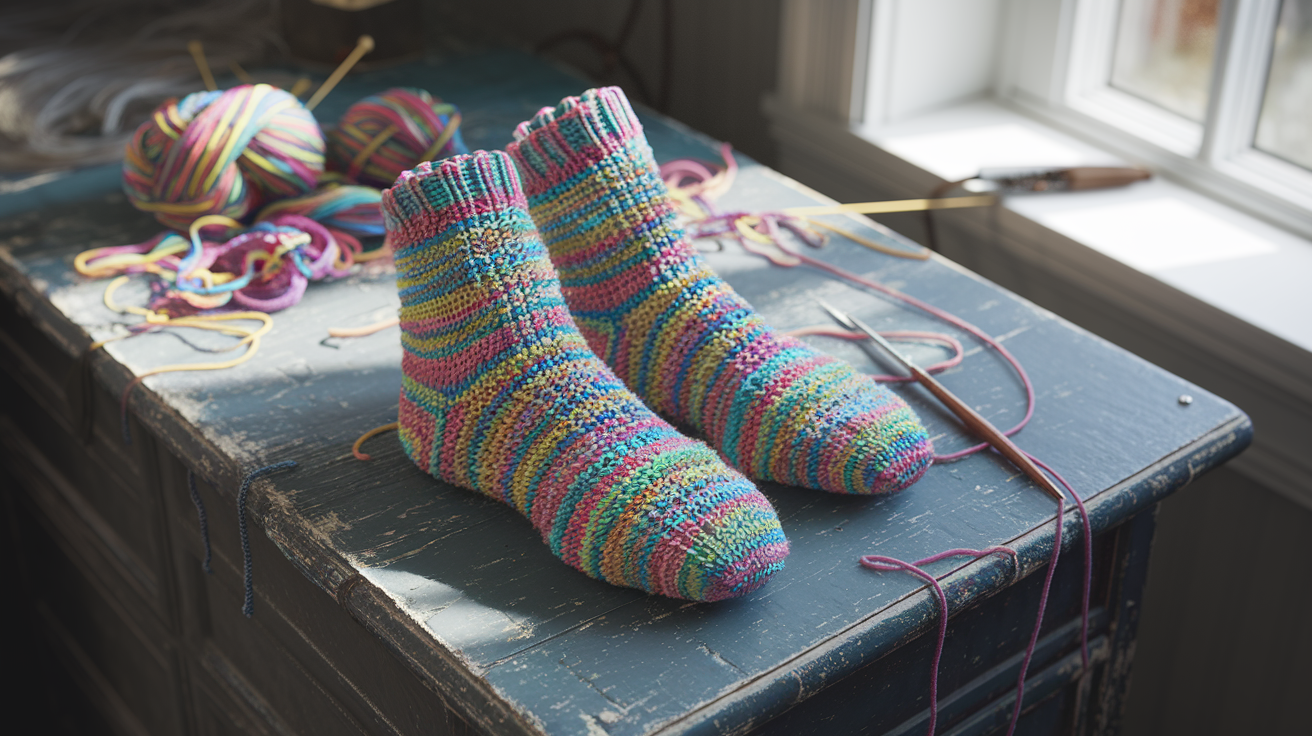
Vibrant hues and bold patterns spark creativity when you transform simple yarn into playful colorwork socks—the perfect project for any craft-loving beginner. Colorwork socks use easy approaches like stripes and geometric motifs, ideal for building fiber arts skills and crafting personalized designs.
Beginner knitting projects shine when you master two-color knitting or stranded knitting, using knitting tips such as holding one yarn in each hand for smooth transitions.
Place stitch markers as you knit in the round to track pattern repeats, and follow chart reading basics for flawless motif placement.
Enjoy exploring fun yarn color combinations and unlock your creative knitting potential as each round reveals another splash of wearable art.
Choosing the Perfect Sock Yarn
Sock yarn selection forms the essential foundation for knitting socks that are both comfortable and resilient. Fiber composition matters—look for blends with merino wool and nylon for elasticity and long-lasting colorwork socks.
Yarn weight also impacts stitch definition; fingering weight works best for clear patterns and manageable needle size. Washability is key, so seek machine-washable or superwash-treated yarns for practical everyday wear.
Check fiber percentages on each label to balance beauty and durability—75% wool and 25% nylon is a solid starting point.
Begin your beginner knitting journey with high-quality sock yarn for confident, successful results.
Fiber Composition for Durability
Yarn selection for your colorwork socks should prioritize durability, ensuring your handmade items withstand regular wear.
Merino wool provides softness and warmth, while nylon adds essential elasticity and strength. This blend is ideal for knitting socks that keep their shape and resist wear.
Consider yarn crafted from natural fibers like merino wool for a luxurious feel; these often come from sustainable yarns or ecofriendly yarns. For beginner knitting, a good mix of wool and nylon creates a forgiving yet sturdy fabric.
Understanding Yarn Weight and Stitch Definition
Yarn weight significantly influences the appearance of your colorwork socks and the ease of chart reading.
Fingering weight yarn, often used for knitting socks, provides excellent stitch definition, allowing intricate geometric motifs and repeating patterns to stand out clearly.
This weight also works well with smaller needle sizes, creating a denser fabric that prevents dreaded floats from showing too much and aids in maintaining even tension.
When selecting sock yarn, check the label for recommended needle sizes to achieve the best results for your
colorwork techniques.
Washability: A Practical Consideration
Sock yarn that is easy to care for makes your DIY socks a joy to wear and maintain. Washability is a significant factor when choosing yarn for knitting socks, especially for beginners who want their creations to last.
Look for yarns labeled superwash or those explicitly stating they are machine washable. This ensures your beautiful personalized socks can be enjoyed frequently without the hassle of handwashing.
Choosing practical sock yarn supports your creative hobbies and makes your craft projects more sustainable.
Checking Fiber Blend Percentages
Sock yarn selection involves paying attention to the fiber blend percentages on the label to balance aesthetic appeal with practical wearability for your colorwork socks.
A common and highly recommended blend for knitting socks is 75% wool (often merino wool) and 25% nylon.
This combination offers the warmth and softness of wool with the added resilience and elasticity of nylon, making these knit charts easier to follow and the resulting socks more durable. This blend is a fantastic starting point for anyone new to beginner knitting.
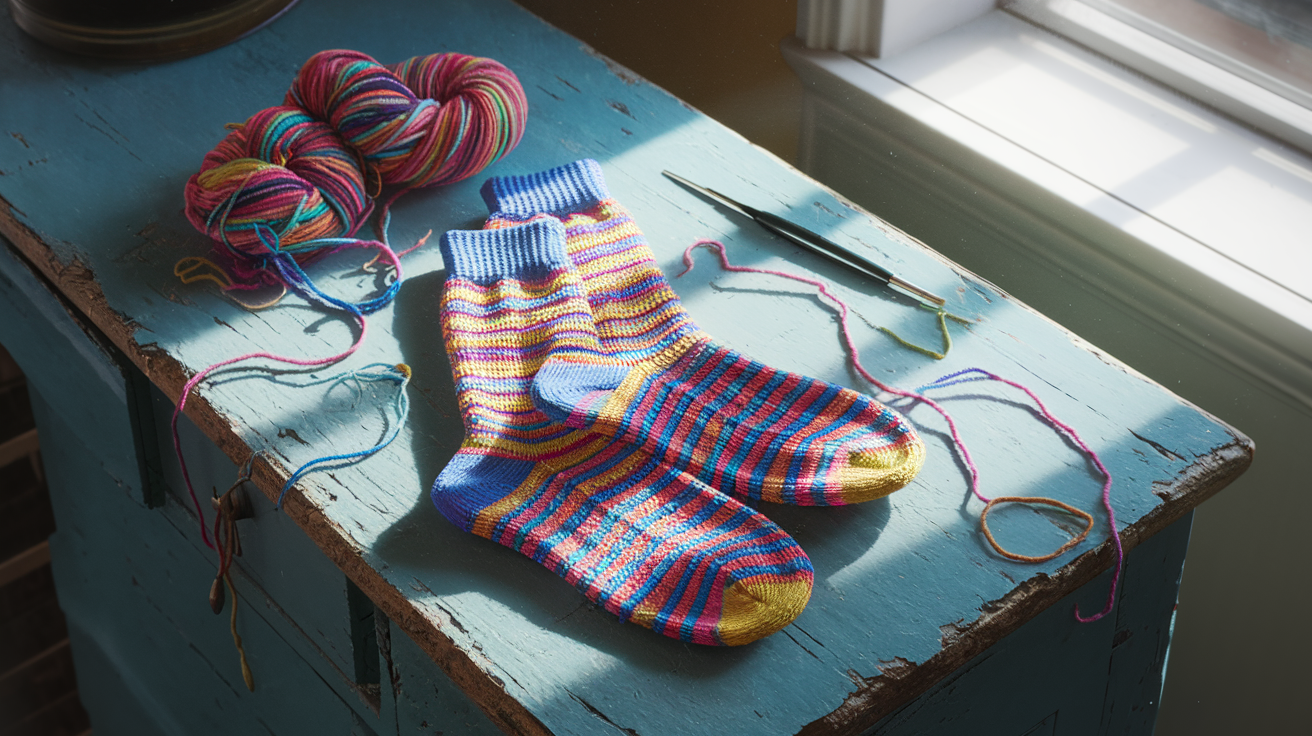
Mastering Beginner Knitting Techniques
Beginner knitting involves building upon basic cast-on and knit stitches, making each stitch even and consistent. Achieving even tension is key for crafting fabric that feels smooth and professional, especially when working with sock yarn for your colorwork socks.
Practice holding your yarn in a way that feels natural and allows for uniform stitches to prevent puckering across the fabric.
Using stitch markers helps immensely by marking the beginning of rounds and separating pattern sections, ensuring you keep your place when you knit in the round, whether using circular needles or double-pointed needles.
For those ready to tackle a simple beginner project, a ribbed cuff sock is an excellent starting point, offering the flexibility to incorporate a few colorwork rounds as your confidence grows. This solid foundation prepares you for more advanced sock patterns and techniques, enhancing your overall knitting journey.
Exploring Easy Colorwork Sock Patterns
Colorwork socks open up a world of creative knitting, allowing you to introduce playful designs and bold patterns through approachable techniques like stranded knitting.
Effective yarn management is essential when you’re dealing with multiple yarns; try holding one yarn in each hand or alternating fingers to keep both strands tangle-free and facilitate smooth color changes. Knit charts provide a roadmap for pattern interpretation—read them from right to left, always referencing the symbol key for each color repeat as you knit in the round.
To begin, select beginner sock patterns that feature just two contrasting colors, perfect for creating playful designs such as simple stripe patterns or easy geometric motifs.
To preserve the elasticity of your knitted socks, it’s important to catch floats, which are the sections of yarn carried on the inside of your work, by twisting the yarn every 2–3 stitches as you progress across rounds.
This prevents the fabric from becoming too tight or snagging. The goal is to achieve vibrant hues and comfortable, personalized socks for every creative hobbyist.
- Achieving even tension is crucial for creating smooth, professional-feeling knitted fabric, especially when using sock yarn for colorwork.
- Stitch markers are helpful for marking the beginning of rounds and separating pattern sections when knitting in the round.
- Stranded knitting is an approachable technique for introducing playful designs and bold patterns in colorwork socks.
- Catching floats by twisting yarn every 2-3 stitches helps preserve the elasticity of knitted socks and prevents snagging.
Mastering Stranded Knitting for Socks
Colorwork socks open up a world of creative designs, and mastering stranded knitting is your key to unlocking them. Begin by selecting contrasting sock yarn for those vibrant hues that make your projects pop.
For beginner knitting success, a reliable gauge is paramount—always check your gauge with multiple yarns by swatching before you start your chosen sock pattern.
Improving yarn management is made easier by weaving in ends as you go; each new color section presents an opportunity to refine those tails for a neater, more professional finish.
To effectively control float length, which is the yarn carried on the inside of your work, you can intentionally twist the yarns together every few stitches. This practice helps keep floats relaxed, preventing snagging or undue tightness, and consequently ensures a comfortable, stretchy fit for your finished socks.
Knitting tips for managing multiplecolor knitting include learning to manage two yarns at once, perhaps by using one in each hand or alternating fingers for smoother color changes.
This helps with even tension and stitch consistency. Consider knitting socks inside-out for neater floats and a smoother interior surface.
Using stitch markers is also helpful to track round beginnings and pattern repeats, adding to your crafting advice.
Try out jogless joins techniques to minimize visible gaps where new rounds commence, especially with stripe patterns.
Experimenting with bold or unexpected color combinations can result in uniquely personal socks, fostering creative knitting.
Reading Knit Charts Made Simple
Knit charts are your visual roadmap, essential for understanding pattern interpretation in colorwork socks.
These charts associate specific symbols with stitches and colors, providing a clear visual representation of your design. To maintain accuracy, it’s helpful to track your progress directly on the chart, highlighting completed rows as you go.
This methodical approach ensures you stay aligned with the intricate design, making even complex sock patterns feel more approachable techniques.
This straightforward method helps beginners with chart reading and ensures you stay on pattern while enjoying vibrant multiplecolor knitting.
Knitting tutorials often suggest that reading charts from right to left, following each symbol, is key to keeping patterns accurate.
This is a fundamental aspect of chart reading for stranded knitting and fair isle knitting. Don’t pull the carried yarn too tight—loose floats are better for the overall fit and comfort of your knit socks.
Blocking finished socks will even out stitches and help set the pattern, enhancing the beauty of your bold patterns and playful designs. Knitting inspiration can come from anywhere; experiment and have fun! Colorwork allows for endless creative options, leading to beautifully personalized socks.
- Checking your gauge with multiple yarns before starting a sock pattern is paramount for beginner knitting success.
- Intentionally twisting yarns together every few stitches helps control float length, preventing snagging and ensuring a comfortable fit.
- Reading knit charts from right to left, following each symbol, is a key technique for maintaining accuracy in stranded and Fair Isle knitting.
- Blocking finished socks helps even out stitches and set the pattern, enhancing the overall look of bold and playful designs.
Managing Multiple Yarns Effectively
Colorwork socks bring dynamic energy to your knitting, but handling more than one yarn need not lead to chaos. Yarn management techniques help you create vibrant hues and bold patterns with ease.
Fortwocolor knitting, holding one yarn in each hand is a popular method for efficient color changes, greatly reducing tangles as each strand stays on its own side of your work.
Stranded knitting calls for close attention to tension; try the drop-and-pick-up method or use yarn bobbins to keep strands organized and prevent knotting.
Knitting socks seamlessly is easier when you rotate your working yarns in the same direction consistently. When you need to add a new yarn ball, simply overlap the ends with a few stitches to minimize bulk, allowing for a smooth transition.
Colorwork techniques such as catching floats regularly not only secure your fabric but also keep the inside smooth and wearable, a key aspect of fair isle knitting.
Tips for Yarn Tension Control
Achieving even fabric is the secret ingredient for beautifully balanced colorwork socks that both fit well and showcase bold designs. Yarn tension plays a direct role in achieving flat, non-puckering fabric; be mindful of your knitting speed and relax your grip if stitches get tight.
Beginner knitting often benefits from consciously adjusting hand placement as you work through a project; don’t hesitate to pause and test your grip.
Experiment with different sock yarn types to understand how each fiber responds—wool, cotton, and blends vary in stretch and how they handle floats.
Practice with various yarn weights and aim for a smooth, continuous flow to master the art of stranded knitting tension, enhancing the beauty of geometric motifs and repeating patterns.
- Holding one yarn in each hand is a popular method for efficient color changes in two-color knitting, reducing tangles by keeping strands on their own sides.
- Techniques like the drop-and-pick-up method or using yarn bobbins are recommended for stranded knitting to keep strands organized and prevent knotting.
- Rotating working yarns in the same direction consistently and overlapping new yarn ends with a few stitches helps in knitting socks seamlessly and minimizing bulk.
- Consciously adjusting hand placement and relaxing your grip are beneficial for beginner knitting to achieve even fabric and control yarn tension, preventing puckering.
Creating Vibrant Hues in Knitting
Knitters exploring the world of colorwork socks often delve into the fascinating realm of yarn dye processes, such as immersion dyeing, kettle dyeing, or hand painting, each offering distinct avenues to achieve vivid, enduring shades. Sock yarn that is expertly dyed provides not only visual brilliance but also ensures colorfastness and a pleasing texture for your handmade creations, making every stitch count.
Knitting socks using high-contrast colors will readily produce standout patterns and playful effects in every stitch, ensuring your project is truly one-of-a-kind and a testament to your craft skills.
Experimenting with gradient yarns introduces effortless color transitions and intriguing visual movement, readily adding depth to your socks without requiring complicated techniques and enhancing your creative knitting.
For beginner knitting, incorporating strategic color blocking—that is, using generous swaths of complementary or bold hues—can simplify pattern reading while delivering modern, graphic impact that is both eye-catching and approachable. Creative knitters are strongly encouraged to explore hand-dyed and variegated yarns for boundless inspiration, transforming each pair into a wearable statement of individual style and a representation of textile design.
Stranded knitting, a popular method, allows for intricate designs by carrying two or more colors across the wrong side of your work. Fair isle knitting, a specific type of stranded knitting, is renowned for its traditional motifs and vibrant color palettes that are both beautiful and culturally rich.
Knit charts are essential tools for following complex colorwork designs, ensuring accuracy and neatness in your stitches.
Yarn management techniques are key for success, preventing tangles and ensuring even tension throughout your project, which contributes to the overall quality of your handmade items.
Sock patterns often feature unique stitch combinations that enhance the visual appeal and texture of the finished product. Twocolor knitting is an excellent starting point for those new to colorwork, offering a simpler way to introduce contrasting colors.
Multiplecolor knitting expands the possibilities further, allowing for more complex and layered designs, perfect for showcasing artistic knitting. Yarn tension must be kept consistent when working with multiple colors to avoid puckering or overly tight stitches, a common pitfall for beginners.
Float catching, the practice of periodically securing the carried yarn on the back of your work, is a vital skill to maintain the fabric’s stretch and prevent snags.
Chart reading skills are paramount for accurately interpreting the symbols and color changes indicated on a knitting chart.
Pattern interpretation is essential to understand the stitch counts and sequences required for a successful outcome. Color contrast is important for making your designs pop, so choose hues that stand out against each other for maximum impact.
Vibrant hues add life and energy to any knitting project, making your creations truly eye-catching. Bold patterns, such as geometric motifs or animal designs, can make a strong statement and showcase your personal flair.
Playful designs inject fun and personality into your knitting, encouraging creativity and experimentation with different motifs.
Geometric motifs offer a clean and modern aesthetic, easily adaptable to various color combinations and repeating patterns.
Stripe patterns are a classic choice for colorwork, providing a simple yet effective way to introduce multiple colors into your knitting. Repeating patterns create a mesmerizing effect and can be adapted to fit the size of your project with ease.
Custom motifs allow you to express your unique style and create truly personalized socks that reflect your interests and personality. Yarn selection is a foundational step, with merino wool being a popular choice for its softness and warmth, ideal for comfortable everyday wear.
Needle size plays a significant role in achieving the correct gauge and fabric density, typically smaller needles are used for sock knitting to create a firm fabric.
Circular needles are commonly used for knitting socks in the round, offering a flexible and convenient way to work.
Double-pointed needles are another option for sock knitting, providing more control for smaller circumferences. Magic loop is a technique that uses a long circular needle to knit small circumference items, offering a seamless knitting experience.
Knit in the round creates a seamless tube, eliminating the need
| Yarn Properties | Knitting Techniques | Design Elements |
|---|---|---|
| Vivid, enduring shades from immersion or kettle dyeing | Stranded knitting for intricate designs | High-contrast colors for standout patterns |
| Colorfastness and pleasing texture | Fair Isle knitting for traditional motifs | Gradient yarns for effortless color transitions |
| Merino wool for softness and warmth | Twocolor knitting for beginners | Color blocking for modern, graphic impact |
How To Make Easy Crispy Air Fryer Snacks
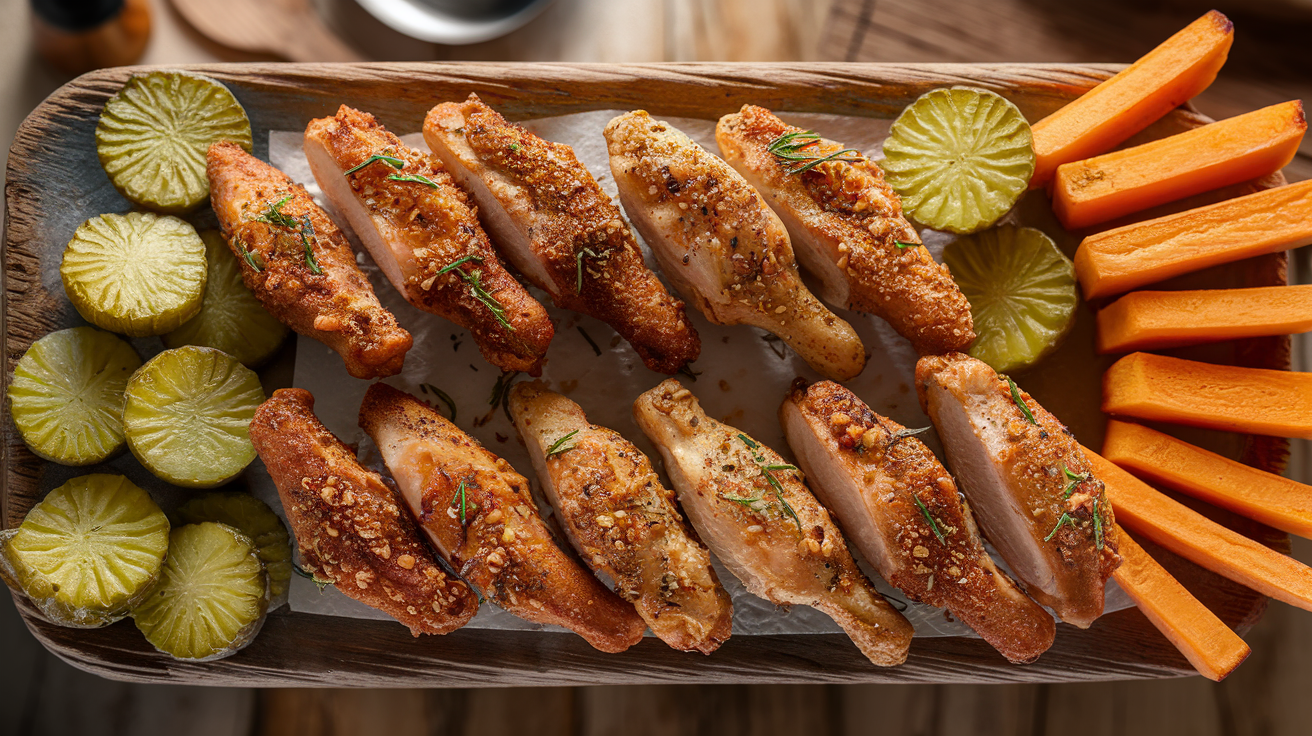
Transforming snack time is simple with the right air fryer snacks and a touch of creativity. From crunchy cheese bites to kid-friendly seasoned chickpeas, air fryers use hot air circulation to deliver irresistible golden snacks that are healthier and ready in under 20 minutes, minimizing mess and maximizing flavor.
Start your culinary journey by choosing favorites like sweet potato fries, onion rings, or classic taquitos.
Double breading cheese bites or falafel and briefly freezing them before cooking helps achieve unbeatable crispiness.
Place everything in a single layer for even browning and enjoy endless flavor customization with herbs, spices, and dipping sauces. Next up: Mastering Air Fryer Snacks.
Mastering Air Fryer Snacks
Unlocking the secret to crunchy snacks at home starts by embracing quick cooking methods with your air fryer.
For consistently crisp results, always arrange party food like onion rings or fried pickles in a single layer, which allows even hot air circulation and guarantees golden brown perfection. Whether you’re whipping up cheese bites for kids or prepping taquitos and jalapeño poppers for entertaining guests, remember that batch cooking avoids soggy outcomes and speeds up prep for gatherings.
Try spice blends and dipping sauces to match each event, transforming every batch into star appetizer recipes for effortless, crowd-pleasing home cooking after snack time.
Choosing the Best Crispy Appetizers
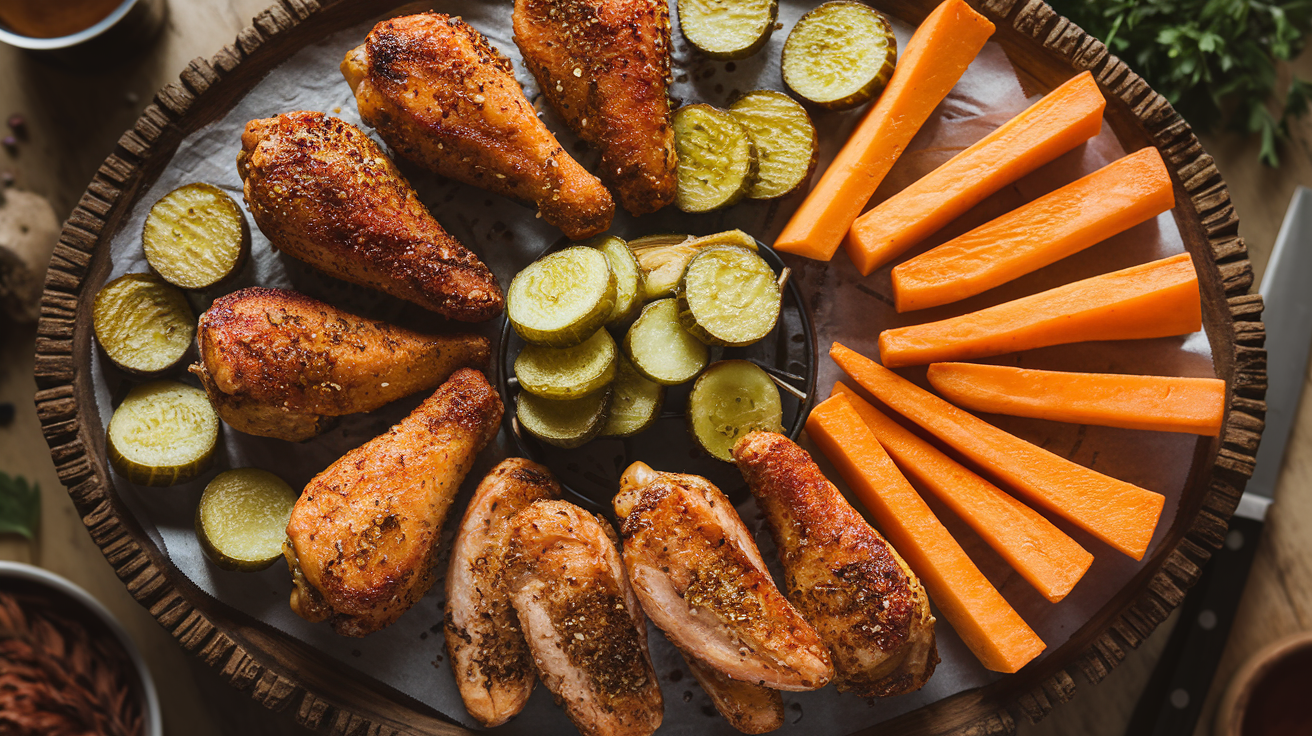
Air fryer snacks instantly elevate any gathering, delivering unbeatable crunch and crowdpleasing appeal with each batch, using hot air circulation for healthier options. Taquitos, filled with seasoned chicken or beef, crisp beautifully, while jalapeño poppers, generously stuffed with cheese and bacon, are guaranteed party food favorites.
Onion rings and egg rolls exemplify the magic of double breading, achieving golden brown, crispy appetizers with minimal mess.
Batch cooking in a single layer ensures uniform browning and consistently delicious results.
Flavor customization is straightforward—incorporate spice blends, herb flavors, or a variety of dipping sauces to perfectly complement your quick appetizers, making them ideal for entertaining guests. These appetizer recipes offer delightful snack creations for any occasion.
Easy Kidfriendly Recipes
Kidfriendly recipes prepared in the air fryer transform snack time with fast snacks offering healthier options and straightforward food preparation.
Cheese bites, often breaded mozzarella chunks cooked until golden brown, consistently delight younger eaters, while seasoned chickpeas provide a protein-packed, crunchy alternative. Sweet potato fries introduce a colorful, nutritious twist to childrens snacks, boasting natural sweetness and appealing crispiness.
Simple snacks like mini corn dogs or falafel can be easily customized with various dipping sauces to satisfy every palate, ensuring everyone enjoys their snack preparations.
Flavor customization fuels creativity—allow children to select their preferred spice blends or dips for these convenient snacks, making them true family favorites.
These culinary creations and crunchy snacks offer broad appeal for snack time.
Air Fryer Appetizers and Snacks
- Air fryers use hot air circulation to create crispy, healthier snack options.
- Popular crispy appetizers mentioned include taquitos, jalapeño poppers, onion rings, and egg rolls, often benefiting from double breading.
- Flavor customization with spice blends, herbs, and dipping sauces is highlighted as a key to complementing these quick appetizers.
- Air fryers are also ideal for kid-friendly recipes, offering fast, healthy, and customizable snacks like cheese bites, seasoned chickpeas, and sweet potato fries.
Perfect Party Food Ideas
Entertaining guests for snack time is made effortless with delightful air fryer snacks, delivering fantastic flavor and satisfying crunch with minimal fuss. Cheese bites, transforming simple mozzarella into golden, gooey perfection, are a guaranteed hit with children and adults alike.
Offering healthier options, seasoned chickpeas bring a zesty punch, while sweet potato fries provide a nutritious, crispy alternative.
For those craving a kick, taquitos and jalapeño poppers deliver bold, spicy experiences.
Homemade onion rings showcase how hot air circulation and double breading create a golden brown, restaurant-quality crunch, proving that delicious results are achievable with minimal mess. These are truly exceptional party food selections sure to be crowd-pleasers.
Flavor Customization Hacks
Spice blends and herb flavors are the key elements that elevate everyday air fryer snacks into exciting, memorable snack creations suitable for any gathering.
Seasoned food, such as falafel infused with aromatic spices, offers a taste of global cuisine, while kidfriendly recipes become even more appealing with additions like paprika, garlic powder, or Italian seasoning. Flavor customization is remarkably simple; a quick toss of fried pickles or egg rolls with fresh herbs like parsley or chives after cooking significantly enhances their aroma and taste.
Creative dipping sauces and clever snack hacks empower guests to personalize their bites, ensuring every element of your party food spread remains fresh and uniquely enjoyable, providing delicious results every time.
| Snack Type | Key Feature | Flavor Profile | Guest Appeal |
|---|---|---|---|
| Cheese Bites | Gooey Perfection | Cheesy | Guaranteed Hit (Children & Adults) |
| Seasoned Chickpeas | Crispy Texture | Zesty | Healthier Option |
| Onion Rings | Restaurant-Quality Crunch | Savory | Minimal Mess, Delicious Results |
| Falafel | Infused with Spices | Aromatic, Global Cuisine | Exciting Snack Creation |
Delicious Dipping Sauces
Air fryer snacks transform into unforgettable party food with the addition of bold dipping sauces, making culinary creations shine. Simple snacks like Homemade Ketchup or tangy Dijon Mustard serve as classic companions for cheese bites and crispy appetizers, enhancing both flavor and texture.
These sauces, delivering moisture and a spike of taste, are perfect for fried pickles or jalapeño poppers, bringing crowdpleasers to life.
- For exceptional creaminess, try a homemade ranch by blending Greek yogurt, herbs, and a hint of garlic—a fantastic dip.
- Blend mashed avocado, lime, and salt for a simple guacamole; add cilantro or onion to elevate flavor customization for this quick appetizer.
Creative kid-friendly recipes also benefit from kid-approved Honey Mustard or gooey cheddar cheese sauce for golden brown results, ensuring every air fryer party snack delights the whole family with delicious results.
Healthier Options Minimal Mess
Hot air circulation from the air fryer creates golden, crispy appetizers while minimizing oil use and kitchen cleanup, making it ideal for busy snack time or family favorites. Healthier options abound: sweet potato fries are naturally colorful and rich in nutrients, sliced and seasoned food before crisping in a single layer for consistent results, offering a nutritious choice. Zucchini fries—coated in spiced breadcrumbs—deliver crunchy snacks with fewer calories than deep-fried alternatives, a great addition to appetizer recipes.
Crispy Snacks Made Easy
- Quickly clean up as air fryer baskets are often dishwasher-safe, keeping snack preparations stress-free and convenient snacks.
- Switch to kid-friendly air fryer recipes by double breading lean chicken nuggets or trying seasoned chickpeas for protein-packed, healthy snacks.
With minimal mess and healthier cooking methods, your party ideas or everyday snack creations become effortlessly delicious and guilt-free, perfect for entertaining guests.
- Dipping sauces like Homemade Ketchup and Dijon Mustard enhance the flavor and texture of air fryer snacks.
- Homemade ranch dip can be made by blending Greek yogurt, herbs, and garlic for creaminess.
- Air fryers minimize oil use and kitchen cleanup, offering healthier alternatives to deep-fried snacks.
- Zucchini fries coated in spiced breadcrumbs are a lower-calorie crunchy snack compared to deep-fried versions.
Delicious Results Fast Snacks
Air fryer snacks simplify spontaneous entertaining, providing exquisitely crispy appetizers with minimal preparation and very little mess. When seeking how to make easy crispy air fryer snacks, the key lies in powerful hot air circulation—creating a golden brown, wonderfully crunchy snack exterior more swiftly and healthily than conventional deep-frying.
Many beloved party food items, including sweet potato fries, delightful cheese bites, and seasoned chickpeas, are ready to serve in under twenty minutes, perfect for impromptu snack time calls or welcoming unexpected guests.
Avoid overcrowding any air fryer basket—single layer cooking guarantees each crunchy morsel delivers that universally crowd-pleasing crunch.
Consider batch cooking and ease of cleanup, meaning less overall stress and more precious time enjoying your amazing culinary creations. Utilize vibrant spice blends, allow for flavor customization, and prepare enticing dipping sauces to transform simple snacks into impressive party ideas that will undoubtedly wow entertaining guests on every occasion.
Kid-Friendly Recipes and Party Food Ideas
These kid-friendly recipes and party ideas transform home cooking into effortless culinary creations, making snack preparations a breeze.
Explore a delightful variety of air fryer snacks, from savory cheese bites to sweet potato fries, all designed for maximum crunch. Speedy snack prep means most recipes are ready in under twenty minutes, perfect for busy snack time or unexpected guests.
Quick Appetizers for Entertaining Guests
Air fryer snacks are fantastic for entertaining guests, offering quick appetizers with minimal mess.
Air frying uses hot circulated air for consistent, crispy results with less oil.
Air fryer snacks are fantastic for entertaining guests.
The convenience of these convenient snacks is unmatched. Most snacks take 10–20 minutes to cook, making them ideal for parties or after-school treats.
Family Favorites and Crowd Pleasers
Discover family favorites and crowd-pleasers that will become your go-to appetizer recipes.
- Crispy cheese bites: Breaded mozzarella chunks, air-fried until golden.
- Chickpeas: Toss canned or cooked chickpeas with oil and favorite seasonings, crisp in air fryer.
- Sweet potato fries or chips: Slice, season, and air fry for a colorful, nutritious snack.
- Taquitos: Roll tortillas with beef or chicken, air fry until crispy, serve with salsa.
- Falafel: Chickpea patties, crispy outside and soft inside, served with yogurt dip.
- Jalapeño poppers: Stuffed peppers with cheese/bacon, air-fried until bubbly.
- Egg rolls and fried pickles: Restaurant classics made lighter and just as crunchy.
For maximum crunch, try double-bread coatings for these breaded snacks. Freeze breaded snacks briefly before cooking to prevent soggy results.
Don’t overcrowd the fryer basket—cook in single layers for even browning.
Experiment with spices, herbs, and dips to match party themes or kid favorites.
Flavor customization allows you to transform simple snacks into party ideas that wow entertaining guests every time.
- Air fryer snacks offer a healthier alternative to deep-frying, utilizing hot air circulation for crispy results with less oil.
- Many popular air fryer snacks, such as sweet potato fries and cheese bites, can be prepared and served in under twenty minutes.
- Proper cooking technique, like avoiding overcrowding the air fryer basket and cooking in single layers, guarantees evenly browned and crunchy snacks.
- Flavor customization through spice blends and dipping sauces can elevate simple snacks into impressive party appetizers.
How To Make A Scrap Ribbon Patriotic Flag Craft

Creating a patriotic flag craft injects national pride into your home decor for Memorial Day and summer festivities. This enjoyable scrap ribbon decor project utilizes recycled cardboard and an assortment of red, white, and blue ribbons to replicate the iconic stars and stripes.
Gather your supplies, grab scissors and glue, and follow our fabric flag tutorial for a vibrant, textured, no-sew flag art piece perfect for windows, walls, or doors.
Embrace this beginner craft project as a way to reduce waste and add handmade charm to your patriotic holiday decorations or DIY Americana home decor.
Bring a touch of Americana heritage to your crafting by assembling a unique patriotic flag craft.
This simple flag making project provides a rewarding experience, transforming everyday materials into a beautiful piece of upcycled flag art. You’ll find assembling this nosew flag to be an intuitive process, resulting in a charming summer patriotic decor item.
Prepare Your Base and Ribbons
An upcycled flag art piece begins with a sturdy foundation, typically recycled cardboard art.
Cut your cardboard to the desired size for your patriotic flag craft; this cardboard craft serves as the canvas for your ribbon art project. Next, collect an assortment of red white blue ribbon scraps, ensuring you have a good mix of shades and textures for a dynamic festive flag display.
Trimming these fabric scraps to uniform lengths will simplify the assembly process, making this beginner craft project even more accessible.
Layering the Stripes
Begin constructing your patriotic bunting by adhering the red and white ribbons in alternating stripes onto the cardboard base.
Use a strong adhesive to secure each strip, ensuring clean edges that contribute to a polished look for your DIY Americana decor.
For an authentic American heritage craft feel, pay attention to the width of each stripe, aiming for a balanced visual appeal in your festive flag display.
Creating the Union
The iconic blue corner, or “union,” of your patriotic wall hanging can be achieved with blue fabric scraps or even a square of denim. Position this section in the upper left corner of your cardboard craft.
To further enhance your upcycled home decor, consider adding stars. These can be fabric scrap art cutouts, painted directly onto the blue fabric, or even small buttons for added dimension.
This step allows for significant personal expression in your DIY patriotic wall hanging.
Finishing Touches and Display
Allow ample time for the glue to dry completely before moving your craft project for adults.
To prepare your patriotic door hanger for display, attach a loop of ribbon, twine, or string to the back.
This simple addition transforms your fabric flag tutorial into a ready-to-hang holiday wall hanging. Whether you choose to hang it on a door, a wall, or in a window, your handmade patriotic banner will be a delightful addition to your seasonal banner collection, embodying the spirit of DIY Americana.
Gather Your Red White Blue Ribbon
Selecting the right red white blue ribbon significantly enhances your patriotic bunting, turning it into a standout scrap ribbon project ideal for summer patriotic decor.
For a holiday wall hanging that withstands the elements, consider fabric weight, opting for sturdier materials like grosgrain or satin, which are perfect for outdoor display. You can also incorporate varied textures such as lace or burlap to give your upcycled flag art a more dimensional and handmade aesthetic.
When securing ribbons to your cardboard craft base, neatness is key; tucking the ends underneath or tying a small knot ensures your DIY Americana decor appears polished and professional.
Tailor your ribbon collection to match your personal style, beautifully blending recycled materials craft with the charm of a festive flag display.

Prepare Your Cardboard Craft Base
Patriotic flag craft preparation begins with a robust foundation. This upcycled cardboard art project transforms simple materials into a festive display.
To reinforce corners for a stronger foundation, utilize extra cardboard pieces, masking tape, or fabric glue, ensuring your cardboard craft can withstand handling and display.
When you cut to your desired dimensions for the art piece, a ruler and a sharp craft knife will yield the cleanest edges for your DIY Americana creation.
Consider sealing the cardboard to protect from moisture; this step with Mod Podge or a sealant creates a barrier, preserving your scrap ribbon decor against humidity and potential warping, making it a lasting seasonal banner.
Recycled materials craft techniques applied here set a strong base for your simple flag making.
These foundational steps prepare your project for the vibrant application of ribbons, ensuring a durable and attractive holiday wall hanging.
Arrange Ribbons for No Sew Flag
Red white blue ribbon selection is where your fabric scrap art truly comes alive, mirroring the beloved design of the American flag. For your nosew flag assembly, overlap ribbon ends slightly for secure attachment to the cardboard base, using a strong craft glue for a hold resistant to movement and fraying.
This method is a key part of this beginner craft project.
Crafting Stripes and Stars
DIY Americana decor enthusiasts can experiment with pleating or folding each ribbon strip before gluing; this adds texture and visual dimension, elevating the look of your simple flag making. For balance and vibrancy in your patriotic bunting, ensure an even distribution of colors, alternating red and white for stripes and layering blues for the union section.
Craft with fabric scraps opens possibilities for unique patterns.
Consider embellishing the blue area with star stickers, buttons, or even a piece of denim for added texture, making your upcycled flag art a truly unique piece.
This detail enhances the visual appeal of your festive flag display, perfect for your summer patriotic decor.
Finishing touches transform your ribbon art project into a beautiful patriotic wall hanging, a delightful handmade patriotic gift ready for any occasion.
Attach a loop of twine or ribbon for easy hanging, showcasing your crafty skills and national pride.
Key Crafting Techniques and Materials
- Reinforce cardboard corners with extra pieces, masking tape, or fabric glue for a stronger foundation.
- Use a ruler and sharp craft knife for clean edges, and seal cardboard with Mod Podge or sealant to protect against moisture and warping.
- Overlap ribbon ends slightly and use strong craft glue for secure attachment to the cardboard base, preventing movement and fraying.
- Experiment with pleating or folding ribbon strips for added texture and visual dimension in the flag design.
Create Festive Flag Display Ideas
Patriotic flag craft projects truly shine when you incorporate dowels or sturdy sticks for distinct hanging options, instantly making your DIY flag decor easy to display anywhere outdoors. Festive flag display experts recommend mounting flags securely to porch railings or fences, ensuring the American flag craft remains stable and visible[2].
Thoughtfully combine your flag with patriotic bunting—layered above or below—and accent with cut-out stars or string lights to heighten visual impact and holiday spirit decor.
For added flair, top off your summer patriotic decor with red, white, and blue flowers, creating a cohesive tableau bursting with patriotic energy[3][4].
Consider using adjustable clamps or U-bolts for a secure attachment to outdoor structures.
Upcycled Flag Art Showcase
Upcycled flag art transforms leftover fabric scraps or old clothing into striking, eco-conscious displays that elevate your summer craft experience. Recycled materials craft offers endless design possibilities; layer red white blue ribbon, burlap, or denim on sturdy cardboard craft, then secure with glue for a nosew flag that’s a beginner craft project and finished in under an hour.
This builds on previous crafting by focusing on reusability; repurpose old clothing or fabric scraps for unique textures.
Adding Sparkle and Flair
Upcycled ribbon decor can be enhanced with metallic paints or a sprinkle of glitter for extra sparkle, while embellishments like buttons or star charms make your DIY patriotic wall hanging stand out.
Use these creative upcycling ideas to create a truly unique handmade patriotic gift.
Displaying Your Creations
Display your holiday wall hanging as wall decor, window art, or a festive accent to honor American heritage craft.
This project is a fantastic way to incorporate scrap ribbon decor into your seasonal decorations.
| Display Method | Materials for Attachment | Decorative Enhancements | Crafting Technique |
|---|---|---|---|
| Porch railings, fences, outdoors | Dowels, sturdy sticks, adjustable clamps, U-bolts | Patriotic bunting, cut-out stars, string lights, flowers | Flag craft, upcycled flag art |
| Wall decor, window art | Glue | Metallic paints, glitter, buttons, star charms | No-sew flag, scrap ribbon decor |
DIY Americana Seasonal Banner: Versatile Patriotic Decor
DIY Americana banners offer year-round appeal, celebrating the full range of patriotic holidays with adaptable designs. Patriotic flag craft becomes simple when starting with a robust base; choose upcycled cardboard for indoor settings or durable canvas for an outdoor festive flag display.
Upcycling ideas like these promote eco-friendly seasonal décor while ensuring banners fit doors, mantels, or fences.
Stencils provide consistency for lettering or shapes, an essential element for a polished appearance.
The red white blue ribbon and other embellishments can be swapped or rearranged—perfect for transitioning from Memorial Day’s solemnity to July 4th’s exuberance or Labor Day themes. DIY banner craft projects require weather-resistant adhesives for outdoor durability and straightforward hanging, incorporating loops or grommets for enhanced stability.
From handmade patriotic banner concepts to no-sew methods, every step ensures your creative endeavor endures through summer and beyond, seamlessly connecting with various patriotic decoration ideas. This seasonal banner is a fantastic beginner craft project for creating unique DIY Americana décor.
Craft Project July 4th Ideas: Fun with Kids
Craft project July 4th celebrations invite family creativity, eager to inject color and excitement into gatherings.
Patriotic crafts using simple materials, such as scrap ribbon decor and recycled cardboard, empower children to create their own American flag versions.
Red white blue ribbon remnants, arranged into stripes and topped with denim or felt stars, transform a basic cardboard foundation into a nosew flag that is quick, safe, and child-friendly.
DIY Americana decor benefits from a consistent color scheme, so blend complementary ribbon shades for striking patriotic bunting or handmade wall hangings. Each craft for kids hones fine motor skills while allowing young creators to contribute to patriotic displays for doors, windows, or parties.
These simple flag making projects also offer a chance to upcycle leftovers and impart sustainability lessons alongside holiday spirit—ideal for creating cherished memories and vibrant Independence Day décor. Utilize fabric scrap art for an attractive upcycled flag art that is perfect for summer patriotic decor.
Key Takeaways for DIY Americana Seasonal Banners
- DIY Americana banners are versatile and can be adapted for various patriotic holidays throughout the year.
- Upcycling materials like cardboard and scrap ribbon promotes eco-friendly crafting and can be used for both indoor and outdoor displays.
- Stencils are recommended for achieving a polished look with consistent lettering or shapes on DIY banners.
- These projects are suitable for beginners and can be adapted for children, helping to develop fine motor skills while creating festive decorations.
Patriotic Wall Hanging Tutorial
Showcasing your patriotic flag craft abilities truly shines when focusing on the final presentation of your work; use strong decorative hanging hardware to ensure your handmade July 4th decor remains secure and stylish. Add a clear coat for protection and shine, elevating your scrap ribbon decor into a durable piece of upcycled flag art.
This DIY Americana project benefits immensely from this finishing touch, preserving the vibrant red white blue ribbon and cardboard craft details for seasons to come.
As a nosew flag, this summer patriotic decor piece is a testament to creative holiday wall hanging techniques, transforming fabric scrap art into a festive flag display.
This beginner craft project, embodying upcycling ideas, makes a perfect handmade patriotic gift, showcasing simple flag making and ribbon art project skills. It honors American heritage craft by creating a seasonal banner that embodies holiday spirit decor.
This is a wonderful craft for kids and adults alike, contributing to upcycled home decor and festive patriotic party supplies. Enjoy this DIY banner craft, a lovely fabric flag tutorial that also offers recycled cardboard art inspiration.
The red white blue craft is ideal for creating patriotic bunting and DIY Americana decor, a craft with fabric scraps that is truly special.
This nosew patriotic craft results in a handmade patriotic banner, a stunning patriotic wall hanging that is a rewarding craft project for adults.
It’s also an example of upcycled textile art, perfect for a DIY holiday banner or a patriotic door hanger, a great craft project July 4th. This recycled flag is a central element of patriotic home decor ideas, a DIY seasonal flag made with leftover ribbon, contributing to patriotic decoration ideas.
The handmade July 4th decor is a beautiful example of patriotic fabric art, a DIY patriotic wall hanging that serves as a delightful craft project Memorial Day. It’s also a brilliant form of upcycled ribbon decor, using patriotic craft supplies to their fullest potential.
Finishing and Displaying Your Patriotic Wall Hanging
The final presentation of your handmade patriotic banner truly elevates its visual appeal.
Use strong decorative hanging hardware to ensure your upcycled flag art, created with red white blue ribbon and cardboard craft techniques, is securely displayed.
This is particularly important for your festive flag display, turning simple flag making into a professional-looking piece of DIY Americana.
A robust hanging solution guarantees your craft for kids, made with fabric scraps, remains a beautiful part of your upcycled home decor. Add a clear coat to your patriotic wall hanging for both protection and a brilliant shine.
This step enhances the depth of the red white blue craft and the overall texture of your fabric flag tutorial. It’s an excellent finishing touch for any patriotic bunting, ensuring your DIY Americana decor withstands time.
This nosew patriotic craft, a truly rewarding project, becomes a stunning handmade patriotic banner, a testament to your skills in a craft project for adults.
It showcases upcycled textile art wonderfully, perfect for a DIY holiday banner or a festive patriotic door hanger, a fantastic craft project July 4th.
The recycled flag serves as a cornerstone for patriotic home decor ideas, a DIY seasonal flag crafted with leftover ribbon, fulfilling patriotic decoration ideas. The handmade July 4th decor is a vibrant example of patriotic fabric art, a DIY patriotic wall hanging that makes for a memorable craft project Memorial Day.
This upcycled ribbon decor utilizes patriotic craft supplies effectively, resulting in a beautiful display.
Selecting the Right Hanging Hardware
Choosing appropriate mounting options for your patriotic flag craft is essential for a polished look. Selecting strong decorative hanging hardware ensures your scrap ribbon decor remains stable.
This allows your upcycled flag art to showcase the meticulous red white blue ribbon and cardboard craft that went into it.
Whether it’s for a seasonal banner or a holiday wall hanging, the right hardware protects your creation.
This beginner craft project, a piece of fabric scrap art, benefits from secure fixtures. It’s a key part of upcycling ideas to ensure longevity.
Your handmade patriotic gift will look professional. Simple flag making becomes enhanced with quality hardware.
Your ribbon art project deserves proper attention.
American heritage craft is about presentation.
Holiday spirit decor is best served by secure displays. A craft for kids can be made safer with appropriate hooks.
Upcycled home decor is a sustainable choice. Pat.
- Using strong decorative hanging hardware ensures handmade patriotic decor remains secure and stylish.
- Adding a clear coat protects and adds shine to upcycled flag art, preserving ribbon and cardboard details.
- This DIY project transforms fabric scrap art into a festive flag display, suitable for beginners and kids.
- The craft honors American heritage by creating a seasonal banner that embodies holiday spirit decor and upcycled home decor.
Diy Wrap Dress Sewing Patterns For Women Of All Sizes
Wrap dress patterns offer a unique blend of style and wearability, celebrated for their inclusive sizing and adaptable designs that cater to a truly personal fit. Crafting your own DIY fashion allows exploration with elements like flutter sleeves, delicate ruffle hems, or chic midi lengths, ensuring that each figure finds a perfectly tailored option.
Modern sewing tutorials now provide accessible PDF patterns coupled with step-by-step instructions, supporting both novice sewers and seasoned dressmakers alike.
Features such as adjustable ties or comfortable elastic waistbands allow for that sought-after custom fit, while fabric suggestions ranging from crisp cotton weaves to soft jersey stretch elevate both comfort and appearance.
Dive into our engaging selection of garment patterns, leading you smoothly into discovering your ideal linen dress or knit wrap dress in the following section.
Finding the Perfect Wrap Dress Patterns
Choosing the right wrap dress patterns sets the foundation for successful garment creation, presenting a spectrum of options from classic real wraps to convenient faux wrap bodices, encompassing both vintage silhouettes and contemporary modern designs, with lengths extending from knee-skirts to flowing maxi styles. Consider your chosen fabric manipulation; select woven fabrics for a structured appearance or embrace the ease of jersey stretch for enhanced flexibility and movement.
Utilize comprehensive garment patterns that offer robust sewing guides featuring clear, detailed instructions, which significantly boosts the likelihood of successful clothing construction. For achieving that impeccable custom fit and universally flattering silhouettes, creating a muslin mock-up remains an essential step in the pattern drafting process, providing an opportunity to refine size inclusivity before commencement of final fabric cutting.
This approach ensures your wrap dress becomes a truly adaptable fit and a beloved wardrobe staple.
Exploring Pattern Types and Features
Pattern types are plentiful, offering everything from simple designs perfect for beginner sewing projects up to intricate styles with advanced finishing touches.
Many downloadable patterns now include variations such as handkerchief hems or dramatic ruffle hems, alongside charming flutter sleeves, versatile dolman sleeves, and diverse skirt lengths—from midi and maxi to above-the-knee styles.
These patterns are designed for both ease of wear and creative expression, making them ideal for various occasions, from everyday wear to special occasions.
Sewing tutorials often focus on specific garment making techniques, allowing for creative exploration in apparel design and fashion crafting. Instructions are provided for incorporating custom fit details, including adjustable waist ties or comfortable elastic waistbands, alongside elegant touches like notched collars or practical hidden pockets.
For those preferring extra coverage or a different aesthetic, tutorials frequently demonstrate methods for sewing fully lined dresses or creating the illusion of a wrap with faux wrap styles.
Fabric Choices for Your Wrap Dress
Fabric manipulation plays a key role in the final look and feel of your creation. Guides cover a wide range of both woven fabrics and knit fabrics, offering advice on selecting materials like breathable linen, durable cotton weaves, the elegant drape of rayon, or the comfortable stretch of jersey.
Each fabric choice contributes uniquely to the overall comfort and style of the finished piece, allowing for a truly personalized garment.
Fabric weight significantly influences the drape and structure of your dress.
For a crisp, tailored finish, opt for woven fabrics, while knit fabrics offer superior comfort, stretch, and ease of movement.
This adaptability ensures your linen dress or knit wrap dress will perfectly suit the intended occasion and personal preference, facilitating effortless garment making.
Ensuring a Custom Fit
Achieving a perfect custom fit is central to these garment patterns. Many PDF patterns come with inclusive sizing, frequently extending to plus sizes and offering multi-cup options, promoting body positivity and greater size inclusivity.
Detailed sewing guides encourage examining these patterns thoroughly, maximizing the success of your clothing construction efforts.
Creating a muslin mock-up is a highly recommended step for ensuring a precise custom fit and developing flattering silhouettes. This practice offers a valuable opportunity to perfect fit adjustments before you commit to cutting your final fabric.
This meticulous approach transforms your wrap dress into a polished wardrobe staple, reflecting meticulous garment creation and a commitment to personalized fashion.
Accessing Patterns and Tutorials
Discovering wrap dress patterns is a rewarding part of the DIY fashion journey.
Many designers and blogs provide free printables or affordable downloadable PDFs for immediate use, fostering a vibrant sewing community.
These resources make garment making accessible to everyone, regardless of budget.
Modern sewing tutorials often include comprehensive, step-by-step instructions, sometimes accompanied by helpful visual aids or even complete video walkthroughs, catering to different learning styles. These comprehensive guides simplify complex techniques, making even advanced apparel design achievable for home sewers.
This focus on clear instruction supports successful clothing construction for all skill levels.
Exploring DIY Fashion Style Guides
DIY fashion empowers you to explore personal style and build a wardrobe that uniquely reflects your individuality. Style guides often suggest creating mood boards, utilizing platforms like Pinterest or Canva to visualize your aesthetic, and collecting inspiration from leading blogs and indie designers.
As you delve into trends, focus on adapting them to suit your existing wardrobe by experimenting with garment patterns and accessories that define your personal flair.
Consider a capsule wardrobe approach; this practical starter method involves identifying wardrobe staples that can be styled for both casual outfits and work attire, laying a foundation for sustainable, personalized fashion.
DIY sewing guides, particularly those focusing on clothing construction for comfortable wear, emphasize confidence and versatility, helping beginners unlock their signature look while fostering a sense of accomplishment.
Finding Inspiration and Creating Mood Boards
Fashion crafting comes to life through visual inspiration. Explore style guides that encourage the use of platforms like Pinterest or Canva to help you articulate your personal style.
This process allows you to gather images, color palettes, and outfit combinations, serving as a visual roadmap for your apparel design ventures. Look for inspiration from indie designers and fashion blogs to discover unique ideas for your next craft projects.
Adapting Trends to Your Wardrobe
Learning to adapt trends is key to a sustainable wardrobe.
Experiment with fit adjustments and accessories to integrate current styles with pieces you already own.
This approach to garment making ensures your style evolves thoughtfully, rather than requiring constant wardrobe overhauls.
The Capsule Wardrobe Approach
A capsule wardrobe is a practical starter for DIY fashion.
Identify versatile pieces that can transition from casual outfits to work attire. This mindful approach to clothing construction builds a collection of versatile clothing that is both cohesive and functional, focusing on timeless fashion.
How to Choose Inclusive Sizing
Inclusive sizing is fundamental for successful home sewing, ensuring your creations celebrate body positivity with a truly custom fit.
Accurate body measurements—bust, waist, hips, and beyond—form the bedrock for selecting the correct garment patterns and achieving genuine size inclusivity. Research brands and indie designers recognized for their commitment to extended size ranges or adaptive clothing, and seek out sewing tutorials offering PDF patterns in plus and petite sizes.
When working with wrap dress patterns or other apparel design projects, fit adjustments like dart manipulation or elastic waistbands allow you to personalize garments for every body.
Reading customer reviews offers insights into how a particular style runs, whether it provides hidden pockets, or features adaptable fit elements, ensuring each project is a confident stride toward comfortable, versatile clothing.
Understanding Size Charts and Measurements
Inclusive sizing starts with a solid understanding of size charts and accurate body measurements.
Take the time to measure yourself carefully for bust, waist, and hips, as these are the foundational measurements for selecting garment patterns. This attention to detail ensures a better outcome for your garment creation.
Researching Brands for Inclusive Sizing
When selecting sewing patterns, it is beneficial to research brands known for their commitment to size inclusivity.
Look for indie designers or companies that explicitly offer a wide range of sizes, including plus and petite options, for their downloadable patterns. This research supports your goal of creating custom apparel.
Making Fit Adjustments for a Perfect Fit
Fit adjustments are key to achieving custom fit.
Whether you are working with wrap dress patterns or other garment patterns, understanding how to alter patterns can make a significant difference.
Tips for fit adjustments often include learning about techniques like grading between sizes or incorporating design features such as adjustable ties or elastic waistbands.
These methods enhance the adaptability of your sewing guides.
Leveraging Customer Reviews for Sizing Insights
Before committing to a pattern, check customer reviews. These reviews often provide invaluable feedback on how a particular style runs, offering insights into its true fit and any potential fit adjustments needed.
This intel can help ensure your dressmaking project results in comfortable, flattering silhouettes.
DIY Fashion and Inclusive Sizing
- Utilizing platforms like Pinterest or Canva is a suggested method for visualizing personal aesthetics and gathering inspiration for DIY fashion projects.
- A capsule wardrobe approach, focusing on versatile wardrobe staples, is a practical starter method for DIY fashion that supports both casual and work attire.
- Accurate body measurements (bust, waist, hips) are fundamental for selecting the correct garment patterns and achieving a custom fit in home sewing.
- Researching brands and indie designers known for their commitment to extended size ranges or adaptive clothing is beneficial for achieving size inclusivity in sewing projects.
Sewing Tutorials for Custom Fit
Transforming DIY fashion with sewing tutorials focused on custom fit makes any garment creation more rewarding. Learning grading seams, a technique involving trimming seam allowances to different widths, reduces bulk and allows curved sections like the bust and hips to drape flawlessly.
Fabric manipulation techniques, such as easing fabric, essential for smooth sleeve caps and curved seams, are key for achieving a perfect fit in your garment making.
Wrap dress patterns readily incorporate these methods for excellent results.
Grading Seams for a Flawless Finish
When undertaking garment making, applying grading seams ensures a cleaner garment finish and lasting comfort, especially along princess seams and armholes in your dressmaking projects.
This technique is essential for a polished look in your tailored clothing.
Easing Fabric for Smooth Curves
Carefully gathering and stitching fabric makes easing fabric an essential tip for accommodating curves at the bust and hip, contributing to the overall comfort and appearance of your custom apparel.
This fabric manipulation is key for flattering silhouettes.
Mastering Pattern Alterations for Personalized Fashion
Minor changes at the bust, waist, or hip line significantly enhance fit; slice pattern pieces and add or remove length or width for true personalized fashion and adaptable fit.
These fit adjustments are fundamental for creating custom apparel.
Adjusting Shoulder Seams for Comfort and Appearance
Tailored clothing is only as comfortable as its shoulders.
Adjusting this seam, whether for slope or width, ensures both appearance and wearability, particularly in wrap dress patterns, contributing to great clothing construction. Adjustable ties and elastic waistbands also aid in creating a custom fit.
Embracing Inclusive Sizing for All Sewists
Choose PDF patterns with clear alteration guides to make your wrap dress tutorial accessible for all bodies, aligning with a commitment to body positivity and adaptable fit. This approach supports size inclusivity and celebrates body positivity in apparel design.
Discovering downloadable patterns from indie designers can offer great visual aids.
By mastering these sewing guides, from pattern adjustments to finishing touches, your next garment creation will embody both style and a custom fit, providing confidence with every wear.
Explore a variety of garment patterns, including those for a linen dress or incorporating a ruffle hem, to expand your crafting projects. These step-by-step instructions are invaluable for any craft project.
What is a Knit Wrap Dress?
A knit wrap dress offers a remarkable blend of elegance, practicality, and all-day comfort, making it a staple in both casual outfits and event dresses. The defining feature of this style is its adjustable, wrap-around design—secured with ties for an adaptable fit—partnered with stretch fabrics such as jersey or rayon blends for a fluid, flattering silhouette.
Knit fabrics uniquely contour to the body’s shape, making them ideal for personalized fashion and fit adjustments across various sizes.
These qualities make them perfect for everyday wear and special occasions.
Adjustable ties at the waist provide easy customization, while the fabric’s stretch allows the garment to hug curves without restricting movement, offering a truly adaptable fit.
Comfort and Versatility in Knit Fabrics
The inherent softness and flexibility of knits make these dresses suitable for work attire, everyday wear, and even special occasions with the right styling.
They are wardrobe staples that offer comfort wear options. The drape of rayon and the stretch of jersey are exemplary for this.
Most knit wrap dresses are machine washable and naturally wrinkle-resistant, offering a practical advantage for busy lifestyles and travel, enhancing their wearability.
Supporting Size Inclusivity and Body Positivity
With adaptable fit and stretch, these garments support size inclusivity and flatter a wide range of body shapes, ensuring body positivity in modern apparel design.
This attention to detail makes them a favorite for many in the sewing community, and they are excellent for beginner sewing projects. Many designers offer downloadable patterns for diverse needs.
Whether you’re a sewing community newcomer or an experienced dressmaker, starting with beginner sewing patterns for knit wrap dresses promises both fashion crafting satisfaction and everyday comfort. Consider styles with flutter sleeves or midi lengths for versatile designs.
These garment patterns are excellent additions to any wardrobe.
Key Techniques for Custom Fit Garments
- Grading seams, which involves trimming seam allowances to different widths, reduces bulk and allows curved sections like the bust and hips to drape flawlessly.
- Easing fabric is essential for accommodating curves at the bust and hip, contributing to the overall comfort and appearance of custom apparel.
- Adjusting shoulder seams for slope or width ensures both appearance and wearability, contributing to great clothing construction.
- PDF patterns with clear alteration guides support size inclusivity and adaptable fit, making garment creation accessible for all bodies.
Mastering Garment Creation Techniques
Elevate your apparel design skills by mastering advanced techniques that transform basic clothing construction into sophisticated fashion crafting. Garment creation thrives on a deep understanding of fabric grain; precise fabric cutting with the correct grain ensures a lovely linen dress hangs smoothly and achieves a flawless custom fit.
For intricate DIY fashion projects, advanced finishing touches truly elevate the design—try French seams for elegant, durable seams, particularly with lightweight woven fabrics, or apply bias binding to curves for professional-looking necklines and armholes.
Exploring these comprehensive sewing tutorials, you’ll discover that advanced stitching methods such as topstitching, edge-stitching, and utilizing PDF patterns help deliver polished, enduring results.
Practicing these techniques not only enhances each handmade piece, but also builds confidence for tackling more complex garment patterns and embracing the full potential of modern dressmaking.
Exploring Advanced Finishing and Fit Adjustments
Building upon foundational sewing skills allows sewists to create more complex garments with ease and flair.
Achieve a professional look through advanced finishing techniques. Many wrap dress patterns feature options for enhancing the garment’s appeal and wearability.
For a stylish knit wrap dress, consider a delicate ruffle hem or a playful flutter sleeve for added movement and charm.
The importance of fabric grain cannot be overstated; its correct alignment significantly impacts how a finished garment, like a flowing maxi length dress, drapes.
Practice techniques like French seams for durable and neat edges on finer fabrics, or bias binding for beautifully finished curved edges, a hallmark of quality garment making. Adapting fit through precise fit adjustments ensures that each piece feels wonderful on.
Inclusive Sizing and Fabric Choices for Custom Apparel
Creating custom apparel becomes an accessible and rewarding craft when focusing on inclusive sizing and thoughtful fabric selection. Discover the beauty of sewing with diverse fabrics, from the crisp hand of cotton weaves to the fluid drape of rayon, each offering unique qualities for your projects.
Jersey stretch in a knit wrap dress provides exceptional comfort and ease of movement, making it perfect for everyday wear.
Patterns often include size inclusivity, celebrating body positivity through a wide range of measurements, allowing for truly personalized fashion.
Many sewing guides and craft projects offer step-by-step instructions, sometimes accompanied by video walkthroughs, to demystify techniques like sewing fully lined dresses or creating faux wrap styles. These details empower you to create flattering silhouettes that become cherished wardrobe staples.
Versatile Styles and Modern Design Elements
From creating simple casual outfits to elegant event dresses, the versatility of garment creation is immense. Explore different sleeve styles, such as dolman sleeves, or experiment with hemline variations like handkerchief hems.
The classic wrap dress, a timeless fashion piece, lends itself to endless customization.
This includes adding details like notched collars, hidden pockets, or adjustable ties for both style and function.
Many indie designers offer downloadable patterns and style guides that cater to various aesthetics, from bohemian styles to vintage silhouettes and modern designs. For those new to sewing, beginner sewing tutorials and free printables provide an excellent entry point into the world of apparel design.
The adaptability of these patterns ensures that you can tailor your creations for various occasions, from work attire to relaxed weekend wear.
| Key Garment Creation Techniques | Benefits and Applications | Featured Garment Examples |
|---|---|---|
| Fabric Grain Alignment | Ensures smooth drape and flawless fit. | Linen dress, flowing maxi length dress |
| Advanced Finishing (French Seams, Bias Binding) | Creates elegant, durable, and professional-looking edges. | Necklines, armholes, lightweight woven fabrics |
| Stitching Methods (Topstitching, Edge-stitching) | Delivers polished, enduring results and enhances design. | PDF patterns, garment patterns |
| Fit Adjustments | Ensures comfort and a wonderful feel on the body. | Wrap dress patterns, knit wrap dress |
How To Manage Large Cross Stitch Fabric For Big Projects
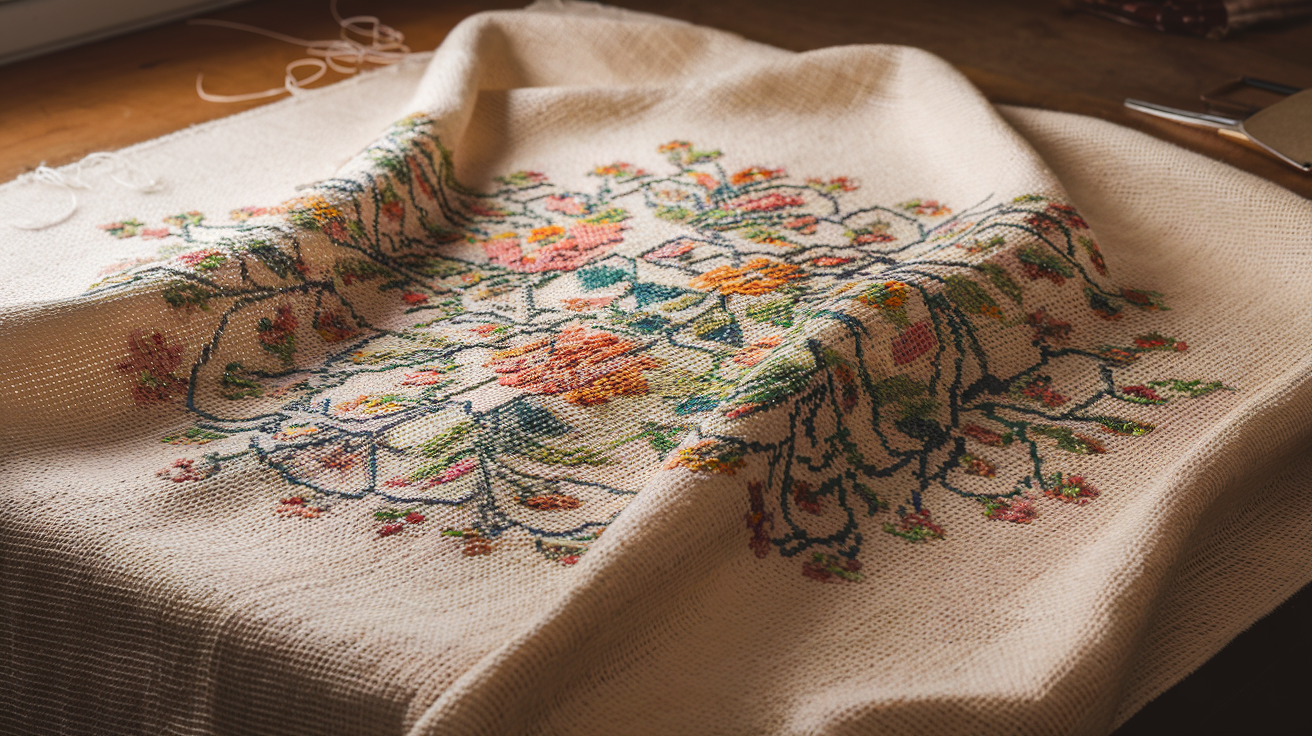
Managing large cross stitch fabric for extensive projects requires careful planning and key techniques to keep the process organized, your fabric undamaged, and your stitching enjoyable. Handling large cross stitch projects presents unique challenges: measuring and cutting fabric precisely, ensuring adequate margins, preventing fraying, and controlling excess material.
Practical workspace organization and preventative care protect your progress and facilitate a smoother experience, from setup to finishing.
For crafting supplies, remember that these are important tools.
Next, explore step-by-step fabric preparation for sizable canvases to ensure lasting quality and comfort during your cross stitch journey.
Fabric Preparation for Sizable Canvases
Fabric preparation directly impacts the quality of your cross stitch project, especially for sizable canvases that demand precision.
Begin by pre-washing your cross stitch fabric to accommodate shrinkage and preserve fabric cleanliness before embarking on sectional stitching. Pre-marking registration marks with a water-soluble pen ensures pattern scaling accuracy and reliable alignment throughout your stitching workflow.
Establish a clear, ergonomic crafting space to facilitate creative process and hobby efficiency; a stable mounting surface or embroidery frames will help maintain consistent stitch tension.
For enhanced textile security, finish fabric edges with whip stitching or serging, supporting both fabric fraying prevention and material preservation.
This attention to detail helps with textile handling, ensuring stitch clarity and tactile comfort.
Securing fabric properly contributes significantly to the overall stitch quality during these lengthy endeavors.
Edge Finishing for Textile Durability
To prevent unravelling throughout the lengthy stitching process, ensure fabric edges are finished. Using techniques like whip stitching, serging, or even fabric glue and tape will provide essential fabric fraying prevention.
This step is particularly important for linen care and evenweave handling, safeguarding your sizable canvases.
Proper finishing also aids in maintaining material preservation, keeping your project pristine.
Workspace Organization for Crafting Workflow
Maintaining a clean and organized workspace is key for hobby efficiency. Adequate lighting conditions and stable surfaces contribute to ergonomic crafting, reducing discomfort during prolonged sessions.
This also aids in keeping your fabric clean and free from accidental damage. A well-organized space supports a better crafting workflow, making your creative process more enjoyable.
Frame and Hoop Management for Tension Control
Choosing the right frame or hoop is essential for managing large projects.
For substantial pieces, scroll frames, large Q-snap frames, or sturdy hoops help keep tension even and free up workspace.
Proper hoop management ensures consistent stitch tension, which is important for stitch clarity and preventing puckering. Scroll frame use and Q-snap alternatives can all improve textile handling for ambitious undertakings.
Managing Excess Fabric and Maintaining Cleanliness
Organizing excess fabric by gently rolling, folding, or securing it with devices like a grime guard, clips, or even a pillowcase is important. This keeps your workspace tidy and your stitches clean from dirt and oils, helping with fabric cleanliness.
Keeping fabric clean involves frequently washing your hands and using these accessories.
Proper excess fabric control prevents accidental stitching through multiple layers, contributing to material preservation.
Think about fabric storage solutions like project bags for your needlework accessories.
Pattern Sectioning and Stitch Counting
Breaking up large patterns into smaller sections or quadrants makes them less overwhelming and helps track progress more easily.
This sectional approach assists with stitch counting and ensures pattern accuracy, especially with design complexity and intricate details. It’s a smart technique for tackling elaborate designs.
The Parking Method for Thread Management
The parking method is a useful technique for managing multiple thread colors when stitching dense or detailed designs.
This crafting technique can simplify the process of working on intricate details, contributing to better stitch control and less frustration for the hobbyist guidance.
Regular Inspection and Stitch Care
Regularly check your stitching area for wrinkling, tension issues, or accidentally catching excess fabric on the back. Periodically inspect stitching for puckering or tension problems, especially after moving frames or rolling fabric.
Reposition your hoop or frame carefully and avoid placing it over completed stitches to prevent crushing them; plump squished stitches with a gentle wash when finished. This meticulous approach ensures stitch quality and proper textile finishing for your largescale embroidery.
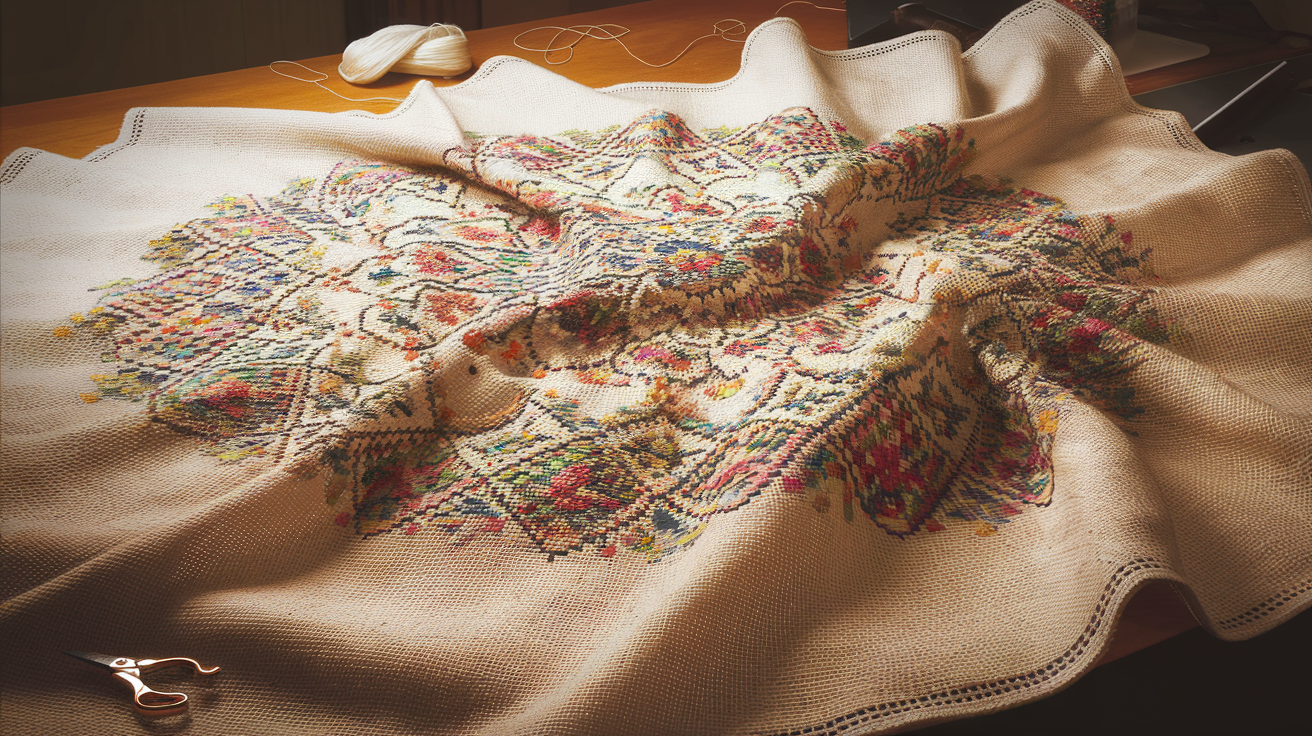
How to Cut Cross Stitch Fabric Accurately
Embarking on any sizable canvases begins with meticulous planning, and for cross stitch fabric, precise cutting is paramount. To preserve warp and weft integrity, measure precisely before cutting your chosen material.
For crisp edges that enhance textile finishing and prevent accidental distortion, employ a sharp rotary cutter used in conjunction with a self-healing mat, a staple for any crafting workflow.
When considering your design, cut slightly larger than needed; this provides essential flexibility for framing adjustments or potential sectional stitching on elaborate designs.
Should fabric fraying prevention be a concern, reinforce the fabric edges with fabric glue or a specialized fray-stopping product to ensure textile security for ambitious undertakings.
Managing Stitching Margins Effectively
For substantial pieces, allocate generous margin allowances—typically 2-3 inches—for framing and finishing purposes, ensuring ample material for handling and error correction.
Clearly marking these lines on the fabric with a water-soluble pen or a light pencil aids in straightforward adjustments as your creative process unfolds. Experiment with different margin sizes based on your preferred finishing method, whether you opt for a Qsnap frame, a scroll frame, or another hoop management system, to ensure adequate material.
This careful consideration supports overall large project management and simplifies the journey through meticulous stitching.
- Precise measurement before cutting cross stitch fabric is crucial for preserving warp and weft integrity.
- Using a sharp rotary cutter with a self-healing mat ensures crisp edges and prevents distortion.
- Cutting fabric slightly larger than needed offers flexibility for framing and potential sectional stitching.
- Allocating generous margin allowances (2-3 inches) is recommended for framing, finishing, and error correction on substantial pieces.
Securing Fabric for Large Projects
Properly mounting your cross stitch fabric is fundamental for a successful experience when undertaking lengthy endeavors or large project management. Utilizing specific tools helps maintain consistent stitch tension across sizable canvases, allowing for a more enjoyable creative process.
Ensuring your fabric is secure and flat prevents design complexity issues and allows for precise stitch counting.
Essential Tools for Tension Control
When managing cross stitch fabric for an ambitious undertaking, selecting the right support system is paramount.
Scroll frames offer extensive support, allowing for easy rolling and adjustment of the fabric.
Large Q-snaps provide firm, even tension across a larger area than traditional hoops, preventing puckering on substantial pieces. Sturdy hoops, particularly larger sizes, remain a reliable option for maintaining stitch clarity and fabric support throughout the stitching process.
Managing Excess Fabric and Workspace Tidy
For optimal results with any textile arts project, controlling excess fabric is key to maintaining a clean and organized workspace.
Fabric preparation for extensive projects involves more than just securing it; effective management of excess material prevents it from becoming a nuisance.
Utilizing a grime guard or even a simple fabric cover can shield the unstitched portions of your cross stitch fabric from hand oils and environmental dirt, contributing to overall fabric cleanliness. Gently rolling or folding this excess fabric and securing it out of the way ensures your workspace tidiness, allowing you to focus on the intricate details of your design without distraction.
This practice aids in excess fabric control and contributes to overall needlework organization.
Preventing Fraying and Maintaining Fabric Integrity
Fabric fraying prevention is a critical step in material preservation when working with sizable canvases or delicate weaves like linen care or evenweave handling.
Finishing the edges of your cross stitch fabric, whether through serging, whip stitching, or using a fray-stopping adhesive, safeguards against unraveling during the extended stitching process.
This meticulous attention to the fabric edges ensures the integrity of your material, especially for lengthy endeavors where constant handling occurs. Securely finished edges contribute to better textile handling and prevent issues that could compromise the final outcome of your elaborate designs.
Optimizing Your Crafting Environment
Creating an ergonomic crafting space enhances the overall hobbyist guidance for any project, especially larger ones.
Good lighting conditions are essential for precise stitch counting and reducing eye strain during long sessions. A stable surfaces for your frame or hoop prevents accidental shifts and supports a consistent stitch tension.
Regularly checking your stitching area for any signs of wrinkling or tension issues, particularly after repositioning your hoop management or adjusting your scroll frame use, ensures high-quality stitch clarity.
This mindful approach to your crafting workflow supports efficient hobby progress and better stitch quality, making even ambitious undertakings more manageable.
- Utilizing tools like scroll frames and large Q-snaps helps maintain consistent stitch tension across sizable cross stitch canvases.
- Managing excess fabric with a grime guard or fabric cover protects unstitched portions from oils and dirt, contributing to fabric cleanliness.
- Finishing fabric edges through methods like serging or whip stitching safeguards against unraveling during extended stitching processes.
- Good lighting conditions and stable surfaces are essential for precise stitch counting and preventing accidental shifts in your crafting environment.
Free Vintage Yellow Rose Printables
Vintage yellow rose prints immediately add cheerful charm and classic sophistication to any interior, providing effortless seasonal style. Printable downloads from Harbour Breeze Home feature six vibrant, high-resolution botanical artworks in a convenient 5×11 format, perfect for standard home printers and affordable DIY wall decor projects.
Enjoy free printables as part of your decorating toolkit—these timeless rose illustrations inspire joyful art, elegant interiors, and creative room accents from gallery wall ideas to cozy living room decor.
Transition next to explore unique historical designs and discover how vintage yellow rose prints elevate modern home styling.
Vintage Yellow Rose Prints: Discovering Historical Designs and Their Enduring Appeal
Botanical artwork featuring yellow roses invites an appreciation of antique art and the symbols of friendship and happy vibes. High resolution printable downloads ensure crisp detail for home decorating—Harbour Breeze Home offers a set of coordinated floral art pieces available as free wall decor with simple VIP access.
DIY wall decor opportunities abound: create a botanical gallery wall, accent bookshelves, or give custom decor a joyful touch with creative solutions. For charming accents, print and frame with matte paper or mount them onto distressed wood, enhancing your space’s cottage style and timeless appeal with affordable art resources.
Historical Designs and Their Enduring Appeal
Vintage yellow rose prints offer a glimpse into the past, with detailed botanical artwork that celebrates the beauty of nature.
These rose illustrations convey a sense of nostalgia and the enduring appeal of classic floral art.
Obtaining High-Resolution Printable Downloads
Printable downloads are readily accessible through Harbour Breeze Home’s VIP sign-up. This grants you access to a collection of six coordinated vintage yellow rose botanical prints, ensuring sharp, detailed images for your framing needs.
Creative Ways to Incorporate Into DIY Wall Decor
The versatility of these free printables allows for numerous DIY wall decor applications. Consider creating a striking botanical gallery wall, or use individual pieces to adorn bookshelves and reading nooks.
Unique Styling Tip for Charming Accents
For a particularly charming accent, try pairing your printed art with painted shutters or distressed wood backdrops.
This enhances the cottage style and adds a unique, tactile element to your home decorating.
Yellow rose printables bring springtime cheer, embodying friendship and happiness.
Printable art from Harbour Breeze Home features high resolution designs.DIY wall decor is made simple with these free printables.
Explore floral art for your gallery wall ideas.These vintage art pieces suit farmhouse decor and cottage style.
Print and frame these rose illustrations for timeless appeal.
Enjoy affordable art and creative solutions for your home styling.
Add elegant interiors with these charming accents.Experience cheerful decor and joyful art.
Find art resources for your next project.Utilize the 5×11 format with a standard printer.
Achieve color vibrancy with matte or satin paper.
These nature prints are perfect for wall decor.
They add charm to room accents and living room decor.Also ideal for bedroom decor and a cozy reading nook.
Create custom decor and bring happy vibes to your space.These printable downloads offer a perfect spring home accent.
Enjoy seasonal decor with this beautiful botanical artwork.
Elevate your interior design with this lovely floral art.
Perfect for crafting and adding a touch of vintage art.These digital art pieces are high resolution.
Discover the beauty of antique art and yellow flowers.Bring the outdoors in with this garden art and nature prints.
Update your wall decor with these charming room accents.
Enhance your living room decor or bedroom decor.
Create a cozy reading nook with these beautiful prints.Experiment with different framing ideas for unique looks.
Print and frame these for an instant upgrade.Consider custom decor for a personal touch.
These offer truly affordable art solutions.
Discover creative solutions for your decorating needs.
Elevate your home styling with these elegant pieces.Achieve elegant interiors and charming accents.
Enjoy the timeless appeal of these designs.Add cheerful decor and embrace joyful art.
Celebrate friendship symbols and spread happy vibes.
Get your printable download today.
Access these art resources with VIP access.Harbour Breeze Home offers these amazing free printables.
Available in an easy 5×11 format.Use your standard printer for quick results.
Choose matte paper or satin paper for different finishes.
Experience incredible color vibrancy with these prints.
These vintage yellow rose prints are a must-have.Explore the world of
Discover Free Printables
Free printables have revolutionized creative home decorating, providing an easy way to access vintage yellow rose prints, botanical artwork, and DIY wall decor without breaking the bank. Yellow rose printables, a collection of six coordinated vintage yellow rose botanical prints, bring a touch of timeless spring elegance to any interior space, blending classic floral aesthetics with effortless DIY decor.Harbour Breeze Home is celebrated for offering high-resolution, coordinated printable downloads, especially this beloved set for spring home accents.
Other top resources include Teachers Pay Teachers, Education. com, and Carson Dellosa, all featuring diverse categories for various interests and age groups.
Benefits range from affordability and instant access to customizable sizing and the ability to easily swap out seasonal decor. To organize your art resources, create themed folders on your computer or cloud storage and clearly label collections—such as printable artwork or rose illustrations—for streamlined retrieval and home styling.
These high-resolution artworks, specifically designed for easy home printing and framing, offer a joyful palette perfect for gallery walls, living rooms, or cozy reading nooks. Vintage botanical art symbolizes friendship, joy, and warmth, coming in an easy-to-print 5×11 inch format, compatible with standard home printers.
DIY wall art instantly revitalizes neutral or minimalist interiors with cheerful color and botanical charm.
## Creating DIY Wall Decor
Vintage yellow rose prints can instantly transform blank walls into distinctive gallery wall ideas with minimal effort and materials.For a botanical gallery wall, print the full set of free floral art on matte paper, then frame in simple or vintage-inspired frames for striking, timeless appeal. Farmhouse decor and cottage style inspirations can be easily achieved with these versatile prints.
For custom decor accents, display a single rose illustration in a reading nook or bedroom for cheerful decor. Try crafting a vintage collage by layering multiple printable downloads on canvas or matboard, adding ribbons or decorative clips for a charming accent.
For a professional finish, always use high resolution images, select heavyweight paper for color vibrancy, and ensure precise cutting before framing.
Personalized wall art not only enlivens living spaces but also celebrates creativity, infusing joyful art and happy vibes throughout your home.
Affordable art solutions like these are perfect for updating your home decor. Print and frame these beautiful images to create stunning wall art.
Creative solutions for home styling abound with these printable downloads.
Printable Art Type Key Characteristics Styling Inspiration Vintage Yellow Rose Prints High-resolution, coordinated, 5×11 inch format, compatible with standard printers Gallery walls, reading nooks, bedrooms, farmhouse decor, cottage style Botanical Artwork Timeless spring elegance, classic floral aesthetics, symbolize friendship, joy, and warmth Gallery walls, living rooms, cozy reading nooks DIY Wall Decor Affordable, instant access, customizable sizing, easy to swap seasonal decor Revitalize neutral interiors, cheerful color, botanical charm, vintage collage
Framing Ideas for Home Decorating
Elevating DIY wall decor begins with thoughtful framing choices tailored to your space. Vintage yellow rose prints, a collection of six coordinated free downloads from Harbour Breeze Home, come to life when paired with classic wood or brushed metal frames, lending a timeless appeal ideal for farmhouse or cottage-style interiors.
Consider arranging the entire set as a gallery wall with matching frames, or use floating frames for a modern, airy feel.
For budget-friendly solutions, browse thrift stores for unique frames or revamp old ones with paint—this gives affordable art a bespoke touch and adds to your home decorating.
To highlight your 5×11 format floral art, choose mats in white or cream and opt for 11×14 frames, allowing the print and frame process to look polished. For creative, unframed displays, use decorative washi tape, clipboards, or twine to add texture and charm, ensuring every piece of printable artwork fits seamlessly into your home styling.
These high-resolution artworks assure sharp, detailed prints perfect for home framing adding cheerful decor and happy vibes.
Styling Tips for Charming Accents
With botanical artwork as a focal point, layering floral accents brings instant character to any room. Printable downloads clusters on shelves or mantels make for elegantly cohesive arrangements, especially when grouped by similar themes or hues, creating joyful art.
Vary heights and sizes for a dynamic aesthetic—pair nature prints with ceramic vases or woven baskets for tactile contrast, enhancing room accents.
Choose a soft, harmonious palette to allow your gallery wall ideas to shine without appearing cluttered, offering elegant interiors.
Rotate seasonal decor by featuring different vintage yellow rose prints throughout the year—this keeps your living room or reading nook feeling fresh and vibrant, highlighting the cheerful symbolism and timeless appeal of these rose illustrations and seasonal decor. Use heavyweight matte or satin paper for the best vintage look and color vibrancy with these printable downloads.
- Vintage yellow rose prints are available as a collection of six coordinated free downloads from Harbour Breeze Home.
- For 5×11 format floral art, using mats in white or cream and 11×14 frames creates a polished look.
- Printable downloads can be clustered on shelves or mantels, grouped by similar themes or hues for cohesive arrangements.
- Heavyweight matte or satin paper is recommended for printable downloads to achieve the best vintage look and color vibrancy.
Elevate Your Space with Printable Art
Transforming your interior design is simple with printable art, instantly enhancing the ambiance of any room with creative choices. DIY wall decor offers affordable beauty and flexibility, allowing you to update or personalize decorations in mere minutes.Begin with timeless charm using vintage yellow rose prints; incorporate these into your living room with bold, statement pieces or an elegant botanical gallery wall for sophisticated warmth.
For a study, tranquil floral art or minimalist designs can inspire focus, while a bedroom benefits from serene, soft-hued printable downloads.
To maximize visual impact, scale your chosen art to fit the space and place it at eye level, typically above sofas or beds.
* Rotate cheerful designs like yellow rose printables to refresh your decor with seasonal printables, maintaining a dynamic and joyful atmosphere throughout the year.
* Keep a collection of affordable art readily available for a custom, creative solution to suit every season and room function.
Continue exploring inspiring decor ideas in the next section.
## Unlock Seasonal Decor Potential
Nothing enlivens home decor quite like adapting seasonal decor with vibrant printable downloads tailored for every holiday and mood.Botanical artwork, such as the free vintage yellow rose prints, accents spring spaces with cheerful, friendly hues, while bold floral art and nature prints energize summer.
For autumn, select printable artwork in deep, earthy tones; cozy winter months invite serene vintage art or joyful motifs. Construct themed wall galleries by mixing rose illustrations for a ‘Spring Awakening’ collection, swapping them out seasonally.
To update decor easily, store prints flat and reuse existing frames; print fresh designs on matte paper for renewed vibrancy. Ensure new gallery wall ideas harmonize perfectly with your evolving space by considering existing cottage style room accents when choosing colors.
* Printable art provides a quick, cheerful way to inject each season’s spirit into your home through affordable, high-resolution downloads.
* Themed botanical gallery walls deliver cohesive, elegant interiors certain to inspire year after year.
Decor Element Room Application Seasonal Adaptation Printable Art Living Room, Study, Bedroom Seasonal Printables, Yellow Rose Printables Botanical Gallery Wall Living Room Rose Illustrations for ‘Spring Awakening’ Floral Art Study, Summer Decor Nature Prints Vintage Art Winter Decor Joyful Motifs Section>
What Are Vintage Yellow Rose Prints
Vintage yellow rose prints represent a classic floral art style, featuring detailed rose illustrations reminiscent of 19th-century natural history studies. These botanical artwork pieces capture the delicate beauty of yellow flowers, symbolizing friendship, joy, and springtime cheer, making them perfect for enhancing home decor and creating inviting room accents.
Their timeless appeal allows them to fit seamlessly into various decorating schemes, adding a touch of elegance to any space, from a cozy reading nook to a grand living area, contributing to overall home styling.
This type of vintage art offers charming, cheerful decor that brings happy vibes and joyful art to your environment.
.
Sourcing these beautiful pieces, whether authentic or inspired, is made accessible through platforms offering printable downloads. For instance, a collection of six free printables from Harbour Breeze Home provides high-resolution botanical artwork in an easy-to-print 5×11 format, compatible with a standard printer.
These DIY wall decor options, often referred to as floral art or printable art, allow for creative solutions in home decorating. Many people cultivate a personal, emotional connection with this nature prints, finding comfort, inspiration, and a sense of warmth in their vintage charm, making them popular for wall art and thoughtful gifts.
Styling and Sourcing Yellow Rose Prints
Yellow rose printables offer a fantastic way to introduce spring home accents and farmhouse decor.
These botanical artwork pieces are readily available as printable downloads, often as part of curated collections or free printables.
The allure of vintage art combined with the cheerful symbolism of yellow flowers makes them particularly appealing for creating a welcoming atmosphere.
When sourcing these charming wall decor items, look for high resolution files suitable for printing on various materials. The simple act of printing and framing these nature prints provides an immediate upgrade to your home decor, offering both beauty and personal expression through print and frame projects.
.
Printing and Display Ideas
Utilizing printable art for your DIY wall decor is a straightforward process with impressive results. For optimal color vibrancy and a classic look, printing on matte paper or satin paper is recommended.
These rose illustrations, when printed in the standard 5×11 format, fit easily into most frames, supporting framing ideas for a polished appearance.
Consider creating gallery wall ideas by grouping several botanical artwork prints together, or use single prints as delightful room accents on side tables or shelves.
The adaptability of printable downloads also allows for scaling or cropping to suit custom decor projects or crafting, offering versatile creative solutions for your home styling needs. These floral art pieces are excellent for adding seasonal decor or year-round cheer.
The Emotional Connection to Floral Vintage Art
People often feel a profound emotional connection to floral art, especially pieces like vintage yellow rose prints.
This connection stems from the symbolism associated with yellow flowers—friendship, joy, and happy vibes—and the nostalgic comfort these nature prints provide. The intricate details found in botanical artwork can evoke memories of gardens, loved ones, or simpler times, contributing to a sense of well-being and cheerful decor.
These vintage art pieces serve as more than just decoration; they are artifacts that bring warmth and a sense of timeless appeal to any interior design plan, enhancing spaces like a living room decor or a quiet reading nook with their joyful art and elegant interiors.
- Vintage yellow rose prints are reminiscent of 19th-century natural history studies and botanical artwork.
- These prints symbolize friendship, joy, and springtime cheer, making them suitable for home decor and room accents.
- Printable downloads, often in an 5×11 format, are available for DIY wall decor, allowing for creative home decorating solutions.
- Printing on matte or satin paper is recommended for optimal color vibrancy and a classic look, fitting easily into standard frames.
Republic Of The Congo Craft Activities For Kids

Embark on an exciting journey to the Republic of the Congo with engaging craft activities designed to spark young imaginations.
Central African geography lessons become vibrant through art, weaving together culture, wildlife, and traditions.
Congolese crafts for kids offer a unique window into African nation art education, making learning a delightful adventure.
These hands-on projects connect children to the heart of Central African culture.
Dive into Congolese Crafts for Kids
Bring the vibrant spirit of Kinshasa cultural crafts to life through simple yet rewarding projects.
African nation art education is best experienced with tactile materials, allowing young artists to explore traditional African art forms.
Creating Congolese masks is a wonderful way to introduce symbolism in art and the rich ethnic group influences found within the country.
Young creators can use oil pastel art and yarn crafts to add intricate details, mirroring traditional African mask making.
Central African geography lessons can be enhanced by discussing the origins of these art forms and their place in community life representation.
These activities foster creative expression Africa and provide a gateway to cultural immersion, making learning about the Republic of the Congo a memorable experience.
Let’s explore the beauty of African heritage crafts, teaching children about a fascinating part of the world through creativity and play.
Hands-on learning activities Africa are perfect for visual learning Africa and cultural appreciation activities..
Mask Making: A Window into Tradition
Crafting masks is a gateway to understanding Brazzaville traditions for youth and the deeper meanings behind artistic expression.
Traditional African mask making involves vibrant colors and patterns that often tell stories or represent spirits.
Children can use paper mache masks or simple paper cutouts, decorating them with oil pastel art for a splash of color.
Adding yarn crafts can mimic traditional embellishments, creating unique pieces that reflect Congolese artistry.
These projects are excellent for social studies projects, helping kids connect with diverse wildlife education and traditional African art forms.
Symbolism in art is a key element, offering a chance to discuss meanings and cultural significance.
Rainforest Wildlife and Geography Adventures
Explore the wonders of the Congo Basin through animal modeling and map-making activities.
Rainforest animal modeling with recycled materials projects allows children to create their own gorilla figurines and elephant models.
Discovering the diverse wildlife education within the Congo basin wildlife art opens up conversations about conservation.
Cardboard house construction provides a tactile experience of painted African dwellings, showcasing local architecture and community life representation.
Congo River mapping using blue construction paper crafts and marker art geography makes learning about Central African geography lessons interactive and fun.
These activities offer a fantastic way for children to engage with the natural world and understand the importance of the Congo basin.
Interactive geography Africa and learning about Africa come alive with these creative projects.
Creative learning and art exploration are at the core of these engaging activities..
Games and Cuisine: Experience Congolese Culture
Introduce children to popular Congolese games and flavors, making learning about Africa a multi-sensory experience.
Creating a Mancala game creation involves egg carton games and bead game pieces, offering insight into Congolese board games.
These strategic thinking games are not only fun but also showcase cultural appreciation activities.
Animal figurine play and pretend play African species can bring the rainforest to life.
Exploring Congolese cuisine exploration with simple fish snacks or guava treats adds a delicious dimension to home kitchen activities or classroom cooking.
African drumming rhythms can be experienced by making DIY drums from can drums with balloon drum heads, connecting children to the musical heritage of Africa.
These diverse craft ideas Africa offer a pathway to interactive education and cultural immersion for children.
Parent-teacher resources can find inspiration in these handson activities Africa, fostering creative expression Africa and a love for global diversity understanding.
Experience the joy of learning through crafts Africa and nurturing a deeper connection to the Republic of the Congo.
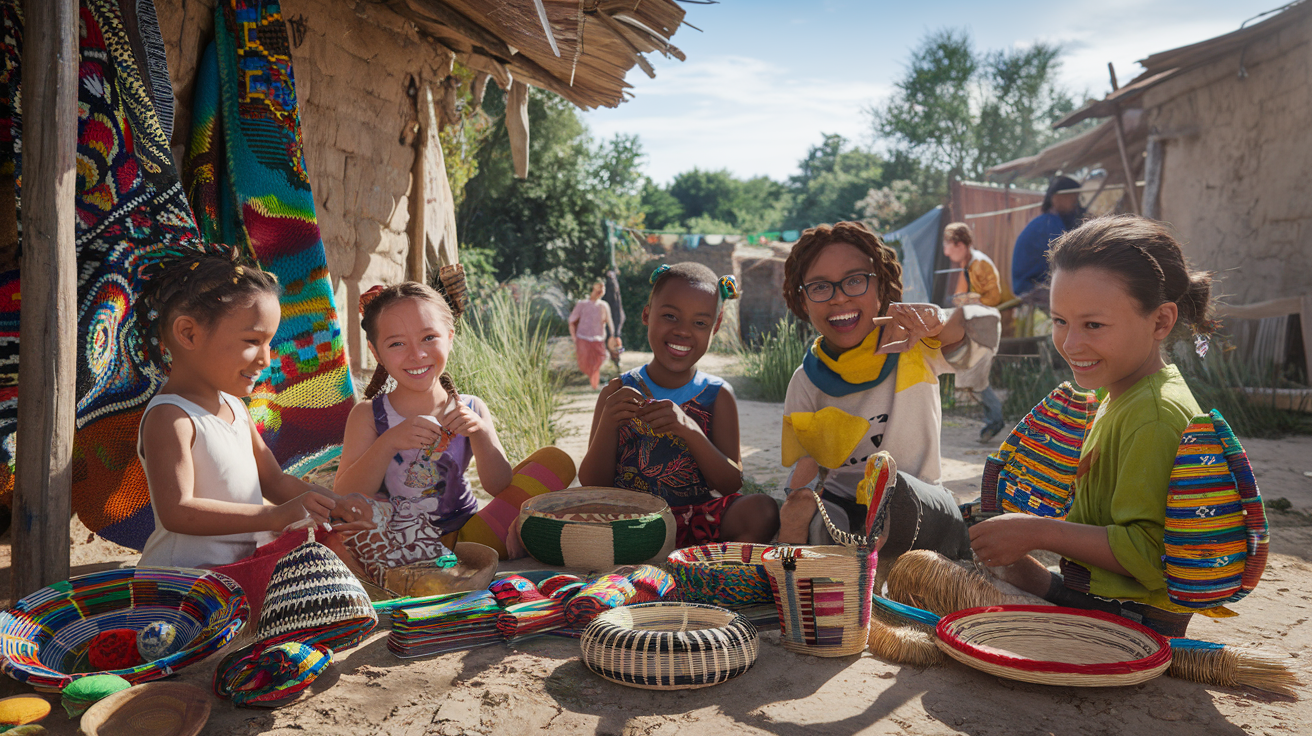
African Nation Art Education for Youth
African nation art education provides a gateway for youth to connect with the Republic of the Congo’s deep-rooted traditions, showcasing how artistry reflects a nation’s unique identity and compelling history. Congolese crafts for kids, including the intricate process of traditional African mask making, offer profound insights into ancestral beliefs and rich storytelling, fostering vibrant cross-curricular connections.
Integrating Central African geography lessons with artistic endeavors—such as depicting the vast Congo rainforest or the winding Congo River through vibrant marker art geography—seamlessly weaves themes of biodiversity and cultural heritage into every creative endeavor.
Educators and parents can source age-appropriate art materials that are also culturally sensitive for crafts inspired by the Republic of the Congo, utilizing natural or recycled materials to honor Central African heritage while ensuring accessibility.
Exploring Congolese Art and Symbolism
Traditional African art forms in the Congo often carry deep symbolic meanings, offering youth a chance to explore symbolism in art.
Crafting paper mache masks, for instance, allows children to engage with motifs that represent community life representation and deeper cultural values.
Connecting with Congo’s Natural World
Congo basin exploration for kids comes alive through art. Creating rainforest animal modeling projects, perhaps with clay or recycled materials projects, can introduce diverse wildlife education.
Think about gorilla figurines or elephant models, bringing the Congo Basin’s inhabitants into the classroom.
Geographical Awareness Through Art
Interactive geography Africa is achievable through art. Painting African houses from cardboard boxes provides a tangible way to understand Congolese architecture models, showcasing community life representation.
Another idea involves Congo River mapping, perhaps using blue construction paper crafts and marker art geography to chart its course.
Kinshasa Cultural Crafts for Learning
Kinshasa cultural crafts provide engaging hands-on activities for learning about Africa, letting young learners delve into Central African culture for children with authentic creativity.
From cardboard house construction inspired by Kinshasa’s vibrant architecture to blue construction paper crafts depicting the bustling Congo River, each art project connects artistic expression with geographical and social studies projects.
African animal crafts for kids, such as rainforest animal modeling using recycled materials, foster ecological awareness and artistic skill in equal measure.
African art projects for children can include creating painted African dwellings from cardboard boxes; this activity acts as a bridge for youth into local traditions, promoting cultural appreciation and creative learning.
Crafting Traditional Congolese Games
Traditional games Africa for children, such as Mancala game creation, offer strategic thinking games.
Building a Mancala game using repurposed egg carton games and bead game pieces introduces popular Congolese board games, fostering strategic thinking and cultural appreciation activities.
Hands-On Learning with African Materials
Handson activities like yarn crafts or oil pastel art allow children to explore various textures and colors. These projects serve as excellent parentteacher resources for cultural immersion and creative learning.
Learning about Africa can be fun through craft ideas Africa.
Explore traditional African mask making with simple materials, or create African food crafts for kids with edible creations like fish snacks or guava treats, making home kitchen activities more engaging.
Rhythms and Movement in African Culture
African music crafts for kids involve creating DIY drums from can drums or employing balloon drum heads for African drumming rhythms. These activities encourage children to explore the vibrant soundscape of Central African music.
African Nation Art Education
- Art education in African nations, specifically the Republic of the Congo, serves as a conduit for youth to engage with deep-rooted traditions and national identity.
- Activities like traditional African mask making and crafting paper mache masks offer insights into ancestral beliefs and cultural values, fostering cross-curricular connections.
- Integrating Central African geography lessons with art, such as depicting the Congo River or rainforest with marker art, reinforces biodiversity and cultural heritage themes.
- Hands-on crafts, including building Mancala game sets from repurposed materials and creating DIY drums, promote strategic thinking, cultural appreciation, and exploration of African music.
Central African geography lessons in art
Congolese crafts for kids present a fantastic avenue for delving into the rich geography of Central Africa, particularly the Republic of the Congo. Artistic expression acts as a direct bridge to comprehending geographical layouts and ecological wonders.
Through creating rainforest animal models, children actively engage with Congo basin wildlife art and the diverse species inhabiting this remarkable region.
Crafting a Congo River mapping project using blue construction paper and marker art geography visually translates the immense scale and importance of this waterway.
These hands-on activities, like rainforest animal modeling, seamlessly merge educational objectives with pure enjoyment, deeply connecting to African nation art education and the vibrant heritage of the continent.
Exploring the Republic of the Congo Through Creative Activities
Discovering the Republic of the Congo with children becomes an engaging journey through craft projects that reflect its geography and culture. These parent and teacher-friendly activities foster interactive learning about African life, from the expansive rainforests to unique traditions.
Creating Congolese masks with paper, oil pastels, and yarn offers an introduction to traditional African art and symbolism. Building simple models of rainforest animals like gorillas, elephants, or tropical birds with recycled materials teaches children about Congo’s diverse wildlife.
Crafting painted African houses from cardboard boxes provides insight into local architecture and community life.
Recreating the Congo River using blue construction paper and markers teaches geography through hands-on map-making.
Introducing and building a simple Mancala game using egg cartons and beads allows exploration of popular Congolese games, promoting strategic thinking. Organizing pretend play with animal figurines representing key species from the Congo basin further enhances learning about the region’s fauna.
Preparing easy Congolese-inspired dishes, such as fish or guava-based snacks, offers a taste of local food culture. Incorporating African drumming rhythms, by making simple drums from cans and balloons, allows children to experience traditional beats, making learning about Africa a truly immersive experience.
Discovering the Republic of the Congo Through Art and Activities
- Artistic expression, such as creating rainforest animal models and Congo River maps, serves as a direct method for children to learn about Central African geography and wildlife.
- Craft projects like making Congolese masks, building rainforest animal models from recycled materials, and painting African houses offer insights into traditional art, diverse wildlife, and local architecture.
- Hands-on activities, including recreating the Congo River, building a Mancala game, and preparing Congolese-inspired snacks, provide an immersive learning experience about the region’s geography, culture, and traditions.
Ariana Crochet Cardigan Pattern Review For Colorful Granny Square Cardigan
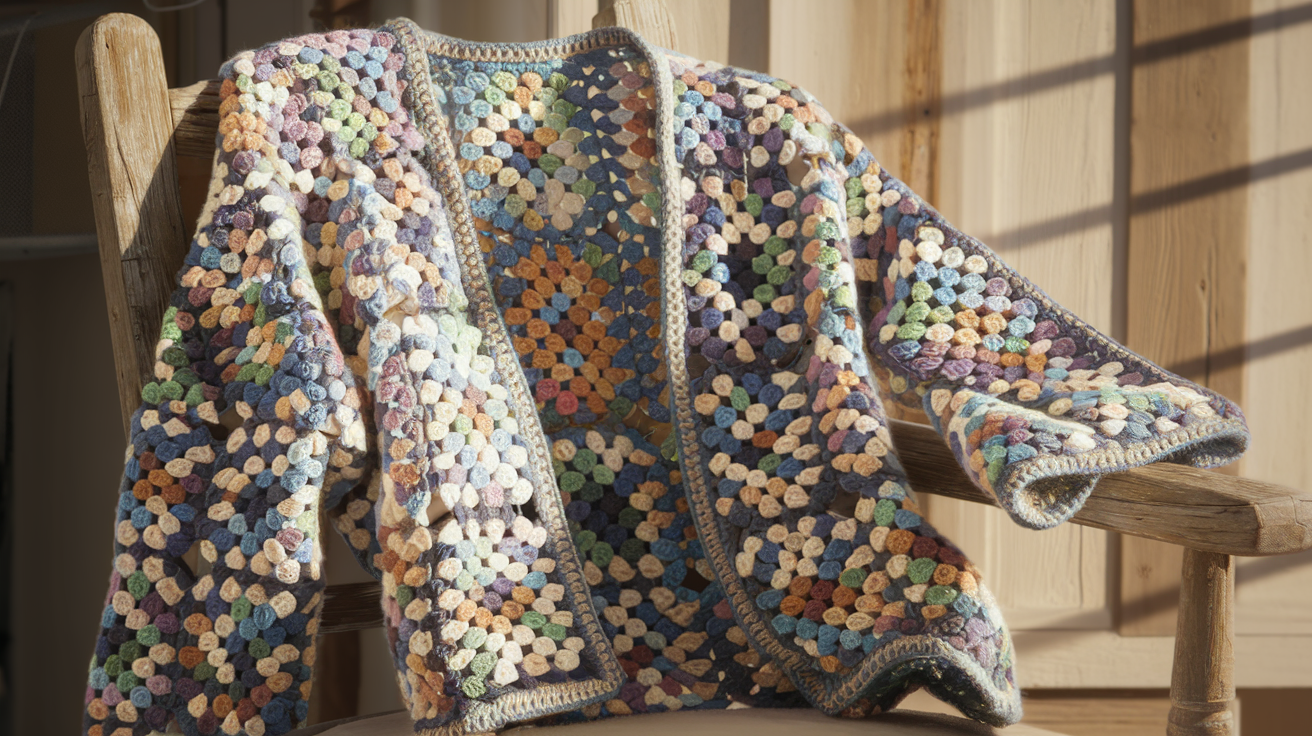
Ariana cardigan crafters are buzzing about Amy Christoffers’ latest crochet cardigan pattern, a stunning granny square cardigan that introduces a modern twist to a vintage technique. This Berroco crochet masterpiece transforms traditional squares, assembled through clever crochet assembly and a unique side-to-side orientation, into a bold, colorful crochet fashion statement.
Offering an oversized fit and knitted button bands and cuffs for a professional finish, this crochet cardigan pattern is a wearable result that rewards intermediate skill with creative flexibility and vibrant joy, inspiring over 1,600 shared projects.
Ariana cardigan: A colorful delight
The psychological impact of color in wearable art, like the stunning Ariana cardigan, profoundly boosts mood and uplifts any wardrobe with its bold garment appeal and cheerful accent colors.
Crochet assembly of this vibrant cardigan easily pairs with minimalist layers; style your statement outerwear with neutral pieces to truly highlight each meticulously joined granny square.
For effective stashbusting and neat organization, labeling yarn by weight—using clear bins helps keep every shade accessible, especially for women’s crochet clothing projects, making color experimentation a breeze. Yarn weight variations can significantly influence the fit and drape of your creation: opting for a heavier yarn establishes structure and warmth, while lighter options provide a wonderfully drapey, delicate look, allowing the adaptable Ariana pattern’s design to shine vibrantly in any season.
Ariana cardigan lovers often choose multiple shades to create a stunning, harmonious blend or embrace unique combinations using their existing stash yarn, showcasing remarkable color experimentation. The Amy Christoffers design for this granny square cardigan is celebrated for its classic appeal and the creative flexibility it affords makers, who sometimes adjust sleeve or body fit for their preferred shape preferences, proving this crochet fashion piece is truly adaptable.
The Berroco crochet pattern, a free pattern available on the Berroco website with accurate instructions as of the May 2024 update, calls for an F hook (75mm) alongside a size 5 (75mm) circular knitting needle for finishing the bands and cuffs, establishing a clean edge for a structured edge.
This crochet cardigan pattern beautifully blends a vintage technique with a modern twist, with its side-to-side orientation and vibrant squares offering delightful visual interest, making it a practical project for any crafter.
The ease of the granny square join and overall crochet assembly result in a fashionable outcome, perfect for statement outerwear with a spacious fit and comfortable fit, easily achieved through the pattern’s clear instructions and extensive community support, including user photos and crafter tips that offer inspiration.
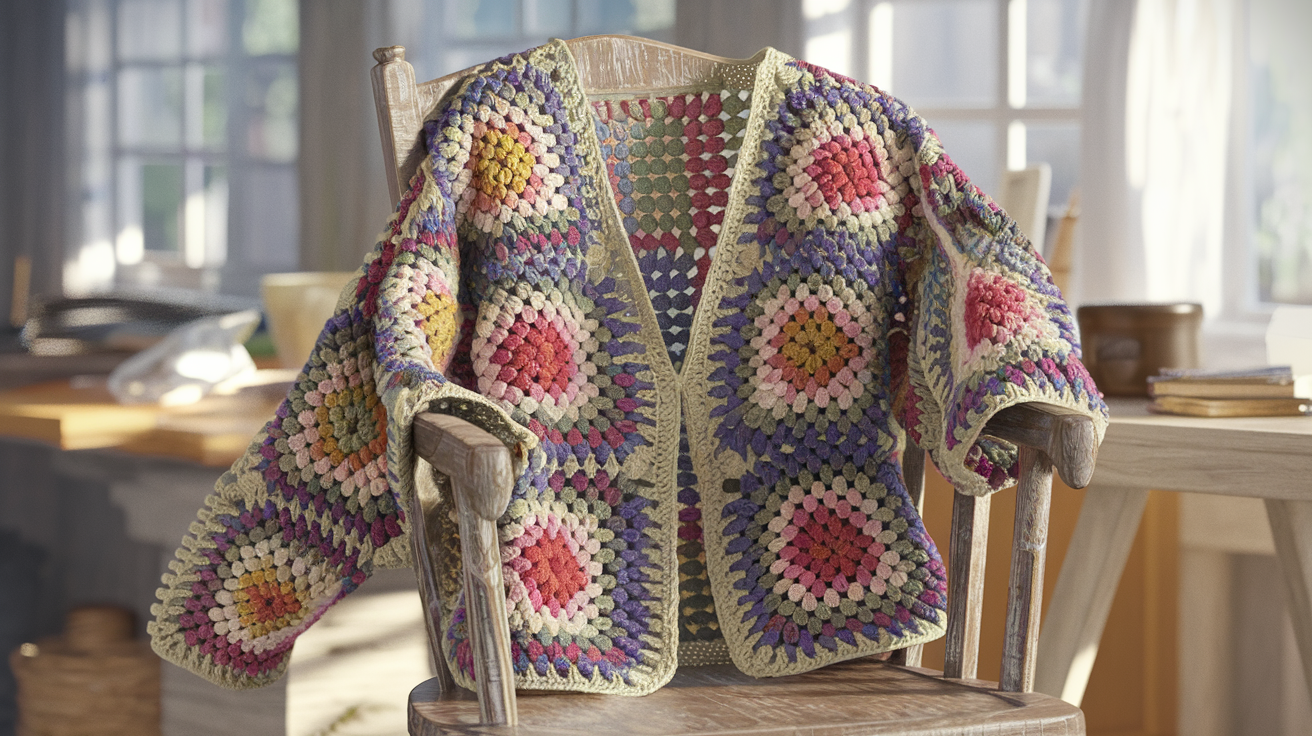
Berroco Crochet: Vintage Meets Modern
Berroco crochet continues to captivate, showcasing a renewed appreciation for timeless techniques, exemplified by the Ariana cardigan. This exquisite piece masterfully interprets the beloved granny square cardigan trend within contemporary crochet fashion.
Classic crochet techniques, such as iconic motifs and familiar stitches, are being reimagined and integrated into modern wardrobes, effectively bridging the gap between retro artistry and current runway aesthetics, resulting in a versatile, wear-anywhere look.
For makers eager to introduce a modern twist, consider exploring alternatives like cotton blends, bamboo, or eco-friendly yarns in place of conventional wool.
These selections can impart your colorful crochet projects with updated textures and beautiful drape. To truly personalize patterns, delve into their construction and joinery—meticulously dissect each motif, sketch out assembly pathways, and evaluate stitch density.
This approach allows for seamless adaptation of the pattern to reflect current styles and individual fit preferences, ensuring each granny square cardigan becomes a unique creation. Crafter insight often highlights the adaptability of these designs, encouraging a playful approach to crafting your next statement piece.
Reviving Vintage Crochet
The revival of vintage technique is beautifully evident in modern crochet, offering a fresh perspective on classic designs.
This resurgence links historical craftsmanship with current fashion trends, making these pieces highly desirable.
Those seeking a modern twist might find that alternative yarn fibers, such as sustainable cottons or breathable bamboo, offer a delightful departure from traditional wool.
This substitution greatly enhances the texture and drape of your colorful crochet projects, providing a unique and contemporary feel. Meticulously analyzing an old pattern’s structure and joinery is key to deconstructing and adapting it.
By breaking down each motif, visualizing construction routes, and testing different stitch densities, you can tailor any crochet cardigan pattern to modern styles and preferred fits, making each granny square cardigan uniquely yours. The Ariana cardigan, for instance, exemplifies how traditional elements can be reinterpreted for a bold garment.
Granny Square Cardigan: Pattern Insights
The construction of a granny square cardigan relies on ingenious modular techniques, where individual vibrant squares are crafted separately before being meticulously joined to form a cohesive and bold garment.
Enthusiasts of the Ariana cardigan particularly appreciate this construction method for its inherent adaptability, empowering crafters to experiment with multiple shades and carefully selected accent colors during the crochet assembly process.
Consider exploring variations on established motifs—incorporate puff stitches, embrace imaginative color experimentation, or thoughtfully combine traditional and contemporary rounds to introduce captivating visual interest into your crochet cardigan pattern.
Achieving a impeccably clean edge is straightforward using simple single crochet or the classic whipstitch granny square join, thereby guaranteeing a highly professional finish. Ultimately, the practice of wet blocking each individual square prior to its final integration is essential.
This step ensures a structured edge and results in uniform, eyecatching apparel that is both remarkably comfortable and unfailingly fashionable, appealing greatly to aficionados of womens crochet clothing. The Amy Christoffers design is frequently cited for its blend of traditional techniques with modern wearability.
Modular Construction and Joining Techniques
The modular construction central to the granny square cardigan involves creating individual motifs, which are then expertly joined.
For a truly seamless connection, the whipstitch or single crochet edging provides an effective granny square join.
This method ensures that the squares integrate flawlessly, contributing to the overall aesthetic of the finished piece.
Adopting specific blocking techniques is paramount for achieving uniformity across all squares. Wet blocking individual motifs before final assembly guarantees that each piece lies flat and maintains a consistent size, which is essential for the garment’s structure and appearance.
This attention to detail in assembling squares contributes to a professional finish. The Amy Christoffers design for the Ariana cardigan showcases how these modular elements can be arranged for maximum impact, offering a delightful canvas for color schemes and personal expression.
This approach makes the granny square cardigan a truly versatile and creative project.
Key Aspects of Modern Crochet Cardigans
- The Ariana cardigan exemplifies the integration of classic crochet techniques, like granny squares, into contemporary fashion.
- Using alternative yarn fibers such as cotton blends, bamboo, or eco-friendly yarns can update the texture and drape of crochet projects.
- Modular construction, where individual squares are joined, allows for significant adaptability in color experimentation and pattern personalization.
- Techniques like wet blocking individual motifs before assembly are crucial for achieving uniform size, structured edges, and a professional finish in granny square cardigans.
Amy Christoffers’ Design: A Creative Vision
Amy Christoffers design emerges from a childhood steeped in yarn, a profound connection to fiber arts flourishing thanks to her grandmother’s store. Granny square cardigan creations, exemplified by the Ariana cardigan, showcase a meticulous fusion of vintage techniques and modern color theory.
These designs celebrate traditional motifs, reimagined with bold, contemporary palettes often echoing folk art and bohemian aesthetics, providing a unique visual interest.
The importance of stitch definition is paramount; Amy Christoffers ensures each square’s texture is pronounced in the final crochet cardigan pattern.
Colorful crochet enthusiasts will find ample opportunity to personalize their Ariana cardigan, encouraging experimentation with yarn weights, diverse colorways, and varied stitch applications, fostering a truly individual expression in their crochet fashion.
The beauty of this project lies in its adaptability for your personal stash-busting and color experimentation.
Amy Christoffers’ work encourages a deep dive into color experimentation, allowing crafters to create harmonious blends or vibrant juxtapositions with multiple shades.
Crochet Cardigan Pattern: A Step-by-Step Guide
Mastering the crochet cardigan pattern begins with a thorough understanding of how each individual granny square contributes to the Ariana cardigan’s vibrant foundation. This project offers both a creative challenge and a rewarding outcome through its distinctive side-to-side orientation and assembly.
Gauge swatching proves critical to achieve the intended oversized fit and maintain consistency during the joining of squares for this beloved piece of women’s crochet clothing.
Troubleshooting tips for this intermediate skill level project include consistently checking stitch tension, employing a clean finishing edge, and preparing for the subsequent knitted button bands and cuffs.
Garment finishing advice for this statement outerwear emphasizes meticulous end-weaving and blocking each square to ensure a polished, professional result.
Constructing the Ariana Cardigan
Crochet assembly for the Ariana cardigan involves meticulously crocheting traditional squares, then arranging them with a unique side-to-side orientation for compelling visual interest, a hallmark of Amy Christoffers design. The pattern, available as a free pattern on the Berroco website, is designed to adapt to your personal style.
Granny square join techniques create a seamless flow, resulting in a wearanywhere look that blends comfort and style. The finished garment, a bold garment, offers a spacious and comfortable fit, making it a practical project for everyday wear.
Many crafters appreciate the creative flexibility, noting they have adjusted sleeve or body fit for personalized shaping preference.
Finishing Touches and Customization
Berroco crochet patterns, like this one, often incorporate knitting techniques for a refined finish.
The Ariana cardigan features knitted button bands and knitted cuffs, providing a structured edge and a professional finish that elevates the overall aesthetic.
For those starting, the F hook, or 75mm hook, is recommended, alongside a circular knitting needle, size 5 needle, for these finishing elements. The pattern is adaptable, allowing for sleeve adjustment and body fit adjustment, a testament to its adaptable pattern nature.
The May 2024 update ensures accurate instructions, reflecting crafter insight and community feedback.
Embracing Color and Community
Colorful crochet is central to the Ariana cardigan’s appeal, with patterns suggesting multiple shades or a harmonious blend of multiple shades. This encourages stashbusting and color experimentation, inviting crafters to use stash yarn for unique combinations.
The Ariana cardigan, a standout in crochet fashion, is praised for its classic appeal and the opportunity it presents for color experimentation.
With over 1,600 projects shared online, there’s a wealth of community support, inspiration, and user photos offering crafter tips for creating your own vibrant cardigan.
This creative project results in a wearable result, a piece of eyecatching apparel.
- The Ariana cardigan design by Amy Christoffers fuses vintage techniques with modern color theory, often echoing folk art and bohemian aesthetics.
- The pattern is available as a free pattern on the Berroco website and encourages personalization through yarn weights, colorways, and stitch applications.
- The project requires gauge swatching for an intended oversized fit and includes troubleshooting tips for intermediate crocheters, such as checking stitch tension and finishing edges.
- Finishing touches often incorporate knitting techniques, including knitted button bands and cuffs, with the recommended hook size being an F hook (75mm) and a size 5 circular knitting needle.
Colorful crochet: Choosing your shades
Color theory brings your granny square cardigan to life, transforming every Ariana cardigan into a vibrant statement piece that reflects your personality and mood. Primary, secondary, and tertiary colors form the foundation of impactful colorful crochet, while color wheels help crafters select harmonious blends or daring contrasts for maximum visual interest.
Warm hues like reds and yellows inject energy, while cool blues and greens create calm—choose your palette to evoke emotion and align with your project’s intent.
Techniques like gradual color blocking and “yarn pooling” introduce smooth gradients, making each crochet cardigan pattern uniquely striking.
Choosing your palette
Crafter insight into selecting shades for your Ariana cardigan guides the creative process toward a truly personal expression.
Color experimentation with stash yarn unveils unique combinations, with many makers referencing Berroco crochet patterns for inspiration. Consider the emotional resonance of color palettes; for example, warm hues like reds and yellows inject energy, while cool blues and greens create calm, allowing you to evoke specific emotions.
The foundational aspects of color theory help crafters select harmonious blends or daring contrasts for maximum visual interest.
Techniques for vibrant effects
Learn to create smooth gradients for a striking effect in your granny square cardigan. These techniques, like gradual color blocking, introduce subtle shifts in shade, making each crochet cardigan pattern remarkably unique.
Exploring resources for color inspiration, such as nature, art, or platforms like Pinterest, can spark fresh ideas for your next project.
Transitioning from your palette to fashion, let’s see how crochet shapes a sustainable, expressive wardrobe.
Crochet fashion: A wearable statement
Crochet fashion transcends mere trends, blending sustainability and individuality into every project.
From a vibrant cardigan to a chic clutch, each piece is both eco-conscious and expressive.
Handmade garments, like the Ariana cardigan, reduce waste and encourage “stashbusting,” supporting ethical, slow fashion habits. The Amy Christoffers design for the granny square cardigan exemplifies this modern approach.
Sustainability and ethical choices
Crafter insight into sustainable practices influences the creation of unique wardrobe pieces.
Opt for natural yarns or recycled fibers to lower your environmental footprint and increase garment longevity, making your womens crochet clothing both stylish and responsible. This emphasis on eco-conscious materials aligns with a growing movement toward ethical, slow fashion.
Styling your crochet pieces
The granny square cardigan offers remarkable versatility, suitable for various occasions and styling preferences.
Style your vibrant cardigan over jeans for a casual, everyday look or layer it with accessories for a more dressed-up ensemble.
Building a capsule wardrobe means mixing timeless staples, like a neutral crochet vest, with bold, statement outerwear pieces for a fresh, adaptable wardrobe.
This adaptable pattern allows for adjustments, ensuring a comfortable fit.
Creative flexibility lies at the heart of modern crochet clothing, ensuring each wearable result is as practical as it is original, offering a truly fashionable result.
- Color theory, including primary, secondary, and tertiary colors, is fundamental to creating visually interesting crochet pieces.
- Warm hues like reds and yellows can inject energy, while cool blues and greens create a sense of calm in crochet designs.
- Crochet fashion, such as the Ariana cardigan, supports sustainable and ethical slow fashion habits by reducing waste and encouraging stashbusting.
- The granny square cardigan is a versatile piece that can be styled for various occasions, from casual everyday looks to more dressed-up ensembles.
Crochet Assembly: Perfecting Your Ariana Cardigan
Fine-tuning your Ariana crochet cardigan pattern ensures your granny square cardigan fits and flatters. This Berroco crochet project benefits from precise gauge; begin by making a thorough swatch, then measure and match your tension, adjusting with an F hook or changing yarn weight as needed.
Modify fit by adding or subtracting rounds from each granny square for an adaptable pattern, allowing for sleeve adjustment and body fit adjustment.
For vibrant squares, intarsia crochet lets you work geometric patterns right into your squares, while duplicate stitch is perfect for decorative motifs or correcting color mistakes, fortifying creative flexibility and visual interest for your colorful crochet fashion.
Seam squares using your preferred granny square join for a clean, professional finish on your cardigan.
Add closures like handmade buttons or knitted button bands for structure and a contemporary, wear-anywhere look, creating a polished, wear-anywhere look.
Embellishments and accent colors boost the statement outerwear appeal of this bold garment—ideal for anyone exploring colorful crochet fashion or vintage technique with a modern twist.
Crafting Your Crochet Cardigan: From Squares to Statement Piece
The Ariana cardigan, an Amy Christoffers design, transforms traditional squares into a bold garment. This crochet cardigan pattern, featuring a sidetoside orientation, offers creative flexibility.
For a harmonious blend with multiple shades, consider using stash yarn for unique combinations, allowing for extensive color experimentation on this colorrich cardigan. This adaptable pattern is a practical project, ideal for building your wardrobe with statement outerwear.
Achieving a structured edge and clean edge on your crochet assembly is simple with knitting techniques.
The May 2024 update on the Berroco website provides accurate instructions for attaching knitted button bands and knitted cuffs, ensuring a professional finish.
Crafters find immense inspiration, with over 1,600 projects shared online, offering valuable crafter insight and community support through user photos and crafter tips.
This granny square cardigan, a perfect example of womens crochet clothing, offers an oversized fit and a comfortable fit.
The intermediate skill level requires proficiency in crochet techniques alongside knitting techniques. The F hook, or 75mm hook, and a circular knitting needle, size 5 needle, are essential.
This fashionable result and wearable result showcase the beauty of assembling squares and thoughtful color schemes.
The Ariana cardigan blends a vintage technique with a modern twist, creating eyecatching apparel that’s both comfortable and stylish.
This free pattern is a creative project for anyone interested in crochet fashion, especially those who enjoy color experimentation and stashbusting. The spacious fit makes it a go-to for a wearanywhere look, combining classic appeal with a vibrant cardigan.
Key Details for Crafting the Ariana Cardigan
- The Ariana cardigan pattern, designed by Amy Christoffers, is an adaptable project that allows for modifications to sleeve and body fit by adjusting the number of rounds in each granny square.
- This crochet cardigan project utilizes both crochet and knitting techniques, requiring an F hook (75mm) and size 5 circular knitting needles for elements like button bands and cuffs.
- The project encourages creative flexibility through color experimentation, suggesting the use of stash yarn for unique combinations and highlighting intarsia crochet and duplicate stitch for decorative elements.
- The Ariana cardigan is presented as a free pattern, ideal for intermediate skill levels, and is celebrated for its comfortable, oversized fit and its blend of vintage techniques with a modern aesthetic, resulting in fashionable and wearable apparel.