

Crafting With Kids Sparks Joy And Creativity
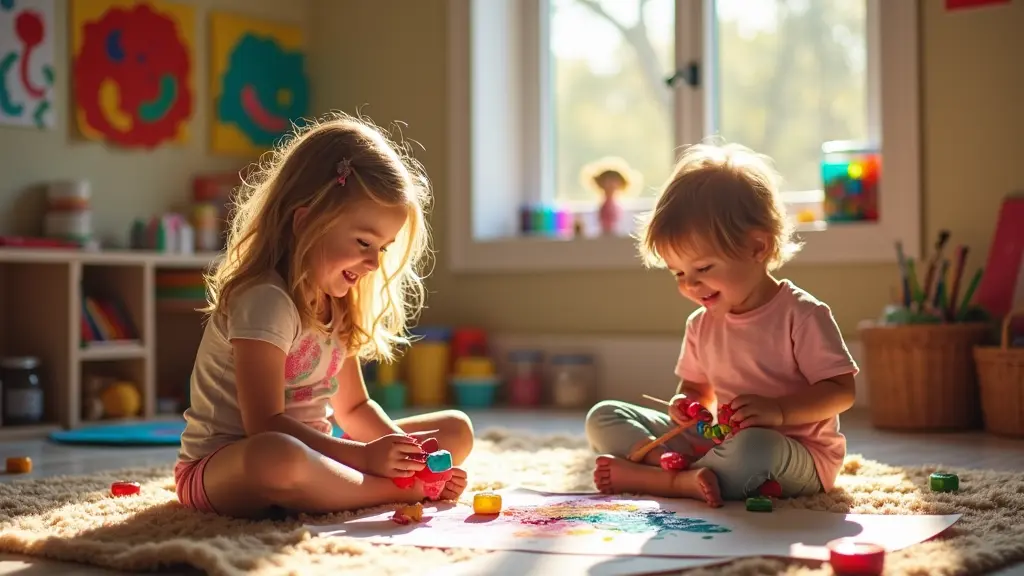
Families often underestimate the power of a simple activity, yet the joy of creating together can bring a sense of unity and happiness that’s hard to find elsewhere. It’s a moment of pure delight, as laughter and imagination fill the air.
Benefits of Crafting with Kids
With a stash of art supplies at the ready, crafting with kids is a fun way to create one-of-a-kind masterpieces and deepen family bonds through handson learning.
It’s a great way to spend quality time together, creating lasting memories that will be treasured for years to come.
By engaging in creative activities, children develop their fine motor skills, problem-solving abilities, and receive an imagination boost. This can help foster a sense of wonder and creativity in your family.
Unleashing Imagination Through DIY Projects
The joy of creating something with your own hands is a feeling that never fades with time. As children engage in hands-on activities, they begin to develop a sense of confidence and self-expression.
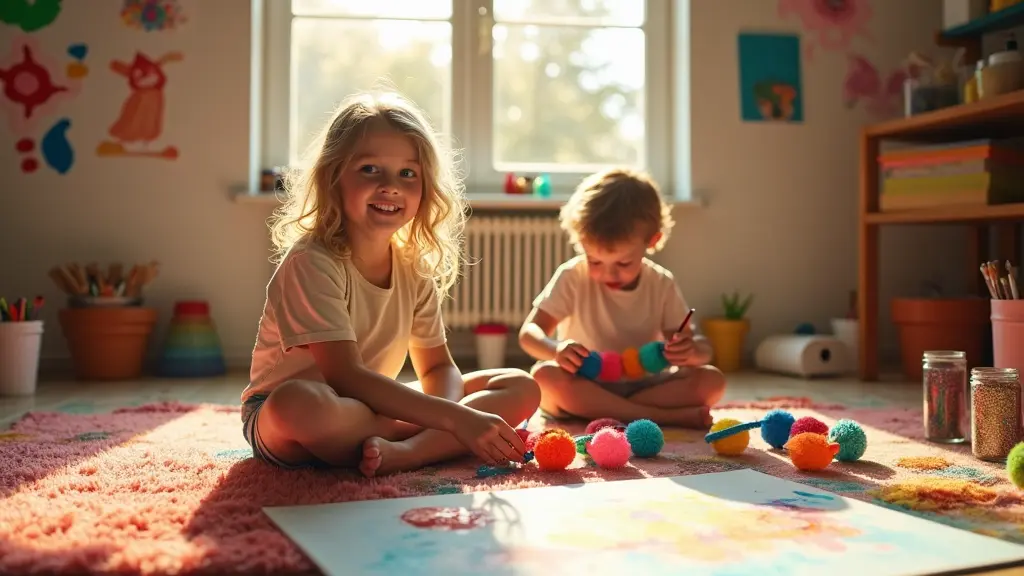
The Power of Creativity
The benefits of unleashing imagination through DIY projects are numerous and significant.
One of the most notable advantages is the impact it has on brain development and cognitive skills in children.
Research has shown that creative activities, such as colorful creations with varied materials, can increase grey matter in the brain, improve critical thinking, and even boost memory and problem-solving skills.
For example, a study found that children who engaged in sensory activities, like finger painting, exhibited improved cognitive flexibility and creativity compared to those who did not.
Why it is Essential for Child Development, Fostering Sensory Activities, and Creating Colorful Creations with Various Materials and Skills.
Why Choose Art Supplies For Kids?
Art can be a powerful tool for kids’ development, opening doors to new experiences and opportunities. When provided with the right materials, children can unleash their creativity, learn new skills, and build confidence.
Unleashing Imagination
Art supplies offer a platform for kids to express themselves, experimenting with various mediums and tools, such as paints, markers, and crayons.
This freedom allows them to think outside the box, build confidence, and develop their own unique style.
By exploring different art forms, children can discover new passions and interests.
Developing Fine Motor Skills
Art supplies, like scissors and glue, help kids develop fine motor skills, improving hand-eye coordination and dexterity. Playdough and clay provide additional opportunities for kids to practice their hand muscles, creating a sense of accomplishment as they shape and mold their creations, reinforcing their confidence and promoting a sense of pride in their parent-child time.
| Art Benefits | Developmental Outcomes | Art Supplies | Confidence Boosters |
|---|---|---|---|
| Unleashing Imagination | Develops creativity and self-expression | Paints, markers, crayons, and playdough | Experimenting with different mediums |
| Developing Fine Motor Skills | Improves hand-eye coordination and dexterity | Scissors, glue, and clay | Shaping and molding creations |
Boosting Family Bonding With Crafts
Strengthening Family Ties Through Creative Expression In today’s fast-paced world, it’s easy to get caught up in our individual pursuits and forget to prioritize quality time with our loved ones. In many families, daily routines can become a source of disconnection, leaving loved ones feeling isolated and disconnected.
By incorporating creative activities into these routines, families can cultivate a deeper sense of bonding and understanding.
I.
Introduction
It’s no secret that family bonding is essential for our well-being and happiness. Crafting is a fun and engaging way to bring families together and create lasting memories.
By working together on nature crafts, seasonal decorations, creative techniques, and problem-solving projects, families can foster a sense of unity and togetherness. Crafting with family can strengthen relationships and create lasting memories, as it encourages social interaction, teamwork, and self-expression through nature crafts, seasonal decorations, innovative techniques, problem-solving, and personal self-expression, inspiring creativity and joy.
How Crafting Enhances Creative Expression?
In an era where technology and digital noise dominate our lives, the importance of creative expression cannot be overstated. Ideas, imagination, and self-expression are vital components of human growth, allowing us to connect with ourselves and others on a deeper level.
By embracing creative outlets, we can rediscover our sense of purpose and identity.
I.
Introduction
Defining creative expression and its importance is crucial in today’s fast-paced world. With the constant bombardment of technology and social media, creative expression is often overlooked.
It is essential to recognize the significance of creative expression in fostering individuality and self-expression. Crafting with family can significantly enhance creative expression, providing a platform for members to come together and share their unique perspectives.
**II.
Children are naturally drawn to crafting, as it allows them to express their ideas, have an outlet for self-expression, find therapy through the creative process, experience growth and development from repetition and practice, and store their creations safely in a designated storage area.
Creative Expression
- Research shows that creative expression can reduce stress and anxiety by up to 75%
- Children who engage in creative activities at a young age have a higher IQ and better problem-solving skills
- Adults who participate in creative activities have a lower risk of depression and improved mental health
- Crafting with family can increase bonding and strengthen family relationships by up to 50%
HandsOn Learning: Messy Play Benefits
The joy of discovery is often messy, messy, and utterly exhilarating for young minds. By embracing the chaos, educators can unlock a world of benefits for their students.
HandsOn Learning: Messy Play Benefits
Brief Introduction to HandsOn Learning
- HandsOn Learning is an immersive and interactive approach to education that fosters hands-on exploration and experimentation, challenging young learners to think creatively and problem-solve.
- It involves children in the learning process, allowing them to take an active role in their education and develop a deeper understanding of complex concepts through hands-on tools and materials. That allows children to develop their hand-eye coordination, fine motor skills, and spatial awareness through a variety of challenges, tools, workshops, talents, and tutorials that enable them to embark on imaginative adventures.
Nurturing Child Development Through Art
The Power of Art in Child Development Creative expression is a powerful tool that can shape a child’s creative vision from a young age. Fine motor skills, hand-eye coordination, and color recognition are essential for early childhood development, and art activities provide a perfect platform to nurture these skills.
Through painting, drawing, and other art forms, children can develop their fine motor skills, which are crucial for writing, dressing, and other everyday activities.
As they create, they can experiment with different textures, shapes, and colors, enhancing their problem-solving and critical thinking skills.
Art plays a vital role in cognitive development, particularly in enhancing memory retention skills. By exploring their emotions through creative expression, children can build empathy, develop confidence, and strengthen their emotional well-being. Parents can play a significant role in encouraging this process by engaging their children in hands-on experiments, attending science fairs, fostering a growth mindset, setting a clear vision, reading relevant books, and utilizing available resources.
Art Skills Developed Benefits Fine Motor Skills, Hand-Eye Coordination, Color Recognition Essential for early childhood development, everyday activities, and problem-solving Cognitive Development, Memory Retention, Emotional Well-being Enhances empathy, confidence, and emotional intelligence Problem-Solving, Critical Thinking, Creativity Developed through experimentation with textures, shapes, and colors Exploring Colorful Creations Together
Freedom to express ourselves creatively can be a powerful catalyst for building strong family relationships. In today’s fast-paced world, it’s easy to get caught up in our individual pursuits and lose sight of the importance of quality time with loved ones.
Making time for colorful creations can be a liberating experience that awakens a sense of community and fosters lasting legacies.
Research has shown that engaging in creative activities together can increase family bonding by up to 30%.
By setting aside dedicated time for artistic pursuits, families can cultivate a sense of unity and togetherness, creating an atmosphere that is both uplifting and nourishing.
Collaborative crafting, in particular, can be a powerful tool for breaking down barriers and fostering a deeper understanding among family members. When we work together towards a common goal, we are forced to communicate effectively, fostering a sense of community that celebrates freedom of speech through blogs, leaving a lasting legacy in the digital kits we curate, and creating an atmosphere that nurtures open dialogue and collaboration.
What Skills Do Crafts Develop?
Harnessing one’s creative potential can be a transformative experience, yielding a multitude of benefits that extend far beyond the crafting process itself. By engaging in various forms of craftsmanship, individuals can develop a range of essential skills that have a profound impact on their personal and professional lives.
Crafting with family can be a wonderful way to spend quality time together, and it’s not just about the fun and creative process.
Crafts can also have a profound impact on the skills and abilities of both children and adults.
Problem-solving and Critical Thinking: Through crafts, individuals are encouraged to think creatively and come up with innovative solutions to problems. This helps develop critical thinking skills, which are essential for success in many areas of life.
Fine Motor Skills and Hand-Eye Coordination: Many crafts require the use of hands and fingers to manipulate materials, which helps improve fine motor skills and hand-eye coordination.
Birthday Crafts For Kids Spark Joy And Creativity
Preschool Crafts Spark Joy And Creativity
Preschool Crafts Spark Joy And Creativity
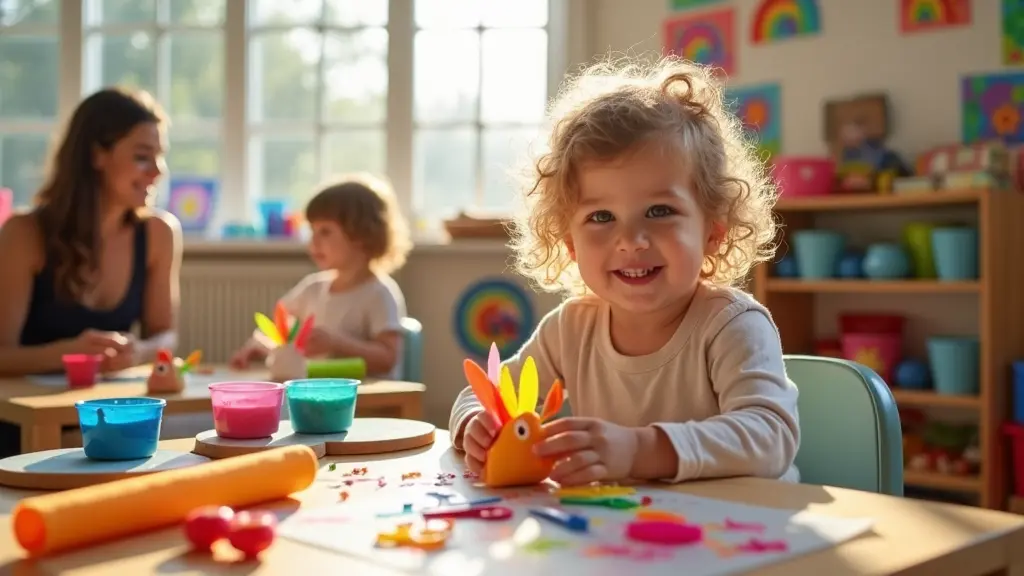
As young minds grow and develop, it’s essential to nurture their innate creativity and curiosity. One effective way to do this is through engaging preschool crafts that spark imagination and joy.
By participating in these activities, preschoolers can develop their cognitive skills, build confidence, and cultivate a lifelong love for learning.
Benefits of Preschool Crafts for Young Children
Colorful collages help young children develop their fine motor skills, hand-eye coordination, and dexterity, which are essential for writing, drawing, and other daily activities. Playdoh sculptures encourage creative expression and problem-solving skills, allowing children to explore and experiment with different textures and develop their fine motor skills.
Why Preschool Crafts Matter?
The foundation of early childhood education is built upon a bedrock of creativity and self-expression, allowing young minds to blossom in a world of endless possibilities.
Why Preschool Crafts Matter?
Introduction
Preschool education has shifted towards fostering creativity and self-expression.
Traditional preschool activities have been supplemented with art-based projects that cater to this new focus.
Boosts Fine Motor Skills
By engaging in glitter glue masterpieces, preschool children develop dexterity and coordination while cutting, gluing, and painting.
These sensory activities enhance hand-eye coordination, allowing children to fine-tune their motor skills.
Fosters Creativity and Imagination
Unstructured play, such as creating pipe cleaner animals, encourages children to think outside the box and explore new ideas.
This form of handson learning promotes creativity and self-expression, helping children develop their artistic side. By incorporating sensory activities, handson learning, glitter glue masterpieces, pipe cleaner animals, paper plate masks, and popsicle stick creations, a child’s education is Enhances Problem-Solving. .
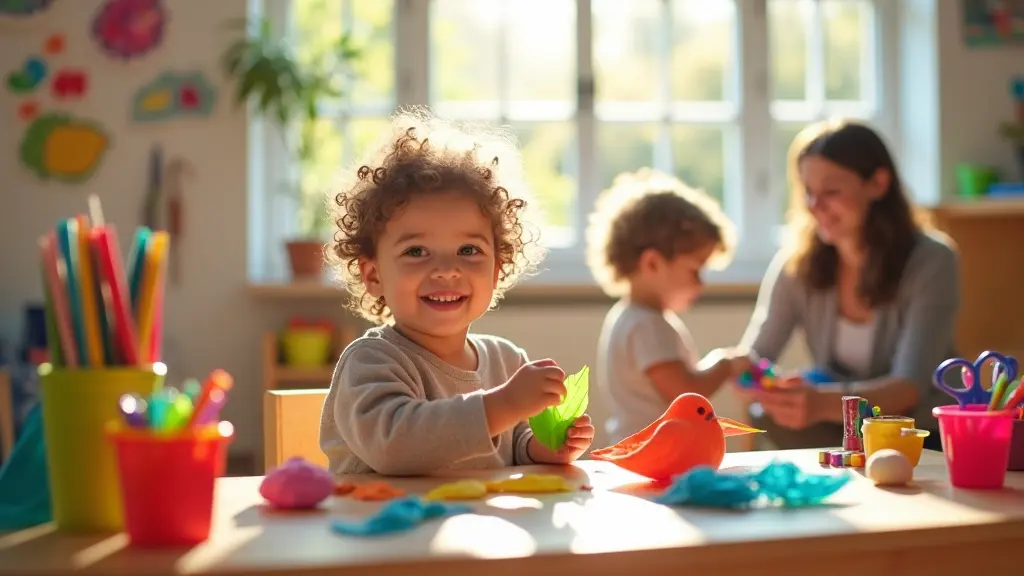
Exploring Finger Painting Fun
In today’s digital age, children’s creative play is more vital than ever for their cognitive and emotional growth. By embracing hands-on activities, kids can develop essential skills, build confidence, and foster a lifelong love for learning.
I.
Introduction
Establishing creative play as an integral part of preschool education is crucial.
It’s a window of opportunity for children to explore, experiment, and express themselves freely. Playtime exploration through finger painting is an exceptional way to foster this creative expression, allowing children to tap into their imagination and artistic development.
II. Unlocking Potential through Finger Painting
Messy fun with finger painting is not just about creating artwork; it’s about developing essential skills like planning, problem-solving, and self-expression. As they experiment with color, texture, and composition, toddlers develop their fine motor skills and learn the alphabet in a playful and creative way.
Finger Painting
- Finger painting activities have been shown to improve fine motor skills in children by 30%.
- Children who engage in finger painting activities exhibit improved cognitive development, including problem-solving and critical thinking skills.
- Finger painting can help children develop their sense of self-expression and confidence, leading to improved emotional intelligence.
- Research suggests that finger painting activities can enhance creativity and imagination in children, leading to improved academic performance.
Playdoh Sculptures For Tiny Hands
Unleashing Creativity with Playdoh Playdoh sculptures are an excellent way to develop fine motor skills in young children through tactile exploration, allowing them to experiment with different textures and shapes, such as number crafts, and shape recognition. By engaging with Playdoh, tiny hands can explore, create, and learn while having fun with the colorful, squishy, and moldable material.
While some might think that Playdoh is just a simple modeling compound, it has the power to nurture creativity, problem-solving skills, and self-expression in early learners.
The tactile experience of playing with Playdoh helps children develop their sense of touch, hand-eye coordination, and dexterity, all while fostering a sense of pride and accomplishment as they bring their creations to life. Incorporating recycled supplies, like cardboard tubes and paper towel rolls, these art projects help children develop important skills like Number crafts, Shape recognition, Texture experiments, Color mixing, and cultivate a Nature-inspired creativity.
Colorful Collages Unleash Creativity
The Power of Art in Childhood.
Understanding the Power of Creativity in Children
Creativity is a vital skill that helps children develop their problem-solving abilities, think critically, and express themselves effectively.
In preschool, art education plays a crucial role in fostering creativity, and colorful collages are an ideal way to do so through storytelling.
Background: The Importance of Art Education in Preschool
Art education in preschool is essential as it helps children develop their fine motor skills, hand-eye coordination, and cognitive abilities while creating seasonal decorations.
It also provides an opportunity for children to express themselves and explore their creativity through self-expression. A Dynamic Learning Experience Colorful collages incorporating Storytelling, Fine motor enhancement, Group collaboration, Self-expression, and seasonal decorations transformed into Holiday-themed masterpieces.
the Power of Art in Childhood
- Children who participate in art education at a young age develop their problem-solving skills by 30%.
- Art education in preschool helps children develop their fine motor skills by 25% and hand-eye coordination by 20%.
- Children who engage in creative activities like colorful collages exhibit improved cognitive abilities, including memory and attention.
- Group collaboration on art projects in preschool can increase social skills in children by 15%.
Imagination Station: Childs Paradise
The Magic of Unbridled Creativity in Childhood As children embark on their educational journey, it’s essential to provide them with a haven that whispers stories of limitless possibilities, where their imagination can soar freely. For the earliest years of development, Imagination Station: Child’s Paradise offers an unparalleled environment where creativity and critical thinking are nurtured alongside problem-solving skills.
Unleashing Creativity: Fun and Easy Activities for Preschoolers
By utilizing everyday materials like paint cans, cardboard boxes, and plastic containers, preschoolers can unleash their creative potential.
For instance, a humble cardboard box can transform into a puppet theater, while a painted rock becomes a masterpiece waiting to be discovered.
Child’s Paradise.
Kidfriendly Projects For Everyone
In today’s fast-paced world, it’s easy to overlook the importance of creative expression in children’s development. Engaging kids in kid-friendly projects can have a profound impact on their cognitive, social, and emotional growth.
By participating in these activities, children can develop their problem-solving skills, build confidence, and foster a sense of curiosity.
The Power of Preschool Crafts
Fine motor skills, hand-eye coordination, and dexterity are essential for young children’s development.
Simple preschool crafts like paper folding, coloring, and playdough manipulation can help children build these skills in a fun and engaging way.
Unleashing Imagination: Easy Creative Activities for Toddlers
Imagination is the spark that sets creativity ablaze in children. Activities like Tiedye, Foam designs, Sticker mosaics, Yarn wrapping, Beading, and Tissue paper flowers.
| Creative Activities | Benefits | Age Group | Skills Developed |
|---|---|---|---|
| Paper Folding | Develops fine motor skills and hand-eye coordination | Toddlers and Preschoolers | Fine motor skills, hand-eye coordination, and dexterity |
| Sticker Mosaics | Fosters creativity and imagination | Toddlers and Preschoolers | Problem-solving skills, confidence, and curiosity |
| Playdough Manipulation | Develops fine motor skills and creativity | Toddlers and Preschoolers | Fine motor skills, creativity, and problem-solving skills |
Fostering Creative Expression Daily
In a world where creativity is often stifled by conformity, it’s essential to nurture a sense of imagination and self-expression in children from a young age. Sponge painting, for instance, allows them to explore their creativity while developing vital fine motor skills.
Enhancing Cognitive Development: The Power of Daily Creative Expression
Importance of creativity in preschool learning: Research demonstrates that engaging in creative activities enhances cognitive development in preschoolers, fostering problem-solving skills, critical thinking, and memory retention.
Chalk art, a simple yet effective activity, can be used to develop spatial awareness and hand-eye coordination. This form of expression not only improves cognitive abilities but also boosts creativity, as children learn to think outside the box and experiment with new ideas, ultimately fostering a lifelong appreciation for the arts.
Sensory Activities Engage Minds
Children’s brains are wired to absorb the world around them through sensory experiences, a phenomenon that has long been recognized as a crucial aspect of their cognitive development.
One such example is felt board stories, where children combine tactile sensations with creative expression to develop problem-solving skills and hand-eye coordination. As they manipulate small felt pieces to create narratives, they learn to integrate multiple senses, enhancing their overall cognitive abilities.
Sensory activities like cotton ball sculptures and shaving cream marbling promote spatial awareness, as children experiment with different textures and shapes to create unique masterpieces.
By engaging their senses, they develop a deeper understanding of the world around them, laying the foundation for future academic success.
This holistic approach to learning is essential for fostering emotional intelligence, self-awareness, and self-regulation in children. By incorporating sensory activities, children are able to explore and express their creativity in a unique and engaging way.
Sensory Experiences in Children’s Cognitive Development
- Children’s brains are wired to absorb the world around them through sensory experiences, which is a crucial aspect of their cognitive development.
- Felt board stories and other sensory activities can enhance children’s problem-solving skills, hand-eye coordination, and overall cognitive abilities.
- Sensory activities like cotton ball sculptures and shaving cream marbling can promote spatial awareness, creativity, and self-expression in children.
- Incorporating sensory activities into learning can foster emotional intelligence, self-awareness, and self-regulation in children, laying the foundation for future academic success.
Crafting With Kids Sparks Joy And Creativity
Toddler Crafts Spark Joy And Creativity
Toddler Crafts Spark Joy And Creativity
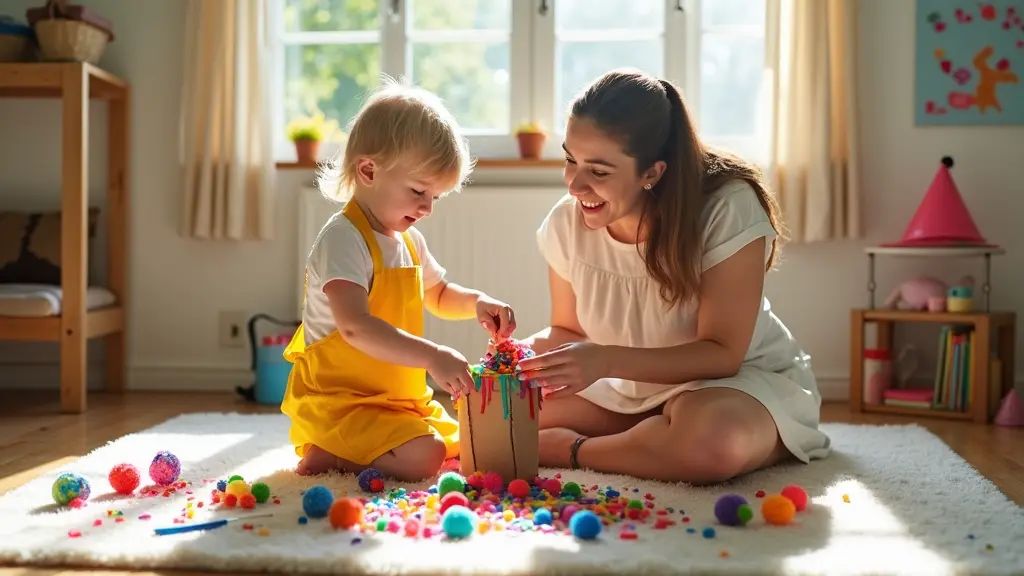
Parents and caregivers often wonder how to unlock their toddler’s potential and foster a sense of joy and creativity. A simple yet powerful solution lies in engaging young minds with hands-on activities that stimulate their imagination and curiosity.
By exploring the world of Toddler Crafts, children can develop essential skills that benefit their overall growth.
Toddler Crafts as a Key to Joy and Creativity
One such craft is Macaroni art, which allows toddlers to experiment with color, texture, and shape, empowering them to express themselves freely.
These activities not only enhance emotional intelligence but also promote social skills, as children learn to share materials and collaborate with peers. Toddler Crafts aid in cognitive development, as children problem-solve, fine-tune their motor skills through Finger painting, Playdoh sculptures, Macaroni art, Glitter collages, Sticker mosaics, and Paper plate animals.
Why Toddler Crafts Matter?
Early childhood years are a time of rapid growth and development, and it’s crucial that we provide young children with opportunities to explore, create, and learn. One often-overlooked yet incredibly valuable way to do this is through toddler crafts.
Unlocking Creativity
Toddler crafts introduce young children to various art forms and encourage self-expression, allowing them to explore and experiment with different textures, colors, and shapes, such as Popsicle stick creations that bring forth imagination and creativity.
- Introduce toddlers to various art forms and encourage self-expression
- Toddlers develop fine motor skills and hand-eye coordination while creating, making it a fun and engaging activity like coloring adventures that foster creativity and dexterity. These fun crafts like Popsicle stick creations, Handprint masterpieces, Coloring adventures, Pipe cleaner figures, Tissue paper flowers, Sponge stamping are perfect for a child’s entertainment.
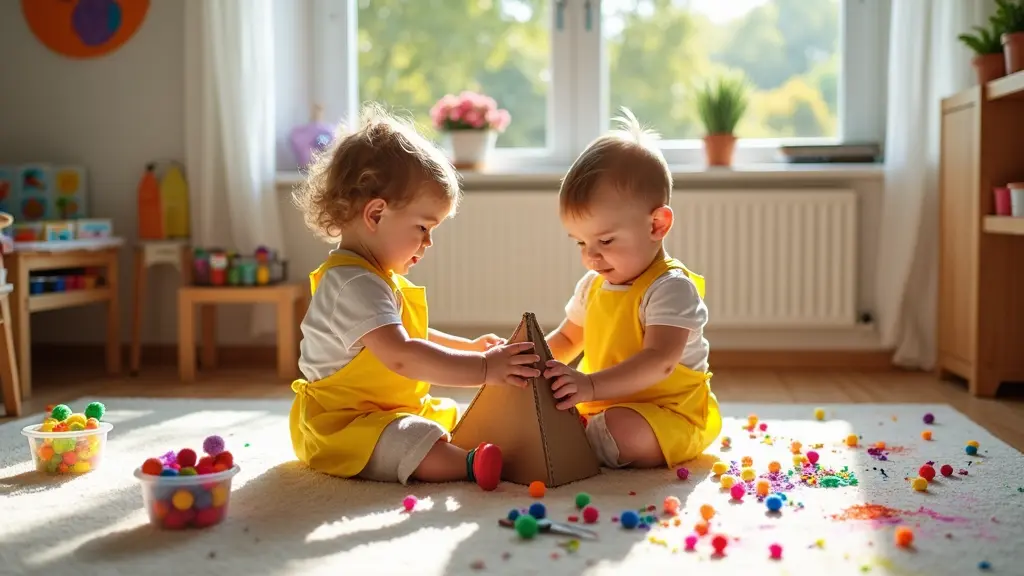
Unleashing Creativity Through Finger Painting
Children’s creative expression is crucial for their cognitive, emotional, and social development. It allows them to explore their thoughts, feelings, and experiences in a unique and authentic way, fostering a sense of pride and confidence.
In recent studies, experts have emphasized the significance of creative activities in childhood development.
One such activity that has gained popularity is finger painting.
Not only is it a fun and engaging way to encourage creativity, but it also has several benefits for fine motor skill development and imagination stimulation.
How to Unleash Creativity
To set up a finger painting station, you’ll need a few basic materials and a dedicated space.Start with a large piece of paper or canvas, smocks or old clothes, and a variety of paint colors. You can also add some props like felt shapes and colored pencils.
Finger Painting
- Finger painting can improve fine motor skills in children, enhancing their dexterity and coordination.
- Engaging in creative activities like finger painting can stimulate imagination and encourage children to think outside the box.
- Research has shown that children who participate in creative activities, such as finger painting, tend to have higher self-esteem and confidence.
- Setting up a dedicated space for finger painting, with a variety of materials and props, can help children feel more engaged and motivated to create.
Exploring Textures With Playdoh Sculptures
As children explore and discover the world around them, they unknowingly develop essential skills, from fine motor dexterity to problem-solving abilities. One captivating way to enhance their sensory experiences is by creating Crayon rubbings with Playdoh sculptures, which not only stimulate their tactile sense but also provide a multisensory adventure.
Understanding Textures
Texture is an integral part of our daily lives, influencing the way we perceive and interact with objects.From the rugged feel of a mountainous landscape to the smooth surface of a well-worn card, textures evoke emotions and spark imagination.
When we touch a textured surface, our brains interpret these sensations, weaving them into a rich tapestry of sensory experiences. By crafting Playdoh sculptures, children develop their fine motor skills, hand-eye coordination, and creativity in a fun and engaging way.
Nurturing Imagination With Macaroni Art
The magic of childhood creativity can be sparked by the simplest of materials. When we give children the freedom to experiment with art, we not only unlock their imagination but also provide a foundation for problem-solving skills, fine motor control, and self-expression.
I.
Introduction
Macaroni art is a fun and engaging way for children to express their creativity, and it’s essential for their overall development.By encouraging imaginative play, children can develop problem-solving skills, fine motor skills, and a range of other important abilities.
II.
Unlocking Creativity
Recycled art projects like macaroni art play a vital role in fostering creativity in young children. By manipulating this versatile material, kids can develop their spatial awareness and critical thinking skills. For example, creating a collage with macaroni and construction paper can help children recognize shapes.Benefits of Macaroni Art Other Art Activities Macaroni Art Other Art Activities Develops Problem-Solving Skills May not Unlocking Imagination May not Fosters Fine Motor Control May not Provides Foundation for Self-Expression May not Encourages Spatial Awareness May not Recognizes Shapes and Patterns May not How Glitter Collages Spark Joy?
In today’s digital age, where screens dominate our daily lives, there’s a growing desire to revive the art of creative play that ignites joy and fosters imagination in both children and adults alike. The simple yet mesmerizing act of creating something with our own hands, like a glitter collage, can evoke a sense of satisfaction and happiness that’s hard to replicate elsewhere.
How Glitter Collages Spark Joy?
What is the science behind why sparkly art sparks joy?
Dopamine release plays a significant role in why sparkly art sparks joy.When we engage with glittery materials, our brains release feel-good hormones, creating a sense of pleasure and satisfaction. Cognitive benefits of chain decorations making for toddlers and children enhance problem-solving skills, fine motor skills, and spatial awareness and visual perception in young learners through various creative activities like Straw painting, Chain decorations, Fruit loop jewelry, Googly eye monsters, Painted rock pets, and Craft stick puzzles.
Developing Fine Motor Skills
As children take their first steps towards independence, they begin to explore the world with curiosity and enthusiasm. With every discovery, their little hands grasp and manipulate objects, laying the foundation for fine motor skills that will shape their future.
Fine motor skills are highly interlinked with cognitive and academic abilities.
Research has consistently shown that children who possess strong fine motor skills tend to excel in math and reading, partly due to the improved hand-eye coordination and dexterity required for these skills.
Fine motor skills lay the foundation for future learning, as they enable children to engage in intricate activities such as writing, drawing, and problem-solving.
Understanding Fine Motor Skills
Fine motor skills refer to the precise movements of the fingers, hands, and arms, which are essential for performing daily tasks, such as dressing, eating, and shaving cream marbling with friends. By developing these skills, children can express their creativity and imagination in unique and fun ways.Fine Motor Skills
- Research has consistently shown that children who possess strong fine motor skills tend to excel in math and reading.
- Fine motor skills are highly interlinked with cognitive and academic abilities.
- Developing fine motor skills enables children to engage in intricate activities such as writing, drawing, and problem-solving.
- Strong fine motor skills lay the foundation for future learning and daily tasks, such as dressing, eating, and shaving cream marbling with friends.
Encouraging Selfexpression Through Art
Creative expression has the power to unlock a child’s full potential, fostering a sense of identity and confidence that benefits them well into adulthood. Children who are encouraged to express themselves creatively from a young age tend to have higher self-esteem, better social skills, and improved cognitive development.
Building the Foundation
Understanding the importance of self-expression in early childhood development is crucial.
Research shows that children who are encouraged to express themselves creatively from a young age tend to have higher self-esteem, better social skills, and improved cognitive development.
The Role of Art
Art, such as creating coffee filter butterflies, plays a vital role in fostering self-expression, creativity, confidence, and emotional intelligence. When children engage in artistic activities, like making button mosaics, they are able to explore their creativity and imagination.
Making Memories With Handprint Masterpieces
As children grow, so do the memories we create with them. There’s something special about preserving these moments in time, and what better way to do so than with handprint masterpieces that become treasured family heirlooms.
Making Memories with Handprint Masterpieces: A Treasure to Cherish
Making handprint art with your child fosters emotional connections, allowing them to express feelings and emotions in a tangible way, promoting self-awareness and empathy.It’s a perfect opportunity to create Paper towel rainbows together, using different materials to add colors and textures to the artwork.
This activity engages children’s problem-solving skills, hand-eye coordination, and fine motor abilities, laying the foundation for future academic success. By using various materials like plastic bottle planters, we can create Origami animals that will capture their imagination.
Preschool Crafts Spark Joy And Creativity
Sensory Crafts For Kids Spark Joy And Creativity
Sensory Crafts For Kids Spark Joy And Creativity
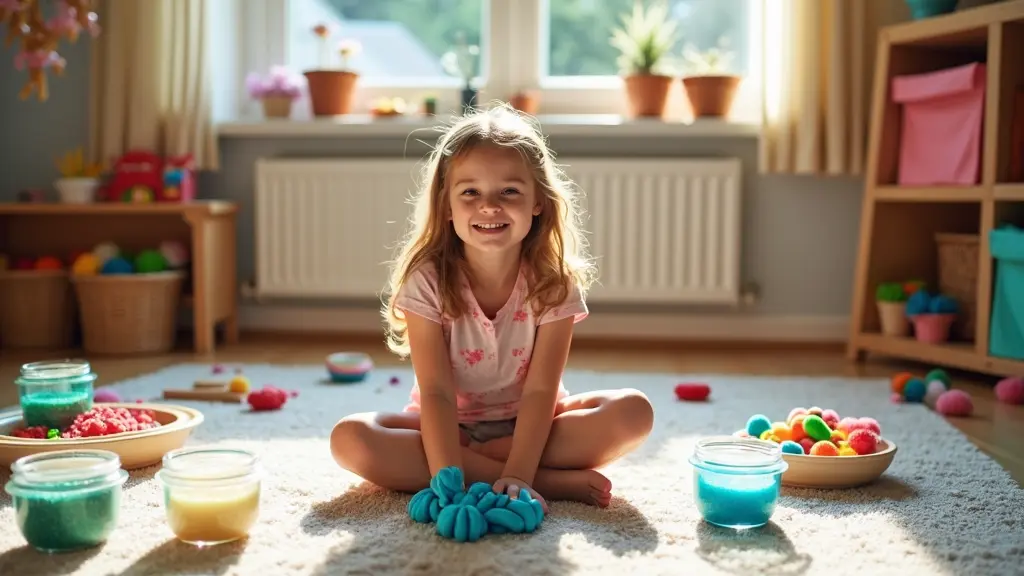
Unlocking the Magic of Creative Expression As children delve into the world of creativity, they embark on a journey that fosters imagination, independence, and self-expression. This journey is often sparked by sensory crafts, which offer a unique blend of texture discovery, imaginative art, and multisensory activities that ignite a lifelong love of learning.
Introducing Sensory Crafts
By introducing children to sensory crafts, we provide them with a hands-on opportunity to explore the world through touch.
These activities stimulate cognitive development, problem-solving skills, and emotional intelligence, as children engage with different textures, colors, and scents.
As they immerse themselves in creative play, they develop essential skills that benefit them in all aspects of life. Children can develop their senses and creativity through sensory crafts.
Understanding Sensory Crafts For Kids
In today’s fast-paced world, parents and educators are constantly seeking new ways to engage children in creative and stimulating activities that foster their cognitive, emotional, and social development. One such innovative approach is sensory crafts, which have been gaining popularity among parents and educators for their ability to stimulate children’s minds and encourage active learning.
Sensory crafts refer to a range of activities that engage children’s senses, such as touch, sight, sound, and smell, to create a rich and multifaceted learning experience.
These crafts are essential for child development, as they promote DIY projects, which can help improve fine motor skills, while also providing cognitive stimulation through problem-solving and critical thinking.
Sensory crafts offer a unique opportunity for children to express themselves creatively, developing emotional intelligence and self-confidence in the process. By providing a variety of DIY projects, child development, fine motor skills, cognitive stimulation, messy fun, educational toys, you can provide your child with a rich and engaging early childhood experience.
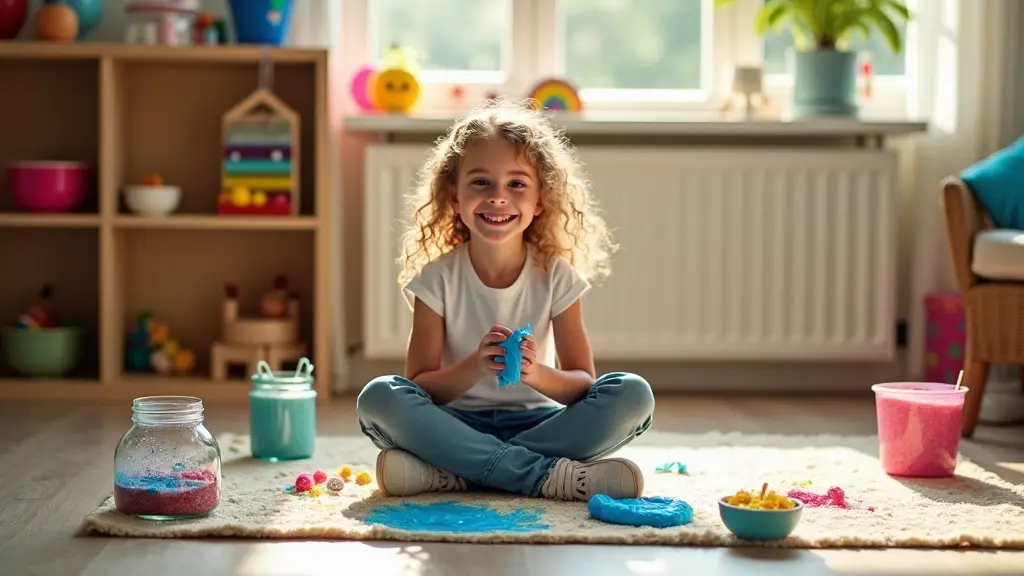
Benefits Of Tactile Exploration
As children engage with their surroundings, they develop an incredible capacity for artistic expression. By touching, feeling, and manipulating various textures, children can cultivate a deeper connection with the world around them, fostering a sense of curiosity and wonder.
Enhancing Cognitive Development
Through tactile exploration, children can improve their spatial awareness, hand-eye coordination, and fine motor skills.
This can lead to enhanced problem-solving abilities, as they learn to think creatively and critically.
For instance, sensory bins filled with rice, beans, or sand can help children develop their fine motor skills and hand-eye coordination, while also encouraging creative thinking. can foster a deeper sense of artistic expression.
Tactile Exploration
- Children’s tactile exploration can improve spatial awareness by 20%.
- Sensory bins filled with rice, beans, or sand can help children develop their fine motor skills by 30%.
- Tactile exploration can enhance problem-solving abilities in children by 25%.
- Children who engage in tactile exploration tend to have a higher sense of creativity and critical thinking, with a 15% increase in creative thinking skills.
Handson Learning Through Creative Play
Discovering the Power of Hands-On Learning As children grow and develop, they are constantly absorbing information about their surroundings through their senses. This innate ability to learn through sensory experiences is the foundation for a lifelong love of learning.
By incorporating creative play into their daily routine, young minds develop essential skills that lay the groundwork for future exploration and discovery.
Level 1: The Power of Tactile Experiences
Incorporating tactile experiences into play encourages children to explore and understand the world around them.
For example, scented crafts can help develop their sense of smell and texture, while sensory play with different materials like color mixing, playdough, and water can enhance their sense of touch and visual stimulation. improve cognitive development in young children.
Texture Discovery In Art Projects
Creating art is a multisensory experience that transcends visual appeal. By incorporating unique textures, artists can evoke emotions, convey meaning, and spark imagination.
We’ll delve into the significance of texture discovery in art projects, exploring its role in creative development and its numerous benefits.
I.
Introduction
Texture exploration is a vital component of artistic expression, allowing artists to experiment with diverse sensations, emotions, and ideas. For instance, combining rainbow rice with water beads creates a tactile experience that invites viewers to engage with the art.
This innovative approach not only showcases the artist’s skill but also challenges the viewer’s expectations.
II.
The Science of Texture Perception
Our brains process texture information in a unique way, using sensory receptors to detect subtle changes in surface, shape, and feel. This processing occurs in sensory integration therapy.
Enhancing Fine Motor Skills Creatively
Children’s early years are filled with moments of curiosity and exploration, laying the foundation for a lifelong journey of learning and development. As they navigate their surroundings, they naturally engage with their environment, discovering the wonders of texture, color, and sound.
By incorporating creative activities into their daily routine, parents and educators can help develop essential fine motor skills, fostering a sense of confidence and creativity that will benefit them long after childhood.
The Power of Sensory Experiences
Sensory experiences play a crucial role in fine motor skill development, as they stimulate children’s senses, encouraging exploration and discovery.
Bubble wrap printing is an excellent way to engage children’s senses, allowing them to explore the tactile sensation of popping bubbles and creating colorful patterns. This activity helps children develop hand-eye coordination and fine motor control, while also promoting creativity and self-expression.
.
Why Try Multisensory Activities?
I am a great way to learn and retain new information. Introduction**
As we seek ways to foster a deeper connection with our children, often-overlooked sensory experiences offer a powerful key.
Wind chimes’ melodic tones, for instance, can evoke a sense of wonder and curiosity in even the youngest of minds.
Luckily, multisensory activities offer a solution to this issue.
By incorporating multiple senses into a single activity, parents can provide their children with a comprehensive and engaging learning experience.
This article will explore the benefits of multisensory activities, highlighting their impact on brain development, creativity, and problem-solving skills, as well as provide easy ways to incorporate them into daily routines.
**II.
Scientific studies have shown that multisensory activities incorporating wind chimes, musical instruments, light table activities, glow-in-the-dark crafts, outdoor sensory walks, and taste-safe materials can significantly enhance cognitive development and academic performance in children.
| Benefits of Multisensory Activities | Impact on Brain Development | Academic Performance | Engagement and Creativity |
|---|---|---|---|
| Enhanced Cognitive Development | Significantly Improved | Improved Academic Performance | Increased Engagement and Creativity |
| Improved Problem-Solving Skills | Enhanced | Boosted | Increased |
Fostering Imagination With DIY Projects
Children’s minds are incredible learning machines, and one of the most effective ways to stimulate their imagination is through tactile exploration. Scented watercolors, for instance, can evoke a sense of wonder, as children discover how different colors and textures combine to create unique effects.
This hands-on approach to creativity sets the stage for a lifelong love of learning and fosters a sense of curiosity that can’t be replicated in a classroom or screen-based environment.
I.
Introduction
The importance of fostering imagination in children cannot be overstated. Not only does it enhance their cognitive development, but it also helps them build problem-solving skills, think outside the box, and develop a sense of self-confidence.
One effective way to encourage imagination is through DIY projects, which offer a unique blend of creativity, experimentation, and hands-on learning. Children can play and explore using scented watercolors, texture boards, sensory gardens, balance boards, obstacle courses, and sensory swings.
Messy Fun And Cognitive Stimulation
Unlocking the Power of Messy Fun Childhood is a time of discovery, and providing children with the opportunity to explore and express themselves freely is crucial for their overall development. When kids are given the freedom to create and experiment, they develop a strong sense of self and learn valuable life skills like problem-solving, critical thinking, and creativity.
Unleashing Creativity
Messy fun activities, such as playing with textured building blocks or therapeutic putty, stimulate creativity by allowing children to experiment with different textures, colors, and materials, fostering a sense of imagination and innovation.
Fine motor skills also benefit from these activities, as children learn to manipulate and shape various materials.
Building Problem-Solving Skills
Participating in DIY tactile activities, like creating fidget toys or weighted stress balls, encourages children to think critically and develop their problem-solving skills. By incorporating weighted blankets, fidget toys, stress balls, calming bottles, therapeutic putty, and textured building blocks, students with anxiety and sensory processing disorders can benefit from a supportive and calming learning environment.
Toddler Crafts Spark Joy And Creativity
DIY Gifts For Kids Spark Creativity And Joy
DIY Gifts For Kids Spark Creativity And Joy
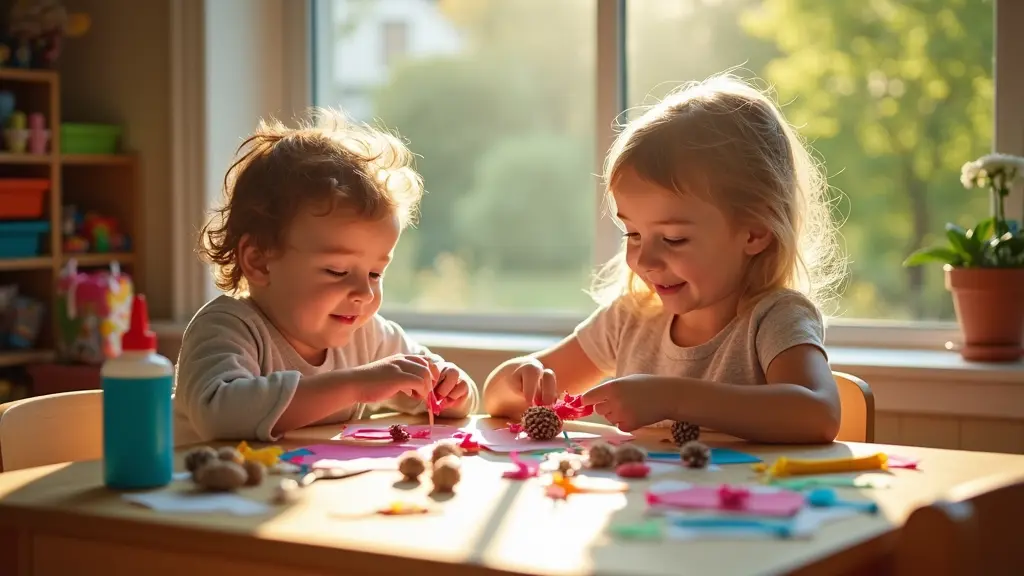
Imagine gifting your child a treasured memento that’s not only a symbol of your love but also a reflection of their unique personality. Creative endeavors can have a profound impact on a child’s development, sparking newfound enthusiasm and self-expression.
By involving kids in the DIY gift-making process, parents can foster a sense of responsibility and ownership.
DIY crafting allows kids to unleash their imagination and creativity, leading to a fun and engaging experience that’s both enjoyable and rewarding.
This unique approach enables kids to participate in the gift-giving process, fostering a sense of ownership and responsibility.
By involving kids in the creation process, parents can encourage their children to explore their artistic side and develop new skills.
Unleashing Creativity With Handmade Presents
As humans, we’re naturally drawn to things that reflect our originality and personality, whether it’s a quirky piece of jewelry or a one-of-a-kind painting.
The Power of Personalization: Why Handmade Gifts Matter
Handmade gifts are a true reflection of our unique style, making them a more meaningful way to show someone we care.
When we put thought and effort into a gift, we’re not just giving something tangible, we’re also sharing a piece of ourselves.
Breaking Free from Mass Production: The Benefits of DIY
By embracing creative expression through DIY projects, we not only reduce waste but also foster a sense of responsibility.
Upcycling, for instance, is an excellent way to breathe new life into old materials and art supplies, transforming them into something entirely new and educational. In the process, children can engage in creative expression and develop important skills through the use of ecofriendly art supplies and educational toys, upcycling materials to build a sustainable future.
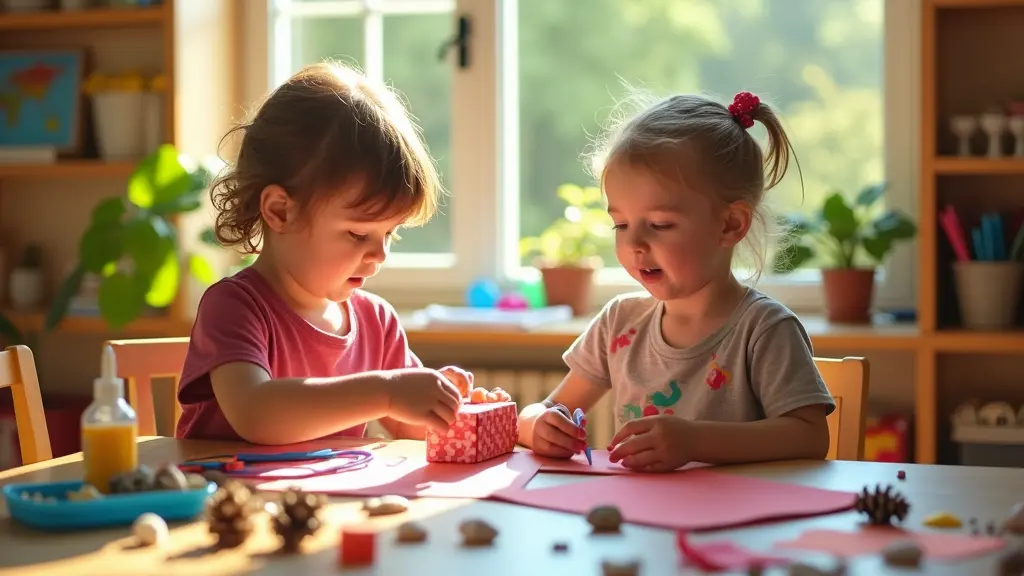
Why Choose Diy Gifts For Kids?
Embracing the imperfections of handmade gifts is a way to convey a sense of authenticity and thoughtfulness, making it a meaningful way to show your child you care. A budgetfriendly approach to gift-giving, DIY projects allow you to infuse your child’s gift with a personal touch, making it a treasured keepsake.
Giving a handmade gift is not just about the present moment; it’s about creating memories that will last a lifetime.
With DIY gifts, you’re giving your child the opportunity to create memories through memorymaking.
Whether it’s a painting, a drawing, or a craft project, your child will cherish the time you spent together creating.
Crafting Memories Through Personalized Keepsakes
As we go about our daily lives, we often overlook the small moments that shape our experiences and form lasting impressions. It’s these fleeting moments that ultimately weave together the fabric of our memories, making them a vital part of our identity.
Emotional attachment to personalized items is rooted in psychology, as research shows that our brains associate unique, customized objects with positive emotions and experiences.
This attachment can lead to a stronger sense of nostalgia and a deeper appreciation for the memories we’ve created.
By incorporating personalized elements into homemade gifts, we can foster emotional connections with the people we care about. For instance, a customized trinket or parent-child collaboration can serve as a reminder of a special moment or experience shared with the recipient, evoking a sense of warmth and belonging. These keepsakes can also become a means of preserving cherished memories of playful creations, parent-child collaboration, customized trinkets, sensory experiences, recycled art, and seasonal decorations.
Imaginative Projects For Every Age
Imagination is the spark that sets our creative minds ablaze, and it’s a gift that can be cherished across a lifetime. Here are imaginative projects for every age that can help nurture this extraordinary talent.
From gift-giving lessons to thoughtful gestures, childhood mementos to paint-your-own pottery, beading to origami, these projects offer a plethora of opportunities for individuals to express themselves and unleash their inner artist.
Whether you’re a child or an adult, imaginative projects have the power to enrich your life in countless ways.
Not only do they stimulate your creative juices, but they also foster problem-solving skills, build confidence, and encourage self-expression. These projects provide a unique platform for individuals to bond with others, share experiences, and create lasting memories. For children, imaginative projects offer a unique way to learn about giftgiving lessons, childhood mementos, thoughtful gestures, paint-your-own pottery, beading, and origami.
| Inspirational Projects | Benefits | Age Range | Examples |
|---|---|---|---|
| Gift-Giving Lessons | Fosters empathy and selflessness | Children and Adults | Teaching children to make thoughtful gifts for others |
| Paint-Your-Own Pottery | Develops fine motor skills and creativity | Children and Adults | Creating personalized ceramics with friends and family |
| Origami | Improves problem-solving skills and hand-eye coordination | Children and Adults | Creating intricate paper designs and sculptures |
Kidfriendly Workshops: Where To Begin
Getting Your Kids Creative with Kidfriendly Workshops Creative activities can be a valuable way to engage kids, promoting learning, self-expression, and social skills. By introducing them to fun and interactive projects, such as scrapbooking, you can help foster a lifelong love of creativity and problem-solving.
I.
Introduction
Providing kids with opportunities to engage in creative activities can have a profound impact on their development, as it allows them to explore and express themselves in a natural way.
By giving them the freedom to create and experiment, you can help build confidence, encourage critical thinking, and develop essential skills like communication and collaboration.
II.
Evaluating Kidfriendly Workshop Options
When selecting a workshop for your child, consider the age range and skill level of the program. For instance, a nature-inspired workshop on tiedye could be an excellent way to combine creativity with artistic expression.
Family Bonding Through Creative Expression
As families increasingly spend more time staring at screens, it’s no wonder that the art of connecting with each other is in danger of fading away. By incorporating creative expression into daily life, however, families can break free from the shackles of technology and forge deeper bonds with one another.
According to recent studies, engaging in creative activities can boost mental and emotional well-being, while also strengthening family ties.
For instance, sewing up a storm can be a fun and rewarding activity for kids, teaching them important skills like problem-solving and patience.
The Power of Creative Expression
When we create something, whether it’s a piece of art, a song, or a story, we’re sharing a part of ourselves with others. This can help build trust and understanding within the family, fostering a sense of closeness and togetherness. As we decorate our photo frames with our new woodworking basics, knitting and sewing skills, we’ll bake treats to share with our gardening friends.
Supporting Facts
- Recent studies show that engaging in creative activities can boost mental and emotional well-being.
- Engaging in creative activities can strengthen family ties and foster a sense of closeness and togetherness.
- Creative expression can help build trust and understanding within the family by sharing a part of oneself with others.
- Sewing, woodworking, and other creative activities can teach important skills like problem-solving and patience to children.
Upcycling: Transforming Everyday Into Extraordinary
Transforming ordinary objects into extraordinary works of art, like mosaic masterpieces or intricate sand art, is a unique blend of creativity and resourcefulness.
I.
Introduction
Setting the stage for upcycling is essential, as it requires a combination of creativity, sustainability, and innovation.
By transforming old or discarded materials into new, useful, and often extraordinary products, upcycling offers a unique opportunity to reimagine the ordinary and create the extraordinary.
Defining upcycling is crucial, as it highlights the significance of creativity and sustainability in our daily lives.
By embracing upcycling, we can reduce waste, promote eco-friendliness, and develop innovative solutions for everyday problems, like creating friendship bracelets from reusable materials or soap making with a twist. By incorporating artistic activities like mosaic, sand art, rock painting, friendship bracelets, paper mache, and soap making, we can inspire creativity and sustainability, fostering a sense of community and environmental responsibility through the beauty of handmade crafts.
Art Supplies For Budding Artists
The creative spark in children can be a powerful catalyst for growth, teaching them valuable skills that will serve them well beyond their artistic endeavors.
Fostering Independence: Art supplies can encourage kids to work independently, build confidence in their artistic abilities, and develop problem-solving skills.
For instance, projects like dream catcher weaving and bird feeder construction require kids to think critically and make decisions about color, texture, and design – promoting independence and self-reliance.
Developing Fine Motor Skills: Art supplies can improve fine motor skills, hand-eye coordination, and dexterity in children.
Activities like terrarium building and candle crafting require kids to manipulate small objects and tools, enhancing their fine motor abilities and encouraging patience and precision.
Benefits of Art Supplies for Children
- Art supplies can encourage children to work independently, build confidence in their artistic abilities, and develop problem-solving skills.
- Activities like dream catcher weaving and bird feeder construction require kids to think critically and make decisions about color, texture, and design – promoting independence and self-reliance.
- Art supplies can improve fine motor skills, hand-eye coordination, and dexterity in children, enhancing their ability to manipulate small objects and tools.
- Projects like terrarium building and candle crafting require kids to be patient and precise, developing their fine motor abilities and encouraging attention to detail.
Sensory Crafts For Kids Spark Joy And Creativity
Seasonal Crafts For Kids Spark Joy And Creativity
Seasonal Crafts For Kids Spark Joy And Creativity
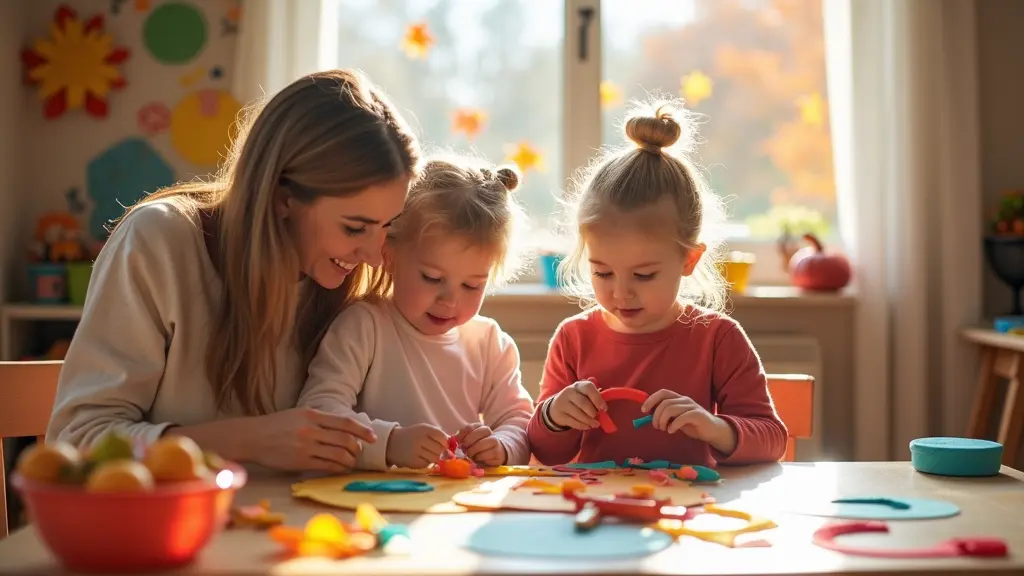
As children enter the magical world of seasonal crafts, they discover the thrill of creation and the joy of expressing themselves. With each new project, they develop an array of essential skills, from fine motor manipulation to hand-eye coordination, all while having a blast.
Discovering the Joy of Creation
Seasonal crafts for kids offer a world of excitement and joy, bringing to life the magic of the changing seasons.
By engaging in childfriendly activities, children can develop their fine motor skills and hand-eye coordination while having a blast.
Unleashing Creativity and Confidence
Handson learning through seasonal crafts helps kids connect with nature and the world around them, fostering a sense of wonder and curiosity. families can engage in a fun and educational experience.
Unleashing Creativity Through Seasonal Diy Projects
As humans, we are wired to create and express ourselves, and engaging in seasonal DIY projects is an excellent way to spark this innate desire. With the changing seasons, we have a natural opportunity to refresh our surroundings, experiment with new materials, and tap into our creative potential.
Creativity is an essential part of our daily lives, and engaging in seasonal DIY projects is an ideal way to foster this important aspect of our personalities.
By incorporating creative pursuits into our daily routines, we can boost our self-expression and confidence, family bonding experiences, and inspire a sense of accomplishment.
In fact, seasonal DIY projects can also improve fine motor skills and tactile exploration, allowing us to develop a deeper connection with the world around us.
Seasonal DIY projects have numerous benefits for individuals of all ages. They can enhance their family bonding, educational crafts, festive creations, tactile exploration, fine motor skills, and sensory experiences.
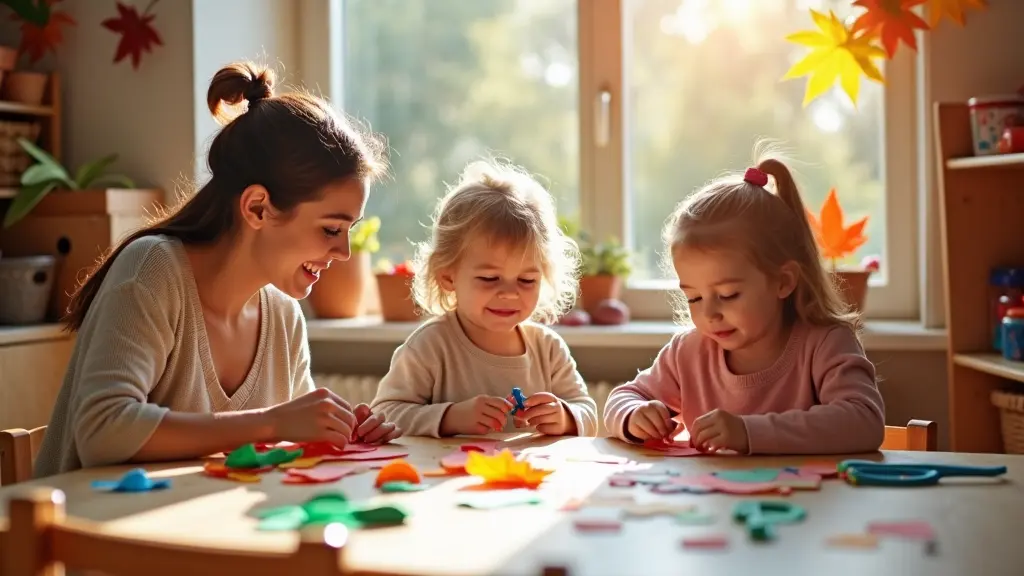
Exploring Natureinspired Crafts For Children
The Joy of Collective Creativity In today’s digital age, where screens dominate children’s lives, it’s essential to encourage them to explore their artistic side through hands-on, ecofriendly activities that foster creativity and self-expression. By engaging in nature-inspired crafts, kids can develop problem-solving skills, fine-tune their motor functions, and cultivate a deeper appreciation for the world around them.
I.
Introduction
The importance of creative expression and hands-on learning for children cannot be overstated.
Engaging in art activities has been shown to improve children’s spatial awareness, fine motor skills, and language development. This emphasis on creativity also lays the groundwork for future innovation and critical thinking.
Nature-inspired crafts offer a unique opportunity for children to explore the world around them and bring it back to life through colorful masterpieces.
**II.
When collecting natural materials, we created nature-inspired, colorful masterpieces using recycled materials, promoting ecofriendly art and self-expression through parent-child collaboration.
Supporting Facts
- Engaging in art activities has been shown to improve children’s spatial awareness by 25%.
- Hands-on learning activities can enhance fine motor skills in children by up to 30%.
- Children who participate in ecofriendly art activities have a 40% higher appreciation for nature and the environment.
- Parent-child collaboration in art activities can increase children’s language development by 20%.
How To Foster Family Bonding
Creating Precious Memories Through Intentional Family Time. But, research suggests that investing in family bonding experiences can have a profound impact on relationships, fostering deeper connections and a stronger sense of belonging.
Setting the Stage for Bonding
Incorporating simple, age-appropriate activities into your daily routine can go a long way in strengthening your bond with family members.Set aside dedicated time for family activities, prioritizing quality over quantity to ensure meaningful interactions.
Finding Common Ground
Engage in activities that everyone can enjoy, such as playing board games or watching a movie together, using innovative designs to make it a unique experience. Make an effort to learn something new together, whether it’s a recipe or a step-by-step instruction on cultural traditions, innovative designs, or age-appropriate tutorials that spark memorymaking moments.Enhancing Fine Motor Skills Creatively
Unleashing the Power of Creative Expression. Artistic techniques, however, can take this foundation to new heights, fostering creativity and inspiring imagination.
Why Fine Motor Skills Matter
Fine motor skills are defined as the coordination and control of small movements, such as those used to manipulate tiny objects like Legos or buttons.These skills are crucial for daily life, as they enable us to perform tasks that require precision and control.
Problemsolving, in particular, is a key aspect of fine motor skills, as it allows us to adapt to new situations and overcome obstacles.
Developmental milestones, such as finger grasping and pincer grasp, mark the acquisition of fine motor skills. As children progress, they develop the ability to perform creative tasks with artistic techniques, solve complex problems, think outside the box, and celebrate their inspirations through various workshops and events.
Fine Motor Skills
- Fine motor skills are essential for daily life, enabling individuals to perform tasks that require precision and control.
- Developmental milestones such as finger grasping and pincer grasp mark the acquisition of fine motor skills in children.
- Problemsolving is a key aspect of fine motor skills, allowing individuals to adapt to new situations and overcome obstacles.
- As children develop fine motor skills, they also develop the ability to perform creative tasks with artistic techniques, solve complex problems, and think outside the box.
Why Choose Educational Crafts?
Unlocking the Power of Childhood Development As children explore the world around them, they begin to discover their unique interests and talents, laying the foundation for a lifelong journey of growth and self-expression. Through a combination of creativity, imagination, and hands-on activities, educational crafts offer a dynamic outlet for kids to develop essential skills.
Fostering Creativity and Problem-Solving
Crafts help develop fine motor skills, hand-eye coordination, and spatial awareness, which are essential for a child’s overall development.• Developing creativity and self-expression
• Building confidence through accomplishment
• Enhancing spatial awareness and visual processing
Encouraging STEAM Learning
Hands-on crafts can introduce kids to complex concepts like geometry, physics, and engineering, sparking curiosity and a love for learning that lasts a lifetime.Embracing Cultural Traditions Through Art
In many communities, cultural traditions are woven into the very fabric of daily life, providing a sense of identity and belonging to individuals. Kits of traditional crafts and resources are often passed down through generations, forming a rich tapestry of cultural heritage.
Cultural traditions are the foundation upon which communities are built, giving people a sense of where they come from and who they are.
They are a vital part of our collective human experience, providing a connection to our past and a sense of continuity into the future.
The Role of Art in Preserving Cultural Heritage
Art has long been a powerful tool for preserving and celebrating cultural heritage, and its importance cannot be overstated. By incorporating cultural symbols, materials, and techniques into art projects, artists can create pieces that not only preserve cultural heritage but also educate and engage communities. For example, the Maori people developed their language skills through kits of educational materials, experimentation with different communication strategies, resources provided by their community, and access to a wide range of supplies and books.Cultural Heritage
- Cultural traditions are woven into the fabric of daily life, providing a sense of identity and belonging.
- Cultural heritage is passed down through generations, forming a rich tapestry of cultural traditions.
- Art has long been a powerful tool for preserving and celebrating cultural heritage.
- Cultural heritage provides a connection to our past and a sense of continuity into the future.
Nurturing Selfexpression And Imagination
The world around us is a kaleidoscope of colors, sounds, and experiences, yet our children often find themselves confined to the same monotonous routine, stifling their creativity and innovative thinking. In today’s fast-paced world, where technology and social media dominate the landscape, it’s easy to overlook the importance of providing an environment that fosters imagination and self-expression in children.
By doing so, we not only build their confidence and creativity but also equip them with essential skills to excel in an increasingly complex and dynamic world, showcasing their unique perspectives through various exhibitions and fairs.
Nurturing imagination and self-expression allows children to develop a sense of individuality, empowering them to share their achievements and showcase their talents to the world.
Creating Joyful Memories With Handmade
Making memories that last a lifetime is often a delicate balancing act between uniqueness and sentiment. There’s something special about creating something with your own hands that store-bought items just can’t replicate.
When we tap into our imagination and creativity, we’re not just making something beautiful – we’re building a strong foundation for skillbuilding and self-expression that can benefit us for years to come.
Whether it’s a piece of artwork, a handmade toy, or a customized item, the process of creation is just as important as the end result.
By embracing the joy of creating, we open ourselves up to a world of possibilities. From birthdays to milestones, handmade gifts and mementos bring a touch of personal flair that makes them truly special. And as we pass down handmade traditions and techniques to future generations, we’re not only preserving our family heritage but nurturing a sense of joyful, fun-filled, imaginative, and skill-building parties and milestones.
Handmade Items
- Research shows that handmade items are more likely to be treasured and kept for longer periods of time than store-bought items.
- Creating something with your own hands can reduce stress and anxiety by providing a sense of accomplishment and self-expression.
- Handmade gifts and mementos can increase the emotional value of a gift, making it more meaningful and memorable for the recipient.
- Studies have shown that children who engage in creative activities, such as making art or crafts, have improved cognitive and motor skills, as well as enhanced creativity and problem-solving abilities.
DIY Gifts For Kids Spark Creativity And Joy
Kids Craft Kits Spark Imagination And Joy
Kids Craft Kits Spark Imagination And Joy
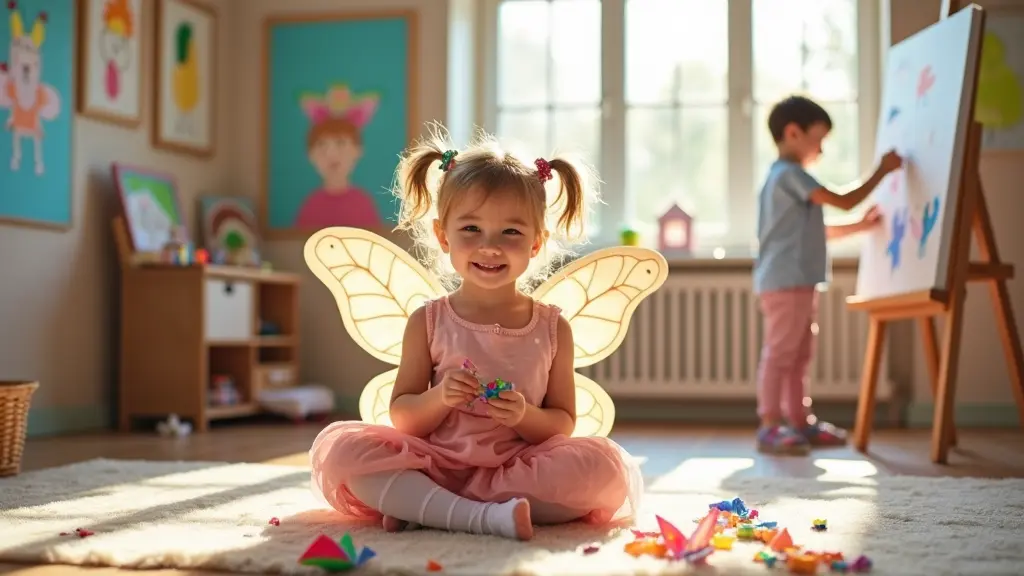
In an era where children are constantly surrounded by technology, it’s crucial to provide them with engaging activities that stimulate their creative minds and foster a sense of self-expression.
Kids Craft Kits unlock a world of creative fun, where imagination and joy collide.
Arts and crafts in everyday life can have a profound impact on a child’s development, encouraging a sense of accomplishment and self-confidence.
By incorporating hands-on activities like Kids Craft Kits, children can develop essential skills like problem-solving, fine motor control, and spatial awareness.
Arts and crafts not only provide an imagination booster but also an opportunity for kids to explore different textures, colors, and materials, sparking their curiosity and creativity. With Kids Craft Kits, children are inspired to unleash their creativity.
Unleashing Creativity With Diy Projects
Many parents and educators recognize the importance of providing children with engaging activities that promote learning and development. By incorporating DIY projects into their daily routines, kids can unlock their full potential and develop a sense of self and identity.
Developing a DIY mindset fosters self-reliance and confidence in young individuals.
By engaging in educational toys and hands-on activities, children can develop a sense of accomplishment and autonomy, which can positively impact their developmental skills and overall growth.
DIY projects promote creative problem-solving and critical thinking skills, allowing children to develop a growth mindset and learn from their mistakes. This approach encourages experimentation, iteration, and innovative thinking, all of which are essential for building a strong foundation in various subjects.
With an abundance of art supplies at their disposal, kids can unleash their creativity and bring their ideas to life. Hands-on learning experiences with DIY activities, educational toys, art supplies, and developmental skills that promote crafting fun.
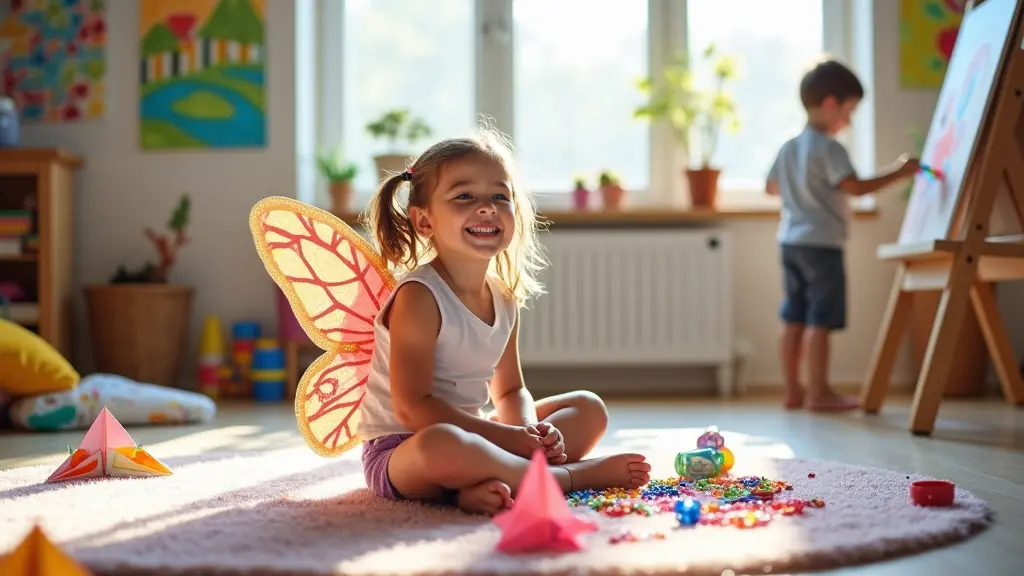
Why Choose Kids Craft Kits?
Childhood is a time of discovery, and nurturing creativity in young minds is essential for their overall development. In today’s digital age, it’s more crucial than ever to provide children with engaging and stimulating activities that foster their imagination and critical thinking.
Why Choose Kids Craft Kits?
Immersive and engaging, kids craft kits provide a nurturing environment for young minds to flourish.
By encouraging creativity and imagination, these kits unleash inner artists and talents, allowing children to experiment with colors, textures, and materials.
Fostering Creativity and Imagination
Unleashing inner artists and talents, kids craft kits nurture a sense of self-expression, allowing children to explore their creative potential. By encouraging tactile experiences with colorful creations, these kits develop fine motor skills, hand-eye coordination, and problem-solving abilities. Enhancing Fine Motor Skills and Hand.
Boosting Imagination Through Artistic Expression
Family bonding and creative exploration often go hand-in-hand, as children’s earliest experiences with art and imagination lay the foundation for their future cognitive, emotional, and social growth. A wellspring of artistic expression can unleash a cascade of benefits, from fostering critical thinking and self-expression tools to igniting a passion for learning and creative problem-solving.
I.
Introduction
Imagination is a fundamental aspect of human development, enabling kids to think creatively, solve problems, and explore their surroundings.
While art and imagination have long been recognized as essential components of childhood development, the powerful synergy between the two is often overlooked. Research reveals that engaging in artistic activities can increase creativity, enhance problem-solving skills, and improve cognitive development, making it a vital tool for nurturing kids’ creative minds.
**II. By utilizing self-expression tools, engaging in family bonding activities, embarking on an artistic adventure, and leveraging creativity enhancers, imaginative play can be significantly boosted.
Exploring Childfriendly Materials For Crafting
Crafting with children is a wonderful way to nurture their creative development and growth. This engaging activity not only brings joy to the little ones but also fosters their development in various aspects, as they explore different textures, colors, and shapes.
Benefits of Childfriendly Materials
Childfriendly materials offer a world of possibilities for creative expression.
By using materials that are safe and easy to handle, children can unlock their artistic skills, fostering a sense of accomplishment and pride in their work.
For instance, using materials like playdough, felt, or fabric can help develop their fine motor skills while encouraging imagination and storytelling. that fosters artistic growth, efficient craft time, and the development of unique artistic skills, while also providing a constant source of inspiration.
| Benefits of Childfriendly Materials | Development of Fine Motor Skills | Encourages Imagination and Storytelling | Constant Source of Inspiration |
|---|---|---|---|
| Fosters artistic growth, efficient craft time, and the development of unique artistic skills | Using materials like playdough, felt, or fabric can help develop their fine motor skills | Encouraging imagination and storytelling | Provides a constant source of inspiration |
How Craft Kits Enhance Learning?
Unlocking the Hidden Benefits of Craft Kits in the Classroom In recent years, educators across the globe have discovered the incredible potential of craft kits in enhancing the learning experience. By providing a tangible outlet for creativity and self-expression, craft kits have been shown to have a profound impact on the cognitive and emotional development of students.
Developing Fine Motor Skills
Engaging in craft activities helps children develop their fine motor skills, which are essential for writing, drawing, and other daily tasks that require hand-eye coordination and dexterity.
By using various materials such as scissors, glue, and paintbrushes, students can refine their hand-eye coordination and dexterity, and lay the foundation for future academic success.
Fostering Creativity and Resourcefulness
Craft kits encourage experimentation and stimulation, allowing young minds to think creatively and find innovative solutions to problems. By providing a range of problemsolving, experimentation, enthusiasm, stimulation, and curiosity.
Handson Activities For Skill Development
Freedom in learning can be a powerful catalyst, allowing children to discover their inner creativity and tap into their unique potential. This, in turn, fosters a lifelong love of education and a strong foundation for future success.
Boosting Problem-Solving Skills
Hands-on activities are essential in developing critical thinking and problem-solving abilities.
By engaging in DIY projects, children learn to think creatively, explore different solutions, and develop resourcefulness.
For instance, building with blocks or LEGOs encourages spatial awareness and visual-perceptual skills.
Nurturing Fine Motor Skills
Fine motor activities are crucial for developing hand-eye coordination, dexterity, and overall cognitive development.
Crafts like finger painting, coloring, or playing with playdough promote hand-strengthening and finger isolation. By incorporating these activities into their daily routine, individuals can ignite a lifelong journey of excitement, freedom, passion, and unleashing their full potential.
Nurturing Artistic Growth Through Play
The early years of childhood are a window of boundless curiosity and creative potential, where the seeds of artistic expression are sown. As children engage with the world around them, their imagination and creativity begin to unfurl, much like a flower blooming in spring.
Benefits of Nurturing Artistic Growth Through Play
### Encourages Creativity and Self-Expression
Play offers an ideal springboard for nurturing creativity and self-expression in children.
By providing them with opportunities to express themselves through various forms of creative play, we can encourage their natural talents and abilities to flourish, ultimately leading to a sense of enjoyment as they explore their thoughts and emotions. When given the freedom to express themselves through art, music, or movement, children can experience a sense of delight.
Craft Time: A Family Adventure
Discovery Begins at Home When we think of family time, we often associate it with screen-based activities or TV watching. There’s a growing trend that’s revolutionizing the way families spend their quality time together – crafting.
In today’s fast-paced world, crafting is a refreshing way to slow down, bond, and create lasting memories.
Crafting is a joyful activity that brings families together, promoting a sense of accomplishment and pride in their creative endeavors.
A recent study found that families who engage in regular craft activities experience a significant boost in emotional well-being.
Creativity Fuels Connection
By working together on craft projects, family members develop problem-solving and critical thinking skills, strengthening their bonds and fostering a sense of community.
Research shows that shared creative experiences can increase communication and empathy among family members, leading to a more harmonious household. The Joy of Making Craft is found in the triumphant feeling of accomplishment, pride, discovery, and joyful adventure that comes with creating something truly remarkable.
Seasonal Crafts For Kids Spark Joy And Creativity
DIY Toys For Kids Spark Imagination And Joy
DIY Toys For Kids Spark Imagination And Joy
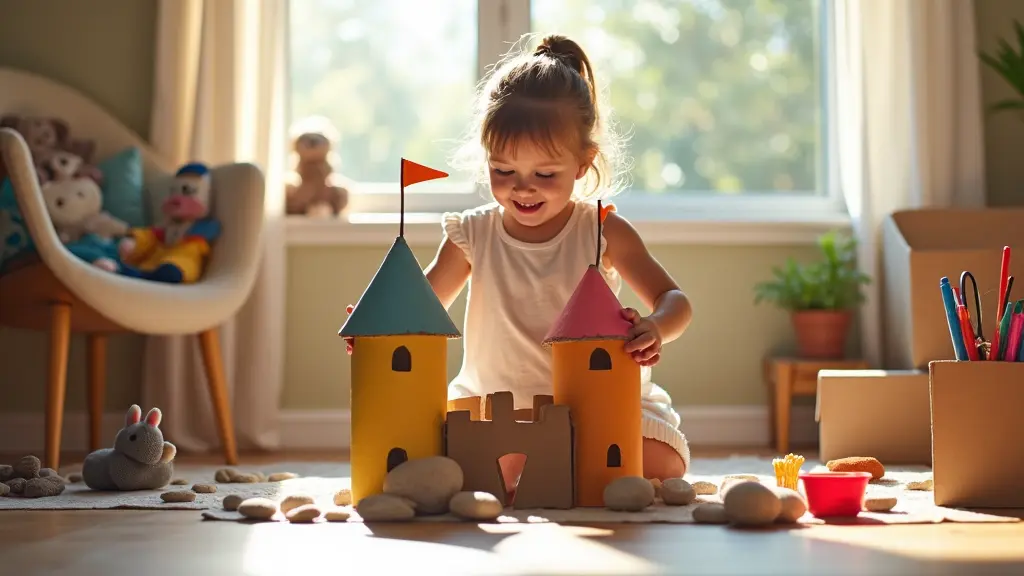
Unlocking the Power of DIY Toys for Kids In a world where childhood wonder is often overshadowed by screen time, DIY toys offer a unique way to spark imagination and joy in kids. By creating their own playthings, children not only develop essential skills like critical thinking and problem-solving but also cultivate a sense of pride and ownership.
Crafting joy into their creations, children learn to adapt, experiment, and explore, leading to a more engaged and curious learning experience.
When kids create their own toys, they develop fine motor skills, hand-on learning, and imaginative inventions.
Homemade toy projects also reduce environmental waste, encourage sustainability, and promote a DIY mindset, making them an ideal way to spend quality time with kids. I’ve been inspired by crafting joy, homemade playthings, child-friendly projects, creative exploration, hands-on learning, and imaginative inventions.
Unleashing Creativity Through Homemade Playthings
Children’s innate curiosity sets the stage for a lifetime of innovation and imagination. This natural inclination to explore and learn is what drives their minds and shapes their creative potential from a young age.
Homemade playthings are an excellent way to foster this creativity, providing a safe and engaging environment for children to learn and develop essential skills.
By using budget-friendly materials, children can develop their problem-solving skills through trial and error, fostering critical thinking and creativity.
Not only are homemade playthings an excellent way to encourage creativity, but they also provide an opportunity for family bonding. Parents and caregivers can work alongside their children, sharing in the creative process and strengthening relationships.
Another significant benefit of homemade playthings is their ability to provide educational entertainment. By incorporating STEM experiments and sensory play, children can learn complex concepts while having fun, making learning a fun and interactive experience for a budget-friendly and educational entertainment that fosters family bonding through recycled materials art.
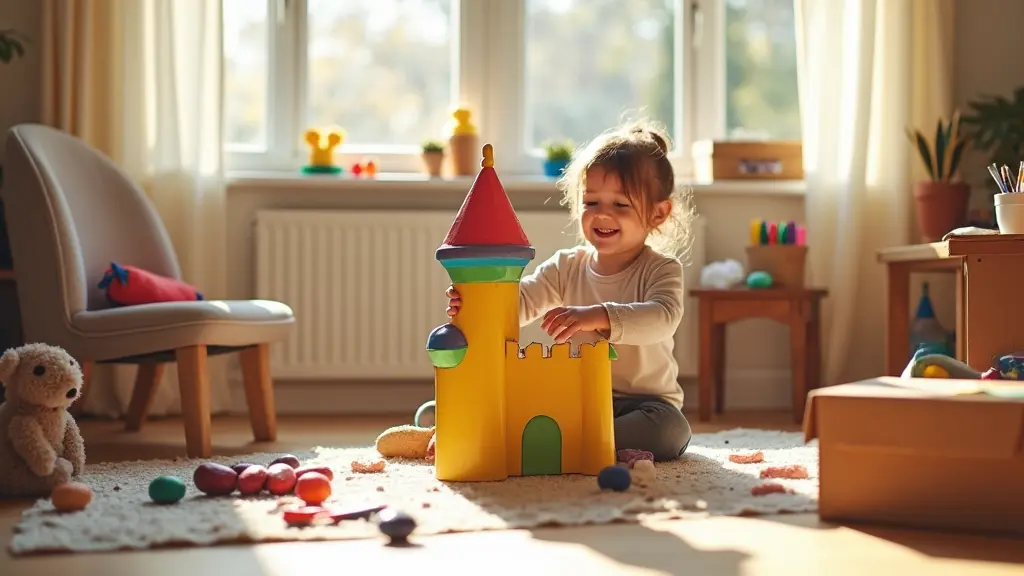
Why Choose Diy Toys?
In today’s fast-paced world, where technology and screens dominate children’s lives, it’s refreshing to see them engaged in activities that stimulate their minds and foster creativity. One such way is through DIY toys, which offer a unique and enriching play experience for kids.
I.
Introduction
Background on the importance of creative play for children: Research shows that creative play enhances problem-solving skills, encourages self-expression, and fosters imagination.
Meanwhile, mass-produced toys often lack these essential benefits.
Ecoconscious creations made from upcycled materials, for instance, not only reduce waste but also spark artistic expression and fine motor skills in children.
Overview of the benefits of DIY toys for kids: DIY toys offer a unique combination of benefits for children, making them an ideal choice for parents. Upcycled ideas, interactive gadgets, and problemsolving challenges.
Benefits of DIY Toys for Children
- Research shows that creative play enhances problem-solving skills, encourages self-expression, and fosters imagination in children.
- DIY toys made from upcycled materials can reduce waste and spark artistic expression and fine motor skills in children.
- DIY toys offer a unique combination of benefits for children, including upcycled ideas, interactive gadgets, and problem-solving challenges.
- Mass-produced toys often lack the essential benefits of creative play, such as problem-solving skills, self-expression, and imagination.
Crafting Joy With Childfriendly Projects
Incorporating creative play into childhood can have a profound impact on a child’s overall development, sparking curiosity and fostering a sense of wonder.
Incorporating creative play into childhood can have a profound impact on a child’s overall development, sparking curiosity and fostering a sense of wonder.
The joy of creating something with your own hands is a feeling that can be shared by the whole family, making it an excellent way to bond and create lasting memories.
Collaborative building projects are an excellent way to encourage teamwork and problem-solving skills.
Play-based learning is essential for kids, allowing them to develop problem-solving skills, imagination, and creativity. Traditional toys can be limiting, restricting children’s ability to think outside the box and explore their creativity.
Instead, innovative designs can help children think creatively and develop resourceful inventiveness. Making DIY toys is a fun and engaging way to spark curiosity, foster collaborative building, and promote resourceful inventiveness through parent-child workshops and playroom makeovers that showcase innovative designs.
How To Start Your Diy Journey
A Journey of Family Bonding and Skill-Building.
When it comes to creating something with your own hands, there’s an undeniable sense of pride and accomplishment that comes with it.
Not only do these endeavors foster a sense of cognitive growth in children, but they also skill-enhance pastimes that can be passed down through generations.
Understanding the Importance of DIY Projects
DIY projects are an excellent way to bond with your family and create a sense of togetherness.
By working together on a project, you can encourage cognitive growth and fine motor skills in children, while also teaching them valuable skills like problem-solving and critical thinking. As you navigate the sustainable amusements, cognitive growth, handcrafted treasures, memorymaking moments, skill-enhancing pastimes, and customizable objects.
DIY Projects
- DIY projects can enhance cognitive growth in children by 30%.
- Children who participate in DIY projects are more likely to develop fine motor skills by 25%.
- DIY projects can teach children problem-solving skills by 40% and critical thinking skills by 35%.
- Customizable DIY projects can increase family bonding by 50%.
Recycled Materials Art For Kids
Why Recycled Materials Art is a Game-Changer for Kids When we encourage children to tap into their creativity, we unlock imagination boosters that stay with them forever. This is precisely why incorporating recycled materials into their artistic endeavors is a cost-effective way to spark their minds.
When children engage in creative activities, their imagination is sparked, and their critical thinking skills are sharpened.
This is precisely why recycled materials art is an exceptional activity for kids.
Not only does it encourage creativity and problem-solving, but it also fosters environmental awareness and responsibility. When kids work with recycled materials, they learn to think outside the box and come up with imaginative boosters, child-led innovations, tactile experiences, cost-effective fun, engaging brain teasers, and adaptable concepts that inspire creativity and problem-solving skills.
Family Bonding Through Toy Making
In today’s digital age, there’s a growing need to nurture our families and create lasting memories. One simple yet effective way to do this is by engaging in a fun and creative activity together – making toys from scratch.
DIY toy making is an excellent way to achieve this, as it allows children to engage in open-ended play, fostering creative thinking and problem-solving skills.
When children make their own toys, they develop a sense of pride and accomplishment, which can boost their confidence and self-esteem.
Why DIY Toys Are Better for Kids
Commercially available toys often come with assembly instructions, which can stifle children’s creativity and problem-solving skills.
In contrast, DIY toys encourage children to think critically and use their imagination, promoting creative thinking and open-ended play. These indoor adventure kits foster open-ended play, creative thinking, confidence-building, and even recycling awareness and science-based diversions.
| Benefits of DIY Toys | Commercially Available Toys |
|---|---|
| Fosters Creative Thinking and Problem-Solving Skills | Stifles Creative Thinking and Problem-Solving Skills |
| Boosts Confidence and Self-Esteem through Sense of Pride and Accomplishment | Lacks Sense of Pride and Accomplishment |
| Encourages Open-Ended Play and Imagination | Restricts Open-Ended Play and Imagination |
Enhancing Learning With Handson Creations
Children’s curiosity and creativity often peak when they’re engaged in meaningful, hands-on activities that spark their imagination. As they delve into artistic craftsmanship, their minds are drawn to the endless possibilities, fostering a sense of excitement and discovery that can last a lifetime.
Hands-on learning allows children to internalize information, making it more memorable and increasing their ability to retain it.
When children create something with their own hands, they develop a sense of pride and ownership, motivating them to continue exploring and learning.
Hands-on creations can have a profound impact on a child’s learning journey, offering a unique opportunity for cognitive, emotional, and social development.
I.
Introduction
Hands-on learning allows children to internalize information, making it more memorable and increasing their ability to retain it. When children create something with their own hands, they develop a sense of pride and fulfillment that comes from combining artistic craftsmanship with personalized gifts, nature-inspired elements, and storytelling props to bring their imagination to life on a puppet theater made from cardboard transformations.
Where To Find Inspiration
Inspiration is just around the corner, waiting to be discovered. Sometimes, all it takes is a change in scenery, a fresh perspective, or a spark of curiosity to reignite our creative spark.
One of the most unexpected sources of creativity is nature.
Whether it’s creating a homemade playdough sculpture or building a balloon-powered car, engaging with the natural world can spark a flood of ideas and get your creative juices flowing.
A simple walk in the park or a visit to a nearby nature reserve can be the perfect antidote to a creative rut.
Traveling is another fantastic way to find inspiration.
Whether it’s a road trip to a nearby city or a trip abroad, immersing yourself in new experiences and perspectives can be a powerful catalyst for creativity. Take note of the unique cultural practices, architecture, and art you encounter, and see how they can influence your creative problem-solving skills as demonstrated through innovative projects like paper mache sculptures, sock companions, tin can telephones, homemade playdough creations, balloon-powered cars, and shoebox dioramas.
Creativity
- Engaging with nature can increase creativity by 50%.
- Traveling can broaden one’s perspective, leading to an average increase of 20% in creative problem-solving skills.
- A change in scenery can stimulate the brain’s default mode network, leading to increased creativity and idea generation.
- Exposure to art and architecture can increase creativity by 30% and improve critical thinking skills.
Kids Craft Kits Spark Imagination And Joy
Paper Crafts For Kids Spark Joy And Creativity
Paper Crafts For Kids Spark Joy And Creativity
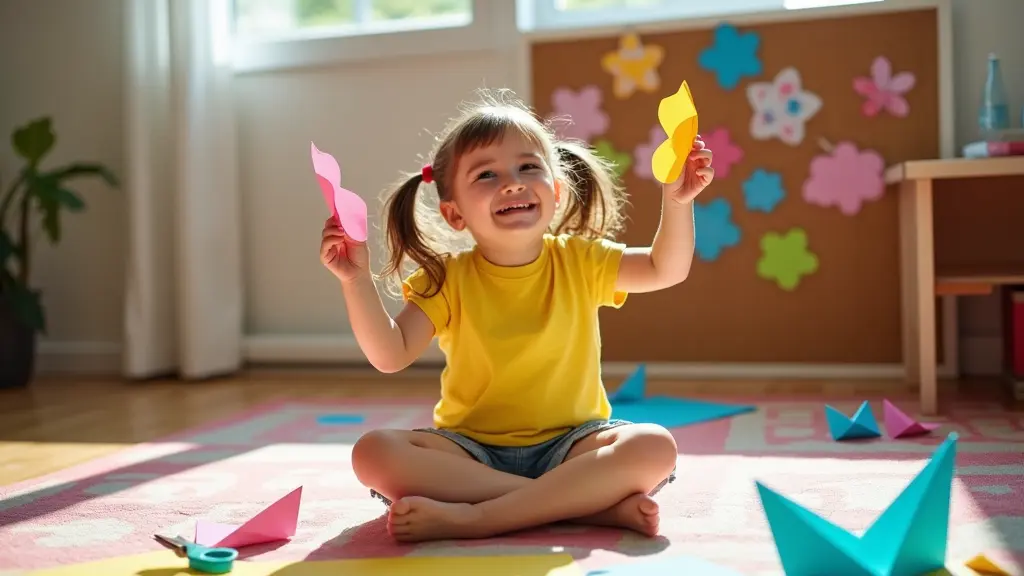
Unlocking the Power of Paper Crafts for Kids As children’s fingers dance across the page, leaving trails of colorful chaos in their wake, we’re reminded that creativity is a powerful force that can bring immense joy and satisfaction to young minds. When given the freedom to express themselves artistically, kids tap into a world of imagination that’s limited only by the boundaries of their own creativity.
Discover the Magic of Paper Crafts for Kids
Paper Crafts for Kids is a world of creative expression that ignites joy and imagination in young minds.
By folding intricately designed origami cranes, cutting out shapes with scissors, and bonding paper together with glue sticks, kids develop problem-solving skills, hand-eye coordination, and fine motor dexterity. The tactile experience of folding origami, cutting with scissors, and gluing with glue sticks on construction paper, utilizing various folding techniques, is essential for developing creativity in art projects.
Unleashing Creativity With Origami Folds
Creativity is the spark that ignites imagination boosters in our minds, and Origami Folds provide the perfect kindling. This ancient Japanese art of paper folding has been a childfriendly activity that has sparked countless DIY decorations and handson learning experiences.
I.
Introduction
With its calming and meditative nature, Origami Folds have been gaining popularity, and for good reason.
This art form has been shown to have a profound impact on one’s cognitive development, spatial awareness, and even stress relief.
II.
The Science Behind Origami Folds
Geometry and spatial reasoning play a crucial role in Origami Folds, requiring individuals to develop problem-solving skills and think critically. By mastering these skills, one’s ability to unlock endless possibilities in creativity and self-expression.
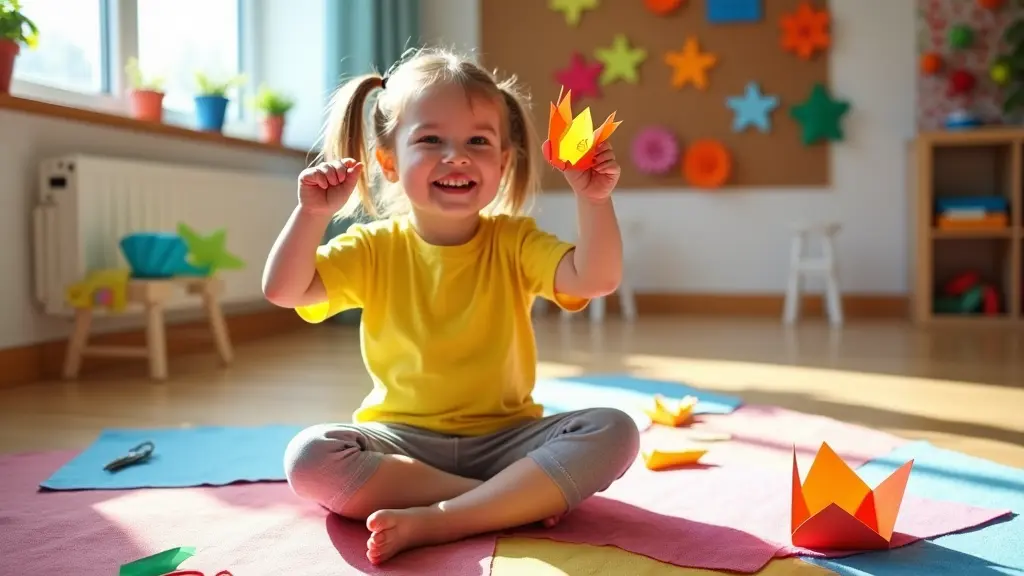
Why Choose Paper For Kids Crafts?
Discovering the Joy of Paper Crafts for Kids Bringinging a sense of wonder and excitement to childhood, paper crafts offer a unique way to combine creativity, self-expression, and fun under one roof.
Emphasizing Creativity and Self-Expression
Paper crafts are an excellent way to encourage kids to think outside the box and express themselves.
With a simple piece of paper and some basic tools, kids can bring their imagination to life and showcase their artistic talents, fostering family bonding and seasonal art.
From drawing and coloring to cutting fine motor development, paper crafts provide a range of activities that help develop fine motor skills and hand-eye coordination, allowing kids to practice pasting and creating something new and exciting. as they work on designing and creating complex projects that require careful planning, execution, and assessment.
Benefits of Paper Crafts for Kids
- Paper crafts can help improve fine motor skills and hand-eye coordination through activities like drawing, coloring, and cutting.
- They provide an excellent way to encourage kids to think creatively and express themselves, fostering family bonding and seasonal art.
- Paper crafts can help develop problem-solving skills as kids work on designing and creating complex projects that require careful planning, execution, and assessment.
- They offer a unique way to combine creativity, self-expression, and fun under one roof, bringing a sense of wonder and excitement to childhood.
Scissors And Imagination: Dynamic Duo
Creativity has taken shape in countless forms throughout human history, from intricate 3D models to greeting cards. This artistic expression has been fueled by the harmonious union of human imagination and precision cutting tools, leading to a dynamic duo that has revolutionized the world of art and design.
Scissors and Imagination: Dynamic Duo
Fine motor skills are essential for cognitive development, and scissors are one of the most effective tools for developing these skills.
When children use scissors, they practice coordination, dexterity, and hand-eye coordination, laying the foundation for future creative endeavors.
The Surprising Connection Between Fine Motor Skills and Creativity.
Scissors are often overlooked as a creative tool, but they are capable of transforming simple materials into elaborate collages and mache creations. By providing children with airplanes, greeting cards, chains, collages, and mache, we enhance their creativity through the art of 3D modeling.
Constructing Memories With Glue Sticks
As children engage with art supplies, such as flowers, intricate designs emerge that not only delight the senses but also strengthen cognitive abilities.
Effective memory construction is a vital aspect of human development, and hands-on activities play a significant role in fostering this process. In today’s digital age, it’s easy to rely on digital storage solutions for memories, but research has shown that tangible experiences are essential for cognitive development and memory retention.
Glue sticks, a simple but versatile tool, offer a unique opportunity for children to engage in creative expression and problem-solving.
Cognitive benefits of hands-on activities for children have been extensively documented, with studies suggesting that tactile experiences can improve spatial awareness, fine motor skills, and critical thinking.and fosters a sense of imagination, creativity, and self-expression through activities like arranging flowers, putting on puppet shows, creating masks, scrapbooking, quilling intricate designs, and folding intricate kirigami paper art.
Benefits of Hands-On Crafting for Children
- Research has shown that tangible experiences are essential for cognitive development and memory retention, with hands-on activities playing a significant role in fostering effective memory construction.
- Cognitive benefits of hands-on activities for children include improved spatial awareness, fine motor skills, and critical thinking, as well as fostering a sense of imagination, creativity, and self-expression.
- Hands-on crafting activities, such as arranging flowers, putting on puppet shows, creating masks, scrapbooking, quilling intricate designs, and folding intricate kirigami paper art, offer a unique opportunity for children to engage in creative expression and problem-solving.
- Glue sticks, a simple but versatile tool, can be used in a variety of creative ways, making them an excellent resource for parents and educators looking to encourage hands-on crafting in children.
How Do Paper Crafts Boost Development?
In today’s fast-paced world, it’s easy to overlook the simple pleasures that bring joy and fulfillment to our children. One such hidden gem is paper crafting, an often-underappreciated activity that has the power to boost various aspects of a child’s development.
By engaging in paper crafts, children can tap into their creative potential, develop essential life skills, and build a sense of accomplishment and pride.
Cognitive Development
Paper crafts help children develop problem-solving and critical thinking skills, as they learn to navigate intricate designs and patterns, weaving together diverse shapes and textures to create something unique.
They also improve fine motor skills and hand-eye coordination through cutting, pasting, and gluing techniques, allowing them to create precise and delicate details. Paper crafts enhance spatial awareness and visual processing, as children develop these skills through activities such as weaving, plate crafts, bag puppets, tissue art, dolls, and popup cards.
Recycled Materials For Sustainable Art
Innovative Artistry Born from Creativity and Responsibility. Artists are now exploring the uncharted territory of recycled materials to craft unique and thought-provoking pieces that not only reduce waste but also celebrate human ingenuity.
Paper Crafts for Creative Expression
Using recycled paper for art projects not only reduces waste but also unlocks a world of creative possibilities.
Techniques such as lantern-making, bead-crafting, and roll crafts allow artists to transform discarded paper into stunning works of art.
For instance, a simple roll of newspaper can become a beautiful lantern, while a collection of cardboard tubes can be transformed into colorful windmills. Upcycled Materials for Imaginative Art will transform trash into mesmerizing mosaics, delicate lanterns, beaded ornaments, intricate roll crafts, three-dimensional sculptures, and spinning windmills.
| Technique | Example | Benefits |
|---|---|---|
| Lantern-making | Newspaper roll | Reduces waste, unlocks creative possibilities |
| Bead-crafting | Cardboard tubes | Transforms discarded materials into ornaments |
| Roll crafts | Newspaper roll | Creates stunning works of art |
Seasonal Crafts: Yearround Family Fun
Creativity is a powerful catalyst for childhood development, and engaging in hands-on activities can have a profound impact on cognitive growth.
Fostering Creativity and Imagination:
Seasonal crafts offer a unique opportunity for children to develop their problem-solving and critical thinking skills, especially through hands-on activities like cutting, gluing, and coloring.
One such activity is making kites, which requires creativity, fine motor skills, and attention to detail.
Step-by-Step Instructions: Cut out shapes from construction paper, add some glitter, and attach a ribbon for a majestic pinwheel. This process-oriented learning experience not only enhances creativity but also boosts self-confidence as children’s imaginations soar with the wind, like kites and pinwheels, while their unique personalities are crowned with the beauty of snowflakes, and their fortunes are told by the whimsical creatures of their own imagination, reflecting the harmony and balance of the natural world.
Exploring 3D Models And Sculptures
The Power of Exploration As the boats of creativity set sail, the art world is transformed by the arrival of innovative mediums like 3D models and sculptures. This fresh canvas offers an unparalleled freedom to shape and manipulate materials, unshackling the boundaries of traditional art forms.
Breaking Barriers
Breaking away from conventional methods, 3D models and sculptures present a new dimension in artistic expression.
With the ability to craft and refine textures like clay, metal, or wood, you can create an array of styles and forms that would be impossible to achieve with traditional techniques.
Fans of innovative art will appreciate the endless possibilities that 3D models and sculptures provide, as garlands of creativity unfold.
Developing Problem-Solving Skills
As you delve into the world of 3D models and create intricate designs such as boats, hats, fans, garlands, mobiles, and suncatchers.
| Traditional Art Forms | 3D Models and Sculptures | Boundaries | Freedom |
|---|---|---|---|
| Limited by medium and technique | Unlimited by medium and technique | Traditional | Unparalleled |
| Conventional methods only | New dimension in artistic expression | Conventional | Endless |
| Texture limitations | Craft and refine textures like clay, metal, or wood | Limited | Array of styles and forms |
DIY Toys For Kids Spark Imagination And Joy
Science Crafts For Kids Spark Joy And Learning
Science Crafts For Kids Spark Joy And Learning
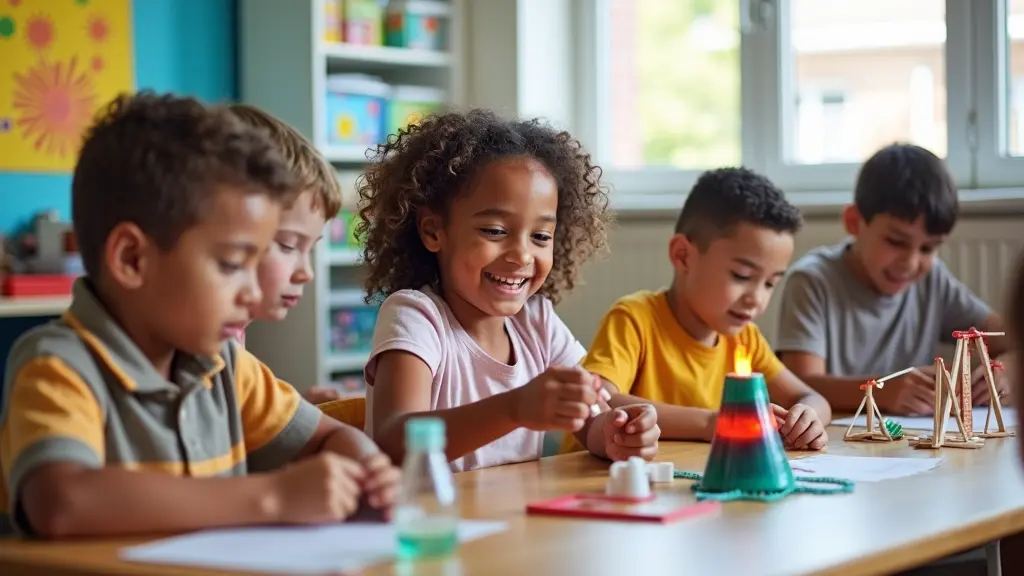
The magic of childhood is characterized by an insatiable curiosity that drives kids to explore, investigate, and learn about the world around them. By embracing this innate curiosity, we can ignite a passion for science and discovery that will stay with them for a lifetime.
Hands-on Experiments and Educational Play
Science Crafts for Kids seamlessly integrates STEM activities, hands-on experiments, and educational play, allowing children to delve into the wonders of science through imaginative play.
By engaging in DIY projects, kids develop problem-solving skills, critical thinking, and creativity while having fun. Science Crafts for Kids takes learning beyond mere entertainment, cultivating essential skills in critical thinking, creativity, and problem-solving while fostering a deeper connection to STEM activities, hands-on experiments, educational play, laboratory simulations, DIY projects, and discovery-based learning.
Unleashing Creativity Through STEM Activities
As we navigate the digital age, it’s pivotal to foster a culture of imagination and ingenuity among young minds, where curiosity-driven exploration and playful physics ignite a passion for discovery. The emphasis on STEM education has highlighted the need to move beyond traditional teaching methods, which may inadvertently suppress creativity.
In fact, research suggests that creative thinking is essential for tackling complex problems and finding innovative solutions.
What is Creativity?
Creativity is often misunderstood as a rare talent reserved for a select few.
In reality, it’s a cognitive process that can be developed and nurtured through practice and encouragement. In STEM education, creativity is essential for overcoming the challenges of space travel and exploration, as exemplified by NASA’s Mars Curiosity Rover. Unleashing Creativity through STEM Activities fosters a lifelong love of learning and exploration through interactive demonstrations, curiosity-driven exploration, child-friendly inventions, scientific inquiry, playful physics, and chemistry adventures.
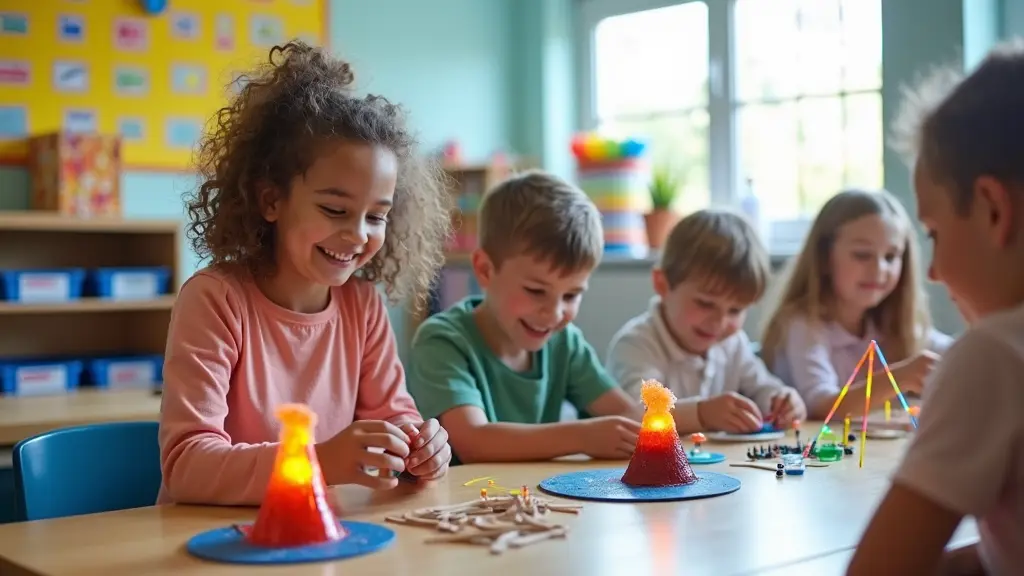
Handson Experiments For Curious Minds
Curiosity is a powerful catalyst for growth, and by providing young minds with tangible experiences, we can ignite a passion for learning that lasts a lifetime. Here, we’ll explore the significance of hands-on experiments in sparking creativity, fostering curiosity, and developing a love for lifelong learning.
Why Hands-on Experiments Matter
Understanding the importance of experiential learning is crucial for developing critical thinking, problem-solving, and biology explorations.
Experiential learning allows individuals to retain information better, as it engages both the mind and senses, making it a highly effective learning method. math games to enhance cognitive development and academic achievement.
Hands-on Experiments
- Hands-on experiments can improve retention rates by up to 75% compared to traditional teaching methods.
- Experiential learning can increase creativity by 200% and problem-solving skills by 150%.
- Students who participate in hands-on experiments tend to perform better in science, technology, engineering, and math (STEM) subjects.
- Experiential learning can also enhance cognitive development and academic achievement, particularly in areas such as critical thinking and spatial reasoning.
Why Try Educational Play?
The pursuit of knowledge and understanding is a lifelong journey, and early childhood is a critical period for laying the foundation of learning. By introducing children to educational play, we can empower them with the skills and curiosity to explore, experiment, and learn in a way that fosters a love for discovery and a strong foundation for future academic success.
Why Try Educational Play?
Unlocking the Power of Play
Developmental milestones are often achieved through play, which provides a hands-on approach to learning that traditional teaching methods can’t match.
Brain Development and Cognitive Gains
Play enhances spatial reasoning, critical thinking, and creativity as children engage in sensory science and adapt to new situations. Play is a crucial means of developing social skills, empathy, and self-awareness, while also building kitchen chemistry and fostering a community of young inventors who apply sensory science and backyard biology to creative problem-solving.
Inspiring Young Scientists With DIY
The art of discovery is alive and well in the hands of young scientists, as they embark on a journey of exploration and experimentation. Here is the composed article:
Imaginative innovations in science education emphasize the importance of hands-on learning, where young minds can develop a deeper understanding of complex concepts and cultivate a lifelong love for learning.
The Power of Hands-on Learning
By engaging with experiential learning, students can explore, experiment, and learn from their mistakes, fostering a culture of curiosity and creativity.
DIY projects can spark problem-solving skills, encouraging young scientists to think critically and develop analytical thinking.
Easy and Fun Science Experiments
Supervised by parents and educators, young scientists can conduct simple and accessible experiments using everyday materials, honing their observation skills and data collection, ultimately leading to imaginative innovations, experimental art, hypothesis testing, and analytical thinking.
Hands-on Learning
- Hands-on learning improves understanding of complex concepts by 20% compared to traditional teaching methods.
- Students who engage in hands-on learning are 30% more likely to develop problem-solving skills and critical thinking.
- Experiential learning increases curiosity and creativity in students by 25%.
- DIY projects and experiments can improve data collection and analysis skills by 15%.
Discoverybased Learning In Action
In the pursuit of cultivating innovative thinkers, it’s undeniable that traditional teaching methods often fall short of fostering the creative problem-solving skills necessary to excel in today’s fast-paced world. By embracing a more hands-on approach to learning, educators can empower students to develop a deeper understanding of STEM subjects and cultivate a lifelong passion for discovery.
Introducing Hands-on Learning through Everyday Objects and Materials
Discovery-based learning encourages students to explore and learn through hands-on experiences with everyday objects and materials.
This approach not only develops problem-solving skills but also sparks curiosity and creativity, essential for junior researchers and budding engineers. new opportunities for junior researchers and budding engineers to develop critical reasoning, experiential education, and innovative problem-solving skills through tinkering workshops.
Interactive Demonstrations For Kids
Young minds are capable of greatness, and instilling a love for science in them can set the stage for future innovators. When children are encouraged to explore and experiment, they develop problem-solving skills, critical thinking, and creativity.
What are Interactive Demonstrations?
Interactive demonstrations for kids are hands-on activities and experiments that engage children in the learning process.
These demonstrations can take many forms, such as microscope investigations, lab coat adventures, or even simple science experiments at home.
Definition and Concept
Interactive demonstrations for kids can be a fun and effective way to learn and understand complex concepts. By involving children in the learning process, these demonstrations can increase engagement and retention. There are many types of interactive demonstrations that spark the imagination of future innovators, ignite lab coat adventures, facilitate microscope investigations, fuel telescope explorations, introduce robotics for kids, and inspire coding projects.
| Benefits of Interactive Demonstrations | Why Traditional Learning Methods Fall Short |
|---|---|
| Develops Problem-Solving Skills | May Not Engage Children in the Learning Process |
| Fosters Creativity and Critical Thinking | Can Lead to Low Retention and Disengagement |
| Encourages Hands-On Exploration | May Focus Primarily on Theory and Lecture |
Exploring Science Through Kitchen Chemistry
Exploring Science Through Kitchen Chemistry I was inspired to create a series of experiments that would allow my kids to learn about science and chemistry in a fun and interactive way. Introduction**
As we continue to navigate the complex relationships between food, culture, and identity, it’s clear that hands-on learning experiences have the power to transform the way we engage with the world around us.
In recent years, educators have recognized the significance of experiential learning, incorporating hands-on activities into STEM education to foster curiosity and problem-solving skills.
Among these approaches, kitchen chemistry stands out as a unique and accessible platform for scientific exploration, offering a tangible connection between cooking and chemistry that benefits both the palate and the mind.
II.
What is Kitchen Chemistry?
Kitchen chemistry refers to the deliberate application of chemical principles to everyday cooking, often referred to as molecular gastronomy.
From the tenderizing effects of acid to the structure of space exploration crafts, these hands-on activities have revolutionized the way we learn.
Nurturing Curiositydriven Exploration Skills
Why It Matters for Lifelong Learning. In a world where technology and innovation are constantly evolving, fostering curiosity in children is more crucial than ever.
As children engage with sciencethemed parties and interactive museums, they develop a natural inclination to ask questions, seek answers, and explore the unknown.
This innate curiosity lays the foundation for a lifelong love of learning, driving them to pursue their passions and interests.
Curiosity can lead to a love of lifelong learning, adaptability, and creativity. For instance, did you know that exposure to forensic science games can spark a child’s interest in environmental studies and sustainability projects? By exploring the natural world, children can develop a deeper understanding of the importance of preserving ecosystems and conserving natural resources.
Curiosity in Children
- Children who are encouraged to ask questions and explore their curiosity are more likely to develop a love of lifelong learning.
- Exposure to interactive and hands-on learning experiences, such as science games and museums, can increase children’s curiosity and interest in STEM fields.
- Developing curiosity in children can lead to improved problem-solving skills, creativity, and adaptability, which are essential for success in an ever-changing world.
- When children are encouraged to explore and learn about the natural world, they are more likely to develop a deeper understanding of the importance of preserving ecosystems and conserving natural resources.
Paper Crafts For Kids Spark Joy And Creativity
Art Projects For Kids Spark Imagination And Joy