

Free Printable Thank You Teacher Cards For Back To School Appreciation
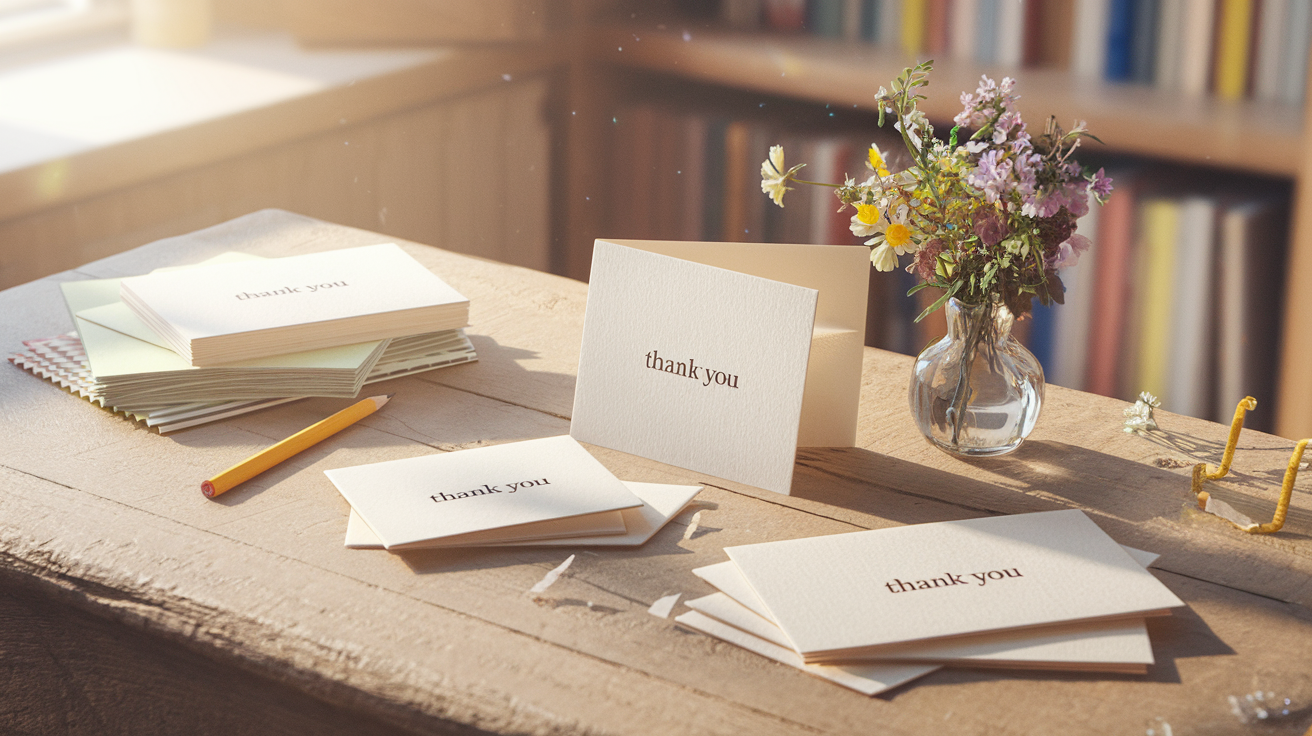
Printable teacher thank you cards offer a wonderful way to begin the academic year on a positive note. These free thank you cards for teachers come in eight distinct and eye-catching designs, featuring everything from cheerful apple motifs to imaginative chalkboard art, making them ideal for students to give their teachers on the first day.
The back to school card printables are conveniently sized to fit standard envelopes, allowing families to easily print and add personal messages.
Each card becomes a treasured memento when children include their own drawings or notes, transforming simple teacher appreciation into a joyful, meaningful gesture.
Explore a heartfelt method to commence the school year as you consider why these printables are so valuable.
Why Embrace Printable Teacher Thank You Cards
Back to school stationery presents a practical answer for parents managing the busy start of term, enabling home printing to bypass last-minute shopping trips. Printable teacher thank you cards serve as a concrete, enduring expression of thanks, far surpassing the impact of digital messages for honoring educators.
Involving your child by having them add artwork or pen a message on these customizable card templates magnifies the sentiment and fosters a sense of ownership in their thankfulness. This hands-on approach not only conserves precious time but also cultivates stronger classroom relationships through genuine, tailored gratitude.
Tangible Tokens of Appreciation
Teacher gratitude crafts provide a tangible way to express thanks, offering a physical memento that digital messages cannot replicate.
These kids thank you cards can be personalized with drawings or stickers, turning them into unique keepsakes.
When you consider teacher note cards, think about the lasting impression a handwritten sentiment makes compared to an email.
Time-Saving Convenience
Classroom gifts made easy; these printables save busy families time.
As teacher gift ideas, they allow quick preparation at home, avoiding the need to find appropriate items in stores. Offering educator appreciation notes becomes effortless with a ready supply of charming designs.
Empowering Student Creativity
These school year start stationery options invite student participation.
The student teacher thank yous are perfect for children to decorate, enhancing their connection to the act of giving. With printable classroom welcome cards, you can encourage children to create something special.
Versatile for Any Occasion
While perfect for the start of the year, personalized teacher stationery is also suitable for other occasions.
These childrens gratitude cards can be used for teacher appreciation events or simply to say thank you.
The school year beginning printables serve as a constant reminder of student thoughtfulness.
What Makes Teacher Gratitude Crafts Special
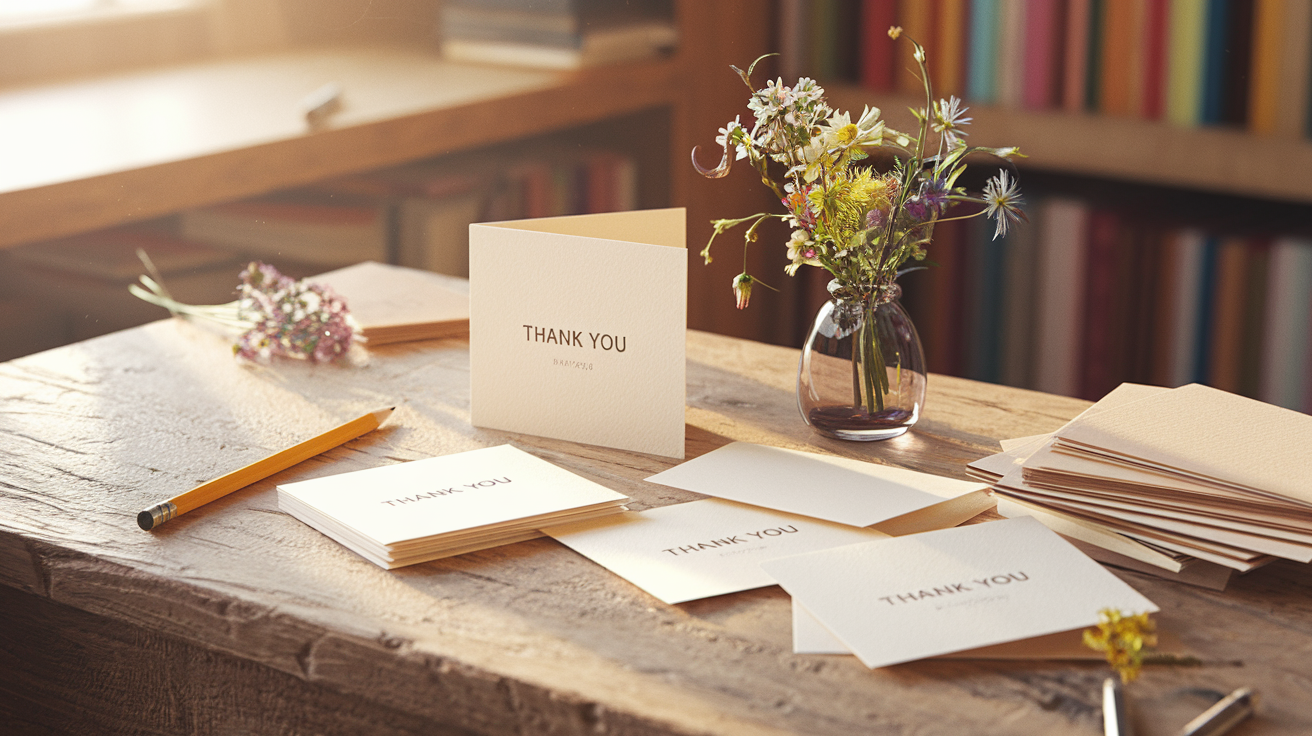
Printable teacher thank you cards, especially when transformed into teacher gratitude crafts, offer a deeply personal connection that store-bought items simply cannot replicate. The inherent creativity in handmade creations allows children to express their unique artistic talents and sincere appreciation, fostering meaningful connections with their educators.
Unlike generic presents, incorporating student artwork cards or personally written messages directly onto teacher note cards elevates these gestures into truly treasured, one-of-a-kind mementos.
This creative process supports the development of essential skills, like fine motor coordination and emotional expression, while simultaneously nurturing a grateful mindset from an early age.
Personalized touches ensure that every thank you becomes a cherished memory, and the act of creation itself transforms into a memorable classroom gift that families will keep near, even as the school year starts.
Teacher appreciation is amplified when the gift is a tangible expression of a child’s effort, making DIY teacher thank you cards particularly impactful. These kids thank you cards become special keepsakes because they are imbued with the child’s own personality and artistic flair.
When children create customizable card templates, they engage in a process that builds their confidence and reinforces their ability to convey heartfelt emotions. The resulting educational staff acknowledgments, filled with student expressions of thanks, serve as powerful reminders of the positive impact teachers have.
These heartfelt educator messages, often accompanied by student artwork cards, demonstrate a level of thoughtfulness that resonates deeply with educators, making these teacher gift ideas truly stand out.
Explore Back to School Card Printables
Starting the school year with back to school card printables assists students and educators in establishing a sense of belonging from the outset.
These customizable card templates provide a practical and cheerful avenue for families to express gratitude, thereby supporting a positive classroom atmosphere and strengthening teacher-student relationships.
Adding a personal handwritten inscription or colorful illustrations to each printable teacher thank you card transforms it from a simple document into a treasured keepsake, embodying early education thank yous. A warm welcome message, such as, “Welcome to our classroom! I’m so excited to learn and grow with you this year.
Let’s make it a fantastic one!” establishes an optimistic tone for the coming months, fostering classroom inspiration cards.
Free thank you cards for teachers, particularly those designed for the start of the academic year, offer a welcoming gesture that eases the transition for both students and their teachers. These printable classroom welcome cards serve as an accessible and heartwarming way to acknowledge educators and set a positive tone.
Encouraging children to decorate these school year start stationery items further transforms a simple activity into a meaningful collaboration, creating unique student creativity cards.
The ability to personalize these teacher note cards, perhaps with heartfelt thankfulness cards or simple doodles, makes them ideal for conveying thoughtful gestures for teachers and celebrating the teaching profession appreciation.
Discover 8 beautifully designed, free thank you cards for teachers, specifically crafted for back-to-school gifting by children to their educators, making teacher appreciation accessible and meaningful.
These printable teacher thank you cards are perfect for conveying gratitude at the beginning of term, with easy-to-download PDFs compatible with standard printers and card stock, offering both color and black-and-white options for customization. Families can easily personalize each card with student messages, artwork, or stickers, featuring designs from colorful illustrations to simple, elegant templates suitable for all grade levels and teacher personalities, embodying creative teacher greetings and heartfelt educator messages.
These back to school card printables are designed for quick at-home printing, promoting meaningful parent-child interaction through simple, creative activities, and are suitable for various occasions, providing blank interiors for personalized messages or drawings, and offering download options to reduce paper waste, demonstrating thoughtful gestures for teachers.
Further embellished with craft supplies, these high-resolution files ensure crisp, vibrant print quality, with most platforms offering instant access without sign-up, and expert design guaranteeing an attractive final product, fostering positive teacher-student relationships and classroom morale at the start of the school year, making them classroom appreciation cards.
Key Benefits of Teacher Gratitude Crafts
- Handmade teacher crafts offer a personal connection unmatched by store-bought items, allowing children to express unique artistic talents and sincere appreciation.
- Incorporating student artwork or handwritten messages elevates these gestures into treasured, one-of-a-kind mementos, fostering meaningful connections.
- The creative process of making these crafts supports the development of fine motor coordination and emotional expression in children, nurturing a grateful mindset.
- Back to school card printables help establish a sense of belonging and support positive classroom atmospheres by strengthening teacher-student relationships.
Discover Customizable Card Templates
Printable teacher thank you cards offer unparalleled flexibility, empowering you to tailor each card to a teacher’s unique strengths or classroom contributions. Customizable card templates go beyond just adding a teacher’s name, allowing for personalized touches like suggesting a favorite aspect of their class, for example, My favorite thing about your class is. This personalization transforms simple back to school card printables into cherished keepsakes that truly celebrate the special educator-student connection.
Teacher appreciation becomes a heartfelt reflection of individual impact.
Personalizing Your Teacher’s Greeting
Teacher gratitude crafts and kids thank you cards are made even more special through customization.
You can easily adapt these customizable card templates to include specific details that highlight what makes your teacher stand out.
This approach allows for heartfelt educator messages that resonate deeply, making the classroom gifts feel genuinely personal and appreciated.
Teacher note cards that incorporate a specific memory or observation about the teacher’s teaching style can create a lasting impression. For instance, adding a line like, I really enjoyed the science experiments you did, makes the educator appreciation notes more impactful.
These thoughtfully personalized printable teacher thank you cards serve as a wonderful way for students to express their student expressions of thanks, making the start of the school year more memorable for everyone involved.
How to Create Kids Thank You Cards
Transforming the act of showing gratitude into a creative endeavor makes card-giving an enjoyable experience for children and a memorable one for teachers.
These kids thank you cards are wonderfully simple to craft at home. Begin by selecting a favorite design from the many free thank you cards for teachers available, then gently guide children as they write a personal, age-appropriate message.
Encourage your child to decorate with their own drawings or use colorful stickers—plenty of back to school card printables provide ample space for student artwork, allowing each thank you note to fully showcase personality and genuine gratitude.
This creative process not only helps develop artistic skills but also instills the important values of politeness and thankfulness, ensuring every card becomes a special expression of student sentiment and overall teacher appreciation.
Simple Steps for Little Hands
Teacher gratitude crafts can be an engaging activity.
Get printable teacher thank you cards ready, maybe some crayons or markers. Have kids choose a design from the free thank you cards for teachers.
Then, help them write a simple, heartfelt message. For younger children, a drawing or a few favorite words are perfect.
For older kids, encouraging them to write about a specific lesson or moment they enjoyed is a lovely idea for personalized teacher stationery.
Decorating the cards with student artwork cards or fun stickers adds a unique touch.
These customizable card templates are perfect for this, offering a blank canvas for creativity.
Many back to school card printables are designed with coloring in mind, making them ideal for young artists.
This hands-on approach to teacher appreciation not only results in beautiful kids thank you cards but also teaches children the joy and importance of expressing thanks, fostering positive relationships from the very beginning of the academic year.
Customizable Teacher Cards
- Customizable card templates allow for personalized touches beyond just adding a teacher’s name, such as mentioning a favorite aspect of their class.
- Personalized teacher appreciation notes can include specific memories or observations about a teacher’s teaching style, making them more impactful.
- Creating teacher thank you cards can be a creative endeavor for children, fostering artistic skills and instilling values of politeness and thankfulness.
- Many printable teacher thank you cards are designed to accommodate student artwork and stickers, allowing for unique and personalized expressions of gratitude.
Design Your Own Teacher Note Cards
Printable teacher thank you cards offer a wonderful opportunity to express heartfelt gratitude at the school year start, allowing families and students to share genuine appreciation for educators in a memorable, personalized format. Back to school card printables can begin with brainstorming design elements.
Consider classic apple or pencil illustrations, or a theme tied to your classroom for a unique personalization.
For added touch, teacher appreciation should shine through with customizable card templates that allow you to add a special message or the teacher’s name, reflecting school spirit and fostering strong teacher-student relationships.
- School Logo Placement: Incorporate your school’s logo for a professional finish that fosters a sense of community and strengthens learning institution gifts.
- Teacher’s Name Field: Leave ample space for the educator’s name or signature for heartfelt educator messages and student expressions of thanks.
- Classroom-Specific Graphics: Add icons or quotes representing classroom identity or student creativity cards, enhancing educational staff acknowledgments.
Teacher note cards are easily downloadable. Use sturdy card stock for a premium feel and select standard card sizes like 5×7”. Free thank you cards for teachers can be found in both color and black-and-white versions, offering opportunities for kids to decorate with student artwork cards as part of teacher gratitude crafts. Ensure your design uses high-resolution images for crisp print quality and vibrant print quality on your printed classroom appreciation cards.
Consider adding a small area for handwritten notes or drawings, making each educator recognition printables message both unique and heartfelt for the school year beginning printables season, supporting teacher support printables.
Gift Ideas for Classroom Gifts
Classroom gifts enhance the gratitude experience by pairing thoughtful items with personalized teacher note cards, acknowledging the effort and care educators offer throughout the academic year, supporting teaching profession appreciation. Teacher appreciation becomes even more impactful when printable teacher thank you cards accompany classroom gifts like school supplies, childrens gratitude cards, or educational gifts chosen with the teacher’s interests in mind. This approach strengthens the connection between student expressions of thanks and the meaningful gifts they present, creating classroom inspiration cards.
Coordinating with Other Parents: For a memorable back to school card printables group gift, designate a lead parent for coordination. Set a clear contribution goal for each family to ensure fairness and ease. Encourage each child to personalize their own student sentiment cards and include their name for an added touch.
Teacher gratitude crafts and heartfelt educator messages included with educational staff acknowledgments create a united front of appreciation, making classroom appreciation cards an essential part of school year start gifts and teacher acknowledgment notes, supporting mentor thank you cards and educational gifts.
- Printable teacher thank you cards offer a personalized format for expressing appreciation at the start of the school year.
- Customizable card templates allow for the addition of special messages or the teacher’s name, reflecting school spirit.
- Incorporating a school logo and leaving space for the teacher’s name enhances the professionalism and personal touch of the cards.
- Classroom-specific graphics and the option for kids to decorate with student artwork can further personalize teacher gratitude crafts.
Printable teacher thank you cards offer a wonderful avenue for sentiments that deeply resonate, far beyond mere politeness. Free thank you cards for teachers become cherished keepsakes when they highlight specific contributions, like, “The way you encouraged my shy student to participate truly transformed their classroom experience. ” Such precise sentiments, prevalent in effective educator appreciation notes, ensure teachers feel genuinely recognized for their unique impact on learning environments[1][3][5].
Back to school card printables present an ideal occasion to convey how a teacher’s guidance fostered resilience or ignited a passion for discovery, creating an enduring positive impression and bolstering spirits as the academic year commences[1][3][5].
Crafting Heartfelt Teacher Appreciation Notes
Teacher appreciation takes on profound meaning through specific expressions of gratitude that capture an educator’s unique influence.
Teacher gratitude crafts, elevated by thoughtful messages, create lasting positive impressions for teachers, making them feel truly seen and valued for their impact on students’ growth and classroom dynamics[1][2][3][4].
Customizable card templates serve as excellent canvases for conveying this genuine thankfulness.
The Power of Specificity in Teacher Notes
Kids thank you cards are most impactful when they include precise phrases detailing how a teacher’s efforts made a difference. For instance, “Your patience in explaining complex concepts not only clarified the material but also built my child’s confidence in their abilities” conveys genuine appreciation that resonates deeply with educators[1][3][5].
Back-to-School Greetings and Appreciation
Teacher note cards designed for the start of the school year are perfect for expressing how an educator’s support has inspired curiosity or resilience.
These expressions are invaluable for creating a lasting positive impression and boosting morale during the crucial initial weeks of the academic term[1][3][5]. Classroom gifts, especially those accompanied by sincere notes, can significantly enhance the welcome for both students and teachers.
Ideas for Printable and Customizable Cards
Teacher gift ideas often center around personalized stationery, making printable teacher thank you cards a fantastic choice.
These resources, often available as free thank you cards for teachers, can be downloaded and printed for immediate use.
Back to school card printables are specifically designed for this purpose.
You can find various teacher gratitude crafts and customizable card templates that allow for personal touches, making kids thank you cards truly unique. Whether you opt for teacher note cards or larger classroom gifts, the sentiment behind the message is paramount.
Consider educator appreciation notes that highlight specific moments of learning or support. For the start of the school year, school year start stationery and printable classroom welcome cards are excellent options for personalized teacher stationery.
These childrens gratitude cards offer a simple yet effective way to express thanks.
For the beginning of the school year beginning printables, focusing on teaching staff appreciation cards or DIY teacher thank you cards can make a significant impact.
Creative teacher greetings and heartfelt educator messages, perhaps incorporating student artwork cards or educational staff acknowledgments, all contribute to a positive reception. As the back to school stationery season arrives, classroom appreciation cards and school year start gifts provide opportunities for student expressions of thanks through teacher acknowledgment notes.
Mentor thank you cards, educational gifts, and school supplies thank you cards are also valuable. Educator recognition printables and early education thank yous are perfect.
For elementary teacher cards and secondary teacher cards, heartfelt thankfulness cards and thoughtful gestures for teachers are key.
Personalized classroom notes, school event stationery, and seasonal thank you cards for teachers show ongoing appreciation.
Teacher support printables and academic year start greetings help foster a positive environment. Educator recognition ideas, student creativity cards, and teaching profession appreciation all speak volumes.
Classroom inspiration cards and school year transition gifts, alongside student sentiment cards and educator impact acknowledgments, are wonderful ways to show gratitude. Finally,.
- Specific sentiments in thank you notes, like acknowledging a teacher’s encouragement of a shy student, make teachers feel genuinely recognized for their unique impact.
- Expressing gratitude for how a teacher fostered resilience or ignited a passion for discovery creates an enduring positive impression and boosts spirits at the start of the academic year.
- Thoughtful messages accompanying teacher gratitude crafts create lasting positive impressions, making educators feel seen and valued for their impact on student growth.
- Personalized stationery, including printable and customizable teacher thank you cards, is a popular teacher gift idea that allows for unique expressions of thanks.
Learning About Angola Through Kids Craft Activities
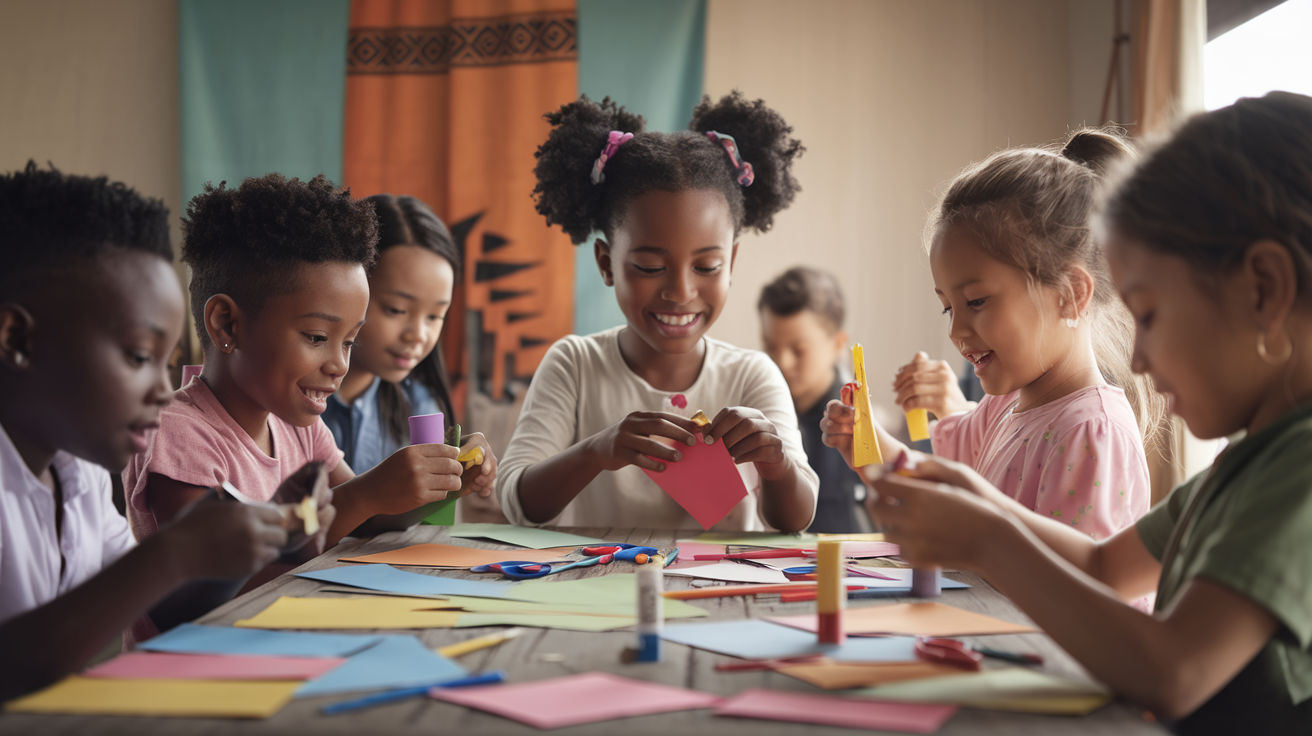
Angola offers a world of bright colors, exciting traditions, and interactive learning for children eager to explore unique cultures. Angolan crafts capture the spirit of Southwestern Africa, helping children dive into geography, history, and daily life while building creativity and cultural awareness.
Clay baskets inspired by traditional weaving, playful mask making, and drawing the Angolan flag are just a few ways to transform curiosity into hands-on discovery.
With every craft creation, kids strengthen fine motor skills, embrace cultural empathy, and expand their global horizons through memorable, step-by-step activities.
Next, journey deeper by experimenting with paper crafts inspired by Angolan art.
Angola, a nation in southwestern Africa, presents a tapestry of vibrant traditions and unique crafts perfect for engaging young minds.
These children’s activities serve as gateways to exploring Angolan culture, history, and daily life, simultaneously fostering creative expression and cultural awareness. Utilizing accessible materials, various educational projects allow children to participate in hands-on learning, enhancing cognitive development and artistic development.
Exploring Traditional Angolan Crafts
The artisanal skills of the Angolan populace are rich with opportunities for children to learn.
Crafting inspired by Angolan art allows for deep dives into diverse histories and heritage exploration.
These activities enhance dexterity enhancement and promote a better understanding of traditional designs.
- Clay baskets: Shape pinch pots from clay, inspired by traditional African weaving, dry, and paint them in earthy tones to mimic authentic designs, fostering fine motor skills and an appreciation for crafting techniques.
- Mask making: Creating masks using readily available materials reflects the vibrant traditions seen in Angolan daily life and celebrations, encouraging symbolic representation.
- Doll making: Explore doll making crafts with cloth, beads, and embroidery to replicate styles and fashions of Angolan communities, enhancing dexterity and cultural empathy.
Paper Crafts and Symbolic Representation
Discovering Angolan art through paper crafts allows children to create colorful projects that echo the rich patterns found in textiles and local adornments. These activities offer a unique way to engage with Angolan culture, learn about symbolic representation, and practice sustainable practices. Such projects connect children with the continent’s diverse histories and peoples, promoting cross-cultural appreciation.
- Angolan flag: Draw or color the Angolan flag using printable worksheets to introduce the country’s symbols and history in a fun, visual format, aiding historical understanding.
- Calabash bowls: Craft calabash bowls from papier-mâché or recycled materials, echoing Angola’s use of gourds for food and decoration, offering both cultural insight and an eco-friendly art project, promoting material utilization.
Creative Expression and Skill Building
Joining in painting workshops or recycled-materials art classes, inspired by programs in Angola, helps build practical skills and self-expression while learning about local art forms and artisanal skills. These skillbuilding activities contribute to holistic exploration and artistic development.
- Recycled art: Use recycled paper to make Angolan patterned paper beads—cut strips, sketch geometric motifs, roll, and glue for vibrant necklaces or decorations, fostering sustainability and creativity.
- Landmark models: Assemble paper or cardboard models of Angolan landmarks, such as the Fortress of São Miguel or Map of Angola, to teach geography and historical architecture, aiding geographical exploration.
Discover Angolan art through paper crafts
Angolan art traditions inspire children to create colorful paper crafts that echo the rich patterns found in textiles and local Angolan culture. Traditional folding techniques might vary, but every project celebrates detailed design, much like the intricate beadwork and basketry made by Angolan artisans. For an easy educational activity, use recycled paper to make Angolan patterned paper beads—cut strips, sketch geometric motifs, roll, and glue for vibrant necklaces or decorations. Each bead can represent a story, mirroring how Angolan crafts often convey history and meaning. To protect delicate creations, apply a light layer of watered glue, preserving these sustainable recycled art projects as lasting mementos of cross-cultural learning.
Cultural Significance of Paper Craft
Angolan art is rich with traditions that heavily influence paper crafts, offering children a unique window into the nation’s heritage. While specific traditional paper folding techniques may not be as widespread as other forms of Angolan artistry, the influence of intricate patterns found in textiles, beadwork, and daily adornments is evident in contemporary Angolan paper crafts. These decorative elements often carry symbolic representation, connecting the craft to deeper cultural narratives and community traditions. Children can explore these motifs, translating them into their own creations.
Angolan crafts often serve as storytellers, passing down history and meaning through their designs.
Beginner-Friendly Paper Craft: Angolan Patterned Beads
A wonderful educational project involves using recycled paper to create Angolan-inspired patterned beads.
Steps:
- Gather recycled paper, scissors, a ruler, glue, and a skewer or pencil.
- Cut strips of paper, approximately 1 inch wide and 6 inches long.
- Encourage children to sketch geometric motifs or patterns reminiscent of Angolan textiles onto the paper strips, focusing on decorative elements and traditional designs.
- Apply a thin line of glue along one edge of the strip.
- Starting with the wider end, roll the paper strip tightly around a skewer
Explore Angolan culture with doll making
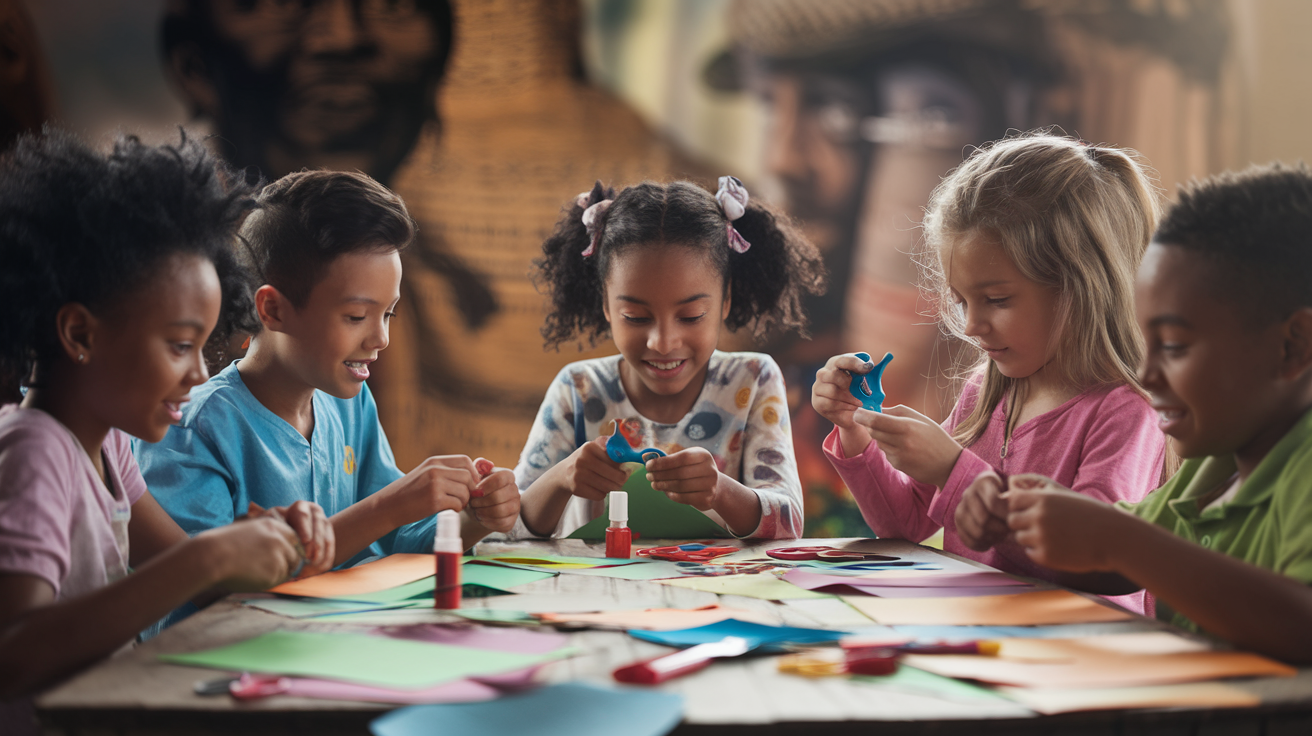
Angolan crafts skillfully convey profound symbolic meanings through traditional doll features; the Mumuila boneca serves as an exemplar, illustrating how ornaments, headdresses, and characteristic postures represent life stages, fertility, and ancestral wisdom central to Angolan culture [1]. Material utilization thoughtfully reflects Angola’s diverse ecosystems; employing plant fibers, natural cotton, or locally sourced clay directly connects craft creation with the region’s environment, actively embracing sustainability and ecofriendly art practices [1][2].
Community traditions prominently feature dolls in rituals and educational rites; observe how passing a fertility doll from sister to sister fosters cultural empathy and prepares girls for adulthood [1].
For crafting durable hand-stitched dolls, carefully select sturdy fabrics and practice meticulous embroidery, beadwork, or secure stitching methods to ensure longevity and capture authentic Angolan style.
Why learn African weaving techniques?
Angolan art traditions are vividly demonstrated in basket weaving, where intricate, vibrant patterns historically served as a form of communication and status representation within Angolan society, rendering artistic development and cultural awareness accessible to all age groups [3].
Skillbuilding activities focused on weaving empower artisans, opening avenues for income generation through the creation of distinctive crafts like clay baskets or calabash bowls that mirror Angolan daily life and promote sustainable material utilization [3]. Symbolic representation is powerfully evident in woven patterns designed to encode ancestral knowledge and communicate identity—often reflecting elements seen in the Angolan flag and the region’s esteemed world heritage.
When embarking on authentic African weaving projects, source natural raffia, cotton, or recycled art materials from ethical suppliers to thoughtfully support holistic exploration and nurture artisanal skills inherent in Angolan crafts.
Craft Focus Cultural Significance Material Practices Skill Development Traditional Doll Making Represents life stages, fertility, and ancestral wisdom Utilizes plant fibers, cotton, or clay for sustainability Fosters cultural empathy and prepares for adulthood Basket Weaving Communicates status and encodes ancestral knowledge Employs natural raffia, cotton, or recycled materials Empowers artisans and generates income Creating with Angolan Crafts and Beadwork
Angolan crafts intricately weave stories and traditions, with beadwork standing as a vibrant testament to Angolan culture and daily life. Each bead color and its placement carries profound meaning:
Symbolism in Angolan Bead Colors
Angolan art imbues beadwork with deep symbolic representation.
The careful selection of bead colors communicates various messages:
- Red signifies vitality, passion, or ancestral strength, reflecting the spirit of the Angolan populace.
- Green represents fertility, renewal, and prosperity, mirroring the bountiful natural resources of Southwestern Africa.
- White denotes purity and spiritual clarity, connecting to the country’s spiritual beliefs within Angolan culture.
- Blue offers peace, protection, and wisdom, important elements in fostering community harmony and understanding.
- Yellow brings happiness, wealth, and creativity, celebrating the joyous aspects of life and Angolan celebrations.
Integrating Beadwork into Contemporary Fashion
Angolan crafts are increasingly influencing modern fashion trends. Beadwork now adorns jackets, bags, and shoes, blending timeless tradition with fresh styles, and showcasing the evolving nature of Angolan art. This integration demonstrates effective material utilization and artistic mediums for craft creation.
Ethically Sourcing Beads for Angolan-Inspired Crafts
The process of ethically sourcing beads for Angolan-inspired crafts involves mindful choices. Prioritizing fair trade suppliers and incorporating recycled art materials ensures support for Angolan artisans. This approach fosters sustainability and responsible craft creation, promoting cross-cultural appreciation.
Crafting Intricate Angolan Bead Patterns
For enhancing artistic development and skillbuilding activities, mastering intricate bead patterns by hand is rewarding. Techniques like threading beads to recreate authentic Angolan designs or practicing the peyote stitch allow for hands-on learning and refine fine motor skills. This practice elevates both the craft and cultural awareness, facilitating a deeper connection to Angolan culture.
What Are Calabash Bowls Used For?
Calabash bowls hold a significant place in Angolan daily life and ceremonies, serving meals and beverages during community traditions and celebrations. These versatile vessels are crafted from durable gourds, showcasing natural waterproofing qualities ideal for storage and decoration across Angola, embodying both practicality and sustainability. Angolan art frequently features creative expression through the decoration of these bowls, with artisans carving, painting, or burning intricate patterns inspired by symbolic representation and traditional designs. To maintain aged bowls, a gentle cleaning with a soft cloth and natural oils is recommended, ensuring the beauty and heritage of Angolan crafts are preserved for heritage exploration and ongoing artistic mediums.
Cultural Context of Calabash Use in Angola
Angolan culture deeply values the use of calabash bowls in daily routines and communal gatherings. These bowls are integral to Angolan daily life, from serving food and drink during family meals to playing key roles in significant ceremonies and Angolan celebrations, strengthening community bonds and facilitating interactive learning.
Natural Properties for Storage and Decoration
The natural properties of gourds make them exceptionally suitable for storage and decoration in Angola. Their inherent durability and natural waterproofing qualities ensure the longevity of the bowls. This material utilization reflects a deep understanding of nature’s offerings within Angolan crafts, promoting ecofriendly art and sustainability.
Traditional Methods for Crafting and Decorating Calabash Bowls
Traditional methods for decorating and waterproofing calabash bowls in Angola involve skilled artisanal techniques. Artisans often carve or etch intricate patterns, painting designs that hold symbolic representation, or even burn designs onto the surface, creating unique pieces of Angolan art. These decorative elements enhance their aesthetic appeal and cultural significance, contributing to accessible materials for craft creation.
Maintaining Aged Calabash Bowls with Angolan Influences
To preserve the beauty and heritage of aged calabash bowls, a gentle cleaning approach is best. Using a soft cloth with natural oils helps maintain their condition and appearance. This care ensures that these pieces of Angolan crafts continue to be appreciated for their historical understanding and role in folk art, supporting heritage exploration.
- Bead colors in Angolan crafts carry specific meanings: red for vitality, green for fertility, white for purity, blue for peace, and yellow for happiness.
- Angolan beadwork is being integrated into contemporary fashion, adorning items like jackets and bags, showcasing the evolving nature of Angolan art.
- Calabash bowls are crafted from durable gourds and are used for serving meals and beverages in Angolan daily life and ceremonies.
- Traditional methods for decorating calabash bowls in Angola include carving, painting, and burning intricate patterns inspired by symbolic representation.
Making Angolan Flag Crafts
Embark on a creative journey to explore Angola’s national symbol through engaging craft activities. The Angolan flag, with its distinct colors and emblems, offers a rich narrative of history, unity, and identity, making it an ideal subject for hands-on learning and creative expression for children.
As kids study the flag’s bold red and black bands, they discover how red honors Angola’s struggle for independence, while black celebrates its African heritage and the diverse histories of the Angolan populace.
The central yellow emblem—a cogwheel, machete, and star—symbolizes agricultural and industrial workers, as well as solidarity and progress within Angolan culture and Southwestern Africa[4][2][3].
Crafting the Angolan Flag
Recycled art materials like felt, popsicle sticks, or fabric scraps can be used to build tactile flag collages or mobiles, transforming the Angolan flag into three-dimensional crafts ideal for children’s activities and skillbuilding activities.
These accessible materials, when utilized creatively, allow for a tactile engagement with the flag’s design.
Symbolic representation is key when letting kids sketch and then craft their own personal flag designs, drawing inspiration from Angolan motifs to foster national pride, artistic development, and cross-cultural appreciation.
Encouraging kids to create Angolan crafts not only teaches history and symbolism, but it also strengthens their connection to Angola’s heritage through creative expression and interactive learning[1][3][4].
This approach to learning about the Angolan flag allows for a deeper appreciation of the nation’s stories and traditions.
Recycled Art for Angolan History
Angolan art provides a compelling opportunity to transform everyday discarded items into impactful teaching tools, connecting young learners with historical understanding and cultural awareness. Kids can craft recycled sculptures representing Angola’s landmarks, such as the Fortress of São Miguel, using eco-friendly art techniques with cardboard, bottles, or old containers, reflecting traditional designs in new ways.
These recycled art projects mirror the resourcefulness ingrained in Angolan culture and the Angolan populace, plus celebrate the country’s ingenuity during times of challenge and change.
They also highlight the concept of sustainability in craft creation.
Depicting Historical Moments and Landmarks
- Material utilization in these educational projects lets children depict historical moments—like the Angolan Revolution—by creatively reimagining famous figures or national symbols with accessible materials, thereby enhancing cognitive development.
- Building landmark models or folk art through recycled creations promotes sustainability, dexterity enhancement, and a deeper empathy for Angolan history, while nurturing skill-building activities and artistic mediums, offering a holistic exploration of the Angolan culture.
These activities unite heritage exploration and creative expression, imparting lessons about Angola’s resilience and encouraging holistic exploration through craft creation, making Angolan history come alive.
Crafting Material Symbolic Representation Learning Outcome Felt, popsicle sticks, fabric scraps Red for independence struggle, black for African heritage Tactile engagement with flag design, creative expression Cardboard, bottles, old containers Landmarks like Fortress of São Miguel, traditional designs Resourcefulness, sustainability, historical understanding Accessible materials Angolan motifs, historical figures, national symbols National pride, artistic development, cognitive development The Tapestry of Angolan Exploration and Artistic Heritage
Linking Exploration to Cultural Diffusion
The Angolan populace, a vibrant community in Southwestern Africa, possesses a rich heritage where Angolan culture intricately intertwines with the narrative of geographical exploration. Early expeditions across Angola’s diverse terrains, from fertile river valleys to mineral-laden plateaus and expansive coastlines, became conduits for the spread of cultural practices and the evolution of Angolan art forms.
This mingling of peoples, including explorers, traders, and local inhabitants, fostered a dynamic exchange that solidified traditional designs within communities.
Specifically, the discovery of abundant natural resources, such as unique clays, precious minerals, and varied plant fibers, directly sculpted Angolan crafts.
These discoveries fueled the mastery of techniques evident in African basket weaving, the creation of functional items like calabash bowls, and intricate beadwork, showcasing the skillful material utilization central to craft creation.
Visual Echoes of Mapping and Modern Interpretations
Advancements in mapping techniques unveiled during exploration found visual representation within Angola’s rich tapestry of folk art.
These cartographic innovations were reflected in patterns adorning textiles and in the abstracted journey lines etched into pottery, demonstrating a unique form of symbolic representation. Modern initiatives can honor this legacy by engaging in recycled art projects that echo the resourcefulness inherent in Angolan heritage, or through painting workshops that draw inspiration from Angola’s significant landmarks.
Such activities not only celebrate the nation’s ongoing commitment to creative expression but also foster a deeper historical understanding and promote artistic development, bridging past discoveries with contemporary artistic mediums.
This approach to holistic exploration can be made accessible through printable worksheets and step-by-step guides that connect community traditions with sustainable practices.
Engaging Children with Angolan Culture Through Crafts
Hands-On Learning and Cultural Awareness
Angola, a nation situated in Southwestern Africa, offers a rich canvas for children’s engagement through its diverse heritage and vibrant traditions, particularly its unique crafts, which are ideal for hands-on learning. Educational craft projects centered on Angola serve as an excellent avenue for children to explore its geography, culture, and history, simultaneously nurturing their creativity and enhancing cultural awareness.
A fantastic starting point involves creating clay baskets inspired by traditional Angolan weaving, where shaping pinch pots from clay, allowing them to dry, and then painting them in earthy tones can effectively mimic authentic designs. Such activities are excellent for dexterity enhancement and develop fine motor skills.
Drawing or coloring the Angolan flag, with the aid of step-by-step guides or printable worksheets, offers a fun, visual introduction to the country’s symbols and history, fostering national pride and a basic understanding of visual communication.
Crafting African-style necklaces or masks using accessible materials like paper, beads, and yarn provides a tangible connection to the vibrant traditions seen in Angolan daily life and celebrations, promoting cross-cultural appreciation.
Eco-Friendly Creations and Skillbuilding
Crafting calabash bowls from papier-mâché or other recycled materials directly echoes Angola’s historical use of gourds for both food storage and decoration, offering both cultural insight and an ecofriendly art project that supports sustainability. Assembling paper or cardboard models of prominent Angolan landmarks, such as the Fortress of São Miguel or a map of Angola, can effectively teach geography and the nuances of historical architecture, encouraging cognitive development.
Participating in painting workshops or art classes focused on recycled materials, mirroring programs found within Angola, helps build practical skills and fosters self-expression, further deepening an appreciation for local art forms. Exploring doll-making with fabric, beads, and embroidery allows children to replicate the styles
- Angolan culture and art forms evolved through geographical exploration and the exchange of practices between explorers, traders, and local inhabitants.
- The discovery of natural resources like clays, minerals, and plant fibers directly influenced Angolan crafts, including basket weaving, calabash bowls, and beadwork.
- Mapping techniques from exploration periods are reflected in Angolan folk art through patterns on textiles and etched pottery, serving as symbolic representations.
- Educational craft projects for children, such as making clay baskets or decorating calabash bowls from recycled materials, foster cultural awareness, dexterity, and an appreciation for Angolan traditions.
Free Hourglass Beanie Crochet Pattern Using Hand Dyed Yarn
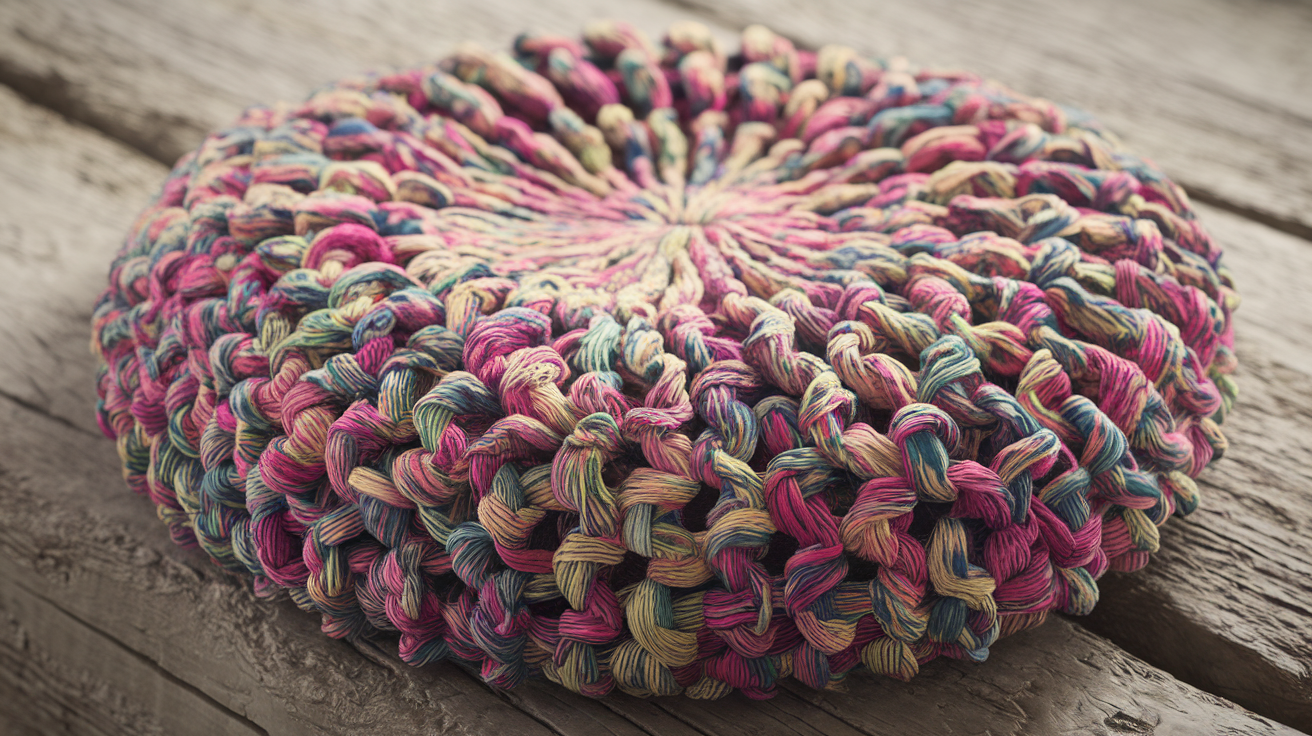
Hand-dyed yarn truly transforms crafting into a unique art form, especially when paired with the distinct Hourglass Beanie crochet pattern. TGWTH hand-dyed yarn provides incredible color variation and superior softness, making this modern crochet hat an essential project for beginner crochet enthusiasts and seasoned makers alike.
This merino wool blend ensures cozy warmth and luxurious stitch definition within each skein.
Explore this engaging textured beanie tutorial for a quick crochet project that truly highlights your artistic expression and showcases hand-dyed fiber craft project techniques.
Unleash your creativity with accessible instructions and a comprehensive step-by-step guide, resulting in a stylish crochet accessory perfect for winter accessories or for thoughtful gifting.
Hourglass Beanie crochet pattern explained
The Hourglass Beanie crochet pattern offers a fresh step beyond basic hat designs, inviting adventurous crafters to explore innovative stitches and modern crochet fashion.
TGWTH handdyed yarn’s beautiful yarn color variation is expertly showcased by the pattern’s signature hourglass texture, created through a dynamic stitch pattern and a carefully selected stitch library. This luxurious merino wool blend guarantees a rewarding craft experience and vibrant color saturation for every artisan yarn crafting project.
For the best results, block your gauge swatch before measuring—especially when working with this pattern’s unique stitch definition—to ensure a custom fit beanie and a successful fiber art showcase.
Both beginners and experienced hands will discover pattern clarity and accessible instructions for every step of this engaging project.
Pattern Highlights
Discover the elegance of the Hourglass Beanie crochet pattern, a contemporary design perfect for showcasing the unique properties of TGWTH handdyed yarn.
This beginner crochet hat tutorial offers a textured beanie tutorial experience that blends modern crochet fashion with the warmth of a merino wool blend. As a winter accessory pattern, it’s a quick crochet project, providing a satisfying step-by-step guide.
The pattern features crochet stitches explained clearly, leading to a beautiful slouchy beanie pattern. Its yarn color variation is a key element, resulting in a unique handmade hat design.
This offers significant craft inspiration and celebrates textile artistry in DIY headwear, aligning with current crochet fashion trends for warm winter wear.
The outcome is a line of stylish crochet accessories, a true fiber craft project highlighting excellent stitch definition and pattern clarity.
With accessible instructions, it promises a rewarding craft leading to a successful project, creating something truly artisan made and becoming bespoke headwear. This fiber art showcase emphasizes wool blend benefits, including nylon durability, creating amazing yarn depth and color saturation.
The specific stitch pattern contributes to crochet mastery, fostering a sense of belonging within the crafting community and ensuring project completion. The custom fit beanie makes for wonderful gift crochet ideas and perfect market stall items, reflecting individual personal style accessory and promoting artistic expression as a valued creative outlet.
This demonstrates textile innovation through innovative crochet, highlighting unique yarn properties.
It’s also a fitting sewing substitute, making it a great craft kit suggestion and a potential yarn store recommendation, fitting for a crochet workshop or handicraft demonstration.
The provided stitch library allows for easy pattern modification.
Embark on a creative journey with the Hourglass Beanie crochet pattern, designed to highlight the exceptional beauty of hand-dyed yarns. This project offers a delightful way to enhance your crochet skills while creating a stunning accessory.
Tips for Success
Achieving the perfect gauge is essential for the Hourglass Beanie crochet pattern, especially when working with the unique texture created by TGWTH handdyed yarn.
Ensuring your tension is consistent will provide a beautiful custom fit beanie. This aspect is key to a successful project when aiming for a polished, artisan made look.
For a truly bespoke headwear piece, paying attention to gauge guarantees the beanie will fit as intended.
This careful approach also enhances the fiber art showcase, allowing the wool blend benefits, such as nylon durability, to shine through, contributing to the yarn depth and overall desired aesthetic.
Mastering this detail is a step towards crochet mastery, especially with complex elements like this striking stitch pattern.
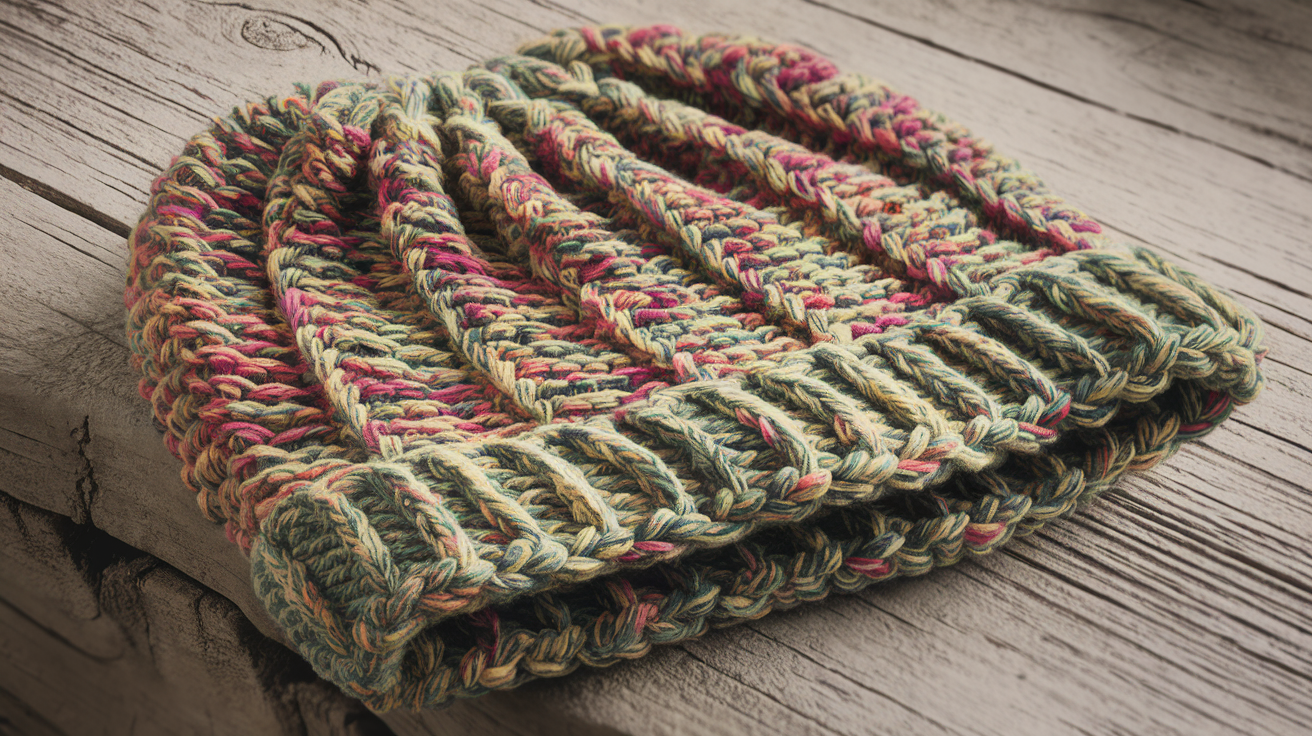
What is TGWTH handdyed yarn?
TGWTH handdyed yarn, marking a progressive step artisan yarn crafting trends, emerged from a burgeoning desire for distinctive, superior fibers within the crafting collective.
This yarn captivates due to its specialized hand-dyeing process, which imbues each skein with intricate tonal shifts and vibrant color variations, allowing textile artistry to exhibit striking stitch definition in elaborately textured creations such as the Hourglass Beanie crochet pattern.
Yarn Base Selection
Merino wool blend bases, frequently featured in TGWTH yarns, not only offer unparalleled softness but also optimize pattern clarity—every stitch displays subtle artistic expression, whether aiming for bold or nuanced effects.
For makers selecting handdyed skeins, it’s prudent to choose a base boasting excellent stitch definition and nylon durability, like a merino wool mixed with nylon, to guarantee your bespoke headwear and modern crochet fashion accessories are both comfortable and enduringly fabulous.
The Impact of Hand-Dyeing
The unique yarn properties of TGWTH, a true fiber art showcase, result from expert hand-dyeing techniques, creating remarkable yarn color variation that makes each project, like a custom fit beanie, a true original.
This attention to detail in dyeing contributes significantly to the overall aesthetic of the handmade hat design, ensuring every loop and twist of yarn adds to artistic expression and creative outlet.
A key aspect of working with this yarn involves understanding how the yarn depth and color saturation influence the appearance of different crochet stitches explained, making for a rewarding craft experience.
The Hourglass Beanie crochet pattern, for instance, beautifully highlights these qualities, transforming a simple beginner crochet hat into a piece of wearable art. This makes TGWTH a prime choice for those seeking innovative crochet, or perhaps a sewing substitute for projects requiring intricate color work.
Beginner crochet hat tips
Embarking on your first beginner crochet hat project with TGWTH handdyed yarn promises a rewarding craft and opens the door to a world of crochet fashion trends.
Foundational Stitches for Texture
Start with essential stitches, like single and double crochet, which form the basis for the eye-catching texture of a textured beanie tutorial or any quick crochet project.
This stepbystep guide to crochet stitches explained will lead you toward mastering the beautiful hourglass motif, a perfect example of how simple techniques can create stunning visual interest.
Achieving a Perfect Fit
Maintaining consistent tension is key—this ensures your handmade hat design achieves the classic fit and can be easily adapted into a slouchy beanie pattern, catering to your personal style accessory.
The Hourglass Beanie crochet pattern offers a pattern clarity that simplifies creating a custom fit beanie, transforming a basic necessity into a stylish creation for warm winter wear.
This accessible instructions approach guarantees a successful project, even for those new to artisan yarn crafting or seeking gift crochet ideas.
Finishing Touches for Professionalism
After finishing your fiber craft project, blocking your hat is a pro tip that smooths stitches and creates a polished profile, optimizing the color saturation and final shape of your DIY headwear.
This finishing step elevates any handmade item, making it resemble expertly crafted market stall items or a thoughtful craft kit suggestion, showcasing true textile innovation.
Blockquote:
For a truly professional look on your hand-dyed yarn creations, such as the Hourglass Beanie crochet pattern, blocking helps showcase the beautiful yarn color variation and ensures a perfect, wearable finish.
This attention to detail transforms your creation into a piece of textile artistry, a perfect example of modern crochet fashion and a stylish addition to any wardrobe.
It’s an excellent opportunity for artistic expression and to enjoy a satisfying project completion.
Consider exploring a crochet workshop or handicraft demonstration to further enhance your skills with unique yarn properties, making each creation in your stitch library a testament to your growing crochet mastery and contribution to the crafting community.
- TGWTH handdyed yarn is frequently crafted with Merino wool blend bases, offering softness and optimizing pattern clarity.
- The hand-dyeing process imbues each skein with intricate tonal shifts and vibrant color variations, showcasing yarn color variation.
- Choosing a base with good stitch definition and nylon durability, like a merino wool and nylon mix, ensures comfort and longevity for handmade items.
- The Hourglass Beanie crochet pattern is cited as an example that beautifully highlights the unique qualities of TGWTH yarn, transforming a simple hat into wearable art.
Textured beanie tutorial steps
Exploring beyond basic hat construction, the textured beanie tutorial emphasizes creative stitch techniques to enhance visual and tactile appeal for every fiber craft project. Hourglass Beanie crochet pattern designs frequently incorporate advanced stitches—think front or back post trebles and rich clusters—that deliver robust, sculpted surfaces.
The choice of yarn ply dramatically affects stitch definition: higher plies like those found in artisan yarn crafting amplify raised patterns, letting details pop, while lower ply yarns produce a gentle, blended effect that can soften intricate textures.
For smoother project completion, always weave yarn tails on the wrong side as you finish each motif, ensuring a neat finish without snagging or bulk trapped in dense stitches.
This stitch pattern approach guarantees a rewarding craft experience, setting you up perfectly for winter accessory pattern success as you explore merino wool blend benefits next.
Beyond Basic Stitches
Crochet stitches explained offer a vast realm for creating unique textures on your next handmade hat design.
Beyond simple increases and decreases common in a beginner crochet hat, explore stitches like the puff stitch, bobble stitch, or even cable stitches for truly eye-catching results in your stitch library. These techniques add depth and dimension, transforming a simple slouchy beanie pattern into a piece of textile artistry.
Yarn Ply and Stitch Visibility
Yarn depth significantly influences how your chosen stitches appear in your crochet fashion trends project.
Higher plies, common in artisan yarn crafting with TGWTH handdyed yarn, tend to showcase raised stitches more prominently, allowing for excellent stitch definition and vibrant color saturation.
Lower plies can create a softer, more subtle texture, which might be desirable for certain modern crochet fashion aesthetics but can sometimes obscure intricate stitch patterns.
Managing Yarn Tails
Practical tip for managing yarn tails when working textured patterns: Weave your yarn tails securely into the wrong side of your work as you go, using a tapestry needle.
This prevents them from showing through to the front and keeps your finished hat looking clean and professional, ensuring a successful project.
Merino wool blend benefits
Selecting the right fiber is essential, and merino wool blend offers a superior experience for those seeking both style and performance in modern crochet fashion.
Blending merino with nylon or other fibers yields enhanced elasticity and nylon durability, helping each quick crochet project retain shape and resist abrasion—an improvement over pure wool.
For warm winter wear and expressive, handmade hat design, these blends provide gentle warmth, breathability, and luxurious softness ideal for beginner crochet hat or experienced makers.
For garment longevity, gently hand wash your beanie in cool water with a mild wool-safe detergent, press rather than wring, and dry flat to protect both color saturation and stitch definition—ensuring your fiber art showcase piece lasts for seasons to come.
Durability and Elasticity
Wool blend benefits, particularly with additions like nylon, significantly enhance a garment’s wearability for your stylish crochet accessories.
The inherent strength and elasticity of these fibers mean your project completion is more durable and retains its shape better than pure wool, offering excellent value for your craft inspiration. This makes your bespoke headwear resilient to frequent wear and washing.
Caring for Your Blend
To maintain the beauty of your merino wool blend creation, follow simple care instructions for a successful project.
Gently hand wash your handmade hat design in cool water with a wool-safe detergent.
Avoid wringing; instead, press out excess water. Lay the item flat to dry, preserving its shape, color saturation, and stitch definition for long-lasting enjoyment.
This care ensures your fiber art showcase piece remains a personal style accessory.
- Advanced crochet stitches like front or back post trebles and clusters create robust, sculpted surfaces on textured beanies.
- Higher yarn plies enhance stitch definition, making raised patterns more prominent, while lower plies create a softer, blended effect.
- Merino wool blends with fibers like nylon offer improved elasticity and durability, helping crochet projects retain shape and resist abrasion.
- Proper care for merino wool blends involves gentle hand washing in cool water and flat drying to preserve color and stitch definition.
Modern Crochet Fashion Essentials
Modern crochet fashion represents an evolution from traditional craft into a dynamic force in contemporary style and wardrobe versatility. Contemporary designers are increasingly highlighting textile artistry by integrating innovative crochet patterns into everyday wear, offering everything from elegant tops to striking accessories.
Fashion essentials, such as the iconic Hourglass Beanie crochet pattern, particularly benefit from the use of TGWTH handdyed yarn.
This choice ensures remarkable color saturation and intricate stitch definition, transforming each piece into a unique work of art.
The resulting handmade hat design elevates basic outfits into refined cold-weather wear, demonstrating how modern crochet provides accessible instructions and rewarding craft inspiration for everyday ensembles.
Achieving a chic stylish look for winter is readily accomplished by pairing a textured beanie tutorial, like the Hourglass Beanie, with a well-tailored wool coat, a classic neutral scarf, and elegant boots.
This combination beautifully blends tradition with current trends, all while expressing personal flair. The Hourglass Beanie crochet pattern itself offers a quick crochet project, serving as a perfect example of modern crochet fashion‘s appeal.
Artisan Yarn Crafting Guide
Unique yarn sourcing infuses every fiber craft project with distinctive qualities, as artisan yarn crafting celebrates individuality in both material selection and the aesthetic of the finished accessory.
This approach ensures that each creation is truly one-of-a-kind, reflecting personal taste and creative spirit.
Fiber preparations, such as worsted spun or chain-plied techniques, play a significant role in achieving excellent stitch clarity. These methods lend durability and warmth to accessories, making them ideal for items like the beginner crochet hat or a cozy slouchy beanie pattern.
The merino wool blend found in TGWTH hand-dyed yarn is frequently favored for its enhanced stitch definition, beautiful yarn color variation, and dependable nylon durability, all contributing factors to its popularity in modern crochet fashion.
For the best preservation of handspun yarn and specialty yarns, it is recommended to store them in breathable cotton bags or their original skeins.
Supplementing this storage with cedar or lavender sachets helps protect their texture integrity and yarn depth.
This care ensures that each artisan made creation remains vibrant, supporting future pattern modification and guaranteeing that every piece is a testament to successful project completion and a fulfilling creative outlet.
- Modern crochet fashion integrates innovative patterns into everyday wear, transforming basic outfits into refined ensembles.
- The Hourglass Beanie crochet pattern, using TGWTH handdyed yarn, exemplifies modern crochet’s appeal as a quick and rewarding project.
- Artisan yarn crafting, utilizing techniques like worsted spun and chain-plied, enhances stitch clarity and durability for projects like beginner crochet hats.
- Merino wool blends are favored in modern crochet fashion for their stitch definition, yarn color variation, and nylon durability.
Winter Accessory Pattern Preview
Winter accessory patterns offer more than just hats; explore cozy headbands and scarves, employing advanced crochet techniques for maximum warmth and style. The Hourglass Beanie crochet pattern, a prime example of modern crochet fashion, utilizes dense stitch patterns that effectively trap air, enhancing insulation for your handmade hat design.
TGWTH hand-dyed yarn, with its exceptional color saturation and yarn depth, complements this accessory beautifully, showcasing artisan yarn crafting.
Selecting a merino wool blend, often combined with nylon durability, for your crochet project guarantees a soft texture and excellent temperature retention, making it ideal for warm winter wear.
Textile artistry shines in these projects, transforming simple stitches into intricate designs. This step-by-step guide for a textured beanie tutorial makes crafting enjoyable, providing accessible instructions suitable for a beginner crochet hat project.
The slouchy beanie pattern option allows for personal style accessory customization, while the focus on pattern clarity ensures a rewarding craft experience. Discover how the unique yarn properties of hand-dyed skeins can lead to a truly unique yarn color variation in every piece.
This fiber craft project is a testament to innovative crochet and a rewarding way to achieve crochet mastery.
From market stall items to gift crochet ideas, this pattern offers a creative outlet for artistic expression.
Crafting Your Cozy Creations
The Hourglass Beanie crochet pattern is celebrated for its modern design and unique hourglass texture, perfect for those seeking beautiful crochet fashion trends. This beginner crochet hat project is designed with accessible instructions, making it a fantastic starting point for new crafters and a delightful, quick crochet project for seasoned artisans.
Working with TGWTH hand-dyed yarn, especially a luxurious merino wool blend, significantly enhances the stitch definition and overall quality of your stylish crochet accessories. The blend of merino wool benefits, like softness and warmth, with nylon durability creates a resilient and comfortable handmade hat design.
This pattern is a true celebration of artisan yarn crafting, allowing the inherent beauty of hand-dyed skeins to shine, resulting in a unique yarn color variation in each finished piece.
Instructions are meticulously crafted to provide pattern clarity, ensuring a successful project.
Whether you’re looking for a satisfying fiber craft project or inspiration for your next handmade hat design, this tutorial offers a rewarding craft experience. The design allows for a custom fit beanie, catering to individual preferences and making it ideal for gift crochet ideas or personal style accessory creation.
Tip for Maximum Insulation: When focusing on warmth, prioritize natural fibers like merino wool or alpaca, or high-quality blends that offer excellent thermal properties—these materials significantly improve the insulation factor of any crochet project.
The project is structured to be a quick crochet project, offering a rewarding craft and a tangible sense of accomplishment upon project completion.
It’s an excellent way to explore stitch patterns and achieve crochet mastery.
Joining the crafting community with this project can lead to sharing insights on yarn depth and color saturation.
The Hourglass Beanie crochet pattern serves as an excellent foundation for developing skills in textile innovation and bespoke headwear creation. It represents a perfect blend of functional design and artistic expression, offering a creative outlet for all.
Key Highlights of the Winter Accessory Patterns
- The Hourglass Beanie crochet pattern uses dense stitch patterns for enhanced insulation and warmth.
- Merino wool blends, often combined with nylon, are recommended for their soft texture and excellent temperature retention in crochet projects.
- The patterns are designed with accessible instructions, making them suitable for beginner crochet hat projects and offering pattern clarity for a rewarding craft experience.
- Hand-dyed yarn, such as TGWTH hand-dyed yarn, is highlighted for its exceptional color saturation and depth, contributing to unique yarn color variations in finished pieces.
Essential Supplies For Professional Stenciling Projects
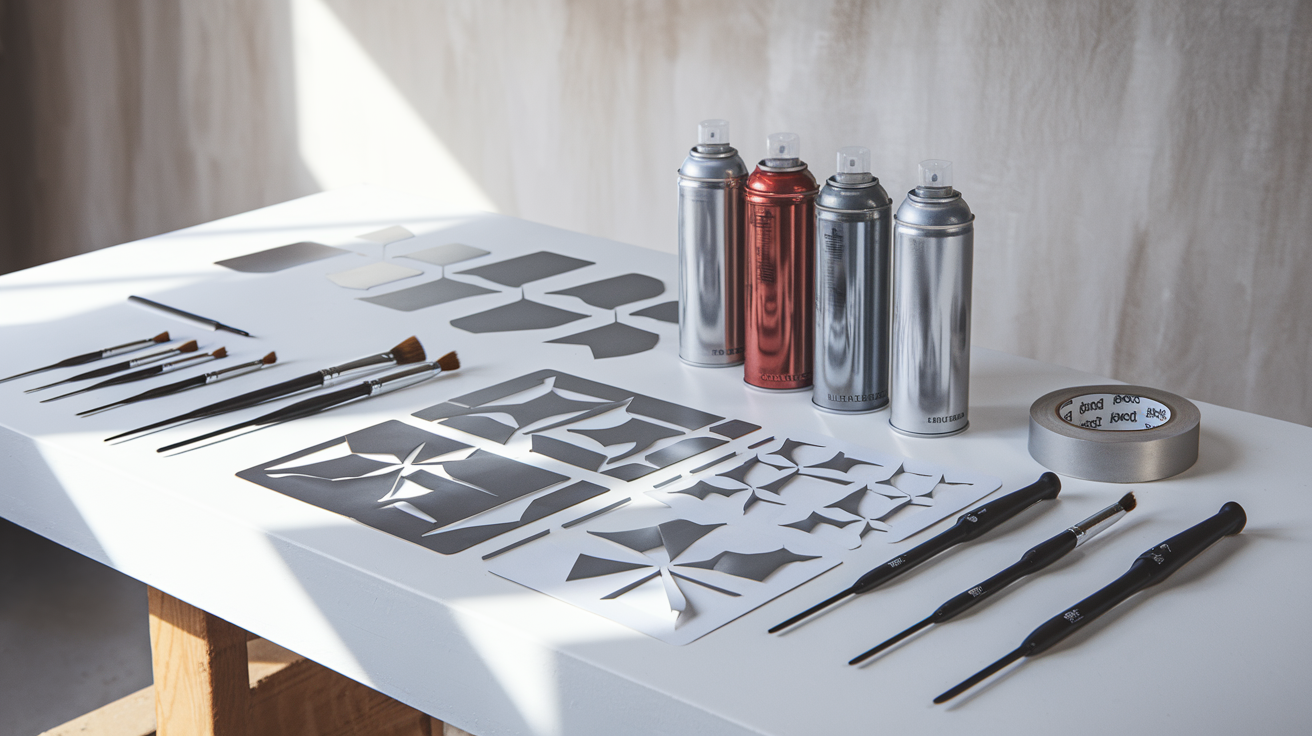
For professional stenciling projects, the right essential supplies are key to achieving crisp stencil edges and detailed patterns. Precision application tools like stencil brushes, foam rollers, and daubers provide control for consistent coverage.
Quality stencils, such as durable Mylar stencils, promote sharp lines and reliable performance, while painter’s tape or spray adhesive ensure stencil securing and paint bleed prevention.
Paint trays and offloading tools aid in managing paint, crucial for preventing fuzzy edges or uneven color for flawless designs.
Proper brush storage and stencil cleaning extend the life of your crafting toolkit, benefiting both beginner stenciling enthusiasts and experienced crafters.
- Previous:
- Current:
- Next: Choosing the right stencil brushes
Choosing the Right Stencil Brushes
Selecting the correct stencil brushes is fundamental for precision application and achieving crisp stencil edges. Firm brush tips are essential for beginner stenciling techniques, helping with paint bleed prevention and minimizing paint lifting. For experienced crafters, synthetic bristles offer flawless designs with acrylic paint, preventing splaying and ensuring consistent coverage. Flat brushes excel at broad strokes for patterned borders, delivering repeatable results. Testing your chosen stencil kit on scrap material with proper paint control allows for texture experimentation before tackling detailed patterns, enhancing your results. Combine daubers for varied effects and maintain stencil care for reliable performance.
- Previous:
- Current: Choosing the right stencil brushes
- Next: Selecting Your Paints and Mediums
Selecting Your Paints and Mediums
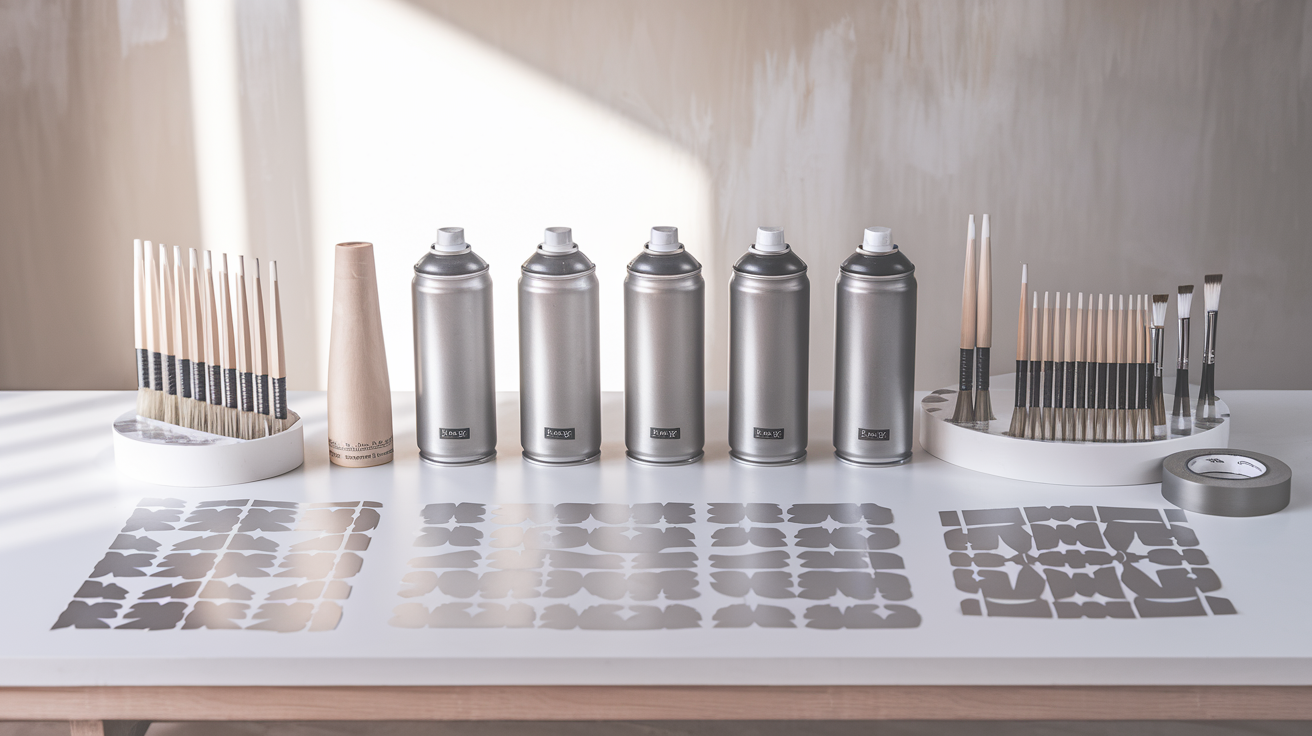
To achieve vibrant and consistent coverage, the selection of paints is paramount. For crisp lines and minimal paint bleed, consider using acrylic paint, chalk paint, or specialized stencil cremes, as these offer excellent color and are less prone to seeping under stencil edges. Paint control begins with proper paint application; use a paint tray or palette for holding your paint and offloading tools like rags or paper towels to remove excess. This prevents fuzzy edges and uneven color, ensuring sharp lines. For beginners, mastering the technique of offloading paint is a significant step towards repeatable results.
- Previous: Choosing the right stencil brushes
- Current: Selecting Your Paints and Mediums
- Next: Securing Your Stencils
Securing Your Stencils
To prevent shifting stencils and ensure sharp lines, proper stencil securing is non-negotiable. Painter’s tape or a repositionable spray adhesive are excellent options for keeping stencils firmly in place, crucial for paint bleed prevention. This helps maintain consistent coverage across your design, whether you are using Mylar stencils, vinyl stencils, or polystyrene stencils. Proper stencil placement, combined with good adhesive, guarantees crisp stencil edges and detailed patterns. For your crafting toolkit, reliable stencil adhesives contribute significantly to smudge prevention and overall reliable performance for flawless designs.
- Previous: Selecting Your Paints and Mediums
- Current: Securing Your Stencils
- Next: Essential Tools for Precision and Alignment
Essential Tools for Precision and Alignment
Achieving flawless designs requires tools that aid in precision application and perfect alignment. Rulers and alignment tools help ensure straight placement for patterned borders and repeatable results, especially when working with detailed patterns. Using a stencil kit with these accessories makes DIY stenciling more manageable. Proper alignment also contributes to preventing fuzzy edges and ensuring consistent coverage with your chosen stencil materials. For beginners, these tools simplify the process, leading to more professional stenciling projects.
- Previous: Securing Your Stencils
- Current: Essential Tools for Precision and Alignment
- Next: Stencil Care and Maintenance
Stencil Care and Maintenance
Extending the lifespan of your quality stencils and stencil brushes is key to reliable performance. Stencil cleaning is essential after each use; mild soap and water are often sufficient for removing paint lifting and preventing smudging. Proper brush storage ensures your stencil brushes maintain their shape and effectiveness for future projects. For your crafting toolkit, durable stencils and well-maintained brushes are investments that contribute to consistently flawless designs, making both beginner stenciling and advanced techniques more enjoyable and successful.
- Previous: Essential Tools for Precision and Alignment
- Current: Stencil Care and Maintenance
- Next:
What are the best stencil brushes?
Quality stencil brushes with dense, stiff bristles stand out as essential supplies for professional stenciling projects, optimizing paint control and delivering crisp stencil edges for flawless designs. Experienced crafters recommend brushes with a small, rounded head to enable precision application when stippling, allowing easy creation of textured effects or detailed patterns.
Selecting stenciling tools with comfortable, ergonomic handles reduces fatigue for lengthy sessions and repeatable results.
Stiffer bristles offer excellent resistance against stencil edges, limiting paint bleed and helping with sharp lines, while natural or synthetic options suit different media.
Adding a dedicated brush to your crafting toolkit ensures reliable performance with every project.
Brush Bristle Density and Shape
Stiffer bristles offer more control against stencil edges. A small, rounded brush can be useful for stippling techniques.
Look for brushes with comfortable handles for extended use, supporting precision application. The right stencil brushes are key for smooth application.
Choosing the Right Stenciling Tools
Beyond brushes, various stenciling tools contribute to success.
Foam rollers offer even coverage for larger areas.
Daubers are excellent for quick application and adding texture.
Proper selection of these stencil materials aids in achieving consistent coverage.
Mastering paint bleed prevention
Paint bleed prevention begins by firmly securing quality stencils to your working surface using painter’s tape or stencil adhesive spray, which ensures flawless designs and smudging prevention during application. Stencil adhesives help keep shifting stencils in place, particularly on intricate patterns or challenging surfaces.
Employing a dry brush technique—with excess paint lifted onto offloading tools such as rags or paper towels—reduces the risk of paint seeping beneath Mylar stencils or vinyl stencils. Precision application using light, stippling motions and minimal paint volume gives consistently sharp lines, enhancing your DIY stenciling results and textured effects while maintaining repeatable results for all beginner stenciling and experienced crafters.
Securing Your Stencils
Ensure stencils are firmly adhered before applying paint.
This step is essential for preventing fuzzy edges and uneven color.
Consider using a spray adhesive for a more secure stencil hold, especially with delicate or patterned borders.
Paint Application Techniques
Use a dry brush technique, lifting excess paint from the brush onto offloading tools.
This method reduces the risk of paint seeping under the stencil. For best results with acrylic paint or chalk paint, apply paint in light, tapping motions.
Advanced Stenciling Tips
Utilize alignment tools or rulers to ensure perfect stencil placement.
Experiment with color layering and texture experimentation using various stencil cremes or paints. Proper stencil care and stencil cleaning are key for durable stencils and reliable performance.
Key Stenciling Insights
- Stencil brushes with dense, stiff bristles are recommended for precise paint control and crisp stencil edges.
- A dry brush technique, using offloading tools to remove excess paint, is crucial for preventing paint bleed.
- Securing stencils firmly with painter’s tape or stencil adhesive spray is essential for flawless designs and smudge prevention.
- Foam rollers and daubers are alternative stenciling tools that offer even coverage for larger areas and quick texture application, respectively.
How to Achieve Crisp Stencil Edges?
Achieving crisp stencil edges requires careful attention to your chosen tools and application techniques, ensuring sharp lines and preventing fuzzy appearance. Stencil brushes with dense bristles offer superior control, preventing paint from seeping beneath the stencil for precise application.
Quality stenciling tools like daubers and foam rollers can also aid in minimizing bleed, but avoid broad brush strokes that encourage paint buildup.
For effective paint bleed prevention, apply paint in light, even coats using a gentle tapping motion, especially around the stencil’s perimeter.
To manage excess paint, utilize offloading tools, such as a paint tray or paper towels, to remove any surplus before touching the project surface; controlled paint application ensures consistent coverage. Once your detailed patterns are complete, peel away the stencil slowly and at an angle once the acrylic paint is touch-dry, preserving your flawless designs.
Mastering your brush technique is only one element; securing the stencil effectively is equally important for repeatable results.
Essential Painters Tape for Stencils
Low-tack painters tape serves as a fundamental stenciling supply for achieving sharp lines without damaging your project surface, making it ideal for DIY stenciling. Proper stencil placement begins with applying the tape flush to the stencil edge, creating a reliable seal that enhances consistent coverage.
For intricate areas requiring extra security, consider a stencil adhesive spray to keep the stencil firmly in place, supporting edges for repeatable results.
Effective paint control with tape involves smoothing overlapping sections to avoid raised paint lines and potential uneven color.
Applying painters tape flush to edges prevents paint seepage, contributing to crisp stencil edges and flawless designs in every project. With the stencil securely affixed, the final element contributing to pristine lines is the selection of quality stencil materials.
- Using stencil brushes with dense bristles helps prevent paint from seeping beneath the stencil for precise application.
- Applying paint in light, even coats with a gentle tapping motion, particularly around the stencil’s perimeter, is key for effective paint bleed prevention.
- Securing the stencil effectively by applying painters tape flush to the stencil edge creates a reliable seal that enhances consistent coverage.
- Peeling away the stencil slowly and at an angle once the acrylic paint is touch-dry helps preserve flawless designs.
What Spray Adhesive is Used For
Professional stenciling projects demand precise stencil placement and effective paint bleed prevention, making spray adhesive a valuable tool in your crafting kit. Beyond painter’s tape, stencil adhesives deliver even, reliable adhesion across the entire stencil, ensuring every edge remains firmly sealed against the surface.
By misting a light, even coat on the back of your stencil and waiting until it feels tacky, you create a barrier that minimizes shifting stencils and eliminates fuzzy edges.
This process is especially important for detailed patterns or when using acrylic paint, as a secure stencil prevents smudging prevention and helps achieve crisp stencil edges with every application.
Transitioning from stencil adhesives, it’s important to consider the quality of the stencil material itself for long-lasting, sharp results that contribute to flawless designs.
Selecting Quality Mylar Stencils
Successful DIY stenciling is shaped by not only the tools and adhesive but also by choosing durable, flexible Mylar stencils designed for repeatable results.
Unlike standard stencil materials, Mylar resists tearing and warping, ensuring reliable performance—even during textured effects or color layering. High-quality stencils feature sharply cut edges for flawless designs and crisp stencil edges, reducing the risk of uneven color or paint lifting.
Thicker Mylar offers a superior seal for paint bleed prevention, making it a smart investment for both beginner stenciling projects and experienced crafters seeking sharp lines and consistent coverage with each use.
Beyond brush and tape, the stencil material itself matters for achieving sharp lines and consistent coverage.
Mylar stencils offer durability and flexibility, resisting tears and warping for reliable performance on your projects. Always check for clean-cut edges on the stencil design itself, as this directly impacts the sharpness of your final result.
Thicker Mylar can provide a better seal against the surface, contributing to effective paint bleed prevention and reducing the likelihood of fuzzy edges.
Stencil Application Tips
- For precise application, use stencil brushes, foam rollers, or daubers.
- Apply paint in light layers to ensure consistent coverage and prevent bleed under the stencil.
- When using chalk paint or stencil cremes, offload excess paint onto a paint tray or paper towel using offloading tools.
Maintaining Your Stencils
- Proper stencil care, including stencil cleaning with mild soap and water, extends their lifespan for repeatable results.
- Store durable stencils properly to prevent damage and maintain their shape for future use.
Investing in a basic stenciling toolkit with quality stencils, appropriate paints like acrylic paint, and reliable adhesives such as spray adhesive or painter’s tape will streamline your workflow and produce consistently flawless designs.
- Spray adhesive provides even, reliable adhesion across the entire stencil, ensuring edges remain sealed and minimizing shifting stencils and fuzzy edges.
- Mylar stencils resist tearing and warping, ensuring reliable performance and contributing to flawless designs and crisp stencil edges.
- Thicker Mylar offers a superior seal for paint bleed prevention, which is beneficial for both beginner and experienced crafters seeking sharp lines and consistent coverage.
- Proper stencil care, including cleaning with mild soap and water, extends the lifespan of durable stencils for repeatable results.
Why use stencil adhesives?
Securing Your Stencils for Flawless Designs
Stencil adhesives offer a significant advantage when aiming for crisp stencil edges and paint bleed prevention. These adhesives are key to stencil securing, effectively locking the stencil in place without the need for excessive painter’s tape, which is particularly beneficial for complex or curved surfaces.
The correct stencil placement is paramount for achieving sharp lines and consistent coverage, making repositionable adhesives a valuable addition to any crafting toolkit.
For beginner stenciling, using these products ensures a more forgiving process, reducing the frustration of shifting stencils and the resulting fuzzy edges or uneven color.
Experienced crafters also rely on these for the precision application required for intricate patterns and detailed designs, ensuring repeatable results and reliable performance. When you’re working with Mylar stencils or vinyl stencils, the right adhesive prevents movement that can lead to smudging prevention and inconsistent color application.
Investing in a good stencil kit often includes or recommends the use of these essential items, contributing to an overall smoother and more professional DIY stenciling experience.
Benefits of Repositionable Adhesives
Choosing products that are repositionable offers greater flexibility for easier stencil placement and adjustments, especially when dealing with textured effects or intricate patterned borders.
This ease of use is a significant factor in achieving flawless designs with quality stencils.
When learning DIY stenciling, the ability to reposition a stencil can save considerable time and reduce material waste, ensuring better paint control.
This aspect is also important for color layering, where precise alignment between coats is necessary. While chalk paint and stencil cremes offer unique finishes, the underlying stencil adhesion is what guarantees the clean outcome.
The stencil care and maintenance of durable stencils are enhanced when the initial application is secure and easily managed. For those exploring different media, like acrylic paint, the adhesive ensures that the paint doesn’t seep under the stencil, maintaining the intended look.
Stencil adhesives provide reliable performance by adhering your chosen stencil firmly to the surface.
This stencil securing is essential for preventing unwanted movement, which can lead to issues like paint lifting, smudging, and uneven color distribution, especially when using stencil brushes, foam rollers, or daubers.
They are indispensable for achieving crisp stencil edges and sharp lines, making them a vital component in any stenciling tools collection for both beginner stenciling and advanced techniques. The ability to easily reposition the stencil is a major benefit, streamlining the often intricate process of stencil placement and contributing to repeatable results.
For crafters using Mylar stencils or vinyl stencils, these adhesives ensure the stencil remains stable, leading to cleaner applications and a reduction in common stenciling problems like fuzzy edges. Ensuring proper paint control and offloading paint onto appropriate tools like paper towels or rags further aids in preventing paint bleed.
The overall goal is to achieve professional-looking finishes with consistent coverage and minimal effort.
Always secure the stencil before painting, using tape or adhesive for best alignment and sharpness.
Rotate between brushes, rollers, and sponges to experiment with texture and color layering.
Proper care and storage of stencils and brushes extend their lifespan and ensure reliable performance on future projects.
Invest in a basic stenciling toolkit to streamline your workflow and produce consistently flawless designs.
Use only a minimal amount of paint to achieve clean edges and prevent bleeding under the stencil.
Always secure the stencil before painting, using tape or adhesive for best alignment and sharpness.
Proper stencil securing is paramount for
- Stencil adhesives prevent paint bleed and shifting stencils, which is crucial for achieving crisp stencil edges and sharp lines.
- Repositionable adhesives offer flexibility for easier stencil placement and adjustments, saving time and reducing material waste, especially for textured effects or color layering.
- These adhesives ensure stencils remain stable on surfaces like Mylar or vinyl, leading to cleaner paint applications and preventing issues like fuzzy edges or smudging.
- Using stencil adhesives contributes to consistent coverage and professional-looking finishes, making them a valuable addition to any crafting toolkit for both beginners and experienced crafters.
How To Crochet Highland Cow Amigurumi Patterns
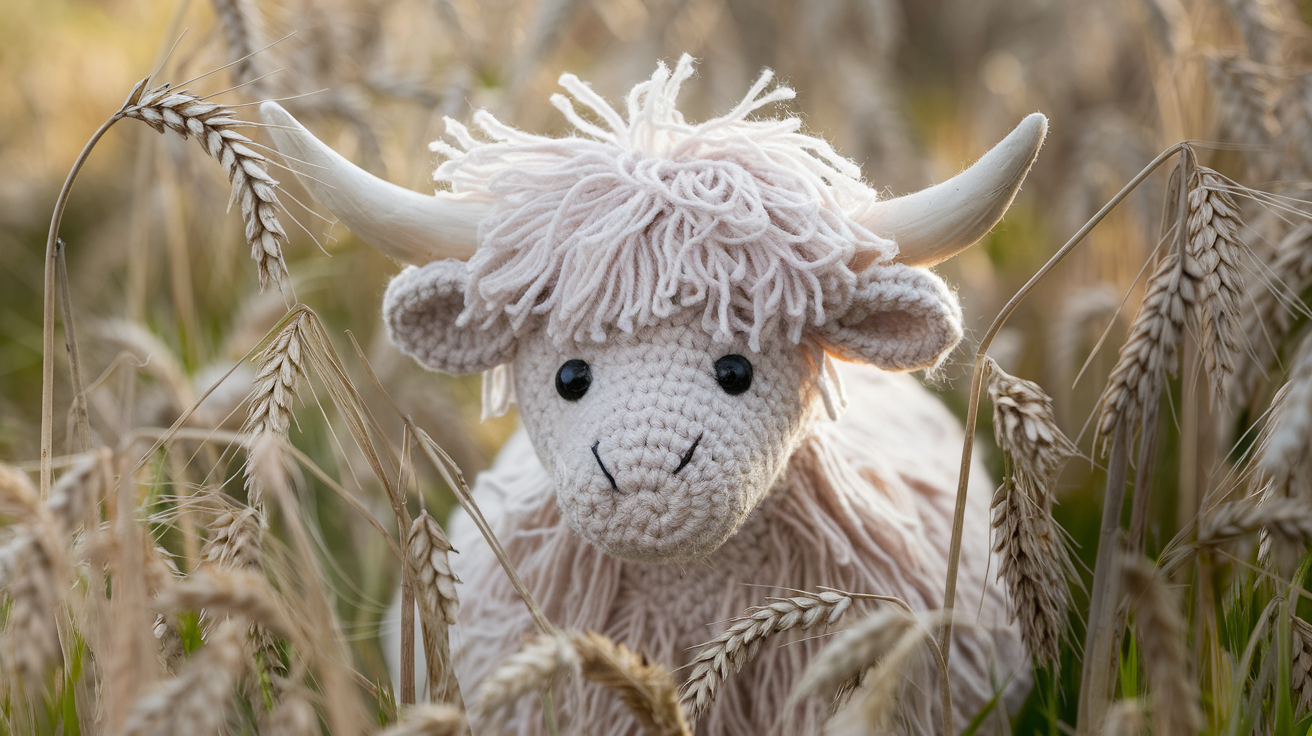
Highland cow amigurumi enthusiasts can explore an array of crochet patterns for lifelike Scottish cattle with shaggy coats and signature horns, suitable for both beginner crochet and advanced amigurumi makers. Step confidently into plushie making by selecting patterns with photo assembly guides and clear amigurumi instructions, ensuring successful safety eye installation, stuffing plush toys, and shaping plush features.
From mini Highland cows to pillow plushies, free patterns offer accessible entry points, while paid patterns deliver intricate detail designs, colorwork realism, and finishing tips such as fluffing hair and stitching horns.
Platforms like Etsy, Ravelry, and dedicated craft blogs host a rich amigurumi collection, letting you craft personalized cows or handmade gifts with customizable accessories.
Detailed yarn weights and fiber choices play a key role in achieving a wooly coat amigurumi with authentic plushie texture for your Scottish cattle crafts.
Select soft acrylic for beginner crochet projects, balancing fluffiness and durability, or opt for natural cotton blends for advanced amigurumi requiring crisp stitch definition and breathability. Consider the tactile experience: fuzzy and boucle yarns add lifelike cows effects, while smoother yarn yields refined horn yarn and snout yarn.
Techniques like single crochet and half double crochet provide a snug plushie structure and support basic sewing assembly for secure ears and horns.
Pick main yarn colors reflecting the Highland cow’s coat, then integrate embellishment tips for embroidered hooves or pompom tails, elevating your DIY plush toys for nursery decor or collectible plush toy displays. These craft patterns are essential for creating delightful stuffed animal patterns.
When embarking on your yarn craft project, focusing on the core crochet hook usage and yarn needle skills is paramount.
Understanding the magic ring technique is foundational for creating seamless starts for your plush toy pattern.
Mastering increase decrease methods efficiently shapes your small plush cows and larger creations, while working back loops can add definition to specific textures.
Curly forelock patterns and twisted horn patterns are often highlighted within these comprehensive guides, offering pathways to achieve realistic markings. Exploring various learning styles is supported by both written tutorials and video tutorials, making the journey of yarn sculpting accessible.
Creating these lovable creatures involves careful attention to detail, from the initial yarn selection to the final assembly. Each stitch contributes to the overall charm of your fluffy Highland cow, whether intended as cuddle toys or cherished collectible plush toys.
The process itself is a rewarding experience, offering crafting inspiration and opportunities for personal growth in your crafting abilities.
Choosing Your Highland cow amigurumi
Dive into selecting the right yarn for that iconic wooly coat, differentiating between acrylic and cotton for plushness and durability.
Consider the tactile experience of different fibers, choosing those that best suit your cuddly creation.
Remember the foundational stitches discussed earlier for crafting snug joins and ensuring the structural integrity of your piece, making it a perfect example of a crochet plushie pattern.
Detailed yarn weights and fiber choices play a key role in achieving a wooly coat amigurumi with authentic plushie texture for your Scottish cattle crafts. Select soft acrylic for beginner crochet projects, balancing fluffiness and durability, or opt for natural cotton blends for advanced amigurumi requiring crisp stitch definition and breathability.
Consider the tactile experience: fuzzy and boucle yarns add lifelike cows effects, while smoother yarn yields refined horn yarn and snout yarn.
The foundational stitches like single crochet and half double crochet provide a snug plushie structure and support basic sewing assembly for secure ears and horns. Pick main yarn colors reflecting the Highland cow’s coat, then integrate embellishment tips for embroidered hooves or pompom tails, elevating your DIY plush toys for nursery decor or collectible plush toy displays.
These craft patterns are essential for creating delightful stuffed animal patterns.
Highland cow amigurumi patterns allow crafters to make unique plushies showcasing the breed’s shaggy fur and curved horns, often with step-by-step photo instructions.
Most patterns list detailed yarn weights, hook sizes, and embellishments for realism, such as embroidered hooves or pom-pom tails.
Amigurumi Highland cows make charming handmade gifts, nursery decor, and collectibles, and can be personalized with colors and accessories.
Experienced pattern writers often include finishing tips—like how to fluff the hair for maximum cuteness and securely stitch horns and ears for safe play, ensuring your creation becomes a safe play plushie. Free and paid patterns offer a wide range of designs, ensuring styles for both beginners learning basic stitches and experts seeking creative amigurumi challenges.
This section is a gateway to mastering amigurumi instructions for truly charming stuffed Highland cows.
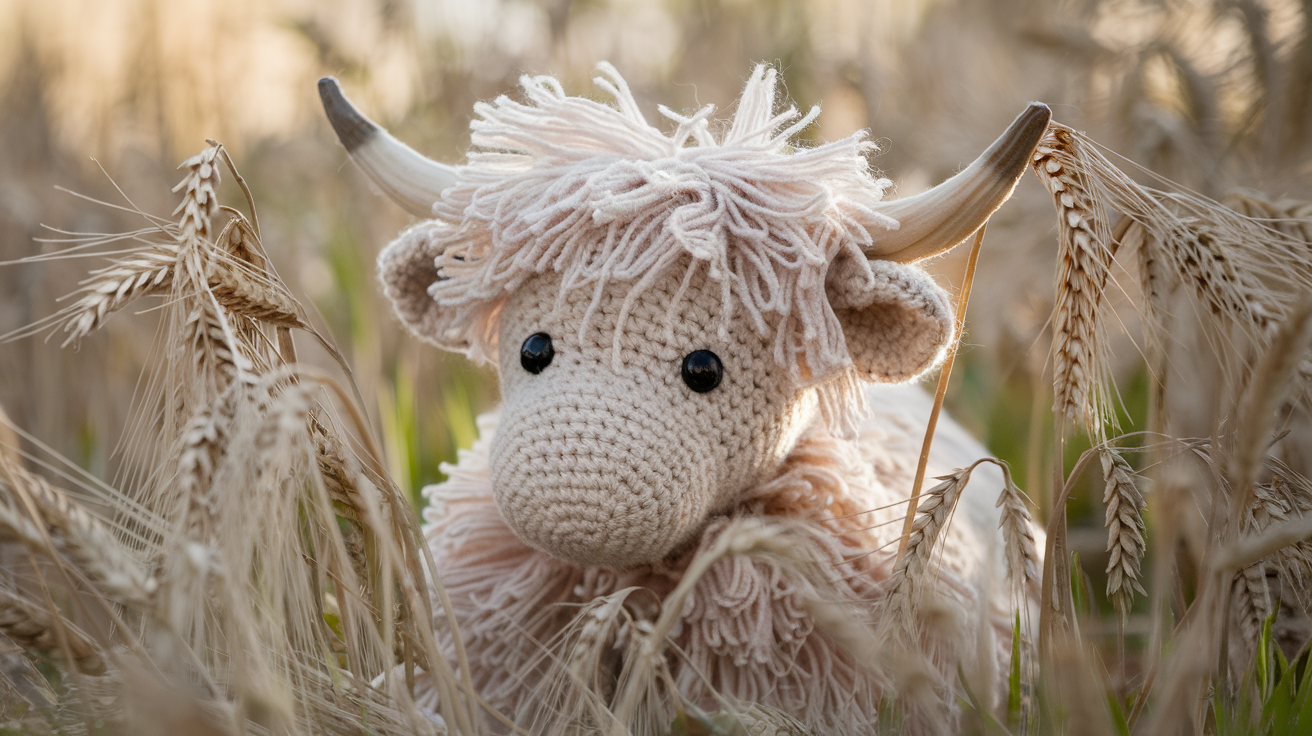
Finding the Best Crochet Patterns
Crochet patterns crafted for animal forms, particularly Highland cow amigurumi, often showcase expert shaping and intricate detailing, appealing to enthusiasts of plushie making. Seek out pattern designers who specialize in Scottish cattle crafts, as they tend to incorporate unique touches like twisted horn patterns and wooly coat amigurumi textures, elevating the finished product.
Understanding stitch notations beyond the common US and UK conventions will broaden your access to amazing crochet patterns, simplifying the interpretation of instructions from advanced amigurumi creators worldwide.
Always prioritize patterns that include clear photo assembly guides and detailed shaping instructions; these visual aids are indispensable for creating lifelike cows and are often found within detailed yarn weights and crochet hook sizes.
Photo-rich crochet animal patterns that teach customizable accessories, securing horns, and assembling plush toy pattern details with precision are highly recommended for a rewarding crafting inspiration.
Mastering Plushie Making Basics
Stuffed animal patterns, such as those for Highland cow amigurumi, necessitate a firm grasp of foundational techniques for even distribution of stuffing plush toys and achieving seamless basic sewing assembly. Successful plushie making begins with carefully turning pieces right-side out to create neat seams, ensuring your Scottish cattle plushies possess well-defined, fluffy shapes and are safe play plushies.
For optimal structural integrity and to achieve the best results, vary stuffing densities; use firmer filling in limbs and softer stuffing in large plush cows or the main body sections. Seamless joins—accomplished using a yarn needle and matching yarn—are essential for invisible attachments, particularly when stitching horns or securing ears to a fluffy Highland cow, and are a hallmark of professional amigurumi.
Reliable amigurumi tutorial resources, available as both written tutorials and video tutorials, cater to diverse learning styles and significantly enhance the finish of every DIY plush toy and collectible plush toy within your amigurumi collection.
Key Takeaways for Crafting Highland Cow Amigurumi
- Seek patterns from designers specializing in Scottish cattle crafts for unique details like twisted horns and wooly coat textures.
- Understanding various stitch notations beyond US and UK conventions is crucial for accessing advanced global amigurumi patterns.
- Achieving well-defined shapes in plushies requires careful turning of pieces, even stuffing distribution, and seamless joins using a yarn needle.
- Clear photo assembly guides and detailed shaping instructions are indispensable for creating lifelike amigurumi, especially when securing elements like horns and ears.
Creating Scottish Cattle Crafts
Scottish cattle crafts offer a rich tapestry of creative possibilities, extending well beyond the classic Highland cow amigurumi crochet patterns. Crafters are encouraged to explore alternative mediums such as needle felting or simple sewn plush shapes to represent these iconic animals.
Needle felting, for instance, allows artists to sculpt incredibly lifelike shaggy manes and intricately twisted horn yarn details.
This is achieved by skillfully layering colored wool, employing multi-needle tools for added fluff, and shaping the horns separately before securely attaching them using basic sewing assembly or a robust fabric glue.
Simple sewn plush shapes, typically crafted from felt or fleece, present an accessible beginner crochet alternative. These projects can feature fringed fabric expertly cut to mimic fluffy coats, and felt horns that attach with ease to small plush cows.
Stuffed animal patterns, in general, can be adapted in scale. Whether you aim for miniature Highland cows or generously sized pillow plushies, these adaptable patterns promise quick, satisfying results and foster confidence in every DIY plush toy enthusiast.
By embracing these beginner-friendly practices and integrating elements like curly forelock patterns and straightforward sewing techniques, creating charming and display-worthy Scottish cattle plushies becomes an achievable delight.
Crafting Wooly Coat Amigurumi
The world of Highland cow amigurumi truly shines when focusing on textured stitches that beautifully showcase their famously fluffy coats, leading to unique plushie making experiences suitable for all skill levels.
Crochet patterns frequently utilize the bobble stitch or the loop stitch to authentically replicate the breed’s iconic wooly mane.
Achieving the desired density and plushness often involves a combination of worsted or chunky weight yarn and a small crochet hook. These specific stitch patterns, when placed strategically along the cow’s back and forehead, naturally create a wonderfully tousled fleece effect.
Following an amigurumi tutorial, a crafter can employ the magic ring technique and single crochet stitches for seamless body shaping. Subsequently, adding carefully selected horn yarn and other embellishments will bring a lifelike quality to the Scottish cattle plushie.
Stuffed animal patterns also offer ample room for personalization.
Consider adding charming flower embellishments, intricate embroidered hooves, or playful pompom tails.
This flexibility allows crafters to easily transition between creating mini Highland cows and larger pillow plushies, depending on their individual creative challenges and desired outcomes. This versatile approach invariably results in plush toy patterns possessing irresistible fuzzy hair effects, yielding collectible plush toys that are perfect for both display and delightful cuddling.
| Crafting Mediums | Techniques for Texture | Customization Options |
|---|---|---|
| Needle Felting, Simple Sewn Plush Shapes, Crochet Amigurumi | Bobble stitch, Loop stitch, Layering colored wool | Fringed fabric, Felt horns, Flower embellishments, Embroidered hooves, Pompom tails |
| Versatile for various plush sizes | Skillful layering for lifelike manes and horns | Adaptable stuffed animal patterns for different scales |
Beginning Beginner Crochet Projects
Highland cow amigurumi projects introduce beginners to the delightful world of plushie making, perfect for capturing the charm of Scottish cattle crafts. Crochet patterns employing the intarsia method simplify colorwork, enabling the creation of distinctive patches of color for realistic markings without complex yarn management.
Practicing with swatch samples helps maintain consistent tension, a vital skill for achieving uniform stitch sizes and a polished finish in your yarn sculpting.
Minimal shaping patterns, such as simple flat circles or basic cow bodies, are excellent for building confidence as you master foundational stitches like single crochet and half double crochet.
Starting with a free pattern that highlights straightforward color changes, secure weaving of yarn ends, and basic sewing assembly will ensure your first DIY plush toys are delightful and stress-free creations. This approach supports different learning styles, offering both written tutorials and video tutorials for guidance.
Understanding Advanced Amigurumi Techniques
Advanced amigurumi designs elevate stuffed animal patterns by introducing sophisticated shaping techniques beyond basic increase and decrease.
Mastering variations of the magic ring technique creates tighter, gap-free bases essential for premium plushies. Enthusiasts also employ front and back post stitches, adding subtle texture to simulate the realistic fur of a fluffy Highland cow or to create intricate detail designs on horns and forelocks.
Jointed elements, such as poseable legs and tails, are crafted using durable yarn or safety joints, granting your stuffed animal patterns increased movement and lifelike features.
To add realism, securely encase weighted pellets in fabric pouches before stuffing plush toys, preventing leaks and enhancing their substantial feel.
These more complex techniques are often detailed in comprehensive crochet tutorials and paid patterns, distinguishing your wooly coat amigurumi within an amigurumi collection.
Key Takeaways for Amigurumi Crocheters
- Beginners can start with Highland cow amigurumi using intarsia crochet patterns for simplified colorwork.
- Consistent tension is crucial for achieving uniform stitch sizes and a polished finish in amigurumi projects.
- Advanced techniques include mastering the magic ring for gap-free bases and using post stitches for texture.
- Jointed elements and weighted pellets can be incorporated into amigurumi for increased movement and a more substantial feel.
Assembling Your DIY Plush Toys
Bringing your Highland cow amigurumi to life relies on thoughtful plushie assembly and careful feature placement. Consider the art of assembly, focusing on the precise placement of safety eye installation and embroidered features like noses for character expression.
For added charm, embroidered features—like the nose—are stitched with matching or contrasting yarn, using a fine yarn needle skills for clean details and character, enhancing its appeal as a plush toy pattern.
Attaching Limbs and Internal Support
When attaching limbs, each piece is neatly aligned and sewn into the body using basic sewing assembly and ladder stitches for a polished finish.
Stuffing plush toys with small amounts of filler and shaping as you go maintains the plushie’s structure. For toys intended for more handling, learn about adding internal support or armature for durability and posability.
Secure limbs and use even stitches to ensure your DIY plush toy stands up to frequent cuddling or display as a collectible Scottish cattle crafts creation.
Adding Expressive Details
The secure installation of safety eyes; test positions while lightly stuffing the head, ensuring they’re symmetrical and reflect your chosen expression. Consider the curly forelock patterns and twisted horn patterns to achieve a lifelike cow.
Many patterns include photo assembly guides and techniques for shaping plush features and securing horns, along with tips for fluffing hair to create fuzzy hair effects for a more realistic look.
Key Aspects of Plush Toy Assembly
- Precise placement of safety eyes and embroidered features is crucial for character expression.
- Ladder stitches are recommended for neatly attaching limbs to the body for a polished finish.
- Internal support or armatures can be added for durability and posability, especially for toys intended for frequent handling.
- Utilizing photo assembly guides and techniques for shaping plush features, securing horns, and fluffing hair contributes to a more realistic and appealing final product.
How To Use Printable Cross Stitch Sheets For Clothing Embellishment
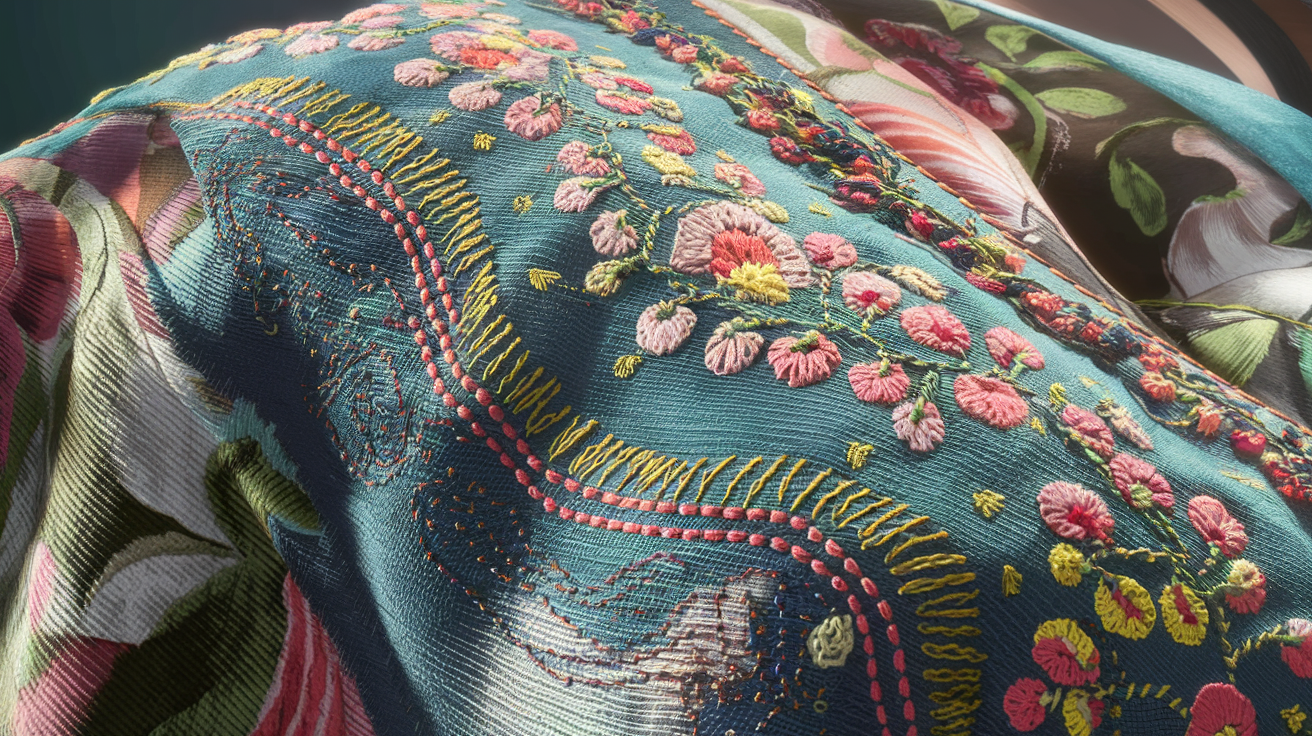
Printable cross stitch sheets offer a contemporary and approachable method for adding bespoke embroidery to any clothing item, transforming it into unique wearable art. This textile embellishment technique allows crafters to print custom embroidery designs directly onto special stitchable sheets, which can then be applied to garments like shirts, denim jackets, tote bags, and more, imbuing them with a personalized, hand-stitched aesthetic.
Embroidery on clothing has never been easier.
Start by printing your selected cross stitch patterns onto either a water-soluble stabilizer or a waste canvas sheet, then carefully trim the sheet while maintaining a small border around the design for simplified placement.
Secure the printed sheet onto your garment, ensuring it lies flat and is correctly aligned, particularly on fabrics with stretch. Thread your needle with vibrant DMC embroidery floss and proceed to stitch through both the sheet and the underlying fabric, meticulously following the printed guide.
Once your decorative stitches are complete, either immerse the garment in warm water to dissolve the soluble sheet or gently pull away the threads of the waste canvas. This DIY fashion approach breathes new life into plain or older garments, making each piece distinctive, and introducing a method that is accessible to both novices and experienced crafters.
It seamlessly sets the stage for selecting your perfect patterns.
Choosing Your Perfect Cross Stitch Patterns
Selecting the right cross stitch patterns when embarking on embroidery on clothing significantly enhances your project, especially when considering your skill level and the garment’s material.
For those new to needlecrafts, initiating with patterns featuring lower stitch counts, such as larger and more prominent designs, proves beneficial as they demand less intricate counting and simplify the pattern transfer process.
Printable cross stitch sheets are exceptionally well-suited for simpler motifs that effectively highlight the richness of your chosen thread colors. Curate a compatible DMC embroidery floss palette, or venture into using metallic and variegated threads to achieve truly creative embellishments.
Numerous online platforms provide a wealth of free resources for printable craft supplies and downloadable patterns, many of which are perfectly formatted for direct application with stitch guides for fabric. By selecting appropriate cross stitch patterns, the task of customizing garments with distinctive, decorative stitches becomes both an enjoyable and inspiring endeavor.
This approach allows for effortless fashion customization and adds unique flair to your personalized apparel.
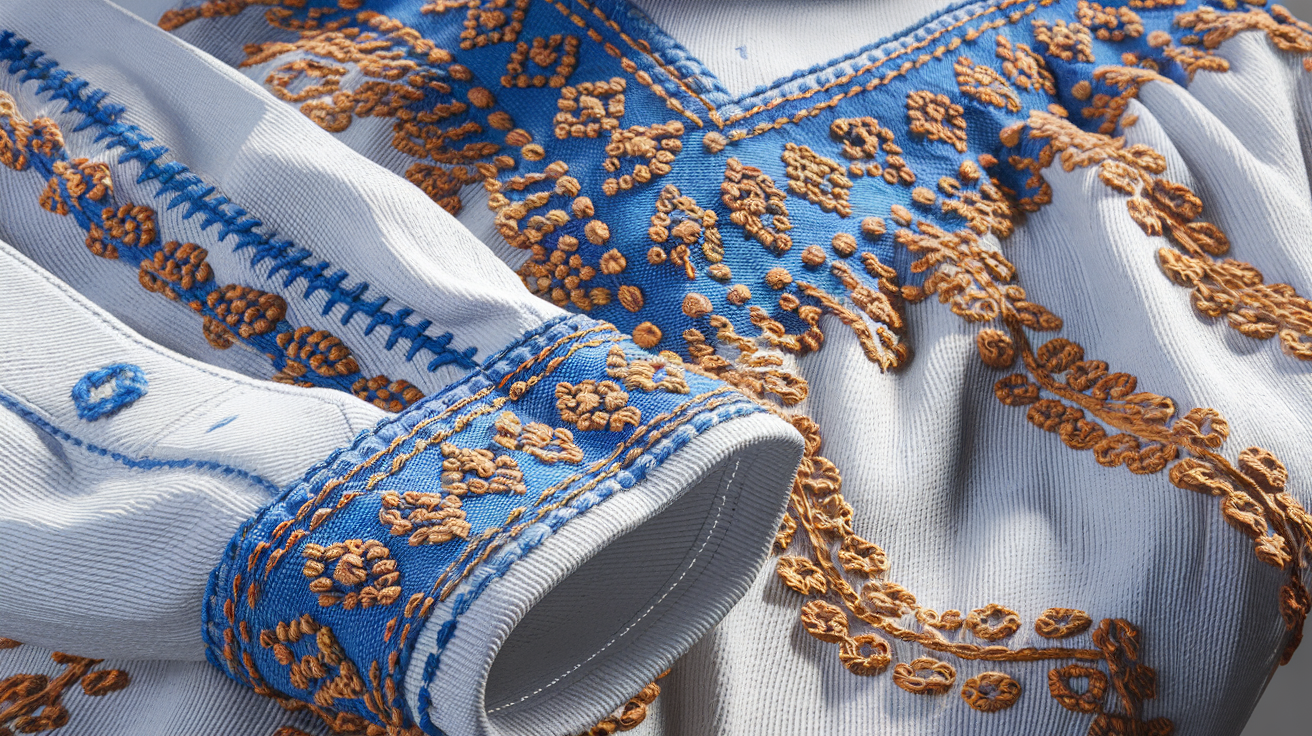
Printing Your Stitchable Sheets for Fabric
Printable cross stitch sheets provide an accessible method for textile embellishment, uniquely bridging digital design with needlecraft. Fabric printing quality relies on printer settings; select Best or High for optimal ink saturation, ensuring your cross stitch patterns are clear for precise stitch guides for fabric.
When preparing stitchable sheets like watersoluble stabilizer or waste canvas, confirm compatibility with your fabric type for successful DIY fashion.
Experiment with different paper weights for the best handling and crisp results, preserving your crafting supplies and ensuring your printable craft supplies perform well on any fabric art projects.
Custom embroidery on garments is simplified with these printable sheets, reducing traditional pattern transfer complexities.
These stitchable sheets adhere to most fabrics, from shirts and denim to linen and canvas, making them versatile for various apparel customization techniques. For the best outcomes, especially on textured or stretchy materials, choose patterns with clean lines and simpler motifs.
Hundreds of free cross stitch patterns are available online to personalize your projects, transforming plain or older clothes into unique pieces. The dissolvable nature of many printable sheets means no residue remains after rinsing, offering a clean, professional finish.
Embellishing clothes with embroidery helps reduce textile waste by refreshing worn or plain garments, promoting a more sustainable approach to personalization.
Adhering Sheets for Accurate Pattern Transfer
Achieving accurate pattern transfer hinges on proper adhesion, preventing shifts during your embroidery on clothing.
Secure stitchable sheets using clear tape or a light fabric spray adhesive; always test adhesives on a fabric scrap first to avoid residue or color transfer.
This step is key for successful custom textile printing and ensures your needlecraft results are clean.
Embroidery techniques demand a smooth surface; stretch your garment carefully before applying the sheet. This preparation ensures wrinkle-free application, vital for consistent pattern placement on your personalized apparel.
For stretch fabrics, avoid stretching the material while stitching to prevent puckering, maintaining the integrity of your custom clothing. A sharp embroidery needle and strong, colorfast thread, such as DMC embroidery floss, ensure durability through wash and wear.
Mixing thread colors can create shading for eye-catching designs, enhancing your wearable art.
Always test the removal of the printable sheet on a fabric scrap to check for colorfastness and sheet residue before beginning your main project.
When stitching is finished, remove the sheet—soluble sheets dissolve in warm water, while waste canvas threads can be removed individually.
Allow the garment to dry fully, then iron if needed to set the stitches. Use this technique to patch worn areas or cover stains creatively, offering a stylish way to upgrade any wardrobe.
This method is accessible for beginners and seasoned crafters alike, perfect for creating fabric patches or adding decorative stitches. Explore craft inspiration for sewing embellishment techniques to create unique clothing accessories or personalized gifts.
- Printable cross stitch sheets offer a method for textile embellishment by bridging digital design with needlecraft.
- These stitchable sheets adhere to various fabrics, including shirts, denim, linen, and canvas, making them versatile for apparel customization.
- Soluble sheets dissolve in warm water, leaving no residue, while waste canvas threads can be removed individually for a clean finish.
- Using printable sheets for custom embroidery simplifies traditional pattern transfer complexities and promotes sustainable practices by refreshing garments.
Mastering Your Embroidery on Clothing
Embroidery on clothing transforms everyday items into unique wearable art, building on established textile embellishment principles. Printable cross stitch sheets offer a modern, beginner-friendly method for applying intricate designs to garments.
These sheets allow crafters to print any cross stitch pattern, simplify pattern transfer onto various materials like shirts, jackets, and jeans, and then stitch directly onto the fabric for a distinct, hand-stitched appearance.
Selecting the right needle for your specific garment material ensures precise stitch entry and helps prevent frustrating fabric snags, contributing to a polished finish.
The key to smooth lines and professional results lies in maintaining even, gentle tension with your DMC embroidery floss, a core aspect of effective needlecraft.
Finishing your embroidery cleanly on the inside of the garment enhances its longevity and professional look. For a neat finish, trim excess threads close to the stitch line.
On delicate fabrics, consider adding a light fusible interfacing to the inside for added support. A practical tip for achieving the best results is to pre-wash garments before embroidering; this accounts for any potential shrinkage, guaranteeing your design remains crisp and perfectly positioned throughout the life of the garment.
Craft inspiration for apparel upgrades and creative crafting is abundant with this technique.
Design Transfer and Stitching Basics
Stitchable sheets simplify the process of applying your chosen cross stitch patterns.
Print your desired designs onto these specialized sheets, trim them to size with a margin around the design for easier placement, and then adhere or pin them onto the garment where you wish the embroidery to appear.
Stitch through both the sheet and fabric, using the printed pattern as your clear guide for accurate placement and design execution. Experiment with embroidery floss colors for striking or subtle effects that match your garment and personal style.
For stretchy fabrics, like those found in T-shirts, avoid stretching the material excessively while stitching to prevent unwanted puckering, ensuring smooth execution of your decorative stitches.
Post-Stitching Care and Refinement
After completing your stitch artistry, the correct removal of the stabilizer is essential for a flawless final appearance. Water-soluble stabilizer is typically the easiest for beginners; simply rinse your finished embroidery under lukewarm water until the entire sheet dissolves, leaving behind crisp, residue-free stitches.
Should you use waste canvas, gently snip and extract each grid thread with sharp embroidery scissors or tweezers, exercising care to avoid disturbing your carefully placed stitches.
This intricate pattern transfer step is crucial for embellishing garments with neat contours and preventing stray fibers from marring the interior of your work, contributing to a polished outcome for your DIY fashion projects.
Expert tip: Always test the removal method for your chosen stabilizer on a small fabric scrap before committing to your main project.
This proactive step helps ensure the fabric’s colorfastness and that no unwanted residue remains after rinsing, guaranteeing pristine results for every textile art project.
Removing Stabilizer after Stitching
Achieving a polished finish on your embroidered garments relies heavily on the correct removal of stabilizing materials.
Understanding the various types of stabilizer and their specific removal methods is key to preserving your stitch artistry and ensuring a clean, professional outcome for your personalized apparel.
Water-soluble stabilizers are generally the most user-friendly, dissolving easily in water without leaving any residue behind. Simply rinse your finished embroidery under cool or lukewarm water until the stabilizer completely disappears, leaving your stitches crisp and clear.
This method is a favorite for its simplicity and effectiveness in fabric customization.
For tear-away stabilizer, a more hands-on approach is required. Carefully snip away the excess stabilizer around your design using sharp embroidery scissors.
Taking your time to avoid snagging or cutting the stitches is paramount.
A useful tip for this process is to utilize fine-tipped tweezers for the precise removal of any small stabilizer pieces, ensuring no part of the stabilizer remains to detract from your wearable art.
Expert tip: Use tweezers for the precise removal of small stabilizer pieces, particularly around intricate stitch details.
This attention to detail prevents snagging stitches and ensures a clean edge for your embroidery, contributing to the overall quality of your custom clothing.
By carefully managing stabilizer removal, you create clean, durable results for every DIY apparel project, enhancing your craft inspiration and overall garment personalization.
| Embroidery Technique | Key Benefit | Recommended Material |
|---|---|---|
| Printable cross stitch sheets | Simplifies pattern transfer and provides a hand-stitched look | Embroidery floss |
| Stabilizer removal (water-soluble) | Ensures crisp, residue-free stitches for a polished finish | Water-soluble stabilizer |
| Stabilizer removal (tear-away) | Requires careful snipping for clean edges and stitch preservation | Tear-away stabilizer, fine-tipped tweezers |
| Pre-washing garments | Prevents shrinkage and ensures design integrity | Various garment materials (shirts, jackets, jeans) |
Caring for Your Embellished Garments
Maintaining your creations preserves their beauty, and following specific care instructions for threads and fabrics is essential for lasting appeal. Hand washing is often recommended for heavily embellished items, utilizing cool or lukewarm water with a mild detergent to protect the delicate needlework and fabric.
Avoid harsh detergents and high heat when drying; instead, air dry flat to preserve the garment’s shape and the integrity of the stitches.
Always iron embroidered items on the reverse side, using a pressing cloth to prevent direct heat from damaging the threads.
This mindful approach ensures your textile embellishment remains vibrant, extending the life of your DIY fashion pieces and keeping your custom clothing looking its best.
Creative Embroidery Techniques for Apparel
Expand upon basic stitching with advanced methods to create striking visual effects and tactile richness on your apparel. Explore techniques like satin stitch, French knots, and couching for added dimension and depth in your designs.
Learning to combine different stitches within a single design can result in a richer, more complex look, elevating your wearable art. Consider using metallic or variegated threads for unique accents that catch the light and add a special flair to your personalized apparel.
These methods, alongside using materials like waste canvas or watersoluble stabilizer, allow crafters to achieve intricate motifs on virtually any fabric, transforming ordinary clothing into unique expressions of stitch artistry and personal style.
Key Takeaways for Textile Embellishment
- Hand washing with cool or lukewarm water and mild detergent is recommended for heavily embellished items to protect delicate needlework.
- Air drying flat is advised to maintain the garment’s shape and the integrity of the stitches, avoiding harsh detergents and high heat.
- Ironing embroidered items on the reverse side with a pressing cloth prevents direct heat damage to threads.
- Advanced techniques like satin stitch, French knots, and couching can add dimension and depth to apparel designs.
Transforming Apparel with Textile Embellishment
Personalizing Style with Textile Embellishment
Unleashing creative energy through textile embellishment allows every maker to transform ordinary garments into personalized apparel that truly reflects individual taste. Mastering techniques with embroidery on clothing gives you the freedom to choose design placement and scale for undeniable impact—consider sketching custom embroidery concepts directly on your garment to visualize before you begin.
By employing printable cross stitch sheets and experimenting with strategic pattern transfer, your DIY fashion project becomes wearable art.
Try bold placement across pockets or subtle motifs near cuffs, ensuring that every stitch aligns with your vision for personalized style and stand-out, creative embellishments.
Printable cross stitch sheets offer a modern, beginner-friendly way to embellish clothing with custom embroidery.
These water-soluble or waste canvas sheets let crafters print any cross stitch pattern, attach it to shirts, jackets, jeans, tote bags, and more, and stitch directly onto the garment for a creative, hand-stitched look. Print chosen cross stitch patterns onto special printable sheets designed for use with fabric.
Trim the printed sheet to size, leaving a margin around the design for easier placement. Adhere or pin the sheet onto the garment where you want the design.
Stitch through both the sheet and fabric, following the printed pattern as a guide.
Select embroidery floss colors that suit your garment and design for striking or subtle effects.
For stretch fabrics (like T-shirts), avoid stretching the material while stitching to prevent puckering.
When embroidery is finished, remove the sheet—soluble sheets dissolve in warm water, while waste canvas threads can be removed individually. Allow the garment to dry fully, then iron if needed to set the stitches.
Utilize this technique to patch worn areas or cover stains creatively. Refresh plain or older clothes, making each piece unique, and the method is accessible for beginners and seasoned crafters alike.
Printable cross stitch sheets eliminate the need for complex pattern marking, speeding up DIY embroidery projects.
Cross stitch patterns downloaded online offer a wealth of inspiration for your next project, empowering you to truly personalize your style.
These printable sheets adhere to most fabrics, working seamlessly with shirts, denim, linen, canvas, and even knitwear.
Choosing patterns with clean lines and simple motifs yields the best results, especially on textured or stretchy garments.
The dissolvable nature of many printable sheets means no residue is left behind after rinsing, creating a clean, professional finish. Embellishing clothes with embroidery helps reduce textile waste by refreshing worn or plain garments, contributing to a more sustainable wardrobe.
A sharp embroidery needle and strong, colorfast thread like DMC embroidery floss ensure durability through wash and wear.
Mix thread colors to achieve shading and eye-catching designs, elevating your apparel upgrades. Always test the removal of the printable sheet on a fabric scrap to check for colorfastness and sheet residue before starting your main project.
Personalized embroidery with printable sheets provides an eco-friendly, stylish way to upgrade any wardrobe, showcasing your unique craft inspiration and stitch artistry.
Personalized embroidery with printable sheets provides an eco-friendly, stylish way to upgrade any wardrobe.
Experimenting with textile crafts leads to incredibly unique wearables, transforming everyday items into wearable art.
Consider using waste canvas for a different tactile experience, offering a stable foundation for intricate designs on various fabrics.
This method of fashion customization allows for the creation of distinctive fabric patches or detailed embellishments that add personality to any garment. Explore different embroidery techniques to achieve varied textures and visual effects, turning simple sewing into a form of fabric art projects.
The application of watersoluble stabilizer provides a temporary guide for stitches, disappearing cleanly when rinsed, which is perfect for delicate fabrics or complex designs.
This allows for precise pattern transfer and meticulous stitching, resulting in highly detailed custom
- Printable cross stitch sheets are a beginner-friendly method for embellishing clothing with custom embroidery, allowing crafters to print and stitch directly onto garments.
- These sheets, often water-soluble or waste canvas, adhere to various fabrics like shirts, jackets, jeans, and tote bags, enabling a hand-stitched look.
- Embellishing clothes with embroidery using these techniques helps reduce textile waste by refreshing worn or plain garments, contributing to a more sustainable wardrobe.
- Using sharp needles and colorfast threads like DMC embroidery floss ensures the durability of the personalized embroidery through washing and wear.
Layered Embroidery On Watercolor Fabric Project
Mixed media creativity blooms where watercolor painting meets delicate stitching, inviting artists and DIY crafts lovers into a world of unique texture and color. By blending watercolor washes with tactile, hand embroidery techniques, even simple cotton muslin or linen fabric can become a stunning fiber art masterpiece bursting with artistic depth and visual dimension.
This dynamic art form transforms backgrounds into dreamy landscapes with every French knot or satin stitch, while embroidery floss anchors painterly effects in tangible narrative.
Embrace the spontaneous chaos of color and the tactile precision of embroidery—your next fabric art adventure starts here, setting the stage for Preparing Your Watercolor Fabric Base.
Preparing Your Watercolor Fabric Base
Textile art begins with selecting the right canvas for your vision.
Cotton muslin or linen fabric offers an ideal surface for creating vibrant watercolor backgrounds, forming the foundation of your next project. Pre-wash fabric to remove any fabric sizing, which improves watercolor absorption.
Then, iron fabric to ensure a smooth working surface before you begin painting. Choose pigment-rich watercolors, ideally artist-grade watercolors formulated for fabric art, and experiment with washes to craft painterly effects using harmonious colors.
Allow the painted fabric to dry fully; this step is essential for preventing color bleeding during your needlework.
When planning your embroidery patterns, a waterproof pen or water-soluble marker aids in accurate transfer.
Using a lightbox or even a sunny window ensures precise fabric transfer for your design. This thoughtful preparation supports truly professional and inspiring mixed media results, enhancing the artistic depth and visual dimension of your work.
Harmonizing Thread Colors for Impact
Watercolor fabric backgrounds invite textile artists to thoughtfully select embroidery floss, ensuring each color choice enhances the underlying painterly effects of the mixed media surface. Textile art, like watercolor painting, relies on thoughtful color application.
Hand stitching layered over washes adds a unique dimension to mixed media creations on fabric art mediums.
Needlework, specifically thread painting, can mimic the nuances of watercolor painting.
Art quilting and DIY crafts often feature such blended techniques. For this process, cotton muslin or linen fabric is ideal, with watercolor washes applied to create soft, ethereal backgrounds.
The goal is to achieve delicate stitching that complements the painterly effects, creating a true tactile art piece.
- Thread weights play a significant role—blending single- and multi-stranded floss increases texture and dimension in layered embroidery while allowing stitched areas to stand out or recede according to your fabric art vision. Consider these variations for your embroidery patterns.
- Color theory principles, such as choosing harmonious analogous threads or dynamic complementary color pairs, intensify impact and narrative, particularly when embroidery floss is placed purposefully against vibrant watercolor washes. Harmonious colors are key to a cohesive design.
- Test combinations on painted fabric swatches, using a lightbox to preview how hues interact and visualizing adjustments before stitching ensures optimal balance and creative precision for your needlework project. This is part of the creative process.
Crafting inspiration comes from observing how complementary colors interact when applied to fabric mediums.
Transitioning from impactful color harmonies, the next stage focuses on refining delicate stitching methods to bring even greater detail and artistic depth to your embroidery projects.
Textile design often benefits from this layering. Artistic expression is amplified through careful stitch selection. Home decor items can be elevated with these techniques. Fabric embellishment is a broad category encompassing these methods.
Mastering Delicate Stitch Styles
Embroidery techniques such as French knots, satin stitch, and backstitch allow needlework artists to layer intricate texture over subtle watercolor painting, transforming hand stitching into captivating tactile art. Embroidery patterns become more pronounced with these stitches. Embroidery floss in various colors adds further dimension. Stitch styles are the building blocks of detailed needlework. Mastering French knots, satin stitch, and backstitch is essential for creating nuanced textile art. These are fundamental embroidery techniques for adding artistic depth and visual dimension to any piece. When working with watercolor painting on fabric, these stitches bring a tangible quality to the ephemeral washes, enhancing the narrative of the artwork. The tactile precision of each stitch contributes to the overall richness, contrasting with the spontaneous chaos of watercolor application.
- French knots add dimension and interest by creating raised dots—a perfect way to mimic seeds or decorative elements in textile art and bring focal points to life. These provide significant texture.
- Satin stitch achieves smooth, richly colored coverage for filling shapes and contrasting beautifully with the painterly effects of watercolor washes, adding great visual dimension.
- Backstitch is essential for outlining motifs or adding linear definition, guiding the viewer’s eye through your watercolor fabric art and enhancing the narrative.
- Practice stitches on scrap fabric first to refine consistency and thread tension, ensuring your final embroidery patterns achieve both structural strength and graceful, artistic flow. This ensures tactile precision.
Fiber art thrives on the interplay between the painted surface and the stitched detail. When preparing your materials, consider using a waterproof pen or a water-soluble marker with a lightbox to transfer your design accurately onto the fabric. An embroidery hoop is indispensable for maintaining tautness, which is key for achieving clean stitch results and ensuring colorfastness after heatsetting. Remember to prewash fabric and iron fabric to create a smooth working surface before beginning your painting and stitching journey, ensuring the best outcome for your embroidery projects and fabric embellishment.
Each of these stitch styles—practiced and integrated—expands the expressive vocabulary of your layered embroidery on watercolor fabric, transforming painterly surfaces into dynamic, dimensional fiber art. The thoughtful application of thread weights and various stitch styles can create truly intricate effects, making your mixed media embroidery a standout piece of fabric art. Ultimately, this approach elevates everyday materials into unique expressions of artistic depth, perfect for a variety of applications from DIY crafts to sophisticated textile design.
- Blending single- and multi-stranded embroidery floss can increase texture and dimension in layered embroidery.
- Utilizing color theory principles, such as harmonious analogous threads or complementary color pairs, can intensify the impact of embroidery floss placed against watercolor washes.
- Practicing stitches like French knots, satin stitch, and backstitch is essential for creating nuanced textile art and adding artistic depth and visual dimension.
- Using a lightbox to test thread color combinations on painted fabric swatches allows for previewing hue interactions and making adjustments before stitching.
Creating Painterly Effects with Embroidery
Watercolor fabric art demonstrates artistic expression by merging luminous washes with hand embroidery techniques that cleverly mimic brushstrokes. Creating these celebrated painterly effects involves first prepping cotton muslin or linen fabric.
Next, apply layered watercolor washes, allowing them to dry completely to prevent unwanted color bleeding before proceeding with stitches.
Transferring embroidery patterns using a waterproof pen or watersoluble marker ensures crisp outlines atop the soft, painted backgrounds.
Select embroidery floss in harmonious or complementary tones, then experiment with satin stitch, backstitch, or French knots to build subtle gradients and tactile texture. Layering these methods yields vibrant, expressive textile art that beautifully bridges painting and needlework.
Pursue these approaches before moving into techniques for achieving artistic depth.
Layering for Artistic Depth
Layered embroidery on watercolor fabric transforms plain surfaces into dimensional, tactile masterpieces by combining mixed media techniques with thoughtful composition. After creating dreamy watercolor washes on cotton muslin or linen fabric, transfer your chosen motif with a watersoluble marker.
Utilize an embroidery hoop to maintain a smooth working area.
As needlework progresses, strategically stack satin stitch, thread painting, and even metallic threads to heighten visual dimension and create intricate effects.
Incorporate additional materials—like beads or fabric scraps—to enrich the texture and narrative of the work. This approach to textile painting ensures every embroidery project possesses significant depth, guiding the viewer’s eye and amplifying artistic impact for striking results in fiber art.
Key Techniques for Painterly Embroidery
- Watercolor fabric art combines luminous washes with hand embroidery techniques that mimic brushstrokes.
- Cotton muslin or linen fabric are suitable bases for watercolor washes, which should be allowed to dry completely to prevent color bleeding.
- Waterproof pens or watersoluble markers are used to transfer embroidery patterns onto the painted fabric.
- Embroidery floss in harmonious or complementary tones is used with stitches like satin stitch, backstitch, or French knots to build gradients and texture.
Choosing Embroidery Patterns Wisely
Textile art offers rich avenues for creativity, enabling you to find suitable patterns, adapt existing designs, or create unique motifs that perfectly harmonize with your painted backgrounds. Mixed media artists find success with embroidery patterns featuring clear lines, accentuating both the soft watercolor washes and the delicate stitching effects.
Fabric art often begins with sketching directly onto the painted surface using a waterproof pen or watersoluble marker, ensuring the motif remains visible throughout your process.
It’s beneficial to adapt embroidery patterns, balancing their complexity with the background’s harmony, preventing stitches from overwhelming softer painted areas.
For further inspiration, consider motifs inspired by nature, abstract linework, or experiment with thread painting for a distinctly personalized touch. Transferring your selected design using a lightbox prepares your piece for the next exciting stage: weaving in mixed media needlework possibilities.
What are Mixed Media Techniques
Mixed media in textile art opens up new creative possibilities by artfully combining watercolor painting with hand stitching, forging vibrant layers of color, texture, and narrative within each creation.
Needlework projects gain significant richness when materials like cotton muslin or linen fabric are united with pigment-rich watercolor washes and a variety of stitch styles, such as the classic French knots or the smooth satin stitch. Textile art flourishes when exploring methods like painting both before and after stitching, which allows for intricate effects and unique, painterly finishes.
Proper use of an embroidery hoop stabilizes your fabric, supporting consistent, controlled stitches.
Essential for successful mixed media outcomes is deliberate layering—balancing thread weights and color contrasts for cohesive visual results, embracing experimentation throughout your creative process to achieve harmonious artistic expression and complex visual dimension.
Layered Embroidery on Watercolor Fabric
Fiber art transforms plain fabric into painterly, tactile art through the unique mixed media technique of layered embroidery on watercolor fabric, blending soft watercolor washes with delicate hand stitching.
This approach is ideal for DIY crafts and artists seeking to merge painting and needlework for striking visual results, adding dimension, texture, and artistic depth to your textile works.
Embroidery floss selection impacts contrast and depth; consider texture and color theory when choosing your threads.
Artist-grade watercolors produce stronger, longer-lasting hues on textile. It is important to choose watercolor-safe fabric like cotton muslin or linen fabric.
Pre-wash fabric to remove sizing for best watercolor absorption.
After painting, iron fabric for a smooth working surface.
Waterproof embroidery transfer pens prevent design smudging. An embroidery hoop is essential for smooth stitching.
Layering techniques yield better dimension.
Embroidery Techniques and Material Insights
Embroidery patterns can be adapted to balance complexity and harmony, preventing stitches from overpowering soft backgrounds. Experiment with thread painting for a personalized touch.
Transferring your chosen design using a lightbox sets the stage for seamless integration into your embroidery projects.
Needlework supplies are varied; embroidery floss selection impacts contrast and depth.
Art quilting often benefits from these blended approaches. Textile painting opens up new avenues for fabric embellishment.
Backstitch and other stitch varieties affect the finished appearance. Pigment-rich watercolors and artist-grade watercolors create vibrant effects.
Color bleeding can be managed with proper drying times.
Heatsetting and handwashing ensure colorfastness.
Fabric sizing impacts watercolor absorption and requires pre-washing. A smooth working surface and an ironed fabric are key for neat work.
Harmonious colors and complementary colors guide your palette. Thread weights allow for intricate effects.
Embracing the creative process sparks crafting inspiration for home decor and unique textile design.
| Key Materials for Mixed Media Textile Art | Recommended Techniques |
|---|---|
| Artist-grade watercolors, Cotton muslin or Linen fabric, Embroidery floss | Layered embroidery, Thread painting, Combining watercolor washes with hand stitching |
| Waterproof pen or Watersoluble marker, Embroidery hoop | Adapting embroidery patterns, Balancing complexity with background harmony |
| Lightbox for design transfer | Experimenting with stitch styles (e. g. , French knots, satin stitch) |
Safeguarding Your Textile Artistry
Preserving Your Creations: Finishing Methods
Cotton muslin and linen fabric require thoughtful finishing techniques offering durability for your fabric art. Begin by prewashing fabric, then apply watercolor washes using pigment-rich, artist-grade watercolors for vibrant backgrounds.
After drying, transfer your embroidery patterns with a waterproof pen or watersoluble marker.
Utilize an embroidery hoop for smooth, even stitches, ensuring your delicate stitching and thread painting maintain crisp definition and artistic depth.
Essential Care for Your Masterpieces
For maintenance, handwashing your textile art in cool water, then laying it flat to dry, preserves the softness of watercolor painting and the tactile effects of intricate embroidery.
Avoid machine dryers and high heat; instead, use a pressing cloth and iron on the reverse as needed. This care ensures your fiber art retains its vibrancy and visual dimension.
Displaying Your Textile Art
Display options such as conservation framing with UV-filtering glass and acid-free backings, or storing flat in acid-free tissue, protect your needlework from light, dust, and humidity.
This ensures your art quilting, mixed media, or hand stitching pieces retain their brilliance. Consider framing to showcase your painterly effects and the unique texture of your work.
Supporting Information for Textile Art Care
- Prewashing fabric, such as cotton muslin and linen, is a crucial initial step for durability in fabric art.
- Watercolor washes using artist-grade watercolors are recommended for vibrant backgrounds on textile art.
- Handwashing in cool water and laying flat to dry are advised for preserving the quality of textile art.
- Conservation framing with UV-filtering glass and acid-free backings helps protect needlework from environmental damage.
How To Create Ball Rolling Crafts For Kids
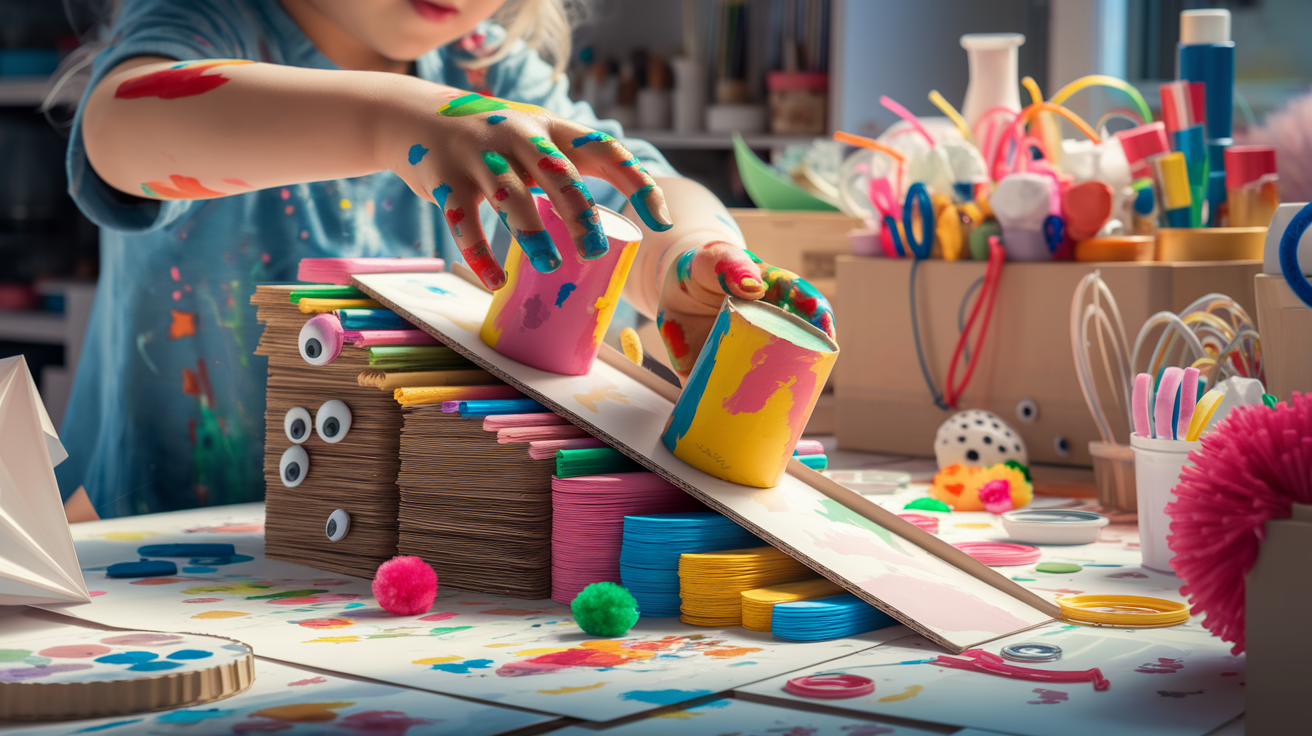
Ball rolling crafts offer a fantastic avenue for handson learning, allowing children to explore principles of motion and color through engaging projects. Heather Tekavec’s playful rhymes and factual text serve as inspiration for young creators as they construct cardboard ramps or fashion DIY juggling balls.
The physics of motion becomes an exciting subject as kids investigate gravity, friction studies, and elasticity principles while designing their own simple tracks.
STEAM education truly shines with these tactile crafts, making both classroom learning and home learning experiences both enriching and enjoyable.
Encourage your child’s capacity for early scientific inquiry through creative engagement and dynamic movementbased learning activities.
Books Concepts Ignite Ball Rolling Crafts
The principles of mechanics are introduced through playful creation with Heather Tekavec’s book, guiding children through the initial stages of understanding motion. Suharu Ogawa’s vibrant illustrations accompany the factual text, delving into the mechanics of rolling objects science.
The exploration of ball type variations, from small marbles to larger Kinball and Zorb ball, introduces concepts such as mass comparison, elasticity, aerodynamics, and drag force principles. Tactile crafts, directly inspired by the pages—including building cardboard ramps, creating abstract movement art, and assembling DIY juggling balls—seamlessly connect reading with tangible experiences.
Vocabulary games and size comparisons enhance these activities, promoting teamwork development, broad educational engagement, and exploration of various science facts.
Nurture early childhood education with engaging rolling demonstrations and dynamic movement-based learning.
Exploring Motion with Simple Tracks
Creating simple tracks provides an excellent starting point for exploring the physics of motion.
Children can use cardboard ramps and various small balls, such as marbles, to observe how different surfaces affect movement. This hands-on approach encourages prediction exercises and discussion prompts about how inclines influence speed.
You can easily integrate math integration by having children count how many times a ball rolls down a ramp or make size comparisons between different objects. This fosters an early appreciation for early physics and kinetic energy.
DIY Ball Painting and Rolling Art
Discover the fun of rolling art by dipping small balls into paint and rolling them across paper.
This activity vividly illustrates motion principles and allows for creative expression.
Children can experiment with different colors and ball types, such as wiffle balls or marbles, to see how each creates a unique pattern.
It’s a wonderful way to engage in sensory play while also learning about momentum transfer. The resulting artwork is a tangible representation of movement experiments and a testament to creative projects.
Crafting DIY Juggling Balls
Making DIY juggling balls offers a wonderful opportunity for learning about weight and balance.
Fill balloons with materials like rice or beans, then tie them securely to create tactile crafts. This process allows for mass comparison and introduces concepts related to ball control.
The weight difference between a rice filling and a bean filling can lead to lively discussions and guessing games about which will be easier to juggle.
This type of tactile learning is incredibly beneficial for young children, preparing them for more complex educational engagement.
The Ball Size and Texture Game
Gather a collection of different-sized balls, from tiny marbles to larger ones, and explore their unique characteristics.
This texture games activity encourages children to compare and discuss the feel, weight, and rolling behavior of each object. It’s a simple yet effective way to introduce early learning concepts related to physics.
Activities can include estimating which ball will roll furthest or fastest, supporting observation skills and early scientific thinking. This fosters inclusive illustrations and diverse characters if the book is used alongside.
Trajectory Challenges and Obstacle Courses
Designing simple tracks or obstacle courses provides a dynamic environment for experimenting with trajectory challenges.
Children can use various materials to create paths for rolling objects, encountering direction changes and varying speeds.
This encourages an exploration of how factors like friction studies and curvature effects influence the ball’s path.
These experimental play sessions are excellent for developing problem-solving skills and a foundational understanding of gravity and air resistance.
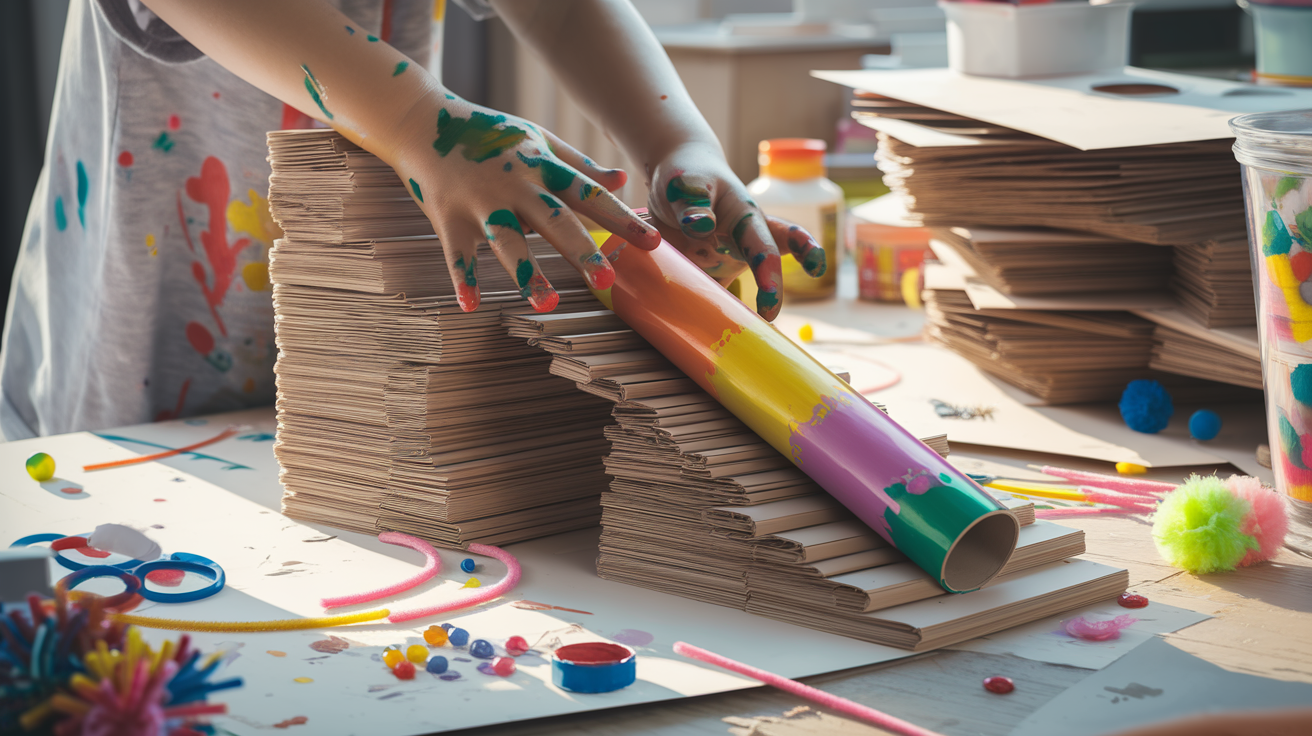
Exploring Physics of Motion with Heather Tekavec
Heather Tekavec’s creative book, This is How a Ball Rolls, vibrantly introduces young minds to the exciting world of physics of motion. Through engaging illustrations and playful rhymes, the book clarifies how a ball’s journey is influenced by forces beyond gravity alone.
Ball rolling crafts, inspired by the book’s concepts, demonstrate that friction with various surfaces and the angle of inclined planes significantly alter how each ball moves.
Material selection, for example, comparing the roll of marbles to heavy Kin-balls, directly impacts trajectory due to differences in both mass and surface texture.
Aerodynamics principles, like drag force, are clearly illustrated by Tekavec; a tennis ball experiences slowed motion and an altered path because of the push from air resistance. These interactive ideas transform simple rolls into delightful explorations, perfect for STEAM education and encouraging early scientific inquiry, offering children an exciting way to engage with science facts.
Heather Tekavec’s work also explores rolling objects science, from small marbles to large Kin-balls, making early physics accessible.
Children can explore friction studies with simple tracks and cardboard ramps, observing how different ball types and their variations affect motion principles. Introducing prediction exercises and guessing games with these motion principles enhances educational engagement.
The book’s emphasis on kinetic energy and momentum transfer provides foundational knowledge for early learning concepts.
DIY Juggling Balls for Hands-On Learning
DIY juggling balls provide an excellent opportunity for children to transition from basic rolling to developing coordination and controlled manipulation.
Creating your own juggling balls, by filling balloons with rice or bean filling, teaches practical mass comparison and demonstrates weight comparison.
These tactile crafts also significantly improve hand-eye coordination, a key component of ball control. Cognitive benefits supporting focus, patience, and problem-solving skills naturally emerge as children practice their initial juggling sequences.
Tip for beginners: Start by tossing one ball, then gradually add more for a successful and rewarding activity. With readily available materials, this early learning concept effectively bridges playful STEAM discovery with practical, movement-based learning, suitable for both classroom learning and home learning environments.
These DIY juggling balls are perfect for tactile learning and offer a direct pathway to understanding elasticity principles and how a ball feels when thrown.
Engaging in texture games and trajectory challenges, such as setting up obstacle courses, allows for observation of direction changes and speed observation.
Exploring curvature effects and friction studies with different ball type variations adds depth to the learning.
These activities also provide opportunities for vocabulary games and math integration, including counting passes during play. With inclusive illustrations and diverse characters, these preschool activities and kindergarten crafts promote teamwork development and provide engaging sensory play.
Physics of Motion and Juggling Balls
- Heather Tekavec’s book, This is How a Ball Rolls, introduces children to physics of motion concepts like friction, inclined planes, aerodynamics, and drag force through illustrations and rhymes.
- Activities inspired by the book, such as ball rolling crafts and DIY juggling balls, help children understand mass comparison, weight comparison, and the impact of material selection and surface texture on trajectory.
- DIY juggling balls enhance hand-eye coordination and develop cognitive skills such as focus, patience, and problem-solving, serving as a practical application of early learning concepts in movement-based learning.
- Exploring concepts like elasticity, curvature effects, and friction studies with different ball types, alongside trajectory challenges and obstacle courses, enriches the learning experience for young children.
Marble Play and Simple Tracks
Heather Tekavec’s engaging book invites young minds to explore the fundamental forces behind how objects move. This exploration of the physics of motion begins with the simple yet captivating world of marble play.
By observing gravity’s consistent pull on these small spheres in a controlled setup, children grasp early concepts of force and movement.
Observing how these rolling objects travel along specially designed simple tracks illuminates how elevation and curvature influence their speed.
Heather Tekavec’s playful science book unlocks the fascination behind marble play by inviting children to observe how gravity constantly pulls rolling objects downward in a safe, controlled environment. The physics of motion comes alive as marbles glide along simple tracks, letting young learners explore how track elevation and curvature effects change their path and speed.
* Heather Tekavec’s book shows that higher tracks boost speed observation as gravity’s pull increases.
* Smooth, gentle curves keep marbles moving fast, while tight turns slow them down due to friction and direction changes.
Kinball and Zorb ball activities, alongside DIY juggling balls, expand the understanding of motion principles.
The book uses playful rhymes and factual text to make early physics accessible.
This hands-on approach, with an emphasis on STEAM education, makes experimenting with surfaces a key part of the learning process.
Exploring Friction and Surfaces
Suharu Ogawa’s insights into rolling objects science highlight the importance of surface interactions during movement experiments.
Surface friction studies add another layer of discovery—try sending marbles down ramps made from cardboard, sandpaper, or smooth plastic to see which materials slow or speed up the ball. Tactile crafts like these are essential for developing an intuitive grasp of physical properties.
This hands-on early physics experiment makes simple tracks a central tool in STEAM education for curious kids, laying the groundwork for the next section on inclined planes and cardboard ramps.
It encourages prediction exercises and offers discussion prompts about how different textures affect motion.
Ball rolling crafts and movement experiments offer a playful introduction to early learning concepts.
Inclined Planes and Cardboard Ramps
Ball rolling crafts and movement experiments deepen curiosity as children shift from simple tracks to experimenting with inclined planes.
Discovering how the angle of a ramp relates directly to acceleration, kids observe that a steeper ramp angle greatly increases a ball’s speed due to gravity’s intensified pull. This exploration naturally leads into discussions about kinetic energy and momentum transfer.
Ball rolling crafts and movement experiments deepen curiosity as children shift from simple tracks to experimenting with inclined planes. Discovering how the angle of a ramp relates directly to acceleration, kids observe that a steeper ramp angle greatly increases a ball’s speed due to gravity’s intensified pull.
* Cut a sturdy strip of cardboard and raise one end with blocks or books, adjusting the incline for speedy or slow tests.
This promotes experimental play.
* Use a protractor to measure and fine-tune the ramp’s angle, connecting math integration to real-world science facts. This supports counting passes and size comparisons.
This hands-on exploration of physics for kids bridges the gap between theory and practice, making home learning and classroom learning equally effective. Children strengthen their understanding of motion principles while having fun predicting, observing, and discussing the results, fostering teamwork development and early scientific inquiry.
Building and Adjusting Ramps
Childrens book activities like building adjustable cardboard ramps are excellent for promoting hands-on learning and understanding motion principles.
Cut a sturdy strip of cardboard and raise one end with blocks or books, adjusting the incline for speedy or slow tests.
Use a protractor to measure and fine-tune the ramp’s angle, connecting math integration to real-world science facts. This process enhances predictive skills and encourages thorough observation.
Movement-based learning with inclusive illustrations from the book can further engage diverse characters.
STEAM education activities like these foster engagement with sensory play and kinetic learning.
Track how ball momentum transfer and velocity multiply as you steepen the incline, blending hands-on learning and early scientific inquiry for effective home learning or classroom learning. Kids strengthen their understanding of motion principles while having fun predicting, observing, and discussing the results.
This naturally leads into discussing elasticity principles and aerodynamics principles.
- Higher tracks boost speed observation due to gravity’s increased pull on rolling objects.
- Smooth, gentle curves allow marbles to maintain higher speeds compared to tight turns, which slow them down due to friction and direction changes.
- Steeper ramp angles on inclined planes significantly increase a ball’s speed because of gravity’s intensified pull, demonstrating acceleration.
- Measuring ramp angles with a protractor integrates math concepts with scientific observations of motion.
Movement Experiments and Trajectory Challenges
Ball rolling crafts offer a fantastic way for children to explore varied launch angles and heights, utilizing simple cardboard ramps and marbles for fascinating movement experiments. These carefully orchestrated trajectory challenges invite kids to predict and achieve specific landing zones by adjusting ramp heights and angles, effectively connecting hands-on learning with early physics concepts.
Projectile motion can be introduced in a simplified context: when a ball is launched off a ramp, its path—which we call its trajectory—is determined by its initial speed and the angle of launch.
During these exciting movement experiments, reproducibility greatly improves accuracy; marking ramp positions and precise starting points ensures consistently reliable results for prediction exercises.
For better aim when addressing your target, focus intently on the target itself and strive for a smooth, consistent release, reinforcing tactile learning and the fundamental physics of motion.
Elasticity and Friction Studies
Elasticity becomes remarkably clear when children compare how a bouncy rubber ball rebounds higher than a standard plastic ball, thanks to the stored energy released upon impact.
In engaging friction studies, contrasting smooth surfaces like polished hardwood with rough textures such as carpets vividly demonstrates how drag force effectively slows down rolling objects. DIY juggling balls, skillfully crafted by filling balloons with rice or beans, assist in teaching essential concepts of mass comparison and developing good ball control.
An especially engaging experiment involves rolling each specific type of ball across various distinct surfaces, carefully observing changes in their acceleration and distance traveled—connecting these tactile crafts directly to readily available science facts.
These integrated activities foster robust early scientific inquiry and make the core principles of motion and material properties readily accessible through creative engagement, providing significant educational engagement.
Movement and Material Properties in Action
- Children can explore projectile motion by adjusting cardboard ramp heights and angles to achieve specific landing zones for rolling balls.
- The trajectory of a launched ball is determined by its initial speed and launch angle, demonstrating fundamental physics concepts through hands-on experiments.
- Comparing the rebound height of a rubber ball versus a plastic ball illustrates the concept of elasticity and stored energy release.
- Contrasting smooth and rough surfaces reveals how drag force slows down rolling objects, providing a tangible understanding of friction.
STEAM Education Through Ball Crafts
STEAM education thrives when ball rolling crafts connect real-world physics of motion to imaginative, hands-on learning, synthesizing all previously explored concepts under a unified STEAM framework. Integrating art and technology—such as abstract painting with marbles and LEGO-built tracks—shows children how creativity and engineering work side by side, from color theory to building stable structures, highlighting how art, technology, engineering, and math interrelate in these activities.
Math integration comes alive as kids count passes, compare ball sizes, or measure how far a Zorb ball rolls across a yard.
Iterative design—testing, modifying, and improving marble ramps or DIY juggling balls—cultivates problem-solving and experimental play skills, emphasizing the value of iterative design and problem-solving.
By uniting science facts inspired by Heather Tekavec’s book with inclusive, tactile crafts and playful rhymes, these activities nurture a spirit of curiosity and lifelong learning through joyful exploration and teamwork.
Exploring Rolling Objects with Heather Tekavec
Ball rolling crafts provide a compelling entry point for exploring the physics of motion, drawing inspiration from works like Heather Tekavec’s ‘This is How a Ball Rolls’. This book introduces children to a variety of balls, delving into the science behind rolling objects through vivid illustrations, engaging rhymes, and factual text.
The narrative progresses through balls of varying sizes, from small marbles to large Kin-balls, explaining sports and scientific concepts such as elasticity, aerodynamics, and drag force, thereby encouraging hands-on learning and play. Tactile crafts, like making juggling balls filled with rice or beans, offer a tangible way to discuss mass comparison and ball control.
Comparing different ball types and sizes helps children grasp weight comparison and how texture affects rolling.
These activities, including simple tracks and obstacle courses, facilitate trajectory challenges, allowing observation of changes in direction and speed related to curvature, friction, and ball type variations.
Vocabulary games and math integration, such as counting passes and size comparisons during rolling demonstrations, enhance educational engagement. The book’s emphasis on playful rhymes and factual text makes early physics concepts accessible, covering motion principles and elasticity principles.
This approach supports early childhood education and preschool activities, extending to kindergarten crafts and elementary science, promoting movement-based learning and outdoor play ideas.
Hands-On STEAM Activities and Their Educational Value
Ball rolling crafts are excellent for early learning concepts and sensory play, exploring concepts like kinetic energy, momentum transfer, gravity, friction, and air resistance through spherical objects and rotational motion. Children can create ramps using cardboard to test how marbles roll on flat versus inclined planes, exploring early physics and movement experiments.
DIY ball painting, using wiffle balls or marbles dipped in paint and rolled across paper, creates abstract movement and artistic expression, showcasing rolling art.
Making DIY juggling balls by filling balloons with rice or beans and then decorating them offers insights into mass comparison and ball control, an example of tactile learning.
The roll the ball size and texture game involves gathering different types and sizes of balls to compare and discuss their feel, weight, and rolling behavior, reinforcing weight comparison and texture games. DIY trajectory challenges encourage building simple tracks or obstacle courses to experiment with rolling different balls, observing direction changes and speed observation influenced by curvature effects and friction studies.
Vocabulary games and math integration, such as counting passes or comparing ball sizes, enrich educational engagement. These activities extend book-inspired activities, fostering creative engagement and early scientific inquiry, providing a foundation for playful science and kinetic learning.
Classroom learning and home learning environments benefit from these activities, which include prediction exercises, guessing games, and discussion prompts, strengthening teamwork development through collaborative play.
Inclusive illustrations featuring diverse characters are a hallmark of resources supporting early childhood education, preschool activities, and kindergarten crafts, making elementary science and movement-based learning accessible.
Outdoor play ideas and creative projects are readily facilitated by these concepts, offering simple tracks for experimental play.
By engaging with these diverse ball activities, children develop a foundational understanding of scientific principles while fostering creativity, problem-solving abilities, and a lasting enthusiasm for learning.
Key Takeaways from Ball Rolling Crafts
- Ball rolling crafts integrate art and technology, demonstrating how creativity and engineering interrelate through activities like abstract painting with marbles and building LEGO tracks.
- These activities facilitate math integration by having children count passes, compare ball sizes, and measure rolling distances, reinforcing numerical concepts.
- Iterative design is fostered as children test, modify, and improve creations like marble ramps or DIY juggling balls, cultivating problem-solving and experimental play skills.
- The crafts explore fundamental physics concepts such as elasticity, aerodynamics, drag force, kinetic energy, momentum transfer, gravity, and air resistance through hands-on experimentation.
Modular Sun King Shawl Knitting Pattern With Collar Design
Modular knitting presents a world of creative avenues, and the Sun King shawl from Ursa Major Knits exemplifies this perfectly. This pattern masterfully combines the impact of a statement accessory with a functional collar design suitable for everyday wear.
Both advanced beginner knitting enthusiasts and intermediate knitting pattern fans will appreciate its distinct structure.
Shaped through intuitive modular assembly and innovative joinery, it features short rows and innovative shaping that allow for ample customization and vibrant color inspiration.
The modular shawl construction ensures a unique drape, ideal for those embracing a modern knitting challenge. Discover how this wearable collar achieves its striking, dramatic silhouette while remaining exceptionally comfortable.
Embarking on the Sun King Shawl Journey
This Sun King shawl offers a modular knitting adventure, guiding crafters through waxing phase and waning phase sections to create a stunning, asymmetrical silhouette with exceptional drape.
The result of modular knitting is a truly unique texture, where each join and transition highlights the interplay of yarns, yielding a luxurious, tactile fabric. For those interested in historical reenactment, this wearable collar shawl can be beautifully adapted by selecting a period-appropriate color palette, perhaps deep jewel-toned wools for a regal appearance.
Gentle hand washing and careful blocking are key finishing tips to preserve the shape and sumptuous feel, ensuring your statement accessory retains its vibrancy.
Consider the shawl’s innovative shaping as a visual centerpiece for any ensemble, opening up endless styling options.
Crafting Your Sun King Shawl
Modular shawl construction involves knitting distinct knit sections that are then joined sequentially, creating a seamless wearable collar and a truly unique garment.
The Ursa Major Knits pattern is celebrated for its creative assembly, allowing for experimental knitting and custom shaping. This intermediate knitting pattern is perfect for developing modern skills and inventive approaches to garment construction.
- Modular Design Elements: The shawl is divided into two primary phases: the waxing phase and the waning phase.
- Collar Feature: A distinctive collar design adds a practical yet stylish element to this statement accessory.
- Skill Progression: Ideal for knitters moving beyond advanced beginner knitting into intermediate techniques.
- Technique Highlights: Incorporates short rows and innovative shaping for a dynamic result.
Modular joins are integral to achieving the seamless collar effect, a testament to the innovative shaping inherent in the pattern’s design. You can find extensive color inspiration and project photos on Ravelry and Instagram, offering a wealth of ideas for personalization and customization.
Styling and Care for Your Statement Accessory
The Sun King shawl serves as both a practical wrap and a bold fashion statement, embodying textile art and fiber arts. Its dramatic silhouette and unique texture make it a standout piece, perfect for those embracing a modern knitting challenge. For styling, its dramatic cowl potential offers versatile looks, from a casual drape to an elegant wrap. Experiment with bold color changes to highlight the structural features and block edges for a crisp finish.
To incorporate this striking shawl into a historical reenactment costume, select a period-appropriate yarn or color palette. Emphasize the shawl’s unique texture, created by its modular nature, and follow care instructions diligently to maintain its luxurious feel and shape.
Crafting tips for this unique garment include using mediumweight yarn and circular needles. A tapestry needle is essential for weaving in ends during the finishing process. The pattern details and yarn choice significantly influence the final look, making yarn manipulation a key aspect of its creation. This knit design is a wonderful example of wearable art, showcasing modern skills and inventive approaches.
Knitting enthusiasts will find this pattern a rewarding craft project, a piece of DIY fashion and accessory design. The crafting community often shares insights on pattern modification and yarn skills, fostering a collaborative environment for knitting inspiration. Explore various styling options to achieve versatile looks, transforming the shawl into a focal point for any occasion.
Why Choose Modular Knitting? Simplify Complex Garments with Ease
Modular knitting techniques offer an accessible pathway for advanced beginner knitting by simplifying intricate garment construction into smaller, manageable units, making ambitious designs less intimidating. Unlike traditional methods that often involve creating an entire sweater body in one piece or assembling large, rigid sections, modular knitting promotes custom shaping and easy pattern modification.
Knitters can construct garments from building-block panels or modules, allowing for a flexible and personalized creative assembly.
For example, a modern sweater pattern might utilize geometric panels that can be resized, recolored, or rearranged, giving knitters the freedom to experiment with fit and style without affecting the integrity of the entire project.
This approach empowers knitters to easily add width, adjust sleeve lengths, or incorporate bold color changes for a truly personalized touch, benefitting every advanced beginner knitting project with seamless joins.
Structured tops, blankets, and accessories become adaptable to unique preferences and body shapes through these modular construction methods. The Sun King shawl by Ursa Major Knits exemplifies this, blending a dramatic silhouette with a practical, wearable collar design, offering knitters an innovative approach to shawl construction that is ideal for advanced beginners and intermediate makers seeking a statement accessory.
The Sun King Shawl: A Modular Masterpiece
The Sun King shawl by Ursa Major Knits presents itself as a stunning example of modular knitting, perfectly bridging a dramatic silhouette with a practical, wearable collar design.
This expertly crafted piece is elegantly divided into two distinct sections, referred to as the *waxing* and *waning* phases, granting knitters an innovative approach to shawl construction. This pattern is particularly well-suited for advanced beginners and intermediate knitters eager to explore new techniques and create a distinctive statement accessory.
The design allows for experimentation with structure, color, and assembly, all while mastering modular techniques for custom shaping.
Key Features and Benefits of Modular Knitting
- Modular construction: Divided into ‘waxing’ and ‘waning’ sections for creative assembly and easier management of complex designs. This method allows for a more forgiving approach to garment construction.
- Collar-inspired edge: A unique shape ensures standout style and comfortable wear, offering a practical element to this fashionable piece. This is a prime example of innovative shaping in knit design.
- Skill level: Suitable for advanced beginners and intermediate knitters wanting to expand their repertoire of knitting techniques and explore modern skills. It’s a great introduction to intermediate knitting patterns.
- Materials: Typically requires medium-weight yarn, circular or straight needles, and a tapestry needle for finishing. Choosing the right yarn choice is key for this type of project.
- Assembly notes: Knit sections sequentially, with modular joins creating a seamless collar effect, making the assembly process more intuitive. These are important construction methods to learn.
- Finishing tips: Blocking helps achieve crisp edges, and bold color changes can effectively accent structural features, adding visual interest and customization. These finishing tips enhance the overall aesthetic.
- Styling options: Wearable as a shawl, wrap, or dramatic cowl, ensuring versatile looks that cater to different occasions and personal styles. The styling options offer great flexibility for the end user.
- Inspiration: Designed as a statement piece that showcases modern modular skills and provides abundant color inspiration through project photos. This serves as excellent knitting inspiration.
- Technique highlights: Incorporates short rows, modular joinery, and innovative shaping, providing knitters with valuable insights into advanced knitting. Mastering these knitting techniques is highly rewarding.
- Community advice: Consulting project photos and notes from Ravelry and Instagram can offer valuable assembly ideas and further color inspiration for your own unique garment. Engaging with the crafting community is beneficial.
The Sun King shawl is designed for knitters who enjoy modular and inventive approaches, encouraging customization and experimentation in every stitch. This pattern
- Modular knitting simplifies complex garment construction into smaller, manageable units, making ambitious designs less intimidating for advanced beginners.
- This approach allows for custom shaping and easy pattern modification, enabling knitters to experiment with fit and style without compromising the entire project.
- The Sun King shawl by Ursa Major Knits is presented as an example of modular knitting, blending a dramatic silhouette with a practical collar, ideal for advanced beginners and intermediate makers.
- Key benefits of modular knitting include ease of adding width, adjusting sleeve lengths, and incorporating bold color changes for personalized projects.
Fancy Pumpkin Cross Stitch Patterns For Fall
Pumpkin cross stitch patterns offer a fresh perspective on seasonal decor, allowing crafters to move beyond the conventional orange hues and embrace creativity. These unique designs blend artistic elements like plaid textures, intricate motifs, and distinctive color palettes, transforming ordinary autumn stitching into memorable art that appeals to both beginner stitcher and experienced crafters alike, providing new techniques and inspiration for seasonal projects.
Autumn needlework enthusiasts will discover that plaid pumpkin designs, floral cross stitch, and geometric embroidery add a contemporary edge to classic fall home accents.
From bold metallics to soft pastels, these unique color palettes ensure each cross stitch project truly stands out, making for stunning seasonal decor.
Whimsical details, such as squirrel embroidery, acorn motifs, and charming bird cross stitch, infuse festive holiday stitching with undeniable autumn charm. Most patterns provide easy instructions and floss recommendations, ensuring both the beginner stitcher and advanced crafters enjoy flawless results as they personalize each DIY fall decor piece for lasting impact, creating beautiful fall home accents.
Pumpkin cross stitch is a delightful way to infuse your home with seasonal charm, and selecting the right pattern is the first step to creating your perfect piece of autumn needlework.
Consider your skill level when browsing through various designs, as some patterns are ideal for a beginner stitcher wanting quick stitch projects with simple designs, while others offer intricate motifs for those ready to explore advanced techniques and new techniques. You can find patterns featuring plaid pumpkin designs, perfect for adding rustic fall accents to your home, or opt for mini pumpkin patterns that are wonderfully suited for keyring crafts, necklace designs, or even small wood disk crafts.
Exploring Design Options
Seasonal themes abound in pumpkin cross stitch.
You can choose from classic plaid pumpkin designs for understated fall accents, or explore geometric embroidery and floral cross stitch for a more modern aesthetic.
Halloween themes are also popular, with haunted house designs, ghost cross stitch, and black crow motifs offering a spooky yet stylish way to decorate. The range of unique color palettes available allows for significant color customization, enabling you to tailor your holiday stitching to your specific tastes, whether for Halloween embroidery or general autumn charm.
Pumpkin cross stitch patterns offer creative options for autumn and Halloween home decor.
Seasonal decor extends to personal accessories, with mini pumpkin patterns being perfect for keyring crafts and necklace designs, making for personalized gifts. For larger projects, consider patterns suitable for wall art or table settings that capture the essence of autumn charm.
When looking for craft inspiration, explore online inspiration for modern patterns and teaching tools.
Easy instructions, coupled with reliable floss recommendations and stitch counts, are essential for a smooth stitching experience, ensuring your cross stitch projects are a joy from start to finish, providing opportunities to learn layering stitches or blending floss.
Consider Your Stitching Goals
Cross stitch projects can be tailored to various skill levels.
For a beginner stitcher, simple designs with larger stitch counts and straightforward color palettes offer a rewarding introduction to autumn needlework. Conversely, advanced techniques might involve mixed media projects, layering stitches, or blending floss to create depth and texture, bringing intricate motifs to life.
Whether you’re aiming for quick stitch projects or elaborate pieces for wall art, the right pattern selection enhances the joy of DIY fall decor and holiday stitching.
Detailed charts, recommended floss colors, and step-by-step instructions help ensure project success.
DIY fall decor is made accessible with a variety of patterns.
From whimsical details like vine stitching and squirrel embroidery to classic acorn motifs and bird cross stitch, there’s a design to suit every preference.
These designs are perfect for creating home accents, enhancing table settings, or crafting festive accessories.
Many patterns also support color customization, allowing you to experiment with unique color palettes or simply adjust shades to your liking, ensuring your fall accents are perfectly represented. This attention to detail ensures that your finished piece becomes a cherished part of your seasonal decor, reflecting your personal style and craft inspiration.
Pumpkin cross stitch selections begin with assessing your personal style and skill level, guiding you toward patterns that will be both enjoyable and rewarding to complete.
Consider whether you are a beginner stitcher looking for simple designs and quick stitch projects, or an experienced crafter aiming for intricate motifs and advanced techniques. The choice of theme also plays a role; you might be drawn to classic plaid pumpkin designs for cozy fall accents, or perhaps Halloween themes featuring haunted house designs or ghost cross stitch for a more festive touch.
Selecting the Right Pattern
Seasonal themes are a major draw for many stitchers.
You can find patterns showcasing pumpkin motifs alongside floral cross stitch, geometric embroidery, or even charming woodland creatures like squirrel embroidery and acorn motifs.
These elements add a layer of visual interest and autumn charm to your work. When choosing a pattern, always review the floss recommendations and stitch counts provided; these details are key to achieving the vibrant unique color palettes and detailed finishing seen in many modern patterns.
This careful selection process ensures your cross stitch projects align with your vision for seasonal decor.
Projects can be completed as keyrings, wall art, table decor, and festive accessories.
For those interested in smaller, quicker projects, mini pumpkin patterns are ideal for keyring crafts, necklace designs, or embellishing other items, offering personalized gifts or charming fall accents.
If you’re looking to expand your repertoire, consider patterns that offer opportunities to learn new techniques, such as layering stitches or blending floss, which can add significant depth and detail to your work.
Online inspiration is abundant, with many resources offering teaching tools and modern patterns that can spark fresh craft inspiration for your next autumn needlework endeavor, making each of your cross stitch projects a unique creation.
When you evaluate your preferred display for the finished piece, whether it’s wall art, festive accessories, or decorative table settings, you can better choose among the diverse range of pumpkin cross stitch options available.
Many patterns provide easy instructions, making the creative process smoother for every skill level, from beginner stitcher to those exploring advanced techniques. This thoughtful selection ensures your autumn stitching contributes.
Discover Plaid Pumpkin Designs
Pumpkin cross stitch patterns offer a delightful departure from tradition, introducing plaid pumpkin designs that infuse autumn needlework with fresh style. These eye-catching creations elevate fall home accents by blending classic charm with contemporary flair.
Plaid pumpkins in needlework provide a striking visual texture, differentiating themselves from solid orange designs through their unique color palettes and engaging patterns.
This approach to seasonal embroidery adapts beautifully to various settings, enhancing decorative projects for table settings, keyrings, or festive accessories.
The appeal of plaid pumpkin designs extends from subtle gingham to bold tartan, making them suitable for both the beginner stitcher and experienced crafters exploring DIY fall decor. The inherent autumn charm of these personalized pieces ensures that plaid pumpkin designs become enduring additions to any collection of cross stitch projects.
Craft inspiration abounds with these patterns, offering easy instructions and floss recommendations for delightful results.
Mastering Intricate Motifs
Creative motifs significantly enhance pumpkin cross stitch projects, imbuing each design with personality and vivid fall accents. Detailed autumn needlework frequently showcases intricate motifs such as winding vines, scattered acorn motifs, or charming mini pumpkin patterns, which provide both visual appeal and stitching variety.
Advanced techniques like layering stitches, blending floss, and expertly adding backstitch or French knots allow crafters to bring complex details to life, making even simpler beginner cross stitch patterns appear sophisticated.
Holiday stitching particularly benefits from these methods, enabling adaptations for various seasonal themes, including spirited Halloween embroidery with spooky touches or whimsical details featuring squirrels and birds.
DIY fall decor truly comes alive as stitchers experiment with unique color palettes and creative embellishments, ensuring each finished piece tells a rich autumn story. Discover modern patterns with vine stitching and squirrel embroidery for that special touch.
Key Aspects of Plaid Pumpkin Cross Stitch Designs
- Plaid pumpkin designs offer a fresh style to autumn needlework, blending classic charm with contemporary flair.
- These designs provide striking visual texture through unique color palettes and engaging patterns, differentiating them from solid orange designs.
- Plaid pumpkin patterns are suitable for both beginner stitchers and experienced crafters, adaptable to various decorative projects and DIY fall decor.
- Intricate motifs like winding vines and acorn patterns can be incorporated into pumpkin cross stitch projects, enhanced by advanced techniques such as layering stitches and blending floss.
Elevate with Unique Color Palettes
Pumpkin cross stitch patterns achieve remarkable visual intrigue when paired with unique color palettes crafted for autumn needlework. Seasonal embroidery benefits from exploring options beyond classic orange, such as pastel pinks, blues, and metallic golds found in trending Halloween embroidery schemes.
Plaid pumpkin designs come alive with moody jewel tones or gentle creams, creating harmonious autumn charm for your fall home accents.
Nature-inspired color combinations, like moss greens and golden browns, enhance advanced techniques and let creative motifs pop.
For modern patterns, try analogous or complementary shades for flawless holiday stitching transitions. These cohesive palettes transform cross stitch projects and infuse DIY fall decor with surprising flair.
What are Easy Pumpkin Patterns?
Beginner stitcher enthusiasts discover autumn needlework joy in simple designs featuring pumpkin cross stitch motifs for seasonal embroidery.
Quick stitch projects and easy instructions ensure that modern patterns showcase minimal colors, large stitches, and inviting sections for clear progress. Plaid pumpkin embroidery often uses limited blocks, making festive accessories like wall art or personalized gifts simple to finish.
Floss recommendations, accurate stitch counts, and straightforward charts help every cross stitch club member or craft workshop participant succeed.
Keyring crafts and mini pumpkin patterns offer instant gratification and creative fall accents, letting you explore autumn charm and teach techniques without overwhelm.
- Unique color palettes beyond traditional orange, such as pastel pinks, blues, and metallic golds, enhance the visual intrigue of pumpkin cross stitch patterns for autumn needlework.
- Plaid pumpkin designs can be brought to life with moody jewel tones or gentle creams, creating harmonious autumn charm for fall home accents.
- Easy pumpkin patterns for beginner stitchers often feature minimal colors, large stitches, and inviting sections for clear progress, making them ideal for quick stitch projects.
- Floss recommendations, accurate stitch counts, and straightforward charts are crucial for ensuring success in seasonal embroidery projects, particularly for beginner stitchers and craft workshop participants.
How to Stitch Fancy Pumpkins?
Pumpkin cross stitch projects offer a delightful avenue for crafting unique seasonal decor, infusing your fall accents with a touch of whimsy. Explore various plaid pumpkin designs or choose from numerous mini pumpkin patterns to begin your stitching journey.
A good starting point involves gathering quality supplies, including an embroidery hoop, suitable fabric, and a diverse range of floss colors to bring your pumpkin motifs to life.
For any beginner stitcher, carefully following the pattern chart, paying close attention to stitch counts and color customization, is key to achieving excellent results, whether employing leaf stitching or simple designs.
Advance your skills with advanced techniques by working from the fabric’s center, utilizing layering stitches for depth, backstitch for crisp outlines, and French knots for creating intricate motifs like delicate vines or charming acorn motifs. Completing your autumn needlework can involve mounting the piece on wood disk crafts for charming festive accessories or framing it as striking wall art, truly enhancing your DIY fall decor.
This approach to holiday stitching adds beautiful autumn charm to any space.
Best Floss for Fall Decor
Selecting the right floss is paramount for elevating pumpkin cross stitch and other seasonal embroidery projects, allowing for the creation of unique color palettes and rich textures. For reliable, vibrant hues perfect for autumn needlework, DMC or Anchor threads are excellent choices, offering a wide spectrum from deep oranges and earthy browns to soft, creamy neutrals that capture the essence of seasonal themes.
When tackling plaid pumpkin designs or intricate stitching, consider blending floss and using variegated threads to achieve natural shading and depth, adding to the project’s realism.
Specialty floss, including metallic threads, can introduce a delightful sparkle, ideal for adding whimsical details or crafting particularly eye-catching Halloween embroidery pieces.
Don’t hesitate to experiment with floss colors for personalized fall home accents, coordinating your creations like keyring crafts or decorative table settings with your unique aesthetic, providing ample craft inspiration for your next holiday stitching endeavor.
- Pumpkin cross stitch projects are a great way to create unique seasonal decor and fall accents.
- Beginner stitchers should focus on following pattern charts carefully, paying attention to stitch counts and color customization.
- Advanced techniques for pumpkin cross stitch include using layering stitches, backstitch for outlines, and French knots for intricate motifs.
- DMC or Anchor threads are recommended for pumpkin cross stitch projects due to their reliable, vibrant hues and wide spectrum of colors suitable for autumn themes.
Personalize Your Fall Accents
Pumpkin cross stitch projects offer a delightful way to infuse your living space with seasonal charm. Autumn needlework transcends the ordinary, transforming your home into a warm, inviting sanctuary.
Discover how Halloween embroidery can become a centerpiece of your seasonal decor, moving beyond predictable orange.
Embrace plaid pumpkin designs and intricate motifs that allow you to express your unique style through cross stitch projects.
Explore unique color palettes that capture the essence of fall, from warm spice tones to cool misty mornings, making your DIY fall decor truly stand out. These creations provide abundant craft inspiration for every skill level.
Crafting Unique Fall Features
Mini pumpkin patterns are perfect for creating charming keyring crafts or unique necklace designs, offering personalized touches.
For those seeking quick stitch projects, smaller designs can add whimsical details and autumn charm. Consider incorporating elements like vine stitching, squirrel embroidery, or acorn motifs alongside delightful bird cross stitch designs to fully embrace seasonal themes.
These patterns are adaptable for Halloween themes, too, allowing for spooky additions like haunted house designs, playful ghost cross stitch, or striking black crow motifs.
Creating these pieces brings genuine seasonal charm into every corner, encouraging you to showcase your own creative inspiration.
Versatile Stitching and Decor Ideas
Beyond traditional fabrics, explore using linen stitching or finishing your work on contemporary wood disk crafts for unique home accents.
Many patterns provide easy instructions, including helpful floss recommendations, precise stitch counts, and guidance for simple designs, making them accessible for a beginner stitcher. For those with more experience, focus on color customization or experiment with mixed media projects to explore new techniques.
Try layering stitches, blending floss, or detailing stitches to add depth and texture to your creations. These handcrafted items are wonderful for elevating table settings, creating eye-catching wall art, or crafting beautiful festive accessories.
Consider joining a cross stitch club or attending craft workshops to share your passion and learn from others; these projects also serve as excellent teaching tools.
Whether you prefer modern patterns or seek online inspiration, your stitchwork will surely add a personal touch.
| Crafting Focus | Project Ideas | Techniques & Inspiration |
|---|---|---|
| Seasonal Charm | Pumpkin cross stitch, Halloween embroidery, Plaid pumpkin designs | Unique color palettes, Craft inspiration for all skill levels |
| Personalized Touches | Mini pumpkin patterns for keyrings or necklaces, Squirrel embroidery, Acorn motifs | Vine stitching, Bird cross stitch, Adaptable for Halloween themes |
| Decor Versatility | Home accents on linen or wood disks, Table settings, Wall art, Festive accessories | Layering stitches, Blending floss, Detailing stitches, Mixed media projects |