The Ultimate Guide to Crochet: Patterns, Tutorials, and Project Ideas for Every Skill Level
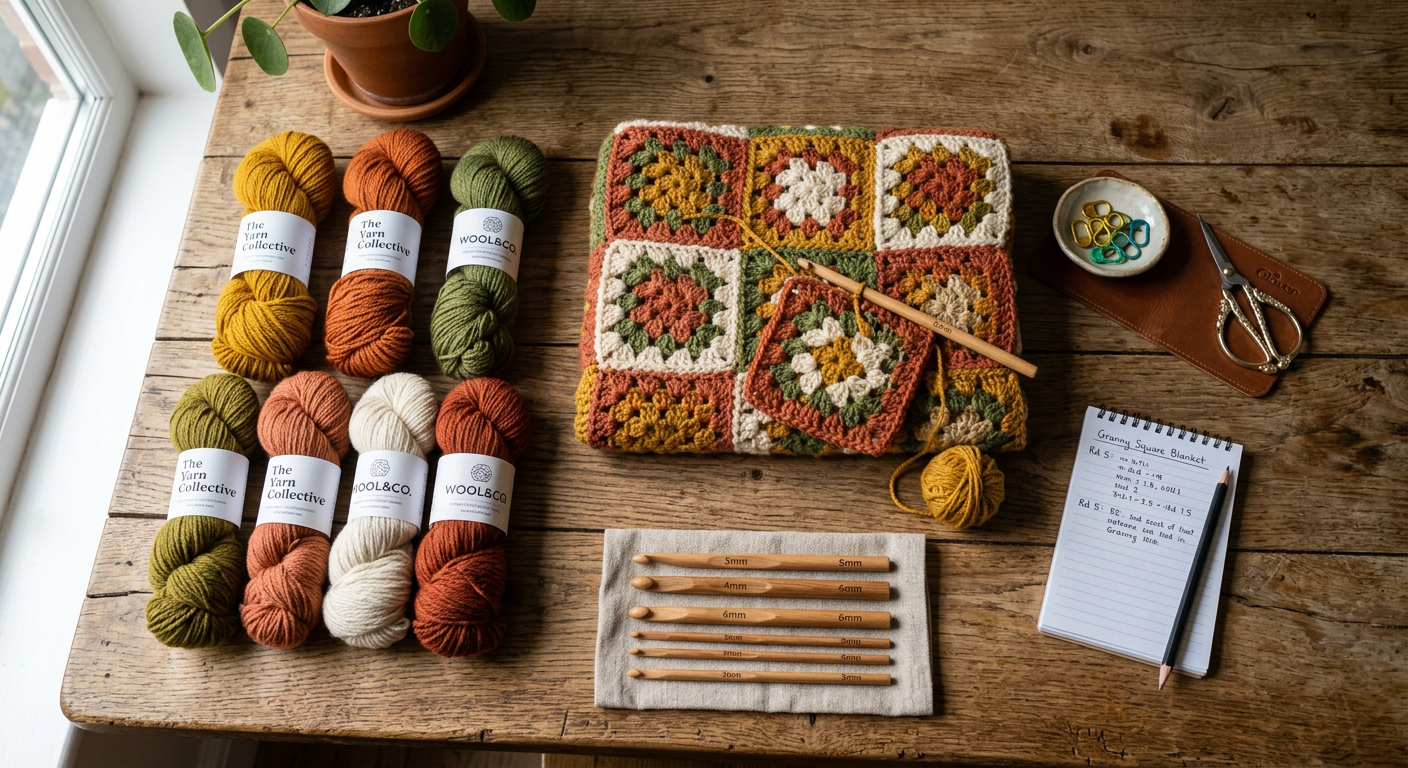
Hi there, crafty friend! I’m so glad you’re here. Lately I’ve been seeing the most beautiful crocheted cardigans all over Pinterest, and it’s got me in the mood to pick up my hook again. There’s something so satisfying about watching a project take shape, one stitch at a time.
If you’ve ever watched someone crochet and thought, “I want to do that,” you’re in the right place. I’m Donna, and crochet has been my constant companion through late nights, long road trips, rainy weekends, and just about every holiday season for more years than I care to count. I’m not an expert on everything, but I’ve picked up a thing or two along the way, and I love helping others discover the joy of creating with yarn and a hook.
Whether you’re a complete beginner looking for crochet instructions for beginners or someone who already knows the basics and wants to expand your crochet stitch library, this guide is for you. I’ve put together everything I wish someone had handed me when I first picked up a hook—from the foundational stitches and essential techniques to project ideas, tool recommendations, and answers to the questions I hear most often.
Think of this as your home base for all things crochet. Bookmark it, come back often, and let’s work through these stitches together!
Grab Your Free Crochet Stitch Guide!
Download my Crochet Stitch Abbreviations Cheat Sheet—perfect for keeping by your chair while you work!
What You’ll Find in This Guide
- Beginner-friendly basics — how to hold your hook, make a slip knot, and work your first chain
- Essential crochet stitches — from single crochet to double crochet, half double crochet, treble, and beyond
- Key techniques — the magic ring, working in the round, changing colors, reading patterns
- Popular project types — blankets, hats, scarves, amigurumi, bags, garments, and home décor
- Tools and supplies — what you actually need (and what you can skip)
- Common mistakes and how to fix them — so you don’t have to learn the hard way
- Featured project ideas — specific, practical projects to try at every skill level
- FAQ — real answers to the questions beginners ask most
Getting Started: Crochet Basics for Beginners
Learning how to crochet step by step doesn’t have to be intimidating. You need exactly two things to start: a crochet hook and a ball of yarn. That’s it. No sewing machine, no loom, no complicated setup. Just you, a hook, and some yarn.
Holding Your Hook and Yarn
There are two common ways to hold a crochet hook: the pencil grip (holding it like a pencil) and the knife grip (holding it like a butter knife). Neither is “correct”—use whichever feels natural. I use the knife grip myself, but I’ve taught plenty of people who prefer the pencil hold. Your tension hand (the one holding the yarn) matters just as much. Wrap the yarn around your index finger and let it flow smoothly. Consistent tension is the single biggest factor in making your stitches look even.
The Slip Knot and Foundation Chain
Every crochet project starts with a slip knot followed by a foundation chain. The chain is your starting row—it’s the base that everything else builds on. Make a loop, pull the yarn through, and tighten it on your hook. Then yarn over and pull through to create each chain stitch. Count your chains carefully; getting the count right here saves headaches later.
Essential Crochet Stitches Every Crocheter Should Know
Once you have your foundation chain, it’s time to learn the core stitches. These are the building blocks for virtually every crochet pattern out there. Master these, and you can tackle just about anything.
Chain Stitch (ch)
You already learned this one with your foundation chain. The chain stitch is also used throughout patterns to create spaces, turning chains, and decorative elements. It’s the simplest stitch, but it shows up everywhere.
Slip Stitch (sl st)
The slip stitch is the shortest crochet stitch. Insert your hook, yarn over, and pull through both loops at once. It’s used to join rounds, move across stitches without adding height, and create surface details. You’ll use it constantly when working in the round.
Single Crochet (sc)
Single crochet creates a short, tight, dense fabric. Insert your hook into the stitch, yarn over, pull up a loop (two loops on hook), yarn over again, and pull through both loops. This is the stitch I recommend every beginner learn first. It’s easy, forgiving, and produces a sturdy fabric that’s perfect for dishcloths, amigurumi, and bags.
Half Double Crochet (hdc)
The half double crochet stitch sits between single and double crochet in height. Yarn over before inserting your hook, pull up a loop (three loops on hook), then yarn over and pull through all three loops. HDC creates a slightly softer, more flexible fabric than single crochet. It’s one of my favorite stitches for hats and cowls because it works up quickly and has a nice drape.
Double Crochet (dc)
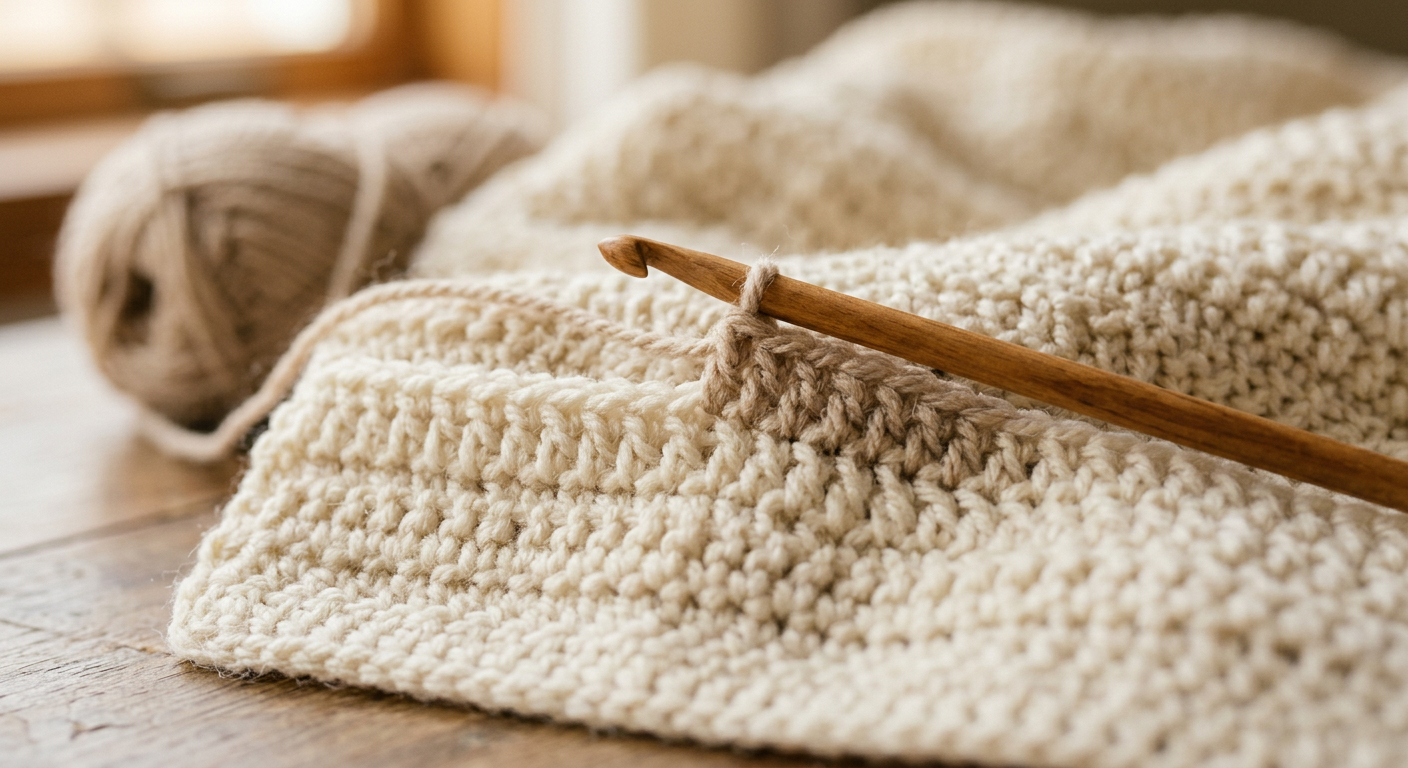
Double crochet is probably the most widely used stitch in crochet. Yarn over, insert hook, pull up a loop, yarn over and pull through two loops, yarn over and pull through the remaining two loops. It’s taller than HDC, works up faster, and creates a fabric with a bit more drape. Granny squares, afghans, scarves, and garments all rely heavily on double crochet.
Treble Crochet (tr) and Beyond
Treble crochet (also called triple crochet) adds another yarn over at the beginning, making it even taller. These taller stitches create open, lacy fabrics and are common in lace patterns and decorative work.
Key Techniques That Open Up New Possibilities
Knowing the basic stitches is essential, but these techniques are what take you from “I can make a rectangle” to “I can make anything.”
The Magic Ring (Magic Circle)
The magic ring is a technique for starting projects worked in the round—hats, amigurumi, granny squares, and round motifs. Instead of chaining and joining (which leaves a hole in the center), the magic ring lets you pull the center completely closed. It takes a little practice to get comfortable with, but once you have it, you’ll never go back.
Working in the Round
Many crochet projects—hats, beanies, amigurumi toys, round coasters, and bags—are worked in continuous rounds or joined rounds rather than flat rows. Understanding how to increase evenly to keep your work flat (or not increase to create a tube) is fundamental. Use stitch markers to mark the beginning of each round so you don’t lose your place.
Changing Colors and Working with Multiple Yarns
Color changes open up a whole world of design possibilities—stripes, colorwork, tapestry crochet, and more. The key is to introduce the new color on the last pull-through of the stitch before the color change. This keeps your color transitions clean.
Reading Crochet Patterns
Crochet patterns can look like a foreign language at first—all those abbreviations and brackets. But once you learn the standard abbreviations (ch, sc, dc, hdc, tr, sl st, sk, rep), it clicks. Patterns come in written form, chart format, diagram format, and sometimes video. I keep a printable reference card next to my chair—and you can grab one for free using the signup form above!
Popular Crochet Stitch Patterns and Textures
Beyond the basic stitches, there are hundreds of stitch pattern combinations that create unique textures and visual effects. Here are some of the most popular ones to explore:
The Granny Square
The granny square is probably the most iconic crochet motif. It’s worked in the round with clusters of double crochet separated by chain spaces. You can make them in one color or dozens. Join them together for blankets, bags, cardigans, and more.
The V-Stitch
The V-stitch is made by working a double crochet, chain one, double crochet all in the same stitch. It creates a light, airy fabric with a pretty V-shaped pattern. It’s great for scarves, shawls, and lightweight blankets.
The Zigzag (Chevron) Pattern
Zigzag patterns (also called chevron or ripple) create a wavy effect by strategically placing increases and decreases. They’re stunning in multi-color combinations and are a classic choice for blankets and afghans.
The Moss Stitch (Linen Stitch)
Alternating single crochet and chain stitches creates a woven-looking fabric called the moss stitch or linen stitch. It’s dense, has minimal stretch, and is perfect for bags, washcloths, and structured items.
Common Crochet Project Types
One of the best things about crochet is the sheer variety of things you can make. Here’s a rundown of the most popular project categories:
Blankets and Afghans
Crochet blankets are among the most popular projects, and for good reason. There’s nothing quite like wrapping up in a blanket you made yourself. From simple striped throws to elaborate sampler blankets with different stitch patterns in each row, blankets are a great way to practice new stitches.
Hats, Beanies, and Headbands
Crochet hats are perfect quick projects. A basic beanie can be finished in an evening. They’re great for practicing working in the round and make wonderful gifts. Headbands are even faster—a crochet headband project is often one of the first things I recommend to new crocheters.
Amigurumi and Stuffed Toys
Amigurumi—the Japanese art of crocheting small stuffed figures—has exploded in popularity. These projects use single crochet worked tightly in the round, increases and decreases for shaping, and safety eyes or embroidered features.
Garments: Tops, Cardigans, and Sweaters
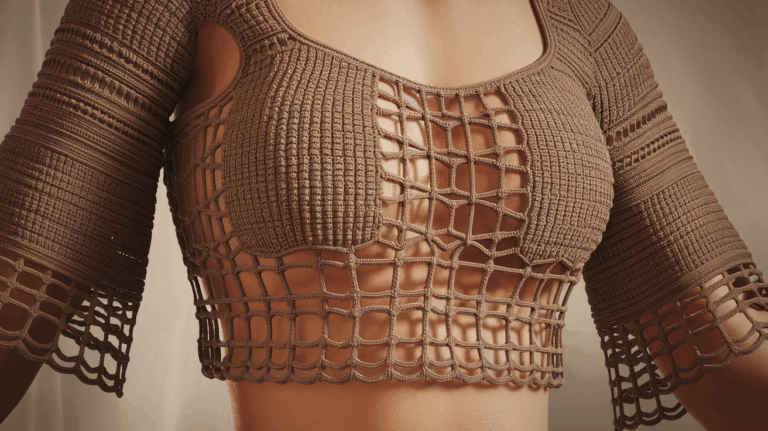
Crocheted garments have come a long way from the scratchy vests of the 1970s. Modern crochet patterns for tops, cardigans, and sweaters use beautiful draping stitches and soft yarns. Crochet tops are trending heavily right now, with mesh tops, cropped cardigans, and oversized sweaters being especially popular.
Bags, Purses, and Accessories
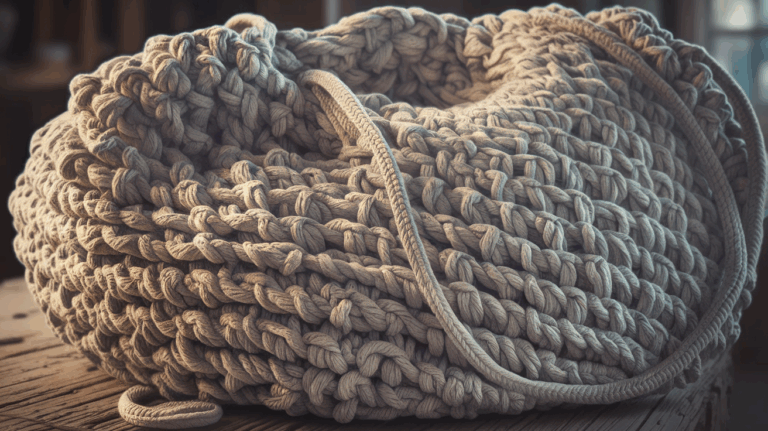
Crocheted bags are practical and stylish. From market bags to structured purses to tiny pouches, crochet bag projects are satisfying because they’re usually quick and immediately useful.
Seasonal and Holiday Projects
Crochet Christmas ornaments, stockings, and decorations are a holiday tradition for many crafters. Autumn items like pumpkins and leaf garlands are popular too. If you enjoy holiday crafting, check out our holiday craft ideas for even more seasonal projects.
Featured Project Ideas
Here are some specific projects to try at different skill levels. Each one teaches you something new while giving you a finished item you’ll actually use.
Beginner Projects
- Simple Dishcloth — Work a square in single crochet using cotton yarn. Practice keeping your edges straight.
- Chunky Infinity Scarf — Use chunky yarn and double crochet to make a wide rectangle, then join the ends.
- Basic Beanie — Start with a magic ring, increase in rounds to create the crown, then work even for the sides.
- Granny Square Sampler — Make several granny squares in different colors and practice joining them.
Intermediate Projects
- Chevron Blanket — A chevron blanket in 3-5 colors teaches you increases, decreases, and color changes.
- Market Bag — A mesh market bag uses chain spaces and double crochet to create a stretchy, reusable bag.
- Amigurumi Animal — Try a simple stuffed animal like a bunny or turtle for amigurumi practice.
- Textured Throw Pillow Cover — Combine different stitch patterns (bobbles, cables, popcorn stitches) for visual interest.
Advanced Projects
- Crocheted Cardigan — A cardigan project involves garment construction, shaping, buttonholes, and finishing.
- Tapestry Crochet Bag — Tapestry work involves carrying multiple colors and following a chart to create pictures or geometric designs.
- Lace Shawl — Lace shawls use fine yarn and complex stitch patterns for heirloom-quality pieces.
Essential Crochet Supplies
You don’t need a lot to get started, but having the right tools makes everything easier. Here are the basic supplies every crocheter needs:
This post contains affiliate links. If you buy through them, I may earn a commission at no extra cost to you. As an Amazon Associate I earn from qualifying purchases.
| Supply | Why It’s Popular | Where to Buy |
|---|---|---|
| Clover Amour Crochet Hook Set | Features ergonomic soft-grip handles that reduce hand fatigue. The aluminum hooks glide smoothly through yarn. Highly rated by thousands of crocheters for comfort during long sessions. | View on Amazon |
| Clover Locking Stitch Markers | Locking design clips securely onto any stitch without slipping. Essential for marking rounds, pattern repeats, and counting stitches. Comes in a convenient storage case. | View on Amazon |
| Clover Tapestry Needles (Bent Tip) | Bent tip makes weaving in ends much easier than straight needles. The blunt tip won’t split your yarn. A must-have for finishing crochet projects neatly. | View on Amazon |
| Wooden Yarn Bowl | Keeps yarn contained and tangle-free while you work. The curved slot guides yarn smoothly. A beautiful and functional addition to any crafter’s toolkit. | View on Amazon |
Supplies Crafters Love
Once you’ve got the basics covered, these tools can make your crochet experience even better:
| Supply | Why It’s Popular | Where to Buy |
|---|---|---|
| Stanwood Needlecraft Yarn Winder | Transforms messy skeins into neat center-pull cakes. Makes yarn easier to work with and prevents frustrating tangles. A game-changer for anyone with a growing yarn stash. | View on Amazon |
| Blocking Mats and T-Pins Set | Essential for finishing garments, shawls, and lace projects. Grid lines help with measuring and blocking evenly. Helps your projects hold their shape beautifully. | View on Amazon |
| Crochet Project Bag with Pockets | Keeps your current work organized and portable. Multiple pockets hold hooks, scissors, and accessories. Perfect for crocheting on the go or keeping projects tidy at home. | View on Amazon |
| Crochet Hook Organizer Case | Keeps all your hooks organized and easy to find. Slots for different sizes plus pockets for accessories. No more digging through a tangled mess to find the right hook! | View on Amazon |
| Knit/Crochet Gauge Ruler Tool | Essential for checking gauge before starting garments. The 2-inch window makes counting stitches and rows quick and accurate. Helps ensure your finished project matches pattern sizing. | View on Amazon |
Common Mistakes and How to Avoid Them
I’ve made every mistake in the book, so let me save you some trouble:
- Not counting stitches. This is the number one beginner mistake. Count your stitches at the end of every row until it becomes second nature.
- Skipping the turning chain. When you turn your work at the end of a row, you need a turning chain to bring your hook up to the correct height. Forgetting it will make your edges shrink inward.
- Inconsistent tension. If your stitches are tight in some places and loose in others, your fabric will look uneven. This gets better with practice.
- Working into the wrong part of the stitch. Each stitch has a front loop, back loop, and both loops. Unless the pattern says otherwise, work under both loops.
- Not making a gauge swatch. For garments, skipping the gauge swatch is a gamble. Spend 15 minutes making one—it could save you hours of rework.
- Using the wrong hook size for your yarn. Check the yarn label for the recommended hook size. Using a hook that’s too small makes tight, stiff fabric; too large makes loose, floppy fabric.
Frequently Asked Questions
How long does it take to learn to crochet?
Most people can learn the basic chain and single crochet stitch in an afternoon. Getting comfortable enough to follow a simple pattern usually takes a few days to a couple of weeks of regular practice. Within a month of consistent practice, you should be able to tackle beginner patterns with confidence.
What’s the easiest crochet project for a complete beginner?
A dishcloth or washcloth in single crochet using cotton yarn. It’s a small, flat rectangle—no shaping, no complicated stitches, and you end up with something useful. After that, try a scarf or a simple beanie.
What size crochet hook should I start with?
A 5mm (US H/8) hook paired with worsted weight yarn is the standard recommendation for beginners. The hook is large enough to see what you’re doing but not so large that the stitches feel awkward.
Is crochet easier than knitting?
Many people find crochet easier to learn because you only use one hook (instead of two needles) and it’s easier to fix mistakes—you can simply pull out stitches and redo them. Crochet is also better for 3D shapes and amigurumi. That said, both crafts have their strengths, and many crafters enjoy both.
How do I read a crochet pattern?
Start by learning the standard abbreviations: ch (chain), sc (single crochet), dc (double crochet), hdc (half double crochet), tr (treble crochet), sl st (slip stitch), sk (skip), rep (repeat). Instructions in parentheses or brackets are usually repeated. Download our free Crochet Stitch Abbreviations Cheat Sheet using the signup form above!
What’s the difference between US and UK crochet terms?
This is important! A US “single crochet” is the same as a UK “double crochet.” A US “double crochet” is a UK “treble.” Always check which terminology your pattern uses—most patterns will specify.
Why are my edges uneven?
Usually this means you’re missing the first or last stitch of each row, or you’re adding extra stitches somewhere. Count your stitches every row until you build the habit of working into the turning chain (or skipping it correctly, depending on the pattern).
How do I change colors neatly?
The trick is to change colors on the last yarn-over of the last stitch before the color change. So if you’re making a double crochet, do your first yarn-over and pull through (two loops on hook), then yarn over with the new color and pull through both loops. The old color completes the stitch, and the new color is ready for the next stitch.
Ready to Start Your Crochet Journey?
Crochet is one of those crafts that meets you exactly where you are. You can make something beautiful with just a hook, some yarn, and a little patience. Start with the basics, practice consistently, and don’t be afraid to unravel and try again—every crocheter does it!
The most important thing is to enjoy the process. Whether you’re making a simple dishcloth or an intricate lace shawl, the rhythmic motion of hook and yarn is its own reward. And when you finish that first project? There’s nothing quite like it.
Pick up your hook and try that first stitch. I’ll be here with more tutorials, patterns, and tips whenever you need them. Happy crocheting!
Don’t forget to grab your free Crochet Stitch Abbreviations Cheat Sheet using the form above!
Explore More
If you enjoyed this crochet guide, you might also like these related topics on Crafting with Donna:
- Knitting Patterns — Discover our collection of knitting tutorials and patterns
- Embroidery Patterns — Add decorative touches to your crochet projects with embroidery
- Craft Organization Tips — Keep your yarn and supplies organized and accessible
- Holiday Craft Ideas — Seasonal crochet and craft projects throughout the year
- DIY Home Decor Ideas — Use your crochet skills to beautify your home
— Donna
Crafting with Donna