How To Knit A Fruit Salad Vest
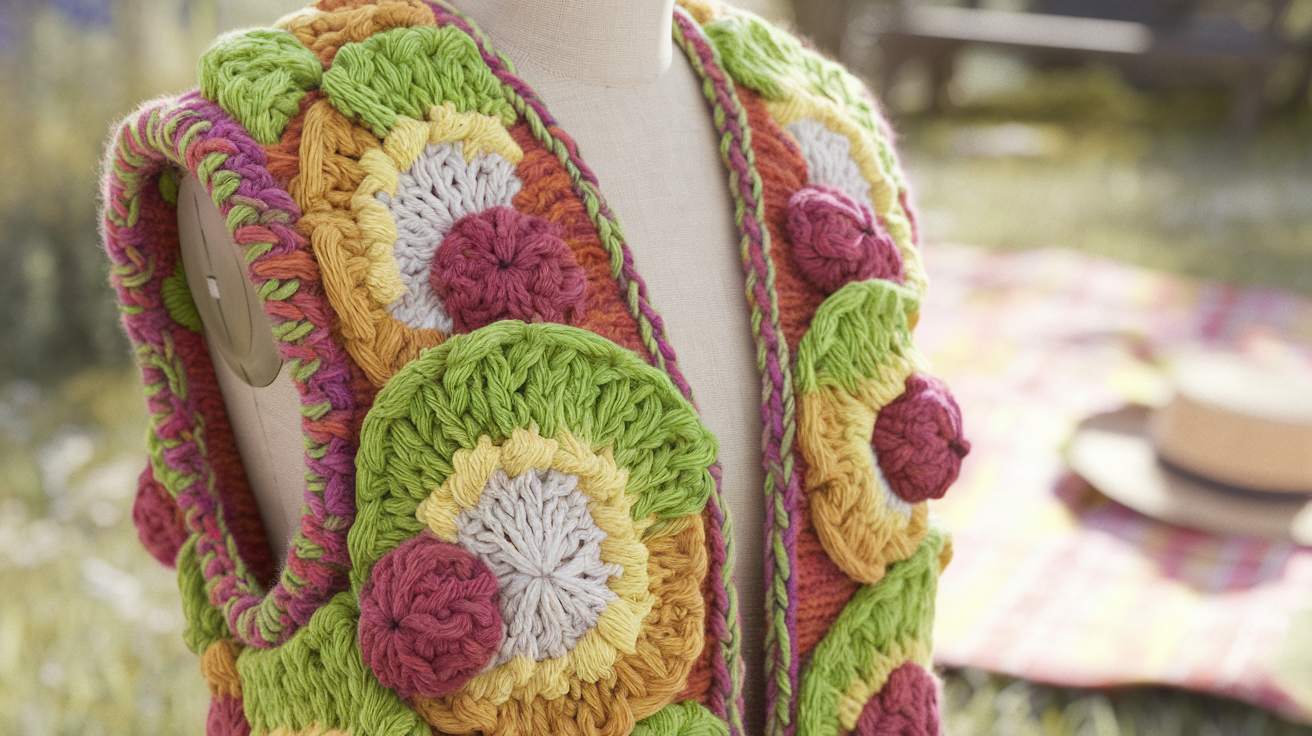
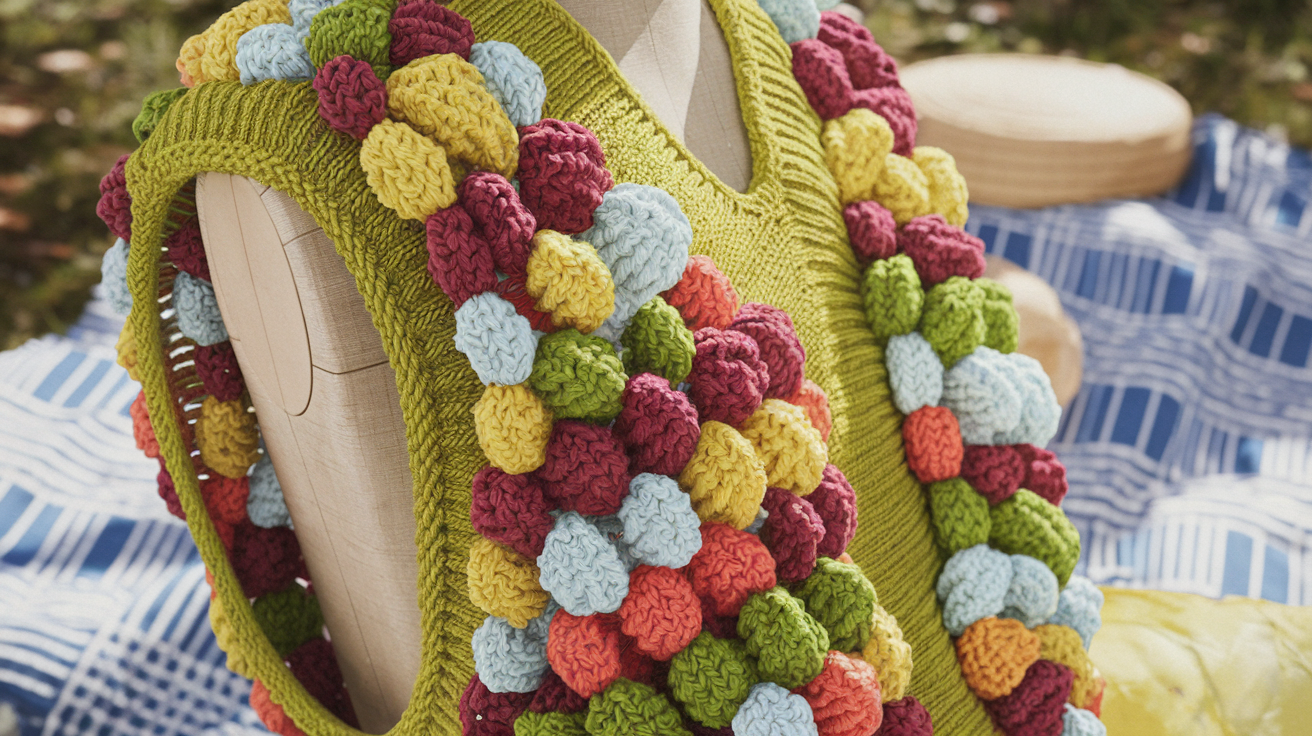
If the Fruit Salad Vest caught your eye because it looks cheerful, colorful, and a little bit daring, you are not alone. Vanessa Ewing’s design is a playful stranded-colorwork vest with fruit motifs, and it is exactly the kind of project where a little planning up front can save a lot of frustration later.
I would not treat this as a quick “grab yarn and go” project. The charm is in the color choices, the chart reading, the fit, and the finishing. This guide is here to help you decide whether the pattern fits your skill level, what to gather before casting on, and how to approach the trickier parts with confidence.
If you are comparing this to other knitting patterns, think of the Fruit Salad Vest as a statement project: bright, detailed, and best for knitters who enjoy charts, color decisions, and careful finishing.
What Makes the Fruit Salad Vest Worth Knitting?
The biggest reason to knit this vest is personality. The fruit motifs — including strawberries, grapes, peaches, blueberries, and kiwi — make it feel more like wearable art than a plain layering piece. It is also a good project if you have been wanting to practice colorwork in a garment instead of another small accessory.
The tradeoff is that the project asks for attention. Multiple colors, charted motifs, gauge, and finishing details all matter. That does not mean you should avoid it; it means you should set yourself up well before the first round.
Choosing Your Fruit Salad Vest Yarn
Yarn choice matters because the fruit motifs need clear stitch definition. A fingering-weight or sock-yarn base keeps the vest lightweight while still giving the colorwork enough detail to show the fruit shapes clearly.
Look for yarn that feels comfortable against the body and can hold up to repeated wear. Wool blends are often helpful for colorwork because they block well and help the motifs settle into an even fabric. Cotton, linen, or plant-fiber blends may feel cooler for warm-weather layering, but they can behave differently in colorwork, so swatching becomes even more important.
Color Palette Tips
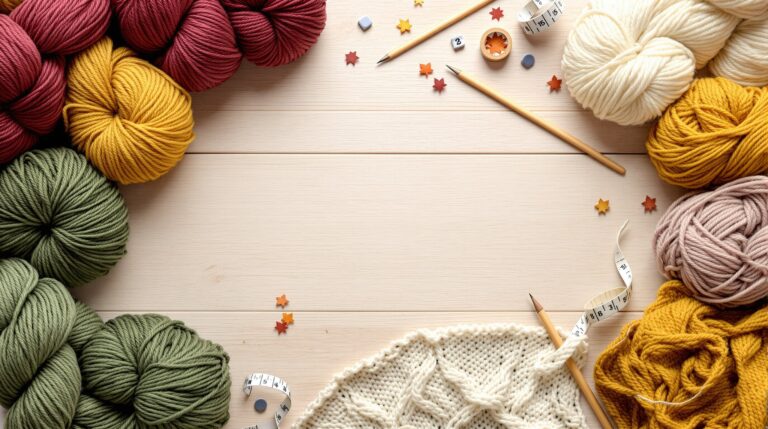
The current article notes that the design can use up to 13 colors, which makes it a fun project for mini skeins or carefully chosen leftovers. Before you start, separate your fruit colors from your background or outline colors. I would also take a quick phone photo of the yarns together in black and white; if the colors look too similar in grayscale, the fruit shapes may disappear.
If you want to customize the palette, keep fruit readability in mind. You can change the mood of the vest with the background color, but the fruit motifs still need enough contrast to be recognizable after blocking.
- Fingering-weight or sock yarn in the colors required by the pattern
- Circular needles or DPNs in the sizes required to meet gauge
- Stitch markers
- Tapestry needle for weaving in ends
- Scrap yarn or stitch holders
- Blocking mats and pins
- A row counter, chart keeper, sticky notes, or another tracking method
Verify exact needle sizes, yardage, size range, and gauge against the purchased pattern before you buy yarn or cast on.
Gauge and Swatching
Please do not skip the gauge swatch on this one. A plain stockinette swatch can tell you part of the story, but colorwork tension often behaves differently, so a small colorwork swatch is more useful for this project.
Watch your floats as you swatch. Tight floats can pucker the fabric and change the finished measurements. Loose, even tension will help the fruit motifs sit flat after blocking.
Understanding Vanessa Ewing’s Pattern
Vanessa Ewing’s Fruit Salad Vest is described in the current article as a bottom-up vest worked from a split hem and shaped with cap sleeves and ribbed armholes. Preserve that pattern credit when you talk about or share the project. For the official source, review the designer’s pattern listing on Ravelry or another confirmed pattern marketplace before purchasing.
The fruit motifs are charted, so the best preparation is to read through the charts before starting and decide how you will track rows, color changes, and motif repeats. If you are newer to complex charted colorwork, mark each chart section before you begin knitting.
The article also mentions steeking for armhole construction. Because steeking is an advanced technique, do not rush past it. Review the pattern instructions, practice the reinforcement method if steeking is new to you, and make sure you understand the cutting step before you get there.
Questions to Ask Before Casting On
- Do I have enough contrast between the background and fruit colors?
- Have I checked gauge in colorwork, not just plain stockinette?
- Am I comfortable reading charts and tracking multiple motifs?
- Do I understand the steeking or finishing instructions?
- Have I confirmed the exact size, yardage, and needle requirements from the official pattern?
Common Mistakes to Avoid
- Choosing colors only because they look pretty in the skein. Pretty colors still need enough contrast in the knitted fabric.
- Pulling floats too tightly. Tight floats can make the vest pucker and affect fit.
- Skipping the planning step. With many colors, a simple yarn map or chart-tracking system makes the project calmer.
- Ignoring finishing until the end. If steeking makes you nervous, learn and practice before the vest is already on your needles.
Why This Project Makes a Good Campaign Piece
The Fruit Salad Vest is naturally visual. It gives CraftingWithDonna strong angles for Pinterest pins, Instagram carousel slides, short videos, and email teasers because the article can show color palettes, fruit motifs, swatching reminders, and “before you cast on” tips. Readers do not just need the pattern link; they need help deciding whether they are ready for the project and how to start wisely.
Before You Start
Read the full pattern first, choose high-contrast colors, swatch in colorwork, and make a simple color-management plan. This is a project where preparation makes the knitting more enjoyable.
If CraftingWithDonna later confirms store inventory, affiliate links, or local class/support details, this article is a natural place to add a small yarn-and-notions checklist, a disclosure, and a soft local note for readers who want help choosing colors.