
Welding for Crafts: A Beginner’s Guide to Making Metal Art
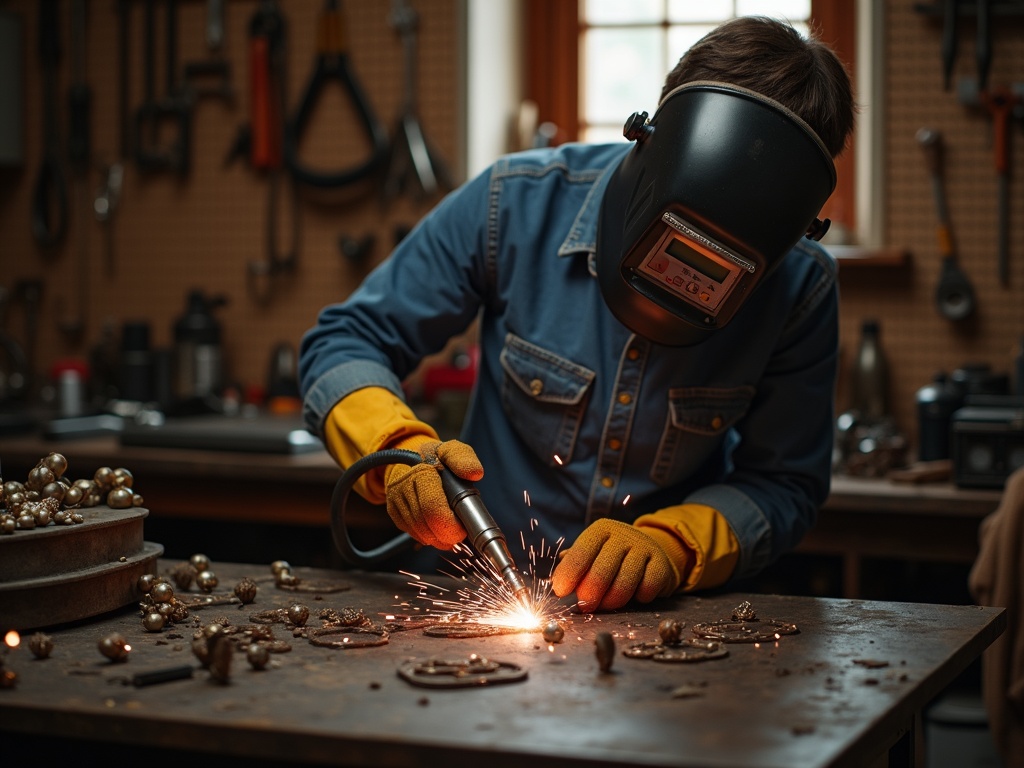
Hi friend! If you’ve been eyeing all that gorgeous welded yard art and wondering whether you could make it yourself — you can. Welding for crafts means using a small, beginner-friendly welder (usually a flux-core or MIG machine) to join steel pieces into decorative projects like garden flowers, hooks, and yard art. You don’t need a certification, a big shop, or years of practice: with a starter welder, basic safety gear, and scrap steel, most people lay their first workable craft welds in a weekend.
What kind of welding is best for crafts?
For decorative work, you want the simplest process that joins thin steel without fuss:
- Flux-core welding (FCAW) — the easiest and cheapest entry point. No gas bottle to rent, works outdoors, and the little 120V machines handle the thin steel most crafts use. This is the one I recommend beginners start with.
- MIG welding — the next step up. Cleaner welds with less spatter, great once you’re hooked, but you’ll add a shielding-gas cylinder.
- TIG welding — beautiful, precise, and the hardest to learn. Lovely for fine jewelry-scale work someday; skip it for your first season.
- Brazing or soldering — not true welding, but a torch and brazing rod will join small decorative pieces and copper, and it’s a gentler start if a welder feels like too much.
What you need to get started
Some links below are Amazon affiliate links. If you buy through them, I may earn a small commission at no extra cost to you.
- A small 120V flux-core welder — plugs into a normal outlet; plenty for craft-weight steel.
- Auto-darkening welding helmet — non-negotiable. Your eyes are worth more than any project.
- Leather welding gloves and a leather apron — sparks find bare skin fast.
- Welding magnets and clamps — they hold your pieces at the angle you want, like a third hand.
- An angle grinder with flap discs — for cleaning rust before welding and smoothing welds after.
- Scrap steel — old horseshoes, washers, nuts and bolts, rebar ends, silverware. Craft welding runs on the stuff other people throw away.
Safety first — the five rules
- Weld on bare steel over a non-flammable surface (a steel table or concrete), never near sawdust, rags, or solvents.
- Helmet down before every arc — even “just a tack.” Arc flash hurts for days.
- Cover your skin: gloves, long sleeves, closed shoes. UV from the arc sunburns like the beach.
- Ventilation: outdoors or a garage with the door open. Never weld galvanized (shiny zinc-coated) steel — the fumes are toxic.
- Keep a fire extinguisher within reach, and stay in the shop for 30 minutes after your last weld.
5 beginner welding craft projects
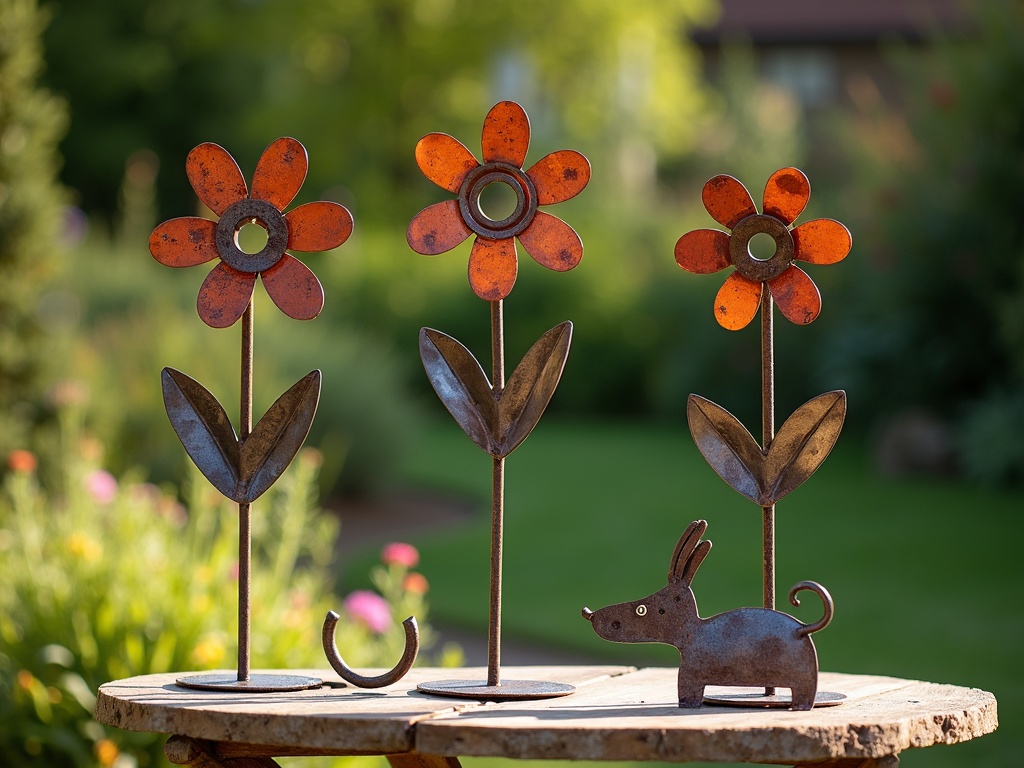
- Welded garden flowers — spoon petals or washer petals on a rebar stem. Forgiving, charming, and they sell at craft fairs.
- Horseshoe hooks and racks — two or three welds each; instantly giftable.
- Nut-and-bolt critters — little dogs, frogs, and gnomes from hardware-drawer leftovers. Wonderful for practicing small tacks.
- Metal candle holders — chunky industrial bases from pipe fittings and flat bar.
- Garden trellis or stake toppers — simple straight-line welds you can practice in batches.
Your first project, step by step
- Grind your steel clean and shiny where the weld will go — welds hate rust and paint.
- Clamp or magnet the pieces in position on your steel table.
- Attach the ground clamp to your work, set the machine to the thin-steel setting in your welder’s door chart.
- Helmet down. Run short tack welds first to lock the shape, then check your angles.
- Fill in with short beads. Thin craft steel warps if you hold the arc too long — work in small bursts.
- Let it cool, wire-brush the spatter, and smooth with the flap disc.
- Finish with outdoor clear coat or paint so your art doesn’t rust away.
No welder? Try metal embossing instead
If a welder isn’t in the cards yet, you can still get that handmade-metal look. Metal embossing (repoussé) shapes soft aluminum or copper sheet with hand tools — no heat, no sparks, and kids can join in. You trace a design onto the sheet, work it from the back to raise the pattern, then add detail from the front. It pairs beautifully with welded pieces later, too. For more no-weld ideas, see my DIY metal gifts guide.
Welding for crafts: FAQ
Is welding hard to learn for craft projects?
No — craft welding is the friendliest kind. Your welds need to hold a garden flower together, not pass an inspection. Most beginners make usable tack welds their first afternoon and presentable beads within a few weekends of practice.
What’s the cheapest way to start welding crafts?
A small 120V flux-core welder, an auto-darkening helmet, and gloves. Add free scrap steel and you’re making yard art for less than the cost of a good sewing machine.
Can I weld craft projects indoors?
Only in a garage or shop with real ventilation and nothing flammable nearby — never in living spaces. Outdoors on a calm day is the easiest safe setup for flux-core.
Do I need a certification to weld crafts?
No. Certifications matter for structural work. For hobby and craft welding, safety gear and common sense are the only requirements.
Happy crafting,
Donna